Roughly 60% of the Amazon basin sits inside Brazil, and that single fact helps explain why the country ranks among the most biodiverse on Earth.
From 18th– and 19th‑century naturalists who first cataloged many species to contemporary field biologists mapping ranges, explorers have long been astonished by Brazilian wildlife. Biodiversity here underpins water regulation, pollination, fisheries and cultural traditions, and it supports livelihoods across rural and urban communities. This article showcases 12 emblematic species that illustrate the richness, ecological roles, and conservation challenges of the fauna of brazil, using concrete examples, conservation statuses and key numbers (for example, the Amazon contains roughly 10% of known species and Brazil hosts more than 1,800 bird species).
Forest Floor and Large Mammals
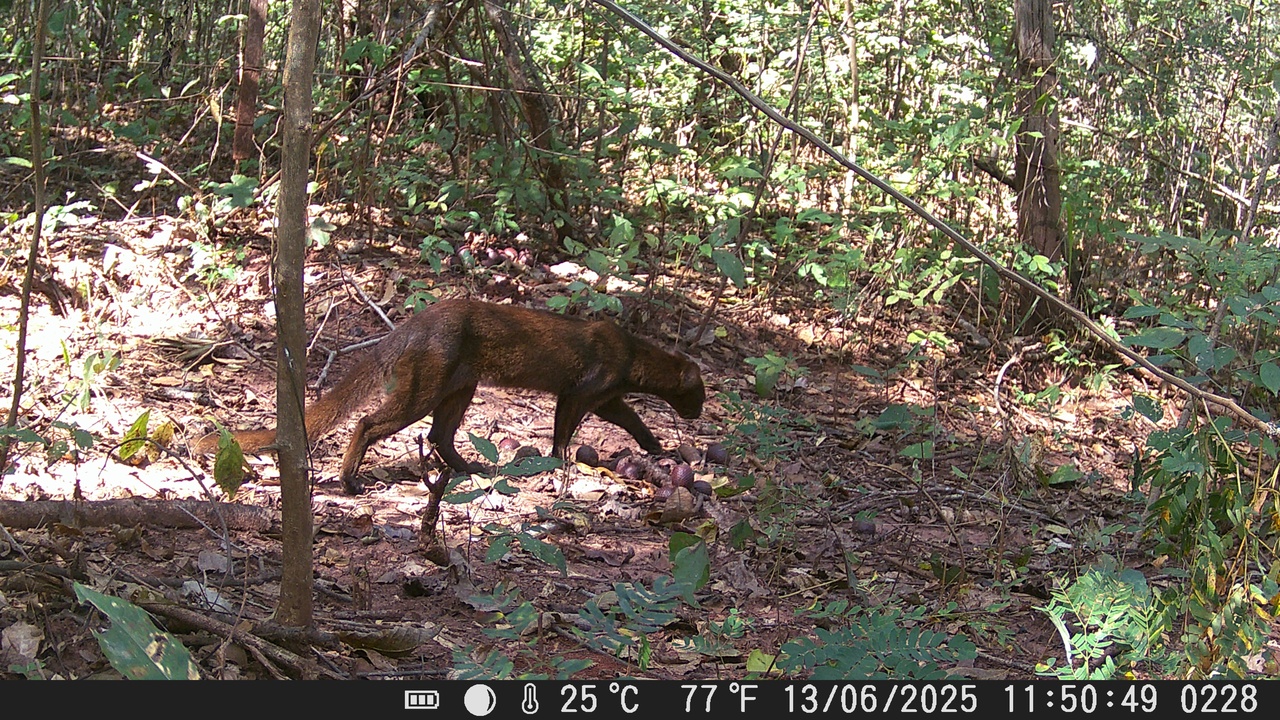
Brazil’s forest floor supports a suite of large-bodied mammals that shape ecosystems through predation, grazing and soil disturbance. These species—often called flagship animals—signal the health of landscapes and attract conservation funding and tourism; organizations such as ICMBio and Panthera prioritize them for habitat protection. Human-wildlife interactions are common, from conflict with ranchers to culturally important hunting traditions, so conservation strategies increasingly combine protected areas with community engagement and ecotourism (for example, Onçafari’s jaguar tracking in the Pantanal).
1. Jaguar (Panthera onca)
The jaguar is the largest cat in the Americas and a top predator across Amazonia, the Pantanal and parts of the Cerrado. Listed as Near Threatened on the IUCN Red List, jaguars regulate herbivore and mesopredator populations and thus help maintain balanced food webs.
Conservation efforts emphasize maintaining connectivity—Panthera’s Jaguar Corridor Initiative seeks linked habitat from Mexico to Argentina—while Brazilian groups such as Onçafari use camera‑trap surveys and community ecotourism to generate income and data. Camera‑trap studies in the Pantanal and Amazon highlight how jaguar presence correlates with intact prey communities and lower livestock losses where ranchers use conflict‑mitigation practices.
Threats include habitat loss and fragmentation from agriculture and infrastructure, road mortality, and retaliatory killing by ranchers. Protecting large contiguous blocks of forest and supporting coexistence programs remain central to jaguar conservation.
2. Giant Anteater (Myrmecophaga tridactyla)
The giant anteater is an unmistakable insectivore with an elongated snout and a long, sticky tongue adapted to feeding on ants and termites. It ranges across the Cerrado, grasslands and forest edges, and the IUCN lists it as Vulnerable due to declines in parts of its range.
As a specialist predator of social insects, the species helps regulate termite and ant populations and can indicate intact habitat structure. Major threats in recent years include roadkill and widespread wildfires—notably the severe fire seasons of 2020 that affected the Pantanal and Cerrado—and conversion of savanna to agriculture.
Conservation responses combine habitat protection, rescue and rehabilitation centers that treat fire‑injured individuals, and outreach to reduce vehicle collisions. Local centers often return rehabilitated anteaters once protected habitat is secured.
3. Giant Armadillo (Priodontes maximus)
The giant armadillo is a large, fossorial mammal that engineers habitat through deep burrowing; its dens are used by dozens of other species. It occurs patchily across Amazonia and transitional savannas and faces conservation concern—many assessments list it as Vulnerable or at higher risk regionally.
By excavating large chambers and turning over soil, giant armadillos create refuges for ocelots, snakes, birds and small mammals and enhance soil aeration. Field studies document multi‑species use of armadillo burrows, which can persist for years and anchor local biodiversity hotspots.
Hunting and habitat loss are principal threats; conservation actions in Amazon and Cerrado regions focus on anti‑poaching measures, protected‑area enforcement and community outreach to reduce persecution and preserve burrow networks.
4. Capybara (Hydrochoerus hydrochaeris)
The capybara is the world’s largest rodent and a familiar presence along rivers, lakes and floodplains such as those of the Pantanal and Amazon. As a dominant grazer, it influences plant communities in wetland mosaics and helps transfer energy between aquatic and terrestrial systems.
Capybaras serve as primary prey for jaguars and other large predators, shaping predator‑prey dynamics documented in Pantanal studies where high capybara densities support resident jaguar populations. They also feature in local cuisines and ecotourism, with many visitors hoping to observe herds near lodges.
Despite wide distribution, capybaras experience hunting pressure in some regions and conflicts with farmers where they graze crops; community‑based management and regulated hunting help balance use and conservation.
Canopy and Arboreal Residents

Tall forests create a vertical world where birds, mammals and reptiles specialize in life above the ground. Canopy species often have narrow ranges or specialized diets and are vulnerable to selective logging and fragmentation, even when the understory appears intact.
Brazil hosts more than 1,800 bird species, and long‑term canopy monitoring and plot studies reveal tight niche partitioning among fruit‑eaters, insectivores and raptors. Protecting canopy continuity is critical for species that rarely descend to the forest floor.
5. Harpy Eagle (Harpia harpyja)
The harpy eagle is a top canopy predator with enormous talons and a wingspan adapted for maneuvering through tall trees. It preys mainly on monkeys and sloths and typically raises a single chick every 2–3 years, producing small clutches and low reproductive output.
Because harpy eagles require large tracts of primary forest and stable prey populations, they act as a flagship for forest protection; nest‑protection programs in Amazonian reserves and research on breeding success help secure critical territories. Nest spacing tends to be wide, reflecting their territorial needs and low densities across the landscape.
Local conservation initiatives combine protected‑area enforcement with community engagement and guided ecotourism, which can fund nest monitoring and habitat preservation.
6. Toco Toucan (Ramphastos toco)
The toco toucan is instantly recognizable by its large, colorful bill and loud calls; it frequents forest edges, gallery forests and parts of the Pantanal. The bill is an effective tool for reaching fruit and aids in thermoregulation as well as feeding.
Toucans are key seed dispersers for many canopy trees, moving large seeds over long distances and promoting forest regeneration. Studies show toucans can disperse seeds beyond parent trees, helping maintain genetic connectivity in fragmented landscapes.
Toco toucans are culturally prominent and draw birdwatchers to reserves and lodges; conserving fruiting trees and tall snags benefits both toucans and a host of other canopy frugivores.
7. Three-toed Sloth (Bradypus variegatus)
The three‑toed sloth is a slow‑moving canopy specialist whose coarse fur hosts algae, moths and beetles, effectively creating a mobile micro‑ecosystem. Its low metabolic rate and cryptic lifestyle minimize energy needs but tie it to continuous canopy corridors.
Sloths contribute to nutrient cycles when they descend to defecate and their fur communities provide food and habitat for specialized invertebrates. They are a popular draw for ecotourism—canopy tours and lodges often feature sloth viewing that supports local guides and conservation education.
Fragmentation raises sloth mortality by forcing ground crossings; rescue and rehabilitation centers frequently handle displaced individuals after forest clearance, returning them when suitable canopy habitat is secured.
8. Brazilian Porcupine (Coendou prehensilis)
The Brazilian porcupine is a nocturnal, arboreal rodent with a prehensile tail and quills used for defense. It occupies primary and secondary forests as well as edges and consumes fruits and leaves.
By feeding on fruit and foliage, porcupines influence seed fate—sometimes dispersing, sometimes predating seeds—which affects regeneration patterns in secondary growth. They are often encountered near small farms and urban‑fringe forests, and communities use nonlethal mitigation to reduce garden damage.
Observational studies in secondary forests help clarify porcupine diet and movement, informing coexistence measures that keep animals out of conflict while preserving their ecological roles.
Rivers, Amphibians, Reptiles and Invertebrates

Brazil’s freshwater systems, soil and leaf litter create countless niches for fish, amphibians, reptiles and insects; the Amazon basin alone contains roughly 10% of the world’s known species. Rivers support fisheries, supply water to agriculture and cities, and sustain cultural practices in riverside communities.
Many amphibians and invertebrates are highly endemic—Brazil hosts more than 1,000 amphibian species—and their roles range from pollination and pest control to forming the base of aquatic food webs relied on by local fisheries.
9. Green Anaconda (Eunectes murinus)
The green anaconda is one of the world’s largest snakes and is closely adapted to ambush hunting in marshes, oxbow lakes and flooded forests. It primarily hunts aquatic and semi‑aquatic prey, including fish, caimans and capybaras.
As an apex wetland predator, anacondas influence prey populations and local trophic dynamics. Observational studies and museum records document large individuals and diverse prey items, while river guides and ecotourism operators often note local folklore and cautions surrounding encounters.
Negative encounters are rare but can shape perceptions; conservation messaging that highlights ecological roles and safe viewing practices helps reconcile human–snake interactions while supporting riverine tourism.
10. Piranha (Serrasalmidae family)
Piranhas are a diverse group of freshwater fishes often mischaracterized as uniformly dangerous. Brazil hosts several species, including the well‑known red‑bellied Pygocentrus nattereri, which vary from omnivory to active predation and scavenging.
Piranhas play key roles in nutrient cycling and carcass removal in floodplain rivers, and seasonal floods drive feeding behavior and schooling dynamics. Local fisheries sometimes target piranhas and guided piranha‑fishing outings are a component of river tourism.
Scientific work clarifies that mass attacks on humans are exceptional; most species contribute to healthy fish communities by controlling prey and cleaning carrion during low‑water periods.
11. Poison Dart Frog (e.g., Dendrobates tinctorius)
Poison dart frogs are small, brightly colored amphibians that occupy leaf litter, bromeliads and humid forest floors. Some species sequester potent alkaloid toxins from their diet, and they act as insect predators and indicators of healthy microhabitats.
Brazil’s amphibian diversity exceeds 1,000 species, many with very restricted ranges and sensitivity to habitat change and disease. Species like Dendrobates tinctorius have attracted pharmacological interest because their alkaloids inspired early drug research and continue to inform biochemical studies.
Protecting moist leaf‑litter and bromeliad habitats supports frogs and the invertebrates they consume; researchers and citizen scientists monitor populations to detect declines linked to habitat loss and disease.
12. Leafcutter Ant (Atta spp.)
Leafcutter ants are dominant herbivores and ecosystem engineers that harvest fresh leaves to cultivate fungus gardens. Colonies can range from thousands to millions of workers, dramatically altering understory vegetation and contributing to soil turnover.
Species such as Atta sexdens and Atta laevigata occur across forests and savannas and shape plant community composition by selectively removing foliage. Studies of their nest architecture and soil modification show significant effects on nutrient cycling and seedling recruitment.
Leafcutter ants are model organisms for social behavior research and inspire work in swarm robotics and distributed systems. In agricultural areas, traditional management and targeted controls help reduce crop damage while recognizing their ecological functions.
Summary
- Brazil contains an outsized share of global biodiversity, with the Amazon alone holding roughly 10% of known species and the country supporting more than 1,800 bird species.
- Flagship animals—jaguars, harpy eagles and anacondas—focus conservation attention and funding, but protecting habitat benefits countless lesser‑known species and ecological processes.
- Many species perform essential services—seed dispersal, pest control, soil turnover and fisheries support—linking biodiversity to culture and livelihoods.
- Supporting protected areas, responsible ecotourism, and local organizations (for example, ICMBio and WWF‑Brasil) helps safeguard habitats and species while sustaining communities.
- Get involved through citizen science, learning about local conservation initiatives, or donating to vetted groups that work on habitat protection and species recovery.