Reference the 1896 expedition of Fridtjof Nansen and other early naturalists who documented Arctic wildlife; their notes highlighted species adapted to extreme cold and surprised many European readers with tales of animals thriving where winter lasts most of the year.
That historical curiosity still matters. Roughly 35% of Norway lies north of the Arctic Circle, so Norwegian landscapes support everything from tundra specialists on Svalbard to temperate forest mammals further south. Conservation, ecotourism, and cultural ties—especially Sámi reindeer herding—mean these animals are both a scientific priority and a living heritage.
Fauna of Norway blends Arctic specialists and temperate species in striking ways — this article profiles 10 representative animals to show how geography, climate, and human activity shape life across fjords, forests, and tundra. The list that follows points to where to see them, current conservation themes, and organisations leading monitoring work.
Large mammals and iconic species
Norway’s large mammals anchor ecosystems and culture from the mainland to Svalbard. These species shape vegetation, support predators, and feature in traditions like reindeer herding and regulated hunting.
Geographically, populations split between mainland ranges and Arctic islands: Svalbard hosts unique subpopulations while the mainland supports forest and plateau-adapted herds. Norway also protects large tracts of habitat—there are 47 terrestrial national parks—and research by organisations such as the Norwegian Polar Institute and regional wildlife authorities informs policy.
Conservation status varies: some species have recovered under regulation, while others remain vulnerable to climate change, predation shifts, and land-use pressures. Hardangervidda National Park, for example, is critical for wild reindeer and illustrates how protected areas support migratory populations.
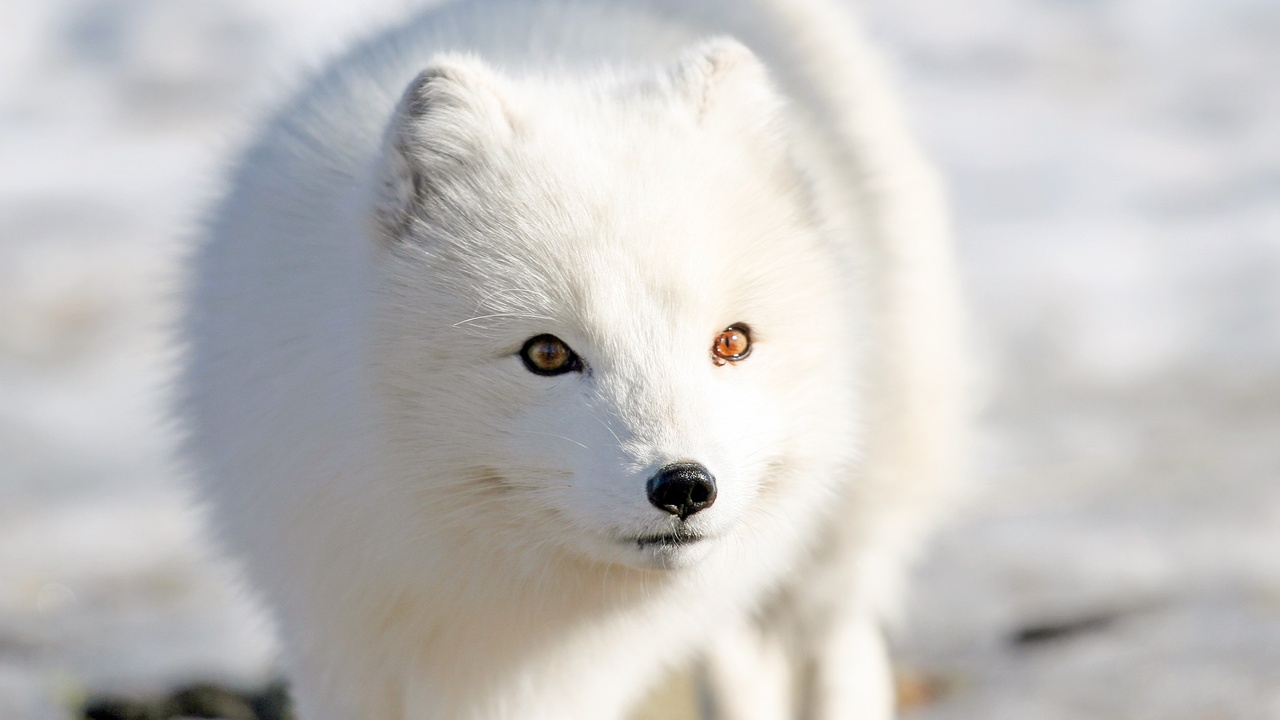
1. Arctic fox (Vulpes lagopus)
The Arctic fox is famed for its white winter coat and the brown or grey summer morphs that appear in some regions.
There are two distinct populations: mainland Norway and Svalbard. The Svalbard population is relatively stable, while mainland foxes faced severe declines in the 20th century and have been the focus of recovery programmes monitored by the Norwegian Polar Institute.
Breeding typically occurs in April–June, and researchers use long-term monitoring to study climate impacts on prey cycles. Tourists can see Arctic foxes safely on guided trips around Svalbard, where experienced operators follow strict viewing guidelines.
2. Eurasian elk / Moose (Alces alces)
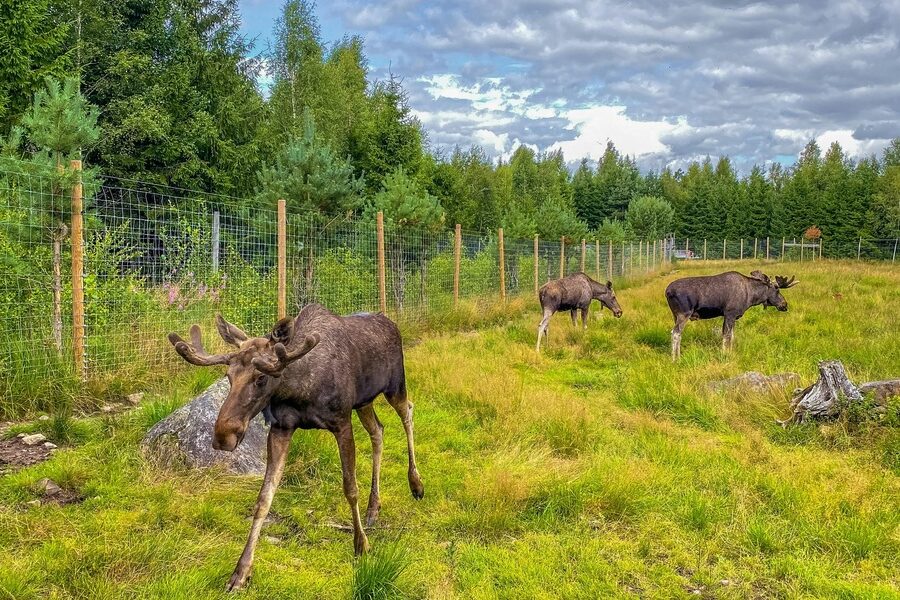
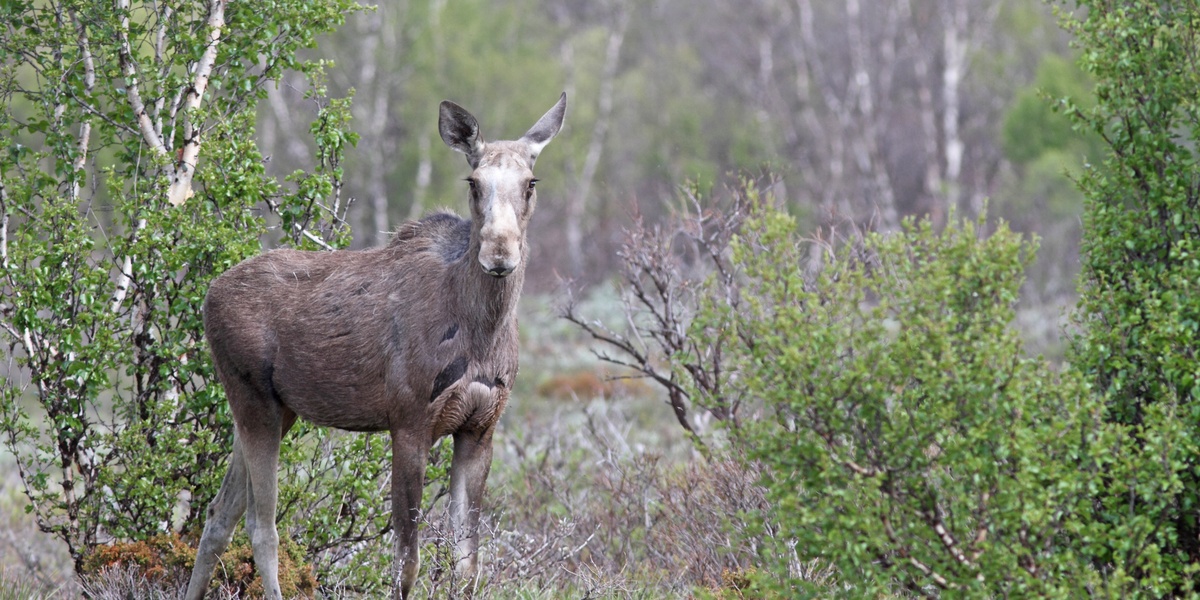
Moose, called elk in Europe, are Norway’s largest land mammal and an unmistakable sight in forests and wetlands.
Adult males commonly weigh between 400 and 700 kg, and the species’ rut takes place in September–October. That seasonal behaviour increases road-collision risk, so drivers are advised to be vigilant in moose country during dusk and dawn.
Hunting is regulated and contributes to local economies; annual quotas are set by the Norwegian Environment Agency and regional authorities to balance population health and human safety. Moose-watching also supports wildlife tourism, particularly in Østlandet and other high-density regions.
3. Wild reindeer (Rangifer tarandus)
Wild reindeer are distinct from semi-domesticated herds and are central to tundra ecology and Sámi culture.
Key ranges include Hardangervidda and Dovrefjell. Some wild herds migrate impressive distances, with movements reported up to about 300 km annually for certain populations as they follow seasonal forage and snow conditions.
Threats include habitat fragmentation, traffic, predation, and climate-driven changes to grazing. Traditional reindeer herding practices persist in Sámi communities, and guided safaris offer ways for visitors to learn about both biology and culture.
4. Eurasian lynx (Lynx lynx)
The Eurasian lynx is a secretive forest predator, recognised by its tufted ears and short tail.
Territory sizes range from tens to hundreds of square kilometres depending on prey density. Lynx feed on roe deer and smaller mammals, helping regulate ungulate numbers and thus influencing forest dynamics.
Populations have shown gradual recovery in parts of Norway under protection and monitored harvest regimes. Regional wildlife authorities use camera traps and GPS studies to estimate numbers and set management measures in concert with forestry and hunting interests.
Birds and migratory species
Norway’s coast and islands are vital breeding grounds and migratory corridors for seabirds and raptors.
Steep cliffs and offshore islets—notably Lofoten, Runde, and Røst—host dense seabird colonies. Some colonies number in the tens of thousands of breeding pairs, and long-term monitoring by the Norwegian Institute for Nature Research (NINA) tracks trends linked to fish stocks and ocean conditions.
Migratory raptors use fjords and coasts as hunting corridors. Threats such as overfishing, bycatch, and oil spills can ripple through marine food webs and affect nesting success. Protected nesting areas and fisheries management have delivered conservation wins for some species, though ongoing vigilance is needed.
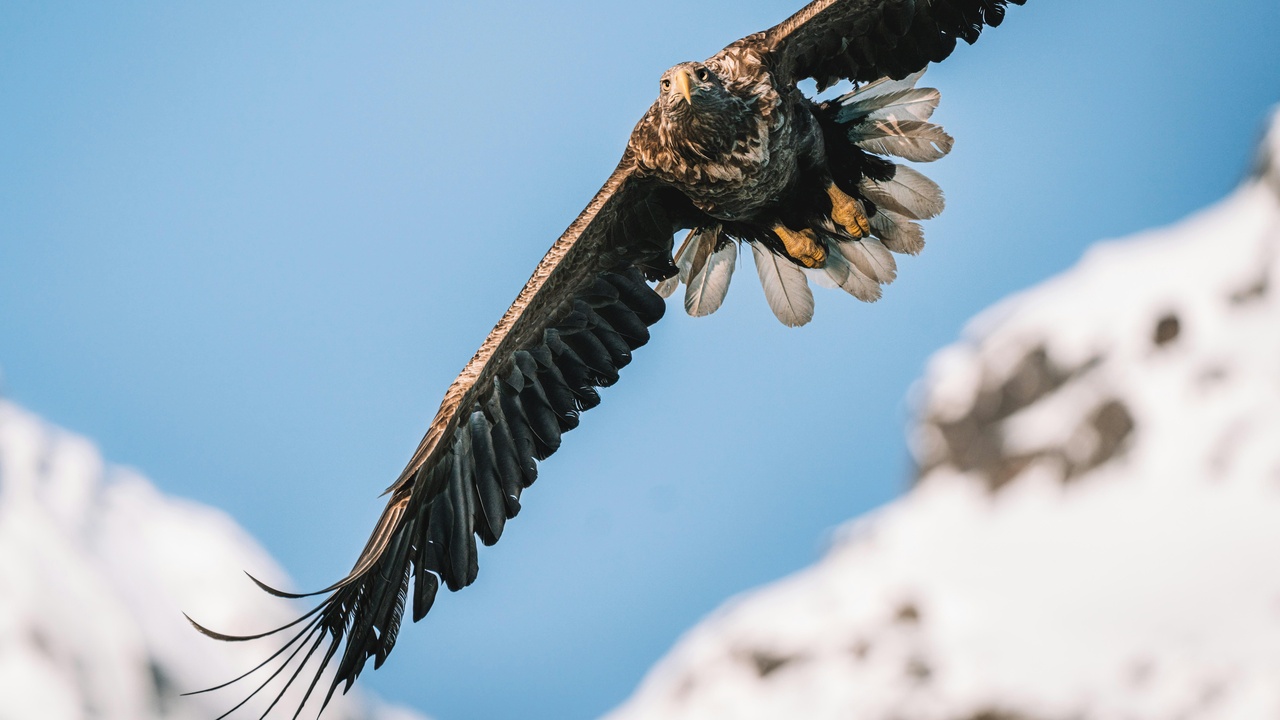
5. White-tailed eagle (Haliaeetus albicilla)
The white-tailed eagle is Europe’s largest eagle and a local conservation success story in Norway.
Adults can reach a wingspan of up to about 2.4 m. Populations declined mid-20th century but rebounded after protection and nest-site conservation, with nesting pairs now common along coastal fjords such as those in Sørlandet and western Norway.
Birdwatchers seek these eagles for wildlife tourism, and monitoring by organisations like BirdLife Norway and NINA provides regional nest counts used to inform protection efforts.
6. Atlantic puffin (Fratercula arctica)
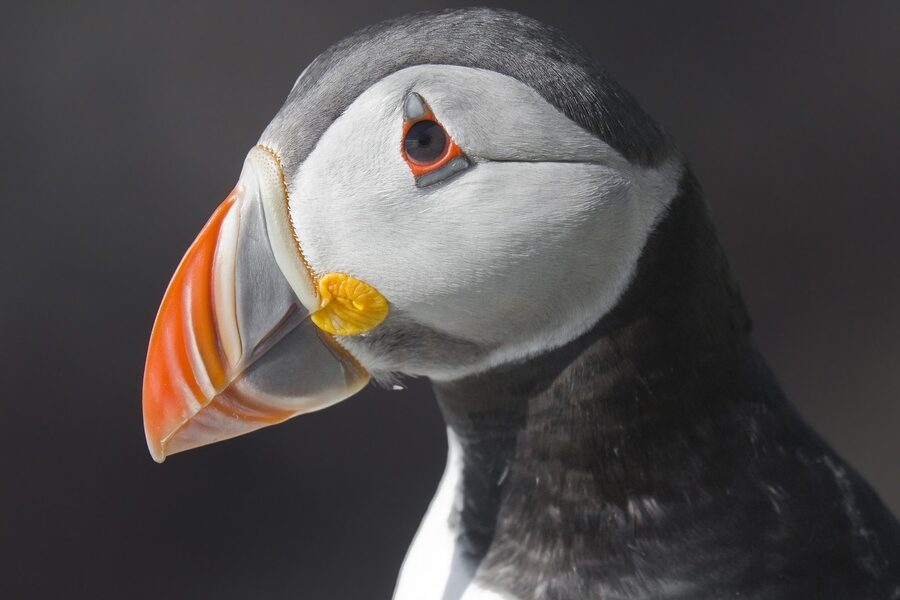
Puffins are charismatic seabirds with brightly coloured bills during the breeding season and nest on steep offshore islands.
Colonies on Røst, Lofoten, and Runde can reach tens of thousands of breeding pairs in strong years. Puffin numbers closely track availability of small pelagic fish like sandeel and herring, making them useful indicators of marine food-web health.
Puffin-focused boat trips and guided visits support local economies, but managers and researchers stress careful viewing limits to avoid disturbance and to monitor colony trends over time.
7. Willow ptarmigan / Rock ptarmigan (Lagopus lagopus)
The ptarmigan is a ground-dwelling grouse adapted to alpine and tundra zones, shifting plumage seasonally for camouflage.
Found across high plateaus like Dovrefjell and Hardangervidda, the species turns white in winter to blend with snow. It is an important game bird with local management plans and regulated harvests to sustain populations.
Rural communities value ptarmigan culturally and as food, and managers monitor harvests and breeding timing to adjust quotas and protect habitats.
Marine life and commercially important species

The cold, nutrient-rich waters along Norway’s coast and fjords support highly productive marine ecosystems that underpin coastal communities.
Fjords concentrate prey and attract large predators and seabirds. Fisheries are economically vital and managed through scientific assessments and quota systems administered by the Norwegian Directorate of Fisheries. Marine protected areas and regional measures aim to balance harvest with ecosystem health.
These seas also draw whale- and seal-watching tourism, and research institutions such as the University of Tromsø contribute to understanding predator–prey dynamics and human impacts.
8. Orca / Killer whale (Orcinus orca)
Orcas occur seasonally in fjords and coastal waters and are notable apex predators in Norwegian seas.
Certain groups are regular visitors to corridors like Lofoten–Vesterålen and Skjerstadfjord, especially when herring aggregate. These seasonal concentrations often occur in winter months when herring shoals gather.
Orcas drive whale-watching tourism and are the focus of social-culture studies by researchers (for example, at the University of Tromsø). Responsible viewing guidelines help minimise disturbance while supporting local economies.
9. Harbor seal (Phoca vitulina) and grey seal (Halichoerus grypus)
Harbour and grey seals are common pinnipeds along Norway’s coasts and fjords, using rocky ledges and islands as haul-out sites.
Pup seasons typically occur in spring and summer. Seals play a role in marine food webs and attract tourists but also come into conflict with fisheries in some areas.
Rehabilitation and monitoring programmes—run by regional centres and NGOs—track pup counts at important haul-out sites and work to reduce fisheries interactions while promoting public education.
10. Atlantic cod (Gadus morhua)
Atlantic cod has long been central to Norway’s coastal culture, with Lofoten’s seasonal fisheries forming centuries-old traditions.
Modern management relies on scientific stock assessments and quota systems administered by the Norwegian Directorate of Fisheries. Recent annual landings of cod run into the low hundreds of thousands of tonnes, reflecting both the species’ economic importance and the need for careful stewardship.
Cod remains key to export markets and local diets. Recovery stories and sustainable fisheries measures show how science-based management can support both communities and stocks.
Summary
- Norway’s wildlife spans Svalbard’s Arctic specialists to mainland forest megafauna, with protected areas (47 terrestrial national parks) and place names like Hardangervidda, Dovrefjell, Lofoten, Røst, Runde, and Vesterålen anchoring key populations.
- Conservation is mixed: species such as the white-tailed eagle and some marine stocks have improved under protection and management, while Arctic specialists and migratory birds remain sensitive to climate change and shifts in fish stocks monitored by organisations like the Norwegian Polar Institute, NINA, and the Norwegian Directorate of Fisheries.
- Practical ways to engage include responsible wildlife viewing (puffins at Røst or orcas near Vesterålen with licensed operators), supporting monitoring and conservation groups, and following official guidance on seasonality and viewing distances.
- Fauna of Norway offers both scientific insights and cultural connections; visiting responsibly and backing research and conservation helps ensure these species persist for future generations.