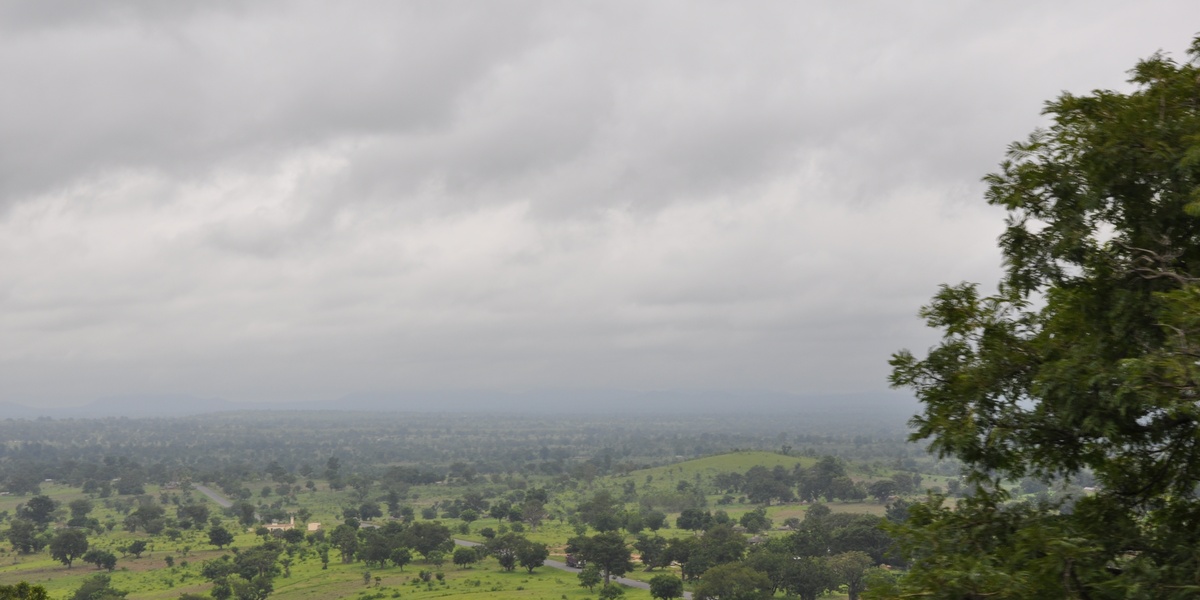
Dinder National Park was established in 1935 and remains one of Sudan’s earliest and most important protected savanna landscapes (roughly 10,000 km² within the park boundary). Sudan covers about 1,886,068 km², so pockets like Dinder matter hugely for wildlife across a very large country.
The fauna of sudan includes a surprising mix of large mammals, apex predators and iconic birds that together shape ecosystems, livelihoods and tourism. This piece profiles ten representative savanna species, noting their ecological roles, cultural value and conservation status.
Icons of the Sudanese Savanna
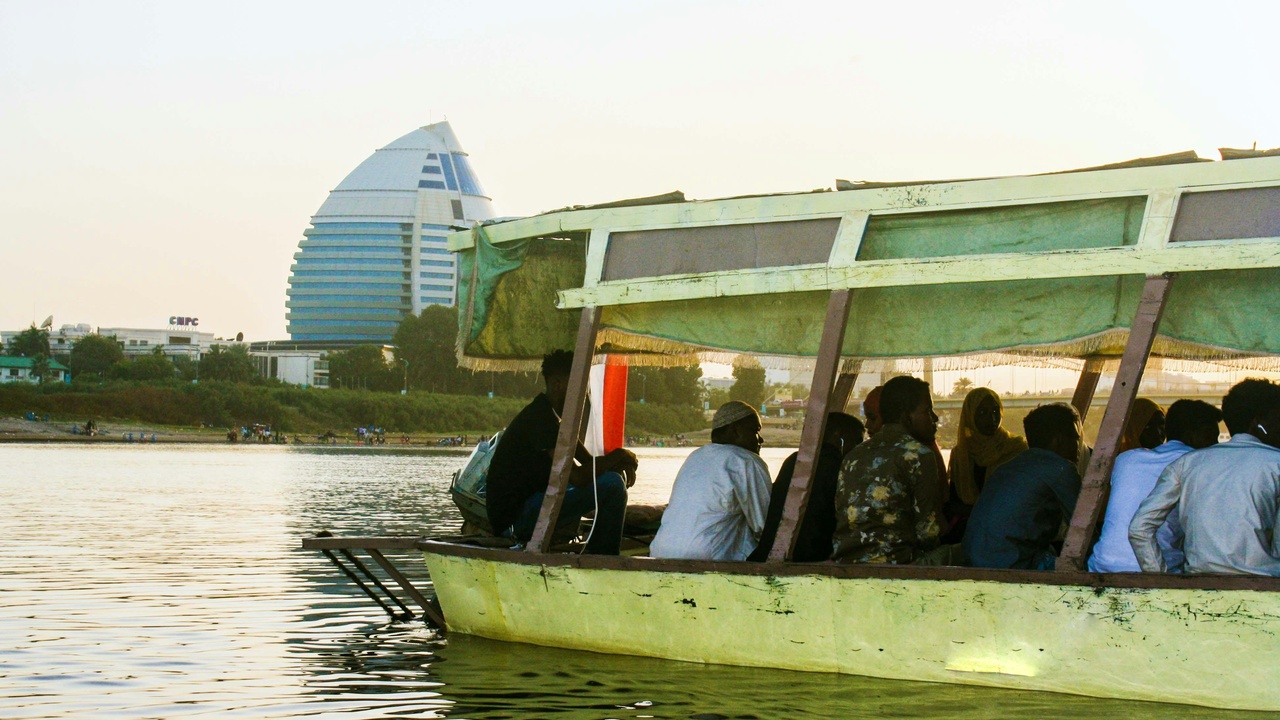
Large, well-known species define the silhouette of Sudan’s savannas and draw the most public attention. Elephants, giraffes, lions and other big-bodied animals are ecosystem engineers: they disperse seeds, open canopy gaps, shape grassland structure and connect habitats across broad landscapes.
These animals often serve as flagship species for conservation, helping attract resources and community support. But they’re under pressure from habitat loss, expanding agriculture and poaching. Protected areas such as Dinder (est. 1935, ~10,000 km²) and regional anti-poaching patrols offer some refuge, while IUCN Red List assessments guide priorities.
1. African elephant (Loxodonta africana) — Keystone grazer
African elephants are among the largest land mammals in Sudan’s savannas and act as keystone engineers, creating water holes and opening travel corridors other species use.
The IUCN Red List classifies African elephants as Endangered; global estimates range roughly from 400,000 to 415,000 individuals (IUCN/African range estimates). Sudan’s elephant populations are small, fragmented and vulnerable to illegal ivory trade and habitat loss.
Beyond ecology, elephants carry cultural weight for local communities and influence tourism revenue where they persist. Local conservation measures include anti-poaching patrols and protection inside parks like Dinder, though more landscape-level connectivity is needed.
2. Giraffe (Giraffa sp.) — Browsers of the canopy
Giraffes act as high browsers linking tree condition to savanna structure: by feeding on acacias and other trees they shape canopy density and seed dispersal patterns.
Populations in the Sahel and northern ranges have declined or become isolated, and giraffes are of growing conservation concern across Africa (see the IUCN Red List for regional assessments). In Sudan, sightings are concentrated in eastern and south-eastern savanna pockets.
Their tall stature makes giraffes popular with wildlife visitors and valuable for community-based tourism. Local names and folklore reflect their presence in rural culture, reinforcing why protecting gallery woodlands matters.
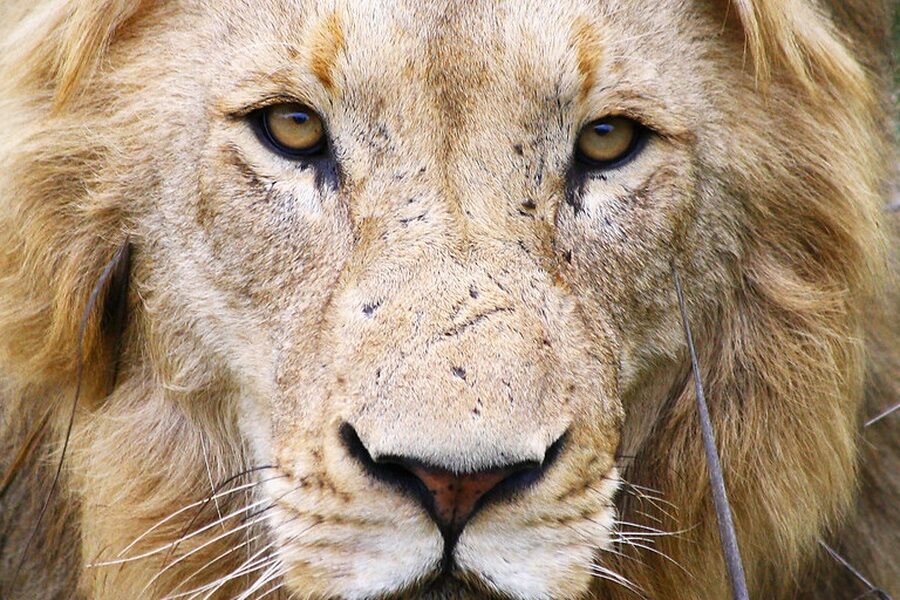
3. Lion (Panthera leo) — Apex symbol and ecosystem regulator
Lions sit at the top of the food chain in Sudanese savannas and help regulate herbivore numbers and behavior, which in turn benefits vegetation patterns and biodiversity.
The IUCN classifies lions as Vulnerable, and continental surveys indicate lion populations have fallen roughly 40% over the last 20 years (IUCN Red List trends). In Sudan, lions are recorded in Dinder and other protected areas but face growing conflict with pastoralists.
Managing human–wildlife conflict, improving livestock husbandry and strengthening park protections are key to keeping lions on the landscape while safeguarding livelihoods.
Apex predators and skilled hunters
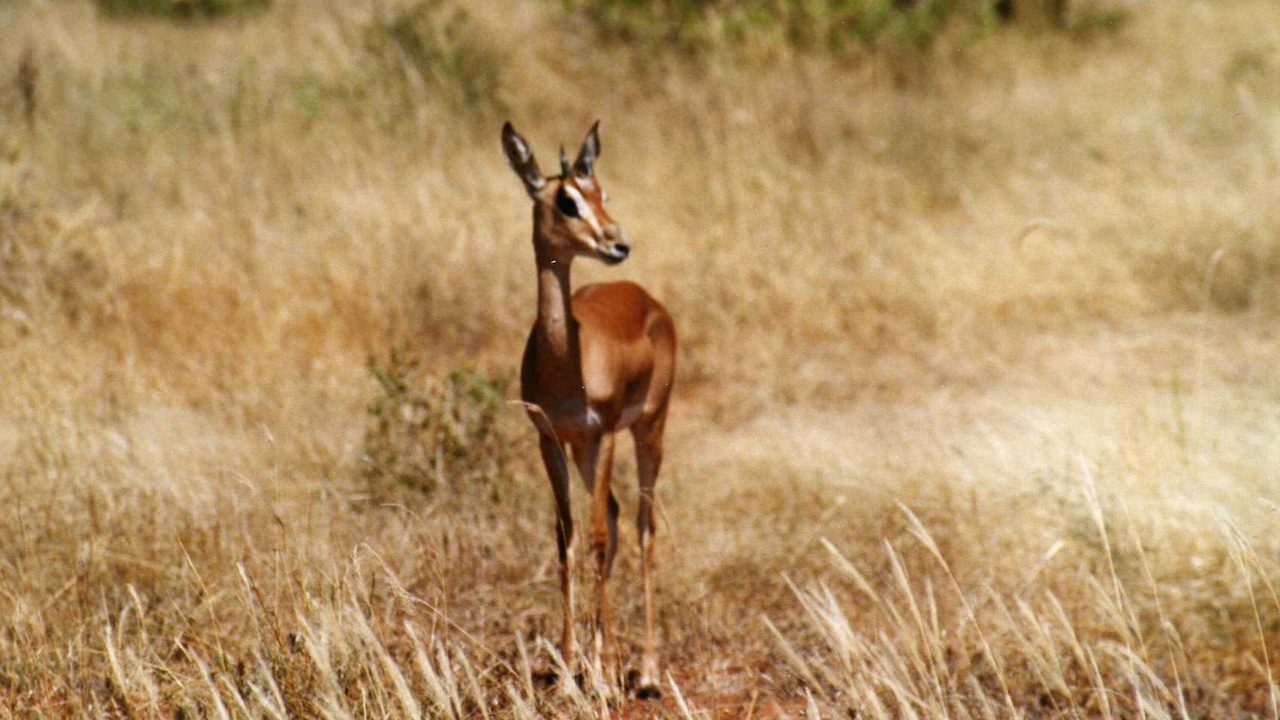
Predators and scavengers—pursuit hunters, ambush cats and social scavengers—keep prey populations healthy and recycle nutrients. Their hunting styles vary: cheetahs chase in open grass, leopards (where present) ambush from cover, and hyenas both hunt and scavenge.
These species are vulnerable to retaliation when they prey on livestock, and to fragmentation that reduces hunting ranges. Community-based measures, compensation schemes and landscape connectivity are important conservation tools.
4. Cheetah (Acinonyx jubatus) — The speed specialist
The cheetah is the fastest land mammal and a specialized open-country hunter that depends on wide, prey-rich spaces.
The IUCN lists the cheetah as Vulnerable, with global estimates of about 6,700–7,100 mature individuals (IUCN Red List). That rarity reflects habitat loss, prey decline and human conflict.
Conservation typically focuses on maintaining connected landscapes and reducing livestock predation through herding improvements. Transboundary efforts in East Africa to conserve savanna corridors would benefit any remaining Sudanese pockets.
5. Spotted hyena (Crocuta crocuta) — Scavenger, hunter, and social strategist
Spotted hyenas are both efficient scavengers and capable hunters, organized in complex social groups that allow them to exploit a wide range of food sources.
Hyenas are often more adaptable than other large predators and can persist near human settlements, though they are persecuted in some areas. Their carcass-processing role reduces disease risk and returns nutrients to the soil.
On communal rangelands hyenas play a functional role in removing remains that would otherwise attract pests, so coexistence strategies are valuable for both people and predators.
Hoofed mammals: grazers and browsers
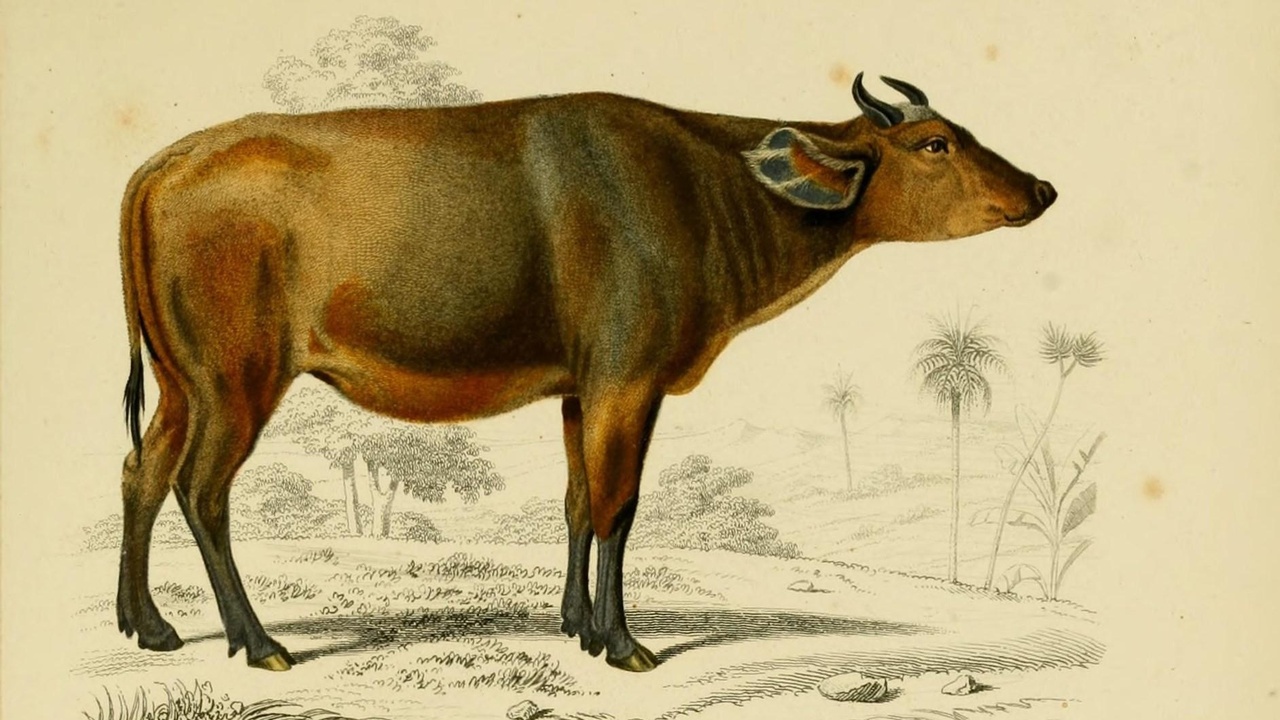
Ungulates convert plant biomass into meat and dung, supporting predators and nutrient cycles. They shape fire regimes and vegetation structure through selective grazing and browsing.
These species support local diets and (historically) hunting economies, but competition with livestock and overgrazing are major threats. Sustainable grazing programs and community conservancies can help maintain healthy populations.
Ungulates are classic components of the fauna of sudan and indicators of grassland health; protecting corridors and water sources benefits both wildlife and pastoralists.
6. African buffalo (Syncerus caffer) — Tough bulk grazer
African buffalo are large, social grazers usually tied to water and wetter savanna zones. They shape grassland composition and are important prey for lions.
Buffalo herds influence where grasses regenerate and how fire moves through a landscape. Their close contact with livestock raises concerns about disease transmission, such as bovine illnesses that affect both wild and domestic herds.
Seasonal movements of buffalo in Sudan reflect rainfall patterns and water availability, so maintaining water points inside protected areas helps conserve both wildlife and pastoral livelihoods.
7. Roan antelope (Hippotragus equinus) — Silent grazer of tall grass
The roan antelope is a large, selective grazer that prefers tall grasses and open woodland edges, signaling healthy grassland mosaics when present.
Because roan are selective, their decline often points to habitat degradation. They also support predator diets, so local predator declines and reduced roan sightings are linked.
Where roan persist, anti-poaching patrols and protected corridors help maintain populations and the wider ecological interactions they support.
8. Greater kudu (Tragelaphus strepsiceros) — Browsing specialist
Greater kudu browse on shrubs and young trees, connecting the woody and grassy layers of savanna and using thickets as refuge from predators.
Their cryptic behavior means kudu are often under-recorded, but they play a clear role in seed dispersal and structuring understorey vegetation. Outside parks they may be targets of trophy hunting, which requires strict regulation.
Local sightings commonly occur in gallery forests and riverine thickets, so conserving riparian corridors benefits kudu and many other species.
Birds and other ecosystem engineers
Birds and some other animals punch above their weight ecologically: they disperse seeds, control insect and small-mammal populations and act as indicators of habitat health.
Conspicuous species like ostriches and secretary birds are culturally visible and provide ecosystem services that support both wildlife and people. Protecting habitat corridors benefits birds and larger mammals alike.
9. Ostrich (Struthio camelus) — Large grazer and cultural icon
The ostrich is the world’s largest bird and a familiar resident of open savannas, where its grazing and seed movement contribute to plant dynamics.
Ostriches have traditional uses—eggshells, hides and meat—that factor into local economies and cultural practices. Small-scale farming of ostriches exists in parts of Africa as a livelihood option.
In Sudan, ostrich eggshells and folklore reflect the bird’s cultural role, and conserving open plains sustains both wild populations and potential sustainable uses.
10. Secretary bird (Sagittarius serpentarius) — Terrestrial raptor and snake controller
The secretary bird is a distinctive long-legged raptor that hunts on foot, preying on large insects, small mammals and snakes across open grassland.
Its specialized hunting reduces venomous snake encounters for people and helps control pest populations, making it a symbol of grassland health in many local communities.
Secretary birds are often conspicuous along roads and plains; conserving expanses of open habitat helps maintain their hunting ranges and benefits other ground-dwelling species.
Summary
- These ten species illustrate key ecological roles across Sudan’s savanna—from keystone engineers like elephants to terrestrial raptors like the secretary bird.
- Major threats include habitat loss, poaching, disease spillover and human–wildlife conflict; lion populations have fallen roughly 40% over the past 20 years (IUCN Red List).
- Protected areas such as Dinder National Park (est. 1935, ~10,000 km²) and community-based conservation are central to preserving savanna biodiversity.
- Global status figures (African elephant ~400,000–415,000; cheetah ~6,700–7,100 mature individuals) provide context for national priorities (IUCN Red List).
- Support conservation through informed tourism, local stewardship and backing reputable organizations (e.g., IUCN Red List, UNESCO) to keep Sudan’s savanna species thriving.