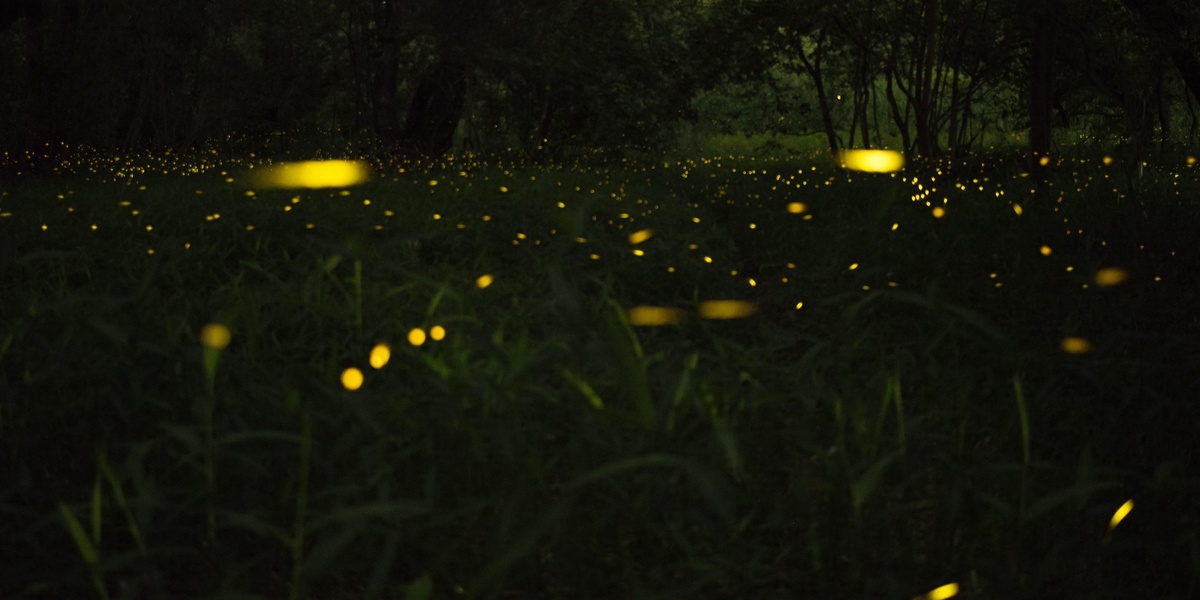
Though many people use ‘firefly’ and ‘lightning bug’ interchangeably, the Lampyridae family contains roughly 2,000 described species worldwide—many of which have very different behaviors, appearances, and cultural meanings.
The short answer: the two names usually refer to the same group of bioluminescent beetles, but common names can hide important differences at the species level. For example, the familiar Photinus pyralis turns up in backyards across eastern North America under both names, while the synchronous displays of Photinus carolinus draw crowds to the Great Smoky Mountains for a very different experience.
This piece lays out eight clear facts organized into three parts—names and culture, the biology of the glow, and ecology plus human interaction—so you can tell when a name matters, when species matter, and what you can do to help protect them.
Names, language, and cultural meanings
Start here to settle the basic question: in most English-speaking places, both ‘firefly’ and ‘lightning bug’ point to members of the beetle family Lampyridae. Which word people prefer depends on region, upbringing, and even the sign at a state park.
1. Regional names: Two words, one family
In the U.S. both terms appear in field guides and backyard talk—some states or communities favor “lightning bug,” others “firefly”—but both refer to Lampyridae species. That synonymy matters when you read local guides or submit sightings to community science platforms: a “lightning bug” sighting might include multiple species unless the observer provides flash-pattern photos or scientific names like Photinus pyralis.
2. Etymology and folklore shape what we call them
Names grew from simple observations—people saw tiny lanterns in the night and invented metaphors: lightning, glow, and lantern. Europe bestowed the name “glow-worm” on wingless glowing females (Lampyris noctiluca), while Spanish-speaking regions use “cucuyo” or “luciérnaga.” Cultural practices followed the names: synchronous displays became tourist events in Tennessee, and mangrove firefly tours in places like Kuala Selangor, Malaysia, turned local folklore into ecotourism.
3. Common misconceptions: Different name ≠ different animal
A widespread misconception is that “lightning bug” denotes a different animal than “firefly.” In reality those are common names, not taxonomic categories. That misunderstanding can skew conservation messaging: a campaign to “save the lightning bug” may sound targeted but might actually need to address dozens of local species with distinct habitats and behaviors.
When submitting observations to apps or local projects, try to include flash-pattern descriptions or photos and, when possible, the scientific name—those details help researchers separate Photinus, Photuris, Lampyris, and others instead of lumping everything together under a single common name.
Biology and the science of flashing
Bioluminescence is the signature trait of Lampyridae, but how that light is made and used varies a lot. The chemistry is consistent across many species, while flash patterns, color, and timing serve as an intricate communication system for courtship, warning, and even predation.
People searching “fireflies vs lightning bugs” often want to know whether different names mean different chemistry or behavior—mostly they don’t, but species-level differences in flash language and life history do matter for identification and conservation.
4. How fireflies produce light: luciferin, luciferase, and oxygen
The glow comes from a simple biochemical reaction: luciferin reacts with oxygen in the presence of the enzyme luciferase and ATP to emit light. It’s a cold light process—very little heat is produced—so the beetle wastes almost no energy as warmth compared with an incandescent bulb, which loses most energy to heat.
Because luciferase produces a reliable light signal, scientists borrowed it for lab work: firefly luciferase is widely used as a reporter gene in molecular biology and medical assays to track gene expression and detect pathogens.
5. Flash patterns: a language of light
Timing, duration, and color of flashes act like species-specific phrases. Entomologists identify many species by counting intervals between flashes or noting a single long burst versus rapid double flashes. Photinus pyralis, for instance, often gives a single long flash, while Photinus carolinus synchronizes thousands of individuals into wave-like displays.
Some Photuris females employ deceptive mimicry: they copy the flash patterns of other species to lure males as prey—hence the nickname “femme fatale.” Knowing flash patterns helps citizen scientists and park managers monitor populations and protect prime viewing sites.
6. Life stages: larvae glow — and some adult females never fly
Many firefly larvae glow while living in soil or leaf litter and are active predators, feeding on snails, slugs, and other small invertebrates. Their glow also serves as a warning that they’re unpalatable to some predators.
In species like Lampyris noctiluca, adult females are wingless and glow much like their larvae, which is why they’re called glow-worms in parts of Europe. Gardeners who find glowing larvae in mulch usually have beneficial predators on site rather than pests.
Ecology, human interactions, and conservation
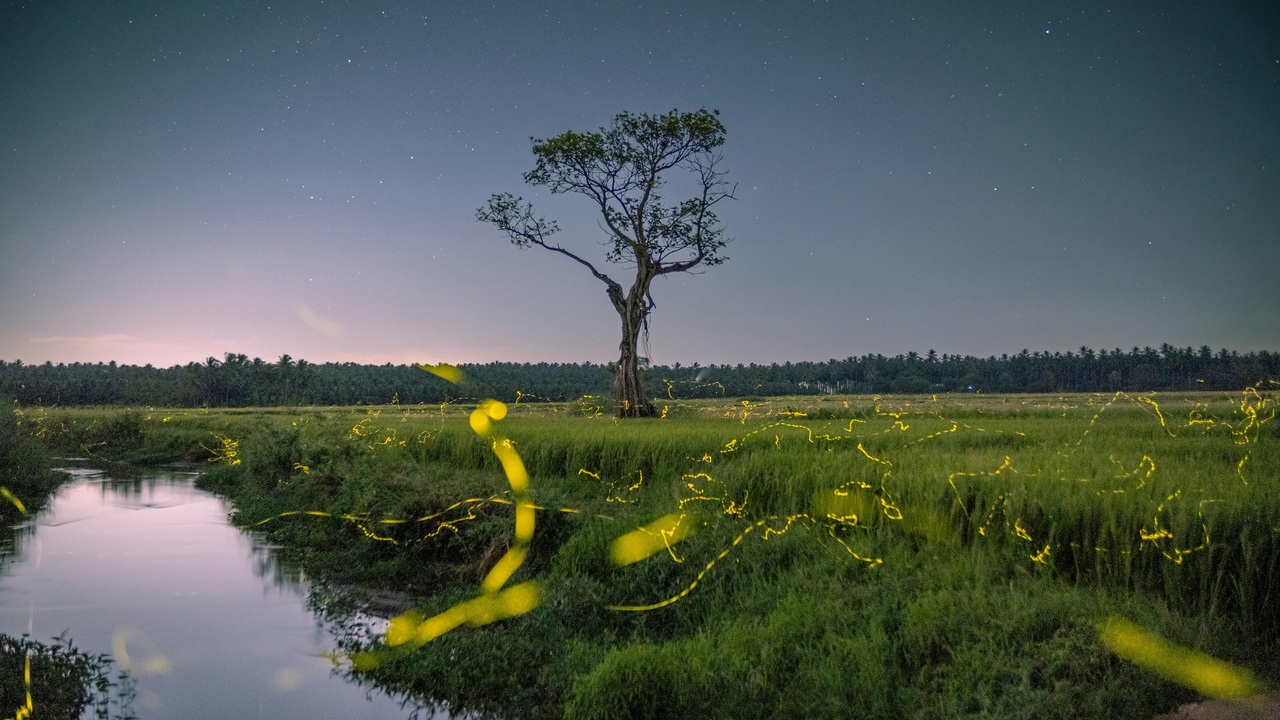
Fireflies play multiple roles in ecosystems as both predators (especially as larvae) and prey. Human interactions span innocent childhood games to organized ecotourism around synchronous displays, and that mix brings both appreciation and pressure.
7. Habitat needs and threats: why populations can decline
Major threats include habitat loss and fragmentation, artificial light at night, and pesticides or other lawn chemicals. Many Lampyridae species have restricted ranges, so local habitat change can produce rapid declines.
Artificial lighting interferes with flash signaling, reducing mating success near streetlights and lit properties. Pesticides can kill larvae directly or reduce their prey (snails and slugs). Citizen-science programs and regional surveys have flagged local declines, prompting concern among groups such as the Entomological Society of America and projects like the Museum of Science Firefly Watch.
8. How people help: viewing, tourism, and simple conservation steps
People can enjoy fireflies responsibly and take simple actions that make a measurable difference. Protected viewing programs at synchronous sites—where visitor numbers and lighting are controlled—show that thoughtful management preserves displays while supporting local economies.
Practical steps include turning off unnecessary outdoor lights for 2–3 hours during peak activity, leaving patches of leaf litter and dead wood for larvae, avoiding broad-spectrum or upward-facing lights, and skipping pesticides in yards. Joining regional monitoring or reporting sightings to local groups and programs such as Firefly Watch helps researchers track trends.
Responsible ecotourism examples—Great Smoky Mountains National Park’s synchronous firefly viewing with permit rules, and regulated mangrove tours in parts of Southeast Asia—demonstrate that limits and visitor education protect populations while letting people experience the spectacle.
Summary
- Firefly and lightning bug are common names for the same family, Lampyridae; regional language and folklore produce many different local names.
- Bioluminescence relies on luciferin and luciferase, but flash patterns, life stages, and behaviors vary across roughly 2,000 species and are key to identification.
- Threats include habitat loss, light pollution, and pesticides; citizen science and targeted protections (like viewing limits) can help sustain populations.
- Easy actions you can take: turn off outdoor lights for a few hours, leave leaf litter and dead wood, avoid pesticides, and join local monitoring programs.