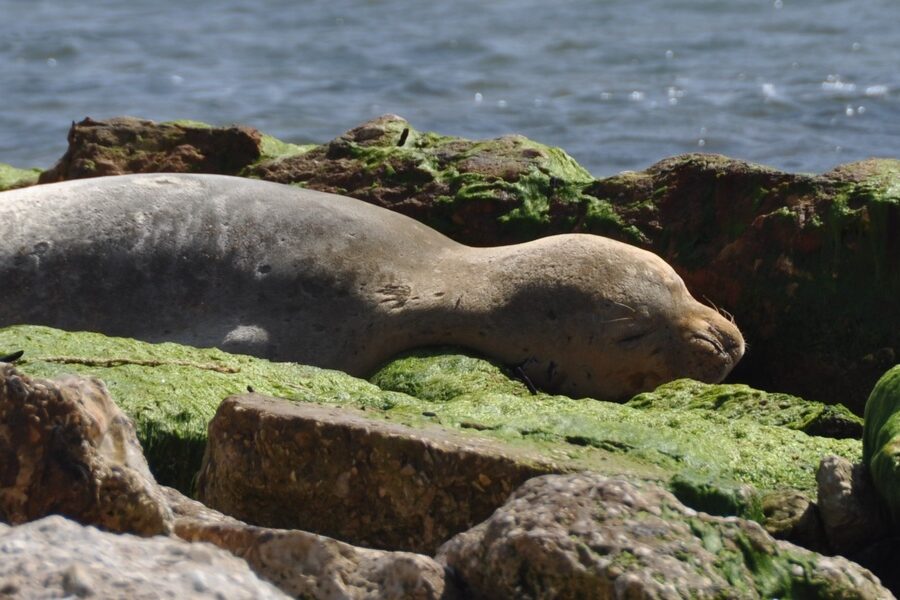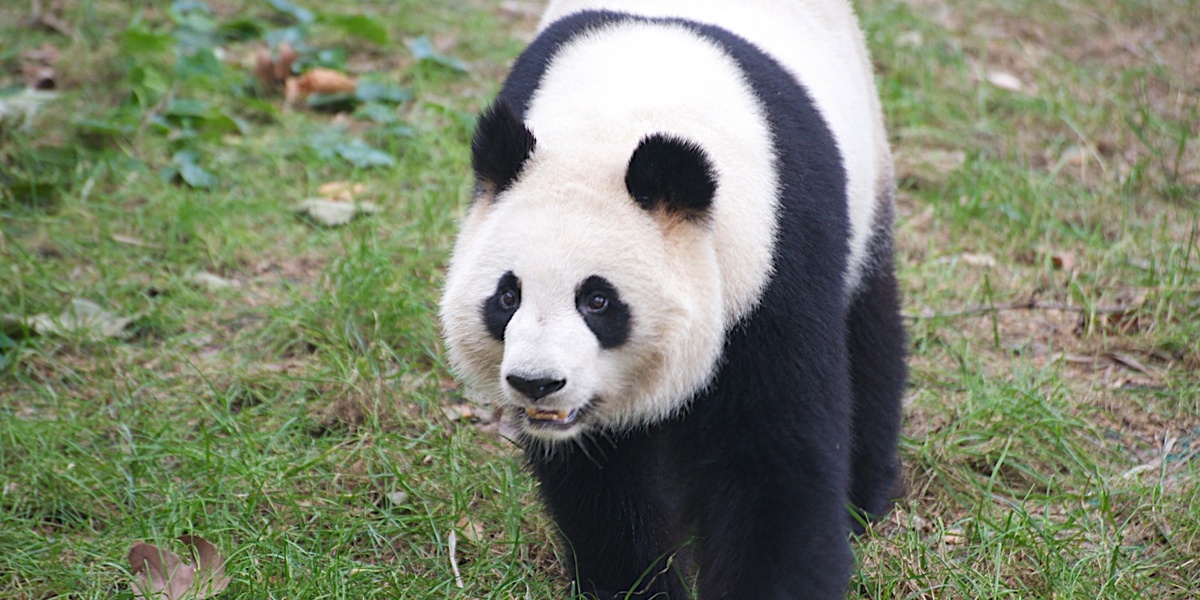
Across landscapes and seascapes, certain animals become shorthand for places and the conservation efforts that protect them. These species often bridge science, culture and tourism, helping people connect with ecosystems from savannas to coral reefs.
There are 20 Flagship Species Examples, ranging from the African elephant to the Whale shark. For each entry you’ll find below Scientific name, Region, IUCN status to help you compare ranges and risk levels you’ll find below.
How were species chosen for this list and what makes them “flagship”?
Selections combine public recognition, ecological significance and conservation utility — species that attract attention, represent broader habitats and are useful for fundraising or awareness. Wherever possible the list favors regional representation and cross-checks official IUCN assessments.
How can I use this list for conservation or educational projects?
Use the table to prioritize outreach, design curricula or guide fundraising: cite the Scientific name for accuracy, reference Region for local relevance, and note IUCN status to frame urgency. For action, contact local NGOs and verify current populations and protections.
Flagship Species Examples
| Name | Scientific name | Region | IUCN status |
|---|---|---|---|
| Giant panda | Ailuropoda melanoleuca | China | Vulnerable |
| Bengal tiger | Panthera tigris tigris | South & SE Asia | Endangered |
| African elephant | Loxodonta africana | Sub-Saharan Africa | Endangered |
| Polar bear | Ursus maritimus | Arctic | Vulnerable |
| Humpback whale | Megaptera novaeangliae | Oceans worldwide | Least Concern |
| Leatherback turtle | Dermochelys coriacea | Tropical & temperate seas | Vulnerable |
| Green sea turtle | Chelonia mydas | Tropical & subtropical seas | Endangered |
| African lion | Panthera leo | Sub-Saharan Africa & India | Vulnerable |
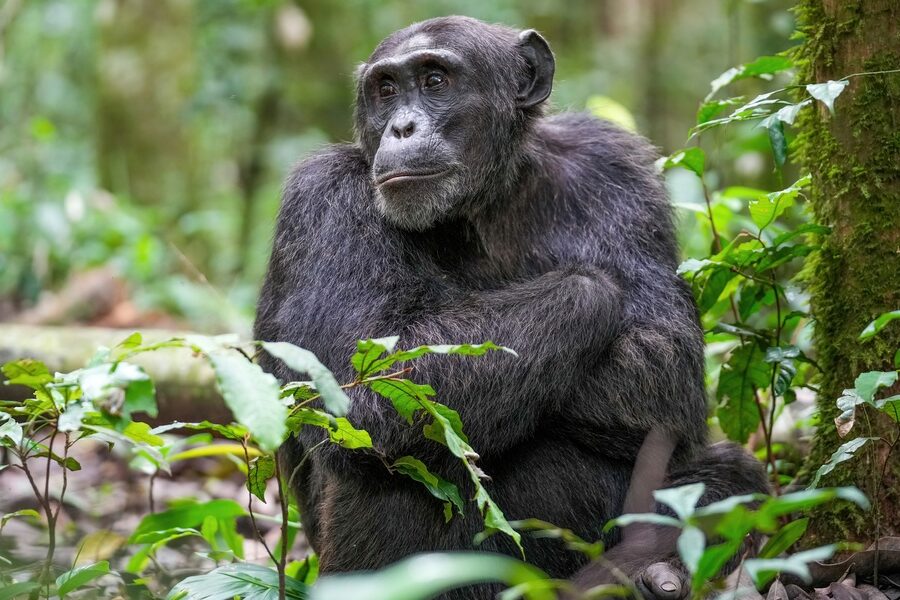
| Mountain gorilla | Gorilla beringei beringei | Virunga & Bwindi, Central Africa | Endangered |
| Bornean orangutan | Pongo pygmaeus | Borneo | Critically Endangered |
| Snow leopard | Panthera uncia | Central & South Asian mountains | Vulnerable |
| Red panda | Ailurus fulgens | Eastern Himalaya & SW China | Endangered |
| Koala | Phascolarctos cinereus | Eastern Australia | Vulnerable |
| Jaguar | Panthera onca | Latin America | Near Threatened |
| Black rhinoceros | Diceros bicornis | Eastern & Southern Africa | Critically Endangered |
| Sea otter | Enhydra lutris | North Pacific coasts | Endangered |
| Monarch butterfly | Danaus plexippus | North America (migratory) | Endangered |
| Galápagos giant tortoise | Chelonoidis niger | Galápagos Islands | Vulnerable |
| Whale shark | Rhincodon typus | Tropical oceans worldwide | Endangered |
| Blue whale | Balaenoptera musculus | Oceans worldwide | Endangered |
Images and Descriptions
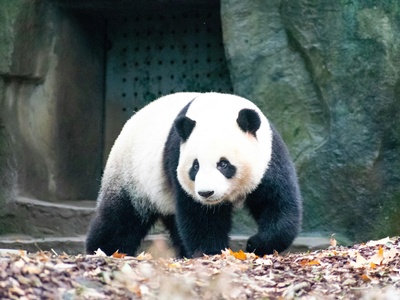
Giant panda
Large black and white bear native to central China’s bamboo forests, the giant panda is a globally recognized symbol of conservation. Used by WWF and governments to raise funds and protect habitat, it attracts public support through cultural resonance and clear habitat needs.
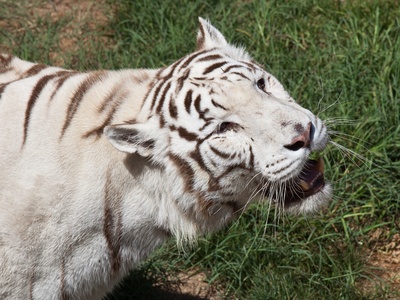
Bengal tiger
Bengal tiger is a large striped cat found across India, Bangladesh, Nepal and Bhutan. Endangered and a powerful conservation icon, it fronts anti-poaching, habitat and corridor campaigns; its charisma drives fundraising, community outreach, and national pride in tiger-range countries.
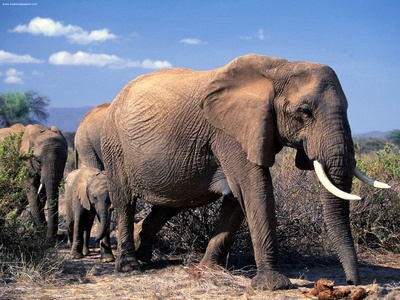
African elephant
African elephant is the world’s largest land mammal, native to sub-Saharan savannas and forests. Endangered by poaching and habitat loss, elephants are flagship species for anti-poaching, human-wildlife conflict mitigation, and landscape-scale conservation, inspiring major fundraising and policy efforts across Africa.
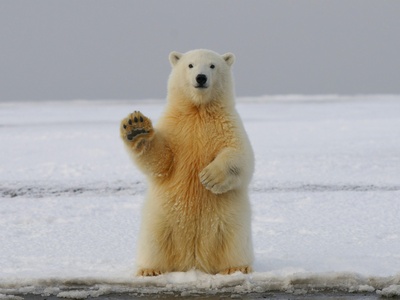
Polar bear
Polar bear is a large Arctic bear found on sea ice across circumpolar regions. Vulnerable to sea-ice loss from climate change, it serves as a global climate-change flagship, used by NGOs and governments to communicate warming impacts and mobilize support for emissions and habitat policies.
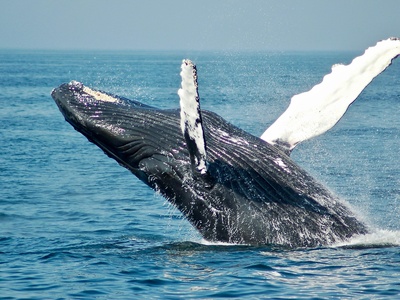
Humpback whale
Humpback whale is a medium-sized baleen whale found in oceans worldwide; celebrated for migrations and song. Once heavily hunted, recoveries made it a marine conservation flagship; organizations use it to promote whale-protection laws, whale-watching guidelines, and ocean conservation fundraising.

Leatherback turtle
Leatherback turtle is the largest sea turtle, ranging from tropical to temperate oceans worldwide. Vulnerable due to fisheries bycatch and coastal threats, it is used as a marine flagship by NGOs to protect nesting beaches, reduce bycatch, and raise awareness about ocean health.
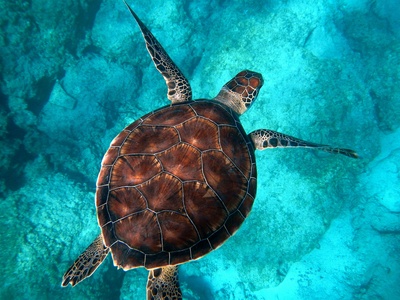
Green sea turtle
Green sea turtle is a large coastal turtle in tropical and subtropical seas worldwide. Endangered from habitat loss, fisheries, and coastal development, it features in nesting-beach and fisheries campaigns; its recognizable shape and sea-grass role make it effective for public outreach and habitat protection.
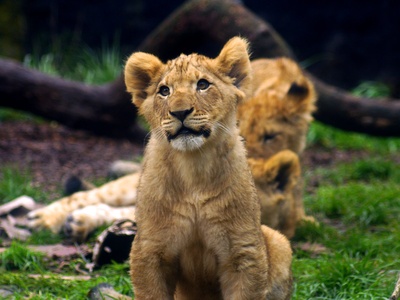
African lion
African lion is a big cat native to sub-Saharan Africa with a small Indian population. Vulnerable from habitat loss and conflict, lions are savanna conservation flagships used to drive tourism revenue, fund reserves, and promote community coexistence programmes.
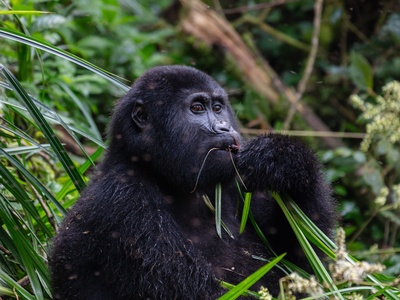
Mountain gorilla
Mountain gorilla is a large great ape restricted to the Virunga Mountains and Bwindi in Central Africa. Endangered but conservation successes make it a flagship for protected-area management, ecotourism revenues, anti-poaching and community development that benefit entire forest ecosystems.
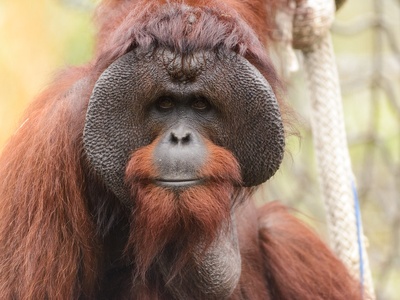
Bornean orangutan
Bornean orangutan is an arboreal great ape native to Borneo’s tropical forests. Critically Endangered from deforestation and illegal trade, orangutans are flagship species for rainforest protection, sustainable palm oil campaigns, and community education in Southeast Asia.
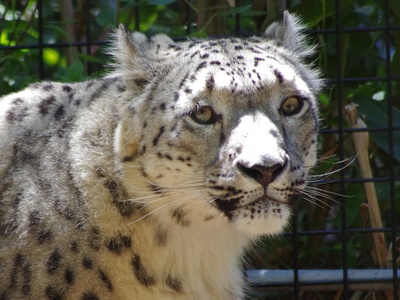
Snow leopard
Snow leopard is a solitary big cat inhabiting high mountains of Central and South Asia. Vulnerable to poaching and prey decline, it headlines transboundary landscape conservation, community livelihoods and livestock-compensation programs, appealing as a mountain-adapted symbol for fragile alpine ecosystems.
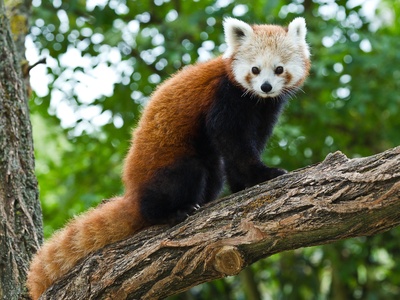
Red panda
Red panda is a small arboreal mammal in the eastern Himalaya and southwestern China. Endangered from habitat fragmentation and poaching, it serves as a charismatic regional flagship for cloud forest protection, ecotourism, and community-based conservation marketing.
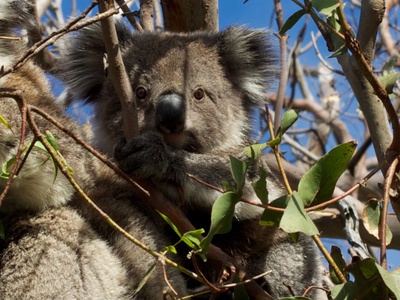
Koala
Koala is an arboreal marsupial native to eastern Australia, reliant on eucalyptus forests. Vulnerable from habitat loss and fires, it is a national and global conservation emblem used in bushfire recovery campaigns, habitat protection, and fundraising to restore woodlands and koala corridors.
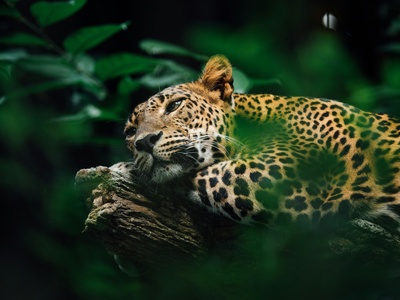
Jaguar
Jaguar is the largest New World cat, found from Mexico through Central America to Amazonian South America. Near Threatened from habitat loss and fragmentation, it functions as a landscape-scale flagship for connectivity, protected corridors and indigenous-led conservation across the Neotropics.
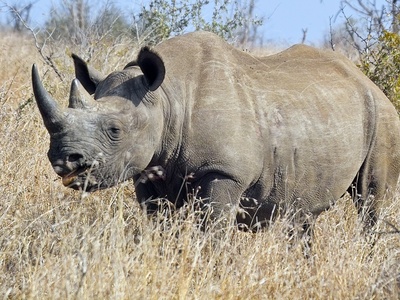
Black rhinoceros
Black rhinoceros is a heavily poached African browser found in eastern and southern Africa. Critically Endangered, rhinos are high-profile flagship species for anti-poaching, demand-reduction and habitat protection campaigns that mobilize international funding and strengthen law enforcement.
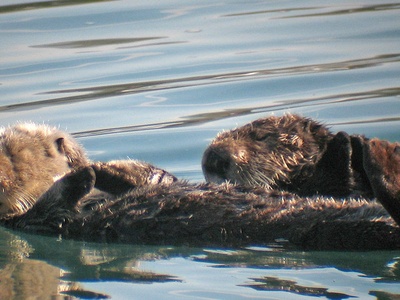
Sea otter
Sea otter is a keystone marine mammal along North Pacific coasts, living in kelp forests. Endangered due to past fur hunting and current threats, otters are used as marine and kelp-ecosystem flagships to promote habitat restoration, fisheries-friendly policies, and coastal conservation.
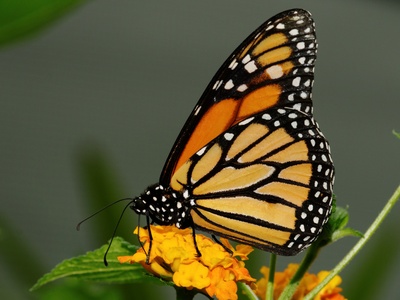
Monarch butterfly
Monarch butterfly is a migratory insect famous for multi-generation migrations between North America and Mexico. Recently listed as Endangered, it is a flagship for pollinator and habitat conservation, driving citizen science, milkweed planting, and cross-border habitat protection efforts.
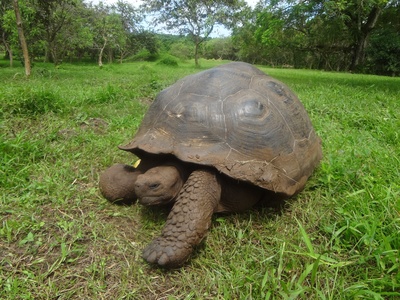
Galápagos giant tortoise
Galápagos giant tortoise is a long-lived island tortoise endemic to the Galápagos Islands. Vulnerable due to historic exploitation and introduced species, it is a classic conservation flagship used by Galápagos Conservancy and others to protect islands, restore ecosystems and promote ecotourism.

Whale shark
Whale shark is the world’s largest fish, a gentle filter-feeder in tropical and warm-temperate seas. Endangered from fisheries and vessel strikes, it serves as a tourism and marine-park flagship, driving responsible shark-watching, protected areas and community-based marine stewardship.
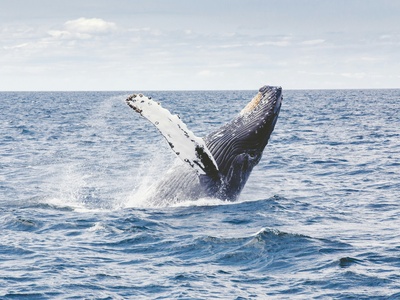
Blue whale
Blue whale is the largest animal on Earth, a baleen whale occurring in oceans worldwide. Endangered from historical whaling and ongoing ship-strike and noise threats, it is a powerful ocean conservation flagship for reducing human impacts and protecting migratory marine corridors.