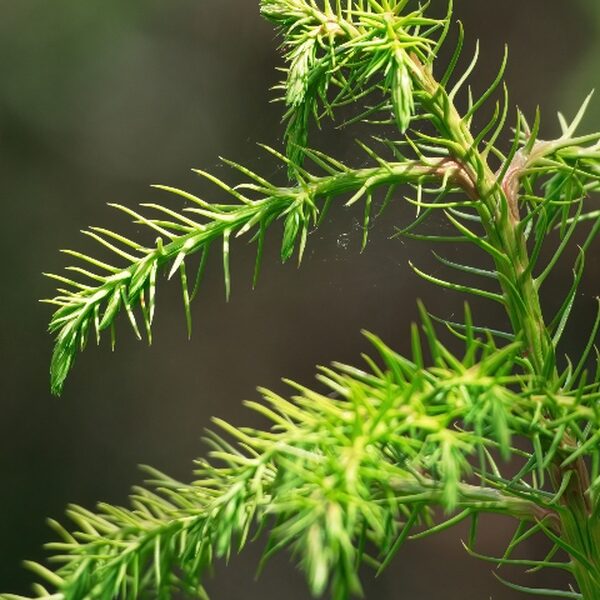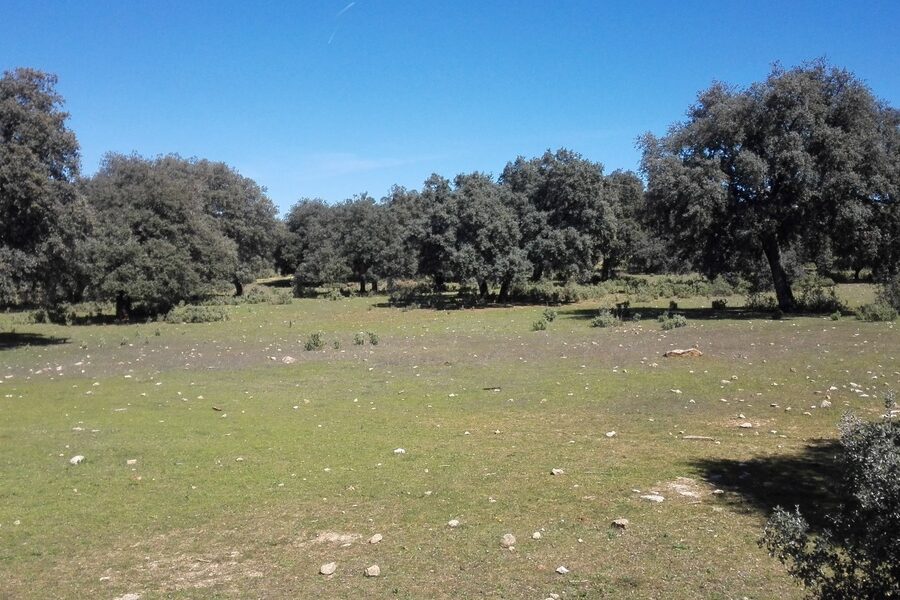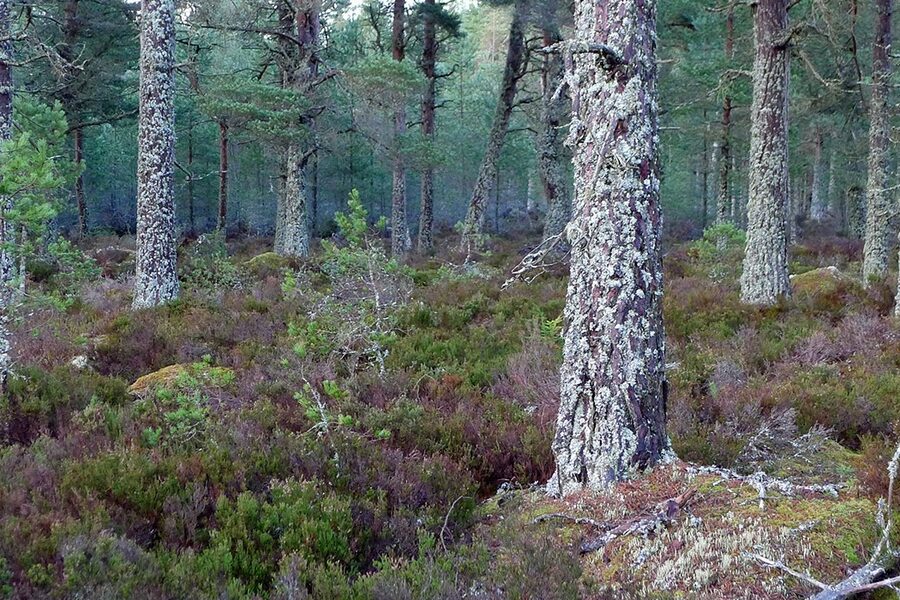
When Charles Darwin visited Patagonia in 1833 he recorded species and landscapes that hinted at a plant diversity few Europeans expected.
Argentina spans roughly 2.78 million km² and contains habitats from high Andean puna and Central‑Andean ranges to windswept Patagonian steppe and humid Yungas; this variety supports an estimated ~10,000 native plant species and sets the stage for surprising botanical stories. Plants shape local economies, cuisines, and cultures—from yerba mate plantations in Misiones to the calafate bush of southern Patagonia—and they underpin wildlife and watersheds that people rely on. This piece profiles 15 standout species (grouped by Andean highlands, Patagonian steppe, Pampas and grasslands, and subtropical/Yungas forests), noting where each grows, why it matters, and the conservation issues to watch.
Andean and High‑Altitude Species
The high Andes and Puna (roughly 3,000–4,800 m elevation across provinces such as Jujuy, Salta and Catamarca) host plants adapted to intense UV, cold nights and low moisture. Many species survive as compact cushions, rosettes or gnarled trees that reduce heat loss and trap moisture; these adaptations make them slow‑growing and especially vulnerable to disturbance. Polylepis woodlands, yareta cushions and tola shrublands also carry cultural and medicinal value for Andean communities. Grazing pressure from livestock, mining impacts in mountain valleys and shifting climate patterns threaten these fragile assemblages—so restoration and local stewardship are increasingly important.
1. Yareta (Azorella compacta)
Yareta is a dense, mat‑forming cushion plant that carpets rocky ground in the high Andes, typically between about 3,200 and 4,800 m. Its hard, moss‑like stems form rounded cushions that can be centuries old; some meter‑scale clumps are thought to have taken hundreds of years to form.
Locally, yareta has been used historically as a fuel source because it burns slowly, and ecologically it stabilizes soil, holds moisture and creates sheltered microhabitats for insects and seedlings. You can find yareta on the Puna of Jujuy and Salta, but recovery after harvesting or trampling is glacial—large clumps take centuries to replace, so protection from overcollection and off‑road vehicle damage is critical.
2. Queñoa (Polylepis spp.)
Queñoa (Polylepis) are gnarled, often twisted trees that form isolated “sky‑island” woodlands above the treeline, commonly between 3,000 and 4,500 m in the Central‑Andean ranges. Their flaky, insulating bark and compact crowns suit them to harsh montane conditions.
Polylepis patches are biodiversity hotspots that shelter endemic birds, insects and understory plants, and they play a role in watershed protection by retaining soil and moderating runoff. Queñoa woodlands around Salta and Jujuy are the focus of community restoration initiatives that replant seedlings and fence young trees from grazing, because fragmentation from past grazing and fire has reduced their historic extent.
3. Tola (Parastrephia lepidophylla and related shrubs)
Tola shrubs dominate many slopes of the Puna: woody, aromatic bushes that form low, hardy stands between roughly 3,000 and 4,500 m. Their compact, twiggy forms reduce wind exposure and water loss.
Locals use tola as fuel and in traditional antiseptic remedies, and ecologically the shrubs help prevent erosion and create microhabitats for small animals and seedlings. Tola is common in Catamarca and La Rioja highlands, but overharvesting for fuel and concentrated grazing around settlements and mining camps can reduce cover and increase erosion risk.
4. Puya alpestris (Andean bromeliad)
Puya alpestris is a striking rosette bromeliad with tall, columnar flower spikes and showy bluish flowers found on Andean slopes and foothills. The plant’s sculptural rosettes and dramatic inflorescences make it stand out among rock and scrub.
Puya provides nectar to hummingbirds and other pollinators during its flowering season, and it has attracted attention from botanical gardens and regional ornamentals collectors. You’ll see it in the Andean foothills of Mendoza and San Juan and occasionally cultivated in regional botanical displays; conserving pollinator networks helps maintain its reproductive success.
Patagonian and Steppe Flora
Patagonia stretches across much of southern Argentina and supports unique endemic plants adapted to cold, wind and low rainfall. The region transitions from Andean temperate forests to open steppe dominated by bunchgrasses and low shrubs. Fire, grazing and historic forestry have shaped much of the present landscape, and many species play outsized roles for wildlife, timber and local identity.
5. Lenga (Nothofagus pumilio)
Nothofagus pumilio, known as lenga, is a dominant southern beech of Andean Patagonia, forming the canopy across montane forests from near the treeline down into valleys. Its range reaches many of the southern national parks and spans substantial latitude and elevation gradients.
Lenga forests provide habitat for mammals such as the huemul deer and support recreation economies in places like Los Glaciares and Nahuel Huapi national parks. Historically logged for timber, lenga is now managed through sustainable forestry initiatives and protected‑area strategies that balance local sawmill needs with conservation.
6. Calafate (Berberis microphylla)
Calafate is a thorny shrub with dark bluish berries that has become a cultural emblem of southern Patagonia; the berries ripen in summer and are used widely in regional cuisine. The bush’s compact, spiny form blends into steppe and scrub.
Calafate fruits are made into jams, liqueurs and sweets, and “eat calafate” features on many tourist menus and souvenirs around Santa Cruz and Chubut. The berries also feed birds and small mammals, linking the shrub to broader food webs along calafate trails near El Calafate and other tourist routes.
7. Coirón grasses (native bunchgrasses)
Coirón and related bunchgrasses form the backbone of the Patagonian steppe, covering thousands of square kilometers with tussocks adapted to drought and grazing. Their clumped growth conserves soil and reduces wind erosion across open plains.
These grasses are the primary forage for sheep and wild herbivores such as guanacos, shaping regional ranching economies in Chubut and Río Negro. Overgrazing, fire regime changes and invasive plants can shift grassland composition, so rangeland management that monitors stocking rates and grazing patterns is essential.
8. Fitzroya (Fitzroya cupressoides, alerce)
Fitzroya, often called alerce, is a conifer of Andean temperate rainforests renowned for its extreme longevity—some specimens are thought to be more than a thousand years old. The tree’s slow growth and massive girth make it an iconic relic of ancient forests.
Fitzroya was heavily logged in the past for its rot‑resistant wood; remaining stands in Chubut and Río Negro are now protected in reserves and national parks. Conserving these trees preserves not only remarkable living history but also rainforest structure and associated species that depend on old‑growth habitat.
Pampa and Grassland Species
The Pampas are the fertile grasslands of central Argentina, historically shaped into estancias and cultivated fields across Buenos Aires province and beyond. These plains are central to national identity and agriculture—yet habitat conversion has reduced native grassland extent, leaving iconic trees and remnant patches in parks and along roadsides.
9. Ombú (Phytolacca dioica)
The ombú appears as a towering, soft‑wooded, tree‑like plant in the open Pampas, often serving as a landmark on estancias. Despite its tree‑like form it has shallow roots and spongy wood that help it survive in seasonally waterlogged soils.
Ombú trees provide scarce shade across open grasslands and figure prominently in gaucho lore and literature—many famous ombú specimens stand beside estancia houses or in municipal squares. They’re also used in urban plantings for their distinctive silhouette.
10. Ceibo (Erythrina crista-galli) — national flower
The ceibo, Argentina’s national flower, produces vivid red blooms along rivers and seasonal wetlands, typically flowering in late spring to summer. Its bright blossoms make riparian stands hard to miss.
Ceibo is widely planted ornamentally in parks and along streetscapes, and riverside stands in Corrientes and Entre Ríos add color to floodplain habitats. The tree features on municipal emblems and during cultural festivals, tying botanical presence to local identity and tourism.
11. Yerba mate (Ilex paraguariensis)
Yerba mate is the evergreen shrub and small tree that supplies the leaves for the country’s beloved infusion, grown mainly in the provinces of Misiones and Corrientes. Large-scale plantations and smallholder farms together form an important regional industry.
Besides its enormous cultural role in mate drinking rituals, yerba mate supports agroforestry systems that can combine shade trees with cultivation. Notable yerba brands source from Misiones farms, and the crop remains a vital income source for many rural communities in the northeast.
12. Pampas grass (Cortaderia selloana)
Pampas grass is recognizable for its tall, feathery plumes (often 1–3 m high) that define roadside and rural vistas. The tall, silvery plumes are especially striking against evening light.
Locally it’s used in ornamentals and as roadside stabilizers; however, outside its native range it has become invasive in parts of Europe, North America and New Zealand after horticultural escape. In Buenos Aires parks and provincial roads, pampas grass remains part of the Pampas visual identity.
Subtropical and Yungas Forest Species
The humid Yungas of northwest Argentina and subtropical Atlantic forest fragments in the northeast host high species richness and many timber and ornamental trees. These forests—often steep and wet—hold palms, lapachos and rare conifers, but agricultural conversion and logging have reduced forest cover in places.
13. Lapacho / Palo rosa (Handroanthus/Tabebuia spp.)
Lapacho trees produce spectacular pink or yellow blooms that appear as seasonal displays along riverine strips and forest edges; in bloom they carpet streets and parks with color. Bark extracts have long been used in traditional medicine, and the wood was historically prized.
You’ll see lapacho flowering displays in Misiones and Corrientes and planted in urban avenues; beyond ornament, the species supports pollinators and has attracted pharmacological interest for certain bark compounds. Historical timber use underscores the need for managed harvesting and cultivation.
14. Yatay palm (Butia yatay)
The Yatay palm is an emblematic palm of northeastern plains and wetlands, producing edible orange fruits and forming groves in seasonal wetlands and gallery forests. Its stout trunk and crown make it a memorable element of the landscape.
Yatay fruits are used locally and the palms provide habitat and food for birds; notable groves occur in the Esteros del Iberá wetlands of Corrientes. Restoration and recolonization efforts in Iberá have highlighted the palm’s role in wetland ecology and ecotourism appeal.
15. Podocarpus parlatorei (Andean conifer)
Podocarpus parlatorei is an evergreen Andean conifer found in humid Yungas pockets and rocky ravines of northwest Argentina, contributing to canopy cover and moisture retention in those forests. Its distribution is local and often patchy.
Though used only sparingly for timber, Podocarpus has ecological importance for shade, soil stability and maintaining continuous forest cover. Small populations in Tucumán and Salta occur inside protected areas, but fragmentation makes conservation a priority for sustaining these pockets of Yungas biodiversity.
Summary
- From the slow‑growing yareta of the Puna to millennia‑old Fitzroya and the ceibo’s bright riverside blooms, Argentina’s plant life spans remarkable ecological extremes (Darwin’s 1833 observations still resonate across ~2.78 million km²).
- Fifteen species here—grouped across Andean highlands, Patagonian steppe, Pampas and subtropical/Yungas forests—illustrate cultural and economic ties (yerba mate, ceibo, calafate) and ecological roles (soil stabilization, pollinator resources, habitat for huemul and guanaco).
- Many native species are slow to recover and face pressures from grazing, logging, mining and land conversion; conserving long‑lived trees like Fitzroya and slow cushions like yareta requires targeted protection and local stewardship.
- Learn local plant names, visit responsibly, and consider supporting restoration groups and protected‑area efforts—the flora of Argentina is both a natural treasure and a shared resource worth protecting.