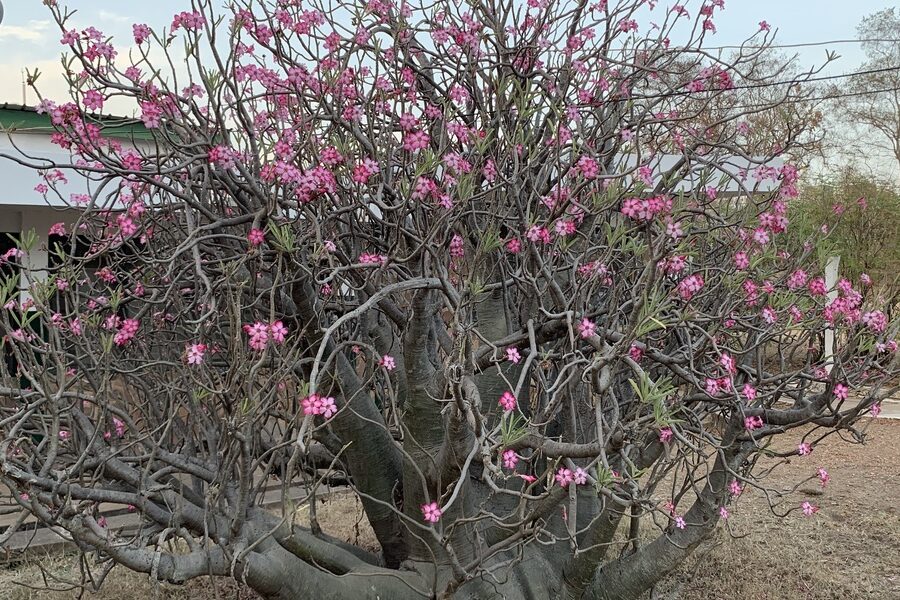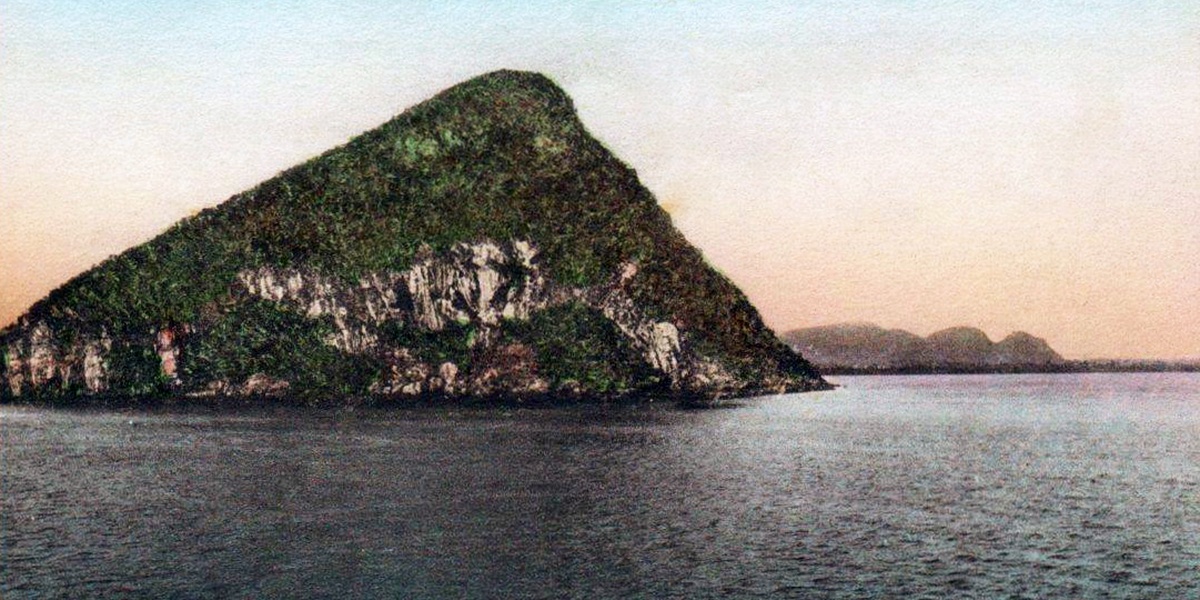
Cuba hosts thousands of native vascular plant species, with estimates commonly placing endemic species at roughly half of the island’s flora — a striking level of local uniqueness for one Caribbean island.
That high endemism arose through a mix of long isolation, complex geology (karst limestone and serpentine outcrops), and varied mountains and microclimates; 18th–19th century collectors first catalogued many of these plants during colonial-era expeditions. Cuban plant life today remains biologically rich, economically and culturally important, and increasingly vulnerable, so looking at ten representative endemics helps show why conservation matters.
H2: Iconic endemic trees and conifers
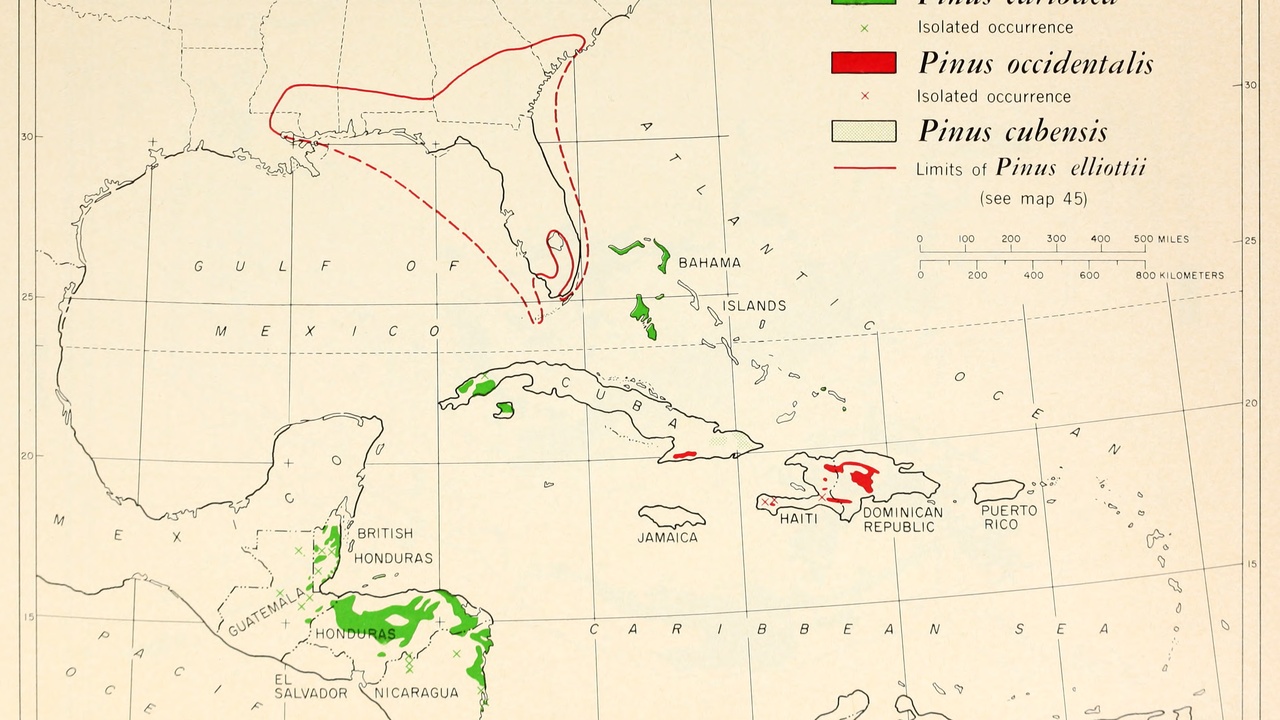
Trees and conifers anchor many Cuban ecosystems: they stabilize soils, protect watersheds, and provide habitat for endemic birds and invertebrates. Montane pine forests are narrowly distributed — typically occupying high-elevation ridges (commonly above 400–600 m) — and cover limited pockets in ranges such as the Sierra Maestra and Sierra del Escambray (data supported by Kew, IUCN and Cuban botanical institutions). These woodlands face threats from logging, conversion to agriculture, invasive plants and fire.
1. Pinus cubensis — Cuba’s endemic pine
Pinus cubensis is a pine species endemic to Cuba and a defining tree of montane stands in southeastern ranges such as the Sierra Maestra. It commonly grows at mid- to high elevations (roughly 600–1,200 m) and can reach heights of 15–25 m in mature stands.
Ecologically, these pines reduce erosion on steep slopes, retain snowmelt and rainfall in upland catchments, and provide nest sites for birds. Historically the species has been used for local timber and construction on a small scale; today, much of its value is ecological within protected areas such as Turquino National Park and parts of Sierra del Escambray.
Conservation assessments by national authorities and international bodies note restricted distribution and local declines tied to land use change and fire, so management actions in key watersheds remain a priority.
2. Microcycas calocoma — the Cuban cycad
Microcycas calocoma is a cycad endemic to Cuba and among the island’s most threatened plants; cycads represent an ancient lineage with slow growth and long lifespans. Microcycas has an extremely restricted range in western Cuba and is listed as Critically Endangered by conservation authorities.
The species’ biology — very slow growth, low reproductive output and specialized pollination — makes recovery difficult once wild numbers drop. Wild populations are small (recorded in the low hundreds) and fragmented, which has prompted ex-situ propagation efforts in botanical gardens and seed collections both in Cuba and through international collaboration.
Ongoing conservation work focuses on habitat protection, nursery propagation and reintroduction trials; these programs (led by Cuban botanical institutions and partner gardens) illustrate how targeted action can keep an ancient lineage from disappearing.
H2: Palms, shrubs and economically important endemics
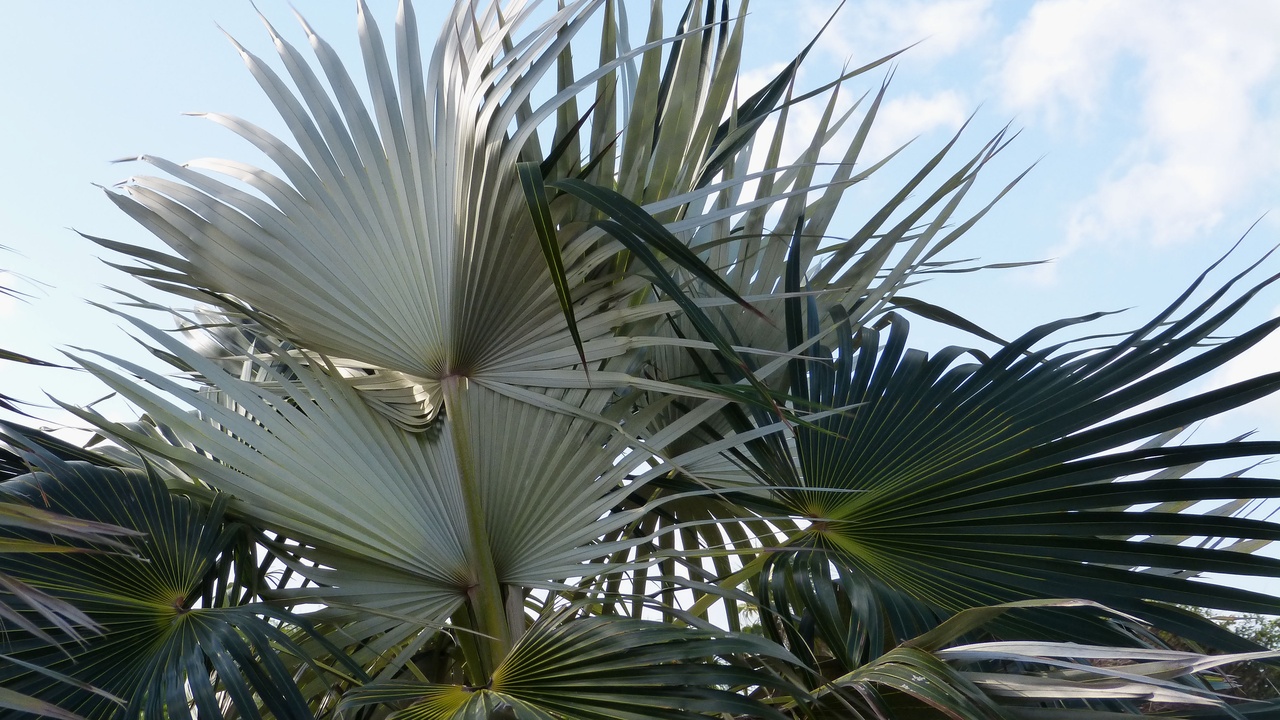
Palms and shrubs include many species that local communities rely on for thatching, weaving and traditional remedies. The island hosts a particularly high diversity of fan palms in the genus Coccothrinax, many with tiny ranges on coastal dunes or limestone outcrops. These plants sustain livelihoods and coastal ecosystems but also face pressure from tourism development and habitat loss.
3. Coccothrinax spp. — endemic fan palms (group example)
Many Coccothrinax species are restricted to Cuba, recognizable by their silver-green, fan-shaped leaves and preference for coastal scrub, dry forests and sandy soils. Taxonomic treatments and herbarium records (e.g., Kew and Cuban collections) report dozens of named species across the Caribbean, with a high concentration of endemics on the Cuban archipelago.
Locally, leaves are used for thatch, mats and handicrafts; this cultural use helps maintain traditional skills but can also lead to localized harvesting pressure. These palms help stabilize dunes and sandy soils, reducing erosion near settlements and beaches. Conservation depends on protecting coastal habitats from development and ensuring sustainable use.
4. Melocactus matanzanus and other endemic cacti
Several cactus species are endemic to Cuba, and Melocactus matanzanus is a well-known example tied to low-elevation, rocky or coastal scrub habitats. These globose cacti often grow on limestone outcrops or shallow soils where few competitors can survive.
Cacti play roles in local pollination networks and are popular in horticulture; that popularity brings both benefits (ex-situ conservation in botanical gardens) and risks (illegal collection by plant traders). Some species are known from a handful of populations and appear on national conservation lists, prompting propagation and monitoring efforts.
5. Medicinal and ethnobotanical endemics
Many endemic plants feature in Cuban traditional medicine, from remedies for minor ailments to species studied by pharmacologists. Local healers and farmers have long used specific shrubs and herbs (several of them endemic) for teas, poultices and topical treatments.
Scientific interest has followed traditional use: Cuban institutions have examined phytochemicals in native plants, and some studies (published in recent decades) identified bioactive compounds with antimicrobial or anti-inflammatory properties. That intersection raises opportunities for drug leads but also ethical questions about benefit-sharing and the risk of overharvesting.
6. Endemic shrubs and coastal plants that support fisheries
Certain endemic coastal shrubs and salt-tolerant plants stabilize dunes and shorelines, creating nursery habitat for juvenile fishes and crustaceans. Where native vegetation remains intact near mangroves or seagrass beds, local fisheries productivity benefits from reduced sedimentation and improved shelter.
Coastal development has altered substantial stretches of coastline in the last decades (local studies document notable impacts in tourism zones), which places added importance on protecting remaining native shrublands and dune systems that buffer reefs and estuaries.
H2: Orchids, ferns and small-range specialists
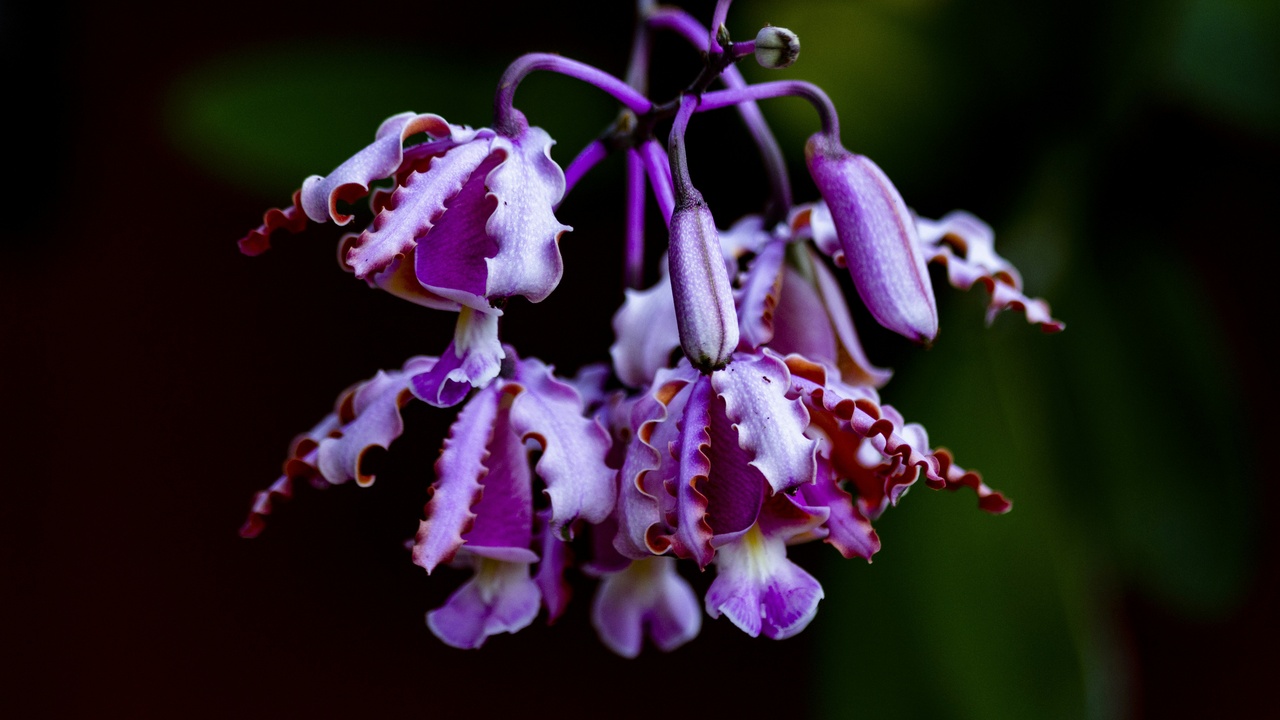
Many of Cuba’s most narrowly distributed plants are orchids, ferns and tiny herbs tied to single limestone outcrops or cloud-forest ravines; the flora of Cuba contains a notable number of these micro-endemics. Such species show how small-scale habitat diversity generates unique biodiversity but also how vulnerable those species are when a single site is damaged.
7. Representative endemic orchid (small-range specialist)
Cuba hosts numerous orchid species, and several endemics occur in highly localized sites — for example, an epiphytic or lithophytic species known only from a handful of shaded ravines in a single mountain range. These orchids often have specialized pollination relationships and distinctive flowers prized by collectors.
Conservation status varies by species, but many are threatened by habitat loss and illegal collection for the ornamental trade; botanical gardens and local institutions sometimes maintain ex-situ collections to protect genetic diversity and support reintroduction efforts.
8. Endemic ferns and understory plants
Ferns and other understory specialists are common among Cuba’s endemics, often confined to moist ravines, cloud-forest floors or the shady banks of mountain streams. Their presence helps retain moisture, build soil humus and indicate intact forest conditions.
Herbarium records and targeted surveys (Cuban National Herbarium, recent floristic studies) highlight many taxa known from few collections, so continued fieldwork is essential to refine distribution data and inform protection measures.
9. Serpentine and limestone specialists
Cuba’s serpentine and karst limestone geology creates harsh soils that favor specially adapted plants — species that tolerate heavy metals, low nutrients or extreme drainage. Those physiological adaptations produce a suite of narrow endemics that occur only on specific rock types.
Because many of these specialists occupy tiny areas (single outcrops or isolated serpentine patches), they rank high on conservation priority lists; protecting a few key hectares can save an entire species, which makes targeted surveys and site-level protection both efficient and urgent.
H2: Conservation, research and how to help
Across the groups above, common threats include habitat conversion, invasive species, overcollection and climate change-driven sea-level rise or shifts in rainfall. Cuban institutions (notably the Cuban National Botanic Garden), international partners and protected-area programs (UNESCO-listed sites and national parks) all play roles in research and protection.
10. A final example: a narrowly endemic herb or shrub (research-verified)
As a concrete illustration of micro-endemism, consider a shrub known only from a single limestone hill in central Cuba (documented in herbarium records and floristic surveys). That plant may occupy fewer than ten hectares and be recorded from only a few populations, making it vulnerable to quarrying, invasive plants and fire.
Researchers cite the species as an example of why site-level protection matters: conserving that specific outcrop preserves unique genetic diversity and the ecological interactions tied to it. Taxonomic clarity (publication of the species’ description, year and authority) and population monitoring are the first steps toward any recovery plan.
Conservation actions: research, policy and community support
Effective conservation blends in-situ protection, ex-situ safeguards and community engagement: protected areas and buffer zones preserve habitat, botanical gardens and seed banks maintain living collections, and local stewardship sustains traditional uses without depleting wild stocks.
Organizations that can be supported include the Cuban National Botanic Garden and international conservation programs that collaborate on species assessments (IUCN Red List) and protected-area management (several national parks and UNESCO sites). Practical reader actions: support reputable NGOs, avoid buying wild-collected plants, and contribute observations to vetted citizen-science platforms that share data with researchers.
Summary
- Cuba’s native plant life contains an unusually high share of endemics, from pines and cycads to orchids, ferns and coastal specialists.
- Many endemics are micro-endemic — tied to single mountains, limestone outcrops or serpentine patches — which magnifies their vulnerability.
- Conservation requires a mix of protected areas, ex-situ programs (botanic gardens and seed banks) and local stewardship supported by research and monitoring.
- Learn more from institutions such as the Cuban National Botanic Garden and global resources like the IUCN Red List, and avoid purchasing plants of unknown origin.
- Protecting small, specialized habitats preserves not just single species but the ecological systems and cultural practices that depend on them.