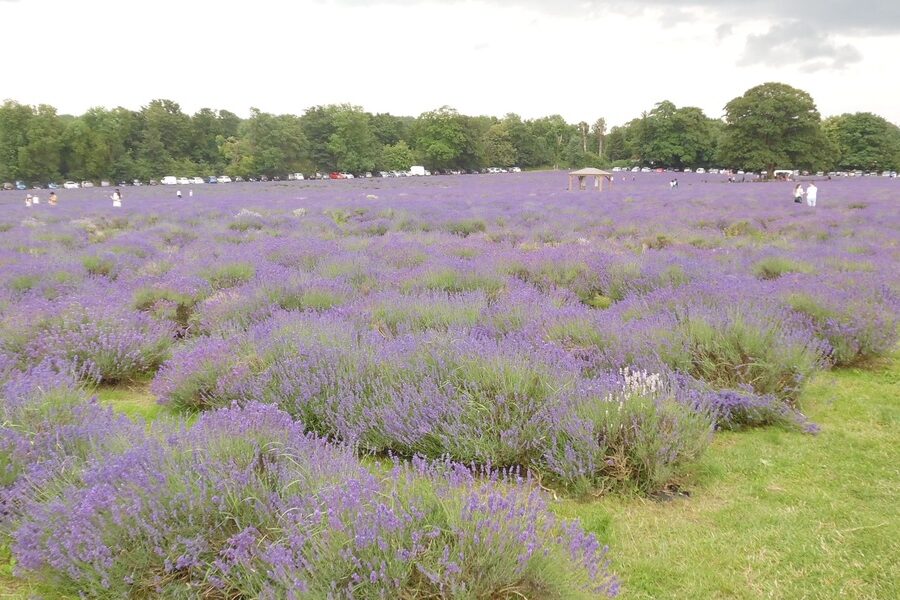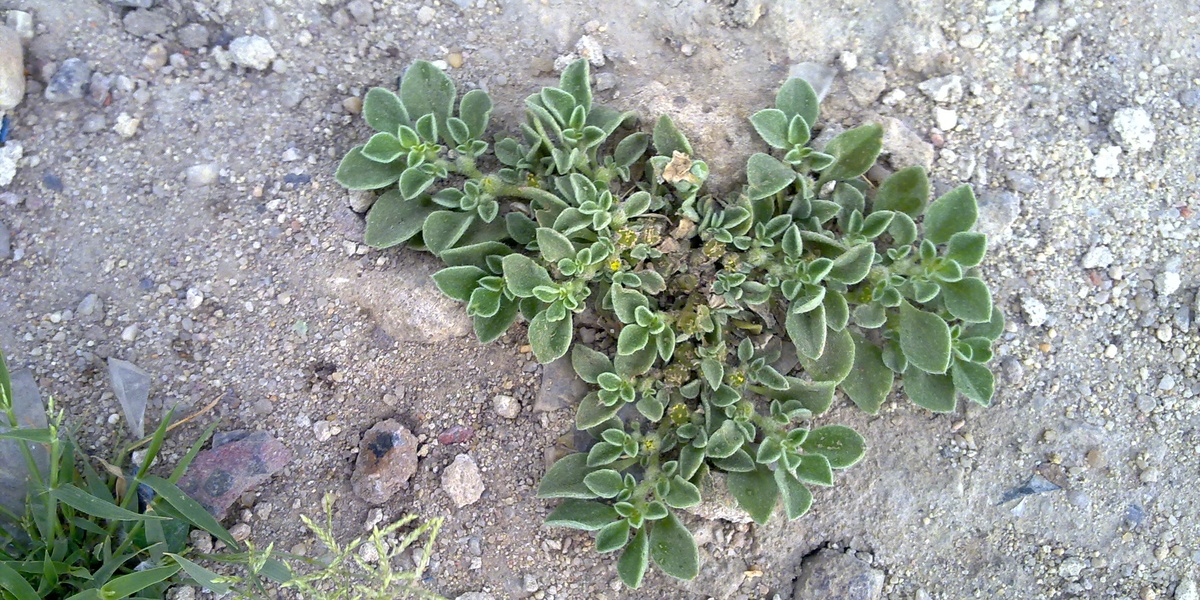
When the 1991 oil fires blackened much of Kuwait’s open desert, the pictures were of scorched dunes and choking smoke. Months later, though, small green shoots appeared where the heat had been fiercest — a reminder that even after large-scale disturbance the native flora of kuwait stages a quiet recovery.
Summer temperatures commonly climb above 45°C, and average annual rainfall sits near 110–120 mm, so plants here face extreme heat, saline soils, and drifting sand. What matters for people and wildlife is that those hardy species deliver real services: stabilizing dunes, supplying seasonal forage, holding pockets of soil moisture, and carrying cultural meaning in a changing landscape.
This piece profiles eight representative desert plants, organized by the strategies they use to survive, the ecosystem roles they play, and how people have used and restored them since the 1991 fires. Expect specific seasonal notes (for example, many shrubs flower in March–April), references to regional authorities, and practical tips for restoration and urban planting.
Adaptations and Survival Strategies
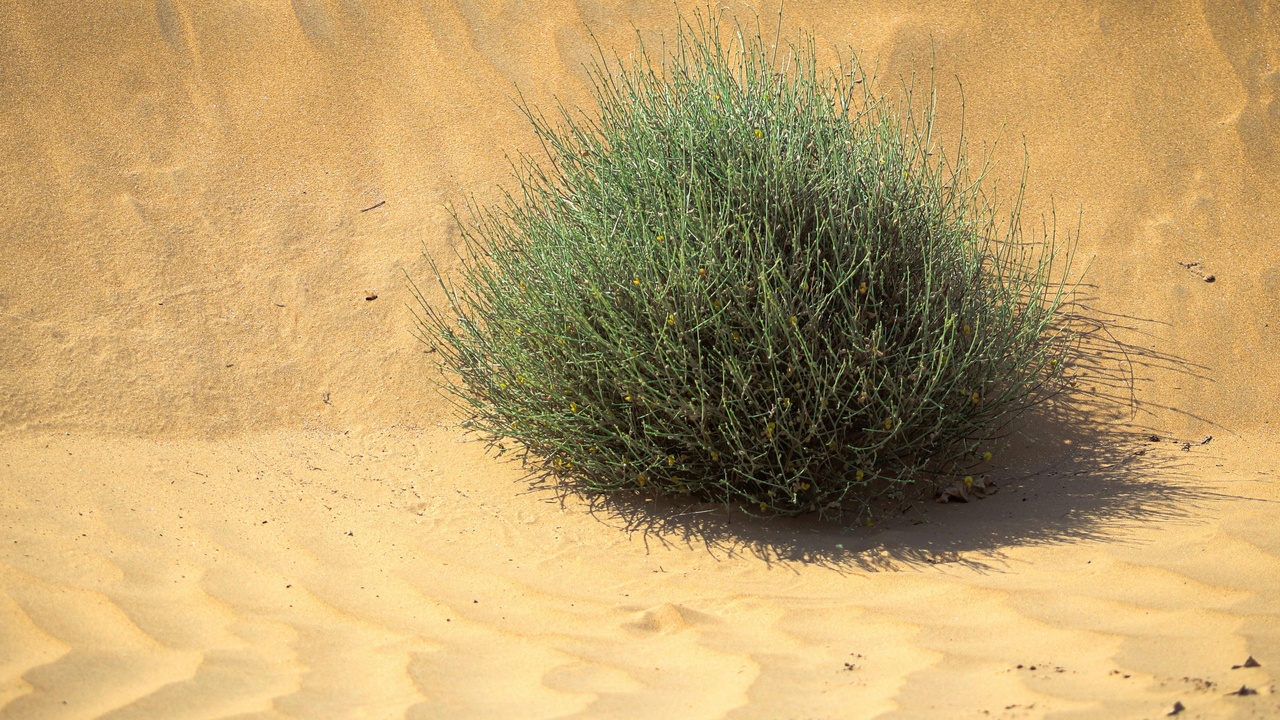
Kuwait’s plants survive a mix of stresses: very hot summers (often above 45°C), scant rains (roughly 110–120 mm per year), salty soils near the coast, and constant sand movement inland. Broad strategies fall into a few groups: drought avoidance (growing quickly after rain), drought tolerance (thick roots or reduced leaf area), halophytism (handling salt by excreting or sequestering it), and mechanical sand fixation (branch architecture that traps grains).
The Kuwait Institute for Scientific Research has documented how these strategies help disturbed areas recover; as KISR put it after the 1991 fires, “pioneer shrubs and grasses are the first line of landscape repair.” Below are three species that illustrate distinct survival approaches.
1. Rhanterium epapposum (Arfaj) — the drought-deciduous shrub
Rhanterium epapposum, commonly called arfaj, is widely cited as Kuwait’s iconic desert shrub and is drought-deciduous — it drops leaves during dry months and flushes foliage after episodic rains. Flowering usually peaks in March–April, producing a brief but showy spring display after winter precipitation.
Ecologically, arfaj acts as a pioneer on interdune flats and disturbed ground; field reports after the 1991 fires noted mass re-sprouting of arfaj in less-scorched patches within months. Pastoralists value it as emergency browse, and local restoration projects often prioritize arfaj seedlings because it quickly creates shade and accumulates organic matter.
2. Haloxylon salicornicum (Rimth) — deep roots and water access
Haloxylon salicornicum, called rimth locally, is a woody shrub that develops extensive root systems able to tap deeper moisture and help stabilize dune slopes. Across the Arabian Peninsula it’s known as a sand-fixing species that can form dense patches on mobile dunes and sand sheets.
Rimth is used for emergency fodder in lean seasons and in dune-stabilization plantings where wind erosion is severe. Its tolerance for saline and loose sandy soils makes it a practical choice for rehabilitation plots on Kuwait’s southern sand belt.
3. Calligonum comosum (Arta) — ephemeral growth and dune binding
Calligonum comosum (arta) has a twiggy, open habit that greens up rapidly after rain. That quick post-rain emergence helps trap blowing sand; the stems slow wind speed at the surface and encourage deposition, which over time builds stable dune shoulders.
Practically, arta is used in roadside windbreaks and small-scale dune-management plots where rapid sand capture is needed. You’ll often find it on windward dune faces and in restoration test plots where managers aim for fast physical stabilization before slower shrubs establish.
Ecological Roles and Desert Ecosystems
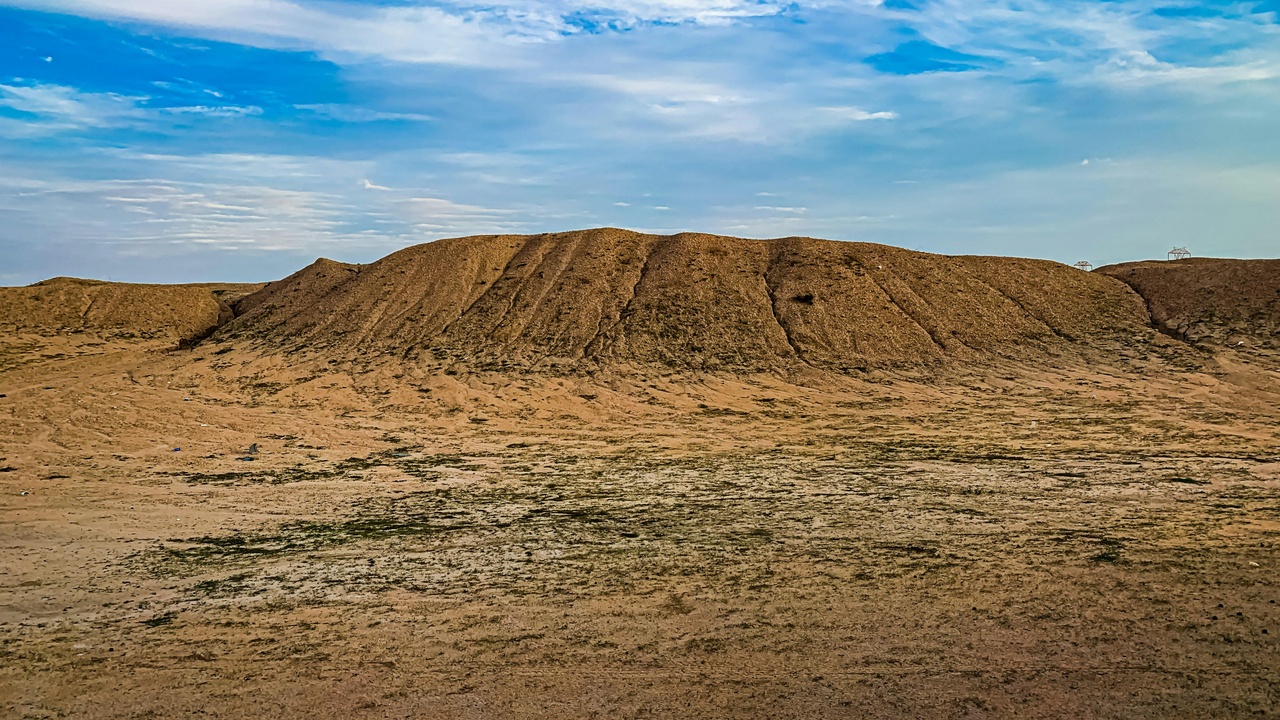
Across Kuwait’s desert and coastal fringe, these plants create microhabitats that support insects, birds, and grazing animals, while also protecting soils from erosion. Many species form nutrient islands beneath their canopies, moderating extreme ground temperatures and improving chances for seedlings of other plants.
Organizations such as FAO and UNEP note that in arid landscapes ground cover and shrub patches are key to reducing wind-driven soil loss; regional surveys and KISR field work echo this for local habitat types. Below are three plant groups that play outsized roles in those functions.
4. Atriplex spp. (Saltbushes) — halophytes that reclaim saline soils
Atriplex species tolerate high surface salinity by sequestering or excreting salts on leaf surfaces, which allows them to dominate coastal flats and reclaimed saline patches. Where they become established, surface salinity declines enough for less-tolerant annuals and grasses to colonize.
Practical uses include saline-land rehabilitation and emergency fodder; agronomic trials across the Gulf show Atriplex can supply measurable protein to livestock in dry seasons. In northern Kuwait, Atriplex-dominated flats are a regular sight near the coast and around sabkha margins.
5. Panicum turgidum and native grasses — forage and dune fixation
Perennial grasses like Panicum turgidum form clumps that bind the surface, reduce wind erosion, and encourage soil crust development. After winter and spring rains they can produce noticeable biomass for a few weeks to months — enough to support camels, goats, and wild grazers.
Local herders and restoration teams use these grasses for quick cover in reclamation seeding; monitoring from small projects shows appreciable increases in surface stability where grass cover rises from near zero to 10–30% after successful seeding and the first wet season.
6. Tamarix aphylla (Tamarisk) — shelter, nesting sites, and salinity buffers
Tamarix aphylla tolerates brackish groundwater and salty soils, making it common where groundwater reaches the surface or where wadis concentrate moisture. Its dense branching provides shelter and nesting sites for birds and acts as an effective roadside windbreak.
Cities in Kuwait and nearby regions use tamarisk in shelterbelts and urban plantings where irrigation water carries salts; the species’ tolerance means it survives conditions that kill many introduced ornamentals, and it helps reduce salt spray onto adjacent plots.
Human Uses, Conservation, and Cultural Importance
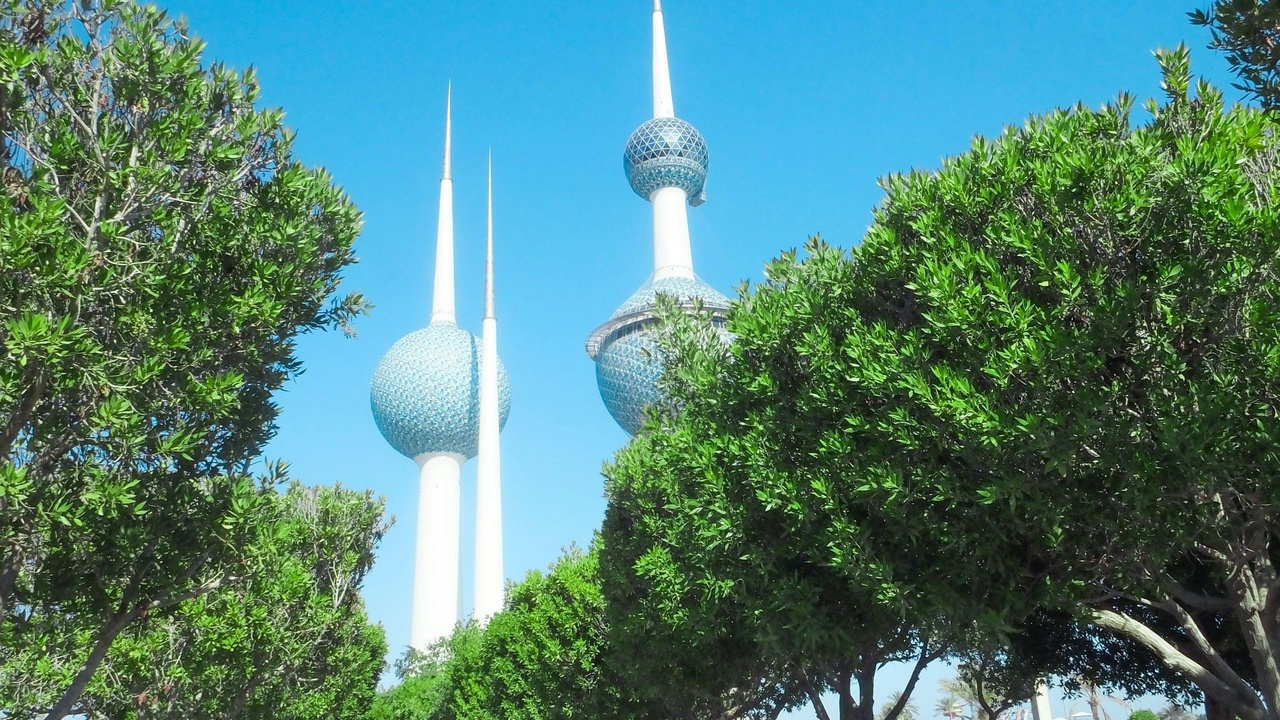
Native plants have long practical uses: medicine, emergency fodder, fuel, and strong cultural symbolism. Arfaj, for instance, is not just a forage shrub — it figures in Kuwaiti identity and appears in local celebrations and floral motifs.
Contemporary threats include urban expansion, off-road driving that breaks crust and uproots seedlings, rising salinity in peri-urban areas, and the spread of invasive exotics. Agencies like the Environment Public Authority and KISR run nursery and monitoring programs aimed at reversing those trends.
7. Medicinal, forage, and cultural uses — plants that people rely on
Several species are used in folk remedies and as seasonal livestock browse. Lycium shawii, for example, is a common browsed shrub, while local ethnobotanical surveys list arfaj among species used in simple traditional preparations for minor ailments.
These uses matter today: pastoral livelihoods depend on predictable seasonal patches of forage, and cultural attachment to native plants helps mobilize volunteers and schools for planting days and seed-collection efforts.
8. Conservation, restoration, and urban landscaping — from seedlings to city green belts
Large-scale disturbance from the 1991 oil fires spurred coordinated rehabilitation involving native seedlings, and many current restoration methods trace their origins to that effort. Environment Public Authority project summaries and KISR publications document nursery production, seed-banking, and trial plots across affected zones.
Best practices for urban landscaping in Kuwait favor salt- and heat-tolerant natives, minimal soil amendment, deep but infrequent irrigation schedules, and community nursery partnerships that track survival rates. Small municipal programs that plant mixed-species belts (rimth, tamarisk, Calligonum, and Atriplex) report higher long-term survival than single-species rows.
Practical tips: match species to the micro-site (salt-tolerant species on coastal flats; deep-rooted shrubs on dune toes), plant in the cool season, and use mulches or sand traps to reduce desiccation while seedlings establish.
Summary
- Despite the 1991 oil fires, pioneer species such as arfaj, rimth, and Calligonum re-sprouted quickly and continue to anchor recovery efforts.
- Key adaptations — deep roots, drought-deciduous leaves, salt handling, and twiggy architecture — let plants stabilize dunes, reduce erosion, and create microhabitats.
- Species like Atriplex and Panicum turgidum supply seasonal forage and help reclaim saline or bare ground for successional colonizers.
- Conservation wins come from using locally adapted natives in nursery programs, matched planting, and monitoring — small municipal and community efforts make a measurable difference.
- Support native-plant nurseries, choose salt- and heat-tolerant shrubs for landscaping, and join local restoration days to help sustain Kuwait’s desert ecosystems.