The Totonac people of Veracruz were cultivating vanilla long before Europeans arrived; vanilla remained a guarded Mexican secret until it reached Europe in the 16th century. Mexico contains over 20,000 vascular plant species and roughly one-third are endemic (≈7,000) (CONABIO; UNESCO), which helps explain why its landscapes host so many unique ecological and cultural connections.
Understanding that diversity matters because plants underpin local economies, sustain cultural practices, and buffer ecosystems against climate shocks. Loss of habitat or genetic diversity doesn’t just erase a species—it can undermine livelihoods, traditional knowledge, and services like water regulation and pollination.
This piece highlights 12 emblematic plants and plant groups that together showcase why Mexico’s plant life—from arid cacti to cloud-forest orchids—matters ecologically, culturally, and economically. The examples are arranged in three thematic categories: regional/ecosystems, economic/agricultural, and cultural/medicinal & conservation.
Regional and Ecosystem Diversity
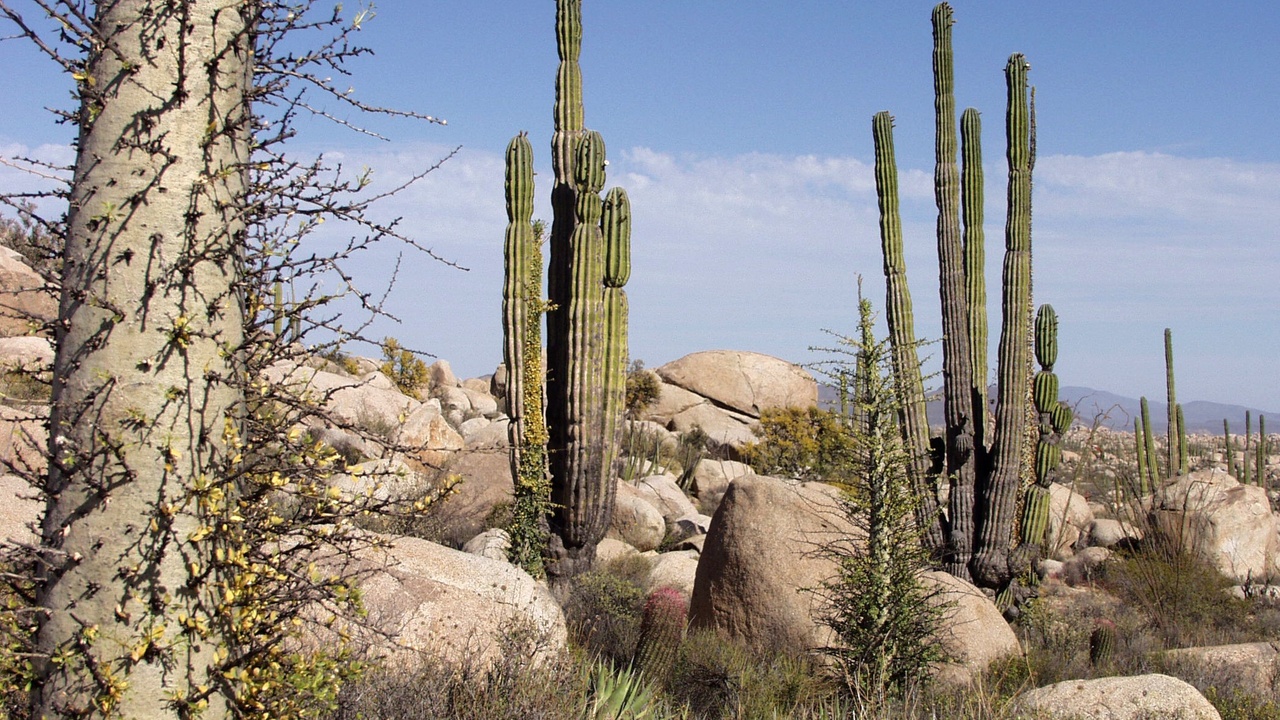
Mexico’s mountains and long coastlines create steep climatic gradients and many microhabitats, which in turn generate very high endemism and regional centers of plant diversity. Desert belts in the north, tropical dry forests on the Pacific slope, humid cloud forests in the mountains, and mangrove-lined coasts each support distinctive plant communities.
Reiterating the scale: Mexico hosts over 20,000 vascular plants with roughly one-third endemic (≈7,000) (CONABIO; UNESCO). Cactus diversity is concentrated in northern and central regions, while dry and cloud forests hold many narrowly distributed tree and epiphyte species.
The following four examples (1–4) illustrate ecosystem-linked plant diversity: tropical dry forest Bursera species, the country’s impressive cactus flora, cloud-forest orchids and epiphytes, and coastal mangroves that protect shorelines and fisheries.
1. Dry-forest specialists: Bursera and tropical dry woodlands
Mexico’s tropical dry forests, especially along the Pacific slope in states such as Oaxaca and Guerrero, are home to distinctive genera like Bursera—the copal trees—whose life histories are tuned to long dry seasons.
Bursera species produce aromatic resins used locally as incense and in artisan markets, and the wood is used for small-scale timber and carvings. Examples include Bursera fagaroides and Bursera simaruba, common in fragmented stands on the western Pacific slope.
These dry forests are among Mexico’s most threatened ecosystems—conversion to pasture and cropland has driven high habitat loss rates—so sustainable resin collection, community forestry, and incentives for forest-friendly livelihoods are urgent conservation priorities.
2. Cacti: Mexico as a global center of cactus diversity
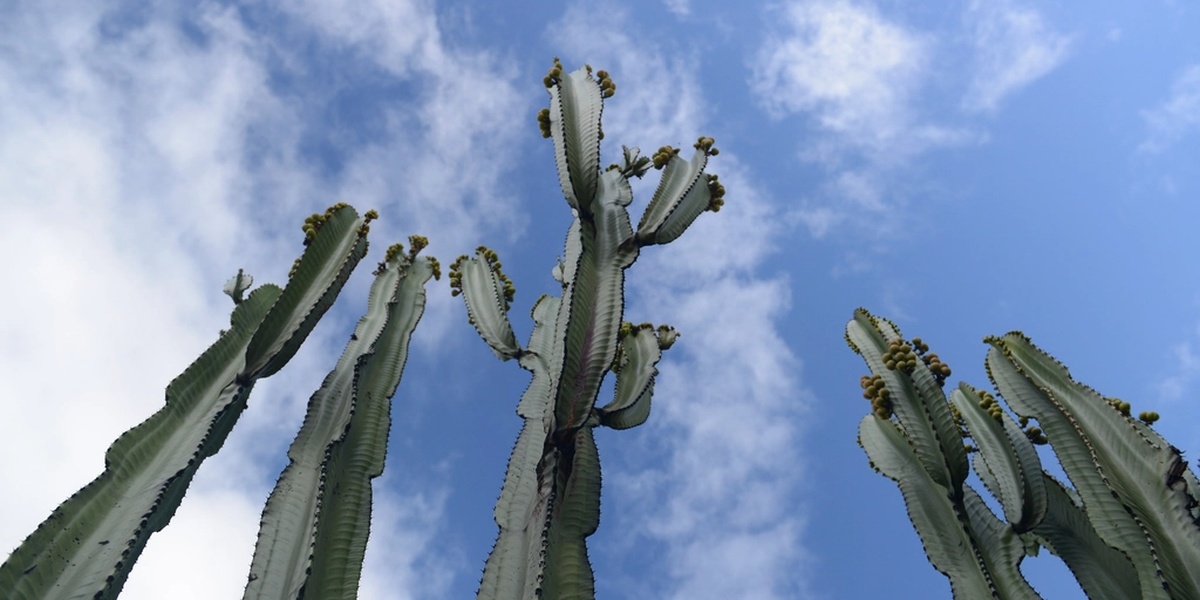
Mexico is a world center for cactus diversity, with well over a thousand native species occupying arid and semi-arid zones, thorn scrubs, and even tropical dry forests. The group displays dramatic growth forms from low, globular Mammillaria to towering columnar species.
Cacti serve ecological roles as winter water reservoirs, food sources for pollinators and frugivores, and as nurse plants for other species. Economically, Opuntia (nopal) provides edible pads and fruits, many Mammillaria species are prized in the ornamental trade, and columnar cacti like Pachycereus support local uses.
Threats include habitat loss, illegal collection for horticulture, and climate pressures; conservation strategies include sustainable harvest, cultivation of popular species, and protected-area networks that secure core populations.
3. Cloud-forest orchids and epiphytes
Persistent mist, stable cool temperatures, and complex canopy structure in cloud forests—notably in Veracruz, Chiapas, and parts of Oaxaca—support rich communities of orchids and other epiphytes that often occur nowhere else.
Many orchids in these habitats are narrow endemics in genera such as Laelia and Epidendrum. Vanilla planifolia is the most famous local orchid, historically cultivated by Totonac communities in Veracruz and still produced there for high-end markets.
Cloud forests are fragile: they’re vulnerable to clearance, fragmentation, and shifting cloud patterns with climate change. Conservation work combines protected reserves, shade coffee and agroforestry incentives, and ecotourism focused on orchid and bird watching.
4. Coastal mangroves and salt-tolerant flora
Mexico’s Pacific and Gulf coasts host extensive mangrove stands and salt-tolerant communities that shield shorelines and provide critical nursery habitat for fisheries. Dominant mangrove genera include Rhizophora, Avicennia, and Laguncularia.
Mangroves in Veracruz and around the Yucatán Peninsula support artisanal fisheries, sequester carbon, and reduce storm surge impacts. Their root systems create sheltered nursery grounds for commercially important fish and crustaceans.
Although many mangroves are legally protected in Mexico, coastal development, aquaculture, and pollution continue to put pressure on these ecosystems; restoring mangroves yields both biodiversity and livelihood benefits.
Economically Important and Agricultural Plants
Several Mexican plants underpin both local and global economies. Agave supplies tequila and mezcal, vanilla flavors products worldwide, maize was domesticated here and feeds billions, and nopal serves as food, forage, and an ingredient in health products.
Preserving wild relatives and traditional landraces is critical for crop resilience as pests, disease, and changing climates force breeding programs to look for adaptive traits in local gene pools.
The following four examples (5–8) focus on the economic and agricultural importance of agave, vanilla, maize/teosinte, and nopal—plants that connect markets, culture, and biodiversity.
5. Agave species: tequila, mezcal, and rural livelihoods
Agave species lie at the heart of Mexico’s spirits industry and rural economies. Agave tequilana var. azul (blue agave) is used for tequila production concentrated around Jalisco, while many other Agave species are the source for mezcal in Oaxaca and neighboring states.
Agave supports rural livelihoods through farming, artisan distillation, and tourism tied to tasting rooms and cultural routes. Because many agaves take years—or even decades—to reach flowering size, supply is sensitive to overharvest, disease outbreaks, and shifts in demand.
Maintaining wild agave populations and genetic diversity helps guard against pests and ensures long-term industry resilience; diversification of cultivation and support for smallholders can spread economic benefits more equitably.
6. Vanilla (Vanilla planifolia): native flavor, global demand
Vanilla is native to Mexico and was cultivated by indigenous groups long before Europeans arrived. Totonac communities in Veracruz are famous for their historic association with vanilla cultivation and its cultural uses.
Although much of the world now grows vanilla in places like Madagascar, hand-pollinated Mexican vanilla retains a reputation for superior aroma among specialty chefs and perfumers. Smallholder production in Veracruz provides valuable income but also faces volatile international prices and pressure from illegal harvesting.
Conserving wild pollinators, supporting community authentication of origin, and encouraging sustainable shade-grown vanilla systems help protect both livelihoods and the genetic diversity of Vanilla planifolia.
7. Maize (and teosinte): birthplace of a global staple
Maize was domesticated in what is now Mexico roughly 9,000 years ago from wild teosinte relatives, with archaeological and genetic studies pointing to central Mexico as a key domestication center.
Traditional maize landraces, preserved in community seed banks and farmed varieties, supply cultural staples—nixtamalized corn for tortillas and tamales—and hold genetic traits crucial for breeding disease and drought resistance.
Protecting teosinte and diverse landraces within agricultural landscapes maintains a living library of genes that breeders and farmers can draw on to adapt maize to future challenges.
8. Nopal (Opuntia): food, forage, and industry
The prickly pear cactus, or nopal (Opuntia ficus-indica and related species), is a ubiquitous food source and economic product across central Mexico. Edible pads (nopales) and fruits (tunas) are sold fresh, pickled, or processed into juices and supplements.
Nopal also serves as forage in dry seasons and as a low-input crop suitable for marginal lands. Farmers around Mexico cultivate Opuntia for both household consumption and commercial markets, with value-added products expanding income streams.
Sustainable propagation and harvesting practices—plus processing facilities close to production zones—help ensure that nopal benefits local economies while reducing pressure on wild populations.
Cultural, Medicinal, and Conservation Significance
Plants in Mexico often carry deep cultural weight, serve medicinal roles, or anchor major conservation efforts. Indigenous knowledge and ritual uses keep many species in active stewardship, and protecting sacred trees or unique forests simultaneously conserves biodiversity.
Examples in this category include culturally venerated trees like Ceiba, ritual plants such as peyote, the deep history of cacao, and montane Oyamel fir forests that host overwintering monarchs—cases where culture and conservation intersect.
The next four examples (9–12) show how protecting plants also protects traditions, livelihoods, and international wildlife phenomena.
9. Ceiba and sacred trees: cultural landmarks
The Ceiba (kapok) has spiritual and communal significance across Mesoamerica; large, veteran Ceiba trees often figure in myths, place names, and local ceremonies. Ceiba pentandra is one prominent species associated with these traditions.
Local festivals, storytelling, and pilgrimage sometimes center on these trees, and community-led protection efforts often arise to safeguard them from felling. That cultural protection can double as biodiversity conservation, preserving microhabitats for epiphytes and bird life.
Conserving sacred trees is a way to tie cultural heritage directly to on-the-ground habitat protection, making conservation locally meaningful and socially durable.
10. Peyote (Lophophora williamsii) and ritual plants
Peyote is a small, slow-growing cactus used in ritual contexts by several indigenous groups in northern Mexico. Its ceremonial role is recognized in cultural-rights frameworks, and that recognition shapes legal protections and management approaches.
Because peyote grows slowly, wild populations are ecologically sensitive to overharvest and habitat loss. Ethnobotanical research and cultivation trials aim to reduce pressure on wild stands while respecting indigenous stewardship and ceremonial access.
Careful, culturally informed management—combined with habitat protection—offers the best path to ensure both ritual continuity and species survival.
11. Cacao (Theobroma cacao): origin and cultural history
Cacao has ancient roots in Mesoamerican societies; archaeological finds and ethnohistoric records show its use as food, drink, and even currency long before European contact. Wild and early-domesticated forms occurred in parts of Mexico and nearby regions.
Shade-grown cacao agroforestry systems can support high levels of biodiversity while producing specialty chocolate that commands premium prices. Traditional chocolate-making techniques keep culinary and ritual knowledge alive, linking commerce to culture.
Promoting shade-grown, biodiversity-friendly cacao helps farmers capture market value while conserving canopy species and providing habitat for birds and mammals.
12. Oyamel fir (Abies religiosa) and monarch overwintering forests
High-elevation Oyamel fir forests in central Mexico form the cool, humid microclimate that allows monarch butterflies to survive winter. These stands are internationally recognized for the monarch overwintering phenomenon and attract conservation attention.
The Monarch Butterfly Biosphere Reserve protects key forest patches, and local communities play central roles in stewardship, eco-guiding, and sustainable forest use. International cooperation links Mexico, the United States, and Canada around monarch conservation.
Climate change and forest degradation threaten these microclimates; adaptive forest-management, reforestation with native species, and community incentives are part of ongoing conservation strategies.
Summary
Mexico’s plant life is vast, locally treasured, and globally important—protecting habitats supports species, cultures, and economies.
- Mexico hosts over 20,000 vascular plant species with roughly one-third endemic, making it a global biodiversity hotspot (CONABIO; UNESCO).
- Cultural practices—vanilla cultivation by the Totonac, sacred Ceiba veneration, peyote ceremonies—link people directly to plant stewardship and conservation.
- Economically important species such as agave, maize, vanilla, and nopal support rural livelihoods; conserving wild relatives and diverse landraces strengthens food and economic security.
- Protecting ecosystems from dry forests to cloud forests and mangroves preserves services like water regulation, fisheries nursery habitat, and monarch overwintering sites.
- Practical next steps: support sustainably produced products (shade-grown cacao, responsibly sourced vanilla), visit protected areas responsibly, and back community-led conservation initiatives.