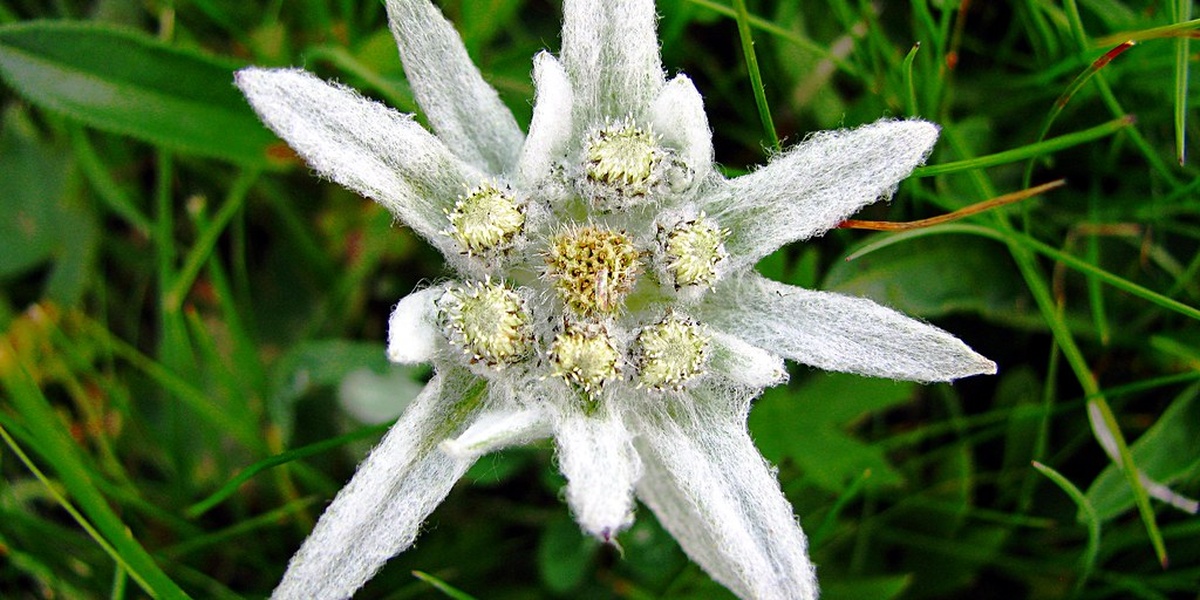
Austria’s landscapes—from high alpine meadows to lowland river valleys—host a wide array of wildflowers that change with altitude and season. Walking a mountain trail, a forest edge or a village meadow you’ll notice different species tied to specific habitats and bloom times.
There are 81 Flowers of Austria, ranging from Alpine aster to Yellow rattle. For each species the list shows Scientific name, Habitat (incl. altitude m), Bloom months — you’ll find the full table below.
When is the best time to see many of these wildflowers in Austria?
Spring and summer are peak seasons, but timing shifts with elevation: lowland meadows often bloom from April to June, montane areas peak in June–July, and high alpine meadows typically flower in July–August. Check the Bloom months column for each species to match routes and dates.
How can I use the Scientific name, Habitat (incl. altitude m), Bloom months to plan a visit?
Use the Scientific name for accurate ID, the Habitat and altitude to choose trails where a species is likely to grow, and Bloom months to schedule your trip; combine that with local weather forecasts and trail conditions for the best chance to see specific species.
Flowers of Austria
| Common name | Scientific name | Habitat (incl. altitude m) | Bloom months |
|---|---|---|---|
| Edelweiss | Leontopodium alpinum | Rocky alpine slopes, scree; 1,500–3,000 m | Jul–Aug |
| Alpine rose | Rhododendron ferrugineum | Acidic subalpine heath and dwarf shrub zones; 1,200–2,600 m | Jun–Jul |
| Alpine pasqueflower | Pulsatilla alpina | Alpine meadows, rocky grasslands; 1,500–2,700 m | May–Jun |
| Trumpet gentian | Gentiana acaulis | Alpine and subalpine grasslands, rocky areas; 1,200–2,500 m | May–Aug |
| Spring gentian | Gentiana verna | Calcareous alpine turf and subalpine meadows; 1,000–2,700 m | Apr–Jun |
| Yellow gentian | Gentiana lutea | Subalpine to montane meadows and grassy slopes; 800–2,200 m | Jun–Aug |
| Common harebell | Campanula rotundifolia | Dry meadows, rocky slopes, woodland edges; 0–2,500 m | Jun–Sep |
| Peony (wild) | Paeonia officinalis | Calcicolous grassland edges and open woods; 200–1,200 m | May–Jun |
| Field poppy | Papaver rhoeas | Arable fields, disturbed ground, roadsides; 0–1,500 m | May–Jul |
| Oriental poppy (garden) | Papaver orientale | Gardens and cultivated borders across Austria; 0–800 m | May–Jun |
| Oxeye daisy | Leucanthemum vulgare | Meadows, pastures and roadside verges; 0–1,800 m | Jun–Aug |
| Common daisy | Bellis perennis | Lawns, meadows, grassy paths; 0–1,500 m | Mar–Oct |
| Dandelion | Taraxacum officinale | Grasslands, pastures, disturbed ground; 0–1,800 m | Mar–Nov |
| Meadow buttercup | Ranunculus acris | Moist meadows, pastures and roadsides; 0–1,800 m | May–Jul |
| Wood anemone | Anemone nemorosa | Deciduous woodland floor and shady hedgerows; 0–1,200 m | Mar–May |
| Globeflower | Trollius europaeus | Damp meadows, stream margins and montane wetlands; 400–2,000 m | May–Jul |
| Lily of the valley | Convallaria majalis | Shady woodlands, hedgerows and gardens; 0–1,200 m | Apr–May |
| Alpine aster | Aster alpinus | Rocky alpine ledges, scree and high meadows; 1,200–3,000 m | Jun–Aug |
| Alpine squill | Scilla bifolia | Deciduous woodlands and alpine clearings; 200–1,800 m | Mar–Apr |
| Spring crocus | Crocus vernus | Alpine meadows, open woods and lawns; 200–2,000 m | Mar–May |
| Wild tulip | Tulipa sylvestris | Open grasslands and light forests on calcareous soils; 0–1,300 m | Apr–May |
| Yellow foxglove | Digitalis grandiflora | Woodland edges, clearings and meadows; 200–1,600 m | Jun–Aug |
| Common mallow | Malva sylvestris | Roadsides, waste ground and hedgerows; 0–1,200 m | Jun–Sep |
| Meadow sage | Salvia pratensis | Grasslands, calcareous meadows and roadside banks; 0–1,600 m | May–Jul |
| Garden sage | Salvia officinalis | Widely cultivated in gardens across Austria; 0–600 m (cultivated) | May–Jun |
| Cornflower | Centaurea cyanus | Arable margins, meadows and roadside verges; 0–1,200 m | May–Aug |
| Brown knapweed | Centaurea jacea | Meadows, pastures and roadside banks; 0–1,600 m | Jun–Sep |
| Greater stitchwort | Stellaria holostea | Hedgerows, woodland edges and shady banks; 0–800 m | Apr–Jun |
| Lady’s slipper orchid | Cypripedium calceolus | Calcareous beech forests and edge habitats; 200–1,000 m | May–Jun |
| Marsh orchid | Dactylorhiza majalis | Wet meadows, fens and marshy ground; 200–1,200 m | May–Jul |
| Early purple orchid | Orchis mascula | Woodland clearings, meadows and calcareous grassland; 0–1,200 m | Apr–Jun |
| Bee orchid | Ophrys apifera | Dry calcareous grasslands and sunny roadside banks; 0–1,000 m | May–Jun |
| Mountain avens | Dryas octopetala | High alpine and arctic-alpine rocky ground; 1,800–3,000 m | May–Jul |
| Arnica | Arnica montana | Hay meadows and montane grassland on acidic soils; 600–2,000 m | Jun–Aug |
| Meadowsweet | Filipendula ulmaria | Wet meadows, fens and stream margins; 0–1,500 m | Jun–Aug |
| Lady’s mantle | Alchemilla vulgaris | Meadows, woodland clearings and hillsides; 0–1,800 m | May–Aug |
| Meadow vetchling | Lathyrus pratensis | Meadows, road verges and hedgerows; 0–1,400 m | May–Aug |
| Honeysuckle | Lonicera periclymenum | Woodland edges, hedgerows and scrub; 0–1,000 m | May–Aug |
| Hawthorn | Crataegus monogyna | Hedgerows, woodland edges and scrub; 0–800 m | Apr–May |
| Elderflower | Sambucus nigra | Hedgerows, woodland edges and hedges; 0–700 m | May–Jun |
| Dogwood | Cornus sanguinea | Woodland edges, hedgerows and scrub on calcareous soils; 0–800 m | Apr–May |
| Laburnum (garden) | Laburnum anagyroides | Cultivated in parks and gardens across Austria; 0–600 m (cultivated) | Apr–May |
| Snowdrop | Galanthus nivalis | Woodland floor, shady gardens and hedgerows; 0–600 m | Jan–Mar |
| Cowslip | Primula veris | Meadows, grassy banks and calcareous pastures; 0–1,200 m | Apr–May |
| Oxlip | Primula elatior | Moist woodland clearings and hedgerows (eastern Austria); 200–800 m | Apr–May |
| Common mullein | Verbascum thapsus | Disturbed ground, roadsides and dry banks; 0–1,600 m | Jun–Sep |
| Christmas rose | Helleborus niger | Calcareous woodland margins and cultivated gardens; 200–1,500 m | Dec–Mar |
| Wild cherry blossom | Prunus avium | Woodland edges, hedgerows and orchards; 0–800 m | Apr–May |
| Wild apple | Malus sylvestris | Woodland edges, hedgerows and old orchards; 0–700 m | Apr–May |
| Lilac | Syringa vulgaris | Widely cultivated in gardens, parks and village hedges; 0–600 m (cultivated) | May |
| Hydrangea (garden) | Hydrangea macrophylla | Widely cultivated in gardens and parks; 0–600 m (cultivated) | Jun–Sep |
| Meadow cranesbill | Geranium pratense | Meadows, roadside verges and damp grassland; 0–1,600 m | Jun–Aug |
| Garden geranium | Pelargonium zonale | Potted and bedding plants in towns and gardens across Austria; 0–600 m (cultivated) | May–Sep |
| Nasturtium (garden) | Tropaeolum majus | Cultivated in gardens and balconies across Austria; 0–600 m (cultivated) | Jun–Oct |
| Phlox (garden) | Phlox paniculata | Widely cultivated in borders and cottage gardens; 0–600 m (cultivated) | Jun–Sep |
| Dahlia (garden) | Dahlia pinnata | Cultivated in summer borders and allotments; 0–600 m (cultivated) | Jul–Oct |
| Chrysanthemum (garden) | Chrysanthemum morifolium | Cultivated in gardens and autumn displays; 0–600 m (cultivated) | Sep–Nov |
| Sunflower | Helianthus annuus | Cultivated fields, gardens and roadside displays; 0–800 m (cultivated) | Jul–Sep |
| Martagon lily | Lilium martagon | Mixed woodlands, clearings and mountain meadows; 200–1,800 m | Jun–Jul |
| Mouse-ear hawkweed | Hieracium pilosella | Dry grasslands, rocky slopes and disturbed banks; 0–2,000 m | May–Aug |
| St John’s wort | Hypericum perforatum | Meadows, roadside verges and dry banks; 0–1,500 m | Jun–Aug |
| Yellow iris | Iris pseudacorus | Pond margins, wet meadows and riverbanks; 0–1,200 m | May–Jun |
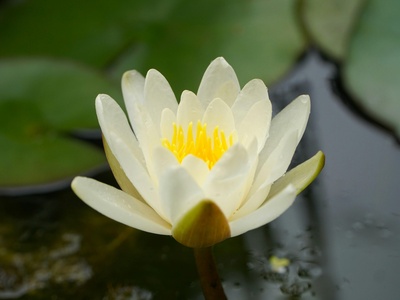
| White water-lily | Nymphaea alba | Lakes, slow rivers and ponds; 0–1,000 m | Jun–Aug |
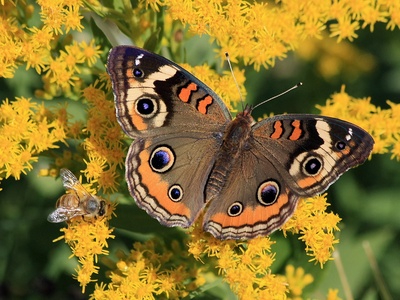
| Goldenrod | Solidago virgaurea | Meadows, forest clearings and roadside banks; 0–1,800 m | Aug–Oct |
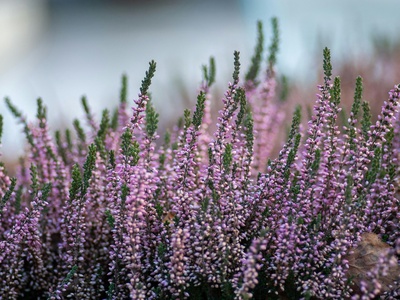
| Heather | Calluna vulgaris | Acid heaths, moorland and montane areas; 200–1,500 m | Jul–Sep |
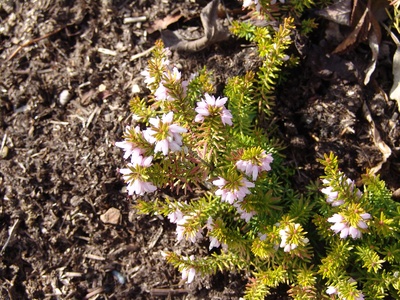
| Winter heath | Erica carnea | Rocky slopes and open woods, often cultivated; 200–1,600 m | Feb–Apr |
| Alpine rockjasmine | Androsace alpina | Crags, limestone cliffs and high alpine ledges; 2,000–3,000 m | Jun–Aug |
| Purple saxifrage | Saxifraga oppositifolia | Extreme alpine and arctic-alpine rock faces; 2,200–3,200 m | May–Jul |
| Yellow rattle | Rhinanthus minor | Meadows, hayfields and light grassland; 0–1,200 m | May–Jul |
| Goat’s beard | Aruncus dioicus | Damp woodland margins and shady riverbanks; 200–1,400 m | May–Jul |
| Autumn crocus | Colchicum autumnale | Meadows and damp pastures, often on calcareous soils; 0–1,200 m | Sep–Oct |
| Wild garlic | Allium ursinum | Moist deciduous woodlands and river valleys; 0–800 m | Apr–May |
| Chives (wild) | Allium schoenoprasum | Meadows, rocky slopes and alpine pastures; 0–2,200 m | May–Jul |
| Viper’s bugloss | Echium vulgare | Dry grasslands, sandy soils and roadside banks; 0–1,500 m | May–Aug |
| Valerian | Valeriana officinalis | Wet meadows, stream margins and marshy ground; 0–1,200 m | Jun–Aug |
| Jacob’s ladder | Polemonium caeruleum | Moist meadows and shady woodland clearings; 200–1,400 m | May–Jul |
| Ragged robin | Silene flos-cuculi | Damp meadows, fens and wet grassland; 0–1,200 m | May–Jul |
| Red campion | Silene dioica | Woodland edges, hedgerows and shady banks; 0–900 m | May–Sep |
| White campion | Silene latifolia | Roadsides, waste areas and hedgerows; 0–800 m | May–Sep |
| Sweet violet | Viola odorata | Woodland floors, hedgerows and shaded lawns; 0–900 m | Mar–May |
| Peony (common) | Paeonia officinalis | Cultivated and wild in calcareous grasslands; 200–1,200 m | May–Jun |
Images and Descriptions
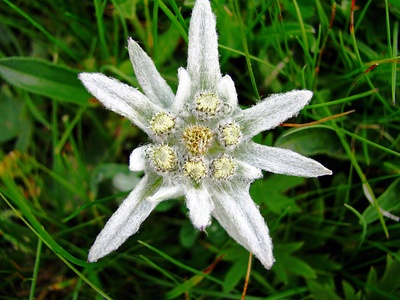
Edelweiss
Iconic woolly white star-like flower of high Alps. Look for silvery, felted bracts and low cushions on limestone scree; protected and a symbol of mountain flora, often near shepherd paths and alpine huts.
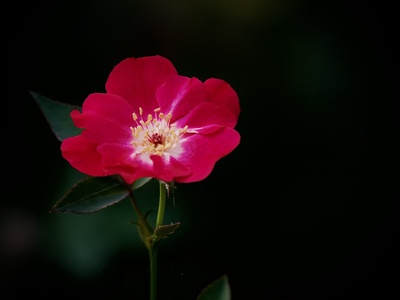
Alpine rose
Low evergreen shrub with clusters of deep pink funnel-shaped flowers. Common on acidic alpine slopes and ericaceous heaths; leaves are leathery and rust-coloured beneath, forming dense cushions.
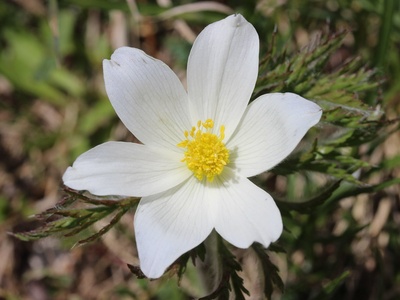
Alpine pasqueflower
Soft, silky-haired nodding flowers in white to yellow. Early bloomer on calcareous alpine meadows; identify by feathery seedheads resembling miniature plumes after flowering.
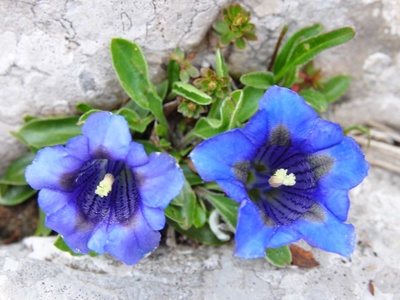
Trumpet gentian
Large, deep-blue trumpet-shaped flowers lying flat to the ground. Look for paired basal leaves and intense blue colour—classic alpine gentian visible in high meadows and pastures.
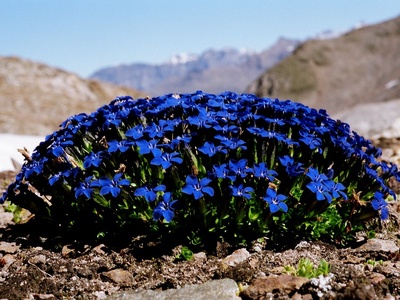
Spring gentian
Tiny vivid-blue goblet flowers close to the soil. Very striking in early spring; easy to spot on well-drained limestone grasslands, often in small colonies.
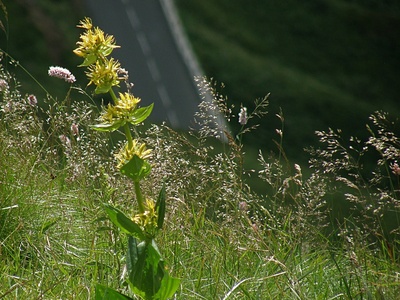
Yellow gentian
Tall perennial with large panicled clusters of yellow tubular flowers. Notable for bitter roots used in liqueur—stem and opposite leaves are distinctive ID traits.
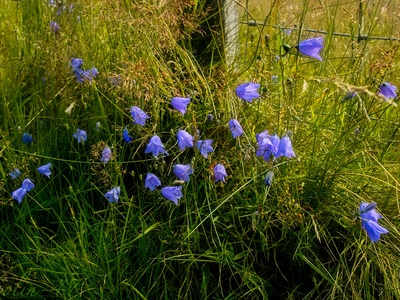
Common harebell
Delicate, nodding bell-shaped blue flowers on wiry stems. Leaves basal and narrow; common across varied habitats from lowlands to high alpine grasslands.
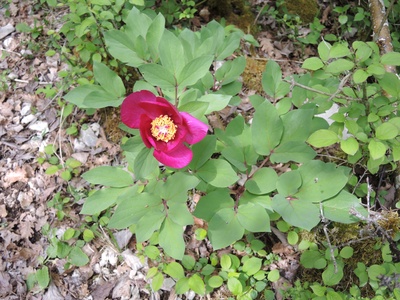
Peony (wild)
Large, fragrant pink to deep-red blooms on bushy stems. Wild peony has divided leaves and stout stems; historically valued and locally common on calcareous slopes.
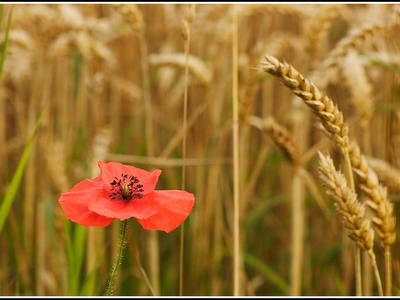
Field poppy
Bright red, papery single flowers with dark centers. Easily spotted in late spring and early summer on farmland margins and roadside verges.
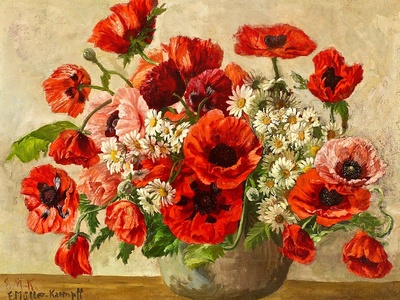
Oriental poppy (garden)
Large, crepe-like deep orange to red flowers cultivated widely. Bold, short-lived perennial in beds—identify by huge single blooms and lobed grey-green foliage.
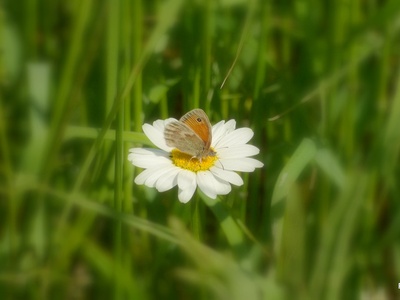
Oxeye daisy
Classic white-petalled daisy with bright yellow disk. Common in traditional meadows and hayfields; stems 30–60 cm and daisylike heads are unmistakable.
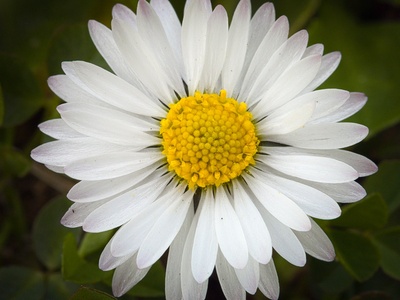
Common daisy
Tiny rosette-grown flowers with white rays and yellow center. Often low-growing in lawns and grassy verges; petals open fully in sun, close at night or in shade.
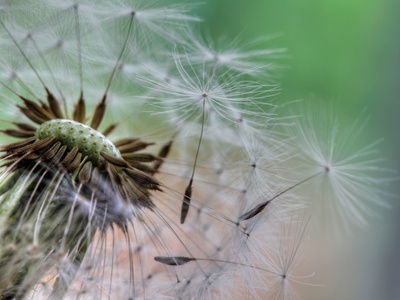
Dandelion
Familiar bright-yellow composite flower heads that turn into white seedballs. Basal rosette of toothed leaves and hollow stem exuding milky latex; ubiquitous and early-flowering.
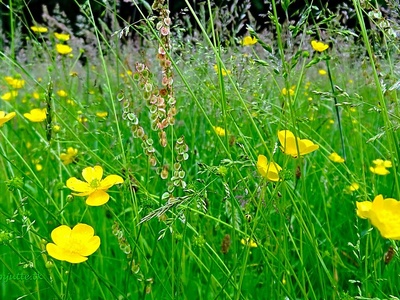
Meadow buttercup
Shiny yellow cup-shaped flowers on erect stems. Leaves deeply divided; common in nutrient-rich meadows and a sign of unimproved grassland.
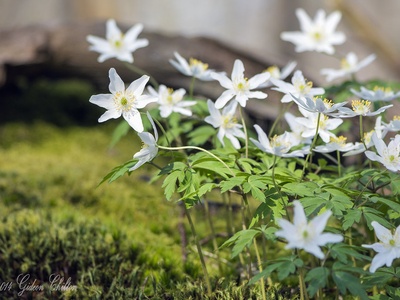
Wood anemone
White to pale-pink star-like flowers above divided leaves. Forms carpets in spring woodland; petals (tepals) open on sunny days, retreat in shade.
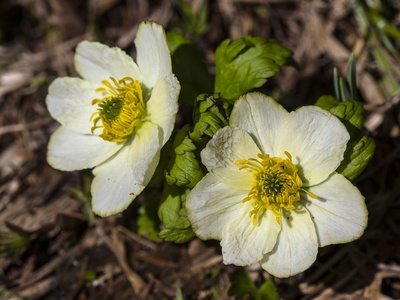
Globeflower
Spherical, rich-yellow flowers resembling tiny globes. Prefers moist, cool soils—look for clustered glossy petals and deeply divided leaves near streams.
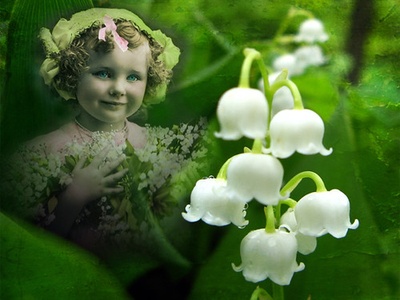
Lily of the valley
Arching stems with hanging, fragrant white bell-shaped flowers. Distinctive sweet scent and pair of broad leaves; very poisonous despite delicate appearance.
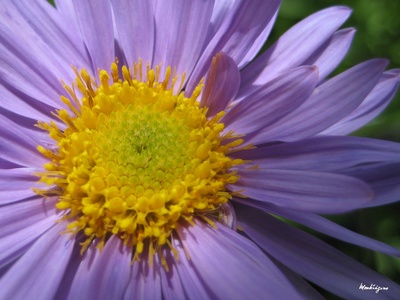
Alpine aster
Low cushion-forming plant with lilac to deep-purple daisy heads. Basal rosette and hairy leaves help ID; classic alpine garden favorite and widespread in high elevations.
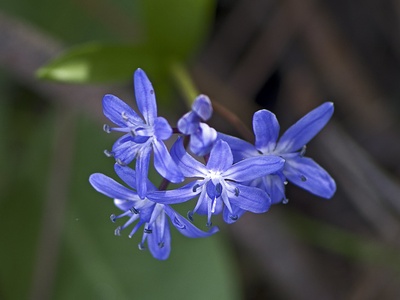
Alpine squill
Small nodding blue bellflowers in early spring. Basal linear leaves and twin-flowered stems make it noticeable in carpets beneath trees.
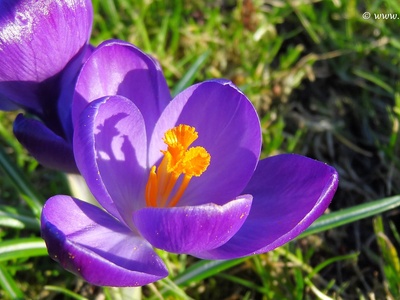
Spring crocus
Cup-shaped purple, white or striped flowers emerging from grass. Short-lived spring bulbs with grass-like leaves; common in parks and natural meadows.
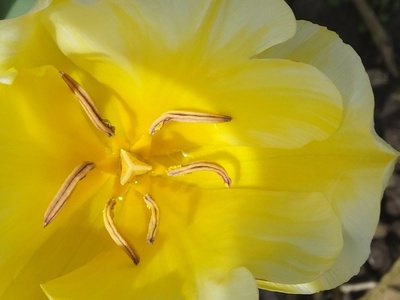
Wild tulip
Narrow-petalled yellow tulips with sweet scent. Wild form is smaller than garden tulips, often naturalized in meadows and roadside verges.
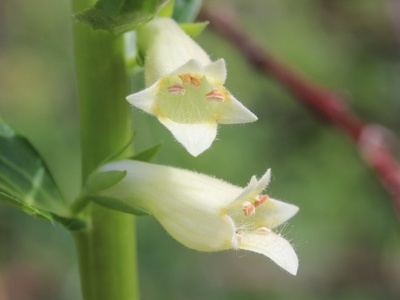
Yellow foxglove
Tall spikes of pale-yellow tubular flowers with spotted throats. Leaves are soft and hairy; toxic if ingested but showy in shady meadow margins.
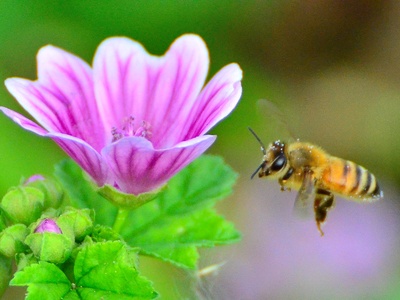
Common mallow
Open mauve petals with darker veins and a prominent column of stamens. Loosely sprawling habit and roundish leaves; hardy and familiar in disturbed sites.
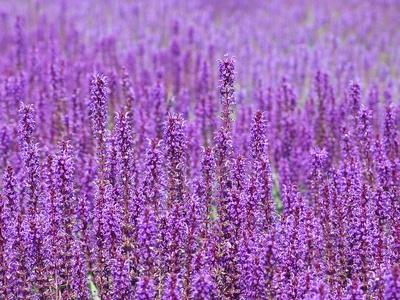
Meadow sage
Spike of vivid violet-blue two-lipped flowers and aromatic leaves. Attractive to bees; forms clumps in sunny, well-drained grassland.
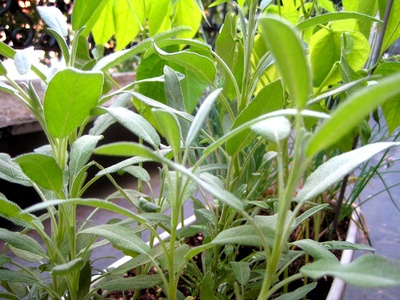
Garden sage
Silvery, aromatic leaves and dense spikes of purple-blue flowers. Common herbaceous shrub in herb gardens and courtyards—distinctive scent and wrinkled leaves.
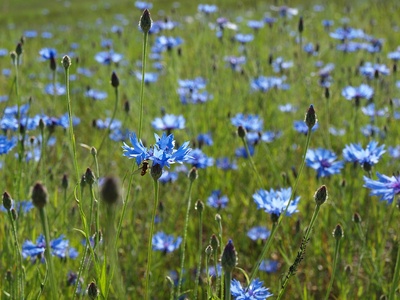
Cornflower
Iconic bright-blue thistle-like flower head. Once a field weed of cereals, now appreciated in wildflower margins and gardens; papery bracts encase the head.
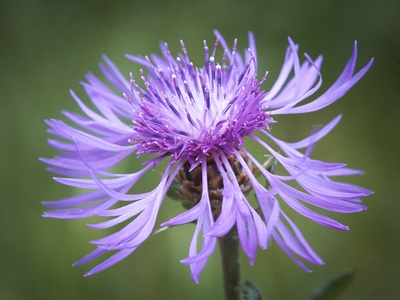
Brown knapweed
Pinkish-purple ragged flower heads on rough stems. Distinctive bracts beneath the flower and a tufted centre; common in late-summer meadows.
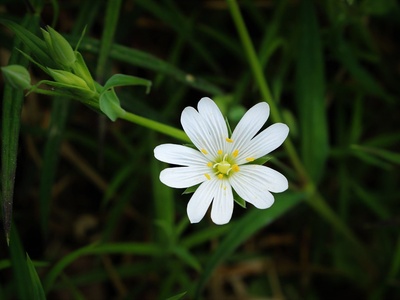
Greater stitchwort
White star-like flowers with deeply notched petals, giving ten-petal appearance. Slender stems and opposite leaves; carpets woodland edges in spring.
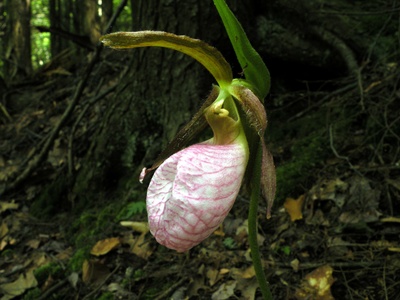
Lady’s slipper orchid
Large, rare orchid with yellow slipper-shaped pouch and mottled leaves. A protected species—look but do not disturb; striking and memorable when found.
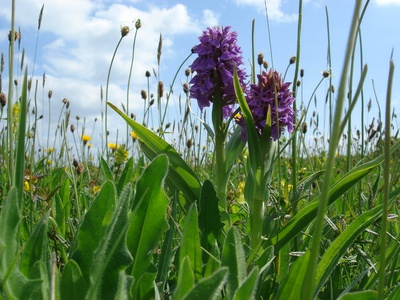
Marsh orchid
Tall spikes of pink to purple densely packed flowers. Broad leaves often spotted; thrives in damp, alkaline meadows and bog margins.
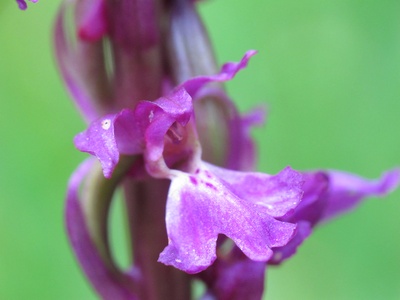
Early purple orchid
Spike of purple flowers with dark spots on lip. Tubers and two basal leaves; common in grassy woodland glades and hedgerows.
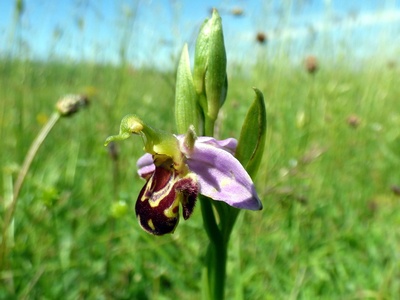
Bee orchid
Flowers mimic a bee with hairy brown lip and colourful markings. Often found in short, grazed grassland; remarkable poll-mimicry but often self-pollinates in Europe.

Mountain avens
Low evergreen shrub with white eight-petalled flowers hugging the ground. Typical of wind-swept limestone ridges; leaves glossy and leathery.
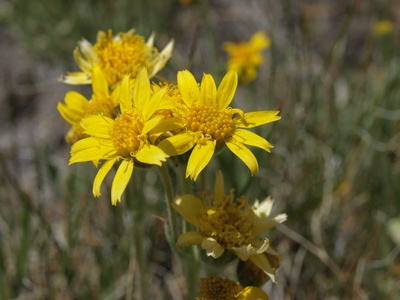
Arnica
Yellow daisy-like flowers used in traditional remedies. Look for opposite leaves and hairy stems; declining where meadows are intensively managed.
Meadowsweet
Foamy clusters of creamy-white fragrant flowers atop tall stems. Aromatic and historically used for flavouring; common along damp ditchlines and riverbanks.
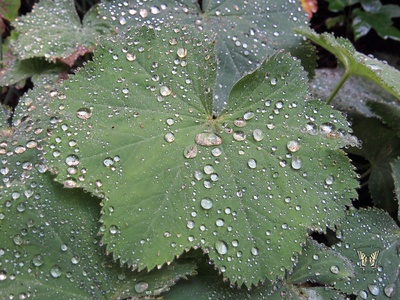
Lady’s mantle
Greenish-yellow clusters of tiny star-like flowers above scalloped, hairy leaves. Dew collects on lobed leaves making plant easy to spot in moist grasslands.
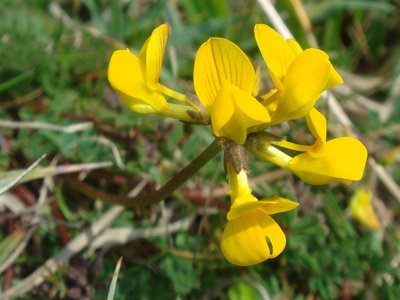
Meadow vetchling
Pea-family vine with bright-yellow pea flowers and tendrils. Clusters along sunny hedgerows and grass margins—leaves pinnate with terminal tendril.
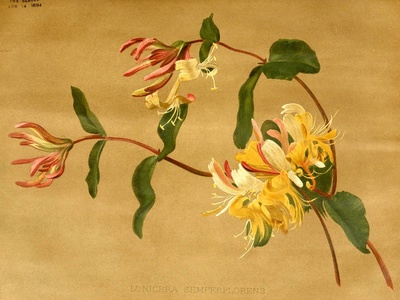
Honeysuckle
Fragrant tubular cream to pink flowers that turn yellow with age. Twining shrub often climbing trees and fences; favoured by moths and nocturnal pollinators.
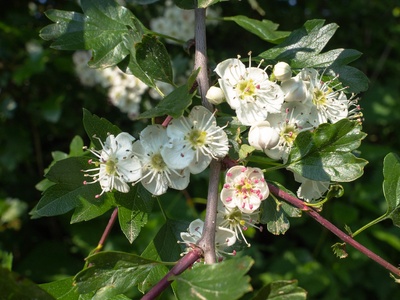
Hawthorn
Masses of white five-petalled flowers in spring, followed by red haws. Thorny shrub forming dense hedges; excellent wildlife value for insects and birds.
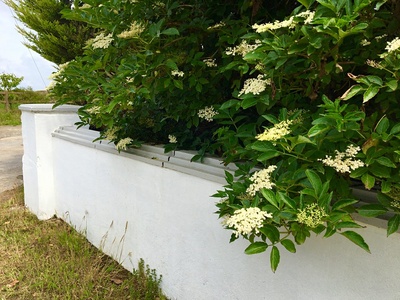
Elderflower
Flat cream-coloured clusters with strong floral scent used in cordials. Identify by opposite pinnate leaves and later black berries that are widely foraged.
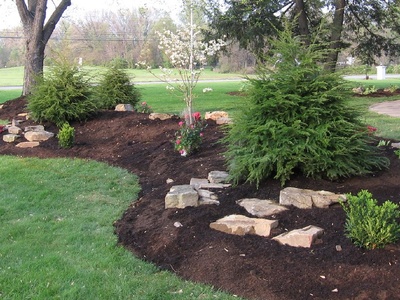
Dogwood
Dense shrub with flat clusters of tiny white flowers and distinctive red stems in winter. Common in mixed scrub and woodland margins.
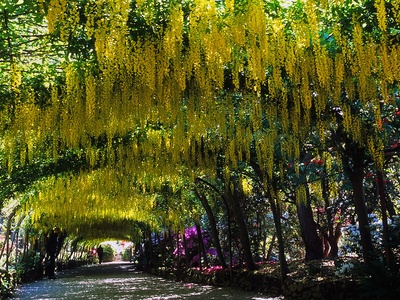
Laburnum (garden)
Cascading racemes of pea-like golden yellow flowers. Widely planted ornamental tree—striking in spring but highly poisonous; common in avenues and gardens.
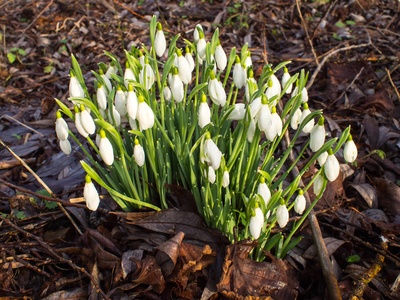
Snowdrop
Nodding white bell-shaped blossoms in late winter to early spring. Early seasonal indicator, often forming carpets beneath trees; leaves strap-like and glaucous.
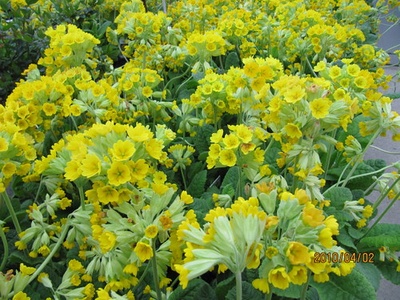
Cowslip
Umbels of nodding yellow tubular flowers on hollow stalks. Early spring meadow flower favouring lighter, grazed grassland—distinctive scent and clustered heads.
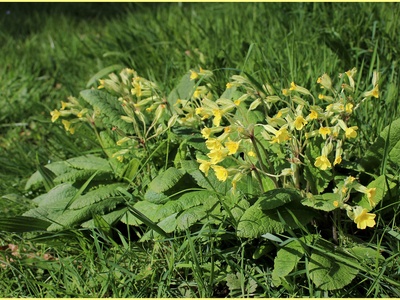
Oxlip
Similar to cowslip but with larger paler yellow flowers and a more open umbel. Local and less common—often found in shady beech woods.
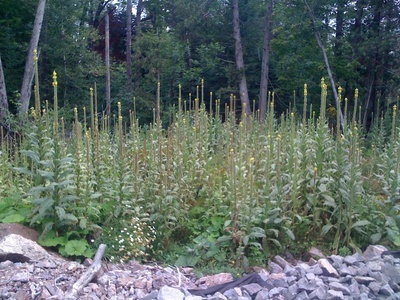
Common mullein
Tall woolly spike with yellow five-petalled flowers. Large grey-green basal rosette and velvety leaves make it unmistakable on dry, sunny disturbed sites.
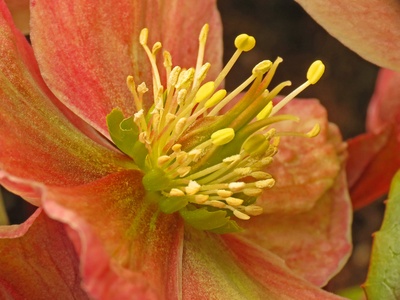
Christmas rose
Glossy evergreen leaves and white to pink bowl-shaped early-winter flowers. Often blooms in snow-free spells; popular in shady cottage gardens and alpine villages.
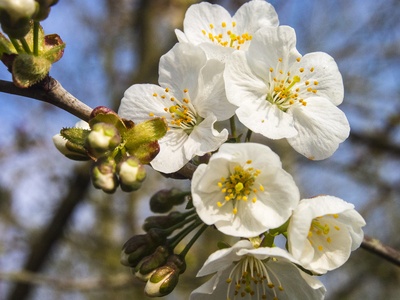
Wild cherry blossom
Umbels of white fragrant flowers in spring followed by cherries. Trees have smooth bark and oval leaves; common in copses and old orchard sites.
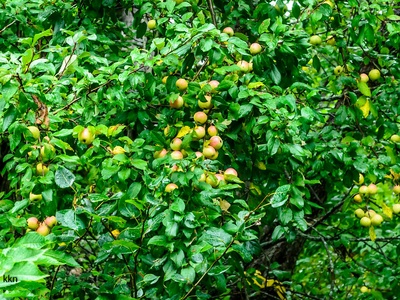
Wild apple
Fragrant white to pink flowers followed by small tart apples. Wild relatives of cultivated apple—important for genetic diversity and found in traditional orchard remnants.
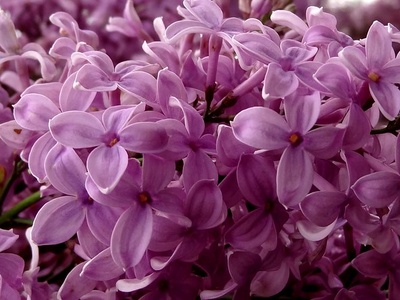
Lilac
Dense panicles of fragrant pale to deep-lilac flowers. Strongly scented spring shrub popular in Austrian gardens and streetscapes—easy to spot by scent alone.
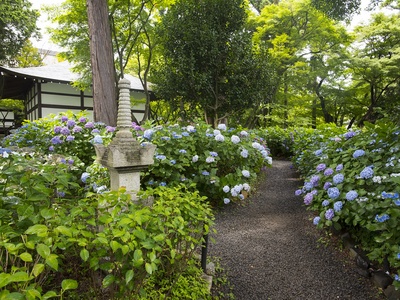
Hydrangea (garden)
Large mophead or lacecap clusters of pink, blue or white flowers. Colour often soil pH-dependent; common ornamental on shady garden borders across Austria.
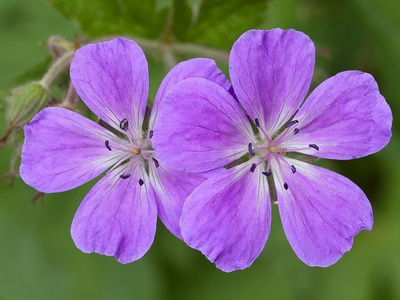
Meadow cranesbill
Tall stems with large violet-blue five-petalled flowers and deeply divided leaves. Common in traditional hay meadows and cottage gardens.
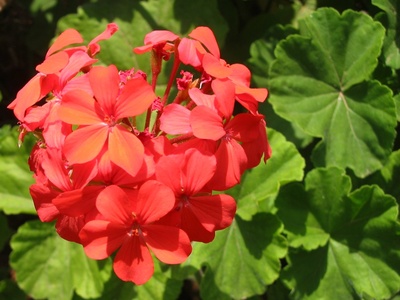
Garden geranium
Showy, often red or pink clustered flowers on upright stems. Ubiquitous window-box plant in Austrian villages and urban areas; non-native but widely grown.
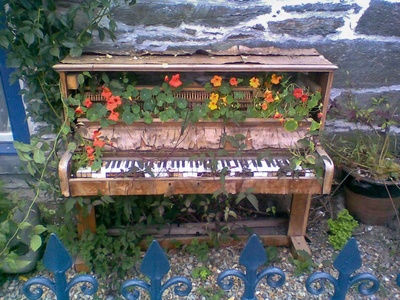
Nasturtium (garden)
Bright orange, red or yellow saucer-shaped flowers with a spicy scent. Trailing habit and rounded shield-like leaves; popular for edible flowers in containers.
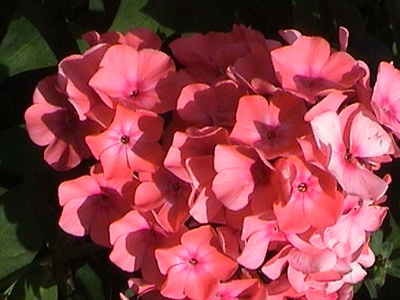
Phlox (garden)
Fragrant clusters of pink, white or purple star-like flowers. Tall summer-blooming perennial used in mixed borders; attracts butterflies.
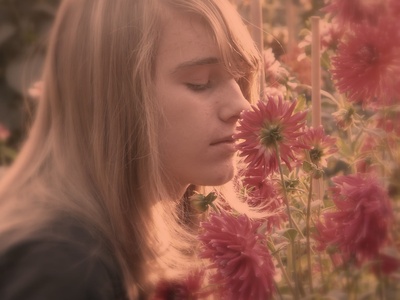
Dahlia (garden)
Bold, multi-petalled flowers in many colours and forms. Tuberous perennial widely grown for late summer display; stem and foliage vary by variety.

Chrysanthemum (garden)
Dense composite flowerheads in autumn colours from whites to deep reds. Popular potted and border plant for late-season colour; large array of cultivated forms.
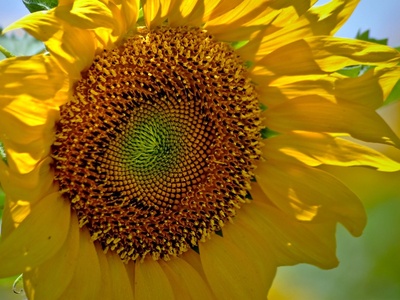
Sunflower
Large yellow ray flowers with dark central disk following the sun. Widely grown for oil and ornamental borders; tall and unmistakable in summer landscapes.
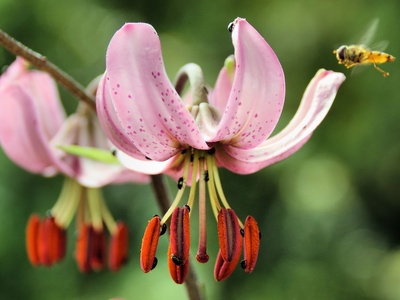
Martagon lily
Downward-facing, recurved rose to purple spotted petals and nodding habit. Elegant Turk’s-cap lily common in shady mountain woods—protected in some regions.
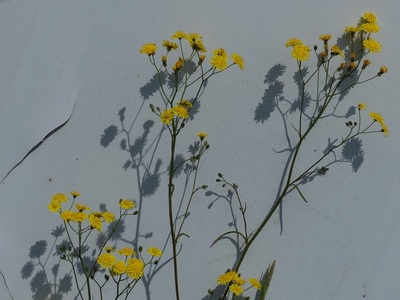
Mouse-ear hawkweed
Low mat-forming plant with hairy leaves and small yellow dandelion-like flowers. Tolerant of poor soils; common on dry, grazed sites and lawns.
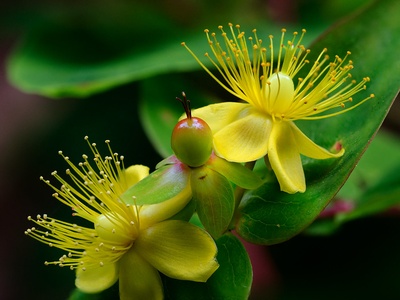
St John’s wort
Bright yellow open flowers with black-dotted petals and many stamens. Aromatic when crushed and used historically in herbal medicine; common on sunny banks.
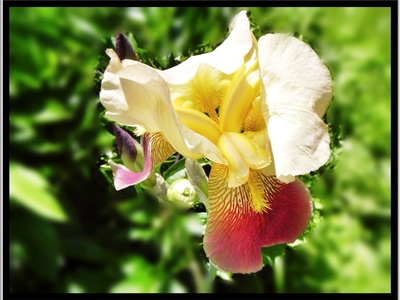
Yellow iris
Large bright-yellow iris flowers on tall stems. Prefers shallow water or damp soils; dramatic in wetland edges and garden ponds.
White water-lily
Floating round leaves with large white fragrant cup-shaped flowers by day. Classic aquatic plant of lakes and garden ponds—roots in mud, flowers on surface.
Goldenrod
Pyramidal clusters of small bright-yellow flowers. Late-summer nectar source for insects; common on sunny meadows and woodland margins.
Heather
Low evergreen shrub with small bell-shaped pink to purple flowers. Forms extensive carpets on acidic soils—important for heathland biodiversity.
Winter heath
Early-blooming low shrub with bell-shaped pink flowers in late winter to early spring. Common in montane heath and ornamental plantings in gardens.
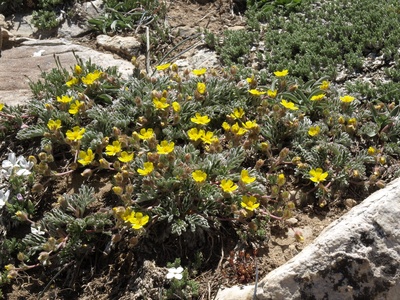
Alpine rockjasmine
Tiny cushions with rosettes and solitary white to pink flowers. Grows in crevices and rocky ledges—typical cushion plant of the highest alpine zones.
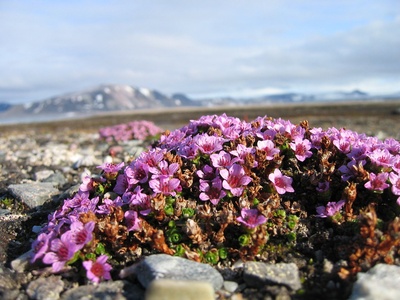
Purple saxifrage
Low mat-forming plant with vivid magenta five-petalled flowers. Among earliest alpine bloomers, carpeting crevices and stony ground above the treeline.
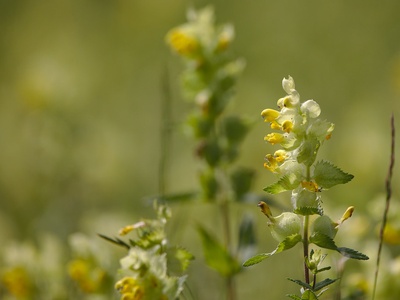
Yellow rattle
Inflated seed pods and spikes of yellow tubular flowers. Semi-parasitic on grasses—used in meadow restoration to reduce grass vigour and increase flower diversity.
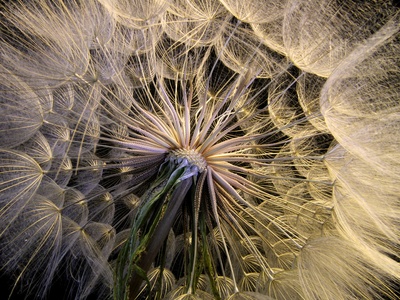
Goat’s beard
Tall, feathery plumes of creamy-white flowers on upright stems. Robust perennial forming large clumps; excellent for shady cottage borders and damp woods.
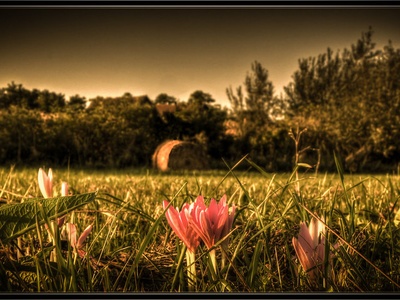
Autumn crocus
Magenta crocus-like flowers rising in autumn from buried corms. Leaves appear in spring then die back; highly poisonous but visually striking in autumn meadows.
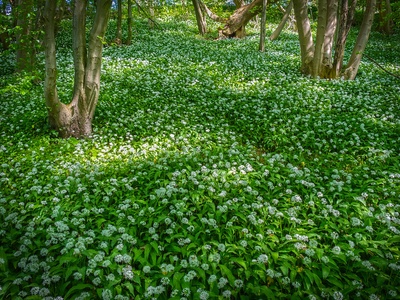
Wild garlic
Clusters of starry white umbels and strong garlic scent. Broad green leaves form dense carpets in spring; used culinarily but ensure correct ID (toxic lookalikes exist).
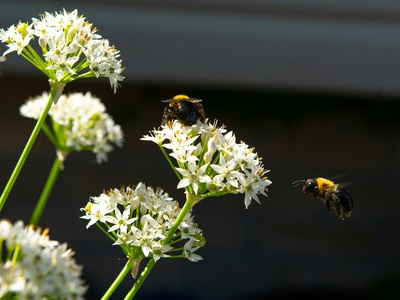
Chives (wild)
Spherical purple-pink flower heads on hollow stems. Edible oniony flowers and leaves; common in alpine and subalpine grasslands and in gardens.
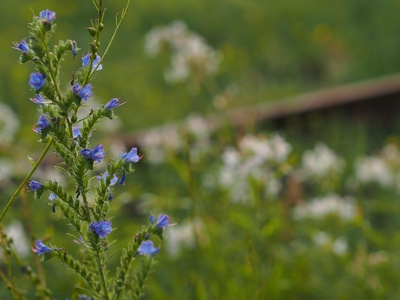
Viper’s bugloss
Rough-hairy stems with bright blue funnel-shaped flowers turning pinkish as they age. Attractive to bees and butterflies; rough foliage and vibrant colour aid ID.
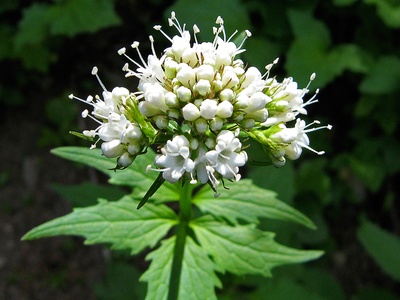
Valerian
Dense clusters of sweetly scented pale-pink to white flowers on tall stems. Roots historically used in herbal remedies; common in damp lowland meadows.
Jacob’s ladder
Loose clusters of bell-shaped blue flowers with pinnate leaves. Charming cottage-garden perennial and characteristic of cool, moist meadow pockets.
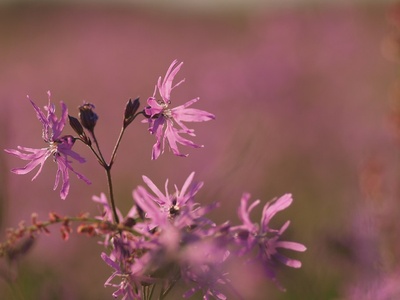
Ragged robin
Distinctive pink star-like flowers with deeply cut petals, appearing ragged. Prefers wet haymeadows—indicator of high-quality traditional meadows when abundant.
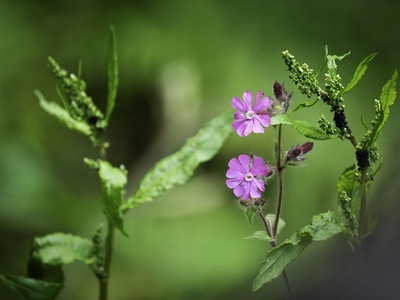
Red campion
Rosy-pink open-faced flowers on upright stems. Opposite leaves and swollen calyx tubes; common in semi-shaded habitats and field margins.
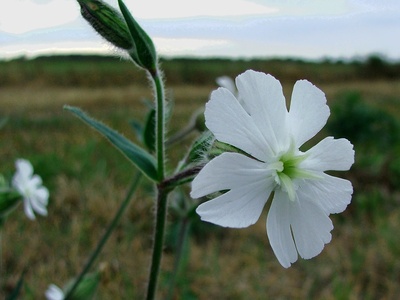
White campion
Showy pure-white night-blooming flowers with inflated calyx. Often found in disturbed ground and field edges—petals often notched.
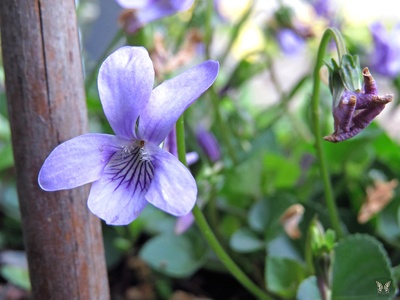
Sweet violet
Low-growing with fragrant purple or white five-petalled flowers. Heart-shaped leaves and scent make it popular in lawns and shaded garden corners.
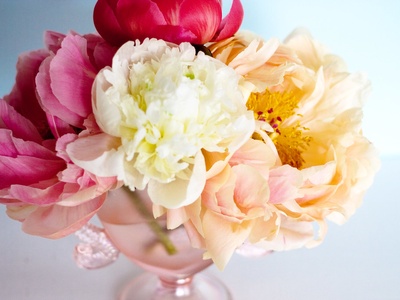
Peony (common)
Large, often fragrant blooms in pink to crimson. Bold divided leaves and stout stems; both wild and cultivated forms are familiar in traditional Austrian landscapes.