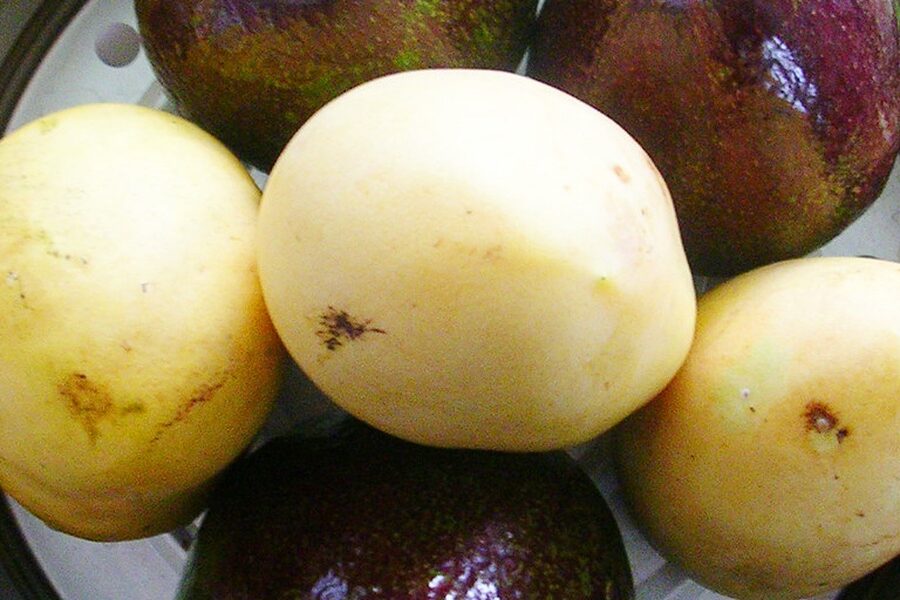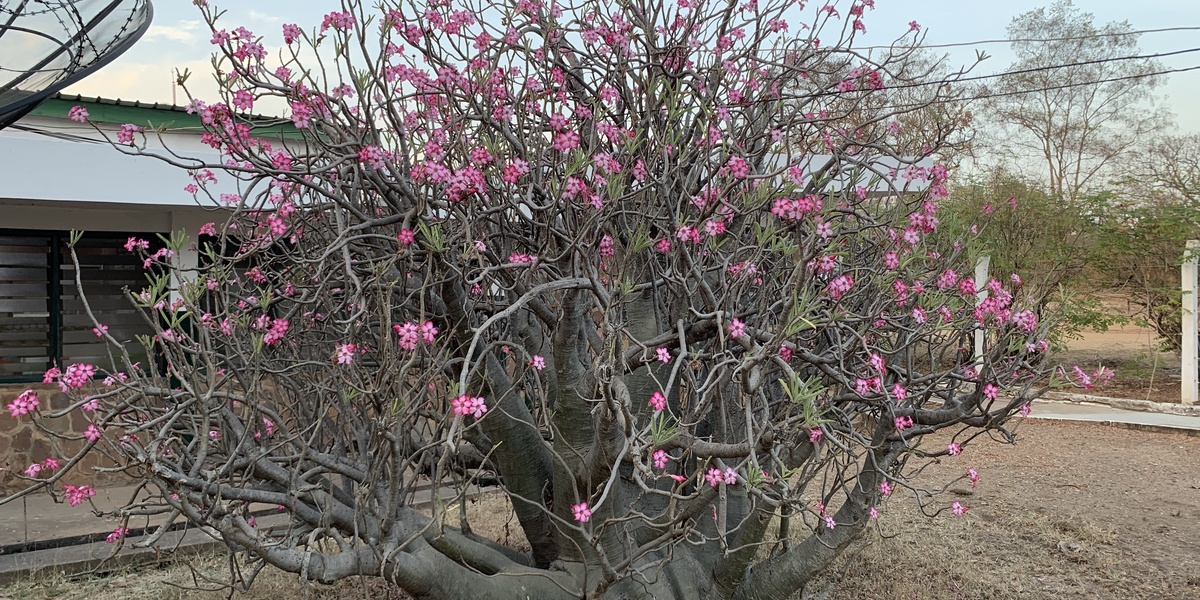
Eritrea’s landscapes—from the Red Sea coastline and lowland scrub to the cooler highland plateaus—support a wide mix of plant life that often goes unnoticed by visitors. Local seasonal rains, varied elevations, and historic trade routes have all shaped a flora that rewards even short field trips with interesting finds.
There are 20 Flowers of Eritrea, ranging from Acacia tortilis subsp. raddiana to Yellow trumpetbush (naturalized). For each entry I list Scientific name, Distribution (region), Bloom months so you can quickly see where and when each species flowers; you’ll find these details below.
When is the best time to see most flowering species in Eritrea?
Most flowering peaks follow the rainy seasons: many lowland and coastal species bloom after the main rains (typically March–May) and some highland or short-rain species bloom again in September–November; check the listed Bloom months for each plant and plan outings shortly after local rains.
Are any of these flowers endemic or at conservation risk?
A few species on the list have limited ranges or face habitat pressure from grazing and development; for precise conservation status consult IUCN entries or local botanical surveys, and visit protected areas and reserves where threatened species are more likely to persist.
Flowers of Eritrea
| Name | Scientific name | Distribution (region) | Bloom months |
|---|---|---|---|
| Umbrella thorn | Vachellia tortilis | Lowlands, semidesert plains and scrub | Feb–Apr |
| Red thorn acacia | Vachellia seyal | Lowlands, riverine and seasonal wadis | Feb–Apr |
| Desert date | Balanites aegyptiaca | Lowlands, arid plains and edges of wadis | Mar–May |
| Sidr / Jujube | Ziziphus spina‑christi | Lowlands, riverine and acacia woodlands | Mar–Jun |
| Frankincense tree | Boswellia papyrifera | Lowlands and lower highlands, rocky slopes | Feb–Apr |
| Myrrh | Commiphora myrrha | Lowlands, rocky hills and coastal plains | Feb–Apr |
| Candelabra euphorbia | Euphorbia candelabrum | Lowlands, rocky highlands and dry slopes | Jan–Apr |
| Pencil-tree euphorbia | Euphorbia tirucalli | Lowlands, disturbed dry sites and villages | Year-round with peaks Mar–Jun |
| Yellow trumpetbush (naturalized) | Tecoma stans | Lowlands, towns and disturbed sites | Sep–Nov |
| Common lantana (invasive) | Lantana camara | Lowlands, disturbed areas and roadsides | Mar–Nov |
| Beach morning-glory | Ipomoea pes‑caprae | Coastal shores and sand dunes | Mar–Oct |
| Sea purslane | Sesuvium portulacastrum | Coastal mudflats, mangroves, Dahlak Islands | Year-round with peaks Mar–Jun |
| Common purslane | Portulaca oleracea | Lowlands, cultivated fields and disturbed ground | Year-round with peaks Mar–May |
| Coast hibiscus | Hibiscus tiliaceus | Coastal plains and mangrove edges | Mar–Sep |
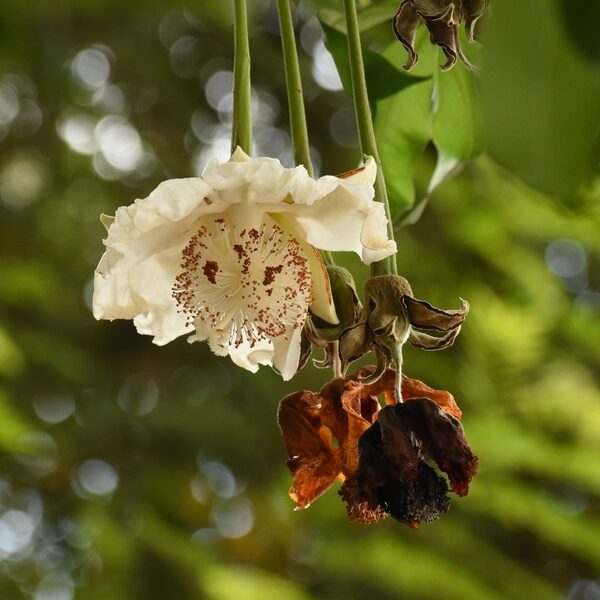
| African baobab | Adansonia digitata | Scattered lowland trees, arid valleys | Mar–May |
| River red gum (naturalized) | Eucalyptus camaldulensis | Riverbanks, wadis and irrigated farms | Apr–Jul |
| Tamarind | Tamarindus indica | Lowlands, village compounds and riverine areas | Mar–May |
| Sodom apple | Solanum incanum | Lowlands, dry bush and rocky slopes | Feb–Jun |
| Acacia tortilis subsp. raddiana | Vachellia tortilis subsp. raddiana | Lowland plains and semi-desert | Feb–Apr |
| Sickle bush | Dichrostachys cinerea | Lowlands and disturbed scrublands | Feb–May |
Images and Descriptions
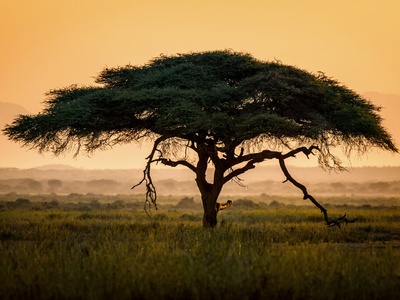
Umbrella thorn
Iconic flat-topped acacia with cream-yellow pompom flowers. Common across Eritrean lowlands after rains; important for shade, fodder and wildlife, not endemic but ecologically key and long-lived.
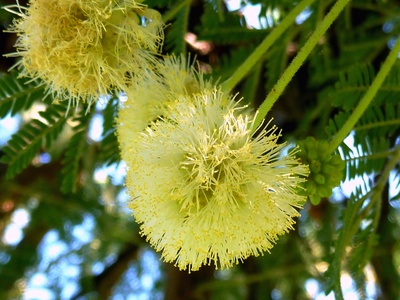
Red thorn acacia
Small tree with dense clusters of pale yellow flowers. Found along seasonal streams and plains, used locally for timber and gum; widespread in the Horn, not endemic.
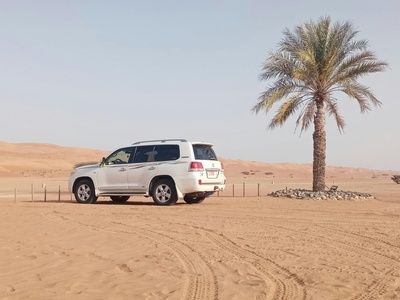
Desert date
Tough tree with small greenish-yellow flowers and edible oily fruits. A staple of dryland livelihoods for food, oil and livestock browse; widespread and drought-tolerant.

Sidr / Jujube
Small tree with fragrant white flowers and edible fruits. Common along dry riverbeds and villages; culturally important, provides shade, food and medicinal uses.
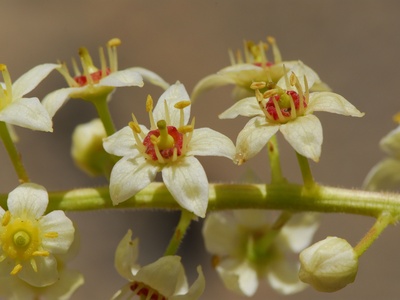
Frankincense tree
Small, gnarled tree producing white to cream flowers; tapped for aromatic resin (frankincense). Regionally important and locally vulnerable from overharvesting.
Myrrh
Shrubby, resinous tree with small fragrant flowers; source of myrrh resin used historically as medicine and incense. Adapted to arid sites and notable for aromatic bark.
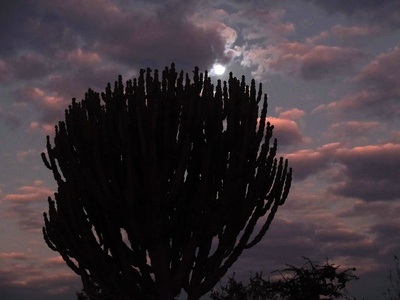
Candelabra euphorbia
Succulent tree with candelabra-like branches and yellow-green cyathia. Striking in silhouette across dry landscapes; provides shade and occasional medicinal uses.
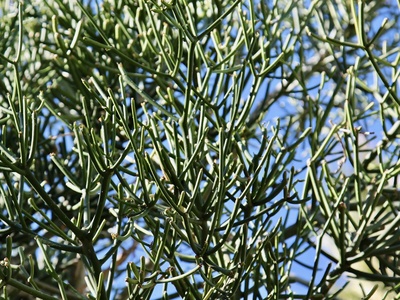
Pencil-tree euphorbia
Leafless succulent shrub/tree with inconspicuous yellow cyathia. Common in arid settlements and hedges, drought-tolerant and used for fencing and fuel but highly caustic.
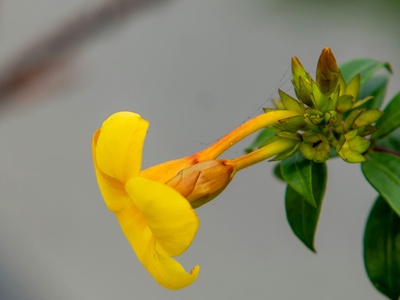
Yellow trumpetbush (naturalized)
Shrub with clusters of bright yellow, trumpet-shaped flowers. Often planted and now naturalized in disturbed sites; eye-catching and frequented by pollinators.
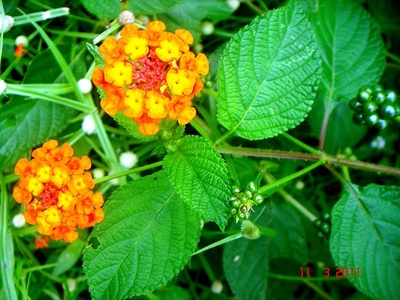
Common lantana (invasive)
Showy clusters of pink, red and yellow flowers; highly invasive around settlements and farmland. Attractive to butterflies but crowds out native plants in some areas.
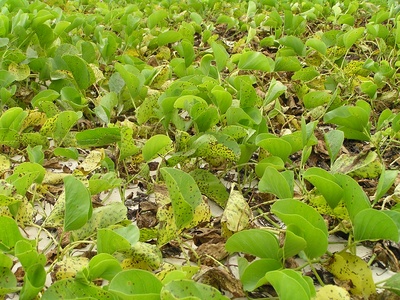
Beach morning-glory
Trailing vine with large pink to purple flowers that carpet Red Sea beaches. A dune stabilizer and coastal specialist, common on sandy shorelines and islands.
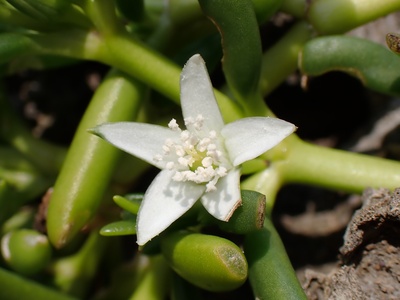
Sea purslane
Succulent groundcover with fleshy leaves and pink-white flowers. Salt-tolerant and common on shores and islands; important for dune stabilization and shorebird habitat.
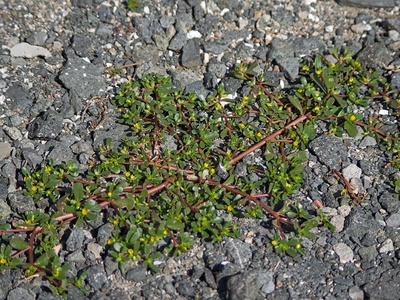
Common purslane
Low, succulent herb with yellow cup-shaped flowers. Widely eaten as a wild vegetable, prolific after rains and a familiar sight in towns and fields.
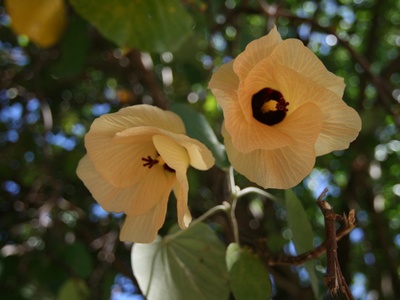
Coast hibiscus
Small tree with large yellow flowers that turn orange. Typical of shoreline habitats; used for shade, cordage and traditional medicines, common in Red Sea coastal zones.
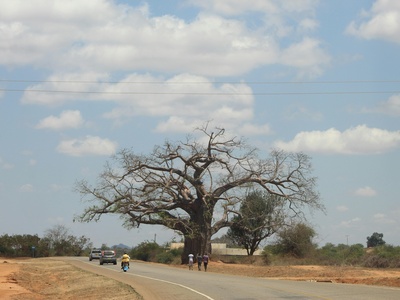
African baobab
Massive trunked tree with large white nocturnal flowers. Rare but notable where present; provides fruit and cultural value, often solitary landmarks in arid landscapes.
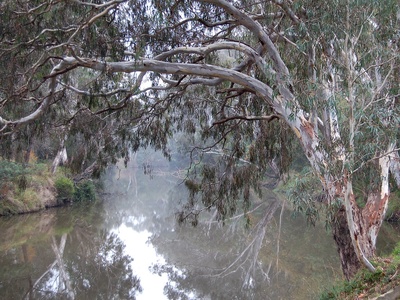
River red gum (naturalized)
Tall, fast-growing tree with clusters of creamy flowers. Widely planted for shade and timber along streams; naturalized in some riparian corridors.
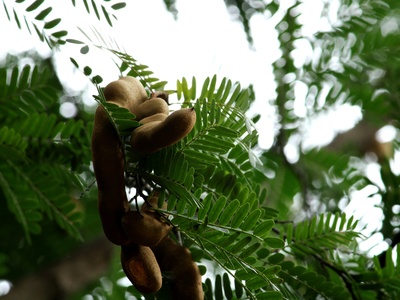
Tamarind
Evergreen tree with fragrant, small cream flowers and edible sour pods. Often planted and escaped into the wild; valued for fruit, shade and timber.
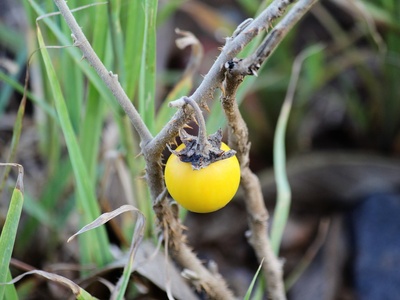
Sodom apple
Spiny shrub with purple star-shaped flowers and yellow-orange fruits. Common in dry scrub, used medicinally and by livestock, noticeable for its colorful fruits.
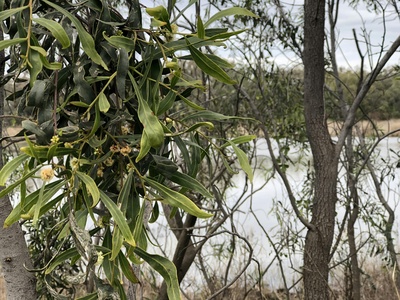
Acacia tortilis subsp. raddiana
A subspecific form of the umbrella thorn with cream flower balls. Dominant in dry acacia woodlands and critical for pastoralist livelihoods and wildlife forage.
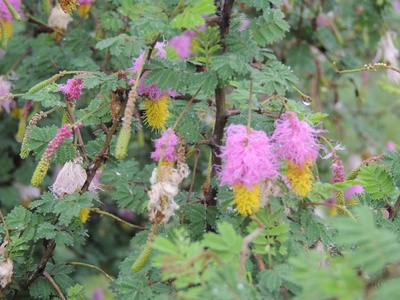
Sickle bush
Dense thorny shrub with bi-colored drooping flower spikes (pink and yellow). Widespread in dry areas, forms dense thickets and provides browse for livestock.