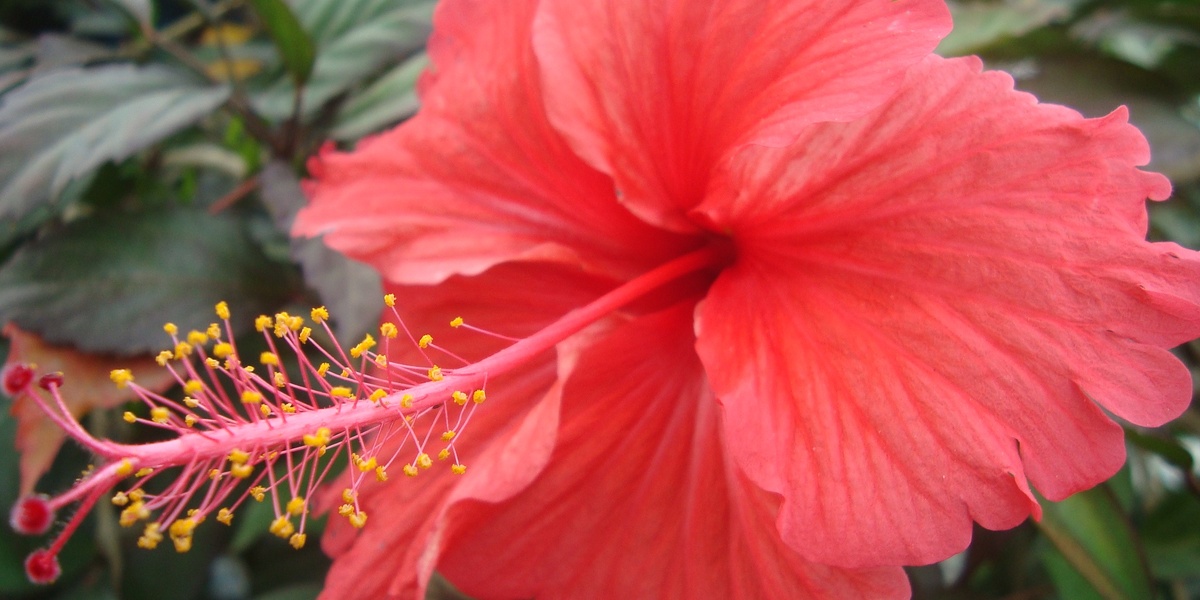
Haiti’s hillsides, coasts and courtyard gardens host a surprising variety of blooms shaped by tropical climates and years of cultivation. Local markets, roadside hedgerows and protected patches all showcase plants that matter for pollinators, culture and small-scale horticulture.
There are 40 Flowers of Haiti, ranging from African tulip to Zinnia. For each entry you’ll find below data organized as Scientific name,Flower size (cm),Native/Endemic status to make identification and comparison straightforward — you’ll find below the full list and details.
How can I tell from the list which species are unique to Haiti?
Check the Native/Endemic status column: “endemic” means the species is naturally found only in Haiti, while “native” occurs naturally there but may also be present elsewhere. Use the Scientific name and Flower size (cm) together for reliable cross-checking with field guides or herbarium records.
Is this list useful for identifying flowers when I’m out in the field?
Yes — the combination of scientific names and flower size gives a practical starting point, but for confident ID pair the list with photos, bloom-season notes, and local guidebooks or experts, since lookalikes and cultivars can cause confusion.
Flowers of Haiti
| Name | Scientific name | Flower size (cm) | Native/Endemic status |
|---|---|---|---|
| Hibiscus | Hibiscus rosa-sinensis | 10 | introduced |
| Sea hibiscus | Hibiscus tiliaceus | 10 | native |
| Blue mahoe | Hibiscus elatus | 7 | native |
| Bougainvillea | Bougainvillea glabra | 6 | introduced |
| Frangipani | Plumeria rubra | 6 | introduced |
| Allamanda | Allamanda cathartica | 10 | introduced |
| Lantana | Lantana camara | 1.5 | naturalized |
| Flamboyant | Delonix regia | 7 | introduced |
| Pink trumpet | Tabebuia heterophylla | 9 | native |
| Kapok | Ceiba pentandra | 6 | native |
| Mango | Mangifera indica | 30 | introduced |
| Coffee | Coffea arabica | 1 | introduced |
| Soursop | Annona muricata | 6 | naturalized |
| Sugar apple | Annona squamosa | 4 | naturalized |
| Avocado | Persea americana | 20 | introduced |
| Canna | Canna indica | 10 | naturalized |
| Heliconia | Heliconia bihai | 20 | native |
| Bird of paradise | Strelitzia reginae | 18 | introduced |
| Jacaranda | Jacaranda mimosifolia | 6 | introduced |
| Rose | Rosa spp. | 8 | introduced |
| Marigold | Tagetes erecta | 4 | introduced |
| Zinnia | Zinnia elegans | 6 | introduced |
| Periwinkle | Catharanthus roseus | 2.5 | naturalized |
| Ixora | Ixora coccinea | 8 | introduced |
| Moringa | Moringa oleifera | 1.2 | introduced |
| Prickly pear | Opuntia ficus-indica | 6 | naturalized |
| Lignum vitae | Guaiacum officinale | 2.5 | native |
| Pride of Barbados | Caesalpinia pulcherrima | 5 | native |
| Passionfruit | Passiflora edulis | 7 | naturalized |
| Minnieroot | Ruellia tuberosa | 3.5 | naturalized |
| Pinwheel flower | Tabernaemontana divaricata | 2 | introduced |
| Poinsettia | Euphorbia pulcherrima | 8 | introduced |
| Powderpuff | Calliandra haematocephala | 6 | introduced |
| Leadwort | Plumbago auriculata | 4 | introduced |
| Chenille plant | Acalypha hispida | 10 | introduced |
| Annatto | Bixa orellana | 2.5 | native |
| Croton | Codiaeum variegatum | 0.5 | introduced |
| Oleander | Nerium oleander | 6 | introduced |
| African tulip | Spathodea campanulata | 12 | introduced |
| Orange blossom | Citrus sinensis | 2 | introduced |
Images and Descriptions
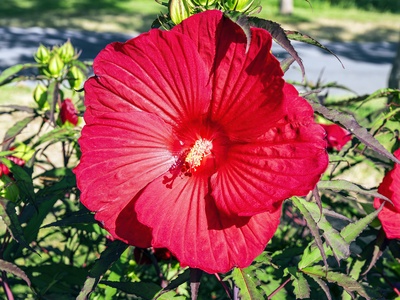
Hibiscus
Tropical garden hibiscus with large showy blooms found in yards and roadside plantings across Haiti. Blooms year-round in warm spots, best in rainy season. Notable for big single flowers and many cultivars used as hedges and cut flowers.
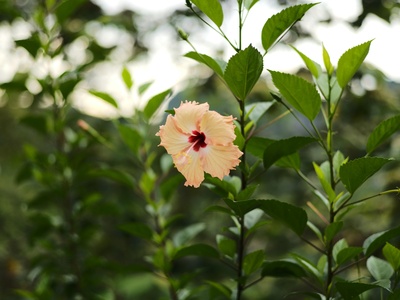
Sea hibiscus
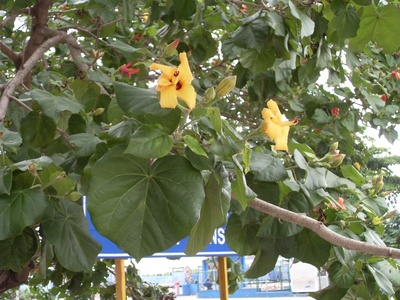
Coastal sea hibiscus growing on mangrove edges, beaches and disturbed coastal forests in Haiti. Produces yellow, funnel-shaped flowers often in late spring to fall. Valued for wind-tolerant shade and salt spray resistance, with papery heart-shaped leaves.
Blue mahoe
Blue mahoe is a native hardwood tree of Haiti’s moist forests and river valleys. It bears fragrant, hibiscus-like flowers and blooms mainly in spring. The wood is prized for furniture; flowers attract bees and lend a pale blue to purple tint.
Bougainvillea
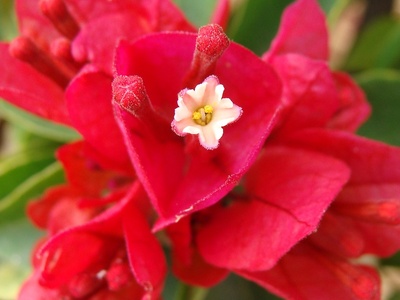
Vibrant bracted vine common on walls, fences and rooftops across Haiti. Tiny true flowers sit inside colorful papery bracts that peak in the dry season and after rains. Hardy, drought-tolerant and widely used in informal hedges and urban gardens.
Frangipani
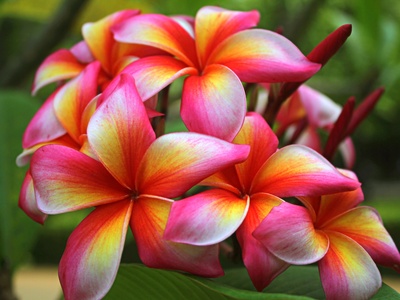
Frangipani trees dot courtyards and churchyards, producing strongly scented clusters of waxy flowers in warm months. Blooms from spring through fall in many areas. Flowers are used in leis and perfume, with striking colors from white to deep pink.
Allamanda
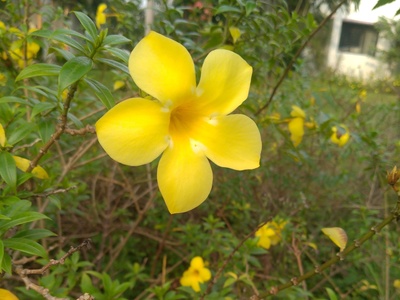
Golden trumpet vine or shrub seen in gardens and roadside hedges in Haiti. Produces bright yellow funnel-shaped flowers primarily in the wet season, attracting butterflies. Fast-growing, often trained on trellises or left as free-standing shrubs.
Lantana
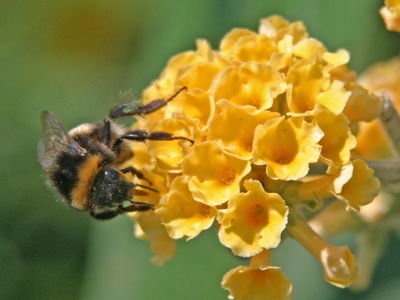
Common multicolored clusters bloom year-round in open disturbed sites, roadsides and gardens. Each tiny floret changes color as it ages, attracting butterflies and birds. Considered invasive in places but widely used as low hedges and groundcover in Haiti.

Flamboyant
Striking flame tree planted widely for shade and spectacle along avenues and public spaces. Masses of red-orange flowers appear in late spring to summer, creating dramatic canopies. Originating from Madagascar, it is a familiar urban and roadside ornamental across Haiti.
Pink trumpet
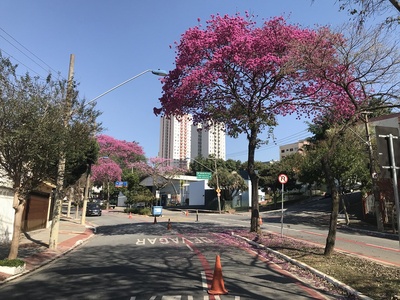
Pink trumpet tree inhabits dry forests, hillsides and urban plantings in Haiti. Produces clusters of pink to white trumpet-shaped flowers mainly in dry season bloom flushes. Valued for scenic blooms and as a shade tree in towns and countryside.
Kapok
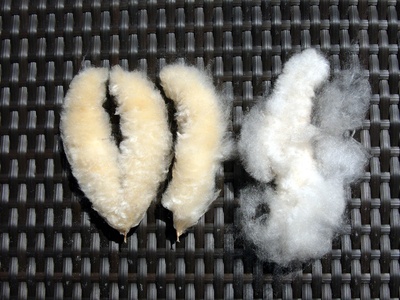
Tall, spiny-trunked kapok tree growing in lowland and gallery forests and rural landscapes. Blooms with large cream flowers in the dry season, often visited by bats and bees for nectar. Seeds produce silky fibers used locally for stuffing.
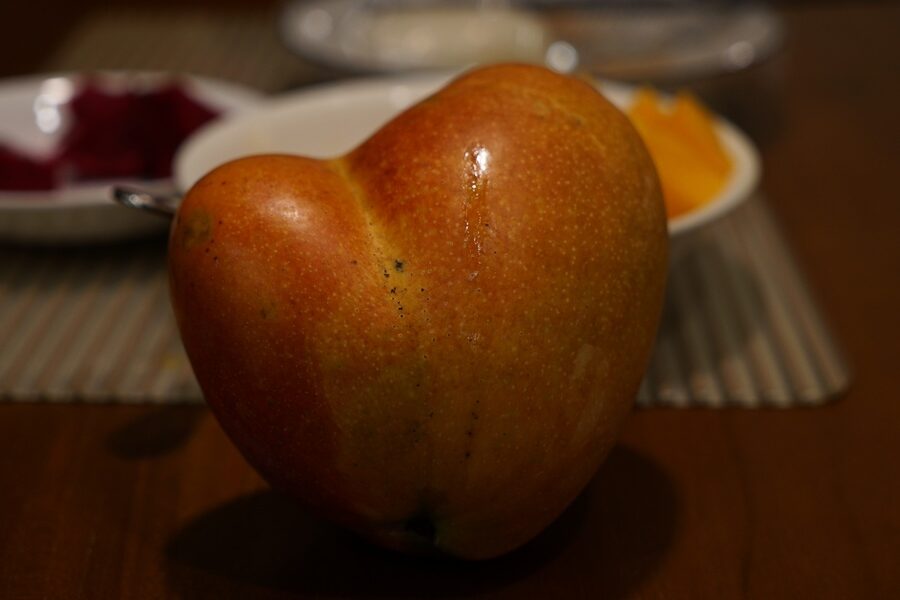
Mango
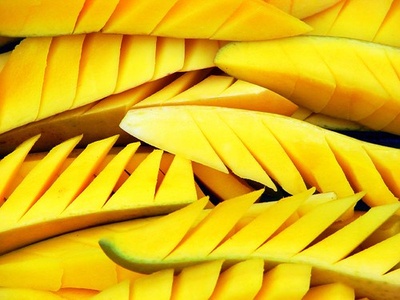
Mango trees are common in gardens and farms; showy panicles of tiny fragrant flowers up to thirty centimeters long bloom in spring. Fruit follows in summer. Flowers draw pollinating bees; many Haitian varieties are grown for fresh fruit and markets.
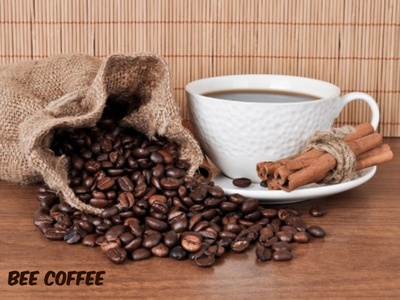
Coffee
Small white fragrant flowers appear in dense clusters on coffee shrubs grown in Haiti’s mountain farms and garden plots. Blooming in wet-season flushes, they precede green berries. Coffee culture is historic; flowering months vary with altitude and rainfall.
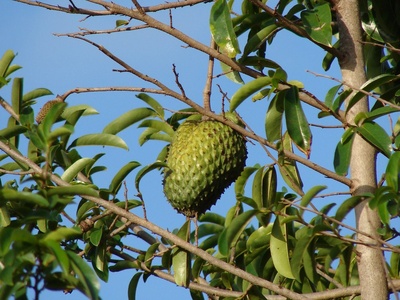
Soursop
Soursop trees found in home gardens and abandoned lands produce solitary, fleshy flowers that open in the rainy season. Bloom size around six centimeters; fruits are prized. Trees prefer humid lowlands and shaded clearings in Haiti.
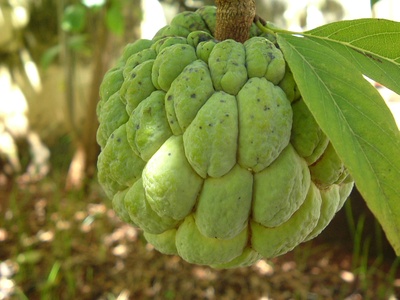
Sugar apple
Sugar apple or sweetsop grows in home yards and semi-dry areas, bearing small creamy-yellow flowers that give way to knobbly fruits. Blooming in the warmer months, trees are drought-tolerant and commonly cultivated for their sweet fruit.
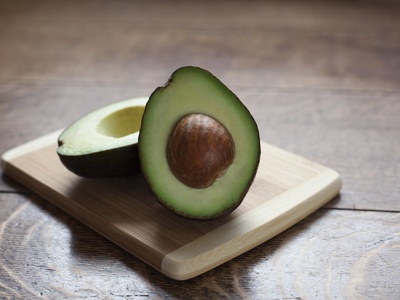
Avocado
Avocado trees in Haitian gardens and small farms produce panicles of tiny greenish flowers about twenty centimeters long. Blooming in spring, the inconspicuous flowers lead to prized fruit; trees prefer humid foothills and village orchards.
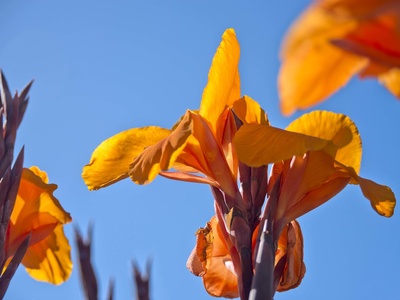
Canna
Canna lilies are common in gardens, ditches and farm edges with bold red, orange or yellow flowers and large leaves. Blooming through warm months, flowers are 10–12 cm and attract hummingbirds and bees to wet and disturbed habitats.
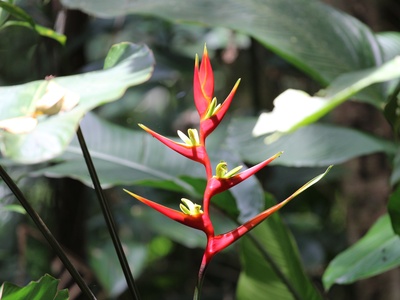
Heliconia
Heliconia, with upright colorful bracts, grows in shaded gardens, forest edges and wet gullies in Haiti. Inflorescences 10–25 cm long bloom year-round in humid spots, attracting hummingbirds. Common in cultivated and semi-natural tropical sites.
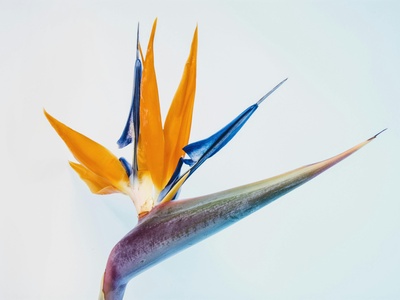
Bird of paradise
Showy bird-of-paradise plants appear in upscale gardens and hotels with striking orange and blue flowers roughly 15–20 cm long. They prefer well-drained soils and bloom mainly in cooler dry months, prized for dramatic tropical accents.
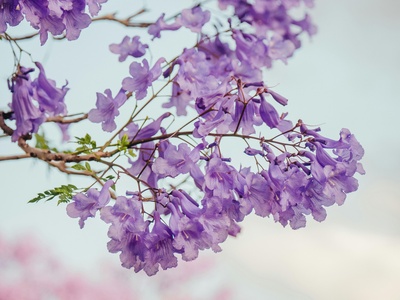
Jacaranda
Jacaranda trees are planted for their lilac-blue panicles in parks and streets. Each tubular flower is about five to six centimeters across; bloom season is late spring to early summer where local climate permits. Creates purple carpets when petals fall.

Rose
Garden roses are grown in courtyards and some highland gardens in Haiti, producing showy single or double flowers from 5–12 cm. Blooms occur mainly in cooler or irrigated spots; varieties range from simple tea roses to fuller hybrid types.
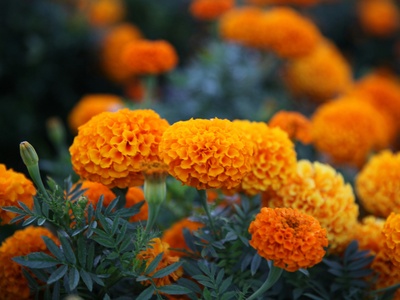
Marigold
Marigolds are common bedding plants and market flowers in Haiti, with dense pompom blooms around three to five centimeters across. They flower through warm seasons, used ornamentally and sometimes planted to deter pests in vegetable gardens.
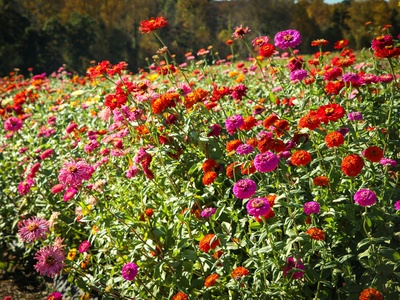
Zinnia
Zinnias grow year-round in sunny gardens and containers, offering colorful single or double flowers roughly five to seven centimeters wide. Quick to bloom after rains, they are popular for cut flowers and easy urban cultivation.
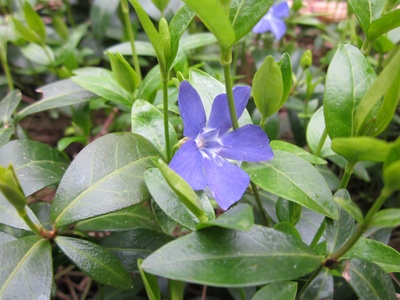
Periwinkle
Madagascar periwinkle naturalized across Haiti’s disturbed sites, yards and road verges. Produces small 2–3 cm five-petaled flowers year-round in warm locations. Drought-tolerant and often used in mass plantings; noted for medicinal alkaloids globally.
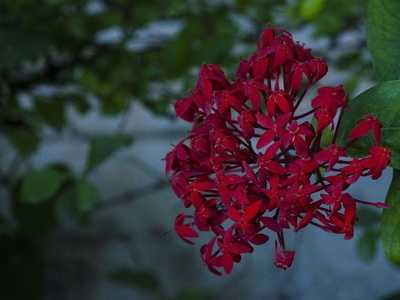
Ixora
Ixora shrubs are frequent in village gardens and around homes, making tight clusters of tiny tubular flowers forming 6–10 cm bigheads. Blooming most of the year where watered, colors range from red to orange and coral.
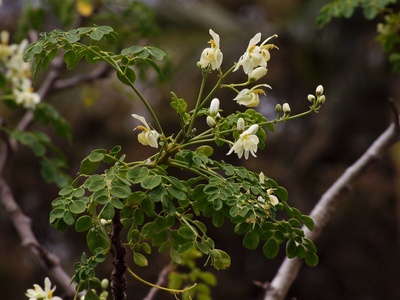
Moringa
Moringa trees are planted for leaves and quick growth in rural and peri-urban Haiti. They bear small fragrant white flowers around one centimeter in clusters during dry-season flushes; also used for food, fodder and traditional remedies.
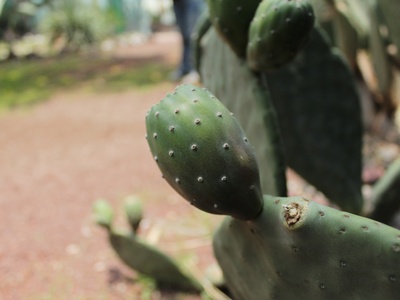
Prickly pear
Prickly pear cactus grows in dry gardens, stone walls and degraded limestone hills of Haiti. Showy yellow to orange flowers about five to seven centimeters open in warm months, followed by edible barbed fruits in local diets.

Lignum vitae
Hardwood tree of dry forests and karst areas, lignum vitae bears small fragrant blue or purple flowers around two to three centimeters in spring. Rare and slow-growing, valued for dense timber and historically used medicinally.
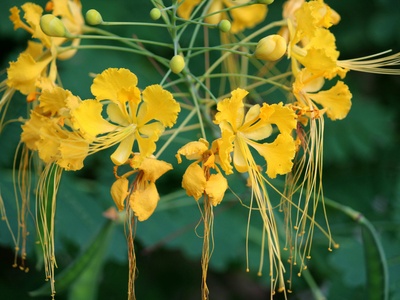
Pride of Barbados
Pride-of-Barbados shrubs or small trees occur near roads, home gardens and open scrub. They bloom in warm seasons with showy orange-red flowers about five centimeters across; drought-tolerant and often used as ornamentals or hedgerows.
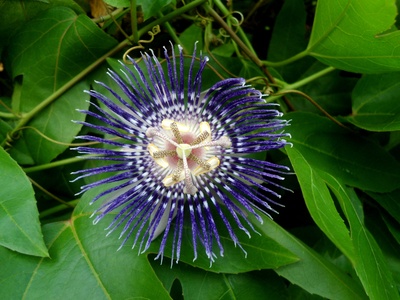
Passionfruit
Passionfruit vines climb fences and trellises in gardens and orchards, producing ornate 6–8 cm flowers mainly in warm months. They prefer sunny spots and produce edible fruits used fresh or in juices.
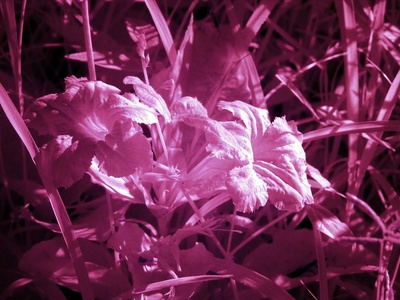
Minnieroot
Ruellia is a low-growing wildflower in roadside ditches, disturbed fields and gardens, bearing funnel-shaped purple or blue flowers about three to four centimeters. Blooms mostly in wet months; resilient and common in urban and rural sites.
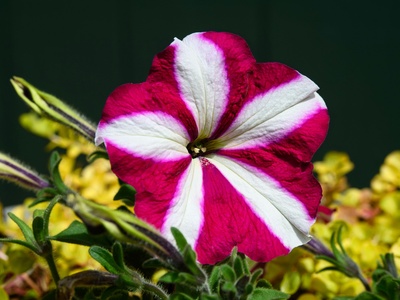
Pinwheel flower
Pinwheel or crape jasmine is planted near homes and temples with fragrant white pinwheel blooms about two centimeters across. Flowers open mainly in warm months, favored for hedges and a calming night fragrance in village gardens.
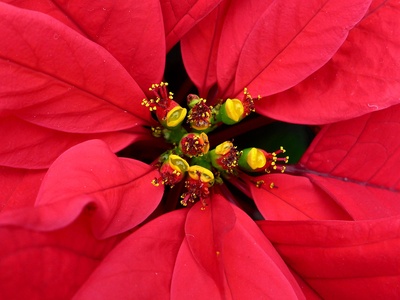
Poinsettia
Poinsettia shrubs and small trees appear at homes and markets during festive seasons; colorful bracts measure up to 8–10 cm and surround tiny cyathia. Grown ornamentally in courtyards and nurseries; bracts persist when conditions are warm.

Powderpuff
Powderpuff shrubs are grown in gardens for their dramatic spherical clusters of red stamens about five to six centimeters across. Blooming in warm months, they attract hummingbirds and make informal hedges near homes and public gardens.
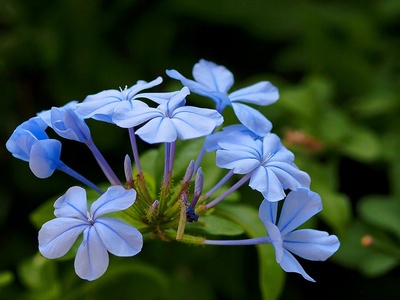
Leadwort
Plumbago vines and shrubs appear on walls and fences with clusters of sky-blue flowers about 3–4 cm. Blooming nearly year-round when cared for, they are used as hedges and for erosion control on slopes and roadsides.
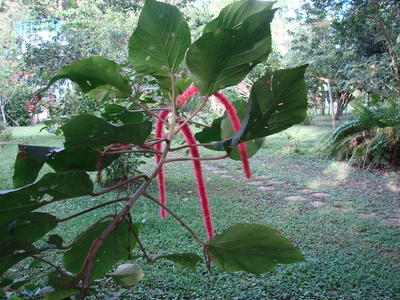
Chenille plant
Acalypha, with pendulous red inflorescences up to 10 cm long, is grown as an accent in shaded gardens and near homes. Flowers and catkins bloom in warm months, providing bold tropical texture though less common than other ornamentals.
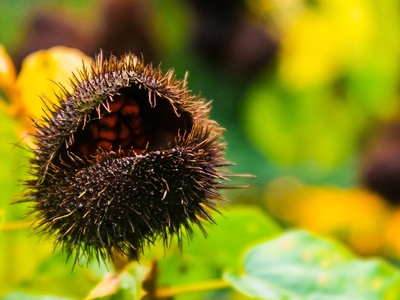
Annatto
Annatto trees and shrubs occur in disturbed forests and gardens; they bear clusters of pink flowers around two to three centimeters followed by seed pods containing red-orange pigments used traditionally as a dye and spice.
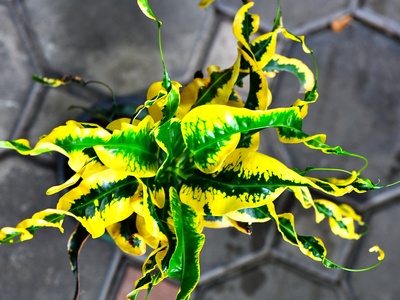
Croton
Croton is grown for its colorful foliage; tiny inconspicuous flowers under one centimeter appear in clusters in sheltered gardens. Valued mainly for leaves rather than blooms, these shrubs are common in ornamental plantings near homes.
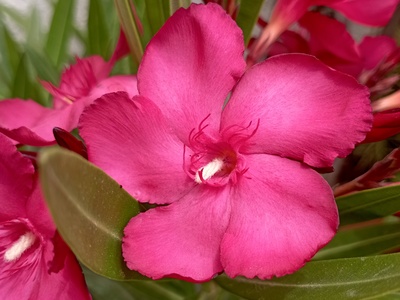
Oleander
Oleander is planted around homes and roadsides for its hardy evergreen habit and clusters of showy 5–7 cm fragrant flowers in white, pink or red. Tolerant of heat and drought, it blooms mainly in the warm season.
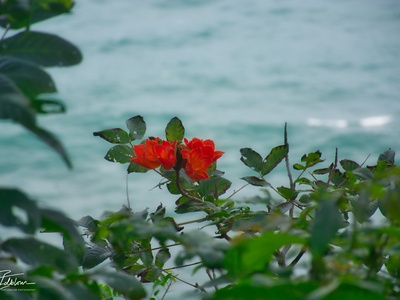
African tulip
African tulip trees planted in parks and along roads produce clusters of orange tubular flowers about 10–15 cm across, mainly in the rainy season. Used as shade trees and admired for dramatic floral displays in urban Haiti.
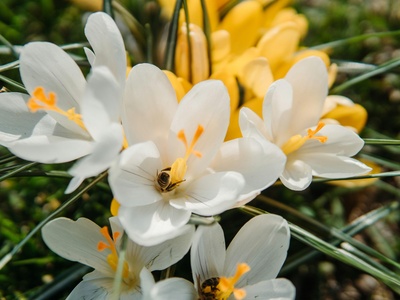
Orange blossom
Orange trees in home gardens and small orchards produce fragrant white blooms around two centimeters in spring. Flowers attract bees and precede citrus fruit; trees are common in village yards and small-scale fruit production across Haiti.