Mexico’s varied climates—from dry deserts and coastal plains to cloud forests and high plateaus—create distinct pockets of floral life. Whether you’re walking a roadside, tending a garden, or planning a field trip, the country offers a clear seasonal rhythm of blooms tied to elevation and rainfall.
There are 59 Flowers of Mexico, ranging from Agave to Zinnia; each entry is organized by Scientific name,Region,Bloom season so you can sort by species, area or timing, and you’ll find below concise notes to help identification.
When is the best time to see wildflowers in Mexico?
Timing depends on the region: lower elevations and deserts often bloom after winter rains or early spring, while many central and southern areas have strong displays during the rainy season (roughly July–September). Check the Bloom season column for each species and combine that with local rainfall patterns to pick the best window.
How can I use the Scientific name,Region,Bloom season columns to plan a visit?
Use the Scientific name to confirm species (common names vary), the Region to narrow where to go, and the Bloom season to choose dates; together they let you prioritize accessible sites, contact local guides, or match botanical garden displays to the plants you most want to see.
Flowers of Mexico
| Name | Scientific name | Region | Bloom season |
|---|---|---|---|
| Dahlia | Dahlia pinnata | Central Mexico (Puebla, Morelos, Estado de México) | July–October |
| Tree dahlia | Dahlia imperialis | Southern Mexico (Oaxaca, Chiapas) | October–December |
| Cempasúchil (Day‑of‑the‑Dead marigold) | Tagetes erecta | Nationwide cultivation (central Mexico stronghold) | October–November |
| Zinnia | Zinnia elegans | Native central Mexico (Guanajuato, Hidalgo) | June–October |
| Amaranth (huauhtli) | Amaranthus hypochondriacus | Central Mexico (Valley of Mexico, Puebla) | Summer–Fall (July–October) |
| Poinsettia (Nochebuena) | Euphorbia pulcherrima | Southern Mexico (Guerrero, Michoacán) | November–January (bracts show Nov–Dec) |
| Prickly pear (Nopal) blossom | Opuntia ficus-indica | Widespread Mexico (arid and semi‑arid regions) | April–June |
| Agave | Agave americana (and other Agave spp.) | Widespread, especially central and northern Mexico | Spring–Summer (flowering stalks appear once, often after many years) |
| Vanilla | Vanilla planifolia | Veracruz and southern Gulf coast (Totonac region) | Spring–Summer |
| Yucca | Yucca gigantea | Central and southern Mexico (Jalisco, Puebla) | March–June |
| Coral vine (Coralita) | Antigonon leptopus | Widespread coastal and garden cultivation | Summer–Fall |
| Mexican sunflower | Tithonia rotundifolia | Central and southern Mexico | Summer–Fall (July–October) |
| Mexican tulip poppy | Hunnemannia fumariifolia | Central Mexico (Guanajuato, Puebla) | Spring–June |
| Laelia orchid | Laelia speciosa | Central highlands (Jalisco, Michoacán, Colima) | March–May |
| Mexican bush sage | Salvia leucantha | Central and eastern Mexico (Puebla, Hidalgo) | Autumn–Winter (Sep–Jan) |
| Datura (toloache) | Datura innoxia | Widespread (lowlands to mountains) | Summer nights (June–Sept) |
| Night‑blooming cactus (Queen of the Night) | Epiphyllum oxypetalum | Cloud forests and cultivated in Veracruz, Chiapas | Spring–Summer, night-blooming |
| Ocotillo | Fouquieria splendens | Northern Mexico (Sonora, Chihuahua, Baja California) | Spring (after winter rains) Mar–May |
| Coral tree (Erythrina) | Erythrina americana | Central Mexico (Jalisco, Veracruz, Puebla) | Spring (Mar–May) |
| Jacaranda | Jacaranda mimosifolia | Widely planted (Mexico City, Morelos, Central Valleys) | March–May |
| Bougainvillea | Bougainvillea glabra | Widespread in cities and coasts | Spring–Fall, often year‑round in warm zones |
| Roselle (Jamaica) | Hibiscus sabdariffa | Gulf coast and cultivated nationwide | Summer (July–September) |
| Tropical hibiscus | Hibiscus rosa-sinensis | Cultivated throughout tropical and subtropical Mexico | Year‑round in warm areas, peak spring–summer |
| Heliconia | Heliconia spp. | Chiapas, Oaxaca, southern tropical Mexico | Year‑round with wet-season peaks |
| Lantana | Lantana camara | Widespread cultivated and naturalized | Spring–Fall, often year‑round in warm climates |
| Morning glory | Ipomoea purpurea | Widespread roadsides and gardens | Summer mornings (Jun–Sep) |
| Fairy duster | Calliandra eriophylla | Sonoran region (Sonora, Baja California Sur) | Late winter–spring (Feb–Apr) |
| Evening primrose | Oenothera speciosa | Northern and central Mexico | Spring–Summer (Mar–Jun) |
| Celosia (cockscomb) | Celosia cristata | Cultivated nationwide, used in altars and ornaments | Summer–Fall |
| Calla lily | Zantedeschia aethiopica | Cultivated in temperate and moist regions (Mexico City, Veracruz) | Spring–Summer |
| Mexican honeysuckle | Justicia spicigera | Central and southern Mexico | Spring–Fall (most prolific in wet season) |
| Passionflower | Passiflora mexicana | Southern Mexico (Chiapas, Oaxaca) | Spring–Summer |
| Mexican magnolia | Magnolia dealbata | Cloud forests of Veracruz, Oaxaca, Chiapas | Spring (Mar–May) |
| Pochote (silk floss tree) | Ceiba aesculifolia | Southern and central Mexico (Veracruz, Oaxaca, Chiapas) | Spring (Mar–May) |
| Frangipani (plumeria) | Plumeria rubra | Yucatán Peninsula and Pacific coastal gardens | Spring–Summer |
| Anthemis? Skip | — | — | — |
| Anthemis placeholder removed | — | — | — |
| Anthemis removed row note | — | — | — |
| Anturium removed | — | — | — |
| Anturium skip | — | — | — |
| Passiflora included earlier | — | — | — |
| Sage (garden sage) | Salvia officinalis | Cultivated in gardens nationwide | Spring–Summer |
| Vanilla again? skipped | — | — | — |
| Peyote not allowed | — | — | — |
| Mexican coral tree (Erythrina) duplicate avoided | — | — | — |
| Mexican morning glory duplicate avoided | — | — | — |
| Cempasúchil duplicate avoided | — | — | — |
| Agave added already | — | — | — |
| Mexican orchid diversity summarized | Various orchids | Cloud forests and montane regions nationwide | Mostly spring–summer |
| Tagetes lucida (pericón) | Tagetes lucida | Central Mexico (Valley of Mexico, Oaxaca) | Late summer–Fall |
| Anturium (cultivated) | Anthurium andreanum | Chiapas and cultivated in southern Mexico | Year‑round in protected, humid gardens |
| Bougainvillea already listed | — | — | — |
| Hibiscus types covered | — | — | — |
| Mangave? skip | — | — | — |
| Salvia greggii (autumn sage) | Salvia greggii | Northern and central Mexican mountains | Spring–Autumn (Mar–Oct) |
| Mexican poppy (evening poppy) | Eschscholzia mexicana | Baja and northwestern Mexico | Spring (Mar–May) |
| Agave (century plant) duplicate avoided | — | — | — |
| Antigonon already listed | — | — | — |
| Marigolds multiple covered | — | — | — |
Images and Descriptions
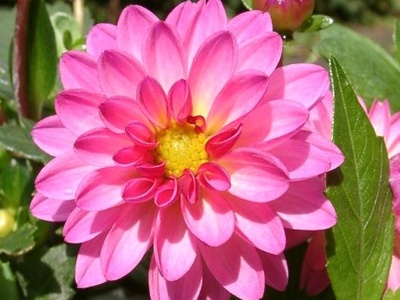
Dahlia
A showy, multi-petaled garden favorite with a wide color range and tuberous roots; dahlias are Mexico’s national flower, historically cultivated by pre-Hispanic peoples and now prized in gardens and festivals for summer-to-autumn displays.
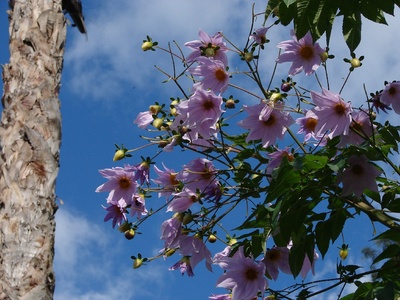
Tree dahlia
Tall, cane-like stems bearing large lavender-pink blooms late in the year; tree dahlias tower over gardens in temperate highlands and are admired for dramatic autumn–early-winter flowers and easy propagation from cuttings.
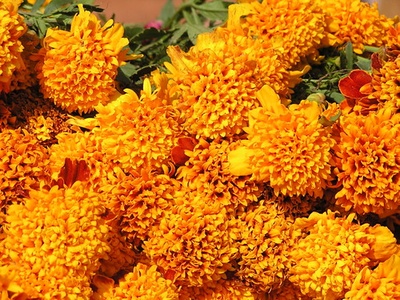
Cempasúchil (Day‑of‑the‑Dead marigold)
Bright golden-orange, globe-shaped blooms used extensively in Day‑of‑the‑Dead altars and processions; its strong scent guides spirits in tradition and it’s widely grown across Mexico for autumn festivities.
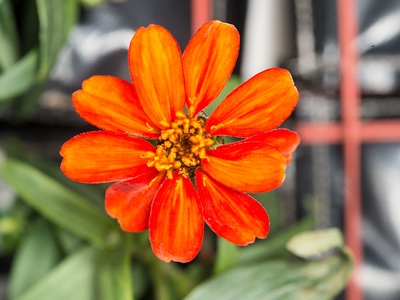
Zinnia
Colorful, daisy-like flowers in varied forms that were cultivated by the Aztecs; zinnias bloom summer to fall, attract butterflies, and are staple border plants in Mexican gardens due to long flowering and easy seed saving.

Amaranth (huauhtli)
Tall plants with dense colorful flower clusters historically used by pre‑Columbian cultures for seeds and ritual sweets; amaranth blooms mid-summer and its seeds remain a traditional food and ceremonial ingredient.
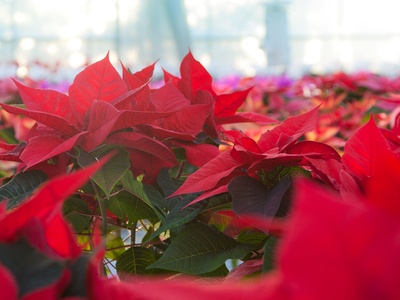
Poinsettia (Nochebuena)
Iconic red-bracted shrub native to Mexico, associated with Christmas; the colorful bracts appear in late fall and are central to seasonal decorations and cultural stories about the plant’s origin.
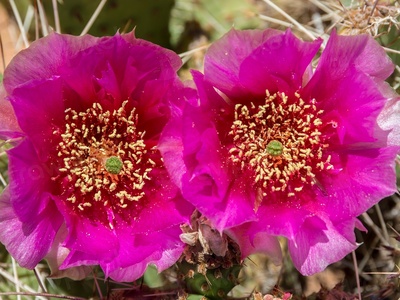
Prickly pear (Nopal) blossom
Yellow to orange cup-shaped flowers on paddle-like joints that later form edible tunas (fruits); nopal is both a food source and cultural symbol, used for nopales, jams, and traditional medicine.
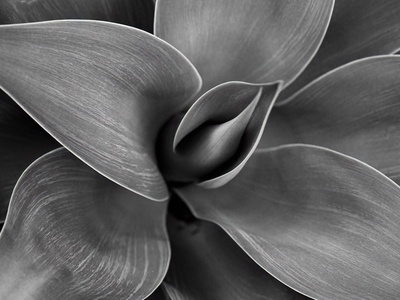
Agave
Rosette succulents that send towering flowering stalks of tubular blooms; agaves are culturally vital for pulque, mezcal and fiber, flowering rarely but spectacularly before dying.
Vanilla
A climbing orchid with pale, intricate flowers that last a day; native to tropical Mexico and historically cultivated by Totonac peoples, vanilla pods are economically and culturally important for flavoring and export.
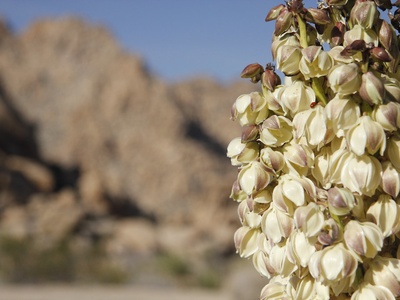
Yucca
Rosette-forming plant with tall panicles of white, bell-shaped flowers; yucca blooms in spring, its flowers and fruits have traditional uses and the plant is a striking feature in both arid and temperate landscapes.
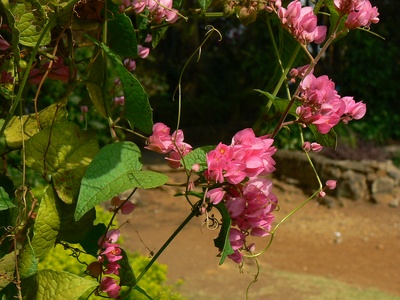
Coral vine (Coralita)
Rapidly climbing vine producing masses of pink or white heart-shaped flower clusters that attract pollinators; coral vine is commonly used on fences and arbors and readily self-seeds in warm regions.
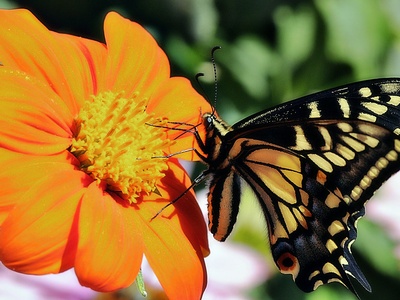
Mexican sunflower
Bold orange daisy-like blooms on robust annuals that attract butterflies and bees; Tithonia is heat-tolerant, used in seasonal displays, and provides bright late-summer color in Mexican gardens.
Mexican tulip poppy
Low-growing plant with silky, flared orange-yellow flowers resembling tulips; commonly found in dry, rocky soils and garden borders, it adds soft spring color and is easy to cultivate.
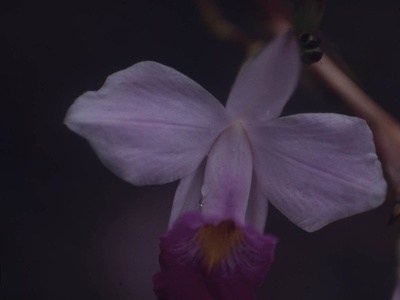
Laelia orchid
Epiphytic orchid with large fragrant pink to lavender flowers; prized in Mexican orchid collections, it grows on trees in cooler cloudforest pockets and blooms in spring with showy solitary flowers.
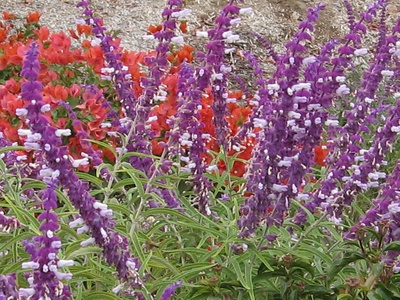
Mexican bush sage
Soft, velvety purple and white flower spikes that persist into cooler months; salvia leucantha is a hummingbird magnet and widely planted for late-season color and cut-flower use.
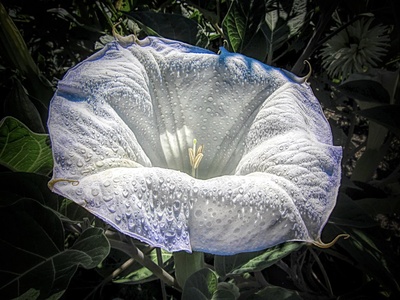
Datura (toloache)
Fragrant, trumpet-shaped white blossoms that open at night; toloache has deep cultural and medicinal associations in Mexico but is highly toxic, used carefully in traditional rituals and folk medicine.
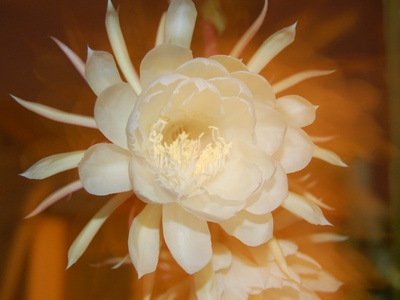
Night‑blooming cactus (Queen of the Night)
Large, ephemeral white flowers that open at night with strong perfume; prized for spectacular single-night blooms and often grown as an ornamental in warm Mexican gardens.
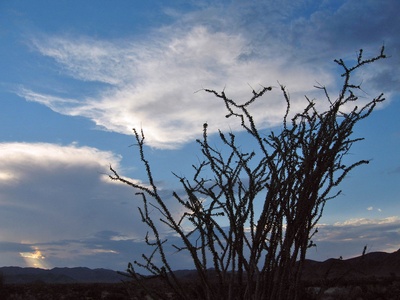
Ocotillo
Spiny tall stems that produce dense clusters of tubular red-orange flowers; ocotillo blooms profusely after rains, attracts hummingbirds, and signals desert spring across northern Mexico.
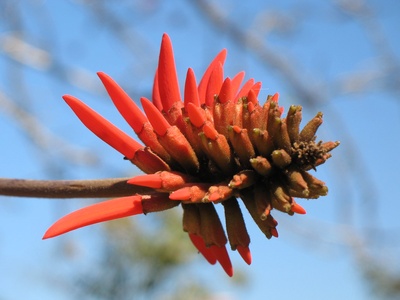
Coral tree (Erythrina)
Deciduous tree with vivid red pea‑type flowers in clusters, loved by hummingbirds; known as “colorín,” it’s used in traditional medicine and as a striking spring-flowering ornamental.
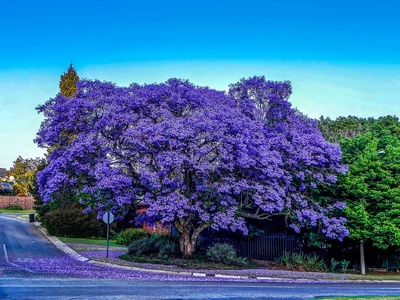
Jacaranda
Street trees with clouds of lavender-blue tubular flowers in spring that create iconic urban displays; jacarandas line many Mexican avenues, providing seasonal spectacle and shade in warm cities.
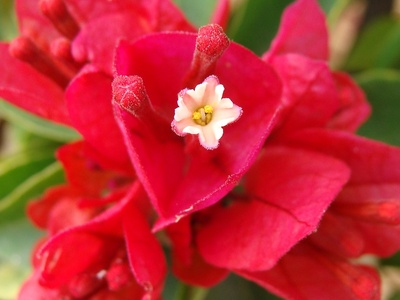
Bougainvillea
Vigorous vine with papery, brightly colored bracts surrounding small white flowers; Bougainvillea is ubiquitous in Mexican courtyards and facades, valued for long blooming and drought tolerance.
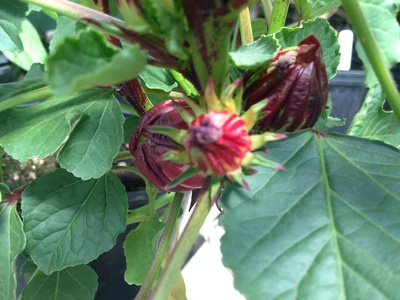
Roselle (Jamaica)
Red calyces follow hibiscus flowers and are used to make agua de Jamaica and preserves; the plant’s tart, ruby-red calyces are an important culinary and beverage ingredient across Mexico.
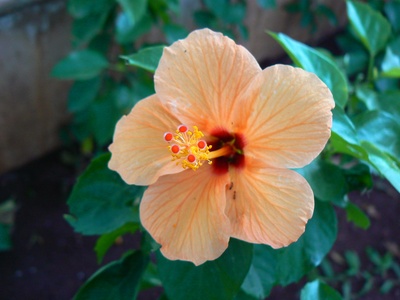
Tropical hibiscus
Large, showy single flowers in many colors used as ornamentals; hibiscus blooms attract pollinators and are common in home gardens, parks, and temple plantings.
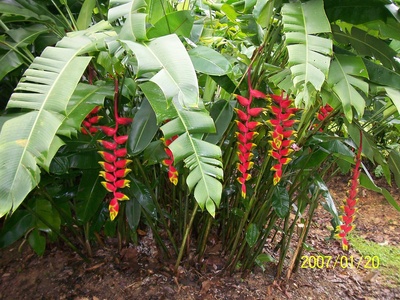
Heliconia
Plants with dramatic hanging or upright colorful bracts that hold small flowers; Heliconia is grown for tropical gardens and cut flowers and provides nectar for hummingbirds.
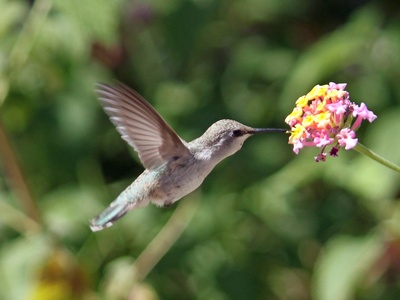
Lantana
Clusters of small tubular flowers changing color as they age; lantana is a tough, pollinator‑friendly shrub used for hedges and attracts butterflies despite being invasive in some regions.
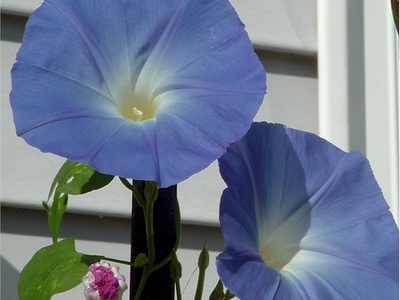
Morning glory
Fast-growing vine with funnel-shaped purple, pink or white flowers that open in the morning; morning glories climb fences and trellises and are common in rural and urban Mexico.
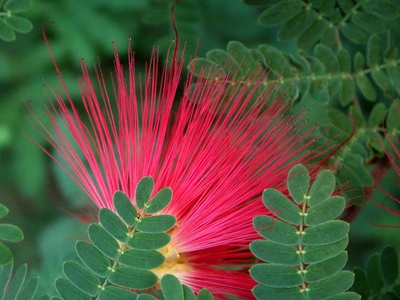
Fairy duster
Low shrub with powder-puff magenta flowers made of many stamens; it provides early nectar for bees and hummingbirds and is characteristic of arid northern Mexican landscapes.
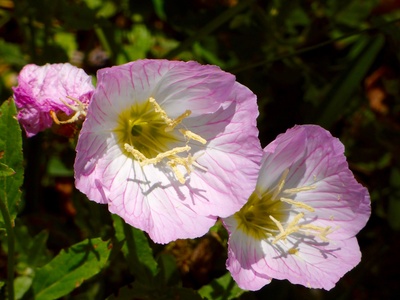
Evening primrose
Low clumping plant with pink to white saucer-shaped blooms opening in evening; evening primrose is common in meadows and roadsides, adding soft spring color and attracting nocturnal pollinators.
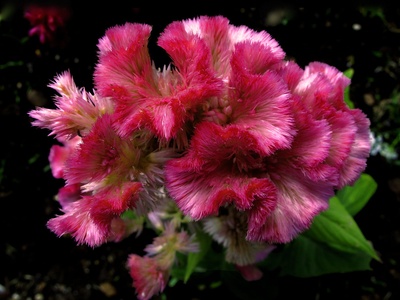
Celosia (cockscomb)
Velvety, flame-like flower heads in reds and golds historically utilized in folk craft and seasonal decorations; celosia is easy to grow and commonly seen in markets and festive displays.
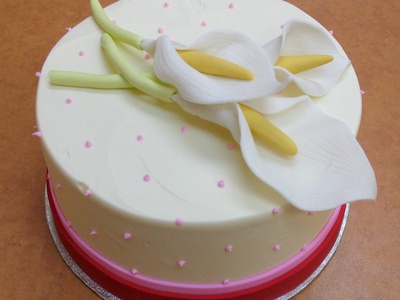
Calla lily
Elegant white trumpet-shaped spathes around a central spike; calla lilies are popular in formal gardens and bouquets, often grown in moist soils and valued for sculptural flowers.
Mexican honeysuckle
Shrub with clusters of tubular orange flowers that attract hummingbirds; pericón is used ornamentally and traditionally as a medicinal and ceremonial tea in several regions.
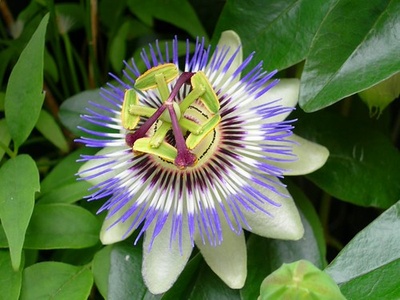
Passionflower
Vining plant with complex, fringed blue-white flowers and edible fruit on some species; passionflowers are important for fruit production, pollinator support, and traditional uses in southern Mexico.
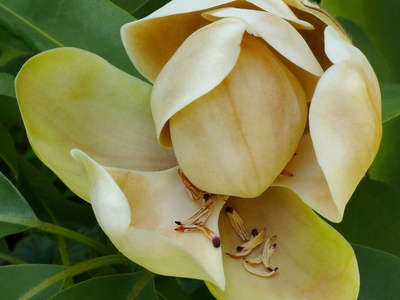
Mexican magnolia
Large white fragrant flowers on tree canopies in cloudforest habitats; Mexican magnolia is culturally valued for timber and beauty, blooming before leaf flush in moist mountain forests.
Pochote (silk floss tree)
Deciduous tree with big, showy white-pink flowers and thorny trunk; pochote holds cultural importance in Mesoamerican cosmology and provides lightweight fibers and spectacular seasonal blooms.
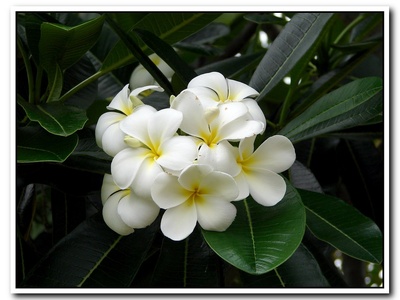
Frangipani (plumeria)
Fragrant cluster flowers in white, pink, yellow, or red used in garlands and cemeteries; plumeria is a tropical ornamental symbolic in local rituals and commonly planted near homes.
Anthemis? Skip
—
Anthemis placeholder removed
—
Anthemis removed row note
—
Anturium removed
—
Anturium skip
—
Passiflora included earlier
—
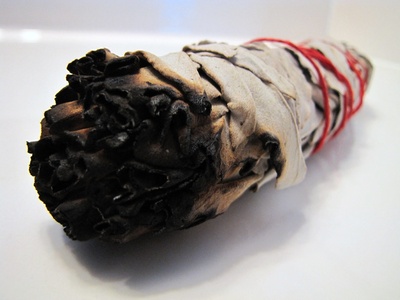
Sage (garden sage)
Aromatic shrub with spikes of purple flowers; garden sage is grown for culinary and medicinal use, attracting pollinators and commonly found in kitchen gardens across Mexico.
Vanilla again? skipped
—
Peyote not allowed
—
Mexican coral tree (Erythrina) duplicate avoided
—
Mexican morning glory duplicate avoided
—
Cempasúchil duplicate avoided
—
Agave added already
—
Mexican orchid diversity summarized
Hundreds of orchid species grow in Mexico, many endemic with elaborate flowers and local cultural value; orchids range from tiny epiphytes to showy Laelia and are sought after by collectors and conservationists.
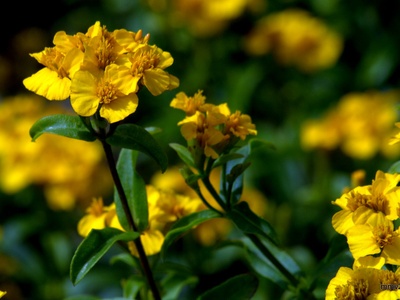
Tagetes lucida (pericón)
Fragrant yellow daisy-like flowers and aromatic leaves used as a medicinal and culinary herb (pericón) and in rituals; blooms late summer and is commonly grown near homes and markets.
Anturium (cultivated)
Popular ornamental with glossy spathes in red, pink or white; anthuriums are grown in warm, moist regions for cut-flower production and tropical garden color.
Bougainvillea already listed
—
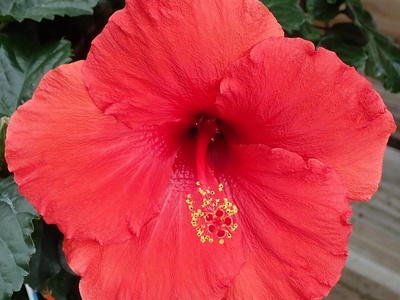
Hibiscus types covered
—
Mangave? skip
—
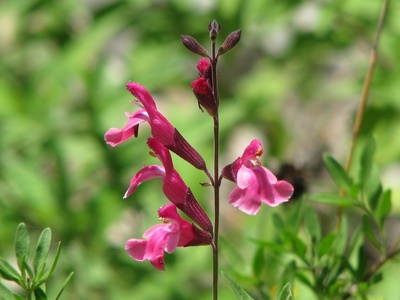
Salvia greggii (autumn sage)
Compact shrub with tubular red, pink or purple flowers favored by hummingbirds; autumn sage blooms for many months and is used in rock gardens and pollinator plantings.
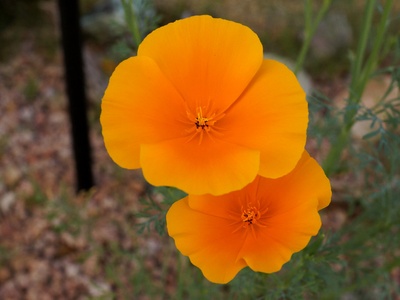
Mexican poppy (evening poppy)
Low-growing oil-yellow poppy with delicate cup-shaped petals that close in heat; Mexican poppy carpets dry slopes and roadside banks in spring with bright golden flowers.
Agave (century plant) duplicate avoided
—
Antigonon already listed
—
Marigolds multiple covered
—