Montenegro’s varied landscape — from rocky Adriatic shorelines to high alpine meadows — creates a patchwork of habitats where different wildflowers thrive. You can spot blooms along coastal trails, in karst fields and up in national parks, with colors shifting as you move through elevation and season.
There are 50 Flowers of Montenegro, ranging from Adriatic Iris to Zois’ Violet. For each entry I list the Scientific name, Bloom season, Where to see; you’ll find below.
When is the best time to see most of these flowers in Montenegro?
Spring through early summer (April–July) is prime for lowland and coastal species, while many mountain flowers peak later, from June to August; timing depends on elevation and annual weather, so check local park notices or recent trip reports before you go.
Are any of these species protected or important for conservation?
Yes — several are local endemics or tied to fragile habitats like alpine meadows and lakeshore wetlands; avoid picking plants, stay on marked trails, and consult park guides or conservation groups if you want to learn about rare species or report notable sightings.
Flowers of Montenegro
| Name | Scientific name | Bloom season | Where to see |
|---|---|---|---|
| Edelweiss | Leontopodium alpinum | Jul–Sep | High limestone peaks, Durmitor & Prokletije |
| Dinaric Bellflower | Edraianthus dinaricus | Jun–Jul | Limestone rock crevices, Orjen & Lovćen |
| White Water Lily | Nymphaea alba | Jun–Sep | Lake Skadar, Virpazar area |
| Pomegranate | Punica granatum | May–Jul | Coastal gardens, old towns (Ulcinj, Bar) |
| Serbian Ramonda | Ramonda serbica | Apr–May | Shady limestone canyons, Morača Canyon |
| Dalmatian Laburnum | Petteria ramentacea | May–Jun | Karstic scrubland near the coast |
| Oleander | Nerium oleander | Jun–Sep | Coastal towns and roadsides everywhere |
| Albanian Lily | Lilium albanicum | Jun–Jul | Mountain meadows, Prokletije National Park |
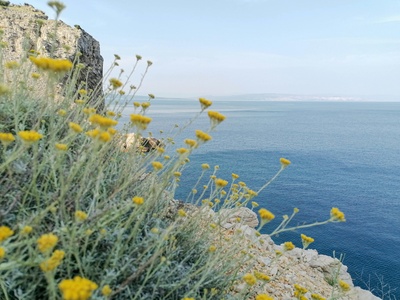
| Immortelle | Helichrysum italicum | Jun–Aug | Sunny, rocky coastal slopes, Luštica Peninsula |
| Zois’ Violet | Viola zoysii | Jun–Jul | High altitude limestone scree, Durmitor |
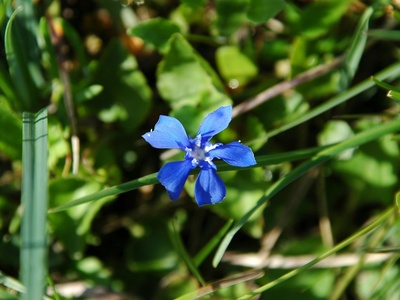
| Spring Gentian | Gentiana verna | May–Jun | Alpine pastures, Bjelasica & Durmitor |
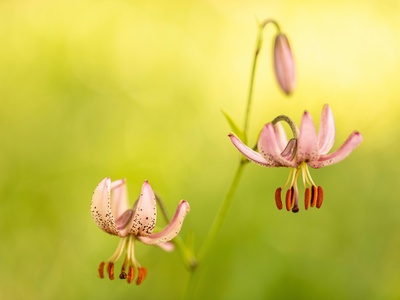
| Martagon Lily | Lilium martagon | Jun–Jul | Mountain woodlands and meadows, Biogradska Gora |
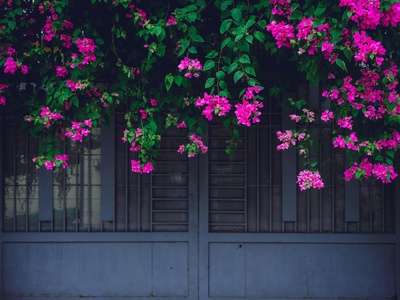
| Bougainvillea | Bougainvillea glabra | May–Oct | Coastal towns like Kotor, Perast, Budva |
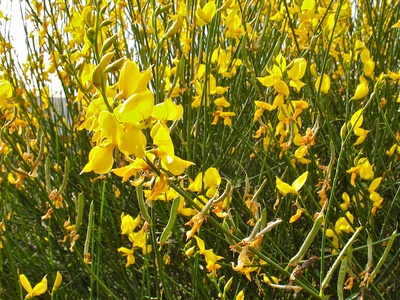
| Spanish Broom | Spartium junceum | May–Jul | Dry hillsides and roadsides, coastal region |
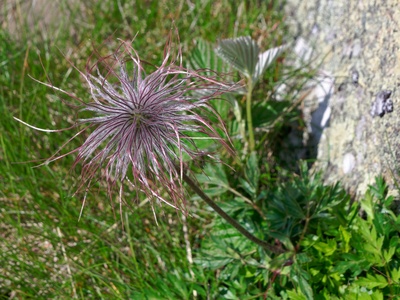
| Alpine Pasqueflower | Pulsatilla alpina | May–Jul | High mountain pastures, Durmitor, Komovi |
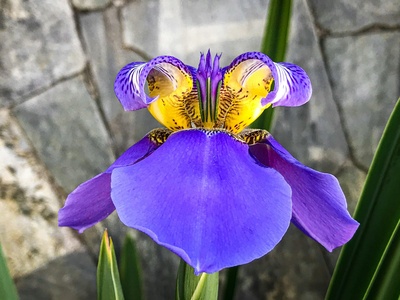
| Adriatic Iris | Iris pseudopallida | Apr–May | Rocky coastal slopes, Bay of Kotor |
| Fragrant Hellebore | Helleborus odorus | Feb–Apr | Deciduous forests and scrubland |
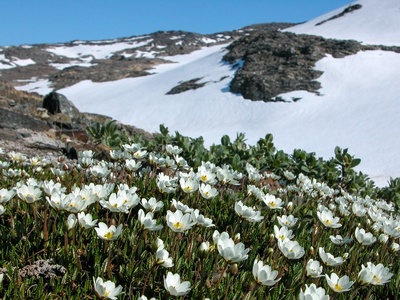
| Mountain Avens | Dryas octopetala | Jun–Aug | Alpine limestone ridges, Durmitor, Prokletije |
| Common Poppy | Papaver rhoeas | May–Jul | Fields, meadows, and roadsides nationwide |
| Meadow Sage | Salvia pratensis | May–Aug | Dry grasslands and meadows |
| Purple Loosestrife | Lythrum salicaria | Jul–Sep | Marshes and riverbanks, Lake Skadar area |
| Yellow Water Lily | Nuphar lutea | Jun–Aug | Slow-moving water, Lake Skadar |
| Balkan Cyclamen | Cyclamen hederifolium | Aug–Oct | Shady woodland floors, coastal mountains |
| Rosemary | Rosmarinus officinalis | Mar–May | Rocky coastal scrubland, Bay of Kotor |
| Christ’s Thorn | Paliurus spina-christi | May–Jul | Dry, sunny hillsides, coastal region |
| Common Hawthorn | Crataegus monogyna | May–Jun | Scrubland, forest edges, pastures nationwide |
| Wall Bellflower | Campanula portenschlagiana | Jun–Aug | Rock walls and crevices, Kotor, coastal areas |
| Pink Rock-rose | Cistus incanus | May–Jun | Coastal maquis and garrigue |
| Wisteria | Wisteria sinensis | Apr–May | Gardens and old stone houses, coastal towns |
| Common Fig | Ficus carica | N/A | Coastal and central regions |
| Olive | Olea europaea | May–Jun | Coastal olive groves, especially near Bar, Ulcinj |
| Alpine Sea Holly | Eryngium alpinum | Jul–Aug | Subalpine rocky pastures, Komovi mountains |
| Broad-leaved Anemone | Anemone hortensis | Mar–May | Rocky pastures and scrubland, coastal area |
| Lady Orchid | Orchis purpurea | Apr–Jun | Open woodlands and scrub on limestone |
| Fly Orchid | Ophrys insectifera | May–Jun | Calcareous grasslands and open woods |
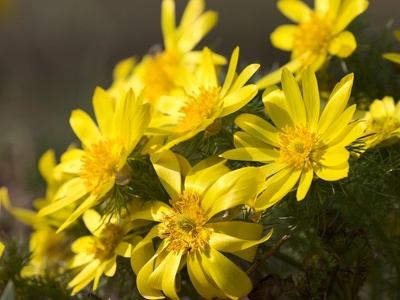
| Spring Pheasant’s-eye | Adonis vernalis | Apr–May | Dry, sunny grasslands on limestone |
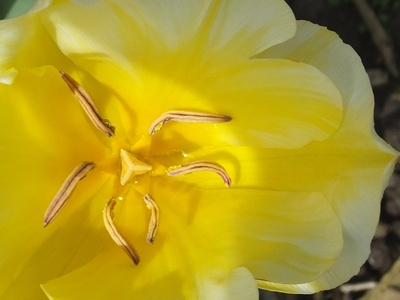
| Wild Tulip | Tulipa sylvestris | Apr–May | Meadows, vineyards, and open woods |
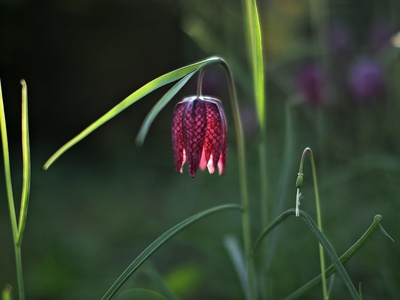
| Snakeshead Fritillary | Fritillaria meleagris | Apr–May | Damp meadows and floodplain grasslands |
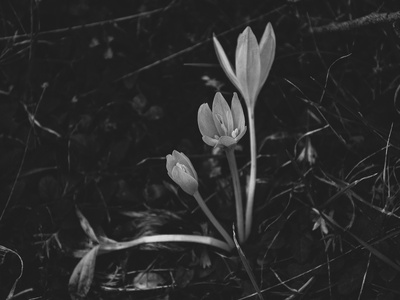
| Colchicum | Colchicum autumnale | Sep–Oct | Damp meadows and woodlands |
| Wild Carnation | Dianthus carthusianorum | Jun–Sep | Dry grasslands and rocky slopes |
| Common Grape Vine | Vitis vinifera | May–Jun | Vineyards, particularly around Lake Skadar |
| Carob | Ceratonia siliqua | Aug–Oct | Coastal regions, especially near the sea |
| Crape Myrtle | Lagerstroemia indica | Jul–Sep | Gardens and street plantings in coastal towns |
| Alpine Snowbell | Soldanella alpina | Apr–Jun | Melting snow patches in mountains |
| Rock Cranesbill | Geranium macrorrhizum | May–Jul | Rocky places and woodlands in mountains |
| Bladder Campion | Silene vulgaris | May–Sep | Meadows, roadsides, and disturbed ground |
| Yellow-banded Daylily | Hemerocallis fulva | Jun–Aug | Naturalized on riverbanks and roadsides |
| Mullein | Verbascum thapsus | Jun–Sep | Dry, disturbed ground, roadsides, pastures |
| Wild Thyme | Thymus serpyllum | Jun–Sep | Dry grasslands, heaths, and rocky outcrops |
| St John’s Wort | Hypericum perforatum | Jun–Aug | Meadows, open woods, and sunny banks |
Images and Descriptions
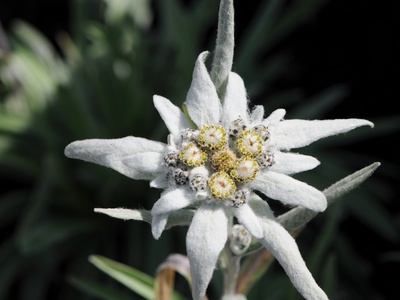
Edelweiss
A legendary alpine flower with fuzzy, star-shaped white bracts surrounding tiny yellow florets. It is a protected symbol of the high mountains, adapted to extreme altitudes on rocky ledges and scree slopes.
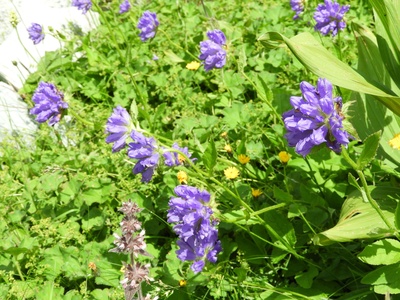
Dinaric Bellflower
An endemic gem forming dense cushions of grassy leaves. It produces stunning, upward-facing, deep violet-blue bell-shaped flowers, perfectly adapted to the sun-baked karstic terrain of the Dinaric Alps.
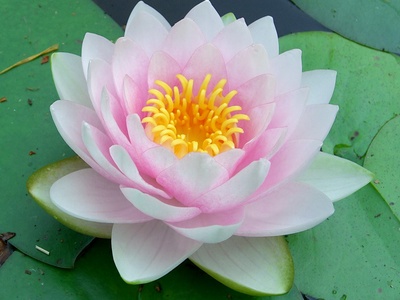
White Water Lily
The iconic floating flower of Lake Skadar. Large, pure white petals surround a golden yellow center, resting on large, round green lily pads. It creates vast, beautiful carpets on the calm lake surface.
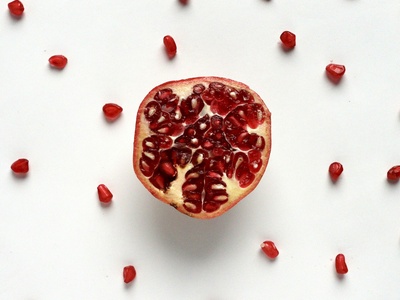
Pomegranate
A shrub or small tree famous for its fruit, producing brilliant, waxy, trumpet-shaped scarlet-orange flowers. It thrives in the hot, dry Mediterranean climate and is a staple of coastal life and cuisine.
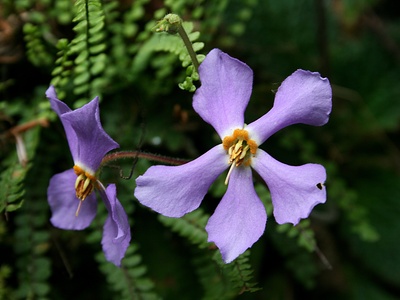
Serbian Ramonda
A remarkable “resurrection plant” endemic to the Balkans. Its rosette of crinkly leaves dries out completely in drought, rehydrating with rain. It bears delicate, violet-blue flowers with a yellow center.
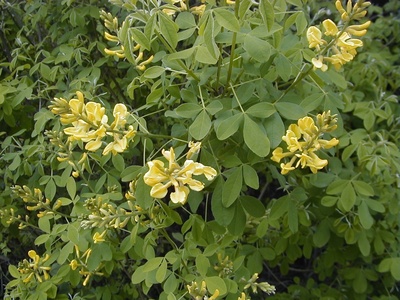
Dalmatian Laburnum
A Balkan endemic shrub that forms dense thickets and produces upright clusters of bright, fragrant, pea-like yellow flowers. It is a key feature of the thermophilic woodlands of the Adriatic coast.
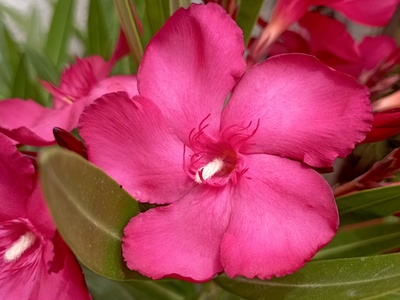
Oleander
A ubiquitous Mediterranean shrub known for its beautiful and fragrant flowers, ranging from white and pink to deep red. Despite its charm, all parts of the plant are highly poisonous.
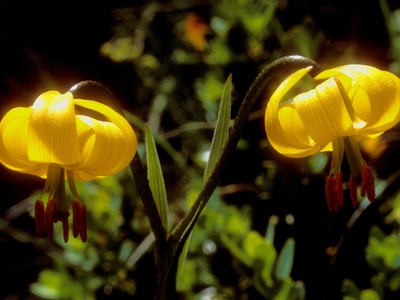
Albanian Lily
A stunning Balkan lily with a nodding, turban-shaped flower. The petals are a vibrant golden-yellow, often speckled with fine purple spots, and reflexed backwards. A prized sight in subalpine pastures.
Immortelle
An aromatic shrub with silvery foliage and a strong, curry-like scent. It produces dense clusters of small, bright yellow flowers that retain their color when dried, hence the name “everlasting.”

Zois’ Violet
An unusual, tiny violet endemic to the Dinarides. Its uniquely shaped flowers have petals pointing in odd directions, in shades of violet or pale yellow. A true alpine rock garden specialist.
Spring Gentian
A small but brilliant alpine flower. It forms low mats of leaves from which emerge intense, star-shaped blue flowers with a white throat. Its vivid color is a highlight of spring in the mountains.
Martagon Lily
Also known as Turk’s cap lily, this elegant flower has pink to purple petals that curl back dramatically, revealing spotted interiors. It grows in shady woods and is a protected and beloved species.
Bougainvillea
A vibrant, climbing ornamental vine that defines coastal Montenegro. The actual flowers are small and white, but they are surrounded by spectacular, paper-thin bracts in shades of magenta, pink, and purple.
Spanish Broom
A dominant shrub that covers hillsides in a sea of yellow. It has long, rush-like green stems and produces large, fragrant, pea-like yellow flowers. It is very drought-tolerant and widespread in the Mediterranean.
Alpine Pasqueflower
A beautiful alpine plant with large, cup-shaped flowers, typically white on the inside and tinged with violet-blue on the outside. The entire plant is covered in silky hairs, especially the feathery seed heads.
Adriatic Iris
A tall, handsome iris endemic to the eastern Adriatic coast. It features large, fragrant flowers with pale violet-blue to lavender petals and a distinctive yellow or whitish beard. It stands out on rocky terrain.
Fragrant Hellebore
One of the earliest spring flowers, this hellebore produces clusters of cup-shaped, nodding flowers that are typically apple-green and have a sweet, pleasant fragrance. It signals the end of winter in the forests.
Mountain Avens
A classic arctic-alpine plant that forms dense, mat-like ground cover. It boasts distinctive oak-like leaves and surprisingly large, eight-petaled white flowers with a bright yellow center, tracking the sun.
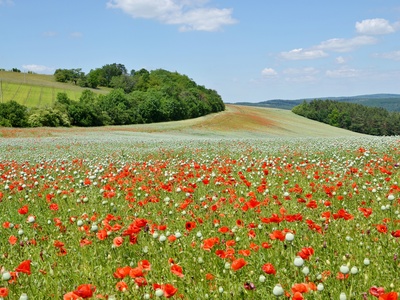
Common Poppy
The familiar, delicate poppy with four paper-thin, vivid scarlet petals, often with a black spot at their base. It grows as a common agricultural weed, creating stunning red displays in a sunny landscape.
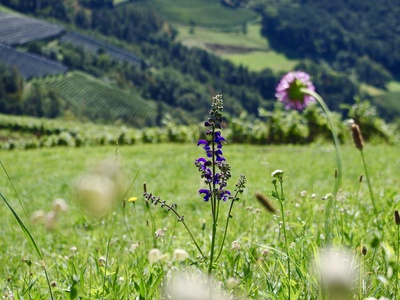
Meadow Sage
A conspicuous member of the mint family with tall spikes of deep violet-blue, hooded flowers arranged in whorls. Its aromatic leaves and striking color make it a beautiful feature of sunny meadows.
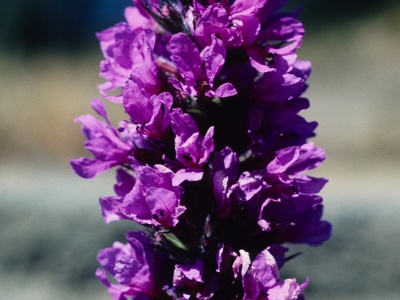
Purple Loosestrife
A tall, robust perennial that forms dense stands in wetlands. It produces impressive, long spikes of vibrant magenta-pink flowers, attracting numerous pollinators. It provides important color to late-summer marshlands.
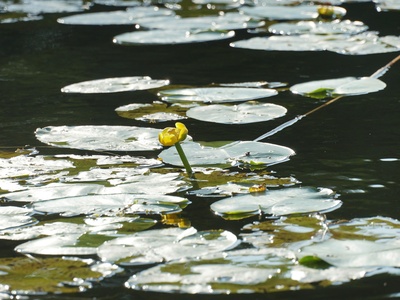
Yellow Water Lily
Often seen alongside the white water lily, this species has smaller, globe-shaped, bright yellow flowers that rise just above the water’s surface. Its large, heart-shaped leaves float on the water.
Balkan Cyclamen
This autumn-flowering cyclamen produces delicate, swept-back pink or white petals long before its ivy-shaped, silver-marbled leaves appear. It carpets the forest floor in late summer and autumn.
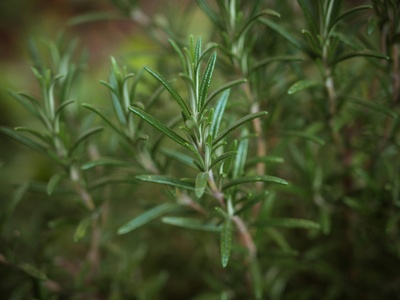
Rosemary
A famous aromatic herb that grows wild on sun-drenched coastal cliffs. This woody shrub has needle-like leaves and produces small, delicate blue to pale violet flowers, thriving in the sea spray.
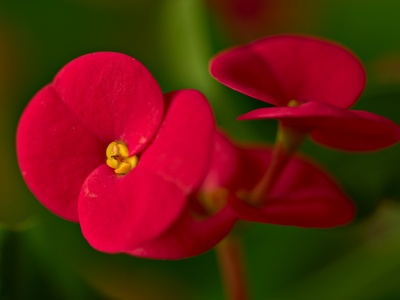
Christ’s Thorn
A thorny, deciduous shrub, legendary for being used in the crown of thorns. It has distinctive, zig-zagging branches and produces small clusters of tiny, star-shaped, yellow-green flowers.
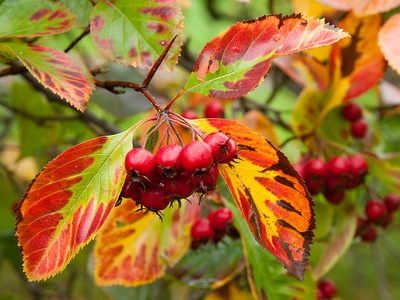
Common Hawthorn
A dense, thorny shrub or small tree that erupts in a mass of fragrant, five-petaled white or pinkish flowers in late spring. These are followed by red berries, known as ‘haws’, in autumn.
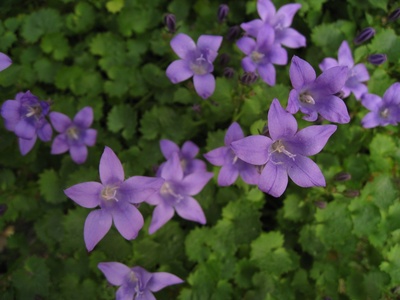
Wall Bellflower
A mat-forming perennial native to the Dalmatian mountains. It covers stone walls with a profusion of small, star-shaped, violet-blue, bell-like flowers, thriving in the smallest of crevices.
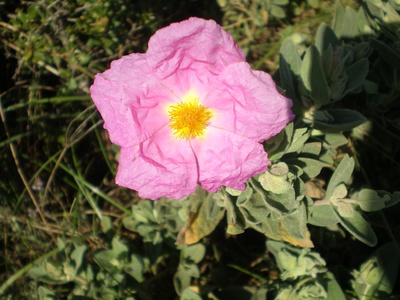
Pink Rock-rose
A typical Mediterranean shrub with crinkly, grey-green leaves. In late spring, it is covered in beautiful, delicate, tissue-paper-like magenta-pink flowers with a yellow center, each lasting only a day.
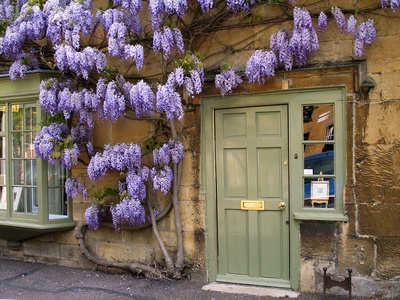
Wisteria
A popular, vigorous climbing vine famed for its spectacular cascades of fragrant, pea-like flowers in shades of mauve, lilac, or white. It drapes beautifully over pergolas and walls in spring.
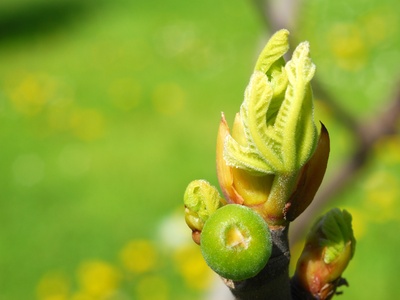
Common Fig
While its flowers are inverted and hidden inside the fruit (a synconium), the fig is an iconic fruiting tree of Montenegro. It is cultivated everywhere and grows wild, a symbol of Mediterranean abundance.
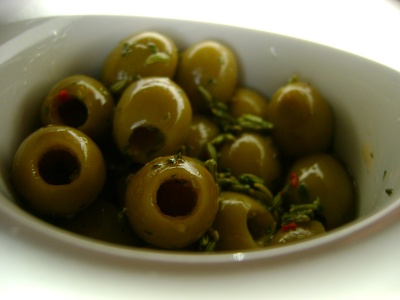
Olive
The quintessential Mediterranean tree, cultivated for thousands of years. It produces panicles of small, feathery, creamy-white flowers. While not showy, they are the precursor to the valuable olive fruit.
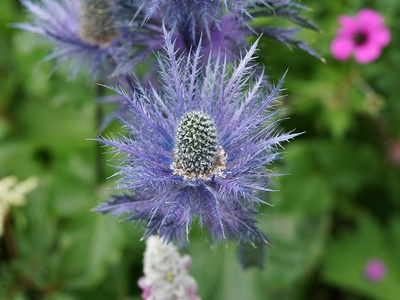
Alpine Sea Holly
An exceptionally beautiful, thistle-like plant. It has a cone-shaped flower head of tiny blue florets, surrounded by a spectacular ruff of spiny, metallic-blue or silvery bracts. A true alpine jewel.
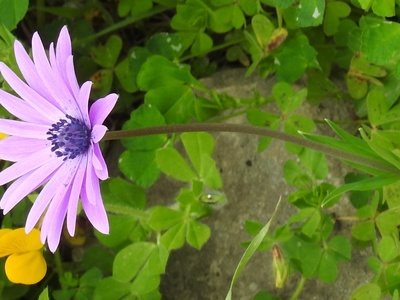
Broad-leaved Anemone
A charming spring flower with a solitary, daisy-like bloom on a slender stem. The flowers come in a range of colors from purple and pink to red and white, with a contrasting blue-black center.
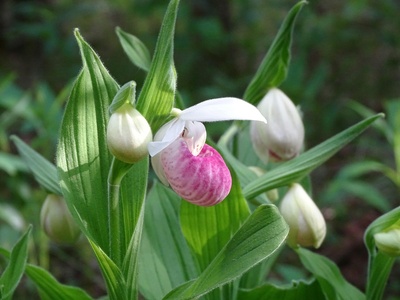
Lady Orchid
A tall and stately orchid with a dense spike of flowers. The “hood” of the flower is a deep reddish-purple, while the broad, lobed “skirt” (labellum) is whitish-pink with tufts of purple hairs.
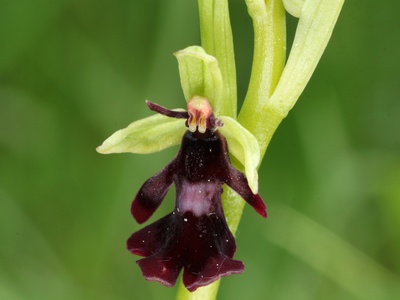
Fly Orchid
A fascinating orchid known for its mimicry. The flower’s labellum perfectly imitates a female fly to attract male insects for pollination. It’s a subtle but incredible example of evolution.
Spring Pheasant’s-eye
A beautiful spring flower with finely dissected, feathery leaves and large, glossy, buttercup-like flowers of the most brilliant yellow. It’s a cheerful sign of spring in open, sunny pastures.
Wild Tulip
A wild ancestor of garden tulips, this species has slender stems and elegant, fragrant, nodding yellow flowers that open into a star in the sun. It has naturalized in many parts of the country.
Snakeshead Fritillary
An unmistakable and magical-looking flower. It has a solitary, nodding, bell-shaped bloom with a unique chequered pattern in shades of purple, maroon, and pinkish-white, like a snakeskin.
Colchicum
Often called autumn crocus, it is not a true crocus. It flowers in autumn with leafless, pinkish-lilac blooms that emerge directly from the ground. The leaves appear separately in spring.
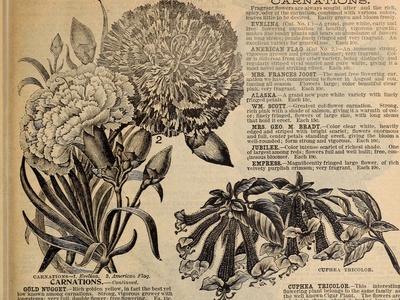
Wild Carnation
A slender dianthus with grassy leaves and long stems topped with tight clusters of intensely colored, magenta-pink flowers. The petals have a characteristically fringed or toothed edge.
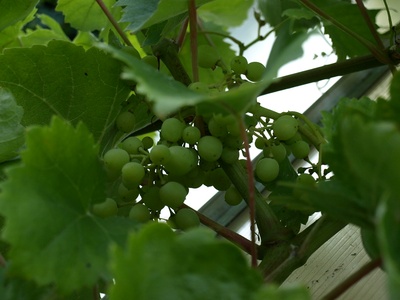
Common Grape Vine
The plant behind Montenegro’s wine industry. It produces inconspicuous, tiny, greenish, fragrant flowers in dense clusters (panicles). Successful pollination of these flowers leads to the grape harvest.
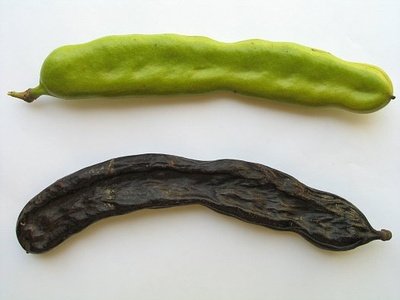
Carob
An evergreen tree iconic to the Mediterranean. It produces small, reddish flowers with a distinctive, strong scent. The flowers develop into the large, leathery brown pods used as a chocolate substitute.
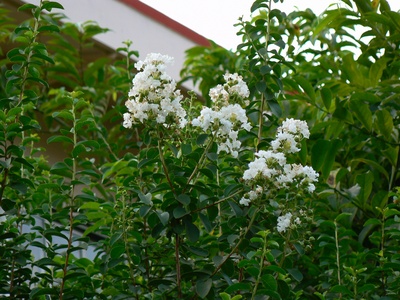
Crape Myrtle
A popular ornamental shrub or tree prized for its long-lasting summer blooms. It features large panicles of flowers with distinctive crinkled, crepe-like petals in shades of pink, purple, or white.
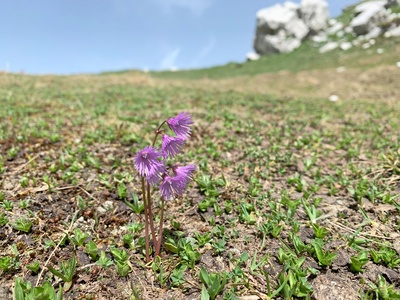
Alpine Snowbell
A true harbinger of alpine spring, this tiny, delicate flower often pushes its way through melting snow. It has fringed, bell-shaped, nodding, lilac-purple flowers on reddish stems. A magical sight.
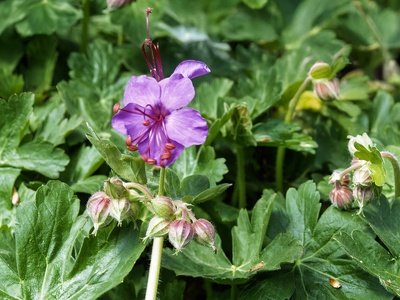
Rock Cranesbill
A spreading, aromatic geranium that forms excellent ground cover. It has sticky, fragrant leaves and produces clusters of vibrant magenta-pink flowers with prominent stamens. Tough and beautiful.
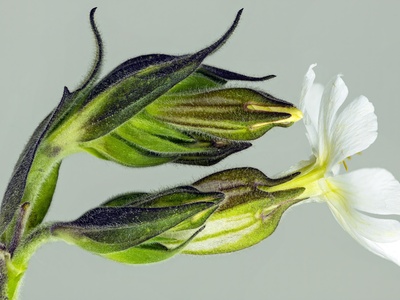
Bladder Campion
Easily recognized by its inflated, bladder-like calyx (the papery balloon behind the petals), which is veined with green or purple. The five white petals are deeply notched, appearing as ten.
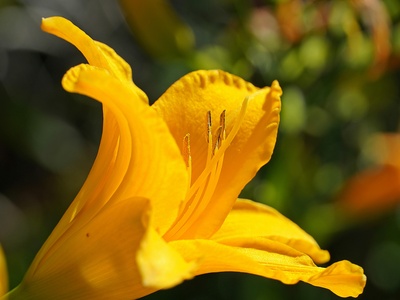
Yellow-banded Daylily
A tough, clump-forming perennial with arching, strap-like leaves. It produces large, trumpet-shaped, tawny-orange flowers, each of which lasts for only a single day, hence the common name.
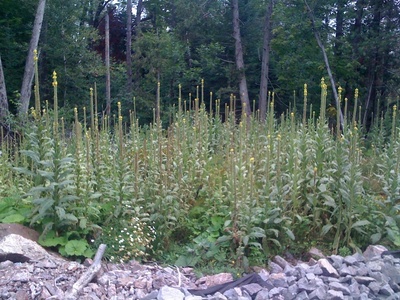
Mullein
A tall, stately biennial with a rosette of large, fuzzy, silver-grey leaves. In its second year, it sends up a tall, dense spike packed with five-petaled, saucer-shaped yellow flowers.
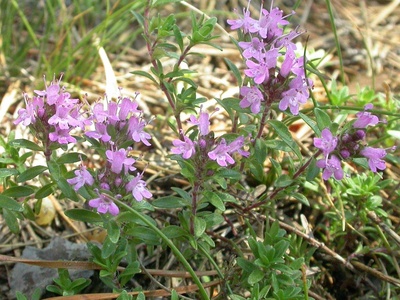
Wild Thyme
A low-growing, mat-forming aromatic herb. In summer, it is covered in a dense carpet of tiny, tubular, pinkish-purple flowers, which are highly attractive to bees and other pollinators.
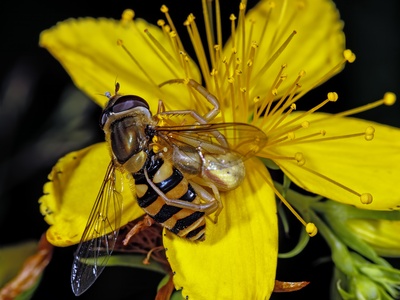
St John’s Wort
A well-known medicinal plant. It has star-shaped, bright yellow flowers with five petals and a prominent tuft of bushy stamens. The petals often have tiny black dots along their edges.