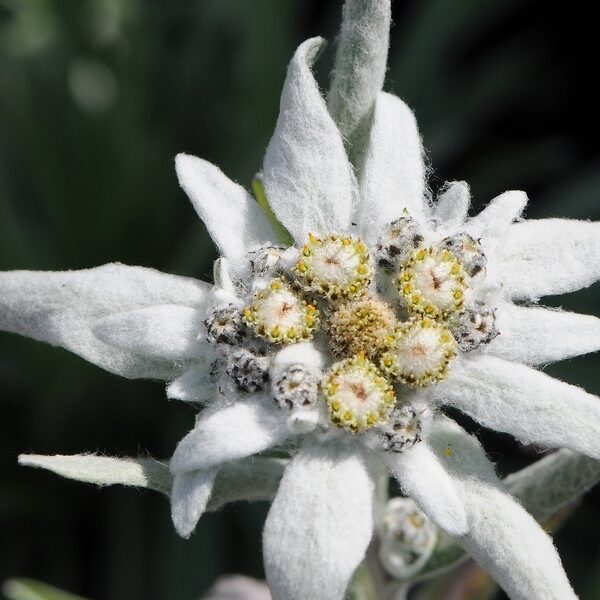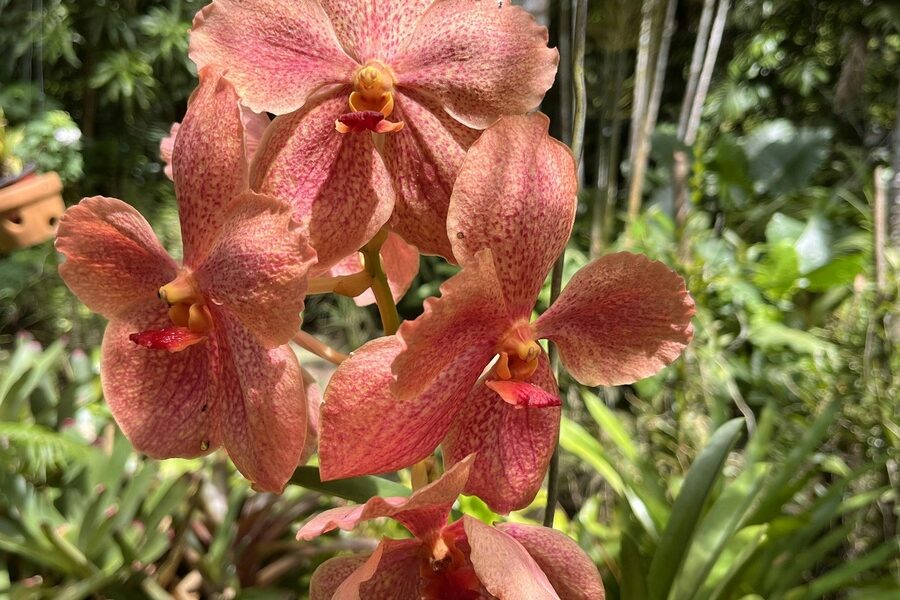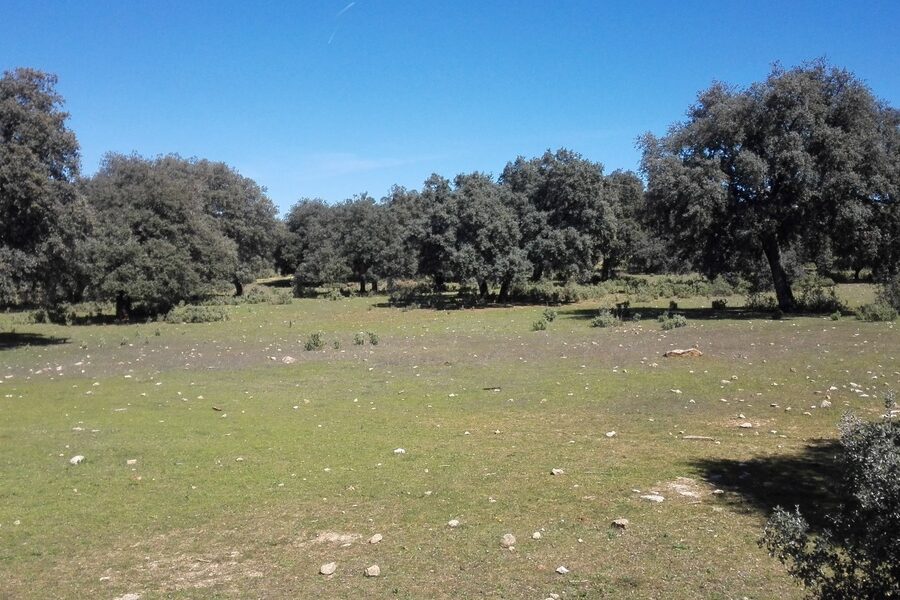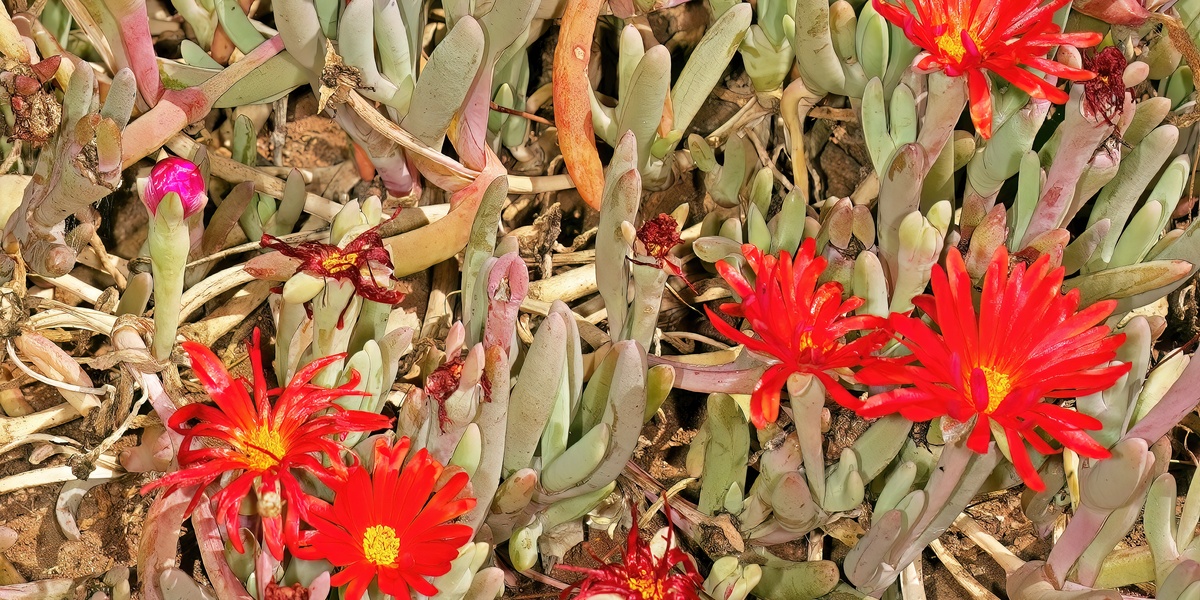
Namibia’s light and landscape shape a unique floral calendar: sudden rains can carpet gravel plains, fog sustains coastal blooms, and river corridors support taller trees. These contrasting environments mean a single trip can reveal very different flowers and flowering times.
There are 27 Flowers of Namibia, ranging from African grass lily to Zambezi teak. For each, you’ll find below Scientific name,Bloom months,Primary habitat/region so you can quickly see when and where each species typically appears and plan visits or fieldwork accordingly.
When is the best time to see wildflowers in Namibia?
The peak season follows good rains, most often late winter to early spring (roughly August–October) for inland and desert blooms; coastal displays influenced by fog or winter rains can vary. Timing is local and rain-dependent, so check recent precipitation reports or local guides for up-to-date viewing windows.
Where in Namibia are these species most likely to be found?
The list spans habitats — Namib coastal areas and dunes, central gravel plains, savannas and pans around Etosha, and riverine zones in the Zambezi region — so look to habitat notes in the table below to target species (and consider park guides or regional floras for precise locations).
Flowers of Namibia
| Common name | Scientific name | Bloom months | Primary habitat/region |
|---|---|---|---|
| Quiver tree | Aloidendron dichotomum | Jul–Sep | Rocky slopes, Namib Desert and southern Namibia |
| Living stone | Lithops karasmontana | Aug–Oct | Gravel plains & rocky outcrops, southern Namibia |
| Hoodia | Hoodia gordonii | May–Aug | Gravel plains and rocky deserts, central–northern Namibia |
| Camelthorn | Vachellia erioloba | Aug–Nov | Kalahari, savanna and dry riverbeds |
| Umbrella thorn | Vachellia tortilis | Aug–Nov | Widespread savanna and Kalahari regions |
| Baobab | Adansonia digitata | Nov–Jan | Riverbanks and dry woodlands in northern Namibia |
| Sausage tree | Kigelia africana | Sep–Nov | Riverine forests and Caprivi/Zambezi region |
| Leadwood | Combretum imberbe | Aug–Nov | Northern dry woodlands and savanna |
| Gifboom | Euphorbia virosa | Aug–Oct | Coastal gravel plains and rocky deserts |
| Candelabra euphorbia | Euphorbia ingens | Sep–Nov | Northern rocky woodlands and open savanna |
| Mickey-mouse bush | Ochna pulchra | Aug–Sep | Rocky outcrops and dry woodlands, central–northern Namibia |
| Velvet raisin | Grewia flava | Aug–Nov | Kalahari scrub and open savanna |
| Namaqua daisy | Dimorphotheca sinuata | Aug–Oct | Sandy flats and Namaqualand, southern Namibia |
| Gazania | Gazania krebsiana | Aug–Oct | Open flats and disturbed ground, southern Namibia |
| Carrion flower | Stapelia gigantea | Jul–Sep | Rocky arid scrub and succulent veld, western Namibia |
| Zambezi teak | Baikiaea plurijuga | Sep–Nov | Kavango and Zambezi woodlands |
| Silver cluster-leaf | Terminalia sericea | Aug–Oct | Savanna and dry woodlands across Namibia |
| Desert date | Balanites aegyptiaca | Sep–Nov | Riverbanks and northern dry woodlands |
| Wild dagga | Leonotis leonurus | Sep–Nov | Riverine and rocky places, scattered across Namibia |
| Desert lily | Pancratium sickenbergeri | Dec–Feb | Coastal dunes and pans after rains |
| Desert rose | Adenium boehmianum | Aug–Oct | Rocky slopes and open dry woodland, north-central Namibia |
| Kanna | Sceletium tortuosum | Aug–Oct | Rocky, arid flats and Namaqualand fringe |
| Wild pomegranate | Carissa bispinosa | Sep–Nov | Riverine thickets and dry woodland margins, northern Namibia |
| African grass lily | Ledebouria grandifolia? (use Ledebouria spp.) | Aug–Oct | Rocky outcrops and shaded crevices, northern Namibia |
| Wild cotton | Gossypium herbaceum | Oct–Dec | Dry riverbeds and scrub in northern Namibia |
| Sour fig | Carpobrotus acinaciformis? (use Carpobrotus spp.) | Aug–Oct | Coastal dunes and rocky shorelines, Namibia coast |
| Bushman’s poison (gifboom relative) | Euphorbia gregaria? (Euphorbia spp.) | Aug–Oct | Gravel plains and succulent veld, western Namibia |
Images and Descriptions
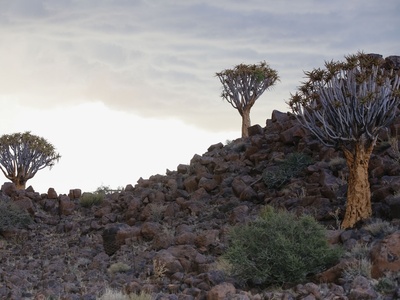
Quiver tree
Quiver trees form tall, forked branches topped with clusters of bright yellow winter flowers. They create dramatic winter silhouettes on rocky ridges and attract nectar-feeding birds; a signature species of the Namib and Richtersveld borderlands popular with photographers.
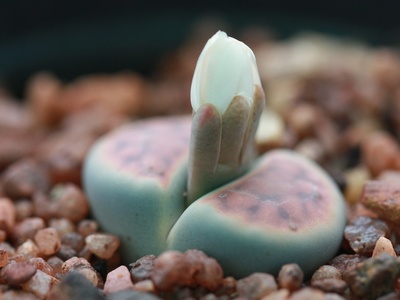
Living stone
Living stones are tiny, pebble-mimicking succulents that open single daisy-like flowers in late winter and spring. Best searched for after rains on gravel flats, their white or yellow blooms open in daylight and add surprise to an otherwise barren landscape.
Hoodia
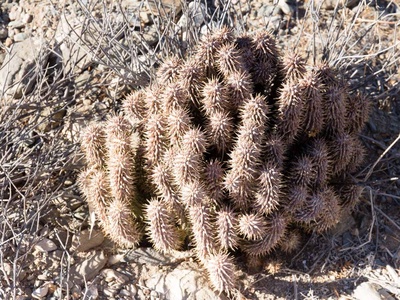
Hoodia is a stem-succulent with stout, tubular, brownish-pink flowers that emit a strong odor to attract flies. It blooms mainly in winter, growing on arid gravel and rocky ground and is well known for traditional San uses.
Camelthorn
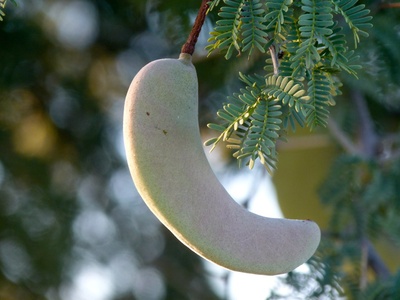
Camelthorn is an iconic desert tree with dense clusters of small yellow ball-shaped flowers in late winter and spring. It dominates Kalahari landscapes, provides shade and nesting sites, and its deep roots stabilise dunes and riverbanks.
Umbrella thorn
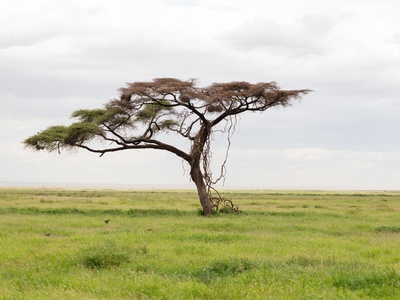
The umbrella thorn is a flat-topped acacia-like tree with feathery pinnate leaves and cream-yellow flower globes. It blooms in late winter to spring, forming familiar savanna silhouettes across Etosha, Damaraland and the central highlands.
Baobab
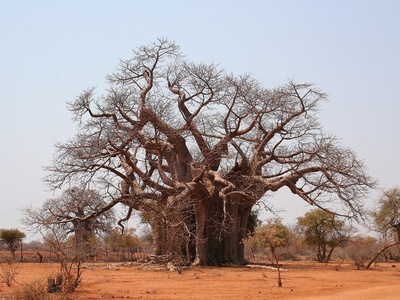
Baobabs are massive trees with huge white, nocturnal flowers that open at night and are pollinated by bats and moths. Found along northern dry riverbeds, they fruit heavily and are cultural and ecological keystones in the north.
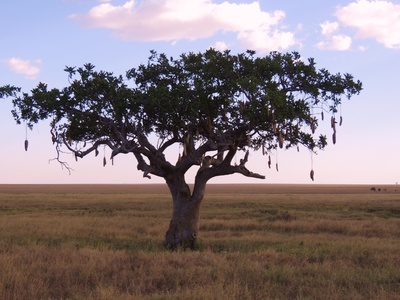
Sausage tree
The sausage tree produces showy reddish tubular flowers arranged on long stalks that attract bats and sunbirds at night. It grows along rivers in the Zambezi/Kavango area and develops distinctive large sausage-like fruit.

Leadwood
Leadwood is a slow-growing woodland tree with small, fragrant cream flowers in spring. It frequents northern and central dry woodlands, is valued for its impossibly dense timber, and supports numerous insects and birds when in bloom.
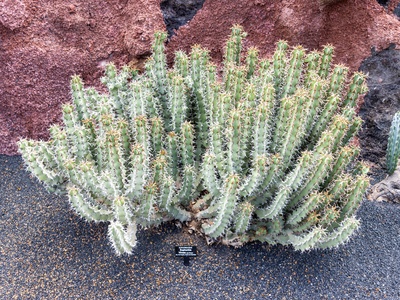
Gifboom
Euphorbia virosa is a compact, toxic succulent often called the “poison tree.” It bears small, subtle cyathia (flower-like structures) and is common on arid gravel flats and rocky outcrops; handle with care due to caustic sap.
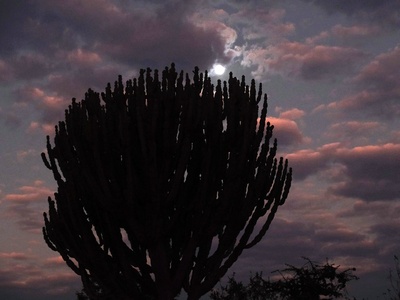
Candelabra euphorbia
Euphorbia ingens forms tall, candelabra-shaped stems and produces clusters of small yellowish cyathia in spring. Its dramatic silhouette is a feature of northern Namibia’s woodlands and ridgelines, offering striking images at sunrise and sunset.
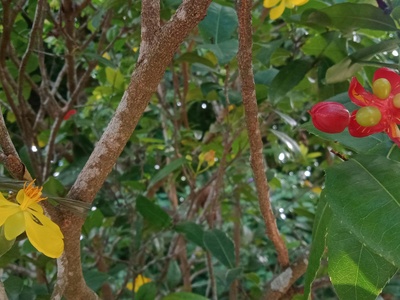
Mickey-mouse bush
Ochna pulchra bears bright yellow flowers in late winter that later reveal red sepals and black seed pods, giving a ‘mickey-mouse’ look. It favours rocky slopes and is a showy, short-lived spectacle after favourable rains.
Velvet raisin
Grewia flava is a shrub with fuzzy leaves and clusters of yellow flowers in late winter and spring, followed by raisin-like edible fruits. Common in Kalahari scrub, it provides food for birds and mammals during the dry season.
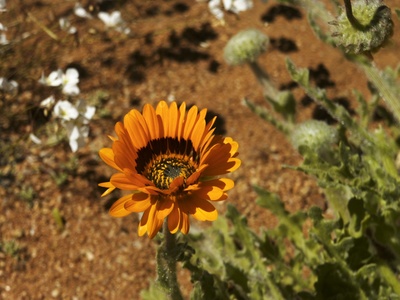
Namaqua daisy
This annual daisy bursts into color after winter rains, carpeting plains with orange, white or purple blooms. Short-lived but spectacular, Namaqua daisies are a highlight of spring wildflower displays in southern Namibia and Namaqualand.
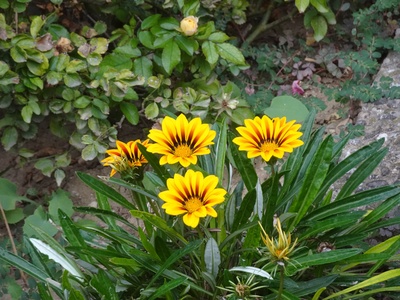
Gazania
Gazania is a low-growing daisy with bold, often striped petals that open in sun. It thrives on open flats and roadsides during spring, forming vivid swathes of colour prized by photographers and travellers after good rains.
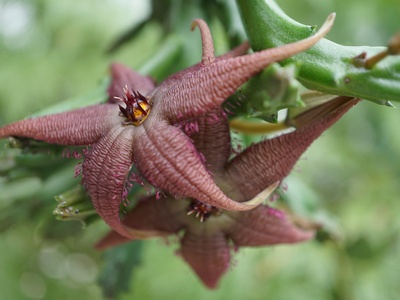
Carrion flower
Stapelia produces large, star-shaped, marbled flowers with a strong carrion scent that attract pollinating flies. Growing as a stem succulent among rocks and dry scrub, its bizarre blooms are unmistakable for those exploring succulent-rich regions.
Zambezi teak
Baikiaea creates dense dry forest stands in the northeast and flowers in late spring with small, inconspicuous blossoms. Known for valuable timber and important wildlife habitat, its spring flowering heralds seed production and seasonal activity in the canopy.
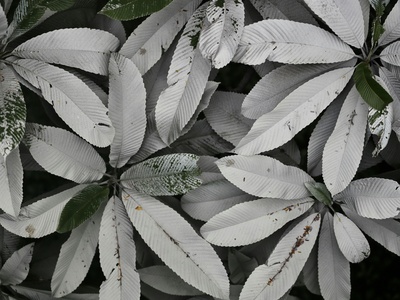
Silver cluster-leaf
Terminalia sericea is a common woodland tree with clusters of small, fragrant, cream-pink flowers in late winter to spring. Its silvery foliage and seasonal flowers brighten woodlands and support pollinating insects when in bloom.
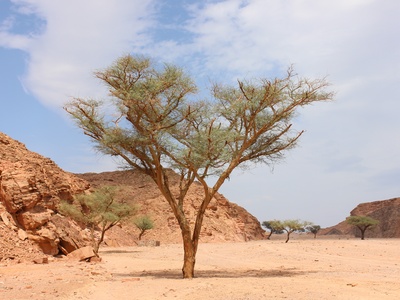
Desert date
Desert date is a thorny tree producing small, fragrant yellow-cream flowers in spring and olive-like edible fruit later. It occupies riverine and dry woodland zones in the north, offering important food and shade for wildlife.
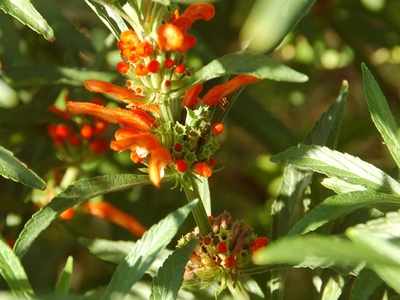
Wild dagga
Wild dagga has tall spikes of bright orange tubular flowers that attract sunbirds and insects. Often found along rivers and rocky outcrops, it blooms in spring and is noted for its vivid color and architectural flower spikes.
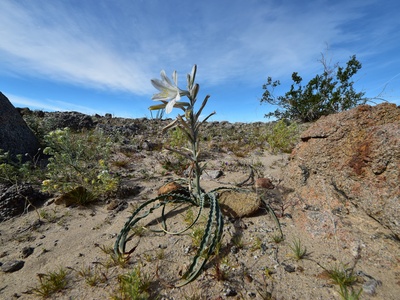
Desert lily
The desert lily bursts into large, fragrant white flowers after summer rains, often on sandy coastal flats and salt pans. Its dramatic blooms and timing with rare rains make it an exciting sight for coastal wildflower seekers.
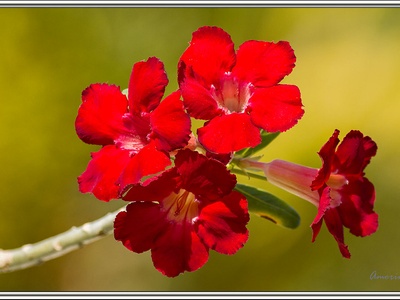
Desert rose
Adenium boehmianum is a small, swollen-stem shrub with showy pink to red trumpet flowers in late winter and spring. Found on rocky hills and dry woodlands, it stands out for its sculptural stems and striking blooms.
Kanna
Sceletium is a low succulent groundcover with small but showy pink to purple flowers in late winter. Native to Namaqualand and adjacent Namibian regions, its clustered blooms carpet rockier ground after winter rains.
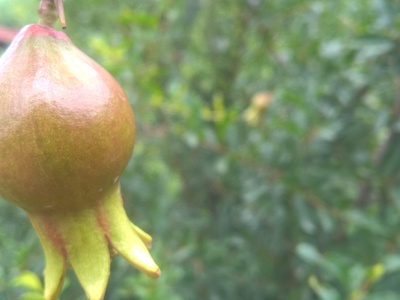
Wild pomegranate
Carissa produces fragrant, starry white flowers that later form edible red fruits. Found in riverine thickets and woodland edges in the north, its glossy leaves and scented blossoms make it easy to spot in bloom.
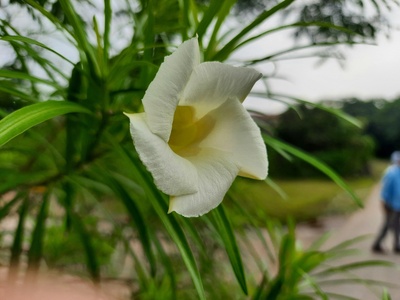
African grass lily
(Note: Ledebouria spp. are bulbous plants producing bell-shaped flowers in late winter–spring. They favour shaded, rocky microhabitats and offer delicate blooms for those exploring shaded rock faces and woodland margins.)
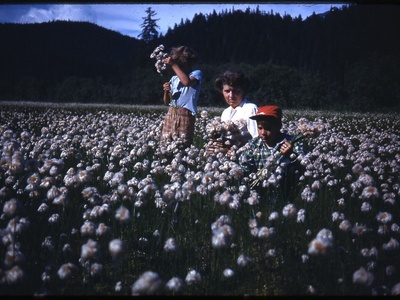
Wild cotton
Wild cotton bears showy, hibiscus-like flowers that open in the warmer months, leading to the familiar cotton capsules. Scattered along dry riverbeds and scrubby areas, it provides seasonal interest and is related to cultivated cotton species.
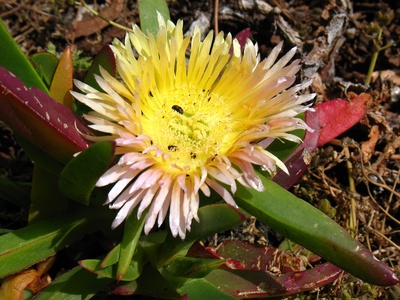
Sour fig
Carpobrotus species are succulent groundcovers with large, daisy-like flowers in spring. Along the coast they stabilize dunes and offer bright pink to yellow blooms after rains, often seen near lichen-covered rocks and strandline vegetation.
Bushman’s poison (gifboom relative)
Various Euphorbia species common in western Namibia produce small cyathia and sculptural forms; many flower in late winter to spring. Their milky sap is toxic, and their dramatic shapes and seasonal blooms are typical of succulent-rich habitats.