Haiti’s rugged mountains, coastal lagoons, and coral-fringed shores support a surprising variety of wildlife, shaped by island isolation and diverse habitats. A quick look at these species helps both travelers and conservation-minded readers appreciate the island’s ecological richness.
There are 12 Haiti’s native animals, ranging from Green sea turtle to Rhinoceros iguana. For each species you’ll find below the Scientific name, Range & habitat, and IUCN status so you can see where they live and how threatened they are — you’ll find below.
Are these animals endemic to Haiti or found elsewhere?
Some species are endemic to Hispaniola (the island shared by Haiti and the Dominican Republic) while others have broader Caribbean or coastal ranges; for example, the Green sea turtle is widespread across tropical waters, whereas several reptiles and amphibians are restricted to specific mountain or coastal zones — check the Range & habitat column for details.
How current is the IUCN status listed and where does the data come from?
The IUCN status reflects the most recent Red List assessments available at publication; sources include IUCN entries and regional surveys, but statuses can change, so consult the IUCN Red List or local conservation reports for the latest updates.
Haiti’s Native Animals
| Name | Scientific name | Range & habitat | IUCN status |
|---|---|---|---|
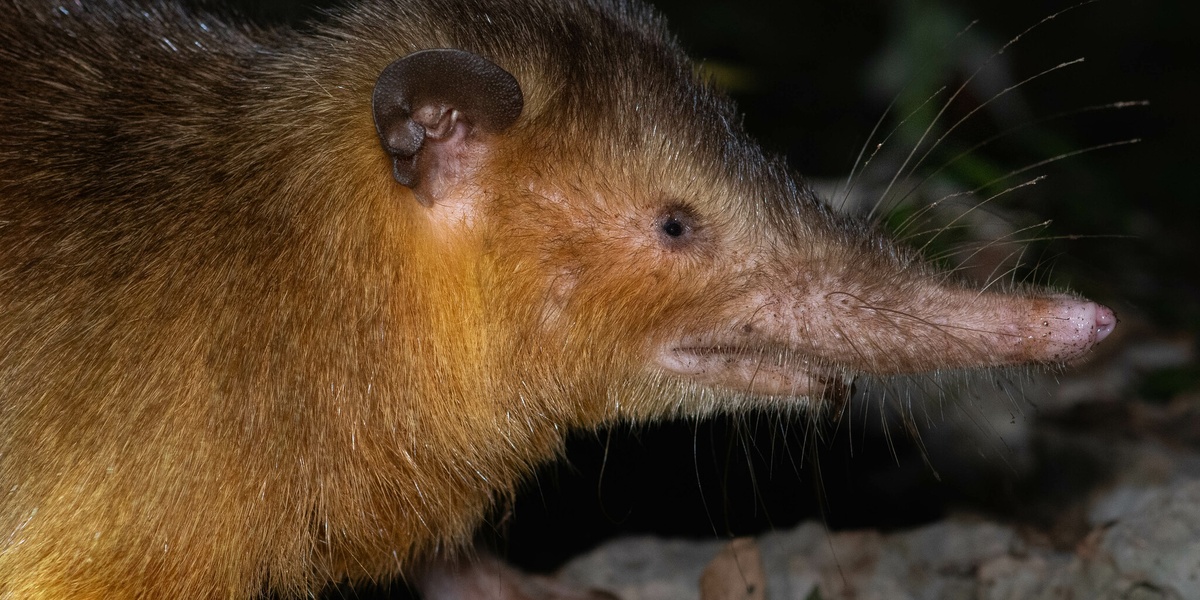
| Hispaniolan solenodon | Solenodon paradoxus | Massif de la Hotte, Massif de la Selle; montane and lowland forest leaf litter | Endangered |
| Hispaniolan hutia | Plagiodontia aedium | Coastal forests, rocky scrub, small islands (Île-à-Vache); southern and western Haiti | Endangered |
| Rhinoceros iguana | Cyclura cornuta | Southwest Haiti, coastal dry forest and limestone karst | Vulnerable |
| Palmchat | Dulus dominicus | Widespread across Haiti; palms, secondary forest, towns and cacao plantations | Least Concern |
| Hispaniolan trogon | Priotelus roseigaster | Highland forests: Massif de la Hotte, Massif de la Selle and other mountains | Near Threatened |
| Hispaniolan woodpecker | Melanerpes striatus | Widespread Haiti; dry to humid forests, plantations and towns | Least Concern |
| Hispaniolan parrot | Amazona ventralis | Fragmented mountain forests and foothills across Haiti | Vulnerable |
| Hawksbill sea turtle | Eretmochelys imbricata | Coral reefs and nesting beaches around Haiti’s coasts | Critically Endangered |
| Green sea turtle | Chelonia mydas | Shallow bays, seagrass beds and nesting beaches around Haiti | Endangered |
| Leatherback sea turtle | Dermochelys coriacea | Offshore waters and occasional nesting beaches along Haiti | Vulnerable |
| Jamaican fruit bat | Artibeus jamaicensis | Widespread in lowland and foothill forests, caves and plantations | Least Concern |
| Hispaniolan common anole | Anolis cybotes | Widespread across Haiti; forests, gardens, rocky areas and towns | Least Concern |
Images and Descriptions
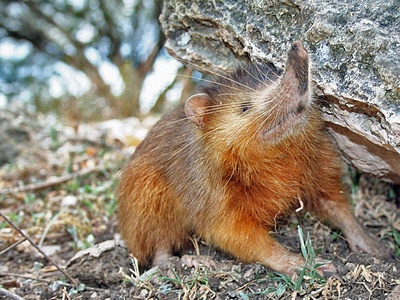
Hispaniolan solenodon
A nocturnal, shrew-like mammal with a long flexible snout and venomous saliva. About 30–40 cm body length, secretive and primitive, surviving in forest remnants — a high-profile survivor of Hispaniola’s unique mammal fauna.
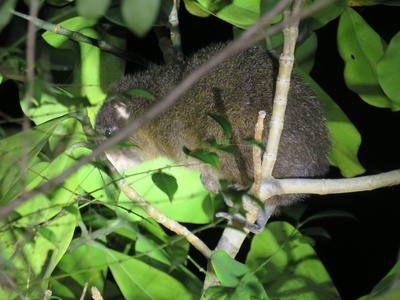
Hispaniolan hutia
A chunky, nocturnal rodent-like mammal with coarse fur and short tail. Browses leaves and fruit in rock shelters and palm woodland; rare and declining from hunting and habitat loss, one of Hispaniola’s endemic herbivores.
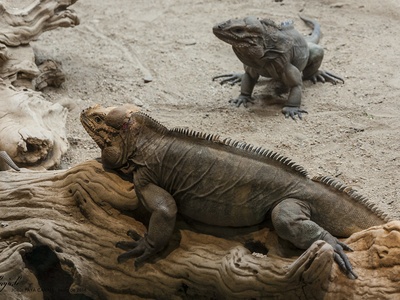
Rhinoceros iguana
A large, stout lizard with bony nasal “horns,” heavy crest and rugged body; adults reach over 1 m. Herbivorous and territorial, found on dry limestone slopes and key for seed dispersal in Haiti’s coastal dry forests.
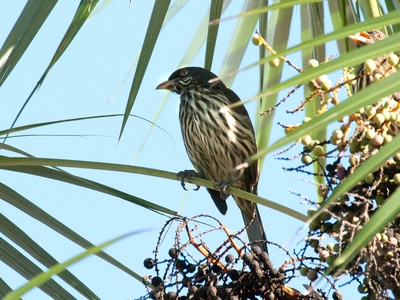
Palmchat
A social, olive-brown bird endemic to Hispaniola that nests communally in palms. About 16–18 cm, distinctive chatter and messy hanging nests; common in towns and a cultural symbol that thrives with human-planted palms.
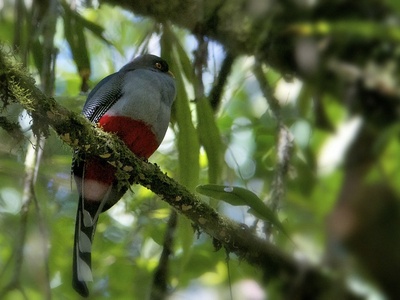
Hispaniolan trogon
A colorful forest bird with green back, red belly and a white-tipped tail. Prefers mature mountain forest canopy, slow-moving and often heard before seen; sensitive to habitat loss and a sought-after species for birders.
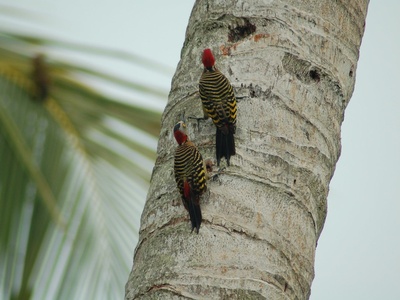
Hispaniolan woodpecker
A medium-sized woodpecker with black-and-white barred back and variable head patterns. Versatile cavity nester in trees and rock walls, frequently seen in villages and agricultural areas across the island.
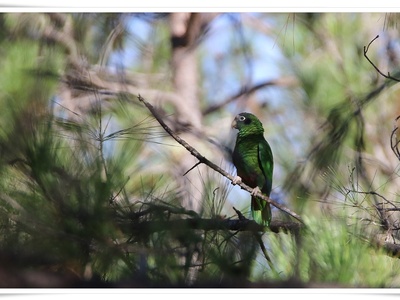
Hispaniolan parrot
A stocky green parrot with blue edging to the head and red underwing patches. Intelligent and noisy, threatened by habitat loss and trapping for pet trade; one of Hispaniola’s charismatic endemic parrots.
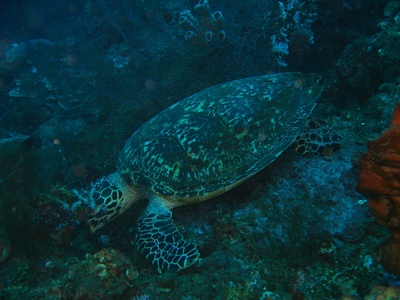
Hawksbill sea turtle
A smallish sea turtle with overlapping scutes and a tapered beak adapted for sponges. Nests on sandy beaches and forages on coral reefs; critically endangered from egg harvesting, bycatch and reef degradation.
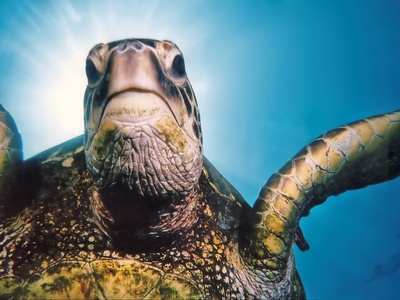
Green sea turtle
A large, smooth-shelled marine turtle that grazes seagrass and algae. Adults 80–120 cm carapace, return to sandy beaches to nest; important coastal herbivore and threatened by hunting and coastal development.
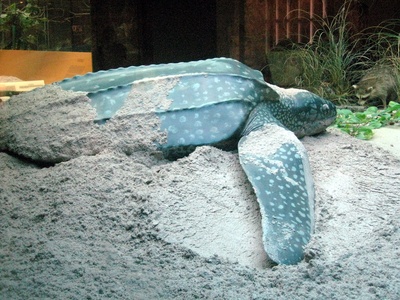
Leatherback sea turtle
The world’s largest turtle with a flexible, leathery carapace reaching over 1.5 m. Long-distance jellyfish predator; rare nesting in Haiti but uses nearby waters for feeding and migration.
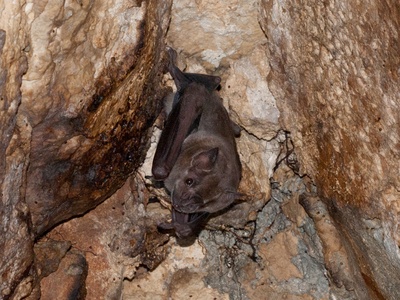
Jamaican fruit bat
A medium fruit-eating bat with a broad noseleaf and robust body, roosting in caves and trees. Important seed disperser for native plants and common in disturbed and natural habitats.
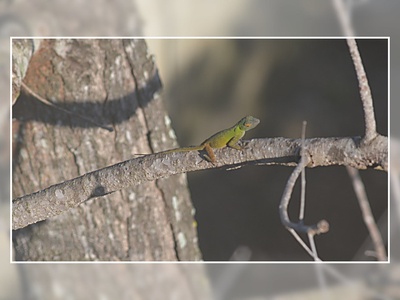
Hispaniolan common anole
A medium-large anole with variable coloration, often brown or green with a dark dewlap in males. Active on trunks and rocks, adaptable and frequently seen by day across varied habitats.