Top 10 herbivorous giants
A 1905 excavation in Patagonia revealed the bones of a sauropod so massive scientists at the time nicknamed it a ‘titantic’ mystery — a hint at the enormous herbivores that have shaped Earth for millions of years. The term herbivorous giants here means large-bodied plant-eaters, both extinct and living, whose size and behaviors have left outsized marks on vegetation, soils and climate.
Studying these animals matters because they act as ecosystem engineers, move nutrients across landscapes, and even influence cultural traditions and economies. From sauropods reaching 30–40 meters to modern elephants numbering roughly 415,000, the story of large herbivores spans deep time to present-day conservation. Below are ten notable giants organized into four themes — prehistoric titans, modern megaherbivores, aquatic & island specialists, and the ecosystem and human benefits they provide.
Prehistoric Titans

Extinct giant herbivores shaped ancient plant communities, altered fire regimes and redistributed carbon for millions of years. Fossils give us windows into growth, biomechanics and how mass and metabolism scale with size; they also link extinction events to ecosystem change across the Pleistocene and Mesozoic.
1. Sauropods: Insights into Gigantism
Studying sauropods helps scientists understand how vertebrates achieve extreme size. Some sauropods reached lengths of ~30–40 meters and likely weighed tens of tonnes, with well-known examples like Argentinosaurus and Patagotitan uncovered in Argentina.
Fossil bone histology — growth-ring and microstructure studies — shows rapid juvenile growth rates and trajectories that allowed these animals to attain colossal size during the Late Cretaceous (~100–66 million years ago). Those data inform biomechanics, scaling laws in physiology and even robotic designs that borrow load-bearing principles.
By browsing and trampling, sauropods would have altered paleovegetation patterns and regional carbon cycling, so paleobotanical and isotope studies use sauropod presence to reconstruct ancient ecosystems and climate interactions.
2. Woolly Mammoths: Ecosystem Engineering on a Pleistocene Scale
Woolly mammoths shaped tundra ecosystems by grazing and knocking over trees, which helped maintain grasslands and affected permafrost dynamics. Their range contractions and eventual extinctions changed vegetation composition across the Northern Hemisphere.
Remnant populations persisted on Wrangel Island until about 4,000 years ago, long after mainland declines during the late Pleistocene. Genomic studies reveal bottlenecks and reduced diversity that preceded final extinctions, offering lessons about small-population risks.
Those lessons feed real-world ideas such as the Pleistocene Park concept in Siberia, which tests whether reintroducing large grazers can restore grasslands, reduce shrub encroachment and influence permafrost carbon release.
Modern Megaherbivores: Living Engineers
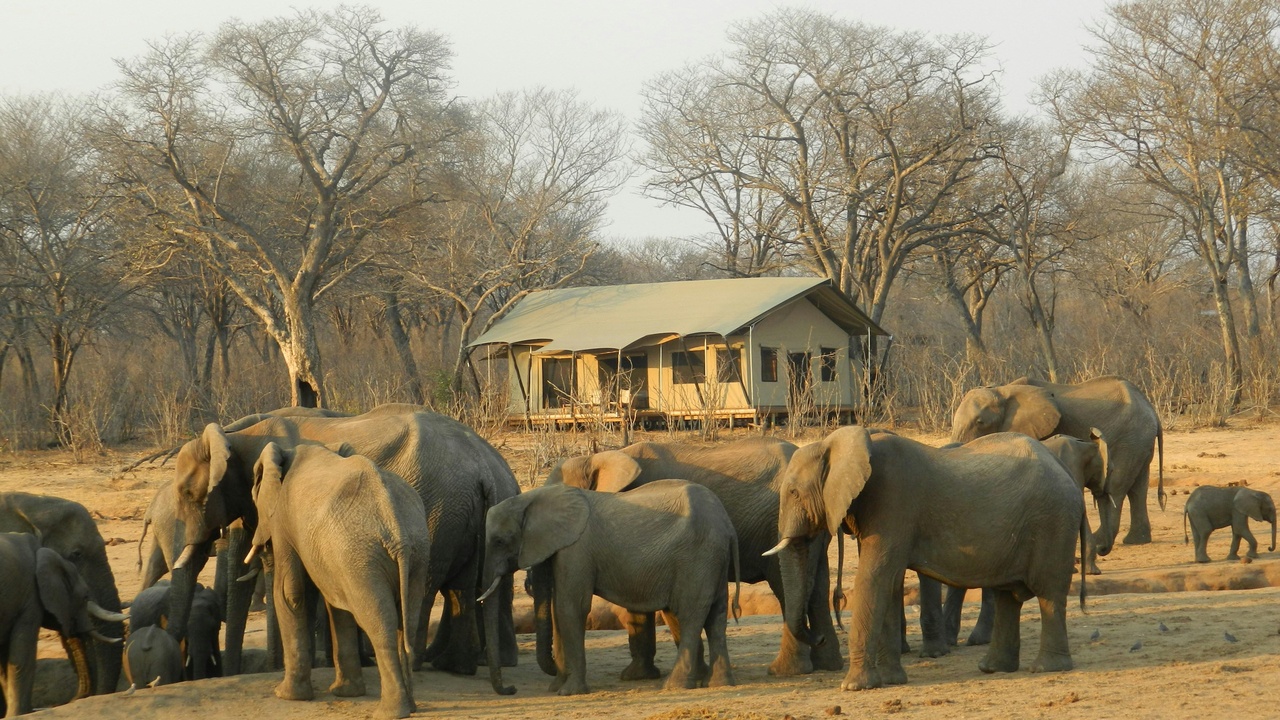
Today’s large herbivores actively shape habitats through browsing, grazing and trampling. They disperse seeds, open or maintain habitat mosaics and support biodiversity, but many face steep conservation challenges from poaching, habitat loss and fragmentation.
3. African Elephants: Landscape Architects
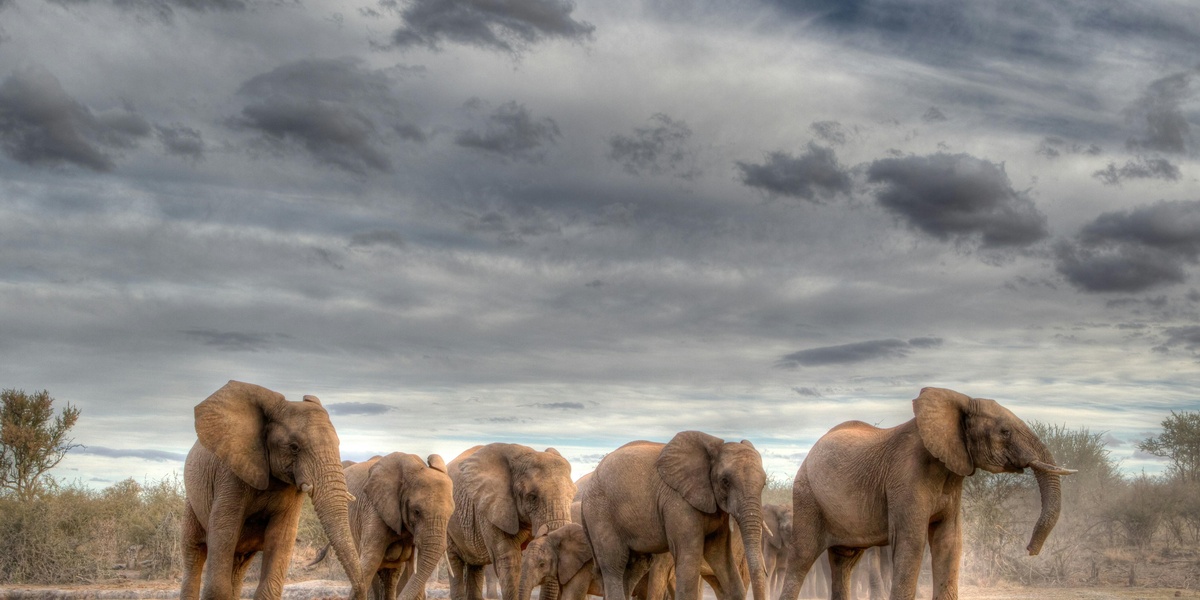
Elephants create and maintain savanna–forest mosaics by feeding on trees, uprooting saplings and dispersing large seeds that smaller animals can’t move. This creates habitat heterogeneity important for many species.
Modern estimates put African elephant numbers at roughly 415,000 individuals across the continent. Long-term studies in places like Chobe National Park and the Serengeti document how elephant browsing alters tree density, affects carbon storage and changes fire regimes.
Those effects have real-world consequences for carbon budgets, tourism economies and local livelihoods. Yet elephants face threats from poaching and habitat loss, so their population trends directly shape savanna ecosystem outcomes.
4. Rhinoceroses: Grazers That Maintain Grasslands
Large rhinos control grass structure and maintain open habitats that benefit grazing guilds and ground‑nesting birds. Their heavy grazing and selective foraging keep grass swards productive and prevent woody encroachment.
The southern white rhino recovered to about 18,000 individuals through 20th‑century conservation, while other species like the black rhino suffered declines of around 90% in some regions due to poaching. South African reserves demonstrate both conservation successes and ongoing threats.
Protecting rhinos is important not only for species survival but for maintaining grassland biodiversity and the ecotourism revenues that support local communities.
5. Giraffes: Browsers That Shape Trees
Giraffes alter tree architecture through selective browsing at heights few other herbivores reach, pruning branches and influencing acacia growth forms and canopy structure.
Field studies in East African reserves show giraffe browsing concentrates on specific tree species and height bands, creating vertical habitat structure that benefits bird communities and shade-dependent plants. Viewing giraffes also has high tourism value in Kenya and Tanzania.
Because giraffe populations vary by region and subspecies, their local ecological roles and conservation priorities differ, making targeted, place-based management essential.
Aquatic & Island Giants: Niche Specialists
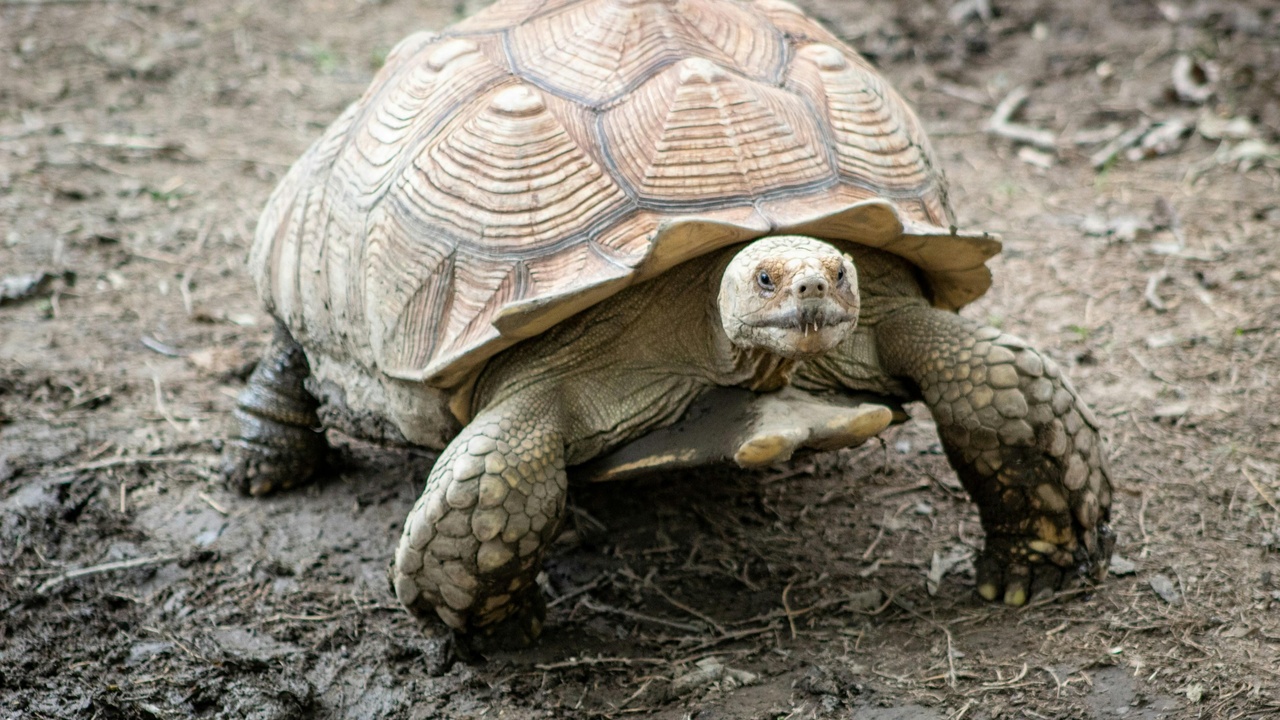
Island and marine giants occupy specialized niches yet produce outsized effects: tortoises distribute seeds across islands for centuries, while manatees and dugongs manage seagrass meadows that act as important carbon sinks. Restricted ranges and long lifespans make these species especially vulnerable.
6. Giant Tortoises: Island Seed Dispersers
Giant tortoises disperse seeds and influence island vegetation composition, helping maintain open woodlands and enabling plant colonization across fragmented island landscapes.
Species like the Aldabra giant tortoise and Galápagos tortoises can live over 100 years and move seeds many kilometers over decades. Captive-breeding and reintroduction programs have restored tortoise-mediated interactions on islands, aiding the recovery of native plants and habitat structure.
Rewilding with tortoises has proved useful for restoring lost ecological functions where original fauna declined or vanished.
7. Manatees & Dugongs: Seagrass Gardeners
Marine herbivores like the West Indian manatee and dugongs maintain healthy seagrass meadows by grazing, removing senescent material and stimulating productivity — actions that support coastal fisheries and sequester blue carbon.
Seagrass beds can store substantial carbon per unit area compared with many terrestrial systems. In Florida, seasonal patterns of manatee foraging shape seagrass distribution, while dugongs in the Indo‑Pacific help maintain meadow diversity. Threats such as boat strikes and habitat degradation put these system services at risk.
Protecting and restoring seagrass and reducing human impacts on marine herbivores yields benefits for shoreline protection, nursery habitats and carbon accounting.
Ecosystem Services & Human Benefits
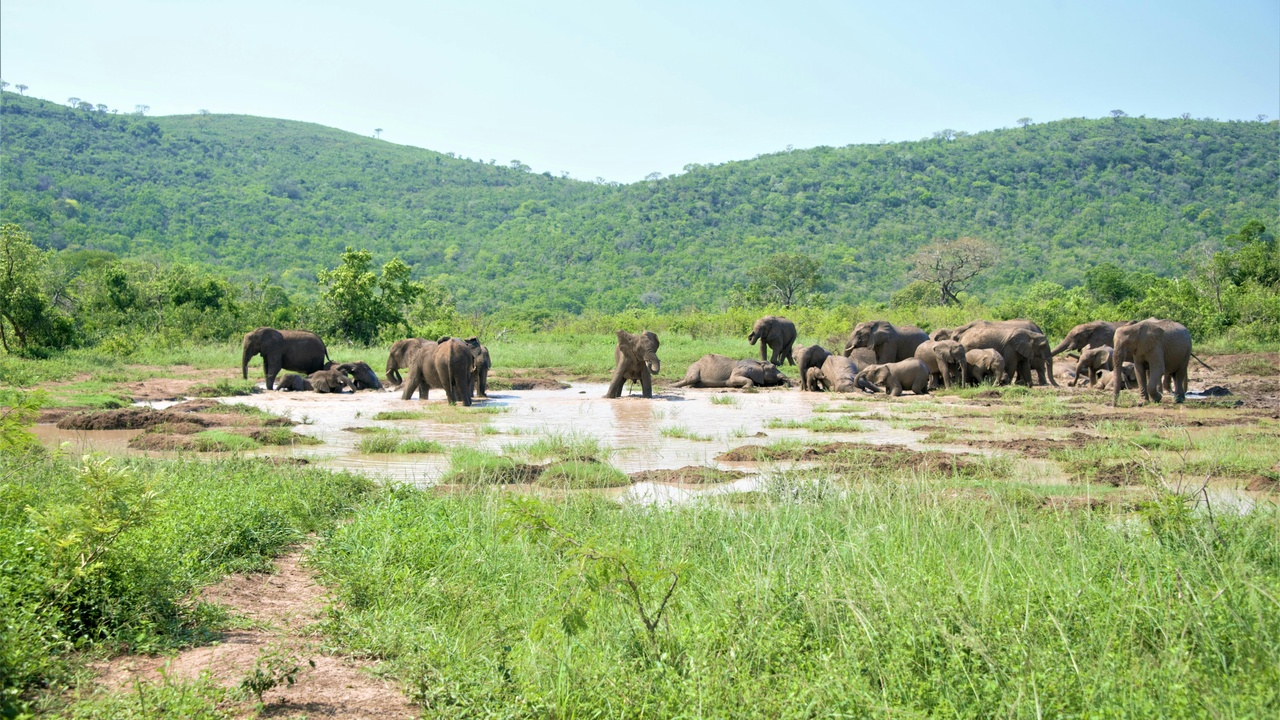
Beyond natural-history fascination, large herbivores deliver measurable services: they redistribute nutrients, underpin ecotourism and cultural identity, and offer pathways for restoration and climate mitigation when managed carefully.
8. Nutrient Cycling: Movers of Soil and Fertility
Large herbivores redistribute nutrients across landscapes through migration, dung deposition and trampling, enhancing soil fertility and plant productivity in recipient areas.
Iconic examples include the Serengeti wildebeest migration of roughly 1–1.5 million animals, which moves tons of biomass seasonally and transfers nutrients between grazing and calving grounds. In North America, bison reintroduction on prairies has shown measurable improvements in soil organic matter and plant diversity.
These processes support productive grazinglands, sustain predators and inform pasture and rangeland management that balances production with biodiversity goals.
9. Cultural and Economic Value: Tourism and Tradition
Flagship herbivores anchor tourism and cultural identity, providing direct income for communities and acting as symbols in Indigenous traditions. Safaris focused on elephants, rhinos and giraffes sustain park economies and guide conservation funding.
While figures vary by country, wildlife tourism often accounts for tens or hundreds of millions of dollars annually in regions with abundant megafauna, supporting local jobs and services. Bison and mammoth imagery also hold deep cultural meanings for many Indigenous nations, linking species conservation to cultural continuity.
Integrating community benefits into conservation ensures local buy‑in and long-term protection of species and habitats.
10. Conservation Lessons and Climate Mitigation
Protecting and restoring large herbivores offers lessons for resilience and potential climate benefits: reintroductions can recover lost ecosystem functions and alter carbon and albedo dynamics in meaningful ways.
Projects like the Pleistocene Park concept in Siberia and bison rewilding on North American prairies are testing whether megafauna-driven landscapes store more carbon or slow permafrost thaw. While results remain context-dependent, evidence supports targeted reintroductions and protected-area design as tools that pair biodiversity goals with climate strategies.
Scaling these efforts requires rigorous science, policy support and community engagement — practical steps that anyone can support through evidence‑based conservation initiatives.
Summary
- Sauropods and mammoths show how enormous herbivores have long shaped vegetation, climate proxies and extinction trajectories.
- Living megaherbivores like elephants, rhinos and giraffes actively structure habitats, aid seed dispersal and maintain biodiversity while facing conservation threats.
- Island tortoises and marine grazers (manatees, dugongs) provide critical, niche services—seed dispersal and seagrass maintenance—that support carbon storage and fisheries.
- Migratory herds and reintroductions move nutrients, restore ecological functions and offer economic and cultural benefits worth conserving.
- Evidence-based rewilding and protected-area strategies can recover lost functions and contribute to climate resilience when paired with local engagement.
Support science-driven conservation, visit and fund reputable protected areas, and back community-led initiatives that restore and protect these remarkable plant-eating giants.