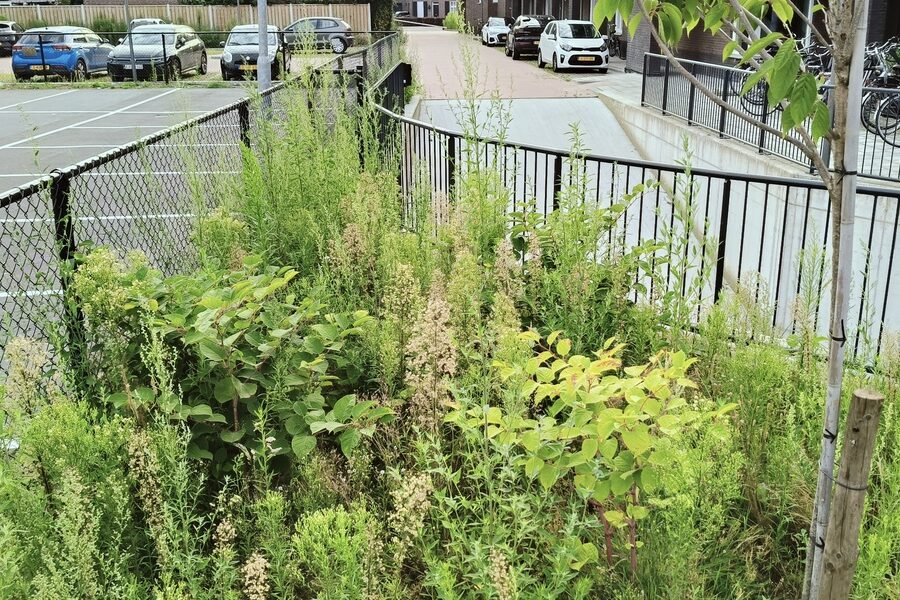
Milwaukee’s shoreline, rivers and urban wetlands are places where nature and city life meet — and where non-native plants and animals can quickly change how those places work. From anglers and boaters to park users and city planners, lots of people notice the visible effects: tangled plants, clogged intake pipes, shifts in fish populations.
There are 33 Invasive Species in Milwaukee, ranging from Alewife to Zebra mussel. For each entry you’ll find below the columns Scientific name,Status,Habitat (Milwaukee), so you can scan what the species is, how it’s classified, and where it’s been recorded — you’ll find below clear, organized details to help understand the scope.
How do these invasive species affect Milwaukee’s waterways and shoreline?
Many species change food webs, outcompete native plants and animals, and alter habitat structure — for example, dense aquatic plants can reduce oxygen for fish while zebra mussels filter plankton and shift water clarity. They can also damage infrastructure (intake screens, boat engines) and increase management costs, so impacts range from ecological to economic.
What practical steps can residents take to reduce spread of species like Alewife and zebra mussel?
Clean and drain boats and gear, never release bait or aquarium organisms, report odd sightings to local authorities, and follow posted decontamination guidance at boat launches; small, consistent actions by many residents greatly reduce new introductions and slow spread.
Invasive Species in Milwaukee
| Common name | Scientific name | Status | Habitat (Milwaukee) |
|---|---|---|---|
| Common reed | Phragmites australis | Established, aggressive | Shoreline, wetlands, ditches, park edges |
| Purple loosestrife | Lythrum salicaria | Established | Marshes, wet ditches, shoreline, park wetlands |
| Garlic mustard | Alliaria petiolata | Established | Woodlands, trails, yards, shaded parks |
| Japanese knotweed | Fallopia japonica | Established, persistent | Riparian corridors, creek banks, vacant lots, yards |
| Common buckthorn | Rhamnus cathartica | Established | Urban woods, yards, hedgerows, edges |
| Glossy buckthorn | Frangula alnus | Spreading | Wet woods, shoreline edges, parks |
| Norway maple | Acer platanoides | Established, widespread | Street trees, yards, parks, woodlots |
| Tree-of-heaven | Ailanthus altissima | Spreading, weedy | Vacant lots, roadsides, riverbanks, alleys |
| Japanese honeysuckle | Lonicera japonica | Established | Edges, yards, open woods, parks |
| Multiflora rose | Rosa multiflora | Established | Hedgerows, edges, vacant lots, park margins |
| Oriental bittersweet | Celastrus orbiculatus | Established | Woodlands, edges, parks, river corridors |
| Reed canary grass | Phalaris arundinacea | Established | Wet meadows, ditches, shoreline, marshes |
| Eurasian watermilfoil | Myriophyllum spicatum | Occasional to established in some sites | Shallow bays, marinas, nearshore waters, harbors |
| Curly-leaf pondweed | Potamogeton crispus | Occasional | Shallow bays, ponds, slow streams, nearshore |
| Zebra mussel | Dreissena polymorpha | Established, abundant | Lake Michigan shoreline, harbor, marinas, rocky substrates |
| Quagga mussel | Dreissena rostriformis bugensis | Established, abundant | Lake Michigan shoreline, deep and shallow zones, harbor |
| Round goby | Neogobius melanostomus | Established | Harbor, river mouths, rocky shorelines, nearshore |
| Common carp | Cyprinus carpio | Established, abundant | Rivers, harbors, shallow nearshore waters, ponds |
| Spiny water flea | Bythotrephes longimanus | Established | Open-water Lake Michigan, harbors, nearshore pelagic zones |
| Rusty crayfish | Faxonius rusticus | Spreading | Rivers, streams, rocky nearshore, lakeshores |
| Alewife | Alosa pseudoharengus | Established | Nearshore Lake Michigan, tributary mouths, harbor |
| Sea lamprey | Petromyzon marinus | Occasional presence | Lake Michigan shoreline, tributary mouths, harbor |
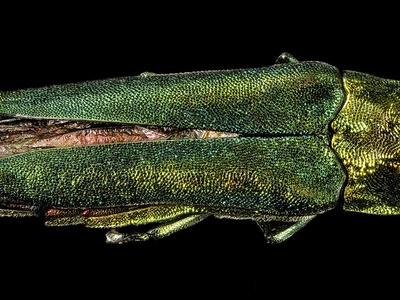
| Emerald ash borer | Agrilus planipennis | Established, widespread | Street trees, parks, woodlots, riparian zones |
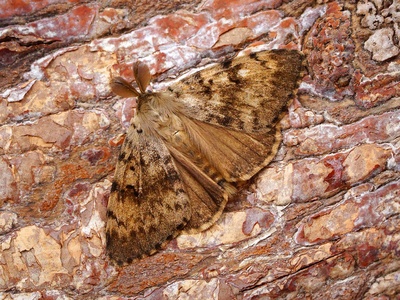
| Gypsy moth | Lymantria dispar dispar | Occasional outbreaks | Park trees, forests, urban canopy, yards |
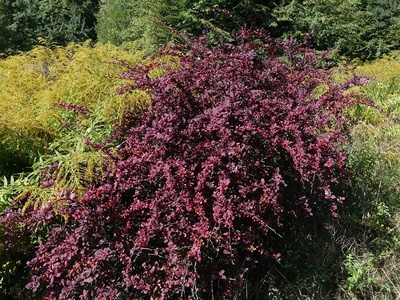
| Japanese barberry | Berberis thunbergii | Established | Yards, edges, forests, parks |
| Japanese stiltgrass | Microstegium vimineum | Spreading | Woods, trails, shaded edges, disturbed ground |
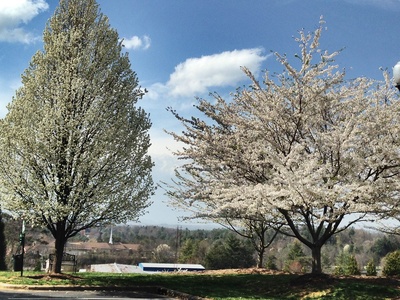
| Callery pear | Pyrus calleryana | Spreading | Street plantings, yards, parks, vacant lots |
| Rock pigeon | Columba livia | Established, abundant | Downtown, bridges, parks, rooftops, waterfront |
| House sparrow | Passer domesticus | Established, common | Urban neighborhoods, parks, buildings, yards |
| European starling | Sturnus vulgaris | Established, abundant | Downtown, parks, trees, buildings, waterfront |
| Norway rat | Rattus norvegicus | Established, abundant | Alleys, sewers, buildings, shoreline, parks |
| House mouse | Mus musculus | Established | Buildings, basements, garages, food storage, parks |
| Feral cat | Felis catus | Established, common | Urban neighborhoods, parks, alleys, waterfront |
Images and Descriptions
Common reed
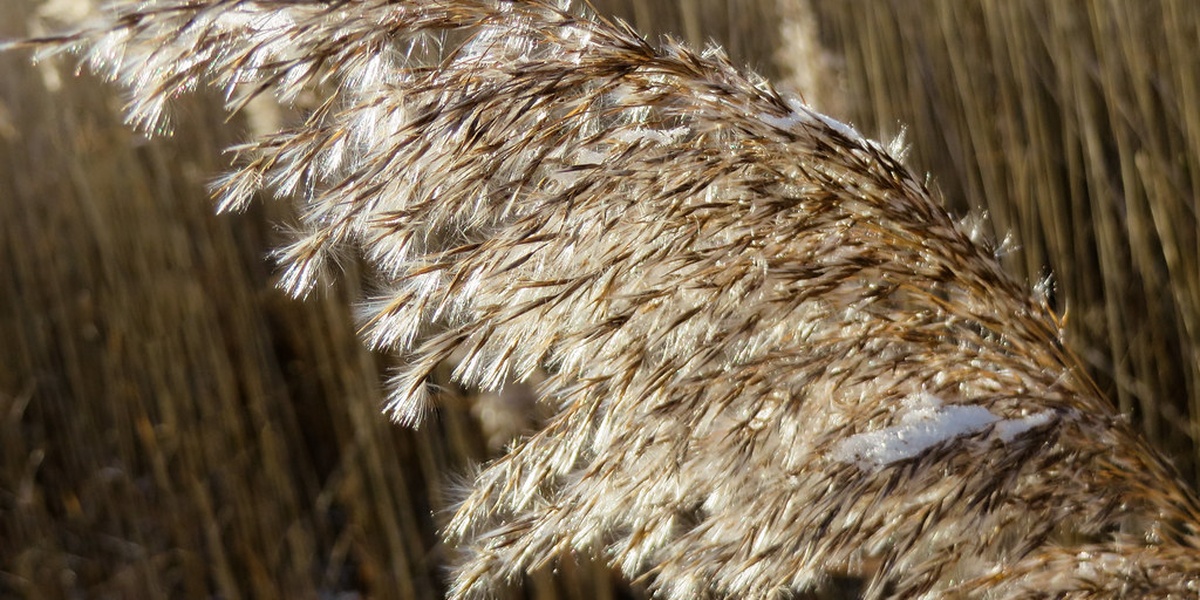
Tall, dense reed stands with feathery plumes that outcompete native marsh plants, reduce wildlife habitat, and alter hydrology; widespread along Milwaukee’s Lake Michigan shoreline and wetland margins, often targeted for removal and herbicide treatment.
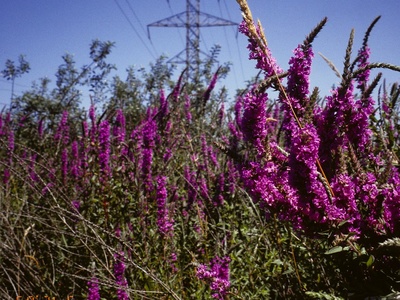
Purple loosestrife
Showy purple flower spikes crowd out native wetland plants, reducing food and shelter for birds and amphibians; commonly seen in city wetlands and shoreline pockets, easy to spot and report for removal or volunteer pulls.
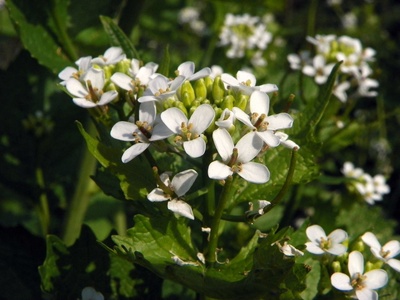
Garlic mustard
Low-growing biennial with scalloped leaves and white flowers that suppress native understory plants and mycorrhizal fungi; common along Milwaukee trails and forest fragments, hand-pull before seed set to prevent spread.

Japanese knotweed
Bamboo-like hollow canes and large heart-shaped leaves form dense thickets that erode banks and damage infrastructure; very persistent in Milwaukee’s river corridors and urban lots, requires repeated removal or herbicide control.
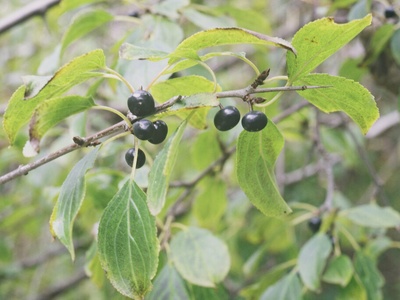
Common buckthorn
Small tree/shrub with dark fruit that spreads into understories, displacing native shrubs and altering soil chemistry; abundant in Milwaukee green spaces, seeds spread by birds—cutting and follow-up treatments advised.
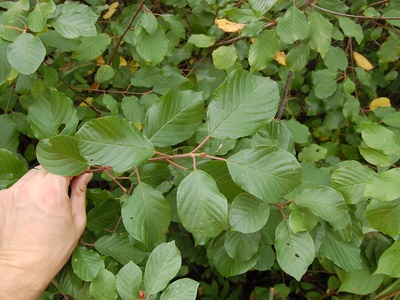
Glossy buckthorn
Evergreen-ish shrub with glossy leaves and dark berries that invade wetlands and uplands, shading natives and changing plant communities; increasingly common in Milwaukee coastal wetlands and forest patches.
Norway maple
Introduced ornamental producing dense shade and prolific seedling carpets that suppress native saplings; common in Milwaukee neighborhoods and parks, many municipalities discourage planting and encourage native replacement.
Tree-of-heaven
Fast-growing tree with compound leaves and foul-smelling flowers; sprouty and tolerant of disturbed urban sites, displaces native trees and is common on Milwaukee’s blighted lots and riparian edges.
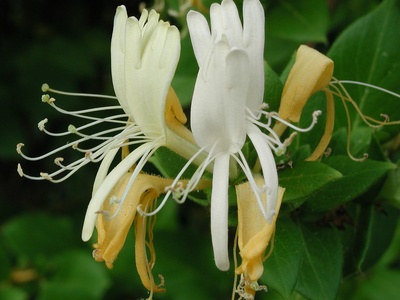
Japanese honeysuckle
Vining shrub with fragrant white/yellow flowers that smothers native vegetation and climbs trees; frequent in Milwaukee greenways and fences—hand-pulling and cutting before seed set helps control it.
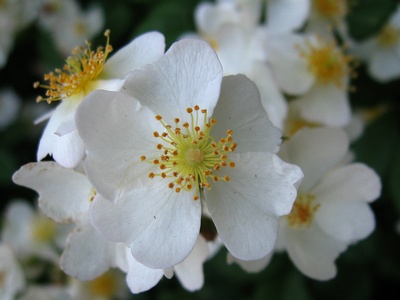
Multiflora rose
Thorny, arching shrub forming dense impenetrable thickets that reduce access and outcompete natives; common on Milwaukee’s urban-rural fringe and roadside edges, mechanical removal often needed.
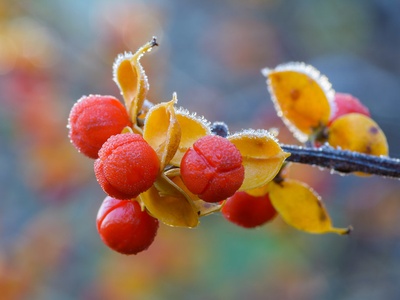
Oriental bittersweet
Twining vine with orange fruit that girdles and topples trees by strangling trunks; widely noted in Milwaukee parks and river corridors, removal of vines and fruiting stems recommended.
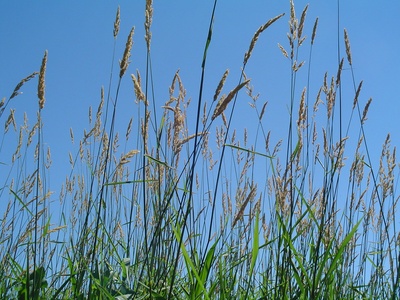
Reed canary grass
Tall, coarse grass forming monocultures in moist areas, reducing plant diversity and altering wetland function; frequent along Milwaukee’s disturbed wetlands and drainage ditches, management often needed to restore natives.
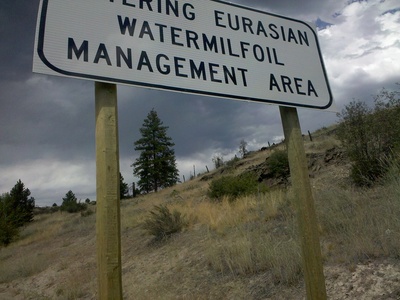
Eurasian watermilfoil
Feathery underwater stems form dense mats that clog boating, shade native plants, and alter habitat; reported in regional waters and occasionally near Milwaukee shoreline and harbors.
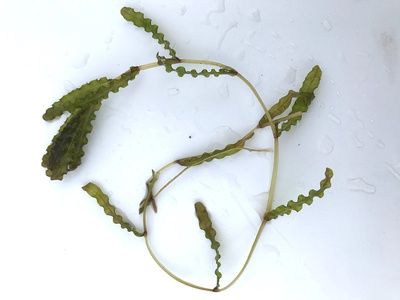
Curly-leaf pondweed
Early-summer leafed pondweed that forms dense mats, outcompetes natives, and causes summer die-offs reducing oxygen; occurs in regional waterways and can appear in Milwaukee’s small ponds and sheltered bays.
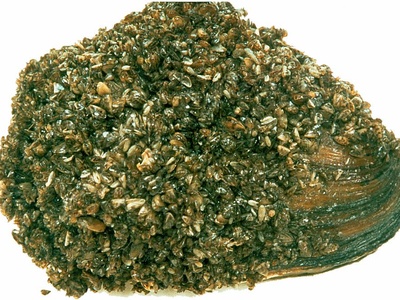
Zebra mussel
Small, striped bivalves that attach to structures, clog pipes, and alter food webs by filtering plankton; prolific in Milwaukee Harbor and Lake Michigan nearshore, notable fouling species for boats and infrastructure.
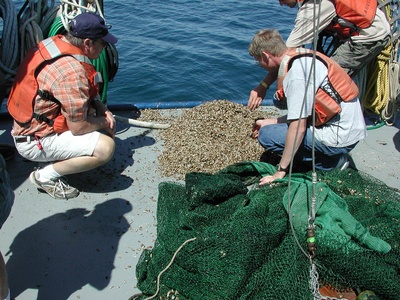
Quagga mussel
Similar to zebra mussels but tolerates deeper waters; dense colonies fouling infrastructure and changing ecosystem productivity are a major issue in Milwaukee Harbor and lake access sites.
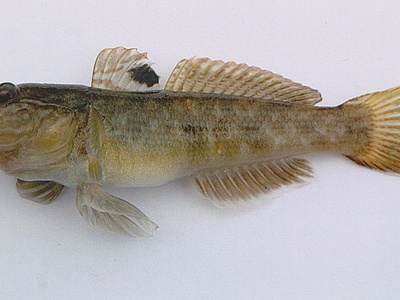
Round goby
Small bottom-dwelling fish that eats native invertebrates and competes with young native fishes; common in Milwaukee Harbor and shoreline, linked to shifts in benthic communities.
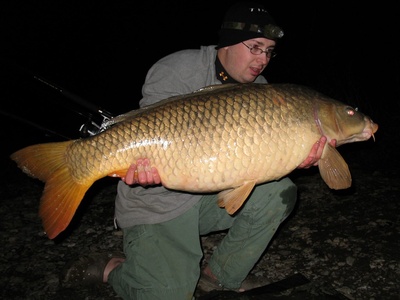
Common carp
Large, omnivorous fish that uproots vegetation and increases turbidity, degrading habitat for native fish and plants; widespread in Milwaukee waterways and nearshore areas, often managed where possible.
Spiny water flea
Predatory zooplankton with barbed tail spine that reduces native zooplankton and alters food webs; present in Lake Michigan and can affect small fish and plankton dynamics near Milwaukee.
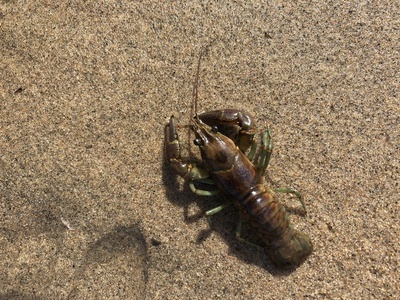
Rusty crayfish
Aggressive crayfish that eats vegetation and small animals, displacing natives and degrading habitat; reported in regional waters and increasingly found in Milwaukee-area streams and shorelines.
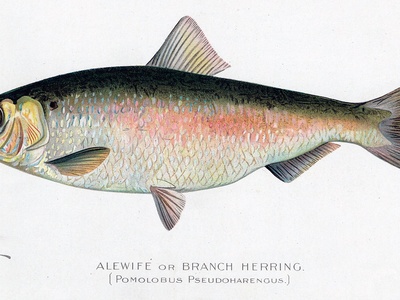
Alewife
Small forage fish introduced to the Great Lakes causing population booms and food-web shifts; abundant near Milwaukee’s shoreline and harbor, significant for anglers and ecosystem dynamics.
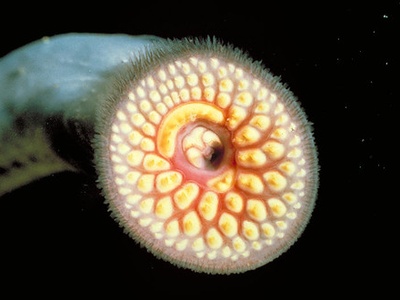
Sea lamprey
Parasitic jawless fish that can kill large gamefish by attaching and feeding; historically significant in Great Lakes and occasionally associated with Milwaukee-area waters, targeted by control programs.
Emerald ash borer
Metallic green beetle whose larvae burrow under ash bark, killing trees within years; devastating Milwaukee’s ash population, prompting removals, quarantines, and replanting with diverse species.
Gypsy moth
Caterpillars defoliate many hardwood trees and stress urban trees when outbreaks occur; monitored regionally and occasionally causing local canopy damage in Milwaukee parks and neighborhoods.
Japanese barberry
Dense thorny shrub with red berries forming thickets that reduce native plant diversity and harbor ticks; common in Milwaukee residential areas and natural edges, recommended for removal in restoration projects.
Japanese stiltgrass
Low, invasive annual grass forming mats that smother native herbs in shady sites; detected in parts of southeastern Wisconsin and increasingly found in Milwaukee greenways and footpaths.
Callery pear
Ornamental pear that self-seeds into thickets, outcompeting native trees and creating monocultures; common in Milwaukee urban planting history, now discouraged and replaced by native alternatives.
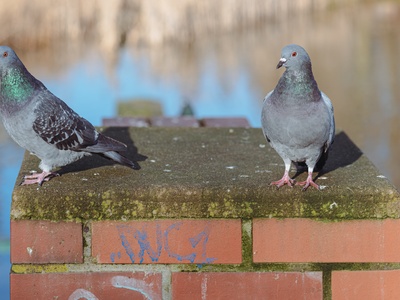
Rock pigeon
Feral domestic pigeon common in the city, leaving droppings that damage buildings and spread disease; widespread throughout Milwaukee and relevant for urban pest management and humane control programs.
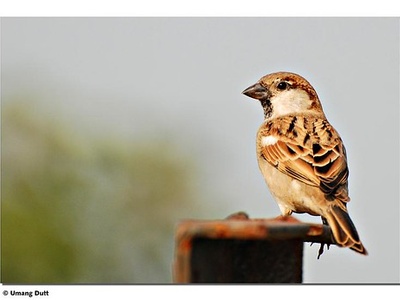
House sparrow
Introduced small bird that competes with native cavity-nesters and favors buildings and feeders; abundant in Milwaukee urban areas, often considered a pest around structures and nests.
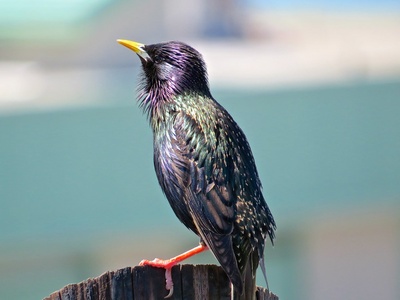
European starling
Highly social introduced bird that displaces native cavity nesters, creates noise and droppings; widespread in Milwaukee and forms large roosts that affect urban areas.
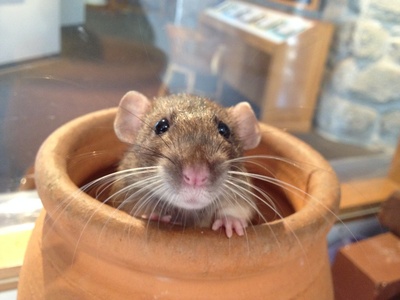
Norway rat
Large commensal rodent associated with human structures, spreads disease and damages property; pervasive in Milwaukee cityscape, targeted by municipal pest control and sanitation measures.
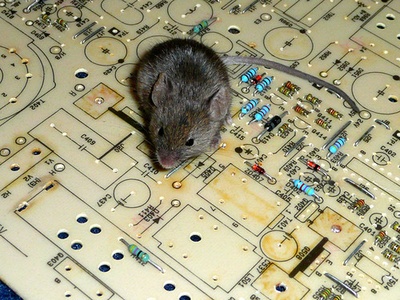
House mouse
Small introduced rodent thriving near human habitation, causing contamination and damage; common across Milwaukee households and commercial properties, controlled by sanitation and traps.
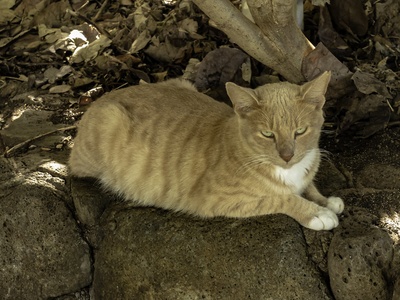
Feral cat
Free-roaming domestic cats that predate birds and small wildlife, impacting native populations; common in Milwaukee neighborhoods—trap-neuter-return programs and public education advised to reduce impacts.