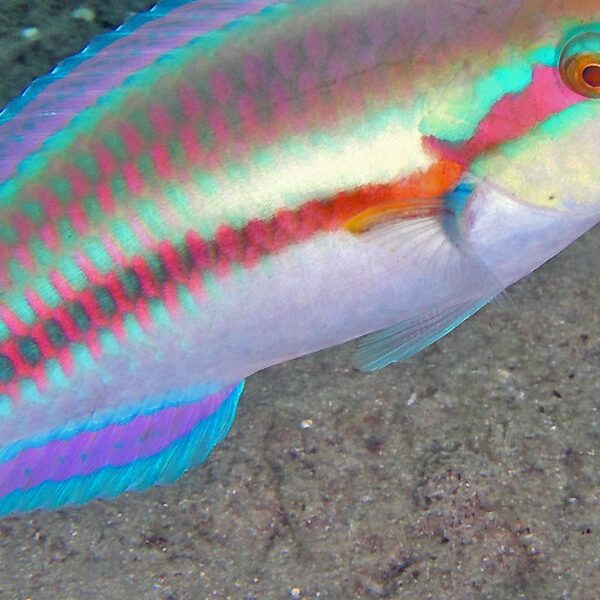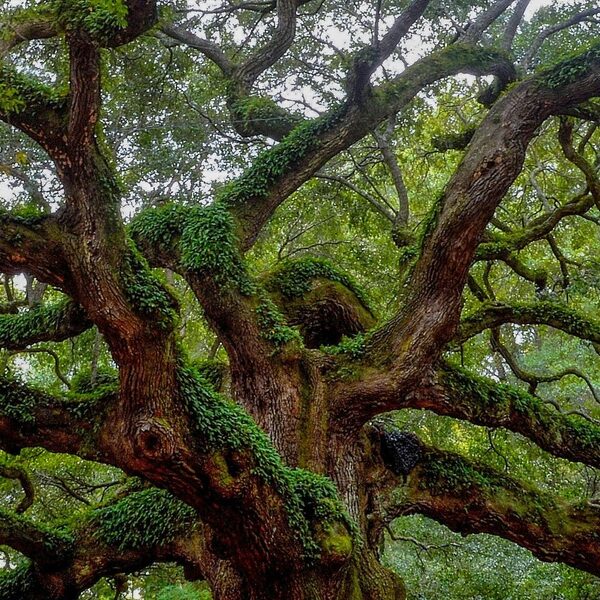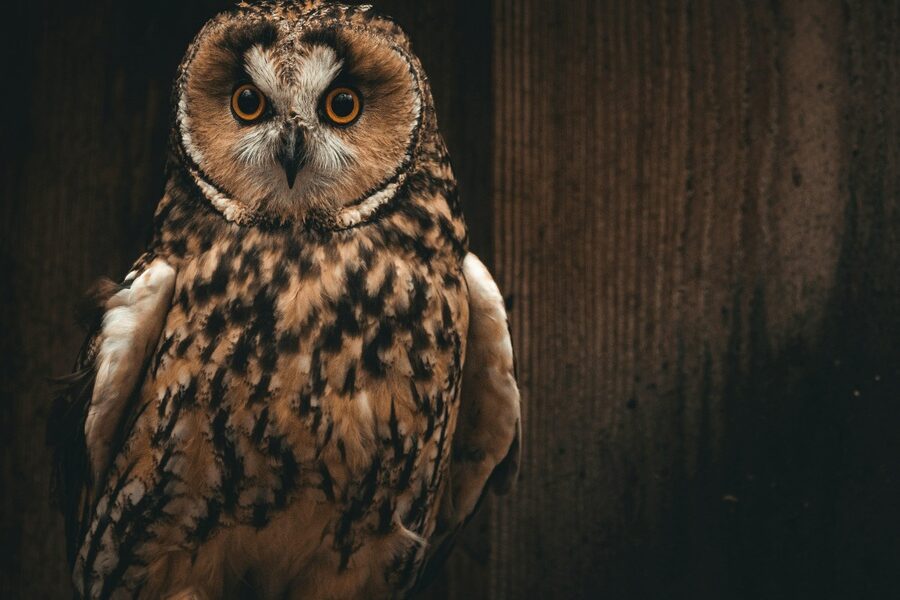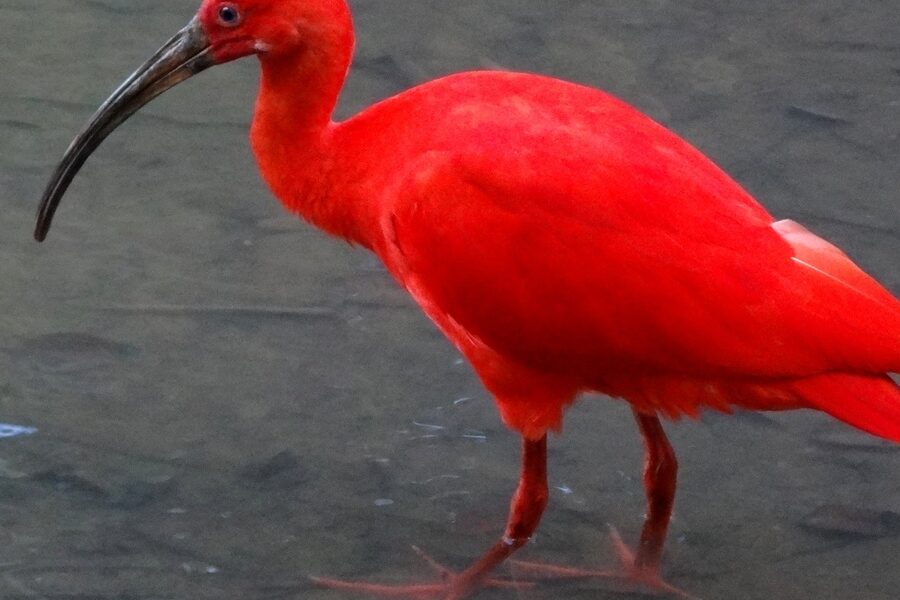
Jordan’s landscapes—from the coral gardens of the Red Sea and the fertile Jordan Valley to rocky wadis and oak-clad hills—support a surprising range of wildlife. A short trip between habitats can reward you with reef fish, desert reptiles, and woodland birds, each adapted to a particular niche.
There are 29 Jordan’s native animals, ranging from Arabian clownfish to White-spectacled bulbul; for each species you’ll find Scientific name, Size (cm) / Weight (kg), and Where to see — you’ll find below.
Where in Jordan should I go to see the most species?
Head to a mix of habitats: Aqaba and the Gulf of Aqaba for marine species like the Arabian clownfish, the Jordan Valley and Azraq wetlands for migratory and resident birds, and reserves such as Dana and Wadi Rum for desert and upland species. Visiting early morning or late afternoon increases sightings; local guides and reserves maximize your chances.
Are any of these animals at risk, and how can I watch them responsibly?
Conservation status varies—some species face habitat loss, pollution, or overfishing—so check local listings for vulnerable species. Observe at a distance, avoid feeding or disturbing wildlife, follow reserve rules, and consider guided tours or contributions to protected areas to support local conservation.
Jordan’s Native Animals
| Common name | Scientific name | Size (cm) / Weight (kg) | Where to see |
|---|---|---|---|
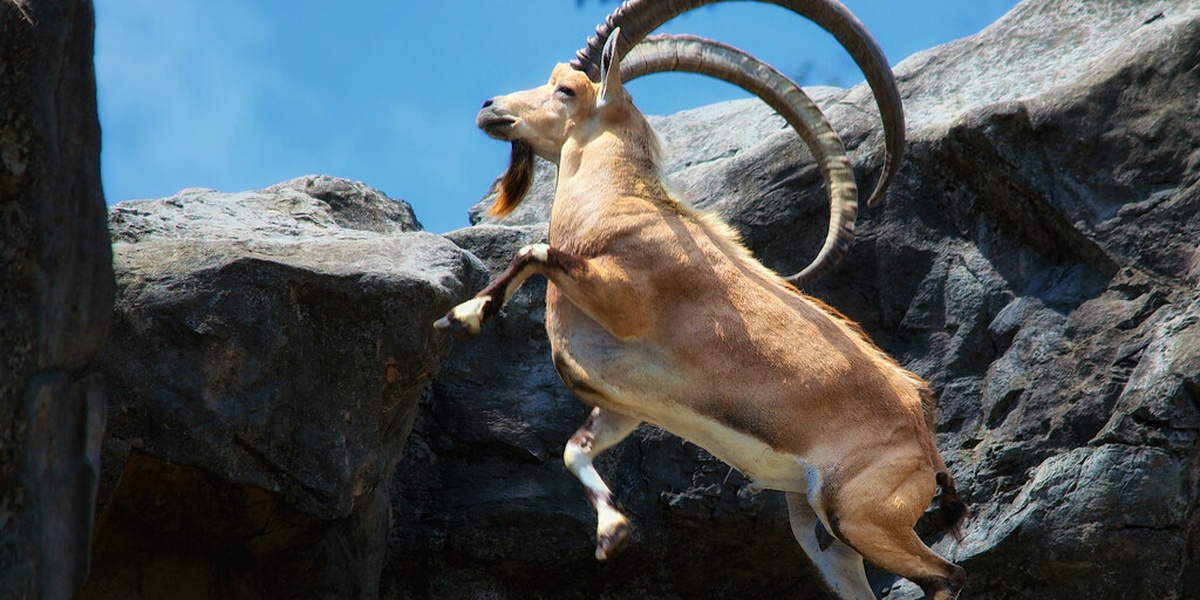
| Nubian ibex | Capra nubiana | 120 cm / 60 kg | Dana, Petra, Wadi Rum; rocky cliffs |
| Arabian oryx | Oryx leucoryx | 140 cm / 80 kg | Shaumari Reserve, Wadi Araba; desert plains |
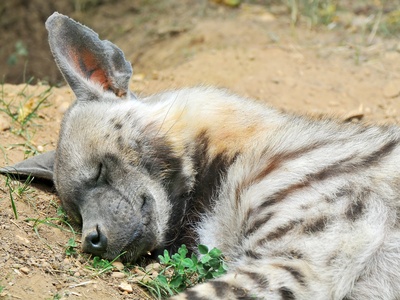
| Striped hyena | Hyaena hyaena | 100 cm / 35 kg | Dana, Wadi Rum, remote desert wadis |
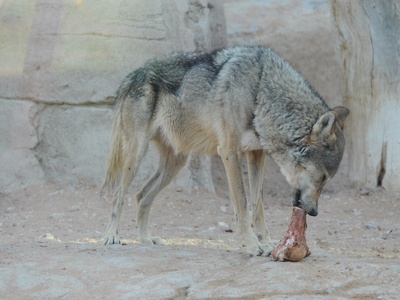
| Arabian wolf | Canis lupus arabs | 100 cm / 25 kg | Wadi Araba, southern deserts, Petra outskirts |
| Caracal | Caracal caracal | 65 cm / 18 kg | Wadi Rum, Dana, rocky desert habitats |
| Sand cat | Felis margarita | 50 cm / 3 kg | Wadi Rum, eastern deserts; sandy plains |
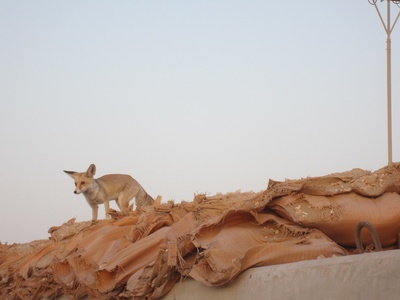
| Rüppell’s fox | Vulpes rueppellii | 50 cm / 3 kg | Desert plains, Wadi Rum, eastern Jordan |
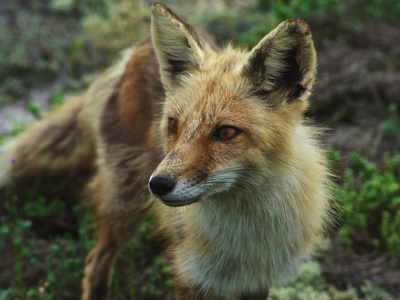
| Red fox | Vulpes vulpes | 90 cm / 6 kg | Across Jordan: agricultural areas, steppe, hills |
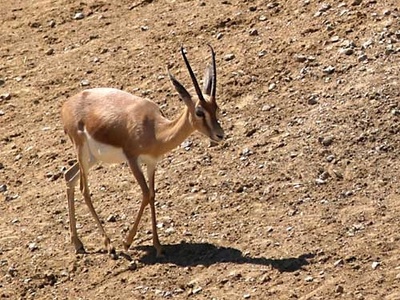
| Dorcas gazelle | Gazella dorcas | 100 cm / 15 kg | Wadi Rum, Wadi Araba, southern desert plains |
| Mountain gazelle | Gazella gazella | 90 cm / 18 kg | Northern hills, Ajloun, Gilead ridges |
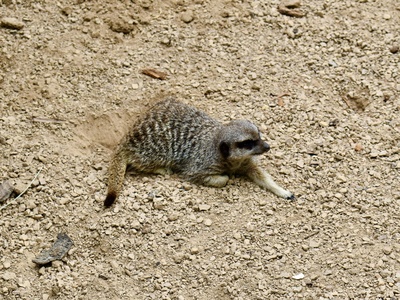
| Desert hedgehog | Paraechinus aethiopicus | 20 cm / 0.60 kg | Desert margins, Wadi Rum, agricultural edges |
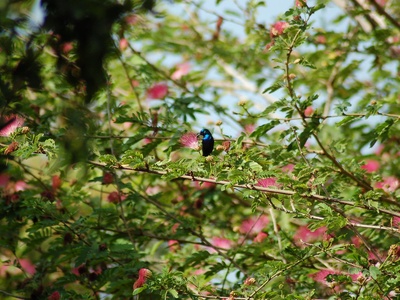
| Palestine sunbird | Cinnyris osea | 10 cm / 0.01 kg | Jordan Valley, gardens, wadis; flowering trees |
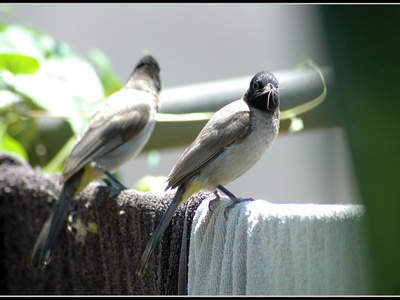
| White-spectacled bulbul | Pycnonotus xanthopygos | 18 cm / 0.05 kg | Irbid, Amman gardens, Jordan Valley |
| Tristram’s starling | Onychognathus tristramii | 24 cm / 0.10 kg | Petra, Wadi Rum cliffs, Dead Sea escarpment |
| House sparrow | Passer domesticus | 16 cm / 0.03 kg | Settlements, towns, agricultural areas across Jordan |
| Common raven | Corvus corax | 60 cm / 1.20 kg | Wadi Rum, Petra cliffs, mountainous areas |
| Desert monitor | Varanus griseus | 150 cm / 8 kg | Wadi Rum, eastern deserts, arid plains |
| Spur-thighed tortoise | Testudo graeca | 30 cm / 3 kg | Ajloun, northern scrub, agricultural hills |
| Palestine viper | Daboia palaestinae | 80 cm / 1.00 kg | Rocky hills, olive groves, north and central Jordan |
| Horned desert viper | Cerastes gasperettii | 50 cm / 0.50 kg | Sandy dunes, Wadi Rum, southern deserts |
| Levant water frog | Pelophylax bedriagae | 8 cm / 0.05 kg | Azraq, Jordan Valley streams, springs |
| Deathstalker scorpion | Leiurus quinquestriatus | 7 cm / 0.02 kg | Deserts, wadis, rocky terrain across Jordan |
| Black fat‑tailed scorpion | Androctonus crassicauda | 9 cm / 0.03 kg | Desert and steppe margins, rural areas |
| Camel spider (sun spider) | Galeodes arabs | 10 cm / 0.01 kg | Desert plains, Wadi Rum, rocky wadis |
| Arabian clownfish | Amphiprion bicinctus | 11 cm / 0.05 kg | Gulf of Aqaba reefs (Aqaba); coral reefs |
| Red Sea butterflyfish | Chaetodon austriacus | 15 cm / 0.20 kg | Coral reefs of Gulf of Aqaba; shallow reef slopes |
| Hawksbill turtle | Eretmochelys imbricata | 90 cm / 50 kg | Gulf of Aqaba waters; coral reefs and foraging sites |
| Doctor fish | Garra rufa | 12 cm / 0.02 kg | Springs, clear streams; Jordan Valley tributaries |
| Arabian killifish | Aphanius dispar | 6 cm / 0.01 kg | Saline springs, brackish pools, Azraq wetlands |
Images and Descriptions
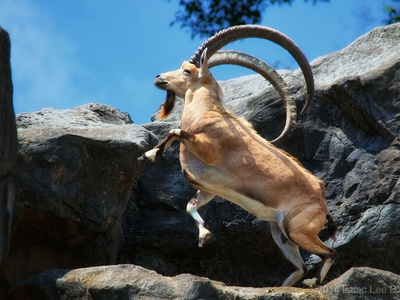
Nubian ibex
A spectacular mountain goat with backward-curving horns, the Nubian ibex navigates steep cliffs in core reserves. Diurnal and sure-footed, it grazes sparse vegetation and is one of Jordan’s most iconic wild mammals, easily spotted at dawn or dusk.
Arabian oryx
A pale, long‑horned antelope reintroduced to Jordan and now breeding in reserves and open desert. The Arabian oryx is a symbol of conservation, adapted to hot arid plains and notable for daytime foraging and dramatic seasonal movements.
Striped hyena
A nocturnal scavenger with coarse fur and striped flanks, the striped hyena feeds on carrion, small animals and plant matter. Shy and largely nocturnal, it plays an important ecological role and is intermittently seen near remote hills and reserves.
Arabian wolf
A smaller desert-adapted wolf, the Arabian wolf hunts in packs or alone across arid valleys and steppe. Elusive and adaptable, it preys on gazelles and smaller mammals and survives in fragmented habitats across Jordan.

Caracal
A medium-sized wild cat with tufted ears and powerful hindlegs, the caracal is a skilled nocturnal hunter. It ambushes birds and small mammals in rocky and arid habitats and is rarely seen but present in Jordan’s protected areas.
Sand cat
A small, desert-specialist wild cat with wide ears and thick fur, the sand cat hunts rodents and reptiles at night. Extremely well camouflaged and secretive, it survives in sandy, sparsely vegetated deserts and is a rare sight.
Rüppell’s fox
A small, pale desert fox with large ears for heat dissipation, Rüppell’s fox is nocturnal and feeds on insects, rodents and fruit. It’s well adapted to sandy dunes and rocky deserts and often leaves tracks around wadis.
Red fox
A widespread, adaptable predator that thrives near human settlements, the red fox eats small mammals, birds and refuse. Common and opportunistic, it’s often seen near farms, olive groves and rural villages throughout Jordan.
Dorcas gazelle
A small, graceful desert antelope adapted to arid environments, the dorcas gazelle survives on sparse vegetation and morning dew. Fast and lightly built, it forms small groups and is a classic inhabitant of Jordan’s sandy deserts.
Mountain gazelle
A slender, wary gazelle of scrub and hilly terrain, the mountain gazelle grazes open Mediterranean scrub and grassy patches. It’s an iconic Levantine species, often found in protected northern areas and reserves where grazing pressure is lower.
Desert hedgehog
A small nocturnal insectivore with a spiny coat, the desert hedgehog forages for insects, scorpions and plant material. It shelters in burrows or under debris, tolerates arid conditions, and is commonly encountered by night in rural areas.
Palestine sunbird
A tiny, iridescent nectar-feeder with a curved bill, the Palestine sunbird hovers or perches at flowers feeding on nectar and insects. Bright males are eye-catching in gardens and valley scrub where they breed and sing.
White-spectacled bulbul
A common, noisy songbird with a pale eye-ring, the white-spectacled bulbul inhabits orchards, gardens and scrub. Year-round resident and conspicuous, it feeds on fruit and insects and is a familiar backyard species.
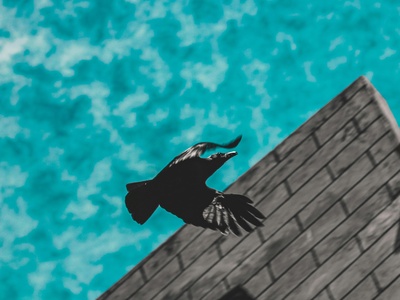
Tristram’s starling
A glossy dark starling with orange wing patches, Tristram’s starling nests on rocky cliffs and in ruins. Bold and social, it scavenges fruits and insects, often seen in colonies around Petra and cliff habitats.
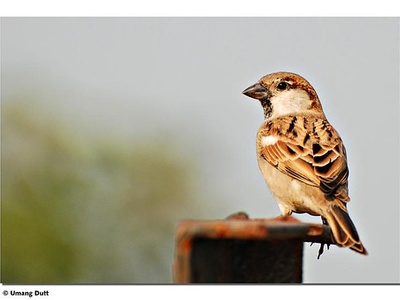
House sparrow
A familiar, human-associated bird found in towns and farms, the house sparrow feeds on seeds and scraps. Highly social and adaptable, it breeds in cavities and buildings and is one of the most common birds in Jordanian settlements.
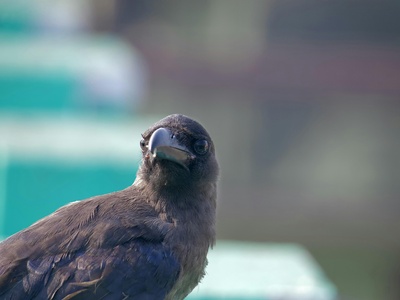
Common raven
A large, intelligent corvid with a deep call, the common raven scavenges and forages across rocky highlands and deserts. Bold and adaptable, it nests on cliffs and is often seen singly or in pairs near remote escarpments.
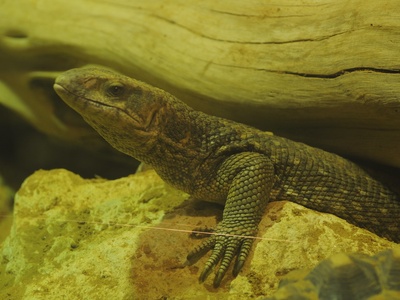
Desert monitor
A large, powerful lizard that hunts rodents, birds and eggs, the desert monitor is an active diurnal predator in sandy and rocky deserts. Its impressive size and foraging make it a notable reptile in Jordan’s open wastelands.
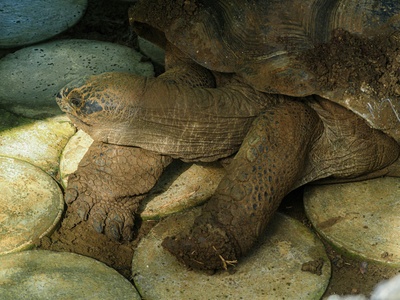
Spur-thighed tortoise
A hardy Mediterranean tortoise with a domed shell, the spur-thighed tortoise grazes grasses and herbs in scrubby hills. Slow-moving and long-lived, it’s commonly seen in northern Jordan’s lower mountain slopes and pastoral landscapes.
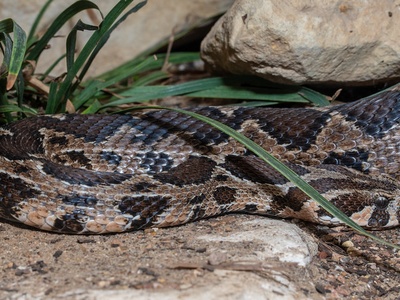
Palestine viper
A stout, venomous viper active by night or cool days, the Palestine viper inhabits rocky areas and agricultural margins. Notable for its striking pattern and potent bite, it should be respected and given space when encountered.
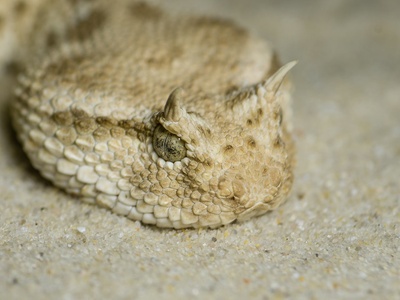
Horned desert viper
A sand‑dwelling viper with horn-like scales above the eyes, the horned desert viper ambushes prey from buried positions. Its camouflage and sidewinding movement make it a classic inhabitant of Jordan’s sandy deserts.
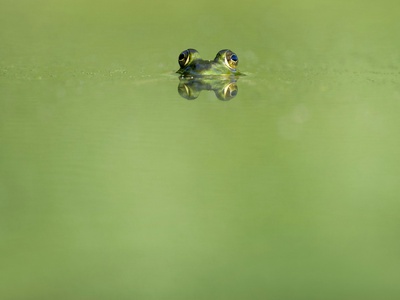
Levant water frog
A greenish pond frog that breeds in streams and wetlands, the Levant water frog is common in permanent water bodies. Vocal in spring and important for wetland ecosystems, it’s seen around springs and reserve pools.
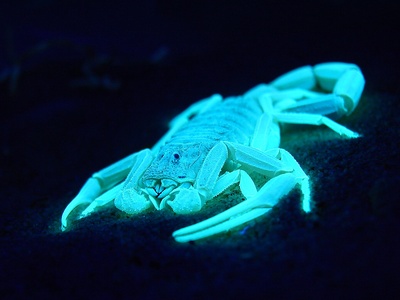
Deathstalker scorpion
A highly venomous, yellow desert scorpion, the deathstalker inhabits arid, rocky and sandy areas. Nocturnal and secretive, it preys on insects and small vertebrates and is one of the most notorious scorpions in the region.
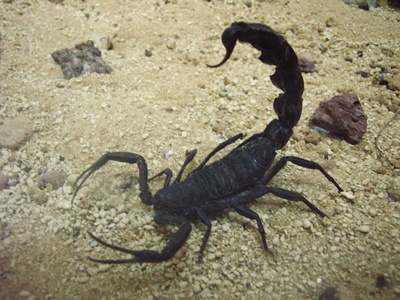
Black fat‑tailed scorpion
A robust, dark scorpion common in dry habitats, the black fat‑tailed scorpion is venomous and hides under rocks or in burrows by day. It’s frequently encountered in rural and desert-edge zones at night.
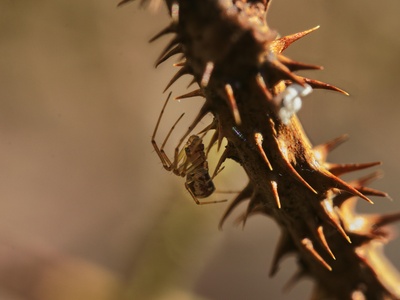
Camel spider (sun spider)
A fast, large-looking solifuge (not a true spider) active by night, camel spiders hunt insects and small vertebrates. Their impressive jaws and speed make them memorable desert invertebrates in Jordan’s arid regions.
Arabian clownfish
A colorful reef fish living among sea anemones, the Arabian clownfish is common on Gulf of Aqaba coral gardens. Hardy and territorial, it’s a popular species for snorkelers and divers off Jordan’s short Red Sea coast.
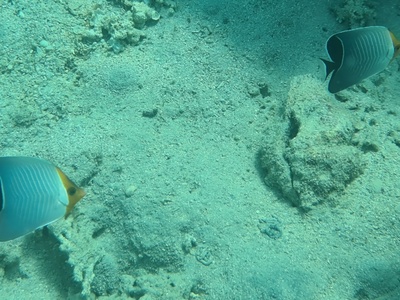
Red Sea butterflyfish
A compact, yellowish butterflyfish endemic to the Red Sea, it feeds on coral-associated invertebrates and algae. Common on Jordan’s Gulf of Aqaba reefs, it’s a familiar sight for divers exploring coral gardens.
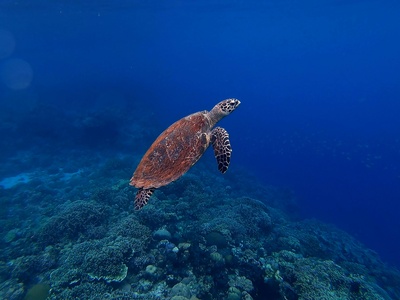
Hawksbill turtle
A critically endangered sea turtle that forages on reef sponges, hawksbills occur in Jordanian Red Sea waters. Migratory but resident in local foraging grounds, they’re a conservation priority and occasionally sighted by divers.
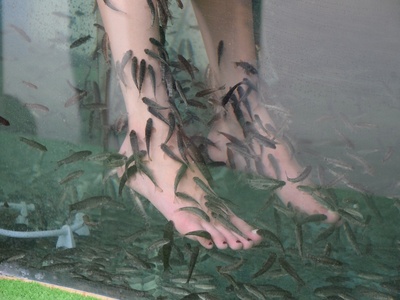
Doctor fish
A small bottom‑feeding fish famous for scraping algae and skin, Garra rufa inhabits clear springs and streams. Locally common in freshwater habitats, it tolerates varied flow and is often seen in shoals near stones.
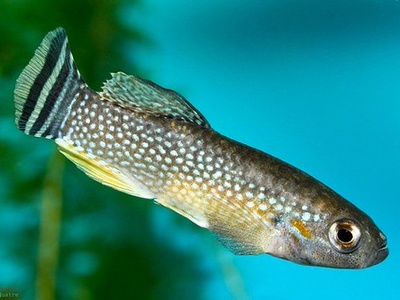
Arabian killifish
A small, hardy killifish adapted to brackish and saline waters, the Arabian killifish persists in springs and seasonal pools. It breeds in marginal wetlands and is an important native component of Jordan’s unique freshwater fauna.