From wet markets to home gardens, big fruits catch the eye and tell stories about climate, cultivation, and cuisine. If you’re visiting a tropical market or planning what to grow next season, a quick sense of which species get truly large helps with shopping, storage, and recipe planning.
There are 30 large fruits, ranging from Bael fruit to Winter melon (Ash gourd). For each entry you’ll find below the Scientific name, Typical max weight (kg), and Origin to help you compare sizes and sources at a glance — you’ll find below.
How accurate are the Typical max weight (kg) figures?
Typical max weights come from botanical records, agricultural reports, and documented specimens; they represent common upper ranges rather than guaranteed results. Cultivar, soil, climate, and pruning all affect size, so treat the numbers as useful comparisons, not exact promises.
Can I realistically grow any of these large fruits at home?
Yes—some, like winter melon or certain jackfruit varieties, can be grown by hobbyists in suitable climates or large containers, but many need specific heat, space, pollinators, or years to fruit. Check the Origin and local growing tips in the list below before committing.
Large Fruits
| Name | Scientific name | Typical max weight (kg) | Origin |
|---|---|---|---|
| Jackfruit | Artocarpus heterophyllus | 30.00 | South/Southeast Asia |
| Durian | Durio zibethinus | 3.50 | Southeast Asia |
| Breadfruit | Artocarpus altilis | 5.00 | Pacific Islands/SE Asia |
| Soursop | Annona muricata | 3.00 | Tropical Americas |
| Cempedak | Artocarpus integer | 10.00 | Southeast Asia |
| Marang | Artocarpus odoratissimus | 3.50 | Borneo/Philippines |
| Breadnut | Artocarpus camansi | 6.00 | New Guinea/SE Asia |
| Watermelon | Citrullus lanatus | 20.00 | Southern Africa |
| Honeydew | Cucumis melo | 4.00 | Middle East/Central Asia |
| Cantaloupe | Cucumis melo | 3.00 | Central Asia |
| Pineapple | Ananas comosus | 4.00 | South America (Paraguay/Brazil) |
| Coconut | Cocos nucifera | 1.50 | Indo-Pacific |
| Papaya | Carica papaya | 10.00 | Central America |
| Banana | Musa spp. | 0.25 | Southeast Asia |
| Plantain | Musa paradisiaca | 0.35 | Southeast Asia/Africa tropics |
| Pumpkin | Cucurbita maxima | 25.00 | Americas |
| Hubbard squash | Cucurbita maxima | 15.00 | Americas |
| Butternut squash | Cucurbita moschata | 6.00 | Central America |
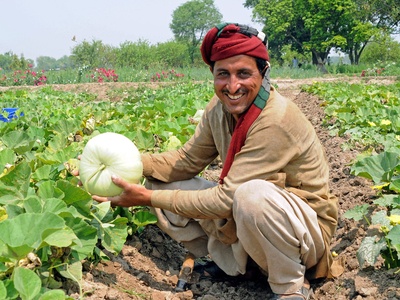
| Winter melon (Ash gourd) | Benincasa hispida | 15.00 | Southeast Asia |
| Bottle gourd | Lagenaria siceraria | 5.00 | Worldwide (likely Africa/Asia) |
| Calabaza | Cucurbita moschata | 10.00 | Americas/Caribbean |
| Pomelo | Citrus maxima | 2.50 | Southeast Asia |
| Giant granadilla | Passiflora quadrangularis | 1.80 | Tropical Americas |
| Monstera (ceriman) | Monstera deliciosa | 0.80 | Mexico/Central America |
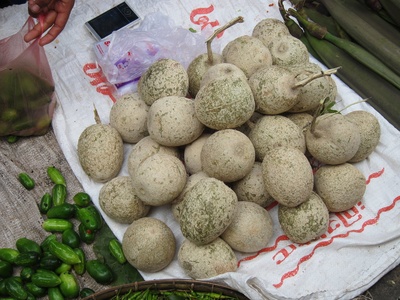
| Bael fruit | Aegle marmelos | 1.50 | South Asia |
| Cupuacu | Theobroma grandiflorum | 3.00 | Amazon (Brazil) |
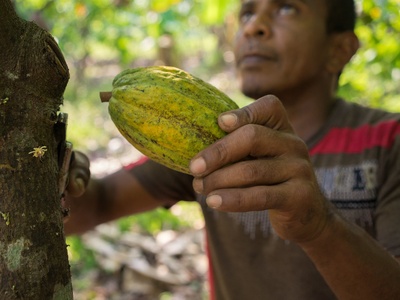
| Cacao pod | Theobroma cacao | 0.50 | Amazonia/Central America |
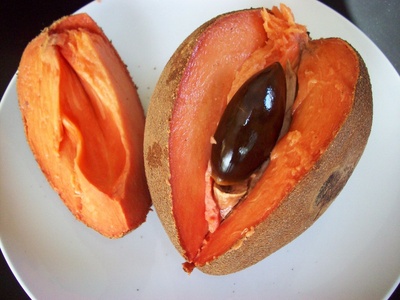
| Mamey sapote | Pouteria sapota | 2.50 | Mexico/Central America |
| Casaba melon | Cucumis melo | 5.00 | Mediterranean/Central Asia |
| Canary melon | Cucumis melo | 3.50 | Canary Islands/Mediterranean |
Images and Descriptions
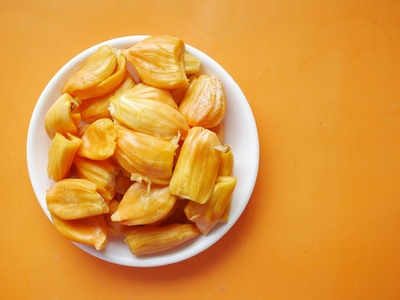
Jackfruit
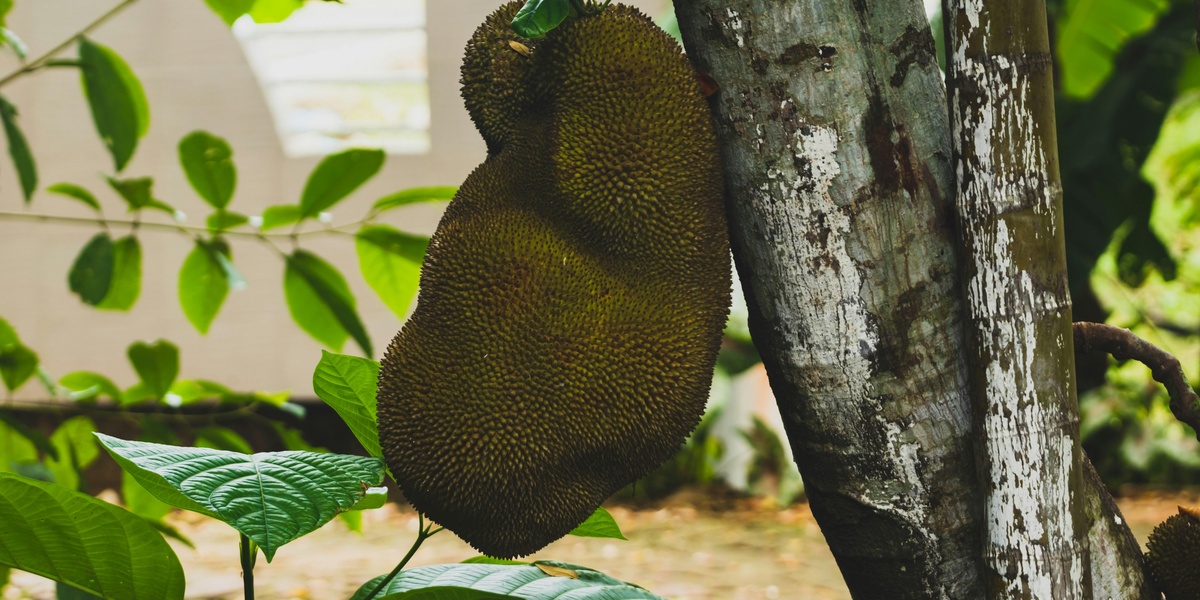
Enormous tropical multiple fruit that can reach dozens of kilograms; season varies by region but often summer. Starchy, sweet yellow bulbs are eaten ripe or cooked; young fruit used as vegetable meat substitute in savory dishes. Iconic in South and Southeast Asian cuisines.
Durian
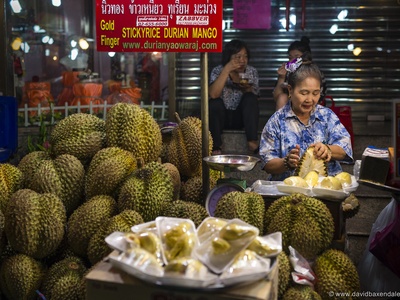
Large spiky fruit famed for its pungent aroma and creamy flesh; typically 1–4 kilograms at maturity and seasonally abundant in summer. Eaten fresh, in desserts, or cooked; prized across Southeast Asia and banned in some public places for its strong smell.
Breadfruit
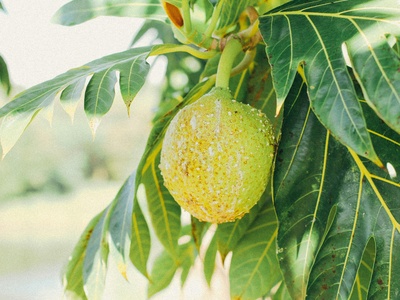
Starchy, round multiple fruit commonly weighing several kilograms; peak season varies with locale. Cooked like potato—baked, roasted, fried—or processed into chips and flour. A traditional staple in Pacific Island and Caribbean cuisines, valued for versatile savory uses.
Soursop
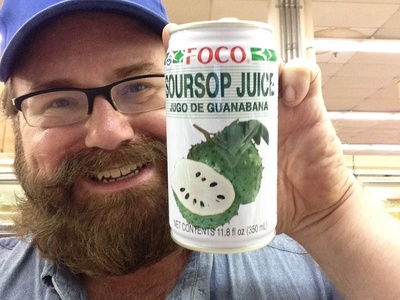
Large, spiny green fruit with soft, tangy-sweet white pulp often weighing a few kilograms. In season year-round in tropical regions; eaten fresh, in smoothies, ice cream, or desserts, and used in traditional medicines across the Caribbean and Latin America.
Cempedak
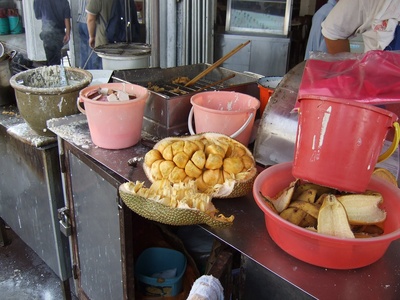
Jackfruit relative with fragrant, orange-yellow pods; fruits commonly reach several kilograms. Sweet, custardy flesh is eaten raw or fried into snacks, and seeds roasted like chestnuts. Popular in Borneo, Malaysia and Indonesia where it ripens in the rainy-season months.

Marang
Soft, aromatic fruit with segments of sweet, creamy flesh; typically a few kilograms. Seasonal and highly perishable, eaten fresh or stirred into desserts. Less widely traded than jackfruit but cherished locally for its strong perfume and custard-like texture.
Breadnut
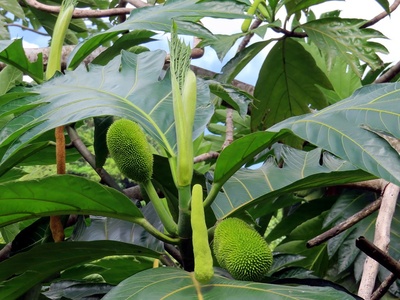
Starchy multiple fruit related to breadfruit, often several kilograms, with edible seeds and pulp. Seeds are roasted or boiled like chestnuts; pulp is cooked as a staple. Native to New Guinea and used throughout Pacific island cuisines.
Watermelon
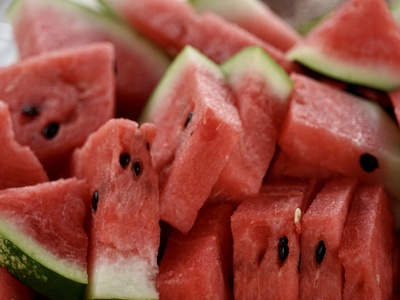
Large, juicy gourd often weighing many kilograms and commonly eaten in summer. Sweet red or yellow flesh is served fresh, in salads, drinks, or grilled; numerous cultivars range from small picnic types to heavy, dessert melons.
Honeydew
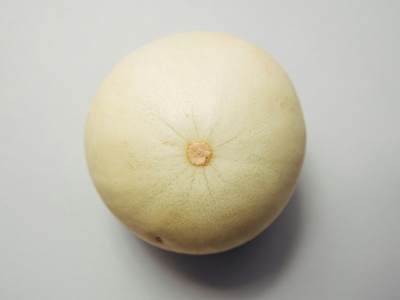
Round, pale-fleshed melon that can reach several kilograms; peak season in late summer. Sweet, smooth flesh is eaten fresh, in fruit salads, chilled desserts, or paired with prosciutto. A popular dessert melon with subtle floral notes.
Cantaloupe
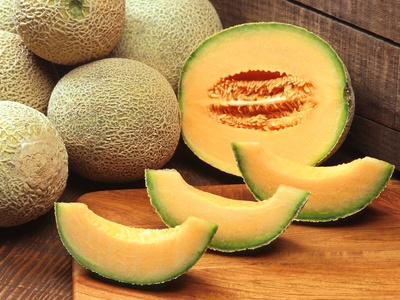
Netted-rind muskmelon commonly around a few kilograms with sweet orange flesh; best in summer. Eaten fresh, in salads, smoothies, and breakfasts, or wrapped with salty cured meats. Beloved for fragrant aroma and early-season availability.
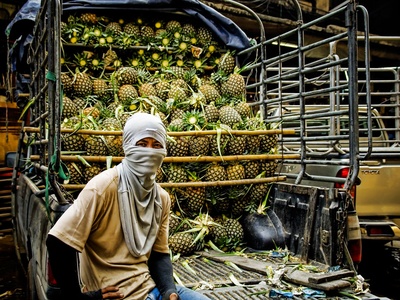
Pineapple
Tropical multiple fruit with spiky crown and sweet-tart flesh; commonly 1–4 kilograms. Harvest season varies by region; eaten fresh, juiced, grilled, or canned. Widely cultivated worldwide and central to tropical desserts and savory sauces.
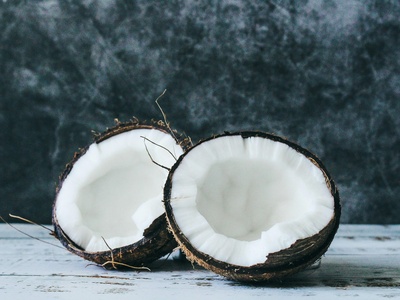
Coconut
Husked drupes weighing around 1–2 kilograms each when mature; year-round in the tropics. Water, meat and milk are culinary staples—drinks, curries, oils, and desserts—and the shell and husk have many practical uses across coastal cultures.
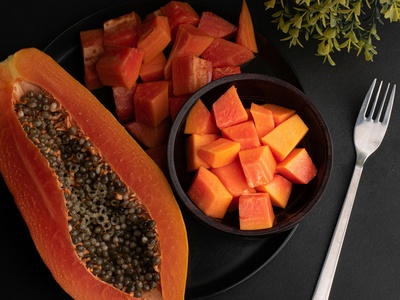
Papaya
Oblong tropical fruit that commonly reaches several kilograms and exceeds 15 centimetres. Sweet orange or red flesh eaten raw, in smoothies, salads, salsas, or cooked green as a vegetable. Year-round in warm climates, central to many tropical cuisines.

Banana
Long, sweet dessert fruit commonly reaching over 15 centimetres in length though individual weight is modest. Eaten fresh, baked, fried, or dried; bananas form a global staple and key ingredient in breakfasts, desserts and snack foods.
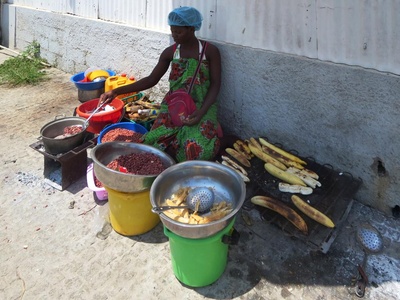
Plantain
Starchy cooking banana longer and heavier than dessert types, commonly exceeding 15 centimetres. Cooked when green or ripe—fried, boiled, baked or pounded—plantains are a carbohydrate staple across West Africa, Latin America, and the Caribbean.
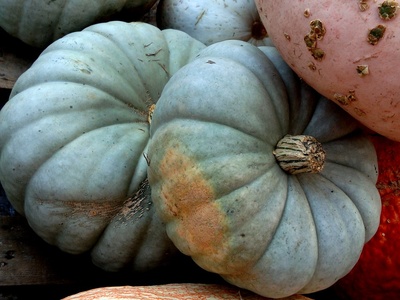
Pumpkin
Round to flattened pepo fruit used fresh or decorative, commonly weighing many kilograms. Harvested in autumn in temperate zones; roasted, pureed for pies and soups, or fermented into beverages. Varieties range from small pie types to large carving pumpkins.
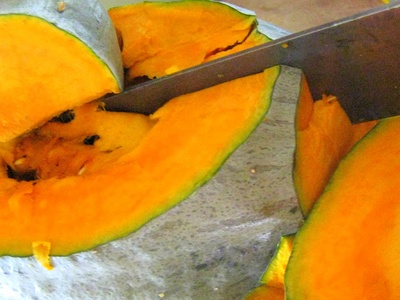
Hubbard squash
Large winter squash with bumpy skin and sweet, dry flesh often used in baking and long-stewed dishes. Weighing up to many kilograms, it’s stored for months and prized in temperate autumn and winter kitchens for soups and purees.
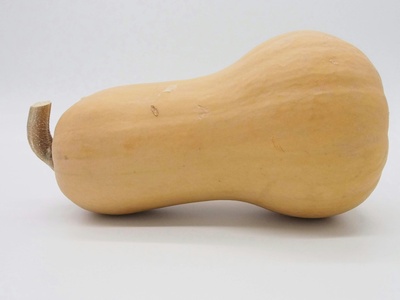
Butternut squash
Necked winter squash with sweet, nutty flesh commonly several kilograms. Harvest in autumn; roasted, pureed for soups, or used in stews and baked goods. Popular for smooth texture and long storage in cooler months.
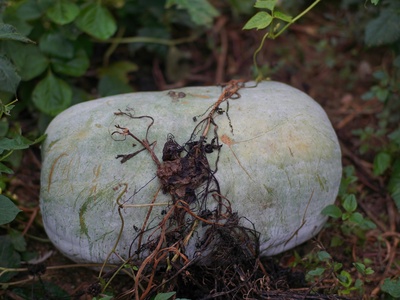
Winter melon (Ash gourd)
Large oblong gourd often many kilograms and commonly grown for winter storage. Mild flesh becomes sweet when cooked; used in soups, stews, candies and preserves across Asian cuisines. Harvested in late summer and stored through winter.
Bottle gourd
Long or round gourds frequently exceeding 15 centimetres and several kilograms when mature. Young fruit is eaten like squash; mature dried shells are used as utensils, containers and musical instruments in many cultures worldwide.

Calabaza
Large tropical pumpkin/squash used across Latin America and the Caribbean; commonly several kilograms. Sweet orange flesh is stewed, pureed, or used in desserts and soups. Varieties are hardy and grown year-round in warmer regions.
Pomelo
Largest citrus, often 1–3 kilograms, with thick rind and mild, sweet-tart segments. In season winter to spring in subtropics; eaten fresh, in salads, or used in marmalade. An ancestor of grapefruit and a festive fruit in many Asian cultures.
Giant granadilla
Large passionfruit with elongated, thick-skinned pods often over 15 centimetres and weighing around one to two kilograms. Inside are juicy seeds and pulp eaten fresh, in drinks or desserts. Grown climbers prefer warm, humid climates.

Monstera (ceriman)
Elongated, pineapple-like multiple fruit typically over 15 centimetres long but often under a kilogram. When fully ripe it yields sweet, custard-like flesh with tropical flavor; requires care to avoid mildly irritating unripe parts and is sought by enthusiasts.
Bael fruit
Hard-shelled, aromatic fruit weighing around one to two kilograms. Flesh is fibrous and fragrant; commonly used dried, mashed into sherbets, syrups and traditional medicines. Fruits arrive in late spring to early summer and are culturally significant in South Asia.
Cupuacu
Large, oblong rainforest fruit related to cacao, typically a few kilograms with fragrant, tangy pulp. Eaten fresh or processed into juices, sweets, and confections; a popular Amazonian flavor used in ice creams and cosmetics.
Cacao pod
Thick-skinned pod often 15–30 centimetres long; contains sweet pulp and bitter beans used to make chocolate. Pods are harvested seasonally; pulp can be eaten fresh, while seeds are fermented, dried and processed into cocoa and chocolate.
Mamey sapote
Large oval fruit with salmon-colored, sweet flesh commonly over a kilogram. In season year-round in tropics; eaten fresh, in smoothies, ice creams, or baked goods. A staple tropical dessert fruit prized for creamy texture and pumpkin-like sweetness.
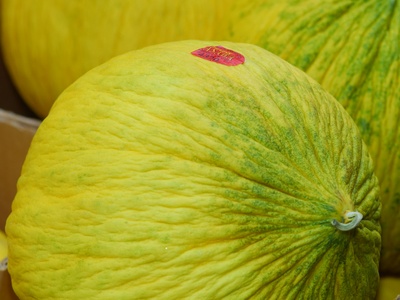
Casaba melon
Large, mildly sweet melon with thick, ribbed rind and pale flesh often several kilograms. In season late summer; eaten fresh or chilled, used in salads and desserts. Casaba stores well and is prized for subtle flavor and long shelf life.
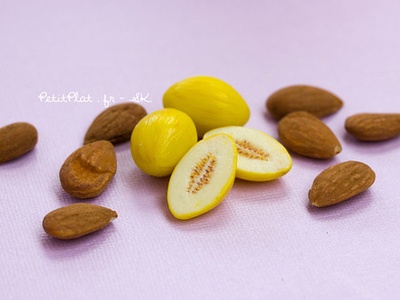
Canary melon
Bright yellow-skinned melon with sweet, slightly tangy flesh commonly weighing a few kilograms. Best in late summer; eaten fresh, in fruit salads, or chilled desserts. Popular for bold color and fragrant, tropical aroma.