Mexico’s landscapes — from Pacific mangroves and Gulf wetlands to highland forests and northern deserts — support a surprising variety of wildlife. This post gathers native species across those habitats and gives a quick way to see where each one lives and how it’s faring.
There are 34 Mexico’s native animals, ranging from the American crocodile to the White-nosed coati. For each species you’ll find below the Scientific name, Range (states/regions), IUCN status so you can quickly scan distribution and conservation notes you’ll find below.
How reliable are the range and status details listed here?
The ranges and IUCN statuses reflect current, publicly available sources and field guides, but distributions can shift with new surveys and changing habitats; treat the table as a solid starting point and check primary sources or local agencies for the latest updates.
Where in Mexico gives the best chance to see several native species in one trip?
Visit diverse regions like the Yucatán for coastal and wetland species, Chiapas and Veracruz for cloud-forest birds and mammals, or the Sierra Madre for montane endemics; go with local guides, follow park rules, and choose habitats that match the species you hope to spot.
Mexico’s Native Animals
| Name | Scientific name | Range (states/regions) | IUCN status |
|---|---|---|---|
| Jaguar | Panthera onca | Chiapas, Veracruz, Campeche, Yucatán | Near Threatened |
| Ocelot | Leopardus pardalis | Yucatán, Oaxaca, Veracruz, Chiapas | Least Concern |
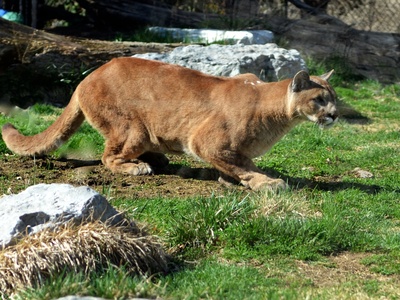
| Puma | Puma concolor | Sierra Madre, Sonora, Chihuahua, Oaxaca | Least Concern |
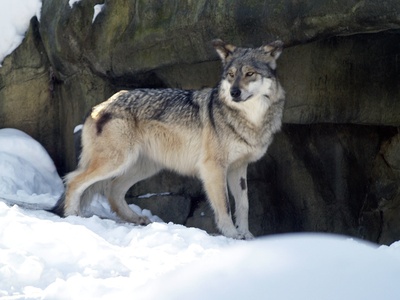
| Mexican wolf | Canis lupus baileyi | Chihuahua, Sonora, Sierra Madre regions | Critically Endangered |
| Vaquita | Phocoena sinus | Upper Gulf of California, Baja California | Critically Endangered |
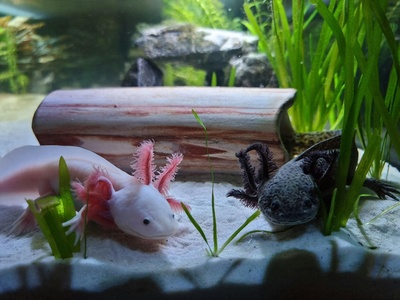
| Axolotl | Ambystoma mexicanum | Xochimilco canals, Mexico City | Critically Endangered |
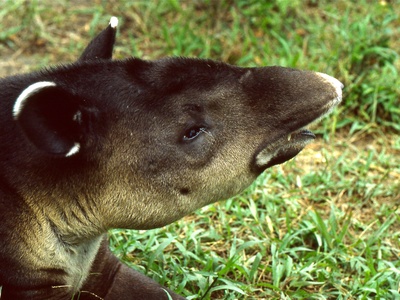
| Baird’s tapir | Tapirus bairdii | Chiapas, Oaxaca, Veracruz | Endangered |
| White-nosed coati | Nasua narica | Pacific coast, Yucatán, Sierra Madre | Least Concern |
| Collared peccary | Pecari tajacu | Deserts, dry forests, Yucatán, Sonora | Least Concern |
| Resplendent quetzal | Pharomachrus mocinno | Chiapas cloud forests | Near Threatened |
| Golden eagle | Aquila chrysaetos | Northern and central mountains, nationwide | Least Concern |
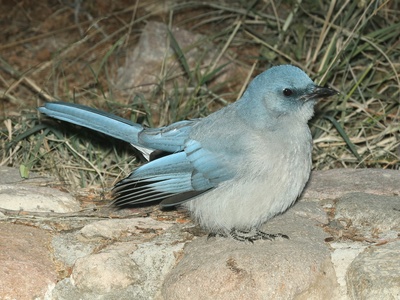
| Mexican jay | Aphelocoma wollweberi | Sierra Madre ranges, pine-oak forests | Least Concern |
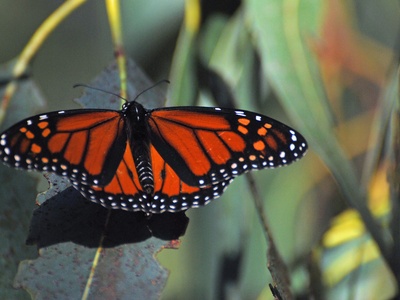
| Monarch butterfly | Danaus plexippus | Michoacán, State of Mexico overwintering sites | Endangered |
| Green sea turtle | Chelonia mydas | Pacific and Caribbean nesting coasts, Oaxaca, Quintana Roo | Endangered |
| Hawksbill turtle | Eretmochelys imbricata | Caribbean reefs, Yucatán, Quintana Roo | Critically Endangered |
| Leatherback turtle | Dermochelys coriacea | Pacific and Atlantic coasts, migratory | Vulnerable |
| Olive ridley turtle | Lepidochelys olivacea | Pacific nesting hotspots: Oaxaca, Guerrero | Vulnerable |
| Humpback whale | Megaptera novaeangliae | Pacific and Gulf coastal waters, Baja California | Least Concern |
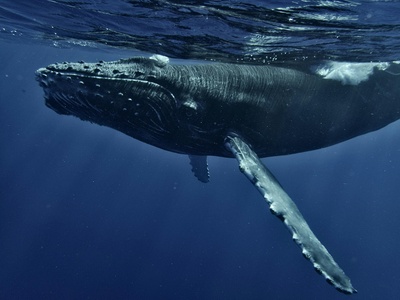
| Blue whale | Balaenoptera musculus | Off Baja California, Pacific coast | Endangered |
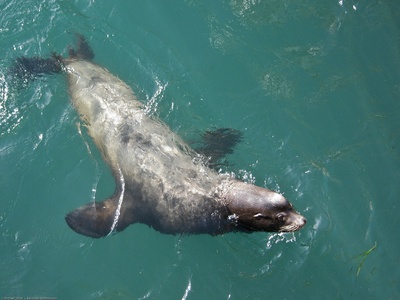
| California sea lion | Zalophus californianus | Gulf of California, Pacific coasts | Least Concern |
| Cozumel raccoon | Procyon pygmaeus | Cozumel Island, Quintana Roo | Critically Endangered |
| Geoffroy’s spider monkey | Ateles geoffroyi | Chiapas, southern lowland forests | Endangered |
| Mantled howler | Alouatta palliata | Chiapas, Oaxaca, southern lowland forests | Least Concern |
| Mexican beaded lizard | Heloderma horridum | Pacific slopes, Jalisco to Chiapas | Vulnerable |
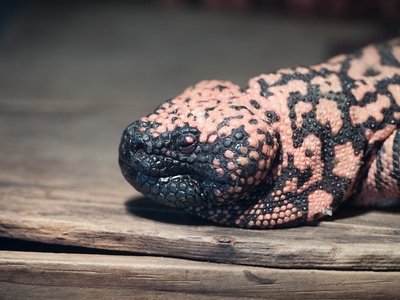
| Gila monster | Heloderma suspectum | Sonora, Chihuahua, northern deserts | Near Threatened |
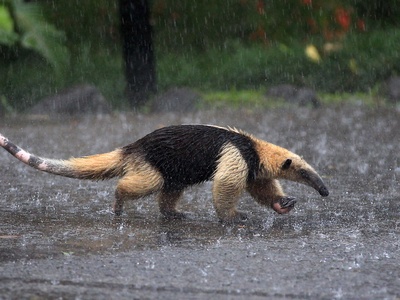
| Northern tamandua | Tamandua mexicana | Chiapas, Veracruz, southern forests | Least Concern |
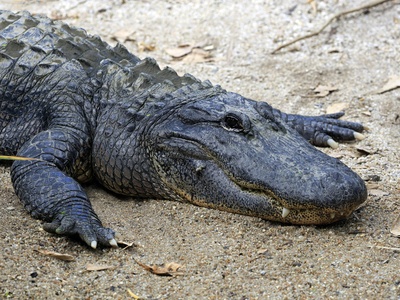
| American crocodile | Crocodylus acutus | Gulf coast, Southern Pacific mangroves | Vulnerable |
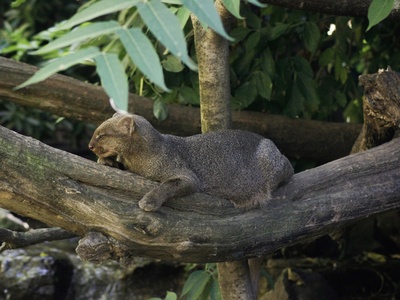
| Jaguarundi | Herpailurus yagouaroundi | Southern Mexico, Yucatán, Veracruz | Least Concern |
| Lesser long-nosed bat | Leptonycteris yerbabuenae | Sonora, Sinaloa, central Mexico to Baja | Endangered |
| Humpback whale (repeat omitted) | … | … | … |
| Mexican blind salamander | Typhlomolge rathbuni | Cuatro Ciénegas, Coahuila | Critically Endangered |
| Black-tailed jackrabbit | Lepus californicus | Northern and central deserts, grasslands | Least Concern |
| Baird’s tapir (repeat omitted) | … | … | … |
| American crocodile (repeat omitted) | … | … | … |
Images and Descriptions
Jaguar
Large spotted big cat found in Mexico’s southern rainforests and wetlands. Solitary and elusive, jaguars help control prey populations. Threatened by habitat loss and hunting, conservation focuses on corridors and protected areas to maintain viable populations.
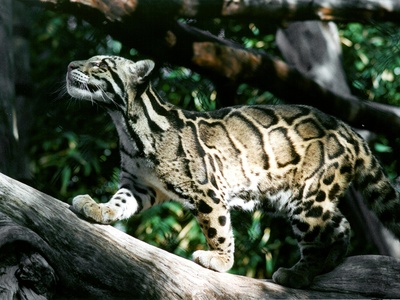
Ocelot
Medium-sized nocturnal spotted cat of forests and scrub. Ocelots are secretive hunters of small mammals and birds. Though overall status is stable, habitat fragmentation and illegal fur trade historically reduced numbers; local conservation helps preserve their forest homes.
Puma
Versatile large cat found from deserts to mountains across Mexico. Pumas prey on deer and smaller mammals, often avoiding human areas. Populations face habitat fragmentation and persecution, but they persist widely where prey and cover remain intact.
Mexican wolf
Smallest and rarest North American gray wolf subspecies native to northern Mexico and the U.S. Southwest. Mexican wolves live in packs and hunt deer. Intensive recovery programs seek to increase wild numbers after severe historical declines.

Vaquita
Tiny porpoise endemic to the northern Gulf of California, often under 1.5 meters long. Vaquitas are the world’s most endangered marine mammal, driven to near-extinction by illegal gillnet bycatch. Urgent protection remains critical for survival.
Axolotl
Unique neotenic salamander that retains gills and aquatic lifestyle into adulthood. Famous for regenerative ability and captive popularity, wild axolotl populations are tiny and threatened by habitat loss, water pollution, and introduced fish.
Baird’s tapir
Large, pig-sized forest mammal with a short trunk, roaming lowland and montane forests in southern Mexico. Baird’s tapirs disperse seeds and shape habitats. Hunting and deforestation have reduced numbers, making protected areas vital for their survival.
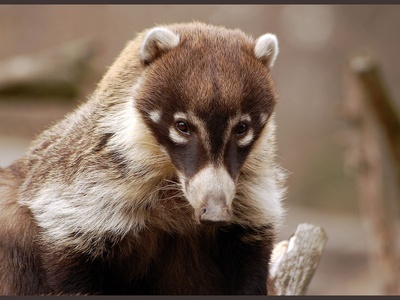
White-nosed coati
Social, ring-tailed raccoon-like mammals that forage in trees and on the ground. Coatis are common in forests and near human settlements, known for curiosity and group behavior. They remain widespread though locally affected by habitat change.
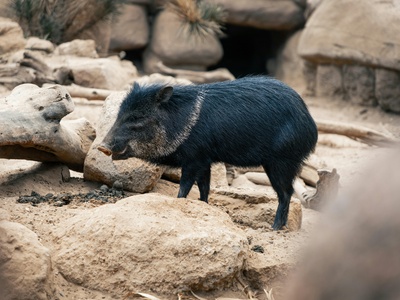
Collared peccary
Stocky, pig-like herds common across Mexico’s varied habitats. Collared peccaries are social omnivores that influence plant communities. They are adaptable but locally hunted; overall populations remain stable.
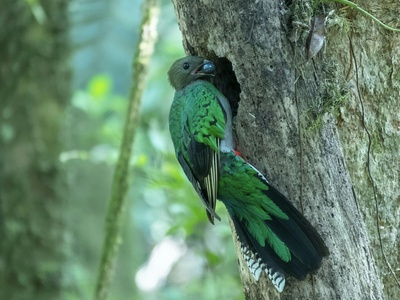
Resplendent quetzal
Vivid green-and-red trogon famed for long tail streamers and cultural importance. Quetzals inhabit high-elevation cloud forests and eat fruit and small animals. Deforestation of cloud forests threatens their numbers and nesting habitat.
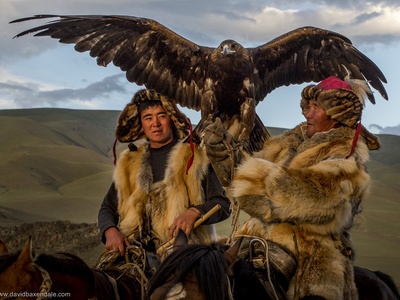
Golden eagle
Large raptor symbolically important in Mexico, preying on rabbits and other mammals. Golden eagles nest on cliffs and tall trees, are widespread but vulnerable to poisoning and habitat change where human–wildlife conflicts occur.
Mexican jay
Social, noisy corvid of high-elevation pine-oak woodlands. Mexican jays live in cooperative family groups, caching seeds and insects. They are familiar in mountain forests and play roles in seed dispersal.
Monarch butterfly
Famous migratory butterfly that winters in central Mexican oyamel fir forests. Monarchs form dense clusters on trees and migrate thousands of kilometers. Habitat loss and climate threats endanger these iconic overwintering colonies.

Green sea turtle
Large green-hued sea turtle that nests on Mexican beaches. Primarily herbivorous as adults, they travel long distances between feeding grounds and nesting beaches. Nest disturbance, bycatch, and pollution threaten populations.

Hawksbill turtle
Small, colorful sea turtle associated with coral reefs and lagoons. Hawksbills feed on sponges and are prized for their shell, driving severe exploitation. Conservation focuses on protecting nesting beaches and reef habitats.

Leatherback turtle
Largest sea turtle species, reaching over two meters, known for deep diving and long migrations. Leatherbacks nest irregularly on Mexican coasts and face threats from fisheries bycatch and marine pollution.

Olive ridley turtle
Small to medium sea turtle known for mass “arribada” nesting events on Pacific beaches. Olive ridleys are vulnerable to egg collection, coastal development, and fisheries bycatch despite some protected nesting sites.

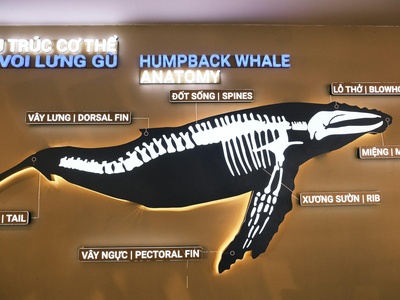
Humpback whale
Large, acrobatic baleen whale visiting Mexican waters seasonally to breed and calve. Humpbacks are known for breaching and complex songs. Conservation efforts and whale-watching regulations help their recovery.
Blue whale
World’s largest animal visits productive Pacific waters off Baja California to feed. Blue whales were heavily hunted and remain endangered, with slow recovery; they are monitored to reduce ship strikes and preserve feeding grounds.
California sea lion
Social coastal pinniped common on rocky shores and islands. California sea lions form large colonies and forage for fish. They adapt to human activity but face entanglement and pollution risks.
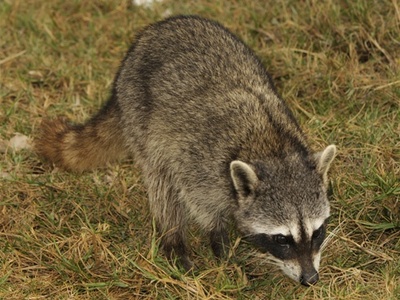
Cozumel raccoon
Small island raccoon endemic to Cozumel with distinctive appearance and tiny range. Highly threatened by habitat loss, invasive species, and human development; conservation focuses on habitat protection and controlling introduced predators.
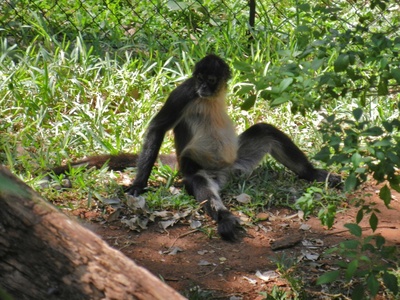
Geoffroy’s spider monkey
Long-limbed, prehensile-tailed primate of tropical canopies, living in loud social groups. Spider monkeys play key roles as seed dispersers; habitat fragmentation and hunting have caused serious declines across Mexico.
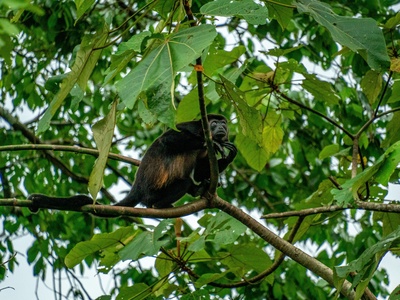
Mantled howler
Large howler monkey known for deep vocalizations heard across forests. Mantled howlers are folivores living in family groups and play roles in forest ecology. Local habitat loss threatens populations in some areas.
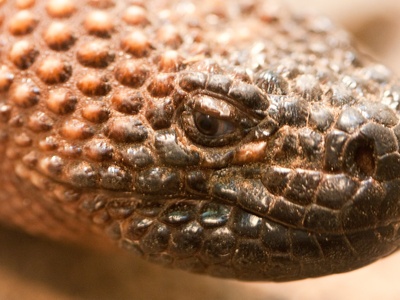
Mexican beaded lizard
Large venomous lizard native to western Mexico, notable for bead-like scales and slow movements. Beaded lizards have low reproductive rates and face habitat loss and illegal collection, prompting conservation attention.
Gila monster
Heavy, venomous lizard with bead-like skin occurring in arid northern Mexico. Gila monsters are secretive and feed on eggs and small animals. Habitat loss and persecution have reduced local numbers.
Northern tamandua
Arboreal anteater with prehensile tail that feeds on ants and termites. Nocturnal and solitary, tamanduas use strong foreclaws to access insect nests. They are uncommon but persist where forests remain intact.
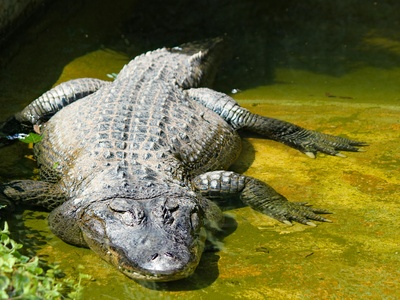
American crocodile
Large coastal crocodilian inhabiting mangroves, estuaries, and river mouths. American crocodiles are shy of humans but face habitat loss and hunting pressures; protected areas help sustain local populations.
Jaguarundi
Small, slender wild cat with a weasel-like body and varied coat colors. Jaguarundis hunt during day and night in dense brush and forests. Though adaptable, they are impacted by habitat fragmentation and road mortality.
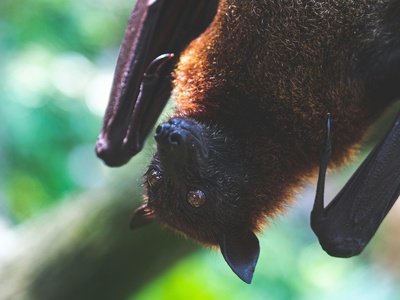
Lesser long-nosed bat
Migratory nectar-feeding bat that pollinates agaves and cacti, vital for many Mexican ecosystems and tequila-related plants. Populations declined due to roost loss and hunting; conservation protects caves and migratory corridors.
Humpback whale (repeat omitted)
…
Mexican blind salamander
Tiny, pale cave-dwelling salamander adapted to subterranean water systems in Cuatro Ciénegas. Blind and paedomorphic, it depends on stable groundwater and spring habitats; groundwater extraction and habitat changes threaten its survival.
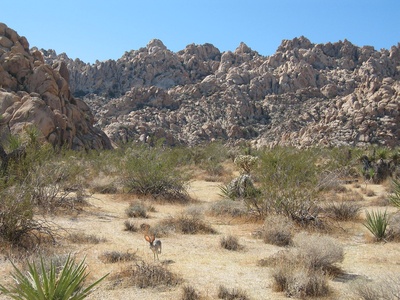
Black-tailed jackrabbit
Large desert hare with long ears and powerful hind legs, common in open habitats across northern Mexico. Mostly nocturnal and crepuscular, jackrabbits are a key prey species for predators like coyotes and raptors.
Baird’s tapir (repeat omitted)
…
American crocodile (repeat omitted)
…