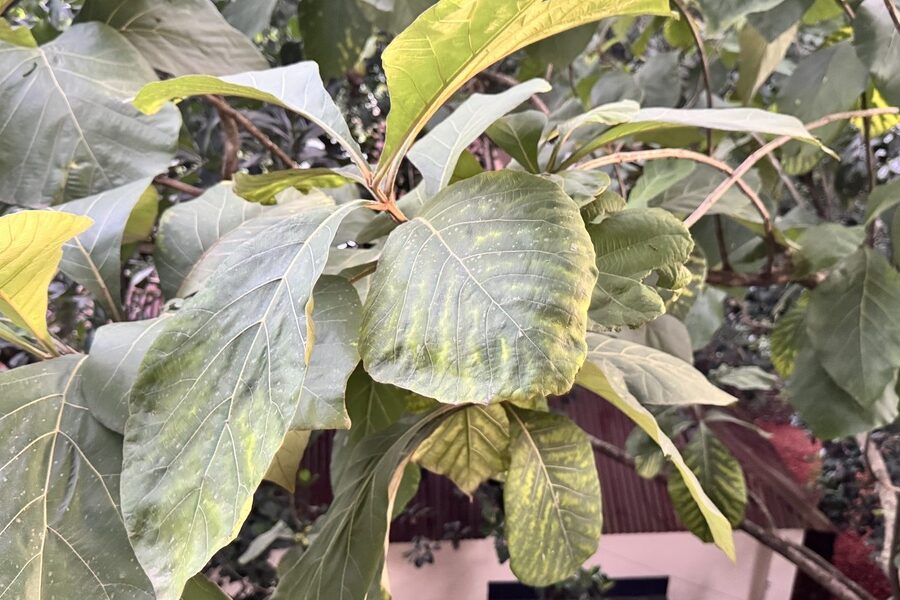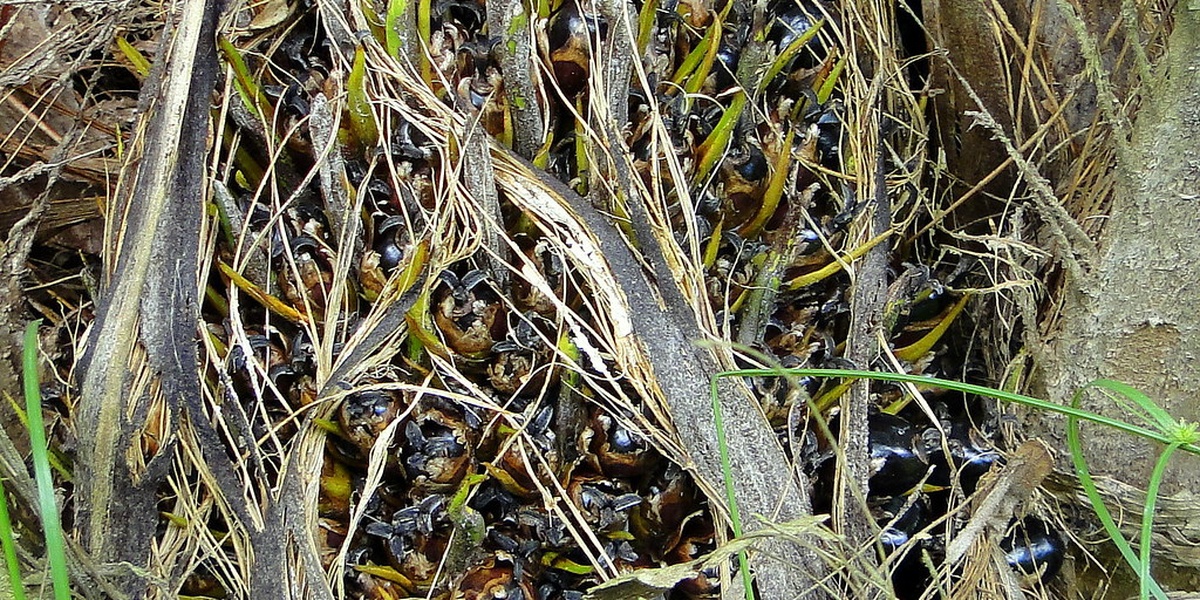
Cameroon sits at the crossroads of West and Central Africa, with rainforests, savannas, mountains and coastal wetlands that support a wide mix of plant life. Whether you’re curious about common herbs or canopy trees, the country’s habitats create distinct pockets of floral diversity worth exploring.
There are 32 Plants of Cameroon, ranging from African basil to Umbrella tree. Entries are arranged under the columns Scientific name,Family,Distribution (regions / habitat), and you’ll find them below.
Which regions of Cameroon should I visit to see the most diverse native plants?
The southern rainforests and the western highlands host the highest concentration of native species because of stable rainfall and varied elevation; visiting protected areas like Korup and the Cameroon Mountains gives the best chance to observe many entries from the list in natural settings.
How can I use this list for fieldwork or study?
Use the Scientific name to confirm identity, consult the Family for related traits, and check Distribution (regions / habitat) to target likely locations; combining those three columns helps plan surveys, herbarium searches, or simple backyard observations.
Plants of Cameroon
| Name | Scientific name | Family | Distribution (regions / habitat) |
|---|---|---|---|
| Oil palm | Elaeis guineensis | Arecaceae | South, Littoral, Southwest; coastal lowland rainforest and plantations |
| Raffia palm | Raphia farinifera | Arecaceae | South, Littoral, Southwest; riverine wetlands, swamp forests and gallery forests |
| African cherry | Prunus africana | Rosaceae | West, Northwest, Southwest; montane and submontane forests (Mt Cameroon, Bamenda Highlands) |
| Afrormosia | Pericopsis elata | Fabaceae | South, East, Southeast; lowland Guineo‑Congolian rainforest |
| Sapele | Entandrophragma cylindricum | Meliaceae | South, East, Southwest; lowland rainforest canopy |
| African mahogany | Khaya ivorensis | Meliaceae | South, Littoral, Southwest; wet lowland rainforests and riverine areas |
| Iroko | Milicia excelsa | Moraceae | South, West, forest‑savanna mosaic and lowland forests |
| Limba | Terminalia superba | Combretaceae | South, Littoral, Southwest; lowland and riverine rainforest |
| Kapok | Ceiba pentandra | Malvaceae | South, Centre, Littoral; lowland rainforest and secondary forest |
| Kola nut | Cola nitida | Malvaceae | South, Littoral, cultivated and wild in lowland rainforest |
| Bush mango | Irvingia gabonensis | Irvingiaceae | South, Southwest, lowland rainforest and forest margins |
| Cocoa | Theobroma cacao | Malvaceae | South, Littoral, Southwest; cultivated in humid lowlands under shade trees |
| Robusta coffee | Coffea canephora | Rubiaceae | South, Littoral, Southwest; cultivated and wild in lowland forests and plantations |
| Shea | Vitellaria paradoxa | Sapotaceae | North, Far North, Adamawa; savanna and parkland landscapes |
| Baobab | Adansonia digitata | Malvaceae | Far North, North; Sahelian woodlands, dry savanna and riverine areas |
| Umbrella tree | Musanga cecropioides | Urticaceae | South, Littoral, Southwest; riverbanks, secondary and disturbed rainforest |
| Obeche | Triplochiton scleroxylon | Malvaceae | South, Littoral, Southwest; lowland rainforest |
| Pattern tree | Alstonia boonei | Apocynaceae | South, Centre, lowland and montane rainforest |
| African ebony | Diospyros crassiflora | Ebenaceae | South, Southwest; primary lowland rainforest |
| African locust bean | Parkia biglobosa | Fabaceae | North, Adamawa; savanna, parkland and riverine galleries |
| Afzelia | Afzelia africana | Fabaceae | North, Adamawa; savanna woodland and gallery forests |
| Ordeal tree | Erythrophleum suaveolens | Fabaceae | South, Centre, lowland and gallery forests |
| Oil bean | Pentaclethra macrophylla | Fabaceae | South, Southwest; lowland rainforest and swampy areas |
| African padauk | Pterocarpus soyauxii | Fabaceae | South, Southwest; lowland Guineo‑Congolian rainforest |
| Bilinga | Nauclea diderrichii | Rubiaceae | South, East, Southeast; lowland rainforest and riverine forests |
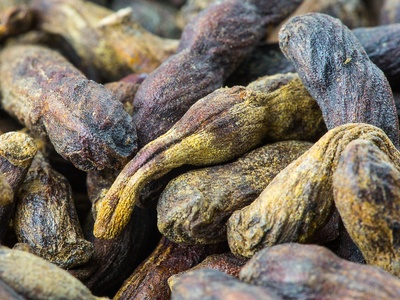
| Grains of Selim | Xylopia aethiopica | Annonaceae | Widespread; forest edges, secondary growth and savanna margins |
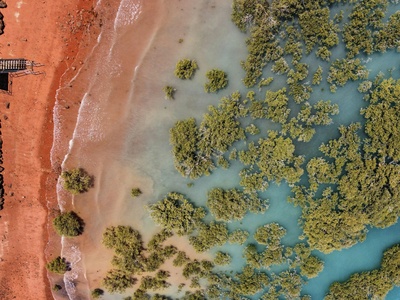
| Red mangrove | Rhizophora racemosa | Rhizophoraceae | Coast, Littoral, Southwest; mangrove forests and estuaries |
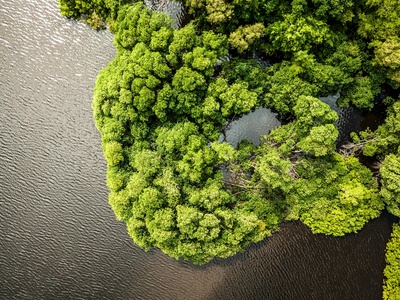
| Black mangrove | Avicennia germinans | Acanthaceae | Coast, Littoral; mangrove swamps and tidal flats |
| Papyrus | Cyperus papyrus | Cyperaceae | South, Littoral, Southwest; freshwater marshes and lake margins |
| Mondia (medicinal vine) | Mondia whitei | Apocynaceae | South, Southwest; moist forest understorey and secondary forest |
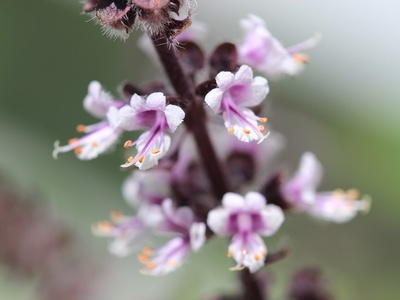
| African basil | Ocimum gratissimum | Lamiaceae | Widespread; gardens, disturbed ground and forest edges |
| Roselle | Hibiscus sabdariffa | Malvaceae | Widespread cultivation in South and Centre; gardens and smallholder plots |
Images and Descriptions
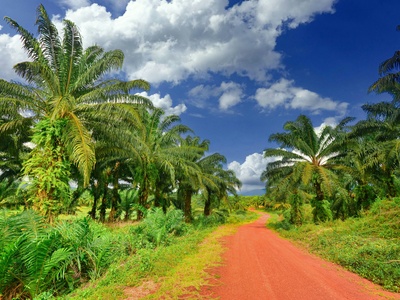
Oil palm
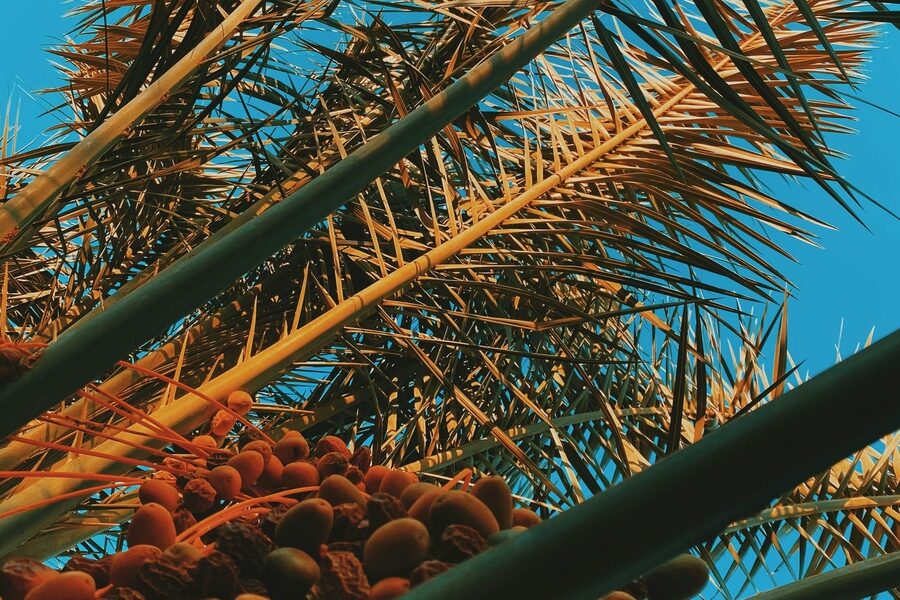
A tall pinnate-leaved palm producing orange fruit clusters used for edible oil and biodiesel; native to Cameroon’s southern lowlands, common in plantations and wild coastal forests, economically vital and visible across rural landscapes.
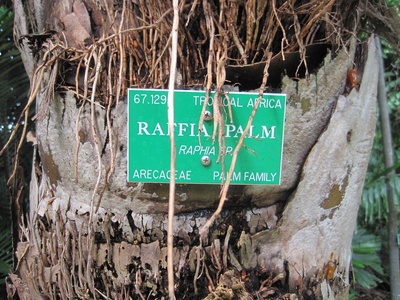
Raffia palm
Enormous-leaved palm found along rivers and in swamps whose leaves provide roofing, weaving material and fibers; stems yield sap for local wine and craftsmen rely on raffia across Cameroon’s wetland zones.
African cherry
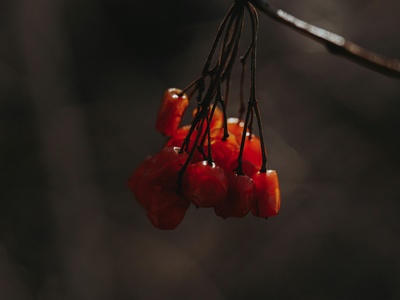
A medium montane tree valued for its medicinal bark used to treat prostate disorders; overharvesting has made it a conservation concern and it is closely associated with Cameroon’s montane cloud forests.

Afrormosia
A rare, golden-brown hardwood tree prized as afrormosia for high-quality furniture and veneer; naturally occurs in primary rainforest and is CITES‑listed, making conservation of Cameroon’s old growth critical.
Sapele
A large rainforest canopy tree that yields reddish-brown sapele timber widely used in cabinetry and musical instruments; occurs in mature forests and is commonly targeted by commercial logging.
African mahogany
A classic mahogany with pinnate leaves and durable timber used in furniture and boatbuilding; found in southern rainforests and valued both economically and ecologically throughout Cameroon.
Iroko
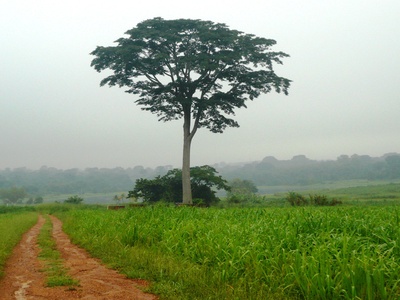
A long-lived, large tree producing very durable hardwood called iroko; common at forest edges and transitional zones, used locally for construction and culturally respected for longevity.
Limba
A tall timber tree with pale, lightweight wood known as limba, used in furniture and veneer; frequents moist forests and river terraces across Cameroon’s southern regions.
Kapok
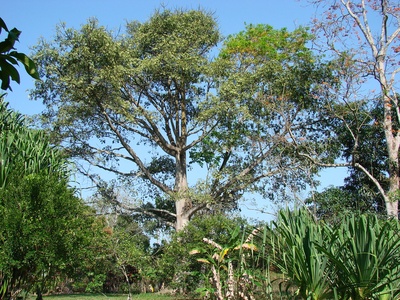
A striking emergent tree with a massive trunk and cottony seed fibers (kapok); seeds and fibers are used locally, and the tree is a familiar sight in cleared forest and secondary growth.
Kola nut
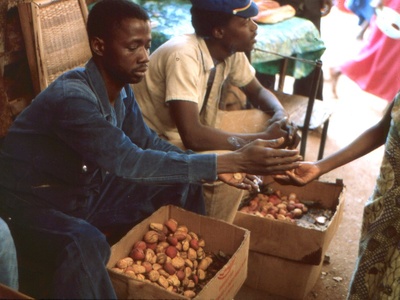
An evergreen tree producing caffeine-rich kola nuts used in social rituals, flavoring and trade; grows naturally and under cultivation in southern Cameroon and plays a role in local economies and customs.
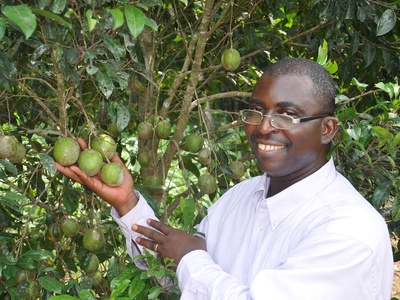
Bush mango
A fruit tree whose fibrous fruit and fatty seeds (used as ogbono) are important food and cash resources; common in forest gardens and wild stands near villages throughout southern Cameroon.
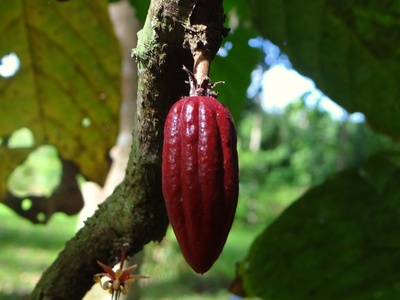
Cocoa
The tree that yields cocoa beans for chocolate, widely cultivated across southern Cameroon in smallholder farms; grown under shade in humid lowlands and integral to rural livelihoods and export income.
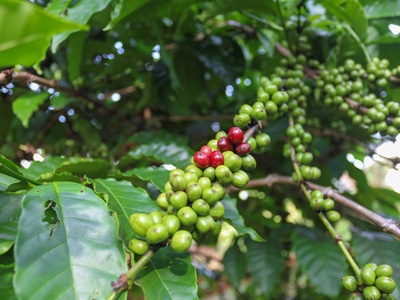
Robusta coffee
Robusta coffee is grown extensively in southern Cameroon; a hardy shrub valued for strong coffee, often interplanted with shade trees and central to many smallholder farming systems.
Shea
A deciduous savanna tree that produces shea nuts pressed for butter used in cooking and cosmetics; culturally and economically essential to northern communities and women’s cooperatives across Cameroon.
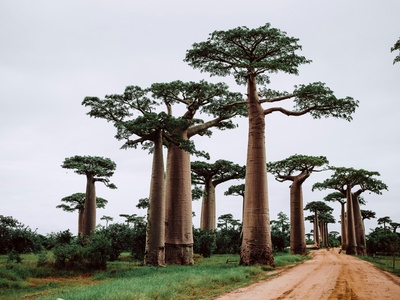
Baobab
Iconic massive-trunked tree storing water in its bole; provides edible fruit and leaves, is used medicinally, and creates striking landmarks throughout Cameroon’s drier northern landscapes.
Umbrella tree
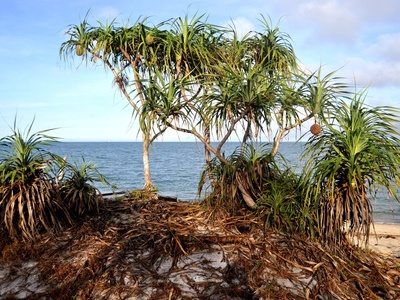
Fast-growing pioneer with an umbrella-shaped crown that colonizes forest gaps; light timber and papery bark are useful locally, and it is often seen in regenerating forest and agroforestry systems.
Obeche
A fast-growing canopy tree giving pale, soft obeche timber used in plywood and furniture; common in moist tropical forests and important to local timber industries.
Pattern tree
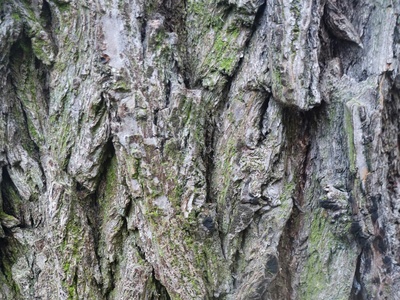
A tall medicinal tree with whorled leaves and milky latex; bark and extracts are used in traditional remedies and it occurs widely in moist forests and forested hill country.
African ebony
A slow-growing species producing extremely dense black ebony prized for carving and instruments; habitat loss and overexploitation have made it conservation-sensitive in Cameroon’s remaining primary forests.
African locust bean
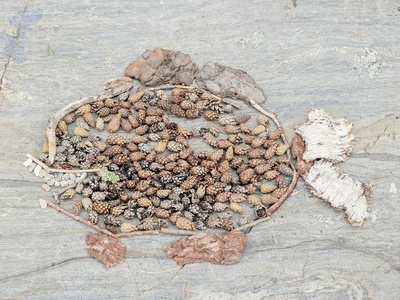
Savanna tree producing pods fermented into soumbala, a traditional seasoning; culturally important in northern Cameroon and commonly found in parklands and along waterways.
Afzelia
A large savanna timber tree with durable heartwood used locally for heavy construction; often found along watercourses in drier regions and valued in rural economies.
Ordeal tree
A rainforest tree with toxic bark historically linked to ordeal rituals and quality timber; notable for hard wood, dense canopy, and occurrence in moist forest plots and river corridors.
Oil bean
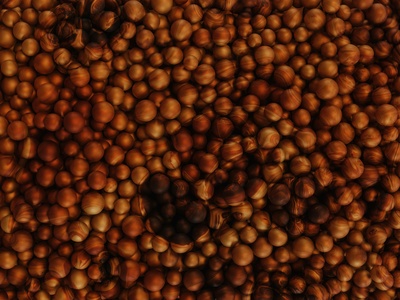
A large-seeded forest tree whose seeds are traditionally fermented into a protein-rich food condiment; common in wet forest zones and important in local diets and markets.
African padauk
A striking timber tree producing deep reddish wood used in decorative joinery and instruments; occurs in dense rainforests and is valued by carpenters and exporters.
Bilinga
A heavy, durable hardwood popularly called bilinga used in construction and decking; large rainforest species increasingly impacted by commercial logging in Cameroon’s southern forests.
Grains of Selim
Aromatic shrub or small tree producing spicy pods used as a pepper substitute and in traditional medicine; grows at forest margins and in disturbed sites across Cameroon.
Red mangrove
A key mangrove species with stilt roots forming dense coastal stands; protects shores, supports fisheries, and is a visible part of Cameroon’s intertidal ecosystems.
Black mangrove
A salt-tolerant mangrove tree with pneumatophores and leathery leaves; common in Cameroon’s tidal flats, vital for coastal protection and nursery habitat for fish.
Papyrus
Tall sedge forming dense stands in shallow water and swamps; historically used for papermaking and still harvested for mats and crafts around wetlands in southern Cameroon.
Mondia (medicinal vine)
A fragrant climbing rootstock used locally as a traditional aphrodisiac and flavoring; occurs in forest understorey and is harvested for medicinal and cultural uses.
African basil
A fragrant herb used in cooking and medicine across Cameroon; commonly grown near homes and found naturalized at forest edges and disturbed sites where it supports local culinary traditions.
Roselle
An annual shrub grown for its tart calyces used to make refreshing drinks and jams; common in home gardens and local markets throughout Cameroon’s humid regions.