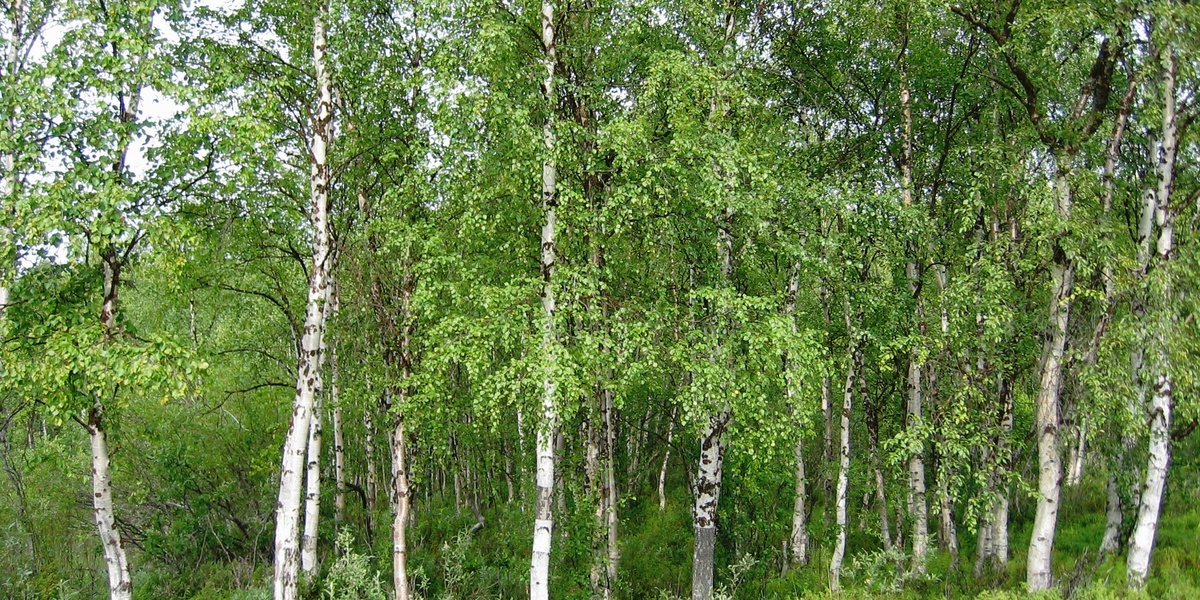
Finland’s mix of archipelago, peatlands and boreal forest creates distinct plant communities across short distances, so a single walk can feel like a tour through different ecosystems. Local seasons and soil acidity shape which species appear where, from roadside verges to sheltered mires.
There are 55 Plants of Finland, ranging from Angelica to Yellow water-lily. Each entry lists Scientific name,Type and habitat,Height (cm); you’ll find below.
Which habitats in Finland support the most plant diversity?
Coastal meadows, calcareous (lime-rich) grasslands and transitional wetlands tend to host the highest diversity because they offer varied soil chemistry and moisture; boreal mixed forests and old-growth patches also support unique understory species. Use the Type and habitat column to narrow likely candidates when you encounter a plant.
How can I use this list to identify a plant I find, like Angelica or yellow water-lily?
Start by noting where you found it and its approximate height, then compare the Type and habitat and Height (cm) with entries in the list; the Scientific name column helps confirm identification when you cross-check photos or field keys. If uncertain, photograph key features (leaves, flowers, habitat) and consult a local flora or plant ID community.
Plants of Finland
| Common name | Scientific name | Type and habitat | Height (cm) |
|---|---|---|---|
| Norway spruce | Picea abies | Tree; boreal and mixed forests, common nationwide | 2,000-3,000 |
| Scots pine | Pinus sylvestris | Tree; dry, sandy soils and rocky outcrops, widespread | 800-2,500 |
| Silver birch | Betula pendula | Tree; open woods, roadside, urban areas, common south to north | 600-1,500 |
| Downy birch | Betula pubescens | Tree; wet soils, mires and forests, common nationwide | 700-1,800 |
| European aspen | Populus tremula | Tree; mixed forests, clearings and edges, widespread | 800-1,500 |
| Grey alder | Alnus incana | Tree/shrub; riverbanks, wet forests, common in north and east | 500-1,200 |
| Black alder | Alnus glutinosa | Tree; rivers, lakeshores and wetlands, mainly southern Finland | 600-1,800 |
| Rowan | Sorbus aucuparia | Small tree; forest edges, roadsides, common nationwide | 300-800 |
| Common juniper | Juniperus communis | Shrub; dry rocky sites, heathlands and coastal areas | 30-200 |
| Sea buckthorn | Hippophae rhamnoides | Shrub; coastal dunes and shorelines, western & southern coasts | 50-300 |
| Hazel | Corylus avellana | Shrub; mixed woodlands and hedgerows, southern Finland | 200-600 |
| Lingonberry | Vaccinium vitis-idaea | Shrub; dry pine forests, heaths; widespread | 5-30 |
| Bilberry | Vaccinium myrtillus | Shrub; acidic forests and clearings, common nationwide | 10-40 |
| Bog cranberry | Vaccinium oxycoccos | Shrub; bogs, peatlands and shallow pools, northern & central | 5-20 |
| Cloudberry | Rubus chamaemorus | Herbaceous; bogs and tundra bogs, northern and alpine areas | 10-30 |
| Fireweed (Rosebay) | Chamerion angustifolium | Herb; open ground, roadsides, burnt areas, common | 50-150 |
| Meadow buttercup | Ranunculus acris | Herb; meadows, pastures and roadsides, common in south | 30-90 |
| Oxeye daisy | Leucanthemum vulgare | Herb; meadows, roadsides and grasslands, southern & central | 20-60 |
| Wood anemone | Anemone nemorosa | Herb; deciduous forests and clearings, early spring bloomer | 10-30 |
| Lily-of-the-valley | Convallaria majalis | Herb; shady forests and gardens, southern & central Finland | 10-30 |
| Marsh marigold | Caltha palustris | Herb; wet meadows, stream edges and spring fens, widespread | 20-60 |
| Meadowsweet | Filipendula ulmaria | Herb; damp meadows and stream margins, common | 50-120 |
| Common dandelion | Taraxacum officinale | Herb; lawns, roadsides and disturbed ground, ubiquitous | 10-40 |
| Common nettle | Urtica dioica | Herb; nutrient-rich soils, hedgerows and disturbed ground | 50-200 |
| Angelica | Angelica archangelica | Herb; coastal meadows and riverbanks, mainly southern Finland | 100-200 |
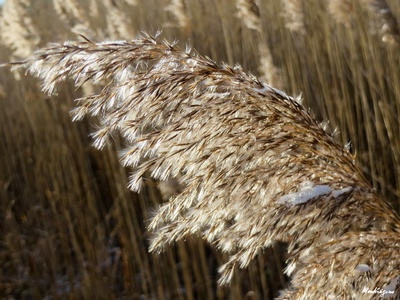
| Common reed | Phragmites australis | Grass; reedbeds, lake shores and marshes, widespread | 100-400 |
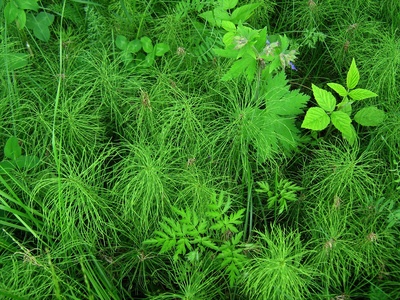
| Field horsetail | Equisetum arvense | Fern ally; meadows, disturbed soils and roadside ditches | 10-60 |
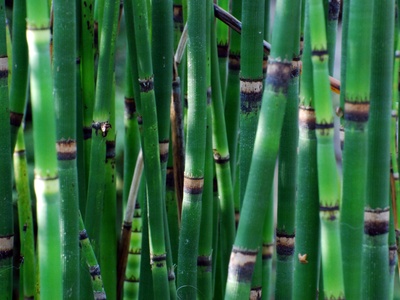
| Water horsetail | Equisetum fluviatile | Fern ally; shallow water margins and marshes, common | 30-150 |
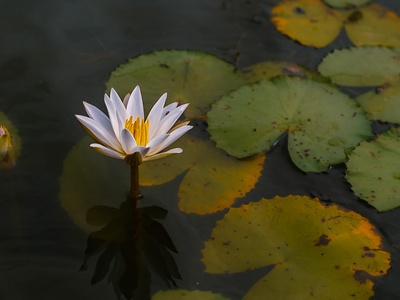
| White water-lily | Nymphaea alba | Aquatic; lakes and slow rivers, southern to central Finland | 20-100 |
| Yellow water-lily | Nuphar lutea | Aquatic; ponds, lakes and slow rivers, common | 30-80 |
| Bracken | Pteridium aquilinum | Fern; open forests, heaths and disturbed sites, southern Finland | 30-150 |
| Lady fern | Athyrium filix-femina | Fern; moist woodlands, stream banks and shaded slopes | 40-120 |
| Common polypody | Polypodium vulgare | Fern; rocky outcrops, tree bases and dry woods, scattered | 15-40 |
| Tufted hair-grass | Deschampsia cespitosa | Grass; wet meadows, marsh fringes and ditches | 40-120 |
| Timothy grass | Phleum pratense | Grass; meadows and hayfields, agricultural landscapes | 60-120 |
| Lupin (garden lupin) | Lupinus polyphyllus | Herb; roadsides and disturbed ground, naturalized in parts | 40-150 |
| Bog rosemary | Andromeda polifolia | Shrub; ombrotrophic bogs and acid peatlands, northern & central | 5-30 |
| Heather | Calluna vulgaris | Shrub; heaths, dry moors and pine forest understory | 10-50 |
| Common cow-wheat | Melampyrum pratense | Herb; dry pine forests and clearings, widespread | 10-40 |
| Wood horsetail | Equisetum sylvaticum | Fern ally; moist woods and forest clearings, northern areas | 20-60 |
| Bogbean | Menyanthes trifoliata | Herb; bog pools, shallow water and fens, widespread | 10-40 |
| Common sorrel | Rumex acetosa | Herb; meadows, roadsides and grasslands, widespread | 20-60 |
| Field scabious | Knautia arvensis | Herb; meadows, roadside verges and calcareous grassland | 30-80 |
| Common valerian | Valeriana officinalis | Herb; damp meadows and stream sides, southern & central | 80-150 |
| Polytrichum commune | Polytrichum commune | Bryophyte; dry to moist forests, heathlands and disturbed soils | 1-10 |
| Stair-step moss | Hylocomium splendens | Bryophyte; boreal forest floor, humus-rich soils, widespread north | 0.5-5 |
| Blunt-leaved bog-moss | Sphagnum palustre | Bryophyte; bogs, peatlands and wet hollows, widespread | 1-15 |
| Wavy meadow-moss | Rhytidiadelphus squarrosus | Bryophyte; lawns, roadsides and grasslands, widespread | 1-10 |
| Bog rosemary (wetland) | Andromeda polifolia | Shrub; ombrotrophic bogs and acid peatlands, northern & central | 5-30 |
| Bog laurel | Kalmia palustris | Shrub; bogs and wet heaths, scattered northern occurrences | 10-30 |
| Twinflower | Linnaea borealis | Shrublet; shady coniferous forests, widespread across boreal zone | 5-15 |
| Sea holly | Eryngium maritimum | Herb; coastal dunes, rare and localized on sandy shores | 10-60 |
| Common woodrush | Luzula multiflora | Herb; dry to mesic forests and clearings, widespread | 10-40 |
| Bog willow | Salix myrsinifolia | Shrub/tree; bog edges and wet forests, northern and central | 100-500 |
| European cranberry (marsh) | Oxycoccus palustris | Shrub; bog pools and wet Sphagnum lawns, northern & central | 3-15 |
Images and Descriptions
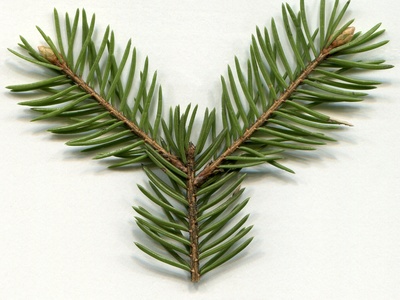
Norway spruce
Tall evergreen conifer with drooping branch tips and needle leaves; important timber and reindeer habitat. Common across Finland’s forests, especially in central and northern regions; cones and flaky bark help identification.
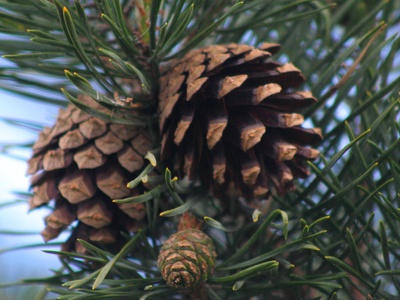
Scots pine
Tall evergreen with orange-brown bark on upper trunk and paired needles. Iconic boreal species used for timber and resin; often solitary on rocky hills and common across Finland from south to north.
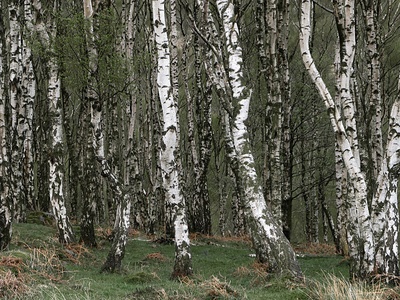
Silver birch
Slender tree with white peeling bark and triangular leaves with toothed margins. Early colonizer of disturbed ground; notable for catkins and bright yellow autumn color; widespread throughout Finland.
Downy birch
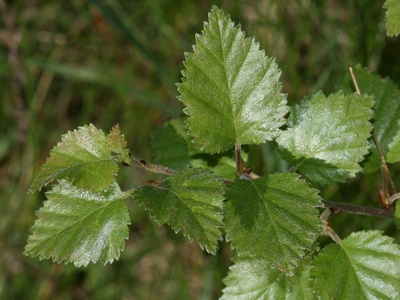
Hardy birch with duller, brownish bark and rounded leaves; tolerates boggy ground. Common in northern and eastern Finland; catkins appear in spring and young twigs often hairy.
European aspen
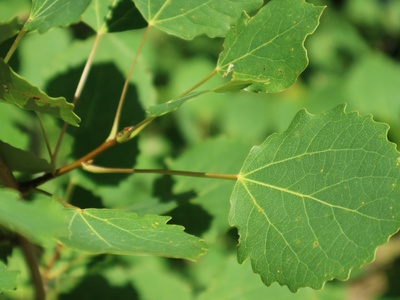
Medium tree with round, tremulous leaves on flattened petioles and smooth pale bark. Spreads by root suckers, forms groves; common across Finland in woods and roadside hedges.
Grey alder
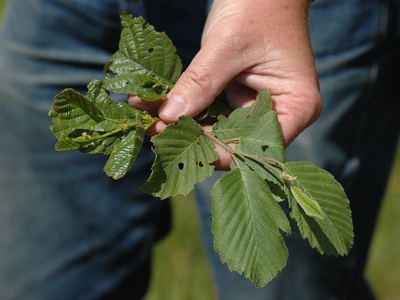
Deciduous alder with grey bark and small walnut-like cones (strobiles). Fixes nitrogen with root symbionts; common along streams and in wet forests throughout Finland.

Black alder
Glossy-leaved alder with sticky young buds and persistent woody cones. Thrives on wet soils and riverbanks; fixes nitrogen and supports insect life; more frequent in southern regions.
Rowan
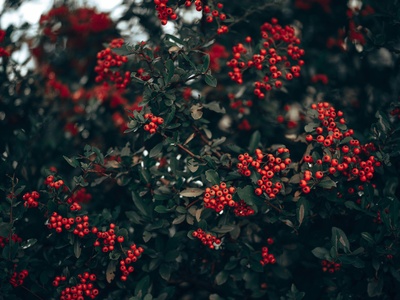
Small tree with pinnate leaves and bright orange-red berry clusters in autumn. Birds feed on berries; easy to spot in hedgerows and forests across Finland.
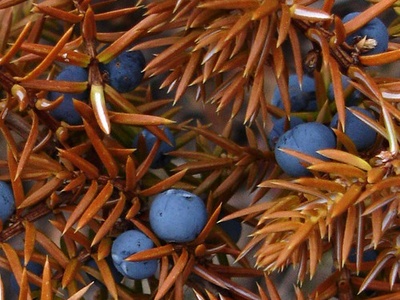
Common juniper
Evergreen shrub with needle-like leaves and blue-black berries. Aromatic berries used in cooking and gin; forms shrubs and low trees in open, exposed Finnish habitats.
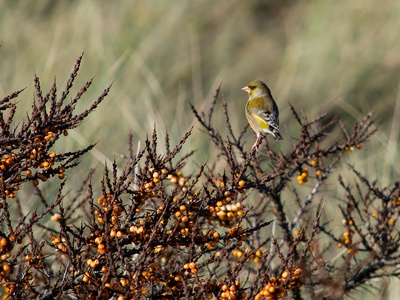
Sea buckthorn
Tough shrub with narrow silver-green leaves and bright orange, vitamin-rich berries along coasts. Salt-tolerant pioneer on dunes; berries used in juices and traditional remedies.
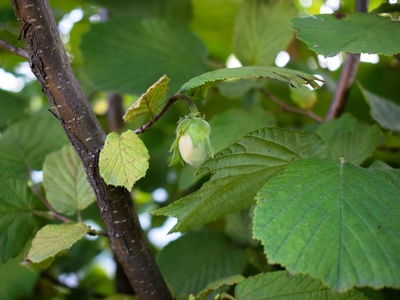
Hazel
Multi-stemmed shrub with rounded leaves and edible nuts in husks. Catkins in early spring; common in southern woodlands and traditional hedgerows.
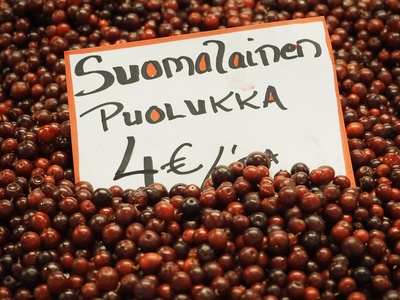
Lingonberry
Low evergreen shrub with small glossy leaves and red edible berries in autumn. Acid-loving species common under pines across Finland; berries used for preserves and sauces.
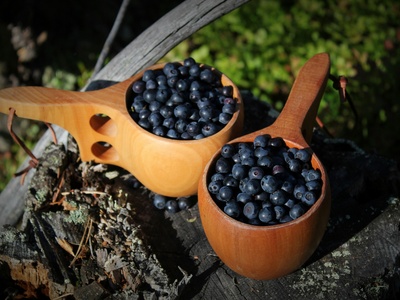
Bilberry
Low deciduous shrub with thin leaves and sweet blue berries. Abundant in boreal forests and prized for fruit picking; turns red-orange in autumn.
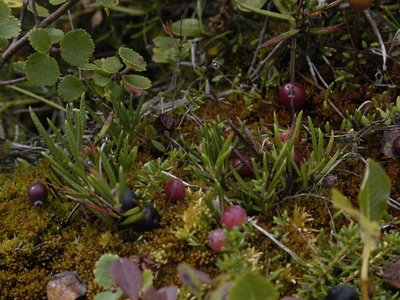
Bog cranberry
Trailing bog shrub with glossy leaves and small red berries in peat bog pools. Prefers open mires; berries are tart and traditionally harvested in Finnish wetlands.
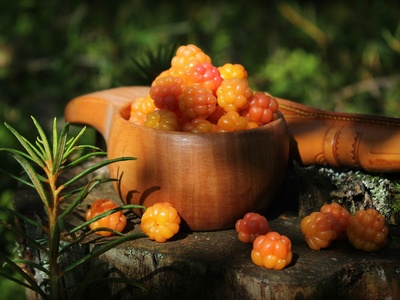
Cloudberry
Perennial with golden amber berries prized as dessert fruit. Grows in mires and tundra-like habitats; distinctive raspberry-like aggregate fruit and palmate leaves.
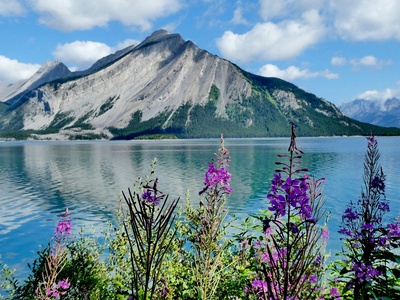
Fireweed (Rosebay)
Tall pink-flowered herb with lanceolate leaves in whorls. Rapid colonizer of disturbed sites; nectar-rich flowers attract insects and seeds disperse by wind.
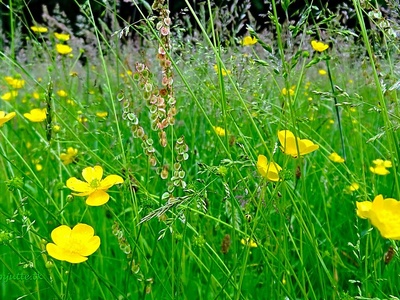
Meadow buttercup
Upright plant with glossy yellow multi-petaled flowers and deeply divided leaves. Common in hayfields and meadows; sap may irritate skin when handled fresh.
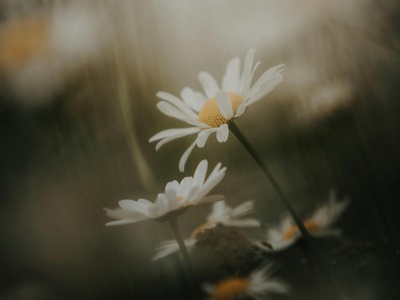
Oxeye daisy
Classic white-petalled daisy with yellow disk; conspicuous in summer grasslands. Supports pollinators; common in semi-natural pastures and roadside verges.
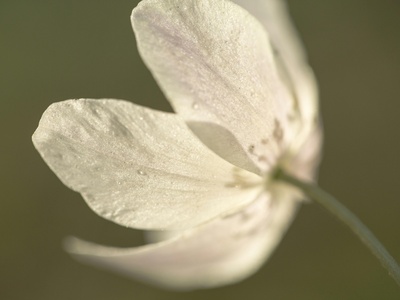
Wood anemone
Low spring-flowering plant with white star-like petals and deeply divided leaves. Forms carpets under trees in early spring; indicator of long-established woodland.
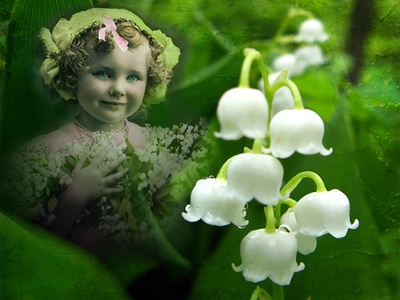
Lily-of-the-valley
Low-growing with glossy leaves and nodding white bell flowers with strong sweet scent. Common in shaded woodland floors and traditional gardens; berries are toxic.
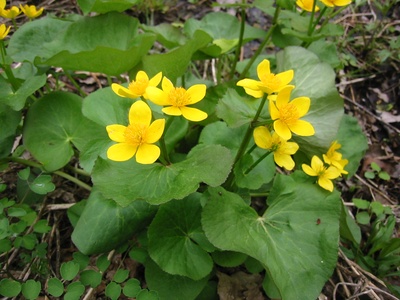
Marsh marigold
Bright yellow buttercup-like flowers in spring near water. Likes wet soil and marshy habitats; distinctive large glossy leaves and early season bloom.
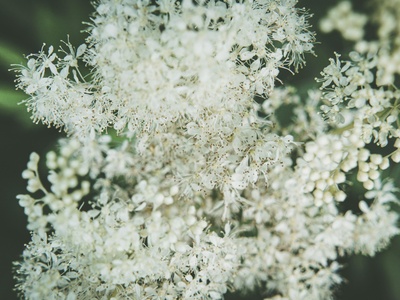
Meadowsweet
Fragrant clusters of cream flowers with pinnate leaves. Common in wet meadows and along streams; used traditionally for flavoring and medicinal properties.
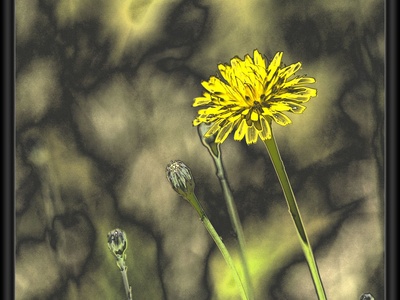
Common dandelion
Rosette plant with yellow composite flowers turning to spherical seed heads. Very common in urban and rural habitats; edible young leaves and widely recognized seed dispersal.
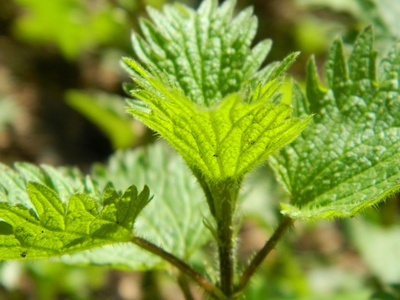
Common nettle
Tall herb with serrated leaves and stinging hairs causing nettle burns. Thrives on rich soils and supports many insect species; young shoots used as a cooked green.
Angelica
Tall umbellifer with large compound leaves and hollow stem; aromatic root and seeds used historically in medicine and flavoring. Often found on coastal cliffs and river margins.
Common reed
Robust tall grass with feathery flower heads forming dense reedbeds. Important for bird habitat and shoreline stabilization; identifiable by long leaves and hollow stems.
Field horsetail
Jointed green stems with brush-like fertile shoot in spring. Ancient plant group; common in disturbed ground and garden borders and recognizable by segmented stems.
Water horsetail
Lush, non-flowering reedlike plant in shallow water with sterile green stems. Often forms dense colonies in ponds and slow-moving waters; looks like miniature reeds.
White water-lily
Floating round leaves and large white flowers that open in daytime. Roots in muddy lake bottoms; common in quiet waters and popular in summer pondscapes.
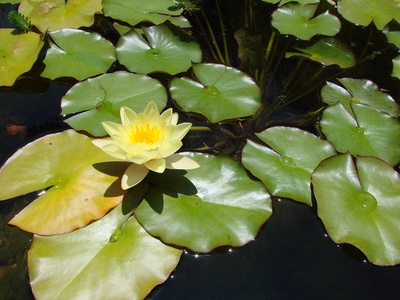
Yellow water-lily
Large floating leaves and cupped yellow flowers rising above the surface. Grows in shallow, nutrient-rich waters and often mixed with other aquatic plants.
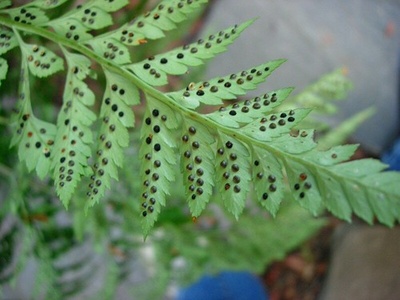
Bracken
Large divided fronds forming dense patches; spreads by underground rhizomes. Common on forest clearings and hillsides; identifies by triangular, coarse fronds.
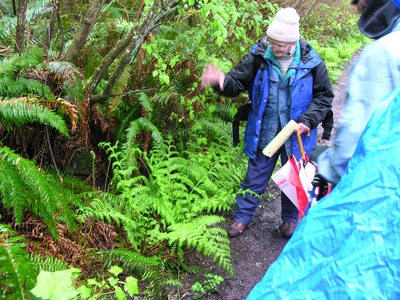
Lady fern
Graceful lacy fronds with triangular shape and soft appearance. Prefers moist, shady habitats; common in Finnish understorey and distinguished from coarser bracken.
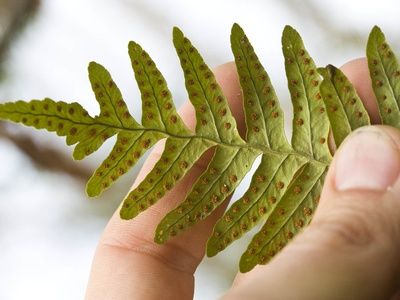
Common polypody
Evergreen fern with leathery pinnate fronds and round sori beneath leaflets. Grows on rocks and old walls; small but distinctive in calcareous sites.
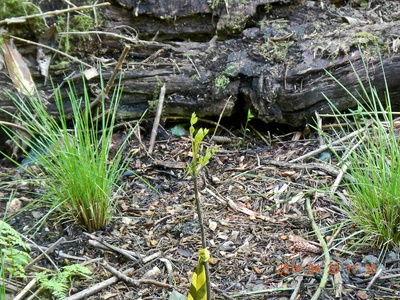
Tufted hair-grass
Clump-forming grass with airy flower panicles, tolerates damp soils. Common in wet meadows and roadside ditches; seeds attractive to birds.
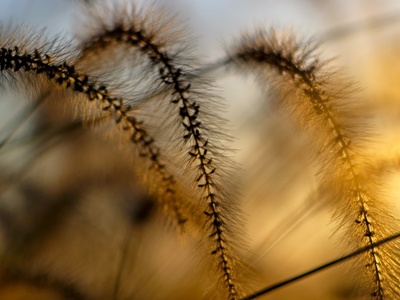
Timothy grass
Dense cylindrical flower spikes and stiff stems; major hay grass cultivated but also naturalized in fields and roadsides; common in southern agricultural areas.
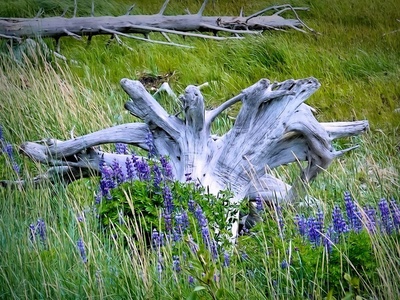
Lupin (garden lupin)
Tall spikes of pea-like colorful flowers originated in gardens, now escaped and invasive in places. Recognizable by palmately divided leaves; spreads along roads and dunes in Finland.
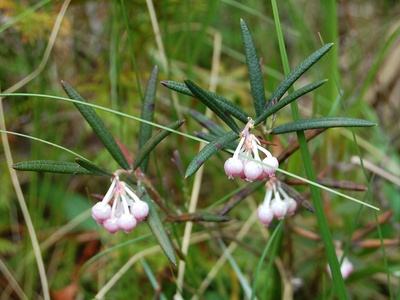
Bog rosemary
Low evergreen shrub with narrow leathery leaves and pink urn-shaped flowers. Typical of nutrient-poor bogs; aromatic foliage and an indicator of intact peatland ecosystems.
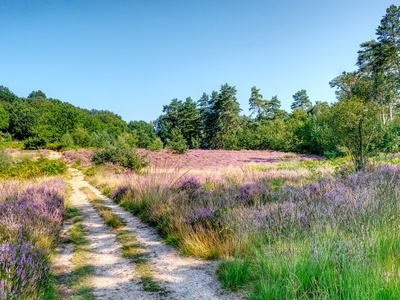
Heather
Low evergreen with tiny scale-like leaves and purple flower spikes in late summer. Dominant heather of open heathlands; provides nectar for bees and characteristic purple landscapes.
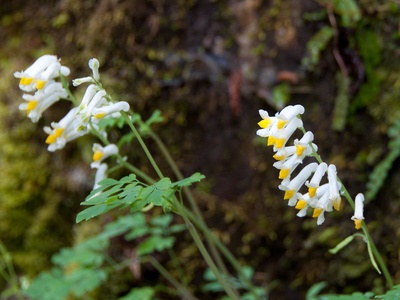
Common cow-wheat
Semi-parasitic herb with yellow tubular flowers and lanceolate leaves. Grows under pines and heathers; distinctive by parasitic habit and contrasting flower color.
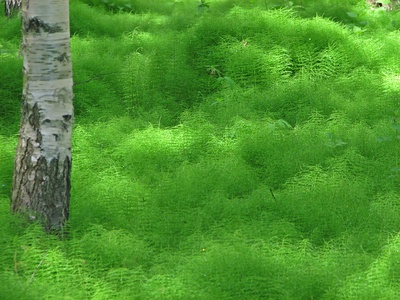
Wood horsetail
Soft, feathery sterile shoots unlike arvense; prefers shady, moist forest floors. Recognizable by delicate segmented stems and branched appearance.
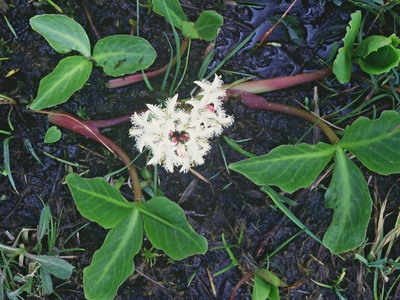
Bogbean
Floating or emergent plant with trifoliate leaves and clusters of white fringe-petalled flowers. Typical of bog pools and shallow lakes; ornate flowers make it noticeable in wetlands.
Common sorrel
Tall herb with arrow-shaped sour-tasting leaves used as spring green in cooking. Recognizable by reddish seed clusters in summer; common in pastures and waste ground.
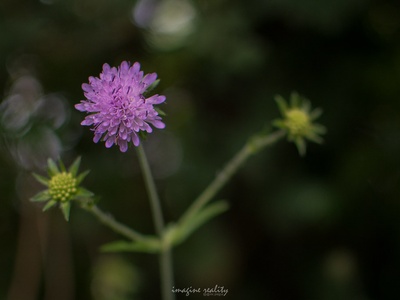
Field scabious
Pale lilac pincushion flowers on long stems, favorite of butterflies. Common in semi-natural meadows and roadside banks, especially in southern Finland.
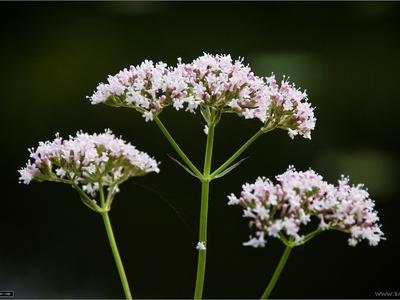
Common valerian
Tall herb with clusters of fragrant white-pink flowers and pinnate leaves. Historically used as medicinal sedative; grows near water and damp meadows.
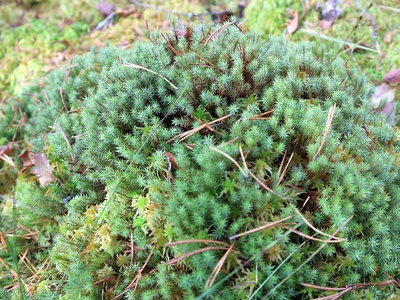
Polytrichum commune
Tall, upright haircap moss forming dense dark green tufts. Common in boreal forests and open ground; leaves with hair-point make it distinctive among mosses.
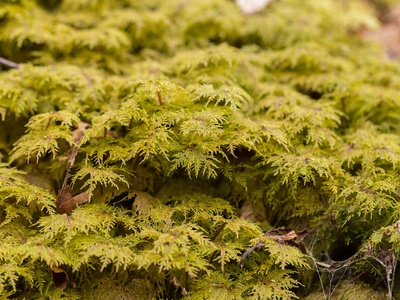
Stair-step moss
Layered, step-forming moss creating carpeted forest floors with distinct yearly growth “steps.” Common in mature pine and spruce forests across Finland; key indicator of old-growth conditions.
Blunt-leaved bog-moss
Peat-forming moss with spongy cushions that retain water and acidify peatlands. Dominant species in many mires, identifiable by soft green tufts and water-holding capitula.
Wavy meadow-moss
Green, sprawling moss often dominating grassy soils and lawns. Forms loose mats and tolerates trampling; common in urban and rural grassy habitats throughout Finland.
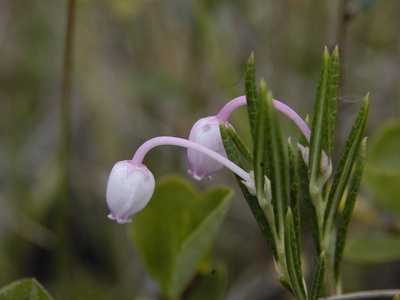
Bog rosemary (wetland)
Low evergreen shrub with narrow leathery leaves and pink urn-shaped flowers. Typical of nutrient-poor bogs; aromatic foliage and an indicator of intact peatland ecosystems.
Bog laurel
Low woody shrub with glossy evergreen leaves and pink clustered flowers. Found in some nutrient-poor bogs and wet heaths; attractive but toxic if eaten.
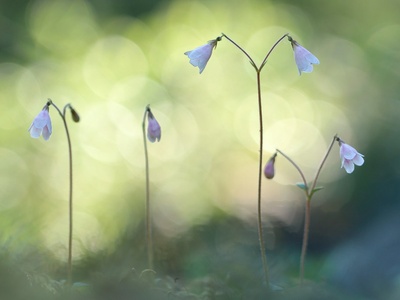
Twinflower
Low creeping plant with paired fragrant bell flowers on thin stalks, named after Linnaeus. Classic boreal forest groundcover, common in mossy coniferous woods across Finland.
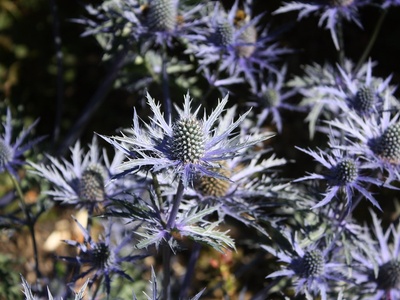
Sea holly
Spiky blue-green foliage with thistle-like flowers along sandy coasts. Specialist dune plant requiring salt and sand; rare and worth seeking on southern Finnish beaches.
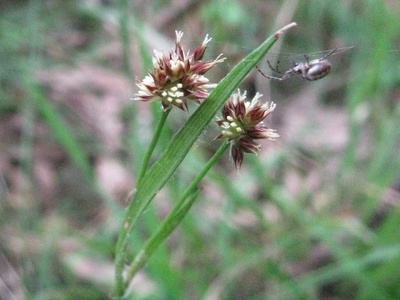
Common woodrush
Grass-like plant with tufted leaves and small brownish flowers on wiry stems. Common in forest understory and clearings; tolerant of shade and dry soils.
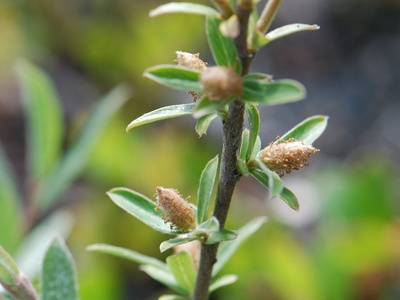
Bog willow
Stout willow with dark leaves and catkins in spring. Grows in wet forest margins and peatland edges; local timber and wildlife value in northern Finland.
European cranberry (marsh)
Trailing bog plant with glossy leaves and small bright red berries in autumn. Prefers floating hummocks and shallow pools in peatlands; tart berries used traditionally.