TL;DR
Most “black flowers” lists skip the danger, and most “poisonous flowers” lists skip the color. Here’s the overlap: eight plants with black or near-black flowers, berries, or seeds that can genuinely hurt a curious dog, cat, or toddler. The pattern worth remembering — the toxin usually concentrates in the berry or seed, not the petal. A flower can look perfectly innocent while the fruit sitting under it is the actual threat. Skip to the danger table if you just need the risk levels.
Table of Contents
- Why “Black” Flowers Are Almost Never Actually Black
- 8 Poisonous Black (and Near-Black) Flowers
- Quick-Scan Danger Table
- Black Flowers That Are Actually Harmless
- Handling and Display Safety Tips
Why “Black” Flowers Are Almost Never Actually Black
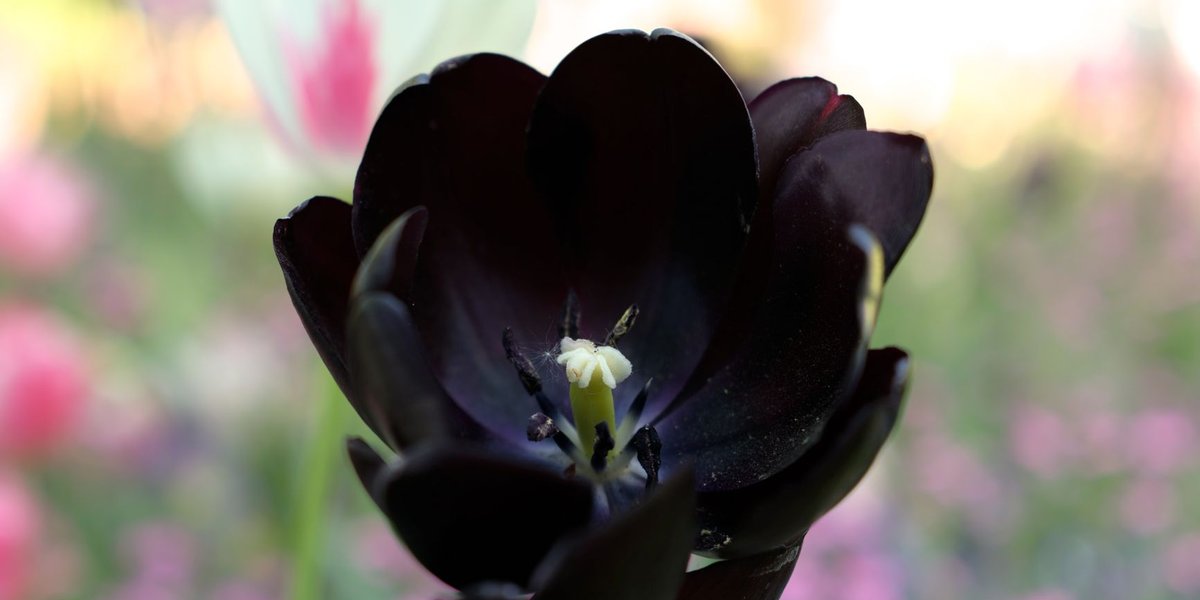
True black doesn’t really exist in flower pigment. What gardeners and florists call “black” is almost always an extremely dense concentration of anthocyanin pigment layered over a dark red or purple base — deep enough that it reads as black under most light, then flashes maroon or plum the second the sun hits it at an angle. Black hellebores, black petunias, “black” tulips — all of them are doing this same trick.
The toxic side of the “black flower” search is a different plant, and that’s where the confusion piles up. Black henbane, for instance, is named for its seeds, not its petals — the flowers are a sickly pale yellow laced with purple veins. Deadly nightshade’s flower is a dull violet bell; the part that’s actually black is the berry that follows it. You’ll find this berry-based danger repeating across poisonous flowers in other colors as well. If you’re searching for “poisonous black flowers” expecting solid black petals with a skull-and-crossbones vibe, you’re going to be disappointed. If you’re searching because you want to know what to keep away from your dog or your kid, the picture below is what matters.
8 Poisonous Black (and Near-Black) Flowers
1. Black Bat Flower (Tacca chantrieri)
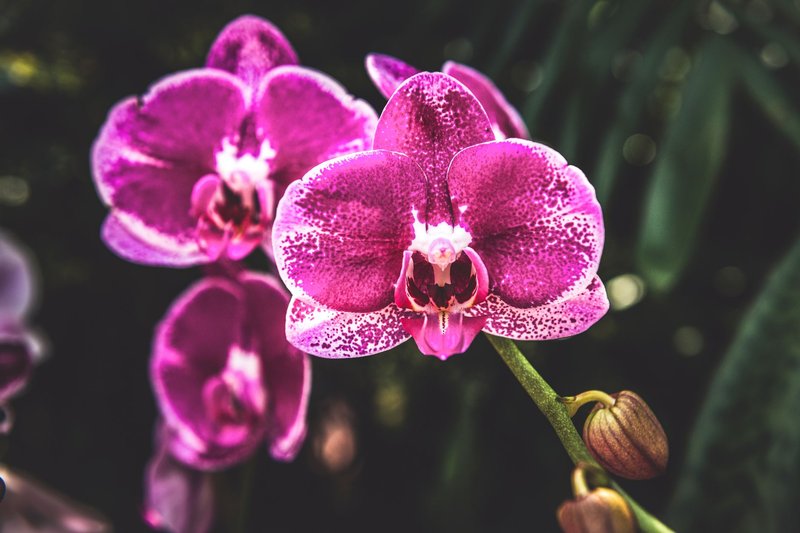
This is the closest thing to a genuinely black-petaled flower on this list — deep maroon-purple bracts fanned out with whisker-like filaments that can trail over a foot long, giving the whole bloom its bat-shaped silhouette. Every part of the plant carries calcium oxalate crystals and phenanthridine alkaloids. A dog or cat that chews the leaves or bracts typically ends up drooling, vomiting, or refusing food, not in organ failure — but it’s an unpleasant few hours, and the plant is popular enough as an exotic houseplant that vets do see cases.
2. Black Hellebore (Helleborus niger)
Sold as the Christmas rose, this one blooms white to blush-pink in the wild but the name and the darkest cultivars — ‘Black Diamond,’ ‘Onyx Odyssey’ — lean into near-black foliage and deep plum flowers. The toxicity has nothing to do with color and everything to do with the cardiac glycosides in every part of the plant: helleborin, hellebrin, and the ranunculoside protoanemonin. According to the ASPCA’s plant toxicity database, ingestion in dogs, cats, and horses brings on drooling, abdominal pain, and diarrhea, and in rare, heavier doses, heart arrhythmia. The plant tastes bitter and burns going down, which is the main reason serious poisonings are uncommon — animals usually spit it out after one bite.
3. Voodoo Lily (Dracunculus vulgaris)
The spathe on this one is genuinely near-black on the inside — a deep maroon-purple throat that, combined with the smell of rotting meat it releases to attract carrion flies, makes it one of the most theatrical plants a gardener can grow. Like most aroids, it’s loaded with calcium oxalate raphides — microscopic needle-shaped crystals that lodge in soft tissue on contact. Chewing into any part causes immediate burning and swelling of the mouth and throat, which is usually enough to stop a curious pet after the first exploratory nibble but can be genuinely dangerous if a large amount gets swallowed.
4. Black Calla / Solomon’s Lily (Arum palaestinum)
Not a true calla but close enough in appearance that nurseries sell it under the same name — a dark, near-black spathe wrapped around a maroon spadix. Same family as the voodoo lily, same defense mechanism: insoluble calcium oxalate crystals throughout the plant. The ASPCA lists Black Calla as toxic to both dogs and cats, with oral irritation, drooling, and difficulty swallowing as the standard presentation, and kidney involvement possible in severe cases.
5. Deadly Nightshade (Atropa belladonna)
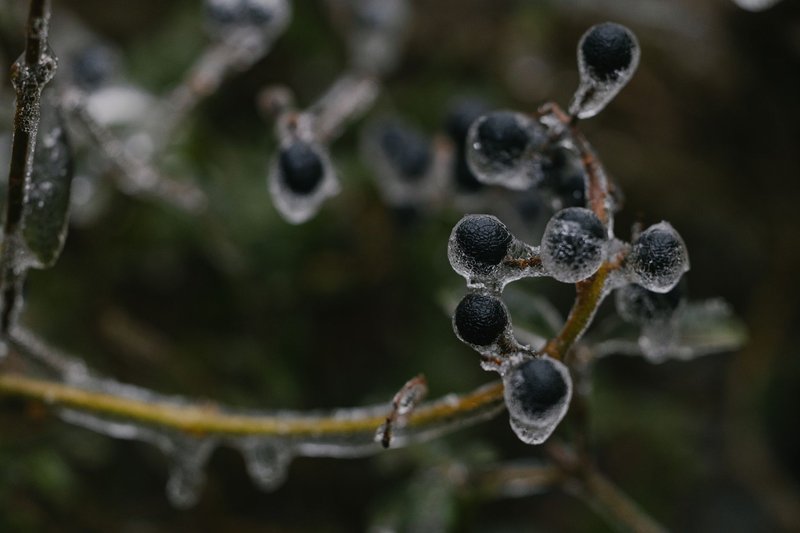
The flower itself is a dull purple-brown bell, easy to miss. The berry that follows is the one that kills — glossy, black, about the size of a cherry, and sweet enough that children have mistaken it for candy. The toxins are atropine, hyoscyamine, and scopolamine, all of which block acetylcholine receptors throughout the nervous system. A case review published in the NCBI’s PubMed Central archive documents the classic presentation: dilated pupils, flushed dry skin, racing heart, hallucinations, and in serious cases, seizures or coma. Two to five berries is cited as a potentially fatal dose for a child. This is the plant the whole “poisonous black flowers” search is really circling.
6. Black Nightshade (Solanum nigrum)
Frequently confused with its far more dangerous cousin above, and the confusion runs both directions — some foragers eat black nightshade berries once fully ripe and soft, while plenty of extension offices still list the entire plant as toxic out of caution. The small white star-shaped flowers give way to berries that do turn glossy black at maturity, and the toxicity is concentrated almost entirely in the unripe green fruit, which contains solanine at levels high enough to cause nausea and stomach cramping. Treat any unripe berry as off-limits, and don’t let a dog graze under the plant — the ambiguity here is exactly why it’s worth flagging even without documented fatalities.
7. American Pokeweed (Phytolacca americana)
A native North American weed that shows up in vacant lots and forest edges, with a striking magenta stem and clusters of deep purple-black berries that birds eat without issue but humans and pets should not. The toxin, phytolaccatoxin, along with saponins in the root and mature leaves, causes vomiting and diarrhea within a couple of hours of ingestion, and the roots — often the part kids and dogs dig up — are the most concentrated. Cooked young shoots are eaten in some Southern U.S. traditions after multiple changes of boiling water, which tells you how much toxin a careless prep leaves behind.
8. Black Henbane (Hyoscyamus niger)
The “niger” in the name refers to the seeds, which are small, dark, and poppy-seed-like — not the flowers, which are a pale, sickly yellow crosshatched with purple veins. It’s included here because the search for “black” and “poisonous” overlaps constantly with henbane, and the mismatch is worth clearing up directly. What the plant lacks in black petals it makes up for in raw toxicity: hyoscyamine and scopolamine throughout, and a descriptive toxicity review in PubMed Central notes it can be fatal even in modest amounts, with rapid heart rate, agitation, and seizures among the reported effects. Livestock poisonings are documented in pastures where the plant establishes along fence lines.
Quick-Scan Danger Table
| Plant | Toxic Part | Key Toxin | Risk to Pets/Kids |
|---|---|---|---|
| Black bat flower | Leaves, bracts | Calcium oxalate, alkaloids | Moderate — GI upset, drooling |
| Black hellebore | Whole plant | Cardiac glycosides | Moderate to serious — rare but can affect the heart |
| Voodoo lily | Whole plant, sap | Calcium oxalate raphides | Moderate — immediate mouth/throat burning |
| Black calla | Whole plant | Calcium oxalate | Moderate — oral swelling, drooling |
| Deadly nightshade | Berries (all parts) | Atropine, scopolamine | Severe — potentially fatal in small doses |
| Black nightshade | Unripe green berries | Solanine | Mild to moderate — worse before ripening |
| American pokeweed | Roots, mature leaves, berries | Phytolaccatoxin | Moderate — GI distress, root most concentrated |
| Black henbane | Whole plant, seeds | Hyoscyamine, scopolamine | Severe — can be fatal |
Black Flowers That Are Actually Harmless
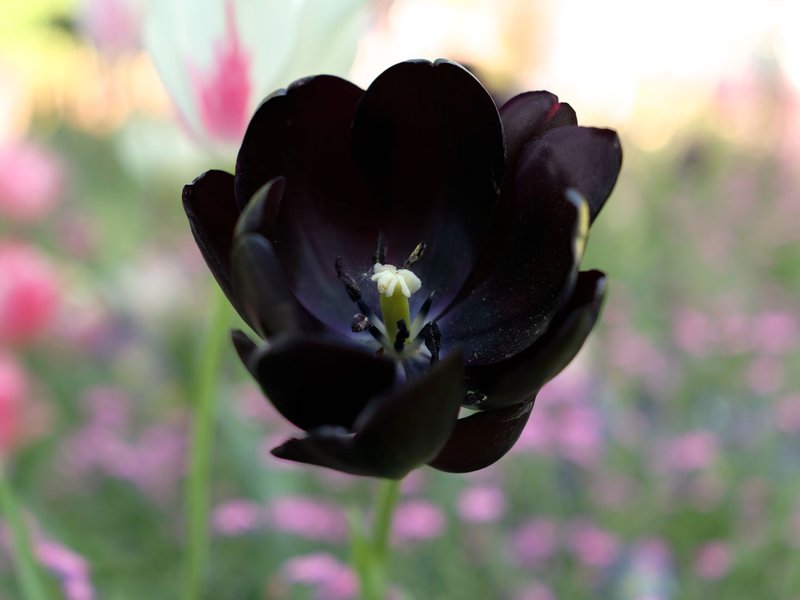
Worth a mention since so many “black flower” searches are really about garden design, not safety. Queen of the Night and Black Parrot tulips are the deepest maroon-purple varieties sold as “black,” and while tulip bulbs can cause mild stomach upset in dogs that dig them up, the flower itself is low-risk. Black petunias, black pansies (‘Black Moon,’ ‘Bowles’ Black’), and near-black dahlias like ‘Black Jack’ are all bred for pigment intensity, not toxicity, and are generally considered safe around pets in normal quantities. A true “black rose” doesn’t exist in nature at all — every one you’ve seen in a bouquet or a florist’s cooler is a dark red rose either bred for extreme pigment or dipped in black dye.
Handling and Display Safety Tips
Wear gloves when cutting or dividing anything on the toxic list above — several of these cause skin irritation on contact alone, not just when eaten. Keep cut arrangements with deadly nightshade, hellebore, or any berry-bearing stem well above counter height if there’s a toddler or a cat that jumps in the house — berries that fall onto a floor get eaten faster than you’d think. If you’re growing pokeweed or nightshade as a wildlife planting rather than pulling it, fence off the root zone from digging dogs rather than the whole plant; roots carry the highest toxin load in both. And if a pet or child does get into any of these, don’t wait for symptoms to escalate — call the ASPCA Animal Poison Control Center at (888) 426-4435 or Poison Control at 1-800-222-1222 and have the plant name ready.