TLDR
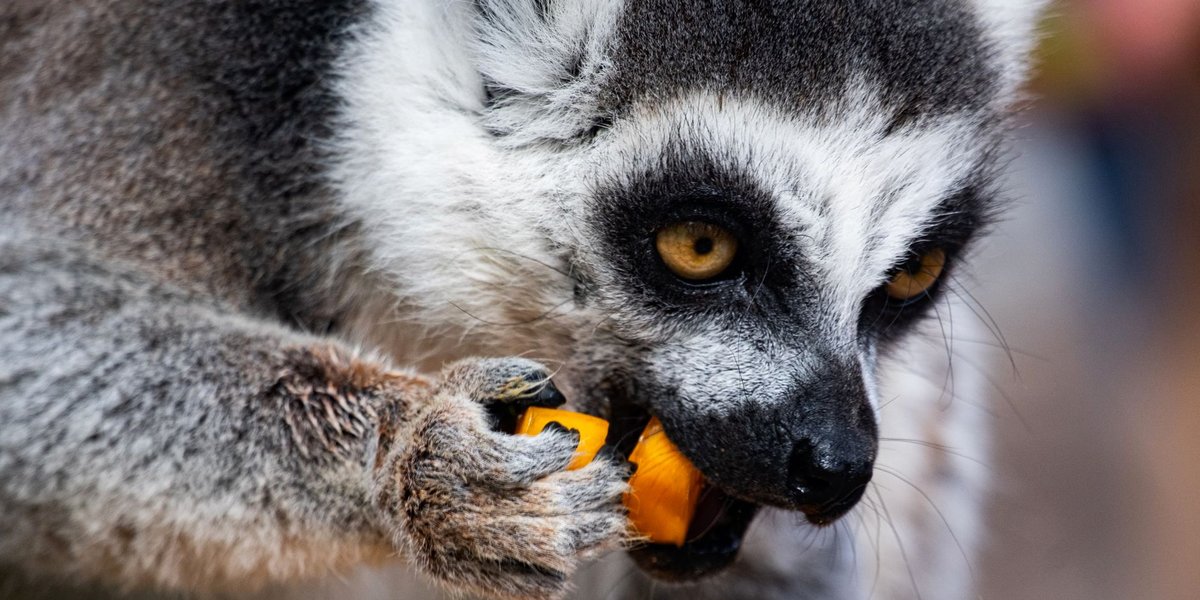
Red-fronted lemurs eat fruit, leaves, flowers, bark, and the occasional insect or fungus — but which of those dominates depends entirely on where in Madagascar the troop lives. In the humid eastern rainforests, they’re mostly fruit eaters. In the drier, more seasonal forests of the west, leaves and bark carry them through the lean months. Both populations fall back on invertebrates, flowers, and fungi when their preferred food runs short.
Diet by Region and Season
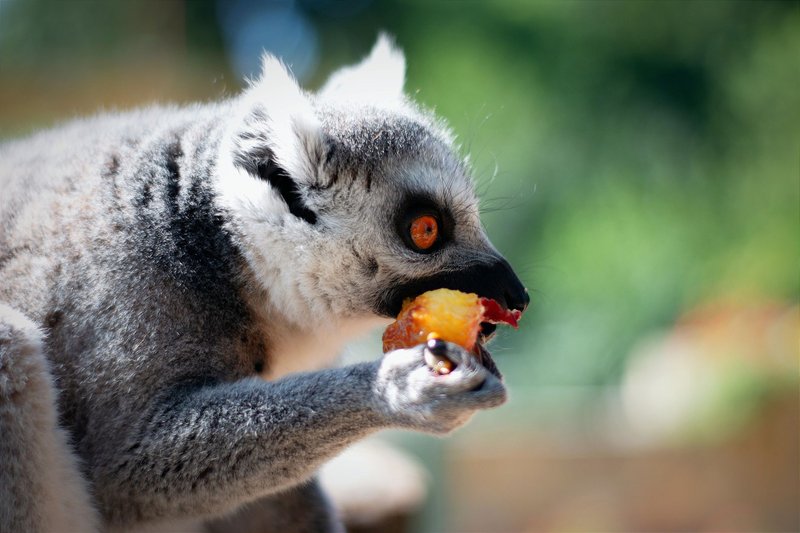
Red-fronted lemurs (Eulemur rufifrons) live across two very different slices of Madagascar, and their bellies show it. East of the island’s central spine, in wet evergreen rainforest, fruit stays available for most of the year, so troops there behave like classic frugivores — ripe figs, palm fruit, and berries make up more than half of what they eat on a given day.
Cross to the west side of the island, where forests are dry and deciduous and drop their leaves for months at a stretch, and the same species shifts its habits almost entirely. Fruit becomes scarce and unpredictable, so western troops lean on young leaves, flowers, and bark to get through the dry season, according to the Smithsonian’s National Zoo. It’s the same animal, but a different survival strategy, dictated by rainfall rather than instinct.
| Eastern rainforest troops | Western dry forest troops | |
|---|---|---|
| Dominant food | Fruit (figs, palm fruit, berries) | Leaves, bark, sap |
| Availability driver | Fruit ripens nearly year-round | Long dry season strips fruiting trees bare |
| Fallback foods | Flowers, insects, fungi | Fruit when in season, flowers, insects |
| General feeding style | Frugivorous | Folivorous |
Neither population is locked into one mode. Both will eat almost anything edible in a pinch — flowers, fungi, spiders, millipedes, even soil in some reports — which is exactly why the species survives in two ecologically opposite corners of one island.
How They Actually Eat
Red-fronted lemurs aren’t grazers. They’re cathemeral, meaning they’re active in short stretches across both day and night rather than sticking to a strict daytime schedule like most primates. That translates into feeding in scattered bouts — a troop might work through a fruiting tree at dawn, rest through the hottest part of the day, then feed again at dusk or after dark, according to Duke Lemur Center, which has tracked activity patterns in captive and wild populations for decades.
One behavior stands out from the routine foraging: red-fronted lemurs chew wild millipedes and rub the resulting orange paste onto their tails and genitals, then swallow what’s left. Researchers cited by National Geographic found the millipedes secrete benzoquinone, a compound with insecticidal and antiparasitic properties — the lemurs appear to be self-medicating against intestinal parasites, and they tend to do it right after the season’s first heavy rains, when millipedes surface from the forest floor in numbers. It’s not incidental snacking. It’s closer to a seasonal ritual, timed to when the medicine is available.
Why the Diet Matters Beyond the Troop
A lemur that eats a lot of fruit is, functionally, a seed delivery service. Whatever passes through a red-fronted lemur’s gut gets deposited somewhere else in the forest, often intact and ready to germinate. Animal Diversity Web notes that lemurs are among the most important seed dispersers in Madagascar’s forests, a role made more critical by how much of the island’s native tree cover has already been lost to logging and agriculture.
That’s the quiet stakes behind a question that sounds simple. What a red-fronted lemur eats on a given afternoon isn’t just about the lemur — it shapes which trees get a foothold the following season, and which don’t. In forests already fragmented by human pressure, a fruit-eating primate doing its job is doing more conservation work than it gets credit for.