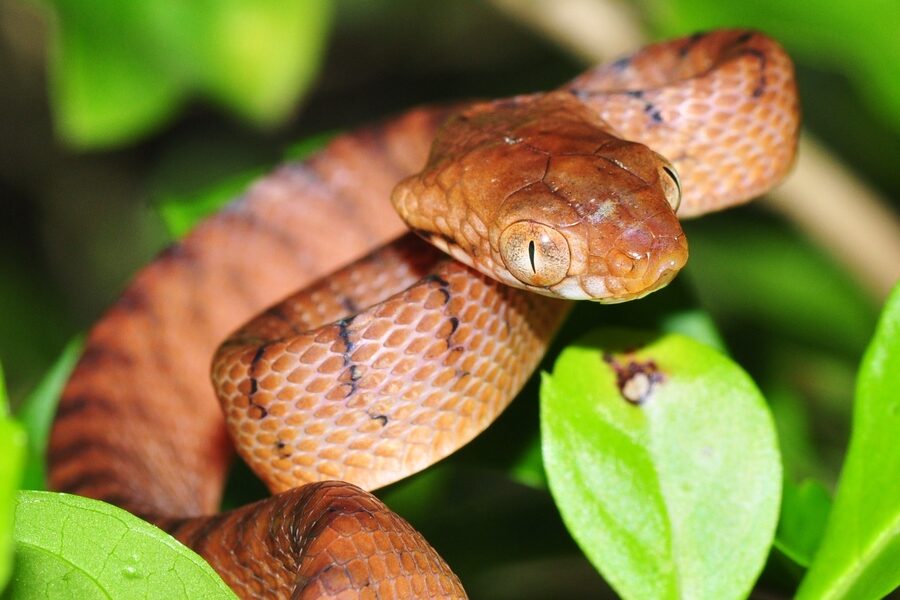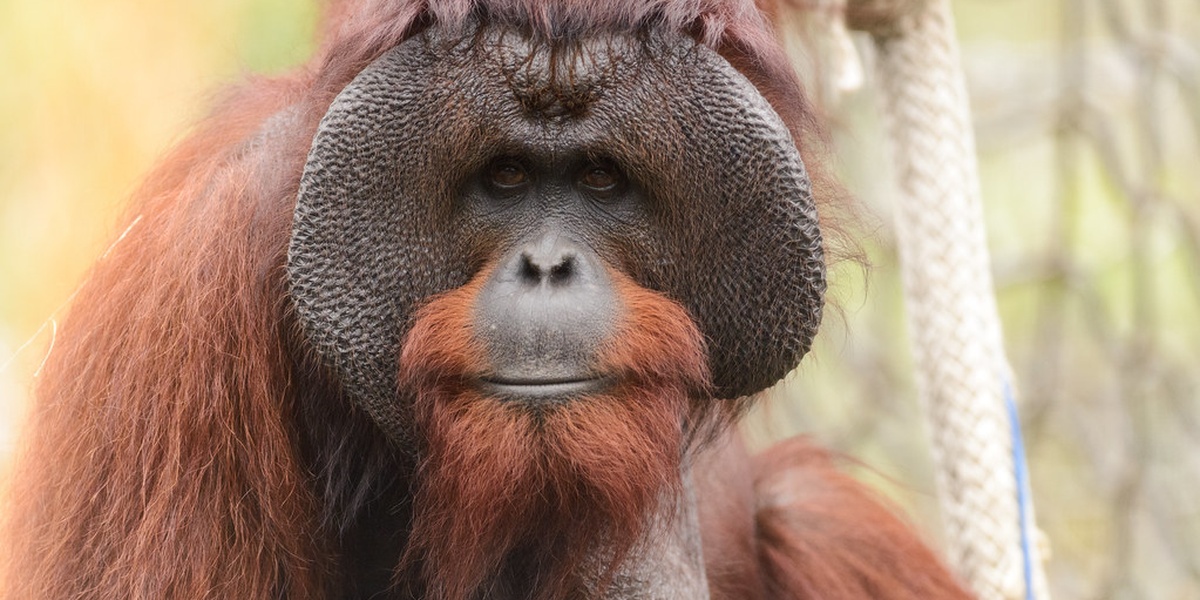
Brunei’s forests, mangroves and river systems hide wildlife that few visitors ever see, and many of those species live only in small, fragile populations. Local researchers and communities keep track of sightings to understand where animals persist and what threatens them.
There are 12 Rare Animals in Brunei, ranging from the Bay cat to the Sunda pangolin. For each species you’ll find below Scientific name, IUCN status, Typical location (Brunei), so you can scan conservation status and where to look — you’ll find below detailed entries arranged that way.
Which of these species face the highest immediate threats in Brunei?
The most urgent risks are habitat loss and illegal hunting; species like the Sunda pangolin are highly threatened by poaching, while forest specialists (including small cats) suffer when lowland forest is cleared. Check the IUCN status in the list below to see which ones are listed as Endangered or Vulnerable and note local pressure points like logging and development.
What practical steps can locals and visitors take to help protect these animals?
Support and respect protected areas, report illegal activity to local authorities, avoid buying wildlife products, and share verified sightings with conservation groups — small actions help researchers monitor populations and guide on-the-ground protection.
Rare Animals in Brunei
| Name | Scientific name | IUCN status | Typical location (Brunei) |
|---|---|---|---|
| Bornean orangutan | Pongo pygmaeus | EN | Ulu Temburong primary forest |
| Bay cat | Catopuma badia | EN | Lowland rainforest, Ulu Temburong |
| Sunda clouded leopard | Neofelis diardi | VU | Primary forest, Temburong interior |
| Müller’s gibbon | Hylobates muelleri | EN | Undisturbed rainforest, Ulu Temburong |
| Sunda pangolin | Manis javanica | CR | Lowland forest and forest edges |
| Sun bear | Helarctos malayanus | VU | Lowland and hill forests, interior |
| Binturong | Arctictis binturong | VU | Mature lowland forest, Ulu Temburong |
| Helmeted hornbill | Rhinoplax vigil | CR | Primary forest, Temburong |
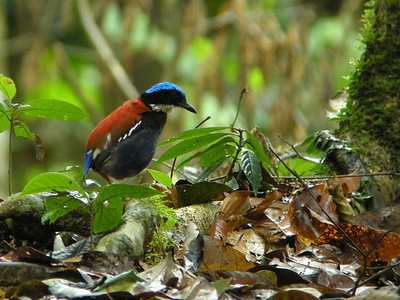
| Blue-headed pitta | Hydrornis baudii | VU | Dense lowland understorey, Ulu Temburong |
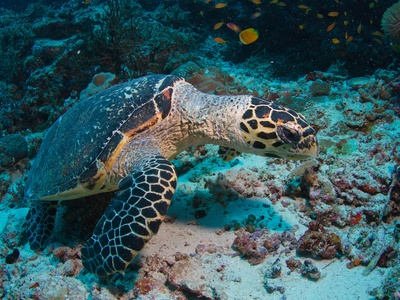
| Hawksbill turtle | Eretmochelys imbricata | CR | Coastal reefs and nesting beaches |
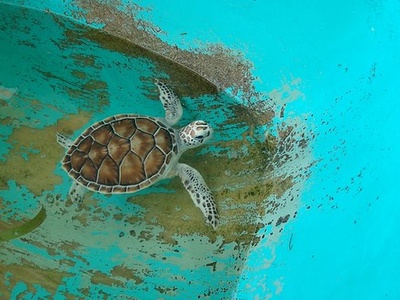
| Green turtle | Chelonia mydas | EN | Seagrass beds and nesting beaches |
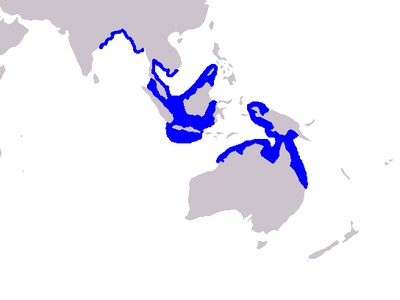
| Irrawaddy dolphin | Orcaella brevirostris | VU | Brunei Bay and adjacent waters |
Images and Descriptions
Bornean orangutan
Endangered great ape of Borneo, sparsely distributed in Brunei’s remaining lowland and hill forests. Slow-breeding and arboreal, threatened by habitat loss; best chance to see wild individuals is in Ulu Temburong National Park’s primary forest.

Bay cat
Endangered, elusive small wild cat endemic to Borneo with very few confirmed records in Brunei. Secretive and forest-dependent, it favors dense lowland rainforest. Sightings are rare—Ulu Temburong and protected forest fragments offer the best, but still slim, chances.
Sunda clouded leopard
Vulnerable apex predator on Borneo, the Sunda clouded leopard is rarely seen in Brunei’s primary forests. Arboreal and cryptic, it requires large tracts of intact forest. Camera-trap records exist in Temburong; sightings are exceptional and declining with habitat loss.
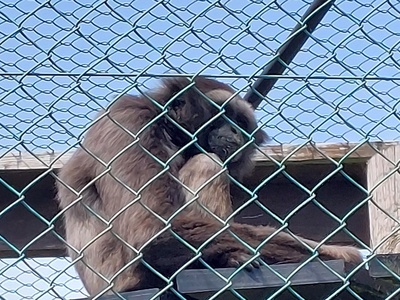
Müller’s gibbon
Endangered lesser ape found in Brunei’s undisturbed rainforest, including Ulu Temburong. Territorial and highly vocal, populations are small and fragmented. Habitat destruction and hunting make sightings uncommon, though their dawn calls are the best indicator of presence.
Sunda pangolin
Critically Endangered scaly anteater with very limited and secretive records in Brunei. Nocturnal and solitary, heavily targeted by illegal wildlife trade and hunting. Most reliable records come from remote lowland forests and confiscations near human settlements.
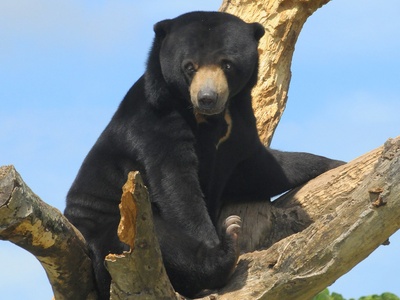
Sun bear
Vulnerable small bear species infrequently recorded in Brunei’s lowland and hill forests. Diurnal and nocturnal activity, vulnerable to habitat loss and poaching for body parts. Camera-trap and occasional field sightings occur in Temburong and interior reserves.
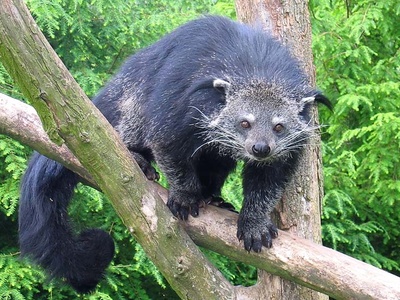
Binturong
Vulnerable arboreal carnivore with patchy distribution in Brunei’s forests. Known for its popcorn‑like scent and prehensile tail, it faces habitat loss and hunting pressure. Best chances to encounter one are in mature lowland forests and protected areas like Ulu Temburong.
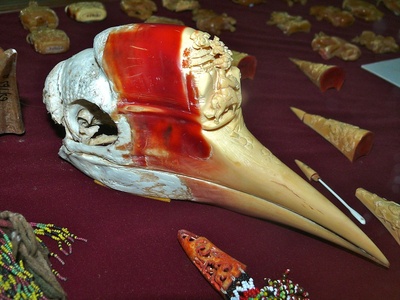
Helmeted hornbill
Critically Endangered large hornbill once more widespread but now very rare in Brunei. Targeted for its casque by illegal trade, populations are fragmented. Reliable records come from primary forests in Temburong; hearing or seeing one is a special, uncommon experience.
Blue-headed pitta
Vulnerable, ground-dwelling rainforest bird with scarce, localized records in Brunei. Brightly colored and secretive, it prefers dense understorey in lowland forest. Best chances are in protected primary forest blocks such as Ulu Temburong though sightings remain uncommon.
Hawksbill turtle
Critically Endangered sea turtle that nests and forages off Brunei’s coasts; nesting records are scarce. Distinctively patterned shell and reef feeding make it vulnerable to illegal harvest and bycatch. Conservation work focuses on monitoring beaches and reducing fisheries impacts.
Green turtle
Endangered marine turtle with limited nesting and foraging sites in Brunei. Large, herbivorous adult turtles use coastal seagrass and beaches; threats include coastal development and fishing bycatch. Conservation patrols and nest protection occur at known nesting beaches.
Irrawaddy dolphin
Vulnerable coastal dolphin recorded in Brunei Bay and adjacent waters with small, locally important populations. Distinct blunt head and shy behavior; threatened by gillnet entanglement, habitat degradation, and boat traffic. Boat surveys and community awareness aid protection.