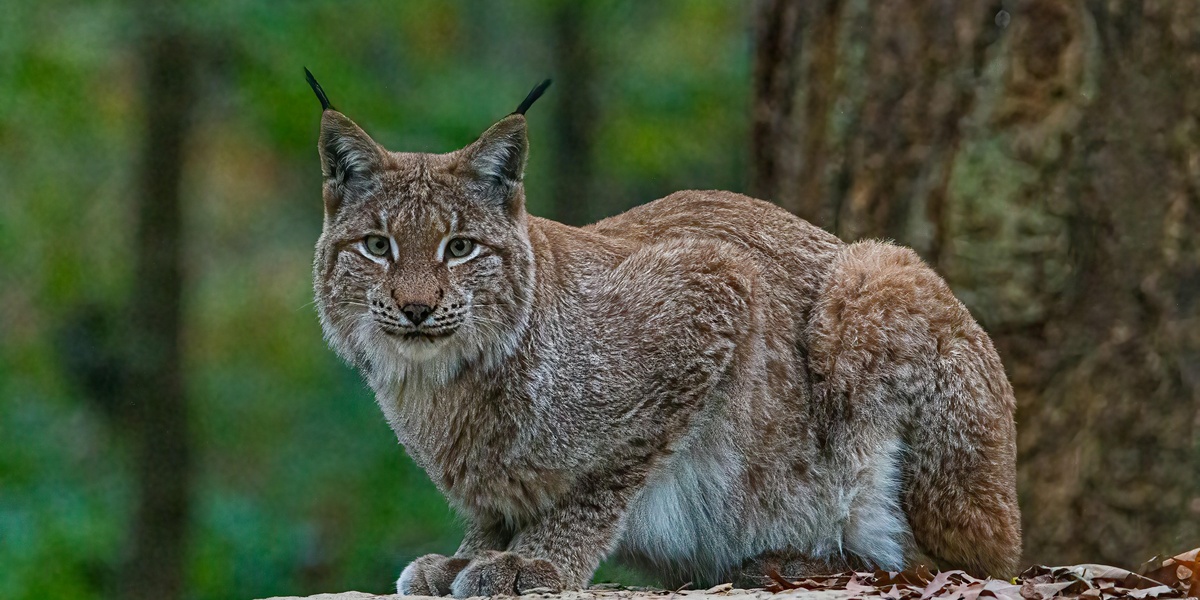
Europe’s landscapes—from rocky coasts and shallow continental shelves to winding rivers and high mountain valleys—hold more than familiar wildlife. Scattered pockets of habitat host species that are rare, specialized, or declining, and knowing where they occur helps guide protection and responsible visits.
There are 28 Rare Animals in Europe, ranging from Angelshark to Zingel asper. For each entry we list Scientific name,IUCN status,Range (countries) so you can quickly check distribution and threat level; you’ll find below.
Where in Europe am I most likely to spot these rare species?
Many are tied to specific habitats: coastal and shelf areas for marine species, fast-flowing rivers for certain fish, and isolated mountain or wetland refuges for terrestrial animals. Consult the range column to narrow down countries and then check local reserves, research groups, or guided tours that monitor those habitats.
How can I use the list to help conservation efforts?
Use the IUCN status and range to prioritize which species need urgent attention, report sightings to local conservation organizations or citizen-science platforms, support habitat protection measures, and follow responsible wildlife-watching practices that avoid disturbing sensitive populations.
Rare Animals in Europe
| Common name | Scientific name | IUCN status | Range (countries) |
|---|---|---|---|
| Iberian lynx | Lynx pardinus | EN | Spain, Portugal |
| European mink | Mustela lutreola | CR | Russia (European), Belarus, Estonia, Latvia, Lithuania, Romania |
| Mediterranean monk seal | Monachus monachus | EN | Greece, Turkey, Spain (Canary Is.), Portugal (Madeira), Cyprus |
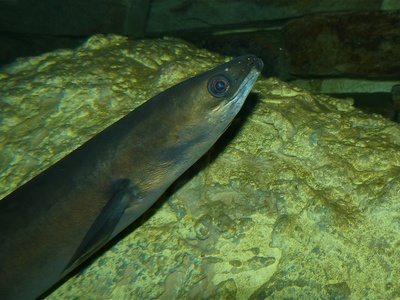
| European eel | Anguilla anguilla | CR | Widespread across Europe (UK, Ireland, Norway, Sweden, Denmark, Germany, Netherlands, Belgium, France, Spain, Portugal, Italy, Greece, Poland, Baltic states) |
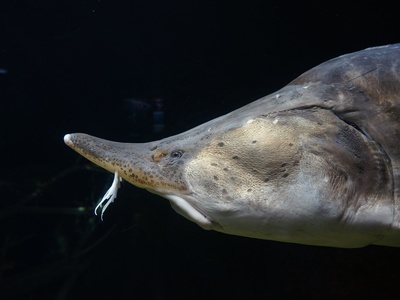
| Beluga sturgeon | Huso huso | CR | Black Sea and Caspian Sea drainages: Russia, Ukraine, Romania, Bulgaria, Turkey, Georgia |
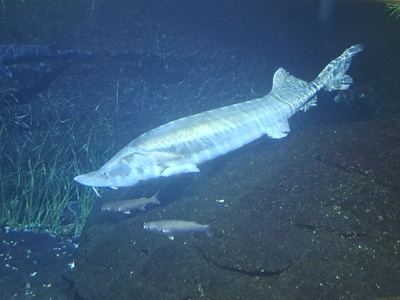
| European sturgeon | Acipenser sturio | CR | France, UK, Spain, Portugal |
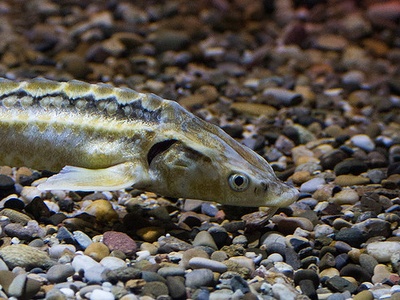
| Russian sturgeon | Acipenser gueldenstaedtii | CR | Russia, Ukraine, Romania, Bulgaria, Turkey, Georgia |
| Stellate sturgeon | Acipenser stellatus | CR | Russia, Ukraine, Romania, Bulgaria, Turkey |
| Balearic shearwater | Puffinus mauretanicus | CR | Spain (Balearic Islands), France, Portugal |
| Great bustard | Otis tarda | VU | Spain, Portugal, Hungary, Russia, Romania, Bulgaria |
| Egyptian vulture | Neophron percnopterus | EN | Spain, Portugal, France, Italy, Greece, Turkey, Bulgaria, Romania |
| Spanish imperial eagle | Aquila adalberti | VU | Spain, Portugal |
| European bison | Bison bonasus | VU | Poland, Belarus, Lithuania, Russia, Ukraine, Romania, Germany, Slovakia, Czechia |
| Freshwater pearl mussel | Margaritifera margaritifera | EN | UK, Ireland, Norway, Sweden, Finland, Russia, Germany, Poland |
| Pyrenean desman | Galemys pyrenaicus | VU | Spain, Portugal, France, Andorra |
| European hamster | Cricetus cricetus | CR | France, Germany, Poland, Belarus, Ukraine |
| Apollo butterfly | Parnassius apollo | VU | Norway, Sweden, France, Switzerland, Italy, Austria, Germany, Spain |
| Meadow viper | Vipera ursinii | VU | France, Spain, Italy, Hungary, Romania, Slovenia, Croatia, Bosnia and Herzegovina |
| Zingel asper | Zingel asper | CR | France (Rhône basin), Switzerland |
| Spanish toothcarp | Aphanius iberus | EN | Spain |
| Angelshark | Squatina squatina | CR | UK, Ireland, France, Spain, Portugal, Italy, Greece, Turkey |
| Fan mussel | Pinna nobilis | CR | Spain, France, Italy, Greece, Turkey, Croatia, Albania, Montenegro |
| Fin whale | Balaenoptera physalus | VU | UK, Ireland, Norway, Iceland, France, Spain, Portugal, Italy (Mediterranean) |
| Short-snouted seahorse | Hippocampus hippocampus | VU | Spain, France, Italy, Greece, Turkey, Portugal |
| Lesser kestrel | Falco naumanni | VU | Spain, Portugal, Italy, Greece, Turkey, Bulgaria, Romania |
| Lesser white‑fronted goose | Anser erythropus | VU | Norway, Sweden, Finland, Russia (European) |
| Pond bat | Myotis dasycneme | VU | Netherlands, Germany, Denmark, Poland, Belarus, Russia, Sweden, Finland |
| Hermann’s tortoise | Testudo hermanni | VU | Italy, Greece, Albania, Croatia, Montenegro, Bulgaria, Romania |
Images and Descriptions
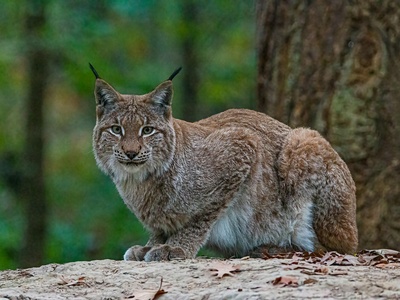
Iberian lynx
A small spotted wildcat confined to Mediterranean scrub and maquis in Spain and Portugal. Once down to a few dozen, recovery programs and captive breeding helped numbers, but habitat loss, road mortality and low rabbit prey base keep it endangered.
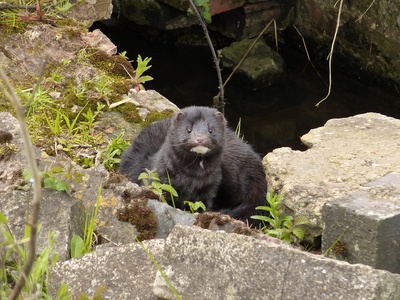
European mink
A semi-aquatic mustelid found in riverine forests and wetlands. Populations collapsed from habitat loss, pollution and invasive American mink competition; remaining pockets are tiny and fragmented, making recovery difficult.
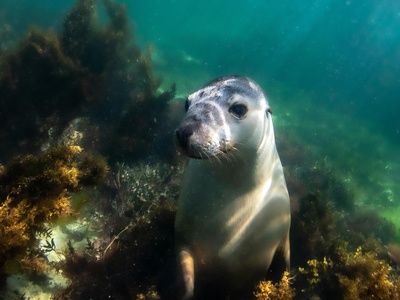
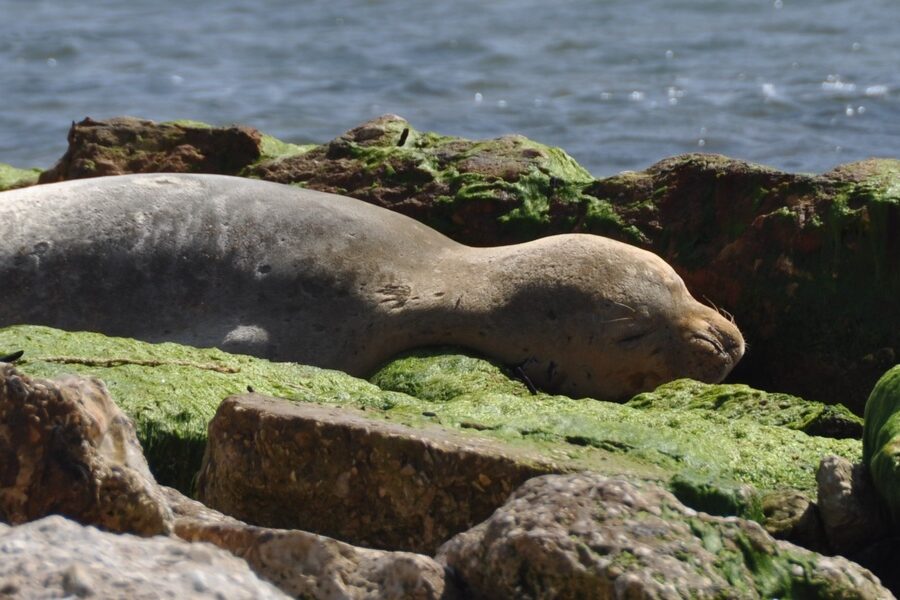
Mediterranean monk seal
One of the world’s rarest seals, living in remote Mediterranean and Atlantic caves. Low numbers result from historical hunting, disturbance and fisheries interactions; conservation focuses on protected colonies and reducing human disturbance.
European eel
Catadromous fish that spawns in the Sargasso Sea and migrates into European rivers. Dramatic declines from overfishing, barriers to migration, pollution and disease have driven its Critically Endangered status.
Beluga sturgeon
Massive, long-lived sturgeon of Black/Caspian drainages valued for caviar. Historic overfishing, river dams blocking migration and habitat degradation have left tiny remnant populations and frequent illegal poaching.
European sturgeon
Once widespread in Atlantic and Mediterranean coasts, now reduced to a few river systems (notably Gironde). Overfishing, river modification and habitat loss pushed this ancient fish to the brink; reintroductions are underway.
Russian sturgeon
Black and Caspian Sea sturgeon exploited for caviar; dams and pollution fragment spawning sites and illegal harvest decimated populations across its former range.
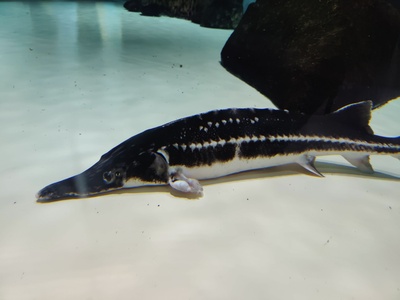
Stellate sturgeon
A Mediterranean–Black Sea sturgeon that prefers estuaries and lower rivers. Intense fishing for caviar, habitat loss and barriers to migration have produced steep declines and fragmented populations.
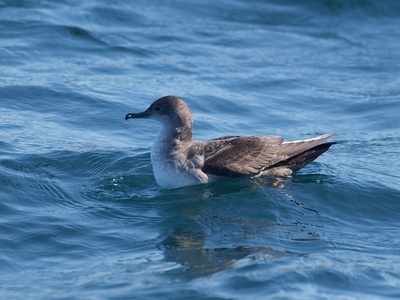
Balearic shearwater
A small seabird that breeds only in the Balearic Islands and winters off Iberian and NW African coasts. Very limited breeding range, bycatch in fisheries, introduced predators and food shortages make it critically endangered.
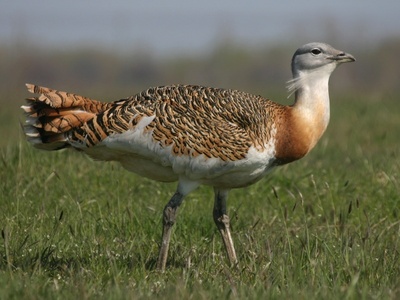
Great bustard
A heavy grassland bird that needs large open steppe and agricultural mosaics. Populations fell from habitat loss, agricultural intensification and collisions with power lines; key populations survive in Iberia and parts of Eastern Europe.
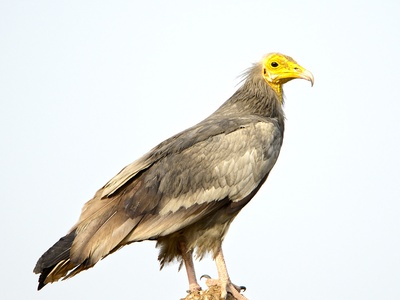
Egyptian vulture
A small vulture of open landscapes and cliffs. Declines stem from poisoning, collision, reduced food availability and electrocution on power lines; some European populations are fragmented and in urgent need of protection.
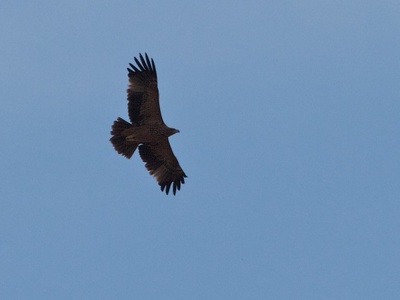
Spanish imperial eagle
A forest and farmland species that preys on rabbits and small mammals. Intensive conservation helped recovery from near-extinction, yet habitat fragmentation, reduced prey and power-line collisions remain major threats.
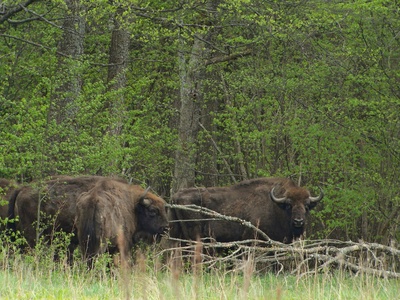
European bison
Europe’s largest land mammal survived in captivity and has been reintroduced to forests and meadows. Populations are still patchy and susceptible to genetic bottlenecks, habitat fragmentation and disease.
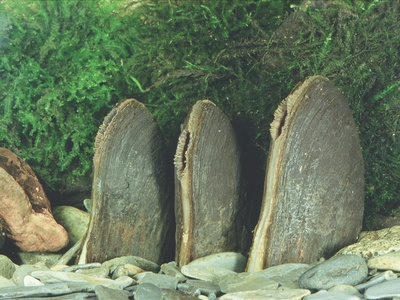
Freshwater pearl mussel
A long-lived river mussel that needs clean, fast-flowing streams. Declines are driven by river pollution, sedimentation, dams and declines of host salmonid fish; populations are small and critically fragmented in many regions.
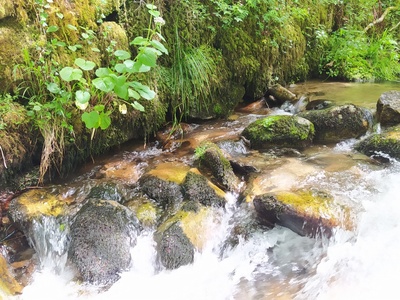
Pyrenean desman
A unique aquatic insectivore endemic to mountain streams and rivers in the Pyrenees and northern Iberia. Low densities reflect habitat degradation, water pollution and hydropower impacts that fragment their aquatic habitat.
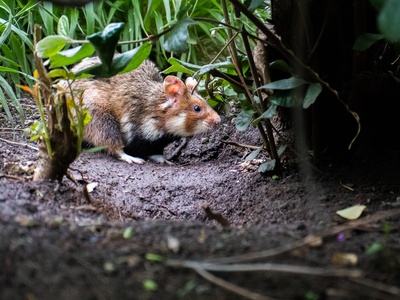
European hamster
A farmland rodent historically common in grassland and cereal landscapes. Modern intensive agriculture, pesticide use and loss of hedgerows shrank populations drastically; western European populations are now critically endangered.
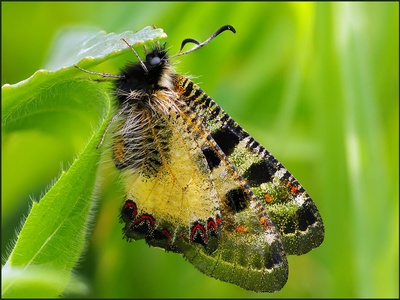
Apollo butterfly
An alpine and montane butterfly favoring flower-rich grasslands and rocky slopes. Habitat loss, climate change and collection historically reduced numbers; isolated populations remain vulnerable without habitat protection.
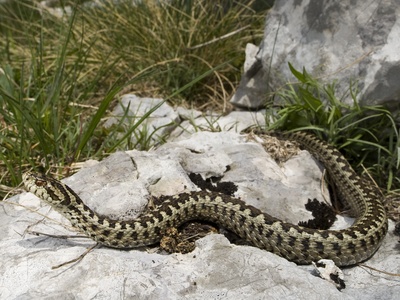
Meadow viper
A small viper of species-rich meadows and wet grasslands. Agricultural intensification, loss of traditional mowing/grazing regimes and habitat fragmentation have pushed many local populations toward extinction.

Zingel asper
A small, stream‑specialist fish endemic to the Rhône River system. Highly localized distribution, river regulation, pollution and invasive species have made it critically endangered with only a few remaining populations.
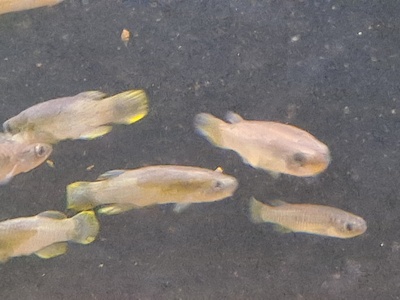
Spanish toothcarp
A tiny coastal and lagoon fish endemic to eastern Spain’s wetlands. Habitat loss from urbanization, water extraction, pollution and invasive predators have reduced it to fragmented relict populations, making local conservation crucial.
Angelshark
A flattened shark of shallow sandy or muddy seabeds in the northeast Atlantic and Mediterranean. Trawling bycatch and habitat degradation decimated populations; sightings are now rare and remnant populations are tiny.
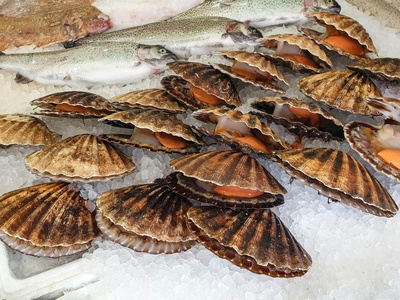
Fan mussel
A large Mediterranean bivalve attached to seagrass meadows. A disease outbreak and human impacts (trawling, anchoring, pollution) caused catastrophic declines; surviving populations are the focus of emergency conservation.
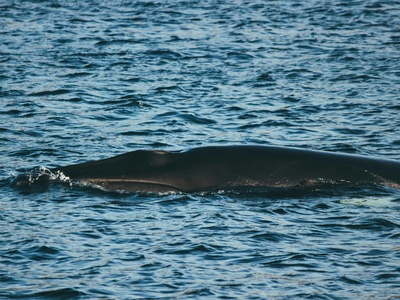
Fin whale
A large baleen whale that feeds in productive seas around Europe. Historic whaling, ship strikes and entanglement, plus pollution, reduced numbers; international protection and shipping measures aid recovery.
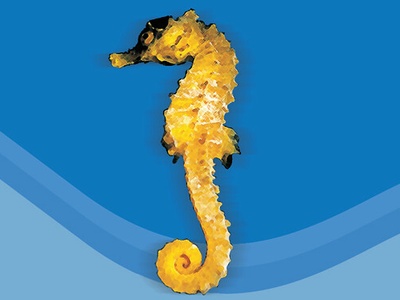
Short-snouted seahorse
A small coastal seahorse inhabiting seagrass beds, rocky reefs and estuaries in the NE Atlantic and Mediterranean. Habitat loss, bycatch and aquarium trade pressures threaten local populations; protection of nursery habitats is crucial.
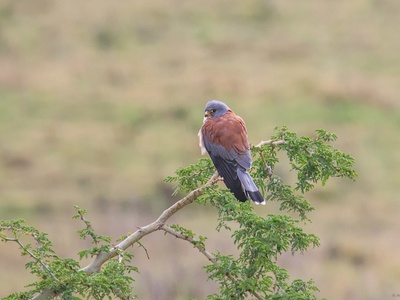
Lesser kestrel
A small, colonial falcon of warm open farmland and steppes. Populations declined due to agricultural intensification, loss of nesting sites and pesticides; conservation includes nest-box programs and agri-environment measures.
Lesser white‑fronted goose
A small Arctic-breeding goose with a tiny European breeding population. Habitat changes, hunting and disturbance along migration routes and in wintering areas have reduced numbers; strict protection and monitoring are ongoing.
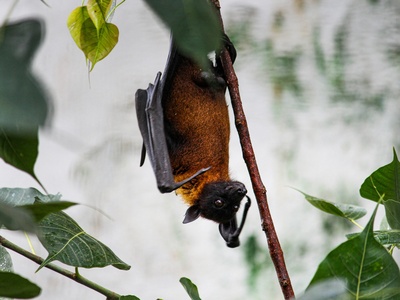
Pond bat
A medium-sized bat using wetlands, rivers and lakes for foraging. Loss of riparian habitats, roost decline and disturbance threaten colonies; conservation focuses on wetland protection and roost safeguarding.
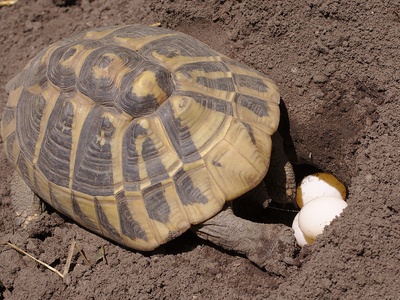
Hermann’s tortoise
A Mediterranean tortoise of scrub and open woodland. Fragmentation, road mortality, collection for the pet trade and agricultural change have pushed many populations to vulnerability; habitat protection and trade controls help local recovery.