North America’s varied habitats—from coastal kelp beds and desert canyons to boreal forests and mountain wetlands—support a surprising mix of species that often go unnoticed. Knowing which animals are rare and where they live helps guide conservation, research, and responsible wildlife observation.
There are 25 Rare Animals in North America, ranging from Black abalone to Wyoming toad. For each species the table shows Scientific name,Conservation status,Range (primary regions); you’ll find the full list and details below.
How were the species on this list chosen?
The list focuses on animals documented as rare or at elevated risk in regional or global assessments (such as IUCN, federal or state listings), supplemented by peer-reviewed studies and trusted conservation databases; species were selected for documented rarity, restricted range, declining trends, or legal protection status.
What practical steps can I take to help protect these rare animals?
Support habitat protection and restoration, follow local guidelines when visiting sensitive areas, report credible sightings to local conservation groups or citizen-science platforms, and consider donating time or funds to organizations working on species recovery and monitoring.
Rare Animals in North America
| Common name | Scientific name | Conservation status | Range (primary regions) |
|---|---|---|---|
| Vaquita | Phocoena sinus | CR / G1 | Northern Gulf of California, Mexico |
| California condor | Gymnogyps californianus | CR / G1 | California, Arizona, Utah (US) and Baja California (Mexico) |
| Black-footed ferret | Mustela nigripes | EN / G1 | Intermountain and Great Plains reintroduction sites (US: WY, SD, MT, AZ, CO) |
| Whooping crane | Grus americana | EN / G1 | Breeding: Wood Buffalo NP (Canada); Wintering: Aransas NWR, Texas (US) with migratory corridors |
| North Atlantic right whale | Eubalaena glacialis | CR / G1 | Northwest Atlantic coastal waters (US and Canada) |
| Leatherback sea turtle | Dermochelys coriacea | CR / G3 | Pacific and Atlantic coasts (nesting in Mexico, Central America, Caribbean) |
| Kemp’s ridley sea turtle | Lepidochelys kempii | CR / G1 | Gulf of Mexico coastlines (Mexico and US), some Atlantic strandings |
| Hawksbill sea turtle | Eretmochelys imbricata | CR / G1 | Caribbean, southern Florida, Gulf of Mexico, Central American coasts |
| Green sea turtle | Chelonia mydas | EN / G3 | Tropical/subtropical Atlantic and Pacific coasts (Florida, Caribbean, Mexico) |
| Loggerhead sea turtle | Caretta caretta | VU / G3 | Atlantic coast, Gulf of Mexico, Caribbean (US, Mexico, Canada seasonal) |
| Monarch butterfly | Danaus plexippus | EN / G4 | Breeding across much of continental US and Canada, wintering in central Mexico and coastal California |
| Rusty-patched bumble bee | Bombus affinis | EN / G1 | Historically eastern North America (US, parts of Canada); now highly fragmented |
| Mexican axolotl | Ambystoma mexicanum | CR / G1 | Xochimilco and surrounding lakes, Mexico City basin, Mexico |
| Vancouver Island marmot | Marmota vancouverensis | CR / G1 | High-elevation meadows, Vancouver Island, British Columbia (Canada) |
| Dusky gopher frog | Lithobates sevosus | CR / G1 | Very limited sites in coastal Mississippi with reintroduction efforts in Louisiana and Alabama, US |
| Wyoming toad | Anaxyrus baxteri | EW / G1 | Historically Laramie Basin, Wyoming (US); currently maintained in captive programs and reintroductions |
| Ozark hellbender | Cryptobranchus alleganiensis bishopi | CR / T1 | Clear, cool Ozark streams in southern Missouri and northern Arkansas, US |
| Shortnose sturgeon | Acipenser brevirostrum | EN / G2 | Atlantic coastal rivers from Canada to the southeastern US; fragmented river populations |
| Red wolf | Canis rufus | CR / G1 | Small reintroduced population in coastal North Carolina (US); historically Southeastern US |
| Black abalone | Haliotis cracherodii | CR / G1 | Nearshore rocky reefs of California and Baja California (Mexico) |
| Mexican gray wolf (subspecies) | Canis lupus baileyi | EN / T1 | Reintroduction zones in Arizona and New Mexico (US) and northern Mexico |
| Florida panther (subspecies) | Puma concolor coryi | EN / T1 | Southern Florida (Everglades and surrounding habitats), US |
| Gila trout | Oncorhynchus gilae | EN / G2 | Headwater streams of the Gila River basin, southwestern US (New Mexico, Arizona) |
| Black-footed ferret (duplicate avoided) | Mustela nigripes | EN / G1 | See earlier entry |
| Whooping crane (duplicate avoided) | Grus americana | EN / G1 | See earlier entry |
Images and Descriptions

Vaquita
The vaquita is the world’s rarest marine mammal, restricted to a tiny Gulf of California pocket. Bycatch in illegal gillnets drove catastrophic declines; intensive enforcement and net-removal are urgent to prevent imminent extinction.
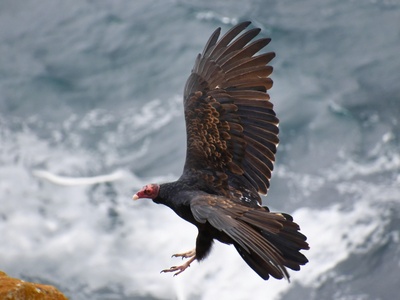
California condor
California condors were down to a few dozen and remain critically imperiled. Lead poisoning, habitat loss and collisions keep numbers low despite captive-breeding reintroductions; lead ammunition bans and monitoring are central to recovery.
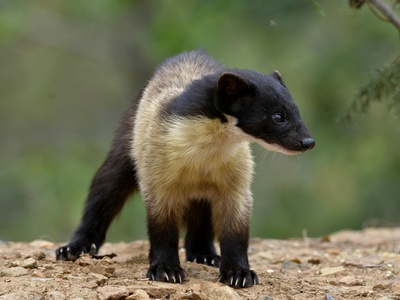
Black-footed ferret
Once thought extinct, this prairie specialist survives via captive breeding and reintroduction. Rarity stems from loss of prairie dog colonies and disease; ongoing vaccination, habitat restoration and monitoring are key.
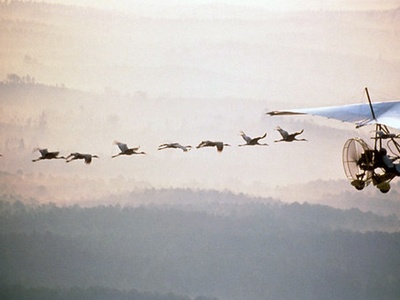
Whooping crane
One of North America’s rarest cranes, whooping cranes were decimated by hunting and habitat loss. Small, protected populations rely on habitat protection, captive rearing and strict disturbance controls to keep them from disappearing.
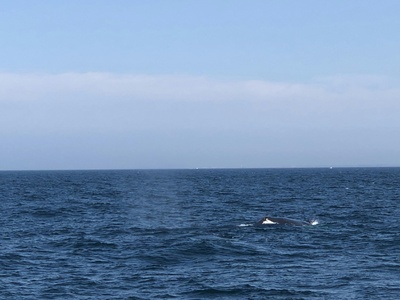
North Atlantic right whale
Right whales number only a few hundred and face deadly ship strikes and fishing-gear entanglements. Conservation focuses on vessel speed restrictions, gear modifications, and protected areas to reduce human-caused mortality.

Leatherback sea turtle
The leatherback is the world’s largest sea turtle, migrating across oceans. Populations decline from fisheries bycatch, egg poaching and marine debris; international protections and fisheries reforms are key to survival.
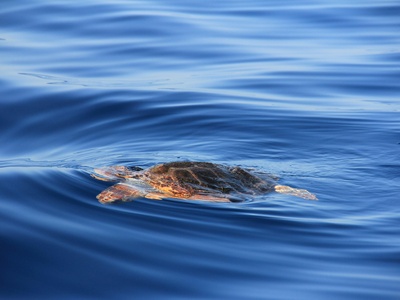
Kemp’s ridley sea turtle
The Kemp’s ridley nests in tiny, concentrated beaches and suffers heavy bycatch in shrimp trawls. Intensive nesting protection and turtle-excluder devices have helped, but it remains critically rare.
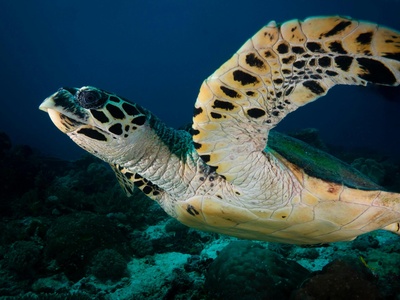
Hawksbill sea turtle
Hawksbills are rare in North American waters; illegal shell trade, coastal loss and bycatch drove steep declines. Nest protection, trade bans and reef conservation are essential for recovery.
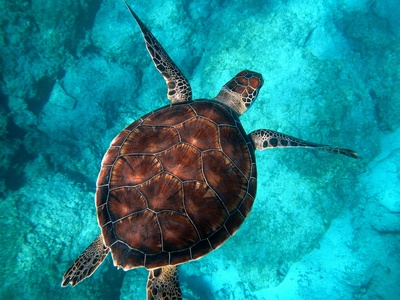
Green sea turtle
Green turtles face nest predation, coastal development and fisheries bycatch. Many populations are recovering after protection, but they remain endangered in parts of North America and need ongoing habitat safeguard.
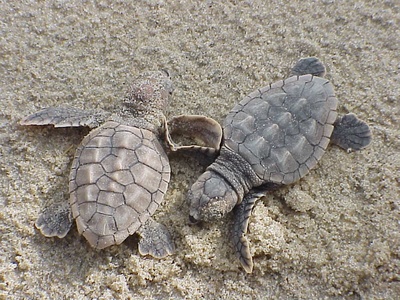
Loggerhead sea turtle
Loggerheads are vulnerable due to longline and trawl bycatch, coastal development, and light pollution at nesting beaches. Conservation mixes gear changes, beach protection, and public outreach to reduce mortality.
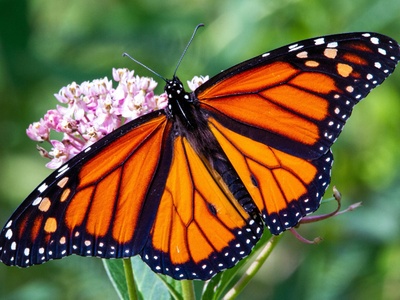
Monarch butterfly
The migratory monarch has plummeted due to habitat loss, herbicide use and climate pressures. Migratory population declines prompted an IUCN Endangered listing; habitat restoration and milkweed planting are vital.
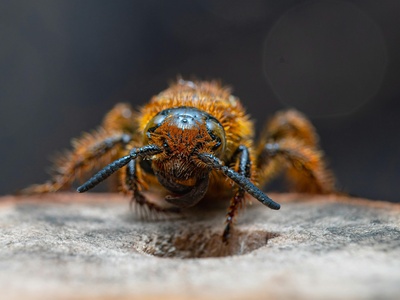
Rusty-patched bumble bee
Once common, this bumble bee has crashed from disease, pesticide exposure and habitat loss. Small remnant populations trigger habitat restoration, captive rearing experiments and pesticide restrictions to try to stop extinction.
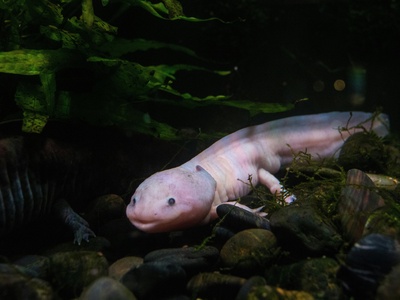
Mexican axolotl
The axolotl is aquatic and famous for regeneration but survives only in heavily altered canals. Urbanization, pollution and invasive carp made it critically endangered; captive breeding and habitat restoration are central conservation actions.
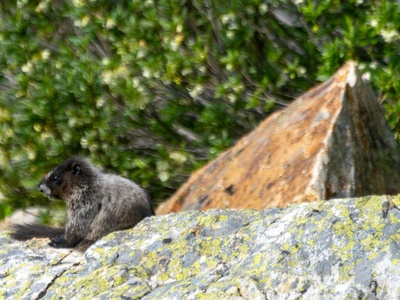
Vancouver Island marmot
Endemic to a few alpine meadows, this marmot’s tiny range and habitat loss made it critically endangered. Intensive captive-breeding and reintroduction have helped, but small population size and fragmentation keep it rare.
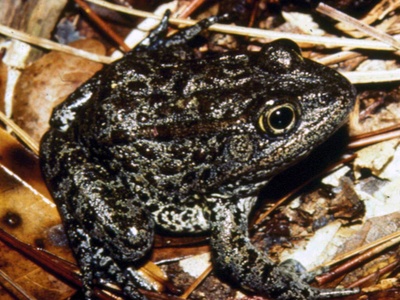
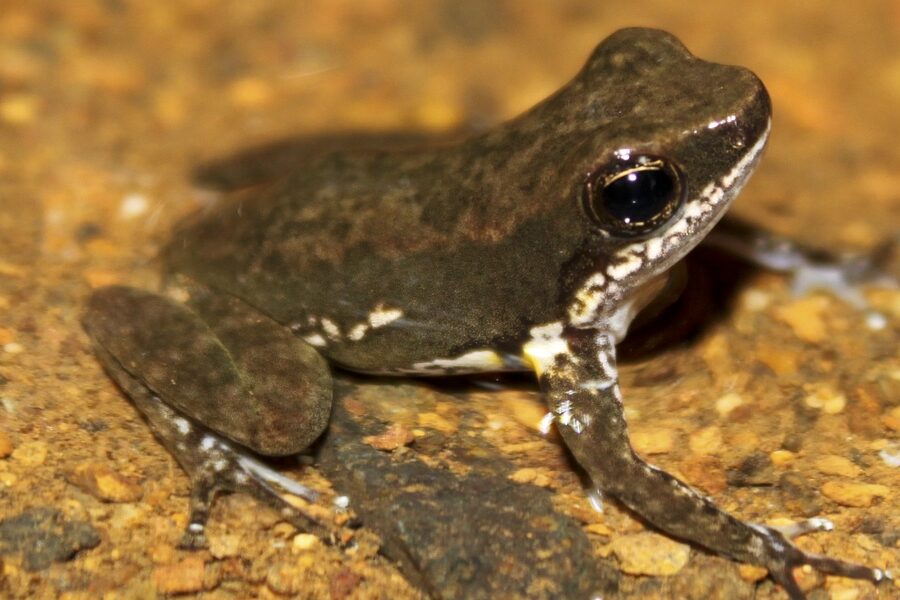
Dusky gopher frog
This frog persists in fragmented sandhill ponds; habitat destruction, disease and limited breeding sites make it critically rare. Recovery relies on habitat creation, captive breeding and genetic management.
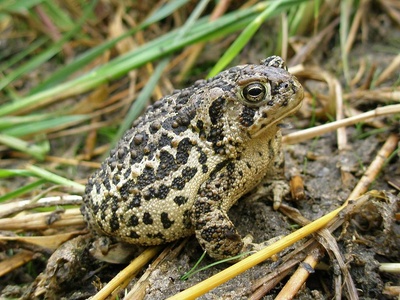
Wyoming toad
Declared extinct in the wild, the Wyoming toad survives in captive breeding with experimental reintroductions. Disease, habitat changes and small range caused collapse; long-term recovery needs habitat protection and disease control.
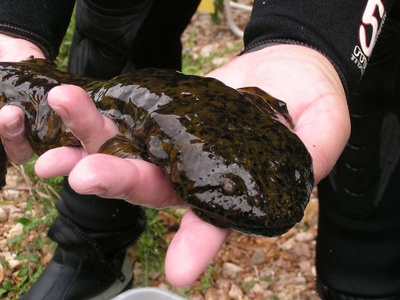
Ozark hellbender
This giant aquatic salamander subspecies is critically endangered from siltation, pollution and dams that degrade streams. Conservation focuses on captive propagation, water-quality improvement and habitat restoration.
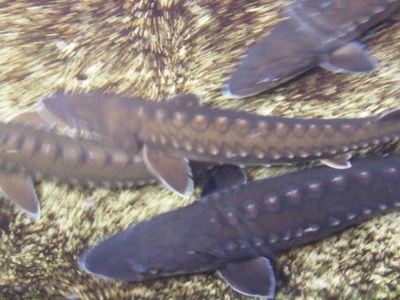
Shortnose sturgeon
A small, slow-growing sturgeon restricted to rivers, it’s endangered from dams, pollution and overfishing. River protections, dam mitigation and population monitoring are central to preserving remnant populations.

Red wolf
The red wolf is one of the world’s rarest canids, nearly exterminated by persecution and habitat loss. Controversial reintroduction and hybridization with coyotes complicate recovery; intensive management aims to rebuild wild numbers.

Black abalone
Black abalone populations crashed from disease, overharvest and warming coastal waters. Slow growth and limited dispersal make recovery slow; protected areas, restocking and disease research are key conservation steps.
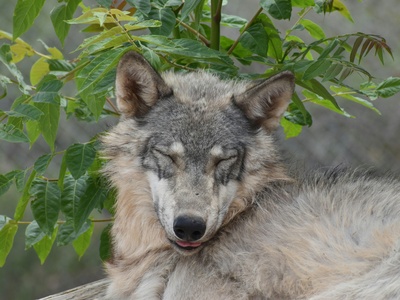
Mexican gray wolf (subspecies)
This small, rare wolf subspecies was nearly extirpated; reintroduction programs focus on expanding wild packs. Legal protections, captive breeding and conflict reduction with ranching are critical to recovery.
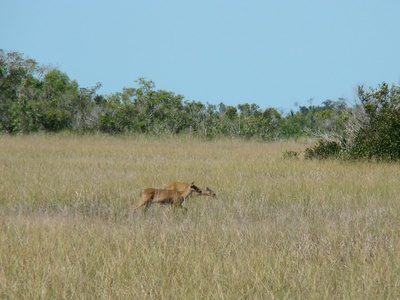
Florida panther (subspecies)
As a genetically bottlenecked puma subspecies, the Florida panther faces habitat loss, vehicle strikes and inbreeding. Road corridors, habitat connectivity and genetic management underpin conservation efforts.
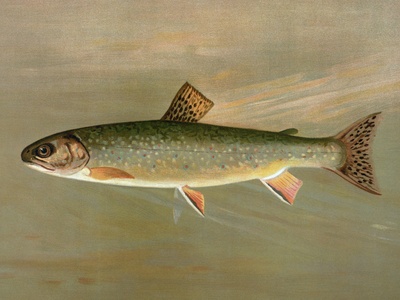
Gila trout
This native trout survives in isolated mountain streams after non-native fish invasions and habitat alteration reduced its range. Recovery depends on stream restoration, non-native removal and careful reintroductions.
Black-footed ferret (duplicate avoided)
See earlier entry
Whooping crane (duplicate avoided)
See earlier entry