Slovenia’s mix of Alps, karst plateaus, rivers and coastal wetlands supports a surprising array of wildlife, including several species that are uncommon or locally threatened. Many of these animals persist in small, specific habitats, so spotting them depends on timing and location.
There are 10 Rare Animals in Slovenia, ranging from the Eurasian otter to the White-clawed crayfish. For each, you’ll find below Scientific name, Conservation status, Slovenian range to make it easy to see where they occur and how they are faring — check the entries you’ll find below for details.
How reliable are the conservation statuses listed here?
The list draws on recent national assessments and international sources like the IUCN where available, but statuses change; each entry notes its source and date, and you should consult the IUCN Red List or Slovenia’s environmental authorities for the latest updates before using the data for research or planning.
Where should I go in Slovenia to increase my chances of seeing species such as the Eurasian otter?
Focus on clean rivers, karst springs and protected wetlands—especially at dawn or dusk—and visit reserves and national parks (for example Triglav and regional nature reserves); use local guides and maintain distance to avoid disturbing sensitive populations.
Rare Animals in Slovenia
| Name | Scientific name | Conservation status | Slovenian range |
|---|---|---|---|
| Olm | Proteus anguinus | VU (IUCN) | Dinaric karst: Postojna, Škocjan, Bela Krajina caves |
| Huchen (Danube salmon) | Hucho hucho | VU (IUCN) | Upper Sava, Idrijca, Soča tributaries |
| Marble trout | Salmo marmoratus | VU (IUCN) | Soča basin, upper tributaries (Idrijca, Natisone) |
| European eel | Anguilla anguilla | CR (IUCN) | Coastal rivers and streams, Ljubljanica, lower Sava |
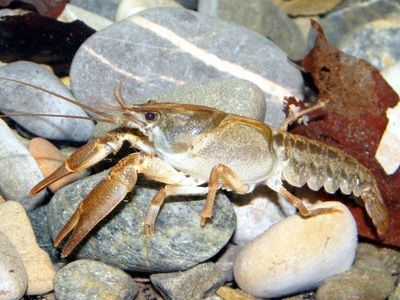
| White-clawed crayfish | Austropotamobius pallipes | EN (IUCN) | Karst springs, clear upland streams (Alps, Dinaric areas) |
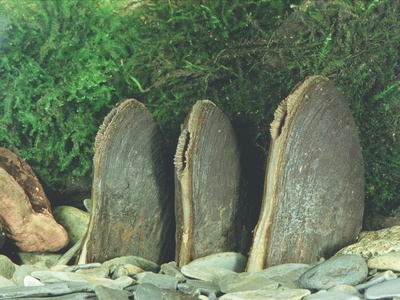
| Freshwater pearl mussel | Margaritifera margaritifera | EN (IUCN) | Cold, oxygen-rich alpine rivers (upper Soča, Sava headwaters) |
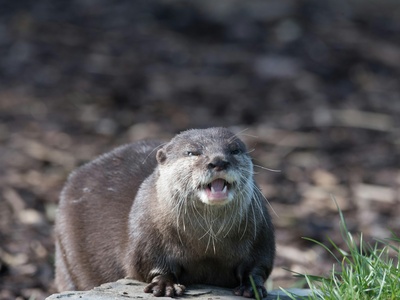
| Eurasian otter | Lutra lutra | NT (IUCN) | Main rivers: Soča, Sava, Ljubljanica; riparian wetlands |
| Meadow viper | Vipera ursinii | VU (IUCN) | Alpine and subalpine meadows (Triglav area), spring–summer sightings |
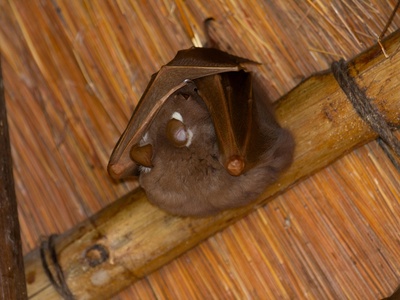
| Mehely’s horseshoe bat | Rhinolophus mehelyi | VU (IUCN) | Karst caves, forested valleys in SW Slovenia |
| European mudminnow | Umbra krameri | VU (IUCN) | Pomurje marshes, NE floodplain wetlands |
Images and Descriptions
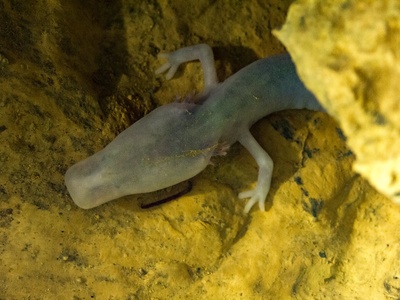
Olm
A blind, aquatic cave salamander adapted to karst groundwater. Very rare due to habitat sensitivity and groundwater pollution. Best seen via guided cave visits near Postojna; conservation focuses on water quality and limiting disturbance to cave systems.
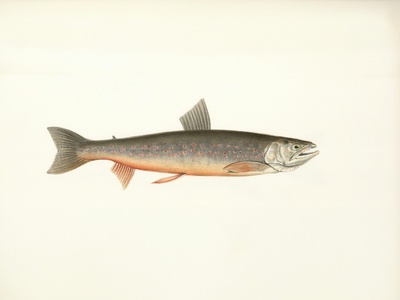
Huchen (Danube salmon)
A large, reclusive salmonid needing cold, fast rivers. Populations are small and fragmented from dams and habitat loss. Anglers occasionally target upper Sava/Idrijca stretches; conservation prioritizes river connectivity and habitat restoration.
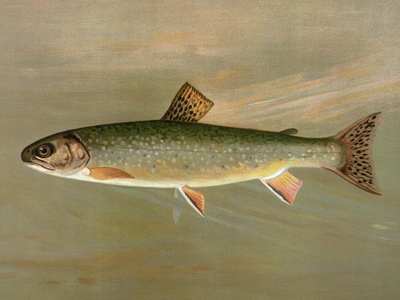
Marble trout
A striking, native trout with marbled pattern; rare from hybridization with introduced trout and habitat change. Best chance in protected upper Soča tributaries; conservation work focuses on genetic protection and strict stocking controls.
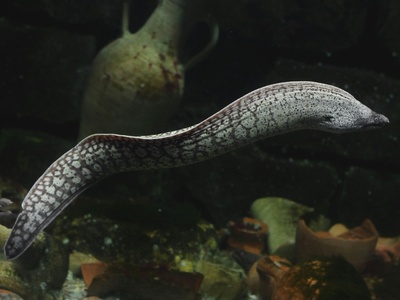
European eel
A catadromous species migrating to the Sargasso Sea; catastrophic declines make it critically endangered. Occurs in lowland Slovenian rivers and wetlands. Barriers, pollution and overfishing are key threats; observation best during migration seasons.
White-clawed crayfish
A native freshwater crayfish declining from disease (Aphanomyces), pollution and competition with invasive crayfish. Found in clean, oxygen-rich headwaters; fragile populations require biosecurity and habitat protection.
Freshwater pearl mussel
A long-lived mussel once more widespread; now very scarce from siltation and river alteration. Lives buried in gravel of clean streams. Spotting is rare; conservation targets river restoration and host fish (salmonid) recovery.
Eurasian otter
A semi-aquatic mammal that was once depleted but is returning in spots; still locally rare due to pollution and disturbance. Look for spraints and tracks along quiet river stretches; riparian conservation and water quality help recovery.

Meadow viper
A small, secretive viper of mountain grasslands, threatened by habitat loss and mowing regimes. Very localized in alpine clearings; best seen with a guide in spring. Conservation requires traditional pasture management and meadow protection.
Mehely’s horseshoe bat
A medium-sized horseshoe bat roosting in karst caves and old buildings. Populations are small and sensitive to roost disturbance. Night-time foraging over woodlands; conservation focuses on protecting roost sites and foraging habitats.
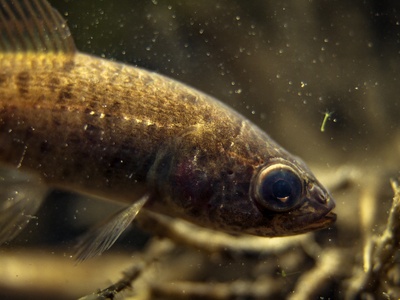
European mudminnow
A small, hardy freshwater fish surviving in isolated marshes and oxbow lakes; vulnerable from wetland drainage and water pollution. Very localized in NE Slovenia; conservation emphasizes wetland protection and water-level management.