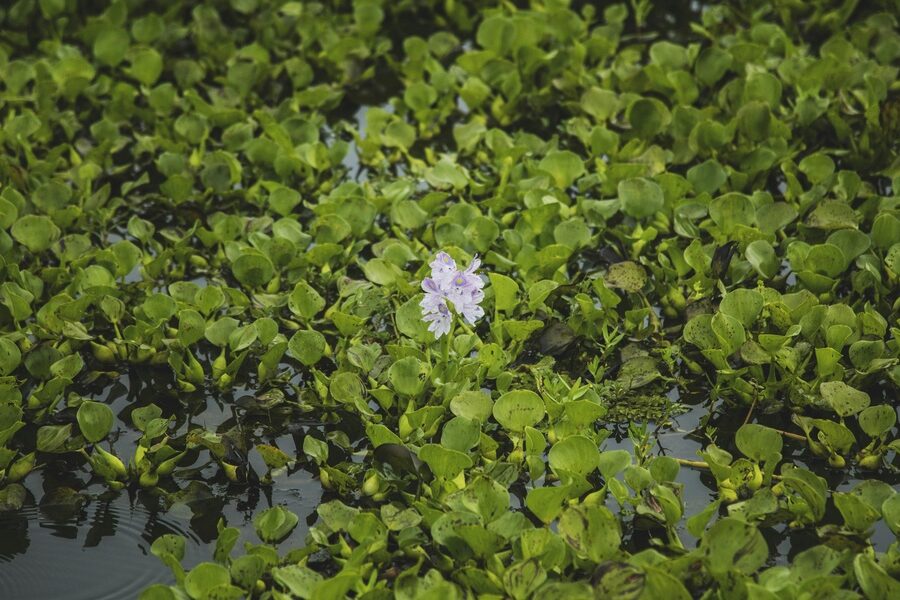
Wetlands—from coastal marshes to inland bogs and river floodplains—support unique species that often go unseen. These habitats act as nurseries, filters and buffers, and the animals that depend on them can tell us a lot about ecosystem health.
There are 25 rare wetland animals, ranging from Axolotl to Yangtze giant softshell turtle; each entry is organized with Scientific name, IUCN status, Range, which you’ll find below.
What practical steps can I take to help protect these rare wetland animals?
Supporting local wetland conservation groups, reducing chemical runoff (properly disposing of household chemicals and minimizing fertilizer use), and choosing responsible tourism operators all help; you can also contribute sightings to citizen science projects and support habitat restoration efforts that address the specific threats noted in the IUCN status.
How do conservationists determine which wetland species are rare or threatened?
Conservation status comes from population trends, range size, and severity of threats such as habitat loss, pollution, invasive species and climate change; assessments by IUCN and local experts synthesize field surveys, monitoring data and threat analyses to assign categories used in the list below.
Rare Wetland Animals
| Name | Scientific name | IUCN status | Range |
|---|---|---|---|
| Madagascar pochard | Aythya innotata | CR | Madagascar (central lakes and marshes) |
| Baer’s pochard | Aythya baeri | CR | East Asia (China, Mongolia, parts of Russia) |
| Black stilt | Himantopus novaezelandiae | CR | New Zealand (South Island wetlands) |
| Crested ibis | Nipponia nippon | EN | China, Japan (reintroduced), Korea |
| Siberian crane | Leucogeranus leucogeranus | CR | Russia, China, Iran, India (wetland stopovers) |
| Whooping crane | Grus americana | EN | Canada and USA (prairie wetlands, marshes) |
| Pygmy hippopotamus | Choeropsis liberiensis | EN | West Africa (Liberia, Sierra Leone, Guinea) |
| Proboscis monkey | Nasalis larvatus | EN | Borneo mangroves and riverine forests (Malaysia, Indonesia) |
| Fishing cat | Prionailurus viverrinus | VU | South & Southeast Asia (mangroves, marshes) |
| Gharial | Gavialis gangeticus | CR | Indian subcontinent rivers and floodplains (India, Nepal) |
| Philippine crocodile | Crocodylus mindorensis | CR | Philippines (lakes, marshes, lowland wetlands) |
| Kihansi spray toad | Nectophrynoides asperginis | EW | Tanzania (Kihansi Falls spray wetlands) |
| Axolotl | Ambystoma mexicanum | CR | Mexico (Xochimilco lake and canal system) |
| Devils Hole pupfish | Cyprinodon diabolis | CR | USA (Devils Hole spring, Nevada) |
| Delta smelt | Hypomesus transpacificus | CR | USA (San Francisco Estuary and marshes) |
| Mekong giant catfish | Pangasianodon gigas | CR | Mekong River basin (Cambodia, Laos, Thailand, Vietnam) |
| Chinese sturgeon | Acipenser sinensis | CR | Yangtze River basin, China |
| Yangtze giant softshell turtle | Rafetus swinhoei | CR | Historic range: Yangtze, Red River basins (China, Vietnam) |
| Madagascar fish eagle | Haliaeetus vociferoides | CR | Madagascar (western lakes, rivers, mangroves) |
| White-bellied heron | Ardea insignis | CR | Eastern Himalaya wetlands (Bhutan, India, Myanmar) |
| Freshwater pearl mussel | Margaritifera margaritifera | EN | Europe and eastern North America (clean rivers, peatland streams) |
| Tasmanian giant freshwater crayfish | Astacopsis gouldi | EN | Tasmania, Australia (forested streams and wetlands) |
| Black-necked crane | Grus nigricollis | VU | Tibetan Plateau wetlands and highland marshes (China, India, Bhutan) |
| Spoon-billed sandpiper | Calidris pygmaea | CR | East Asian coastal mudflats and tidal wetlands (Russia to SE Asia) |
| Marsh deer | Blastocerus dichotomus | VU | South American wetlands (Argentina, Brazil, Paraguay, Bolivia) |
Images and Descriptions
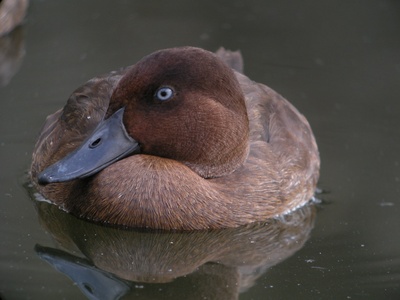
Madagascar pochard
A tiny diving duck once thought nearly extinct, now slowly recovering from captive-breeding releases. It’s rare because of habitat loss, invasive species and hunting; found only in a few freshwater lakes and marshes in Madagascar, needing protected wetland habitat.
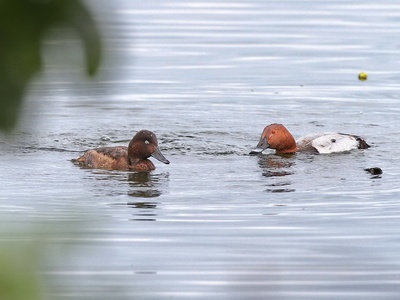
Baer’s pochard
A striking diving duck that has crashed in numbers due to wetland loss and hunting across East Asia. Extremely rare on breeding and wintering wetlands, conservation focuses on habitat protection, anti-poaching and captive-breeding efforts.
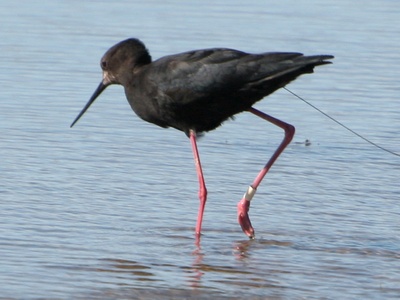
Black stilt
New Zealand’s rarest wading bird lives in shallow wetlands and braided riverbeds. Predation by introduced mammals and habitat modification make it critically endangered; intensive predator control, captive rearing and habitat restoration are central to recovery.
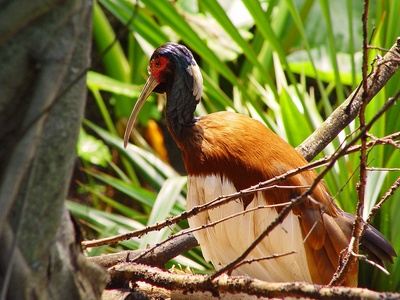
Crested ibis
Once nearly vanished, this long-legged ibis depends on wet paddy fields, marshes and riverine wetlands. Populations remain small and fragmented; conservation includes captive breeding, rice-field habitat management and anti-poaching measures across East Asia.
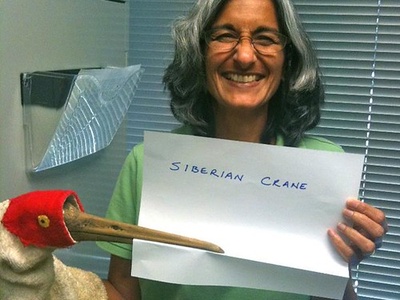
Siberian crane
A dramatic white crane that breeds in Arctic tundra wetlands and winters in shallow freshwater marshes. Critically endangered because of habitat loss, wetland degradation and hunting along migratory flyways; highly dependent on intact staging and wintering wetlands.
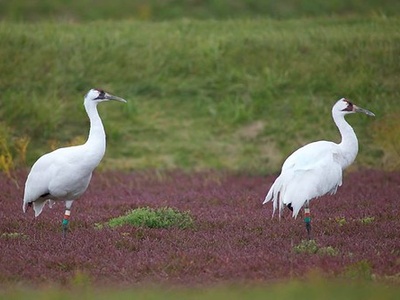
Whooping crane
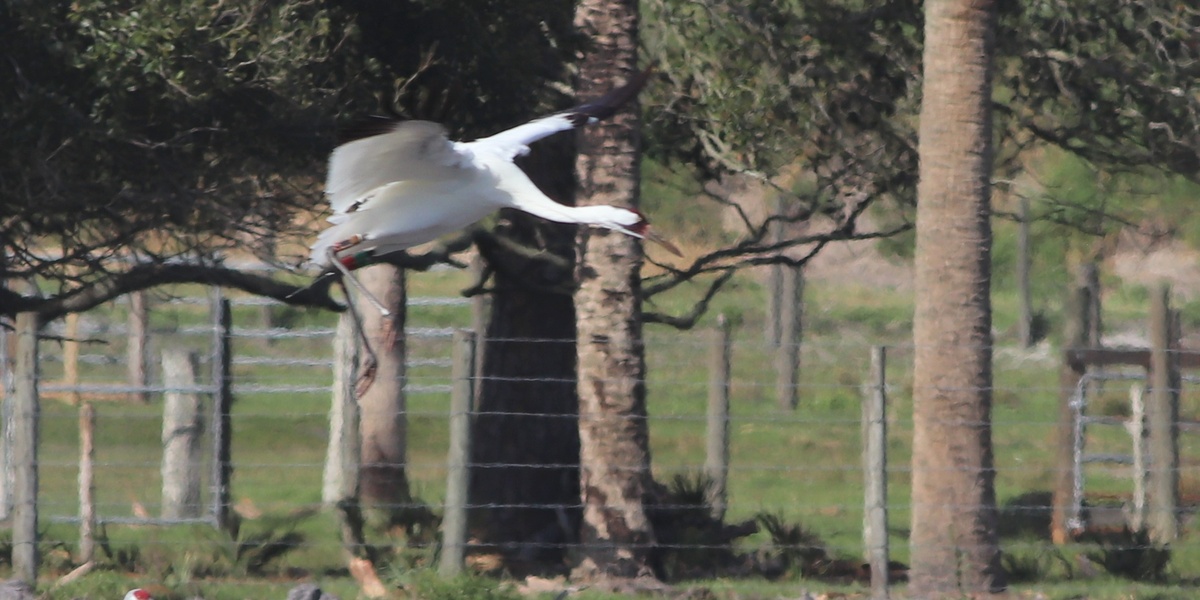
One of North America’s rarest birds, famous for tall marshland habitat. Decimated by hunting and wetland drainage, recovery needs protected breeding marshes and managed migration routes; captive breeding and reintroduction have helped small, monitored flocks.
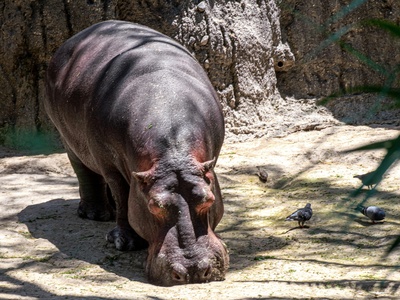
Pygmy hippopotamus
A reclusive, swamp-dwelling hippo of West African rainforests and freshwater swamps. Rarity stems from habitat loss, hunting and small fragmented populations; conservation requires protecting swamp forests and reducing human pressures on riverine wetlands.
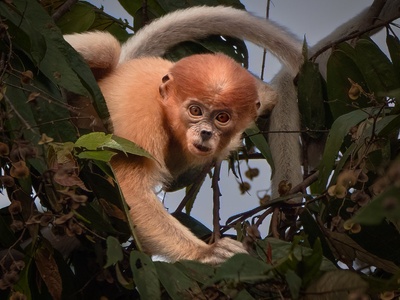
Proboscis monkey
This long-nosed monkey lives mainly in mangroves and riverbanks, making it highly tied to coastal wetlands. Habitat conversion and hunting have made it rare; preserving mangrove corridors and riverside forests is key to its survival.
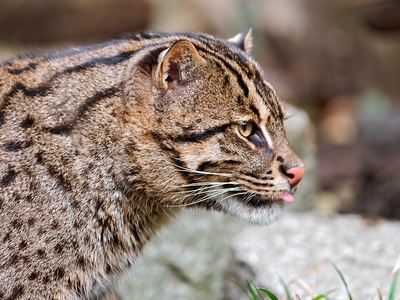
Fishing cat
A medium-sized wild cat specialized for wetlands—mangroves, reedbeds and floodplains. Vulnerable due to wetland destruction, snaring and conflict with people; conservation focuses on protecting wetlands and reducing human-wildlife conflict in coastal and river habitats.
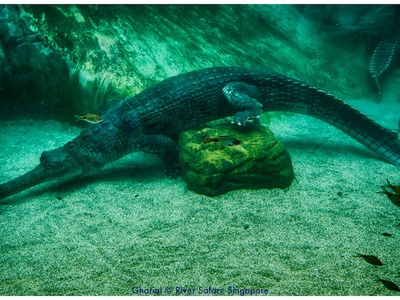
Gharial
A fish-eating crocodilian with a narrow snout that depends on deep river channels and sandy banks. Critically endangered from river modification, sand mining and loss of floodplain habitat; riverine conservation and protected breeding beaches are essential.
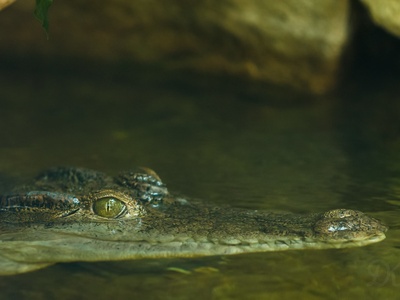
Philippine crocodile
A small, critically endangered freshwater crocodile restricted to isolated lakes and marshes. Habitat conversion, hunting and hybridization with introduced species drove declines; community-based protection and captive-breeding aim to secure remnant wetland populations.
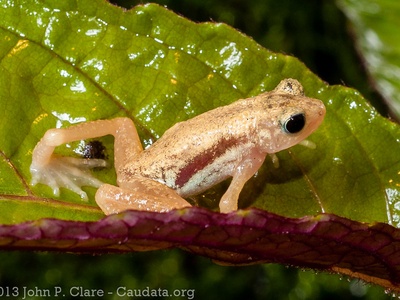
Kihansi spray toad
A tiny toad once found only in the mist zone of a single waterfall, now extinct in the wild after damming altered the spray wetlands. Captive populations exist and reintroduction efforts focus on restoring specialized spray-wetland microhabitat.
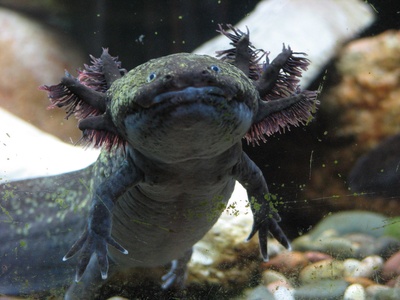
Axolotl
A unique salamander that remains aquatic and breeds in highland lakes and canals. Critically endangered from urbanization, pollution and invasive species in Xochimilco wetlands; captive colonies and habitat restoration are critical to prevent extinction.
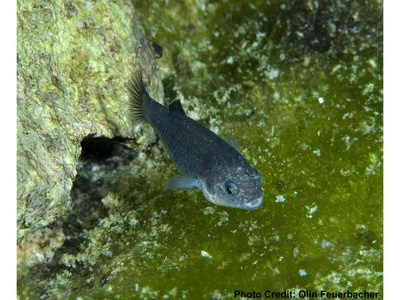
Devils Hole pupfish
One of the world’s rarest fish, confined to a single desert spring pool. Population numbers are tiny and highly vulnerable to water use and climate impacts; protections focus on preserving the unique spring wetland and its water supply.
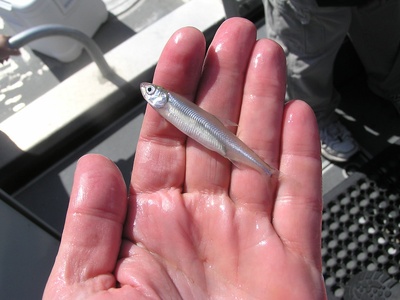
Delta smelt
A small estuarine fish emblematic of stressed California wetlands. Critically endangered due to water diversions, habitat loss and altered salinity; its decline highlights the need to restore estuarine marshes and sustainable water management.
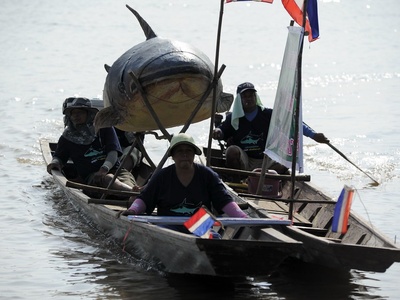
Mekong giant catfish
A huge freshwater fish of Mekong floodplain rivers, now critically endangered from overfishing and damming that blocks migrations and alters floodplain wetlands. Conservation focuses on fishing limits and protecting spawning rivers and floodplain habitat.
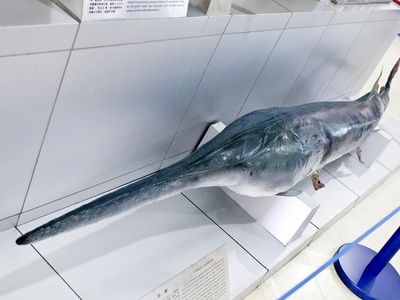
Chinese sturgeon
An ancient migratory fish tied to river floodplains and spawning beaches. Damming of the Yangtze and pollution have pushed it to critical levels; conservation centers on river habitat protection, migratory passage and captive-breeding programs.

Yangtze giant softshell turtle
One of the world’s rarest turtles, with only a handful of individuals known. It depends on large river and floodplain wetlands; saving it requires urgent captive breeding, habitat protection and international cooperation.
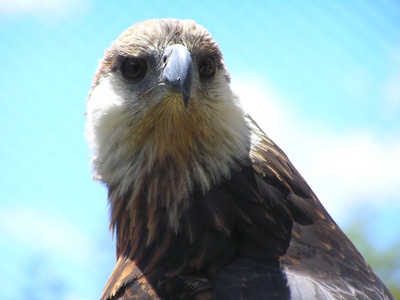
Madagascar fish eagle
A top predator of lakes and coastal wetlands in Madagascar, critically endangered due to habitat loss and human disturbance. Very few pairs remain; protecting lakeside forests and reducing human pressures are central to its recovery.
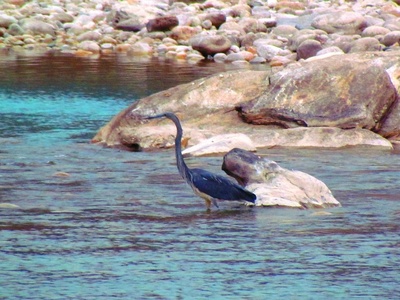
White-bellied heron
A massive, shy heron that nests along slow-moving rivers and riverine wetlands. Critically endangered due to deforestation, river modification and disturbance; conserving river habitats and nesting sites is vital for its survival.
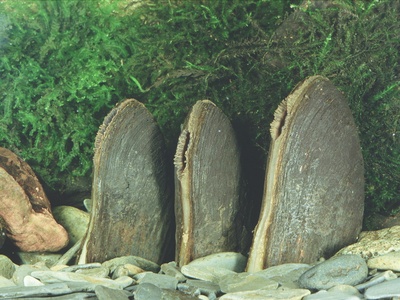
Freshwater pearl mussel
A long-lived mussel that filters clean, cool rivers and bog-fed streams. Endangered from pollution, river modification and declining host fish; it’s a keystone wetland invertebrate indicating healthy freshwater ecosystems.
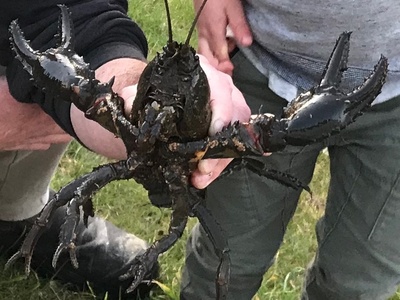
Tasmanian giant freshwater crayfish
The world’s largest freshwater crayfish lives in cool streams and adjacent wetlands. Endangered due to habitat loss, forest clearing and illegal harvesting; protecting riparian wetlands and enforcing harvest rules are needed for recovery.
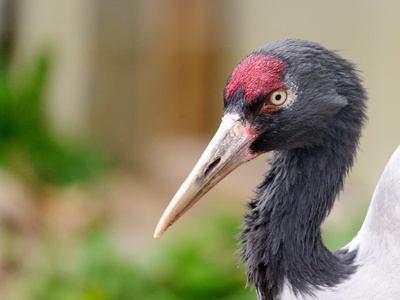
Black-necked crane
A wetland specialist of high-altitude marshes and floodplain meadows. Vulnerable because of habitat change, grazing pressure and development; local protection of breeding and wintering wetlands supports small but important populations.
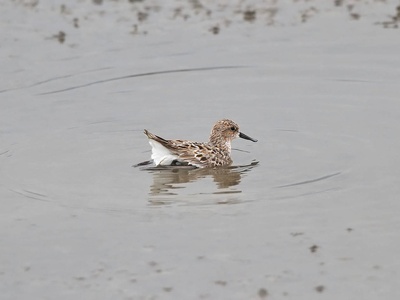
Spoon-billed sandpiper
A tiny shorebird with a spoon-shaped bill that relies on intertidal flats for feeding and staging. Critically endangered from coastal reclamation and disturbance; international protection of migratory wetland stopovers is crucial.
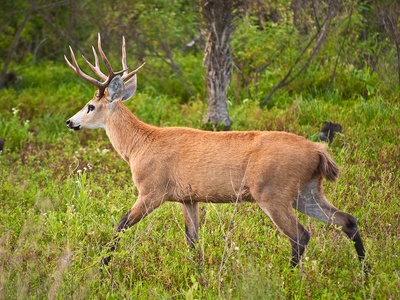
Marsh deer
The continent’s largest deer specialized for riverine marshes and seasonally flooded grasslands. Vulnerable due to wetland drainage, hunting and fragmentation; conserving floodplain wetlands and corridors is key to maintaining populations.