In the 1950s, suburban lawns became a symbol of postwar prosperity; today those same green carpets are under scrutiny as cities face water shortages and biodiversity loss. Many traditional yards are resource-intensive—running neighborhood sprinkler systems for hours, feeding turf with fertilizer and pesticides, and powering gas mowers that hum every weekend. Shrinking your lawn is one of the simplest high-impact choices a homeowner can make: it saves water and money, improves local ecology, and creates more useful outdoor space. From Las Vegas turf-replacement rebates to small suburban rain gardens, practical options exist for almost every climate.
This article lays out seven clear reasons to reduce lawn size, grouped into three practical categories—Environmental, Economic & Maintenance, and Biodiversity & Community—with concrete examples and next steps you can use this season.
Environmental benefits of shrinking your lawn
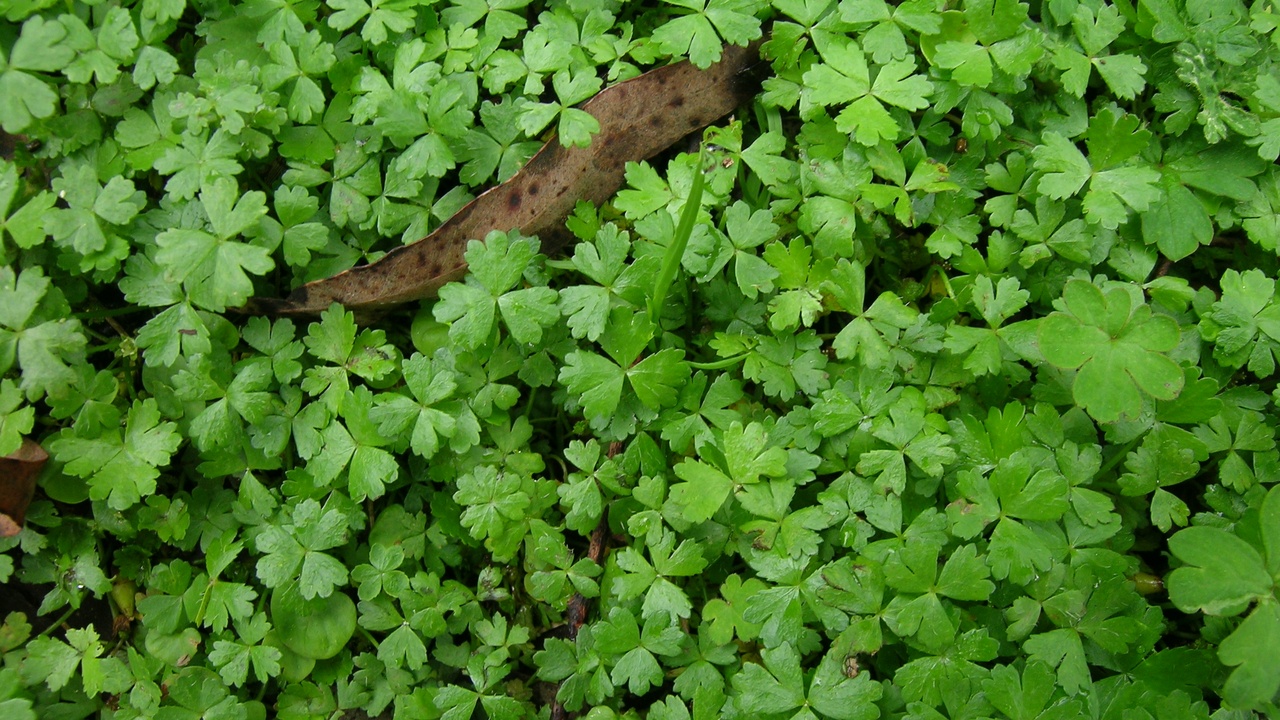
Reducing turf area directly lowers outdoor water demand, cuts chemical runoff, and increases a yard’s ability to absorb stormwater. U.S. lawns cover roughly 40 million acres, so changes at the household level scale up quickly. Guidance from the EPA WaterSense program and many local water agencies encourages swapping turf for native plantings and permeable surfaces to build climate resilience.
1. Reduced water use and lower irrigation costs
Cutting lawn area reduces irrigation demand substantially. Estimates show many households use about 8,000–10,000 gallons per year just to water turf. At that scale, replacing even a few hundred square feet with native plants or xeriscaping trims bills noticeably.
Municipal and regional rebate programs help offset upfront costs. For example, the Southern Nevada Water Authority and several California cities offer turf‑removal incentives that pair with free irrigation audits. Homeowners who convert turf to drip-irrigated native beds or drought-tolerant grasses like buffalo grass often see water use fall by a third or more.
Quick tip: measure the area you’ll change, call your water agency for rebate eligibility, or use their online estimator to compare projected savings before you dig.
2. Less chemical use and healthier soil and waterways
Conventional lawns commonly rely on synthetic nitrogen, phosphorus, and pesticides that wash into storm drains and waterways. EPA and university extension studies link nutrient runoff to algal blooms and degraded stream health.
By reducing turf and planting native beds amended with compost, you cut synthetic fertilizer and pesticide use. Groundcovers like Dutch white clover or sedges (Carex spp.) fix nitrogen naturally or require minimal inputs. A suburban property that converts a quarter of its turf to a rain garden can substantially reduce fertilizer application and improve infiltration.
Practical moves: get a soil test, add compost to new beds, adopt integrated pest management, and select low-input plants to rebuild soil biology over a few seasons.
3. Cooler local temperatures and improved stormwater management
Replacing expanses of turf with diverse plantings, mulched beds, and trees cools properties via shade and evapotranspiration. Studies of urban heat islands show vegetated surfaces can be several degrees cooler than bare turf or paved areas during heat waves.
Permeable features—a small rain garden, mulched swales, or permeable pavers—capture and infiltrate stormwater, reducing peak runoff to sewers. Cities such as Portland and Seattle promote green infrastructure programs that provide design guidance and, in some cases, cost-sharing for homeowners who install rain-capturing features.
Simple action: plant one shade tree near a sunny lawn stripe, or install a 25–50 sq ft rain garden to intercept downspout flow and lower your property’s runoff footprint.
Economic and maintenance benefits
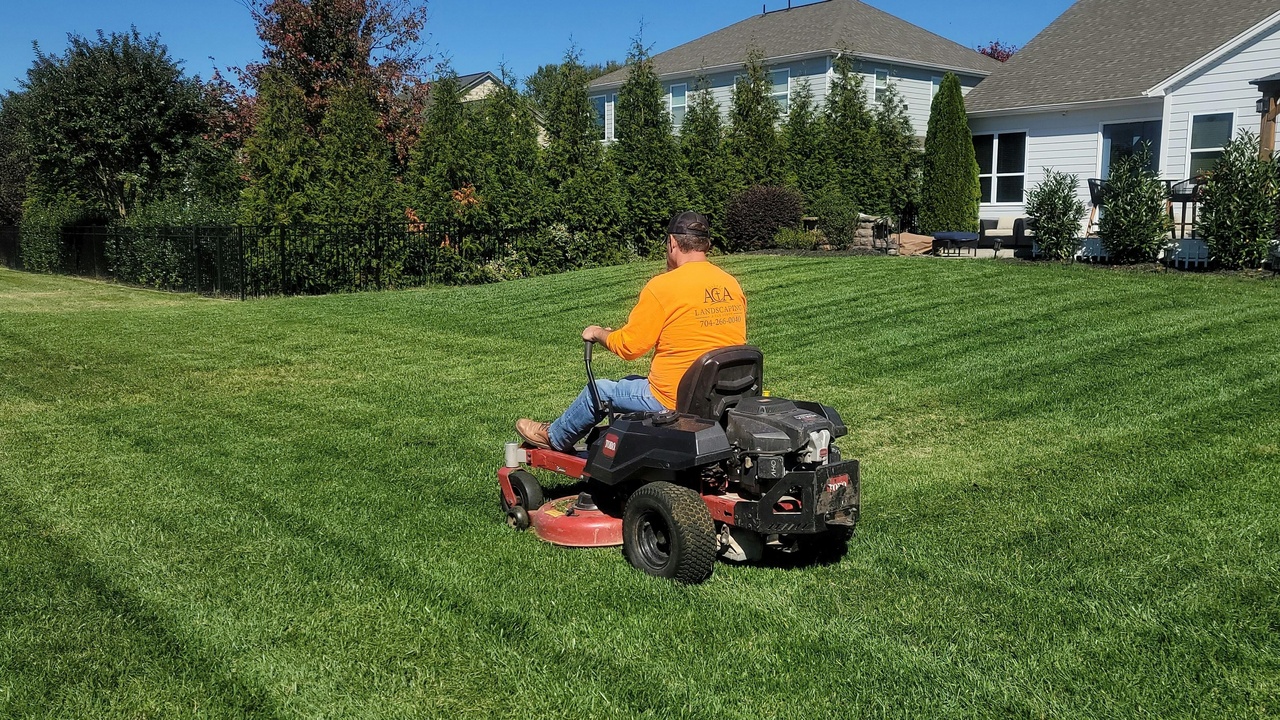
Lawns carry ongoing time and monetary costs: weekly mowing, edging, fuel, equipment upkeep, and seasonal fertilizing. Thoughtful reductions turn recurring chores into one-time investments—mulched beds, native plantings, or a small patio deliver long-term savings and more usable yard.
4. Lower maintenance time and recurring costs
Smaller lawns mean less mowing, edging, and blow-off. Many homeowners spend roughly 50–60 hours per year on lawn care; removing lawn strips can free whole weekends. You also cut fuel use and emissions from gas mowers and reduce payments to lawn services.
Example: replacing a 500 sq ft strip of turf with mulch and native perennials eliminates one weekly mow for that area, reduces small-engine gasoline use, and lowers annual fertilizer costs. Local service quotes vary, but homeowners often see immediate monthly savings on maintenance or can reallocate contractor budgets to a one‑time garden install.
Try this: convert a narrow border to low-maintenance plantings first—observe time saved for a season before expanding the project.
5. Better returns on landscape investment and improved usable outdoor space
Well-designed lawn-to-garden conversions can boost curb appeal and offer solid returns. Landscape upgrades commonly report ROI ranges near 5–15% when thoughtfully executed and matched to neighborhood norms.
Real-world uses include converting a back-lawn corner into a 200–400 sq ft patio for dining, or installing edible beds that supply herbs and vegetables. These changes extend living space, reduce upkeep as a selling point, and create features buyers value.
Actionable idea: design one multipurpose zone—an outdoor dining area or edible garden—and track how often the family uses it versus the old lawn space.
Biodiversity, food, and community benefits
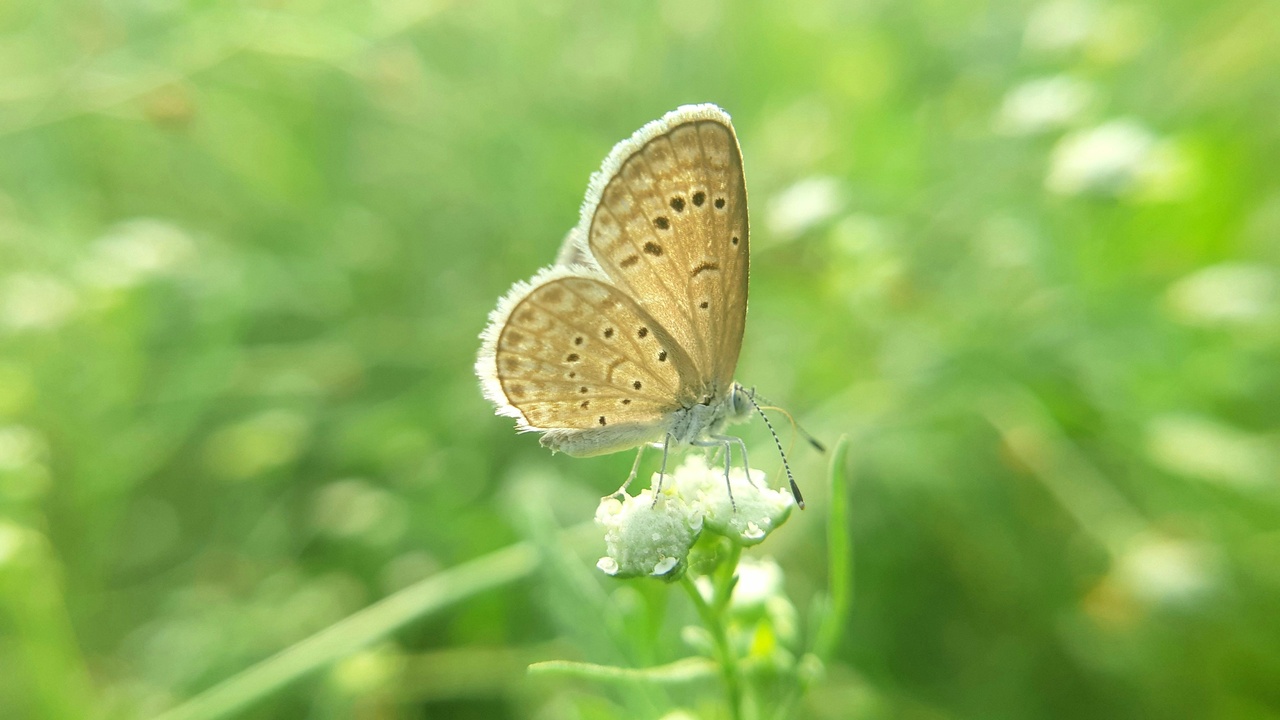
Smaller lawns make room for pollinator habitat, edible gardens, and places where neighbors gather. Those personal choices add up: when multiple households convert modest strips of turf, the neighborhood sees measurable gains for birds, bees, and local food supply.
6. Better habitat for pollinators, birds, and beneficial insects
Replacing turf with native flowers, shrubs, and host plants supports pollinator life cycles. Organizations such as the Xerces Society and the Pollinator Partnership document declines in pollinator populations and recommend native-plant corridors.
Plant choices matter: milkweed for monarch butterflies, native asters and coneflowers for late-season nectar, and diverse flowering shrubs for nesting birds. Even a 10–20 ft native-plant strip along a driveway forms a useful nectar corridor for local pollinators.
Small actions—leave a mown path through a meadow, add a native hedge, avoid insecticidal sprays—help beneficial insect populations recover across the block.
7. Space for food, play, and stronger neighborhood connections
Converted lawn area can become vegetable beds, safer play zones, patios, or community plots. A modest raised bed of 4×8 ft yields meaningful produce; scaling to several beds or a shared garden can supply hundreds of pounds of food over a season across a neighborhood.
Social benefits follow: neighbors share seedlings, host planting days, or start micro-parks on formerly unused turf. Community garden projects that replaced turf often report increased interaction and food access among participants.
Start small: build a single 4×8 raised bed, dedicate a sunny strip to tomatoes and herbs, or organize a block “lawn swap” where neighbors trade turf for native‑plant starts.
Summary
- U.S. lawns cover about 40 million acres; reducing even small patches adds up to big water and emissions savings.
- Typical household lawn irrigation runs around 8,000–10,000 gallons per year; turf removal, native plants, or drip systems lower bills and often qualify for rebates (see local programs like the Southern Nevada Water Authority).
- Expect to reclaim time (many homeowners save 50–60 hours/year) and convert recurring costs into one‑time landscape investments that increase usable outdoor living space and can improve property appeal (typical ROI ~5–15%).
- Smaller lawns create habitat for pollinators and birds, allow for edible gardens, and strengthen neighborhood ties—simple projects like a 50 sq ft turf-to-garden test plot or a 4×8 raised bed are ideal first steps.
- Pick one small project this season: remove a 50 sq ft patch, request a rebate estimator from your water agency, or plant a pollinator-friendly strip to see immediate benefits and build momentum.