
In 2002 the U.S. National Organic Program (NOP) set a federal standard for what can be labeled “organic,” turning a once-small movement into a recognizable market tier. Since then consumer interest has climbed steadily: global retail sales reached roughly $120 billion in 2020, and certification helped shoppers make quicker choices at the supermarket. At the same time, rising concerns about water pollution, pesticide exposure, and farm resilience make the choices we make at checkout more consequential than ever.
Supporting organic agriculture delivers measurable benefits for the environment, public health, rural economies, and long-term food-system resilience—reasons that make backing organic practices both practical and principled.
Environmental Benefits
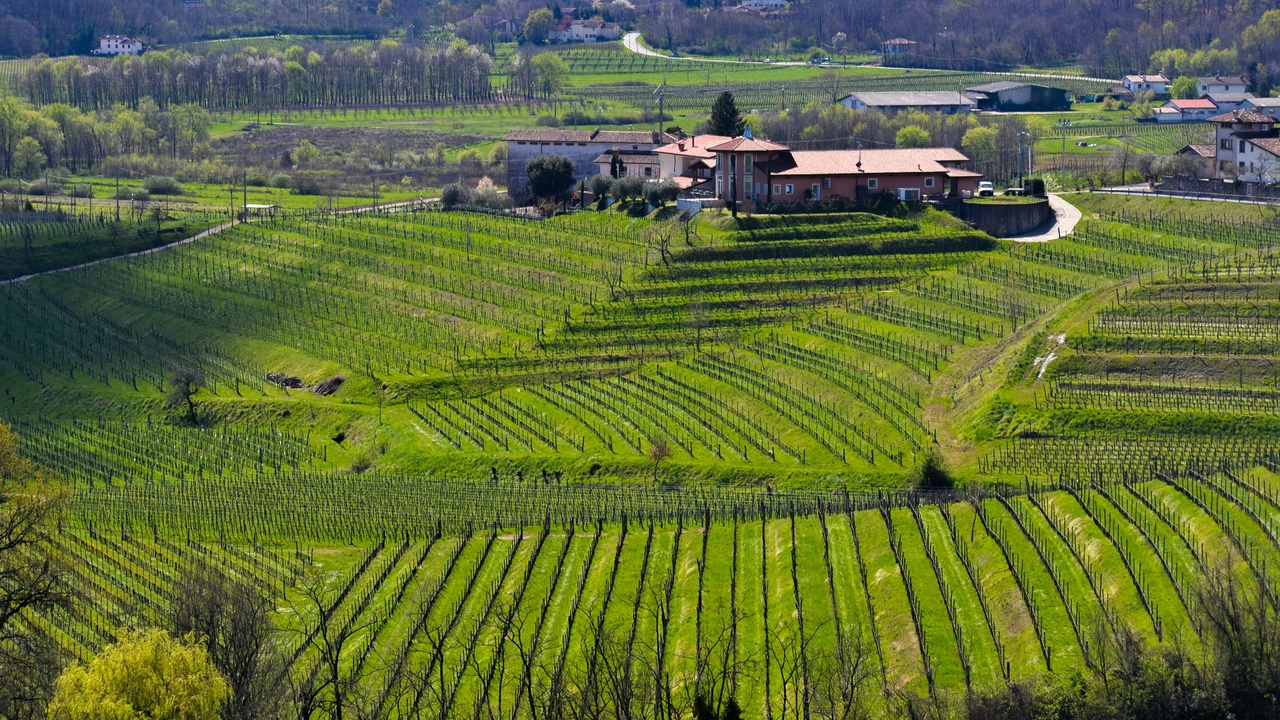
How a farm is managed affects rivers, soils, and wildlife across a landscape. Organic systems limit synthetic chemical inputs, emphasize living soils through cover crops and compost, and encourage habitat for beneficial insects and birds. Those choices matter at the field edge and downstream: lower chemical runoff improves drinking-water safety, richer soils hold more moisture through dry spells, and diverse field margins support pollinators and natural pest control. International bodies such as FiBL and IFOAM document both the scale and the practices: FiBL reported roughly 72.3 million hectares of certified organic farmland and about 3.1 million producers worldwide in 2021, showing that these methods are far more than niche experiments. On-farm examples — think a local CSA vegetable patch using cover-crop mixes, or a certified organic apple orchard maintaining hedgerows — illustrate how modest changes add up to measurable landscape benefits.
1. Cuts chemical pollution and protects waterways
Organic standards prohibit synthetic pesticides and many synthetic fertilizers, which substantially reduces the sources of agricultural runoff. Comparative monitoring studies find far fewer synthetic pesticide detections in soils and adjacent streams near organic farms than near conventionally managed fields (surveys over the last two decades report large reductions in detectable residues). That means fewer contaminated drinking-water sources and less harm to fish and aquatic invertebrates downstream.
On a practical level, organic vegetable farms commonly use buffer strips, cover crops, and carefully timed compost applications to limit erosion and nutrient loss. In catchment studies where mixed farming dominates, switching parts of a watershed to organic management has consistently lowered the load of certain synthetic agrochemicals into rivers and reservoirs, improving water quality for nearby communities.
2. Builds soil health and stores carbon
Organic practices — cover cropping, diverse rotations, compost applications, and reduced reliance on synthetic nitrogen — help increase soil organic matter and improve soil structure. Long-term comparisons such as the Rodale Institute’s Farming Systems Trial (running since 1981) show that biologically based systems build soil health over time, improving infiltration and nutrient cycling and making yields more stable in variable seasons.
As soils gain organic matter they also increase water-holding capacity and store more carbon. For context, small yearly gains in soil organic matter (on the order of a fraction of a percentage point per year) can translate into meaningful on-farm carbon gains and greater drought resilience. Practices farmers use in these trials include cereal rye plus clover cover-crop mixes and regular compost applications to maintain surface organic inputs.
3. Protects biodiversity and pollinators
Multiple meta-analyses and reviews show that organically managed farmland supports higher species richness and abundance than comparable conventional fields. Across birds, insects, and plants, studies commonly report biodiversity increases on organic farms in the neighborhood of about 20–50% depending on taxa and context.
Those gains matter for production, too: hedgerows, wildflower strips, and reduced pesticide use enhance pollination and biological pest control. Organizations such as BirdLife and IFOAM highlight examples where simple habitat measures around fields help both wildlife and yields, from organic orchards that attract pollinators to vegetable farms that host beneficial predatory insects.
Health and Nutrition Benefits

Consumers often choose organic because of health concerns: exposure to synthetic pesticides, antibiotic residues in animal products, and questions about nutrient quality. Research has focused on two main areas where organic options tend to differ from conventional ones: pesticide residues on produce and management of livestock, including antibiotic use. Surveillance programs and peer-reviewed meta-analyses provide the evidence base that informs shoppers and policymakers when they weigh those trade-offs.
4. Lower pesticide residues and improved food safety
Multiple analyses indicate that organic fruits and vegetables have a much lower incidence of detectable synthetic pesticide residues than conventional counterparts. For example, meta-analyses have shown markedly reduced detection rates and lower average residue levels on organic produce, making them a pragmatic choice for those wanting to limit dietary pesticide exposure.
This difference is especially relevant for pregnant people, children, and communities near intensive agriculture who face higher exposure risks. Consumer testing programs and national monitoring commonly report that items such as apples and leafy greens show notable reductions in synthetic residues when produced organically.
5. Health advantages from organic livestock practices
Organic livestock standards restrict routine, non-therapeutic antibiotic use and require meaningful outdoor access, which reduces the selective pressure that drives antibiotic resistance in animal bacteria. Studies comparing conventional and organic herds report substantially lower antibiotic usage on certified organic farms — often more than a 50% reduction in routine use — and that translates into lower risk of antibiotic residues and resistant bacteria entering the food chain.
Brands such as Organic Valley and Stonyfield highlight pasture-based dairy and egg systems that emphasize animal welfare and limited drug use. For consumers concerned about antibiotics or confinement, certified organic labels provide a clear, regulated choice.
Economic and Social Benefits

Organic markets create tangible economic opportunities for producers and communities. Higher retail prices and expanding demand let small and mid-scale farms reach premium channels, while community-supported agriculture (CSA) and cooperatives help capture more of the food dollar locally. Those market options can offset transition costs and support diversified farm enterprises that keep rural jobs and knowledge on the land.
6. Supports rural economies and small farmers
Certification opens doors to specialty buyers, restaurant accounts, and cooperative branding that pay premiums. FiBL’s 2021 figures show roughly 3.1 million organic producers worldwide, and many of them are smallholders or family farms that use organic certification to differentiate their goods.
Cooperatives like Organic Valley demonstrate how collective marketing and value-added processing help member farms earn steadier incomes. At the farm level, joining a CSA or selling at farmers markets gives vegetable growers direct access to customers and cashflow that can make a multi-year transition financially viable.
7. Meets growing consumer demand and captures market premiums
Consumer demand for certified organic products has been rising since the early 2000s, and global retail sales were about $120 billion in 2020. Retailers respond by expanding organic aisles and private-label organic lines, which creates more stable outlets for producers and scale-up opportunities for successful brands.
Major retailers such as Whole Foods Market and Trader Joe’s, plus supermarket private labels, now compete on organic offerings, which helps normalize access while keeping price competition in play for producers who can meet demand.
8. Encourages transparent supply chains and food security
Certification systems like USDA Organic and the EU Organic regulation require documentation, ingredient tracing, and yearly inspections, which improve traceability and consumer trust. That record-keeping matters for food-safety recalls and for buyers who want clear provenance on what they purchase.
Localized organic networks — CSAs, farmers markets, and direct-to-retail relationships — strengthen community food security by shortening supply chains and keeping more of the food dollar circulating locally. The social outcome is tangible: more resilient local food access and closer farmer–consumer relationships.
Resilience and Climate Benefits
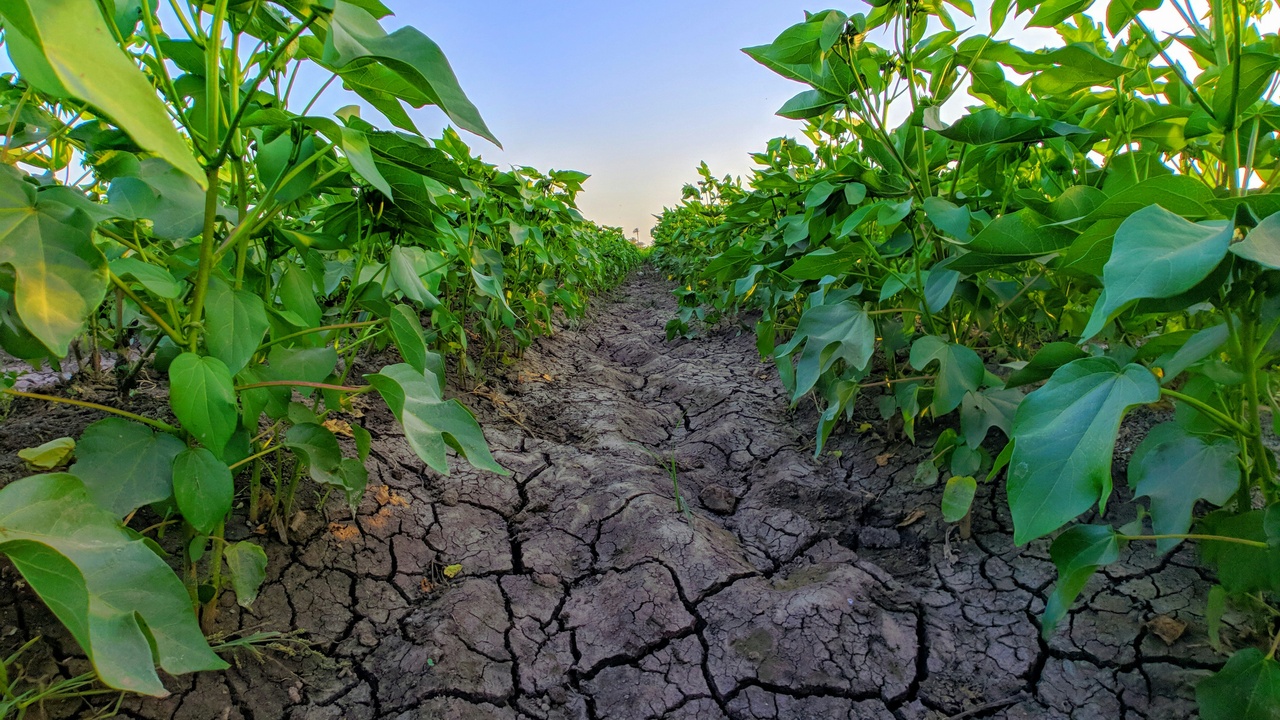
Diverse rotations, living roots, and added organic matter make farms more capable of withstanding extremes. Healthy soils soak up heavy rains more quickly, hold more water during droughts, and provide more predictable nutrient cycling. At the same time, practices that build soil carbon contribute to climate mitigation and create new opportunities for farmers to receive payments for ecosystem services.
9. Enhances resilience to extreme weather
Soils richer in organic matter retain more moisture and have higher infiltration rates, which buffers crops against both drought and intense rainfall. A commonly used practical figure: a small increase in soil organic matter can hold thousands of additional gallons of plant-available water per acre, improving survival during dry spells.
Field trials and farmer reports show that farms using cover crops, mulches, and diversified rotations experience less yield volatility in drought years than nearby monocultures. Examples from Mediterranean and Midwestern trials highlight how cover-crop mixes and compost additions reduced stress on crops during multi-year dry periods.
10. Promotes climate-smart and regenerative practices
Organic management overlaps with many regenerative practices that reduce greenhouse-gas intensity: crop rotations, reduced synthetic nitrogen inputs, and frequent organic amendments all lower the emissions associated with production and can build soil carbon. Long-term trials and modeling studies suggest realistic sequestration rates commonly fall in the range of about 0.3–1.0 tonnes of carbon per hectare per year, depending on soil type and management.
Organizations like the Rodale Institute have modeled sequestration potential under well-managed regenerative systems and highlighted opportunities for carbon incentive programs. Pilot carbon-credit schemes and payments for ecosystem services are already enabling farmers to get paid for measurable soil-carbon gains.
Summary
- Environmental wins: organic rules reduce synthetic chemical runoff, build soil organic matter, and boost biodiversity across farms and watersheds.
- Health and nutrition: organic produce shows substantially fewer detectable synthetic pesticide residues, and organic livestock systems use far less routine antibiotics, offering clearer choices for concerned consumers.
- Economic and social value: growing demand (about $120 billion globally in 2020) plus certification and CSAs help small and mid-scale farmers capture premiums and strengthen local food systems.
- Climate and resilience: soil-building practices improve drought and flood buffering and offer measurable soil-carbon gains (commonly 0.3–1.0 t C/ha/yr in many systems), creating pathways for climate finance.
- Take action: buy organic when feasible, join a CSA, support research and policies that fund transitions, and encourage retailers to expand certified-sourced options—these practical steps help scale the benefits above.
Those are compelling reasons to support organic agriculture, and they add up: better water quality, healthier soils, stronger rural livelihoods, and clearer consumer choices. Support can be as simple as a purchase decision or as active as joining local advocacy for organic research and farmer transition programs.