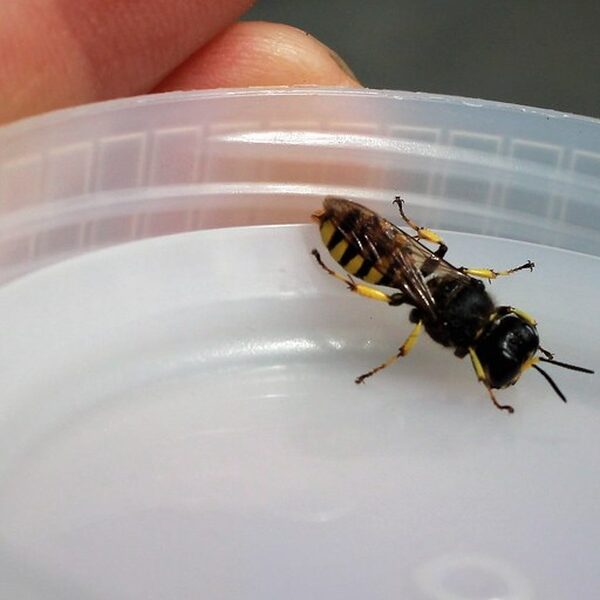
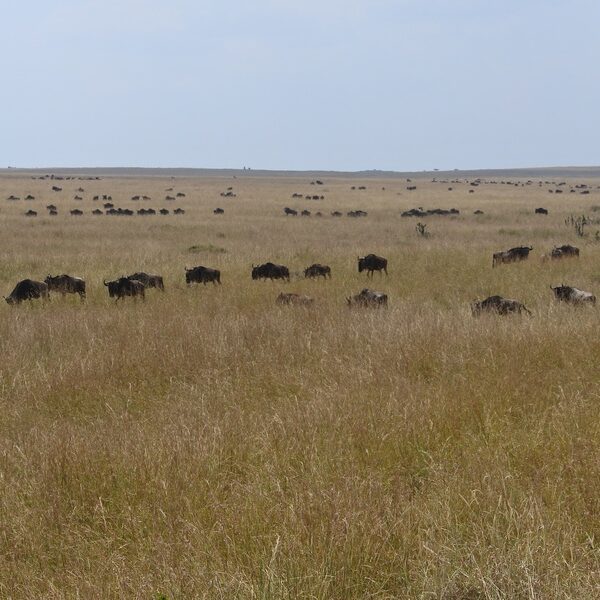
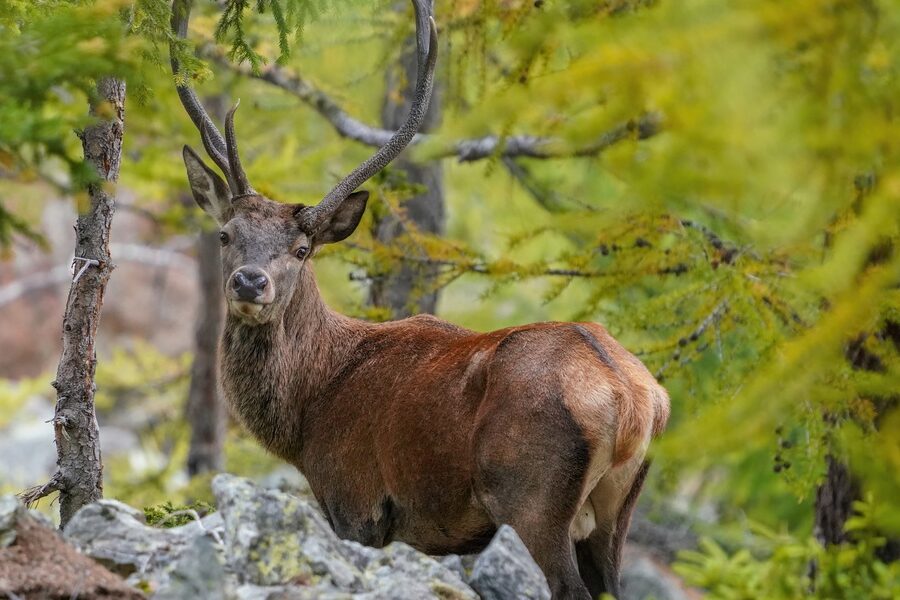
A 2011 estimate put the number of species on Earth at about 8.7 million, and a 2019 IPBES assessment warned that roughly 1 million species face extinction without urgent action.
That loss isn’t just about rare animals on TV — it affects the food on our plates, the safety of our water, the medicines we rely on and the jobs in many communities. When pollinators decline, grocery prices and fruit variety can shift; when wetlands are drained, towns pay more to treat drinking water.
Biodiversity is not merely about exotic species in far-off places — it underpins food, health, economy, climate stability and culture. Protecting it is protecting the systems that sustain human life and well-being. These are clear reasons why biodiversity matters.
Below are ten concrete reasons, grouped into ecosystem functions, economic value, health and innovation, and cultural resilience, with examples and practical takeaways.
Ecosystem functions that sustain life

Many basic life‑support services arise directly from species diversity. Ecosystem services — the benefits people get from nature — are measurable and often replaceable only at high cost. Plants, animals and microbes perform mechanical and chemical tasks that keep food, water and soils productive.
1. Pollination that powers global food production
Animal pollinators — bees, butterflies, bats and other insects — are critical to many fruits, nuts and vegetables. FAO and IPBES assessments estimate pollination services at roughly $235–$577 billion annually, and about three‑quarters of leading global crops benefit from animal pollination to some extent.
Mechanically, pollinators move pollen from flower to flower on their bodies while foraging, enabling fertilization and seed set. Managed honeybees are transported into California almond orchards each spring to pollinate millions of trees, while native bumblebees are key for blueberry and cranberry yields.
When pollinator populations fall, yields drop, farmers face higher costs for hand pollination or rental hives, and consumers may see higher prices and less variety on grocery shelves.
2. Water purification and healthy watersheds
Wetlands, forests and riparian buffers filter sediments, trap nutrients and break down contaminants so communities downstream get cleaner water at lower cost. Plants slow runoff; soils and microbes transform pollutants; root systems stabilize banks and recharge aquifers.
A famous example: New York City invested in protecting the Catskills watershed to maintain natural filtration and avoided building a $6–8 billion water filtration plant while saving on ongoing treatment costs. Small towns rely on upstream wetlands to remove agricultural runoff without expensive infrastructure.
Conserving these habitats is often cheaper than replacing their services, and policy choices that protect headwaters can deliver measurable public savings.
3. Soil fertility and nutrient cycling that underlie agriculture
Diverse soil communities — bacteria, fungi (including mycorrhizal fungi), earthworms and other organisms — decompose organic matter, cycle nitrogen and phosphorus, and maintain soil structure. Those processes make nutrients available to plants and reduce erosion.
Mycorrhizal fungi, for example, extend root surface area and improve phosphorus uptake, often allowing crops to thrive with lower fertilizer inputs. Farmers using cover crops and diverse rotations report improvements in soil organic matter and more stable yields over time.
Protecting soil biodiversity is a long‑term investment in food security: healthy soils mean lower input costs and more resilient harvests.
Economic value and food security
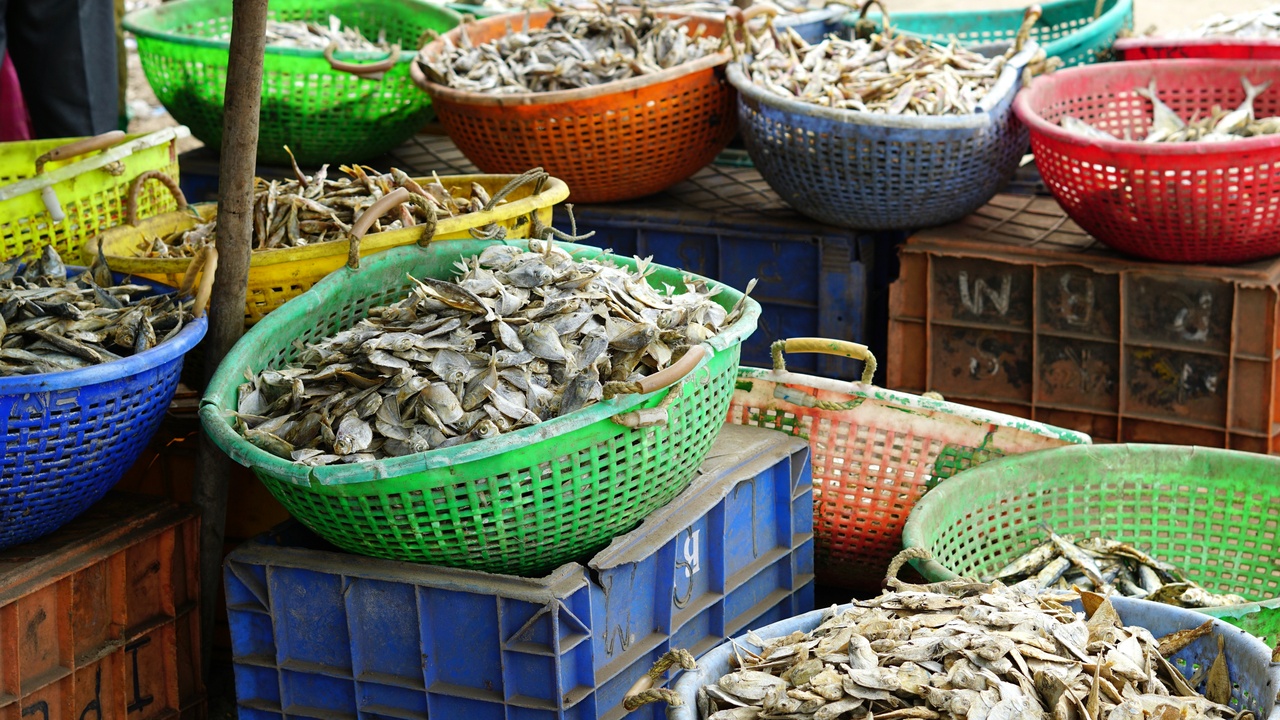
Biodiversity directly supports jobs, markets and national economies — especially through agriculture, fisheries and nature-based tourism. These sectors deliver measurable income, employment and food, and their value depends on intact ecosystems and species diversity.
4. Food security: diversified diets and crop resilience
Genetic diversity in crops, plus wild foods and pollinators, stabilizes diets and nutrition. When varieties carry different resistances, a single pest or weather event is less likely to wipe out an entire food supply.
Plant breeders frequently use wild relatives to introduce disease or drought resistance into wheat, rice and other staples; those genes have prevented yield losses and helped sustain harvests in stressed regions. Heirloom and locally adapted varieties also keep diets diverse and culturally important foods available.
Loss of genetic diversity narrows options for breeders and raises vulnerability to pests, diseases and changing climates.
5. Livelihoods and jobs from fisheries, forestry and tourism
Millions of people rely directly on biodiversity-based sectors. The FAO estimates roughly 60 million people are engaged in fisheries and aquaculture, and forestry and nature tourism support many more jobs at national and local levels.
When ecosystems are overexploited or degraded, incomes drop and communities lose economic options. Conversely, sustainable fisheries management, community forestry and ecotourism (for example, nature lodges in Costa Rica) can provide steady livelihoods and long-term value.
Policy that supports sustainable supply chains and community rights helps protect both jobs and ecosystems.
6. Natural climate regulation and carbon storage
Forests, peatlands, mangroves and seagrass meadows store large amounts of carbon and regulate local climates. Coastal wetlands in particular can store several times more carbon per hectare than some terrestrial forests, making them high‑value climate assets.
Protecting and restoring these habitats avoids emissions from land conversion and supports nature-based climate mitigation (for example through REDD+ or mangrove restoration projects that sequester measurable carbon while protecting co‑benefits such as fisheries and storm protection).
Halting deforestation and draining of peatlands is therefore both a biodiversity and climate priority.
Health, science and innovation

Species are living libraries for medicine and technology. Many drugs and research tools come from natural compounds, and preserving biodiversity keeps options open for future discoveries and treatments.
7. Medicine and drug discovery from natural compounds
Several blockbuster medicines originated in nature: paclitaxel (Taxol) was derived from yew trees and became a mainstay cancer drug, while artemisinin from Artemisia annua revolutionized malaria treatment. Reviews estimate that a substantial share — roughly half — of approved small‑molecule drugs are derived from or inspired by natural products.
Protecting habitats preserves the biochemical diversity that underpins bioprospecting. Ethical sourcing and benefit‑sharing (so local communities and countries receive fair returns) are central to responsible drug discovery.
Maintaining species-rich ecosystems safeguards potential medicines for future generations and supports public health research (see WHO and IUCN recommendations on traditional and natural medicines).
8. Scientific knowledge and innovation (ecosystems as living laboratories)
Biodiversity fuels basic and applied science. Studying organisms across environments yields tools and ideas used in biotech and engineering: for instance, the enzyme Taq polymerase from the bacterium Thermus aquaticus enabled PCR, a cornerstone of modern molecular biology.
Biomimicry has inspired adhesives based on gecko feet and water‑repellent surfaces modeled on the lotus leaf. As species and habitats disappear, opportunities for similar breakthroughs decline.
Investing in research partnerships that include habitat protection multiplies returns in both knowledge and practical innovations.
Cultural value, resilience and human well‑being
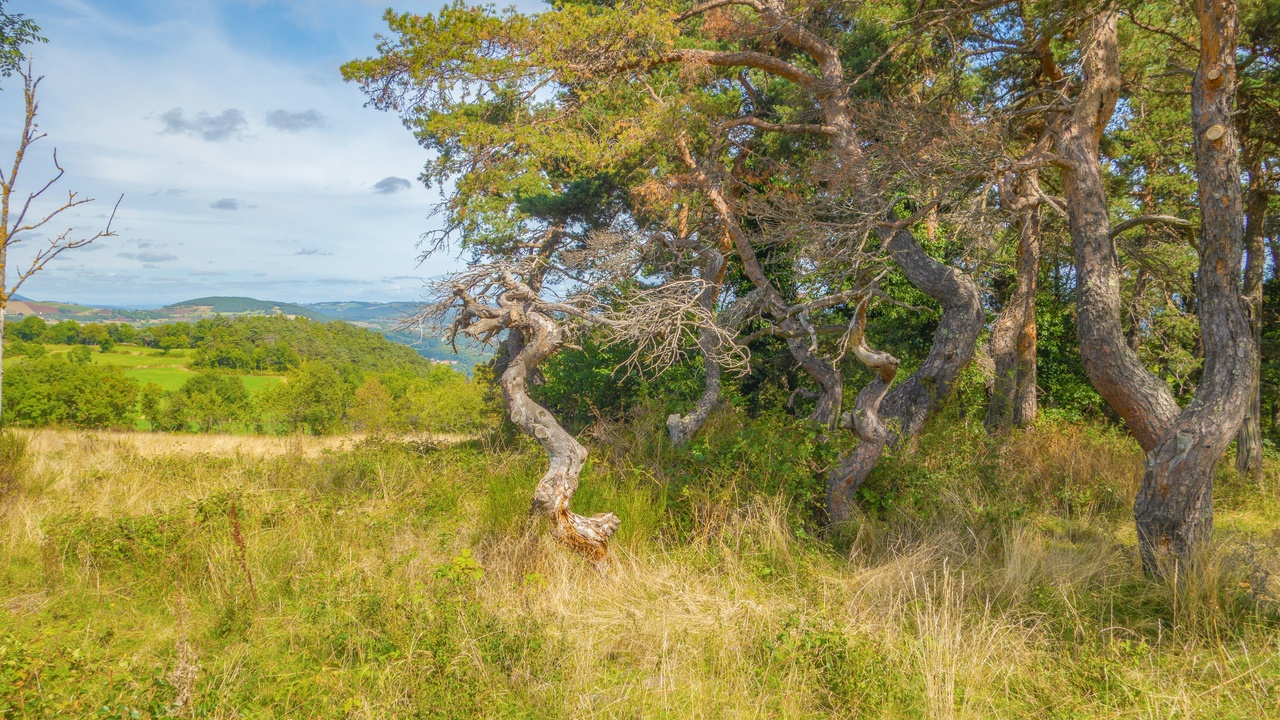
Beyond material benefits, biodiversity provides intangible values: cultural identity, recreation, spiritual meaning and mental health. It also strengthens resilience, giving communities redundancy and flexible responses to shocks.
9. Cultural, recreational and spiritual value
People derive meaning and well‑being from places and species. National parks attract millions of visitors annually, supporting recreation economies; sacred groves and species are crucial to many Indigenous cultures across the Amazon, Pacific Islands and elsewhere.
When culturally significant species decline or landscapes are degraded, traditions and tourism incomes suffer. Protecting biodiversity therefore preserves cultural heritage and supports psychological health tied to natural experiences.
10. Resilience to shocks: redundancy and adaptive capacity
Biological diversity builds redundancy — multiple species can fulfill similar roles so that if one fails, others sustain the function. Mixed‑species forests often experience lower overall mortality than single‑species plantations after pests or drought.
Mangroves and coastal wetlands reduce storm surge and erosion, and agroforestry systems with diverse crops can smooth income and food supply across variable seasons. Those buffers reduce disaster risk and speed recovery.
Land‑use decisions and targeted conservation can therefore increase adaptive capacity for communities facing a changing climate.
Summary
- Biodiversity underpins food, water, medicine and climate regulation — for example, pollination services are valued at roughly $235–$577 billion annually and about 1 million species are considered at risk (IPBES 2019).
- Healthy ecosystems save money and protect people: conserving the Catskills avoided a $6–$8 billion filtration plant, and mangroves and peatlands store large amounts of carbon while buffering storms.
- Species and genetic diversity secure livelihoods and innovation — from roughly 60 million people working in fisheries and aquaculture to drugs like paclitaxel and artemisinin that originated in nature.
- Practical steps matter: plant native species, reduce pesticide use, support protected areas and community conservation, and back policies that fund restoration and equitable benefit‑sharing.
- These are actionable reasons why biodiversity matters — protecting diverse species and habitats is an investment in food security, public health, economic stability and cultural well‑being.