Antarctica’s icy surface hides a long, warmer past recorded in rocks and fossils. Paleontologists have recovered remains that reveal ecosystems very different from today’s frozen desert.
There are 12 Reptiles of Antarctica, ranging from Antarctopelta to Trinisaura. For each entry, the data are organized under Scientific name, Status, and Age / Period (Ma), which you’ll find below.
Did reptiles really live in Antarctica, or are these just misidentified fossils?
Yes — multiple well-documented fossils show reptiles lived in parts of Antarctica when the climate was much warmer. Most records are of extinct species preserved in sedimentary layers; identification combines anatomy, stratigraphy, and comparisons with relatives from other continents.
What do the “Status” and “Age / Period (Ma)” columns tell me?
“Status” indicates whether a taxon is valid, dubious, or tentatively assigned based on current research; “Age / Period (Ma)” gives the approximate age in million years and the geological period. Treat ranges as best estimates that can change with new dating or revisions.
Reptiles of Antarctica
| Name | Scientific name | Status | Age / Period (Ma) |
|---|---|---|---|
| Cryolophosaurus | Cryolophosaurus ellioti | Extinct (fossil) | Early Jurassic (196 Ma) |
| Glacialisaurus | Glacialisaurus hammeri | Extinct (fossil) | Early Jurassic (195 Ma) |
| Antarctopelta | Antarctopelta oliveroi | Extinct (fossil) | Late Cretaceous (74 Ma) |
| Trinisaura | Trinisaura santamartaensis | Extinct (fossil) | Late Cretaceous (70–74 Ma) |
| Morrosaurus | Morrosaurus antarcticus | Extinct (fossil) | Late Cretaceous (70 Ma) |
| Aristonectes | Aristonectes parvidens | Extinct (fossil) | Late Cretaceous (66 Ma) |
| Elasmosauridae indet. | Elasmosauridae indet. | Extinct (fossil) | Late Cretaceous (≈66–70 Ma) |
| Mosasauridae indet. | Mosasauridae indet. | Extinct (fossil) | Late Cretaceous (≈66–70 Ma) |
| Crocodyliformes indet. | Crocodyliformes indet. | Extinct (fossil) | Eocene (≈41–49 Ma) |
| Plesiosauria indet. | Plesiosauria indet. | Extinct (fossil) | Cretaceous (≈66–100 Ma) |
| Theropoda indet. | Theropoda indet. | Extinct (fossil) | Early Jurassic (≈196 Ma) |
| Sauropodomorpha indet. | Sauropodomorpha indet. | Extinct (fossil) | Early Jurassic (≈195–200 Ma) |
Images and Descriptions
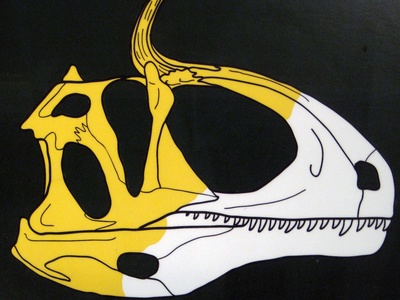
Cryolophosaurus
Large early Jurassic theropod discovered on Mount Kirkpatrick, Transantarctic Mountains; dated about 196 Ma. Extinct fossil notable as Antarctica’s first well-described dinosaur, revealing warmer ancient climates and why cold modern Antarctica cannot support living reptiles today.
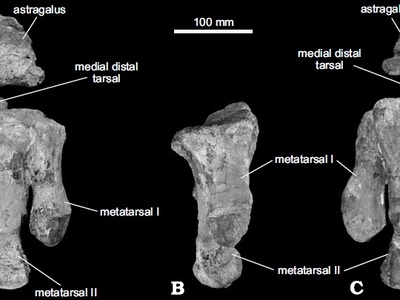
Glacialisaurus
Basal sauropodomorph from the Hanson Formation at Mount Kirkpatrick, dated about 195 Ma. Extinct fossil important for early dinosaur evolution in Gondwana and shows Antarctica once had forests and mild climates, explaining absence of native reptiles now.
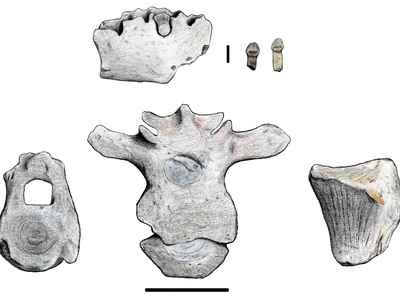
Antarctopelta
Armored ankylosaur found on James Ross Island’s Snow Hill Island Formation, about 74 Ma. Extinct fossil is Antarctica’s only named Cretaceous armored dinosaur, indicating richer polar ecosystems then and helping explain why freezing climates later eliminated reptiles.

Trinisaura
Small ornithopod discovered at James Ross Island and Santa Marta Cove, dated about 70–74 Ma. Extinct fossil highlights diverse herbivorous dinosaurs near Antarctica’s tip, showing past warmth and seasonal environments unsuitable for modern reptiles.
Morrosaurus
Ornithopod from the Late Cretaceous of James Ross Island’s López de Bertodano Formation, about 70 Ma. Extinct fossil helps document Antarctic dinosaur diversity and supports idea of warmer polar coasts that later cooled, eliminating cold-intolerant reptiles.
Aristonectes
Large elasmosaurid plesiosaur from Seymour Island (Antarctic Peninsula), dated near the Cretaceous–Paleogene boundary about 66 Ma. Extinct fossil shows marine reptiles thrived in ancient Southern Ocean waters when climates were milder than today.
Elasmosauridae indet.
Multiple elasmosaurid remains from Seymour Island and nearby marine sediments, roughly 66–70 Ma. Extinct fossils highlight diverse long-necked marine reptiles in Antarctic seas, reflecting past warmth and explaining why cold modern oceans limit reptile survival.
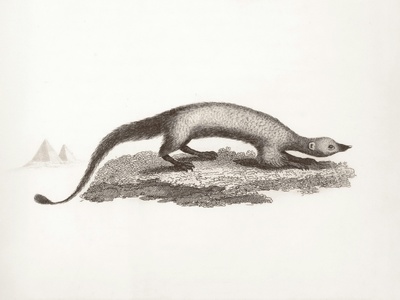
Mosasauridae indet.
Mosasaurs are reported from Seymour Island marine deposits dating to the latest Cretaceous, about 66–70 Ma. Extinct fossils demonstrate large swimming lizards inhabited ancient Southern Ocean, before cooling and extinction removed reptile megafauna from Antarctic waters.
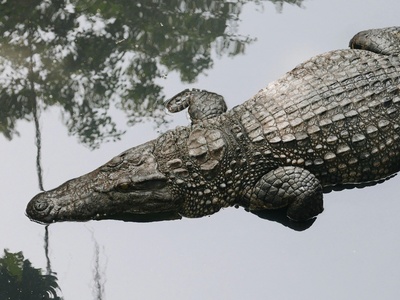
Crocodyliformes indet.
Eocene crocodyliform teeth and bones from Seymour Island’s La Meseta Formation, about 41–49 Ma. Extinct fossils indicate warmer Eocene polar climates briefly supported crocodile relatives, but later cooling ended reptile persistence on the continent.
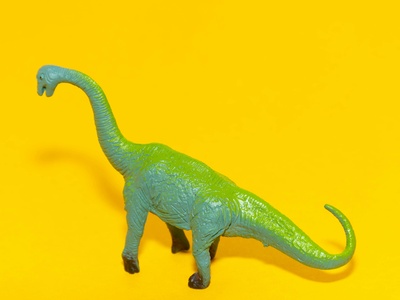
Plesiosauria indet.
Indeterminate plesiosaur remains occur in Antarctic Peninsula marine strata from Cretaceous deposits, roughly 66–100 Ma. Extinct fossils underscore long-term presence of marine reptiles around Antarctica when seas were warmer, contributing to our understanding of polar paleoecology.
Theropoda indet.
Isolated theropod bones and teeth from the Hanson Formation and Transantarctic Mountains, about 196 Ma. Extinct fossils indicate predatory dinosaurs once roamed Antarctica’s forests, evidence of past warmth and seasonal cycles incompatible with modern reptile survival.
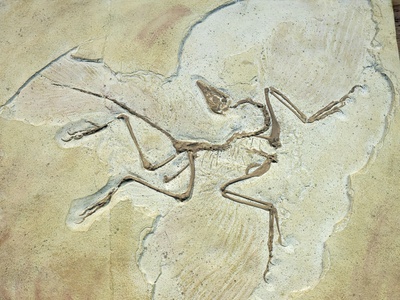
Sauropodomorpha indet.
Fragmentary sauropodomorph remains from Mount Kirkpatrick and Hanson Formation, dated around 195–200 Ma. Extinct fossils document early large herbivores in Antarctic landscapes, reflecting greener pasts and explaining why cold present-day Antarctica lacks native reptiles.