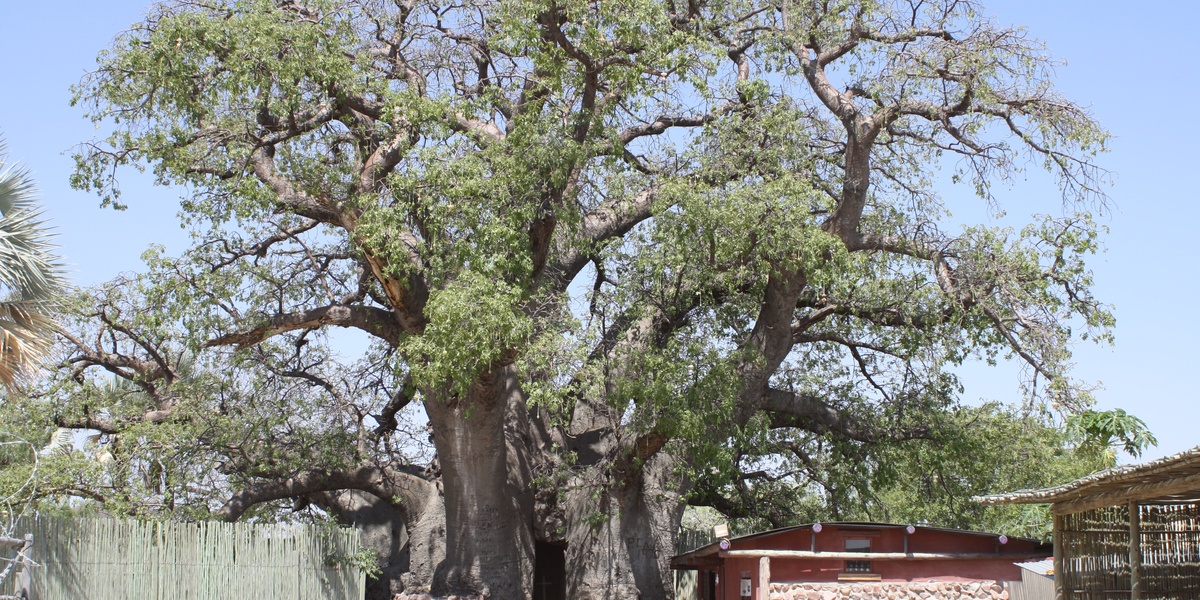
Across wide grasslands where fire, grazing and seasonal rains shape the landscape, scattered trees define the savanna’s character and provide shelter, food and shade for wildlife and people. These species vary by continent and climate, but they all play similar ecological roles in open, sunny habitats.
There are 39 Savanna Trees, ranging from African almond to Zambezi teak. Data are organized with Scientific name,Range,Height (m), so for each entry you’ll find below the key identification and distribution details you’ll find below.
How can I use this list to identify a tree in the field?
Start by checking the range column to see if the species occurs in your area, then compare reported heights and the scientific name for precise matching; pairing that info with photos or a local field guide (leaf shape, bark and seedpods) usually narrows possibilities quickly.
Which entries should I look at for drought tolerance or open-country species?
Look for species listed with broad dry-range distributions—those are often drought-adapted. Use the Range and Height (m) columns as a starting point, then follow up with local resources to confirm traits like deep roots, deciduous habit and small leaves that indicate drought resilience.
Savanna Trees
| Common name | Scientific name | Range | Height (m) |
|---|---|---|---|
| Umbrella thorn acacia | Vachellia tortilis | Africa, Middle East | 8 |
| Baobab | Adansonia digitata | Sub-Saharan Africa | 15 |
| Marula | Sclerocarya birrea | Southern, East Africa | 12 |
| Mopane | Colophospermum mopane | Southern Africa | 8 |
| Leadwood | Combretum imberbe | Southern Africa | 15 |
| Sausage tree | Kigelia africana | Sub-Saharan Africa | 12 |
| Fever tree | Vachellia xanthophloea | East, Southern Africa | 8 |
| African blackwood | Dalbergia melanoxylon | East, Southern Africa | 8 |
| Desert date | Balanites aegyptiaca | Sahel, East Africa, Middle East | 8 |
| Silver cluster-leaf | Terminalia sericea | Southern Africa | 8 |
| Gum arabic tree | Senegalia senegal | Sahel, West Africa | 6 |
| African bloodwood | Pterocarpus angolensis | Southern, East Africa | 15 |
| Zambezi teak | Baikiaea plurijuga | South-Central Africa | 18 |
| Pequi | Caryocar brasiliense | Brazilian Cerrado | 10 |
| Sandpaper tree | Curatella americana | Neotropics, Cerrado, Llanos | 6 |
| Pau-terra | Qualea grandiflora | Brazilian Cerrado | 8 |
| Pink trumpet tree | Handroanthus serratifolius | Neotropics, Cerrado | 12 |
| Nance | Byrsonima crassifolia | Neotropics, Llanos, Cerrado edges | 6 |
| Bur oak | Quercus macrocarpa | North American Midwest | 15 |
| Oregon white oak | Quercus garryana | Pacific Northwest USA | 15 |
| Longleaf pine | Pinus palustris | Southeastern USA | 20 |
| Darwin stringybark | Eucalyptus tetrodonta | Northern Australia | 12 |
| Bloodwood | Corymbia terminalis | Northern Australia | 12 |
| Poplar box | Eucalyptus populnea | Eastern Australia | 10 |
| Scented thorn | Vachellia nilotica | Africa, South Asia | 10 |
| Axlewood | Anogeissus latifolia | Indian Subcontinent | 15 |
| Teria | Hardwickia binata | India, Sri Lanka | 18 |
| Neem | Azadirachta indica | Indian subcontinent | 15 |
| Wild olive | Olea europaea | Mediterranean, Africa | 10 |
| Flaky acacia | Vachellia robusta | Africa | 12 |
| Miombo tree | Brachystegia spiciformis | Southern, Central Africa | 18 |
| African rosewood | Pterocarpus erinaceus | West Africa | 12 |
| Rain tree | Samanea saman | Central, South America | 15 |
| Coral tree | Erythrina lysistemon | Southern Africa | 8 |
| Barbatimão | Stryphnodendron adstringens | Brazilian Cerrado | 5 |
| Camel thorn | Vachellia erioloba | Southern Africa | 10 |
| Buffalo thorn | Ziziphus mucronata | Sub-Saharan Africa | 5 |
| Darwin woollybutt | Eucalyptus miniata | Northern Australia | 10 |
| African almond | Terminalia avicennioides | West, Sahel Africa | 10 |
Images and Descriptions
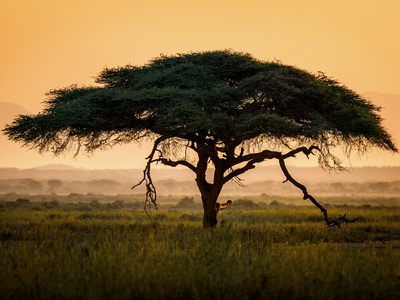
Umbrella thorn acacia
Flat-topped canopy with feathery bipinnate leaves and stout paired thorns. Grows in dry African savannas and open grasslands. Deep roots tolerate drought and fire; pods feed herbivores and people, and wood is used for charcoal and fencing.
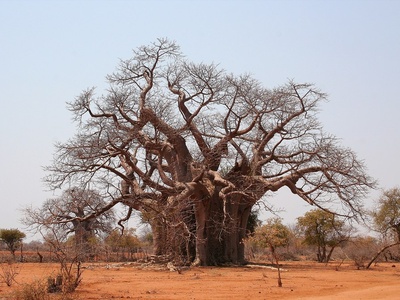
Baobab
Massive bottle-shaped trunk, smooth bark and sparse crown of palmate leaves. Scattered across dry African savannas, stores water in its trunk and lives centuries. Produces edible fruit rich in vitamin C and provides hollows used by animals and people.

Marula
Medium deciduous tree with pinnate leaves and thick bark, common in open savannas and woodland edges. Fruits are oily and highly nutritious; important for wildlife and traditional beverages, and seeds produce valuable oil for cosmetic use.
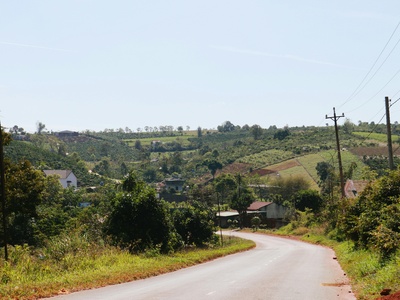
Mopane
Distinctive butterfly-shaped leaflets and rough bark; often forms single-species stands in hot, low-altitude savannas. Leaves and pods feed mopane caterpillars and browsers; wood is dense and termite-resistant, used locally for construction and charcoal.
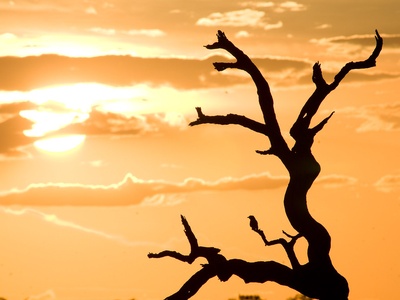
Leadwood
Large, spreading tree with rough, deeply furrowed bark and simple elliptic leaves. Found in dry savannas and termite mounds. Extremely dense, slow-growing timber valued for durability; provides shade and habitat for savanna wildlife.
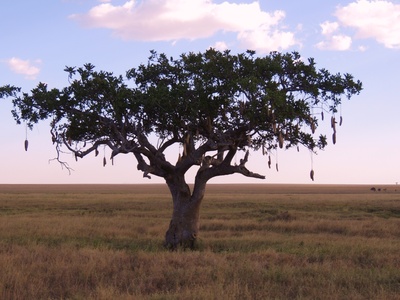
Sausage tree
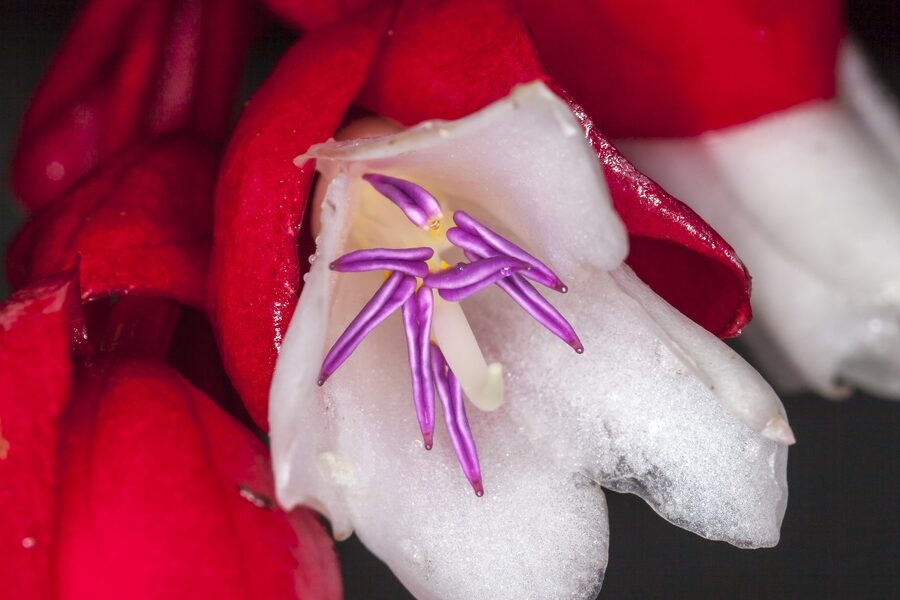
Large tree with compound leaves and huge hanging sausage-like fruits; fragrant red flowers attract bats and birds. Found along rivers and in savanna clearings. Fruits and extracts used medicinally; flowers are pollinated at night by bats.
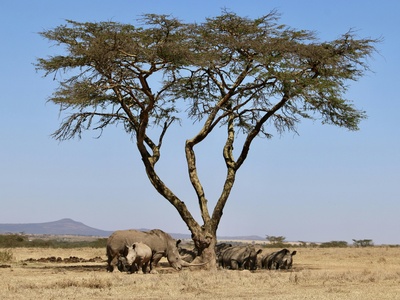
Fever tree
Smooth, yellow-green trunk with sparse feathery leaves and straight thorns. Common in seasonally wet depressions and grassy floodplains in African savannas. Provides shade and browse; its striking bark makes it easy to identify.
African blackwood
Small to medium tree with dense, dark heartwood used for fine musical instruments. Occurs in dry savannas and woodland patches. Pinnate leaves and small fragrant flowers; overharvested in places for high-value timber.
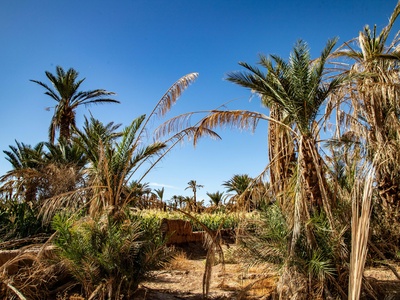
Desert date
Spiny, drought-tolerant tree with pinnate leaves and olive-like fruit. Common in arid savannas and scrub; fruit is edible and oil-rich. Plays a role in pastoralist livelihoods and soil stabilization, tolerant of saline soils.
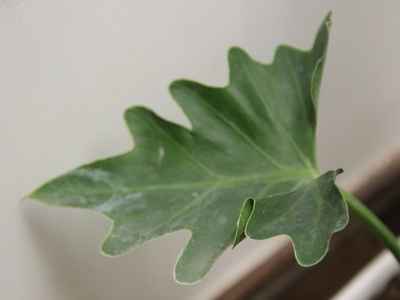
Silver cluster-leaf
Small to medium tree with silvery underside to leaves and clusters of small fruits. Grows in sandy soils of open savannas and bushveld. Roots help stabilize soils; bark and roots used traditionally for medicine.
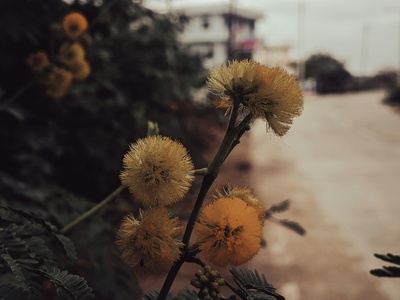
Gum arabic tree
Small thorny tree with bipinnate leaves and flat pods, typical of dry savannas and semi-deserts. Produces gum arabic harvested commercially; hardy to drought and used in agroforestry and fodder systems.
African bloodwood
Deciduous tree with pinnate leaves and bright orange winged pods; occurs in miombo and savanna woodlands. Produces high-quality timber and resin; important for local carpentry and as a wildlife food source.
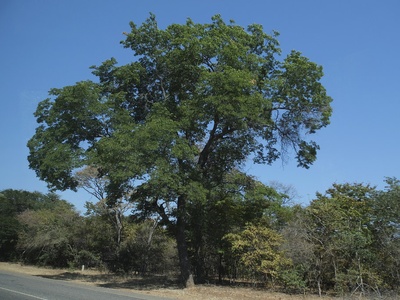
Zambezi teak
Hardwood tree forming open canopy in Kalahari and dry savannas, with pinnate leaves and winged seeds. Valuable timber historically; stands support unique savanna biodiversity and are adapted to dry sandy soils.
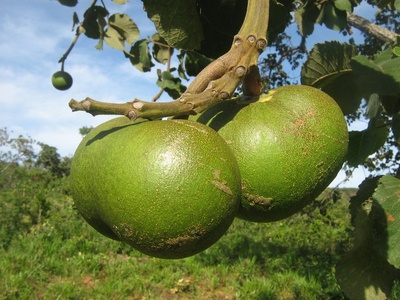
Pequi
Sturdy tree with thick, thornless branches and yellow, oily fruits containing edible pulp and large seeds. Typical of cerrado savannas. Fruit is a regional culinary staple; flowers attract bees and bats as pollinators.
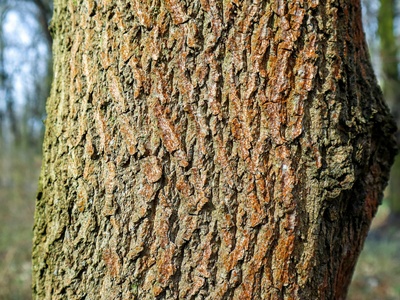
Sandpaper tree
Small tree with rough, sandpapery leaves and open crown common in Neotropical savannas. Tolerant of poor soils and fire, it provides shade and fuelwood; leaves and bark used medicinally in local traditions.
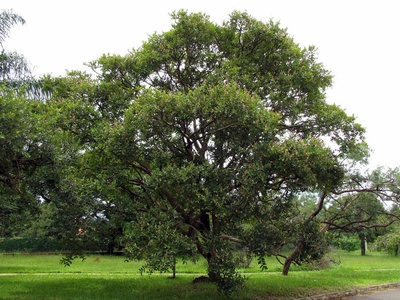
Pau-terra
Deciduous tree with rough, corky bark and elliptical leaves; thrives in open savanna and rocky soils. Produces showy flowers and lightweight timber; roots and bark used in traditional medicine and for tanning.
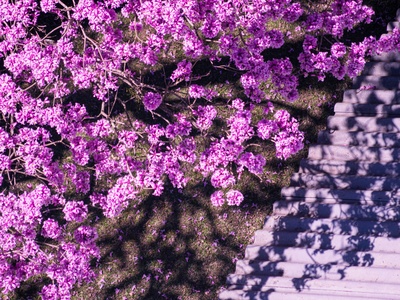
Pink trumpet tree
Medium to large deciduous tree with showy pink tubular flowers, often scattered in dry Brazilian savannas. Attractive ornamental and source of hard timber; nectar-rich blossoms support bees and hummingbirds.
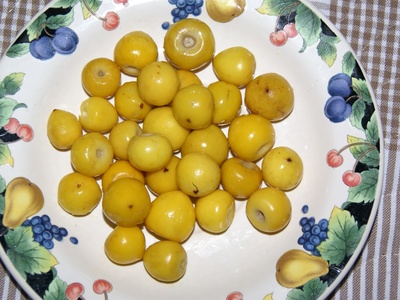
Nance
Small tree with glossy leaves and yellow edible fruit popular locally. Occurs in drier savanna margins and open woodlands. Fruits are eaten fresh or made into preserves; flowers attract butterflies and bees.
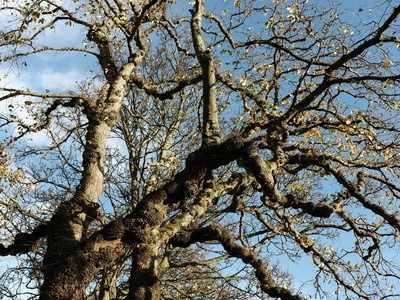
Bur oak
Stout-trunked oak with deeply lobed leaves and large fringed acorns, iconic in prairie and oak savannas. Extremely fire-tolerant with thick bark; provides mast for wildlife and shade in grassland ecosystems.
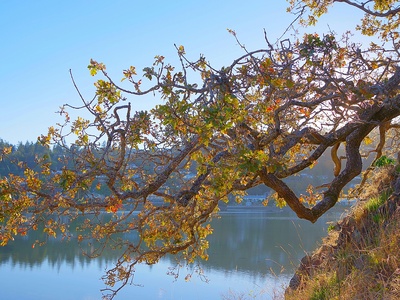
Oregon white oak
Medium deciduous oak with rounded lobes and rough bark on open savanna slopes and prairie remnants. Supports rich understory biodiversity; acorns feed birds and mammals and trees are fire-adapted.
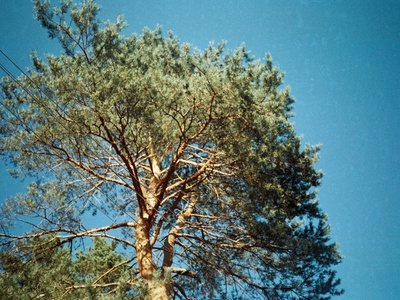
Longleaf pine
Tall, straight pine with long needles and a grass-stage juvenile form; dominant in historic longleaf pine savannas. Highly fire-adapted and biodiversity-rich, supporting many specialized plants and animals; timber historically important.
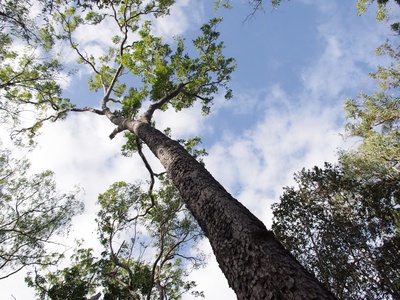
Darwin stringybark
Medium eucalypt with fibrous bark and lance-shaped leaves, common in tropical Australian savannas. Tolerant of seasonal fire and drought; produces nectar-rich flowers important to birds and insects.
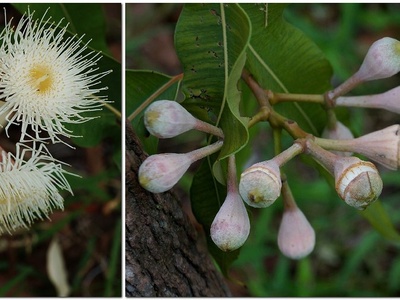
Bloodwood
Rough, tessellated bark with red timber and urn-shaped buds; widespread in open tropical savannas. Provides nectar for birds and bats; wood used locally and trees form part of classic eucalypt-dominated savanna landscapes.
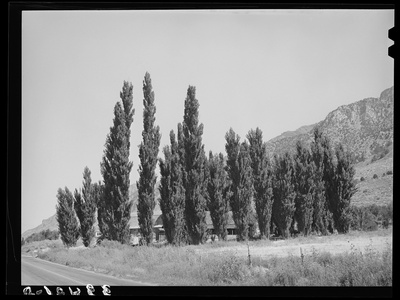
Poplar box
Small to medium box eucalyptus with smooth bark and broad lanceolate leaves, common in grassy woodlands and semi-arid savannas. Provides shade for livestock and habitat for birds; tolerant of drought and poor soils.
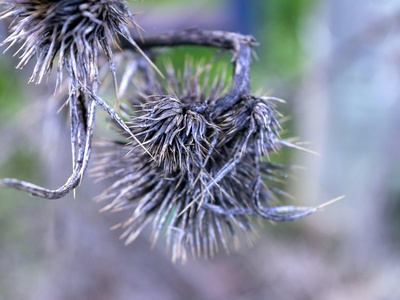
Scented thorn
Spiny, multi-stemmed tree with fragrant white flower clusters and pod-bearing branches, widespread in African and South Asian savannas. Used for timber, tannin extraction and fodder; tolerates flooding and drought in seasonal savannas.
Axlewood
Medium deciduous tree with simple leaves and grey bark, common in dry deciduous forests and grassy savannas of India. Leaves used as fodder; timber used for construction and traditional tannins extracted from bark.
Teria
Hardwood tree with pinnate leaves and rugged branches, common in dry deciduous and savanna-like habitats. Very durable timber used for poles and construction; drought-resistant and important for local fuelwood supplies.
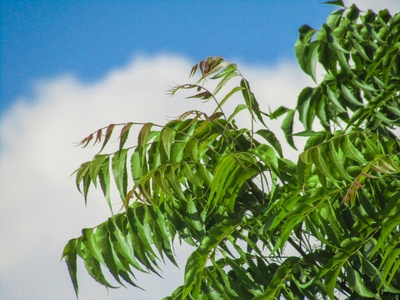
Neem
Fast-growing, pinnate-leaved tree tolerant of dry, open habitats including savannas and scrublands. Bitter leaves and oil contain bioactive compounds used as traditional pesticide and medicine; widely planted and also found wild.
Wild olive
Small evergreen to semi-deciduous tree with opposite slender leaves and small fruits; occurs in dry open woodlands and some African savannas. Olives are wildlife food; hardy and used for hedging and timber locally.
Flaky acacia
Large thorny tree with pinnate leaves and flaky bark, frequent in East and Southern African savannas. Provides dense shade and browse; pods and foliage eaten by elephants and browsers, making it ecologically significant.
Miombo tree
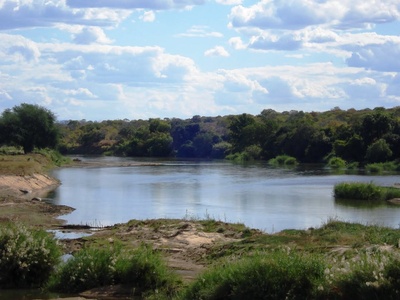
Dominant canopy tree of miombo woodlands — open savanna-like forests — with pinnate leaves and smooth pods. Supports nutrient-poor ecosystems with seasonal leaf drop; timber and honey production are important local resources.
African rosewood
Medium deciduous tree with pinnate leaves and bright yellow flowers; grows in Sahelian savannas and dry woodlands. Valued for rich reddish timber and medicinal bark; heavily exploited in some regions.
Rain tree
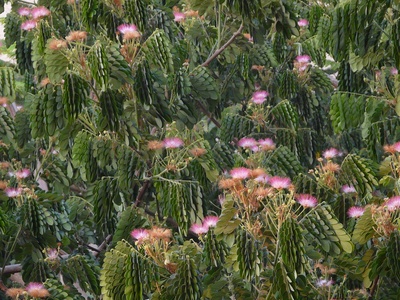
Broad, umbrella-shaped crown with bipinnate leaves and sweet pods; native to tropical Americas and present in open savannas and ranchlands. Provides shade and fodder; widely planted but also naturalized across savanna regions.
Coral tree
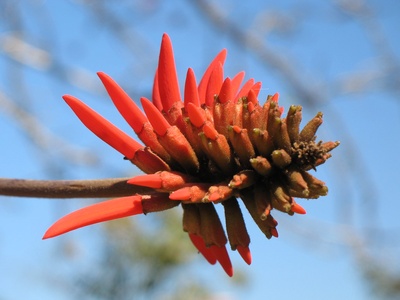
Small to medium tree with thorny branches and striking red pea-like flowers, common along savanna margins and rocky grasslands. Flowers attract birds and insects; used as a fence or cultural ornamental in rural landscapes.
Barbatimão
Shrubby tree with compound leaves and rough bark, common in cerrado savannas and dry soils. Bark is rich in tannins used traditionally for medicine; fixes or cycles nutrients in poor soils and tolerates fires.
Camel thorn
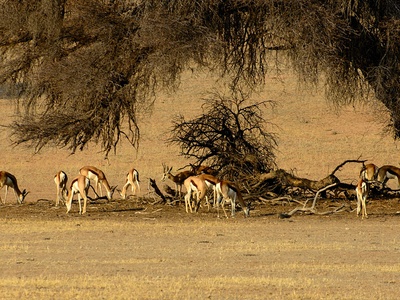
Stately tree with grey bark, feathery bipinnate leaves and heavy thorns; iconic in Kalahari and arid savannas. Deep-rooted and long-lived, provides pods for livestock, nesting sites for birds, and valuable timber.
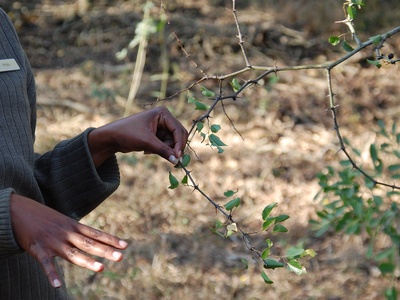
Buffalo thorn
Small spiny tree with glossy leaves and small round fruit, common in open savanna and woodland margins. Fruit eaten by birds and mammals; branches used for fencing and traditional remedies.
Darwin woollybutt
Eucalypt with rough bark at base, smooth upper trunk and showy orange flowers. Widespread in tropical Australian savannas, providing nectar for birds and insects. Fire-tolerant and commonly used in local timber and shelterbelts.
African almond
Medium tree with oblong leaves and winged fruit clusters, occurring in Sahelian and Sudanian savannas. Provides shade and durable wood; bark and leaves used in traditional medicine and for tanning.