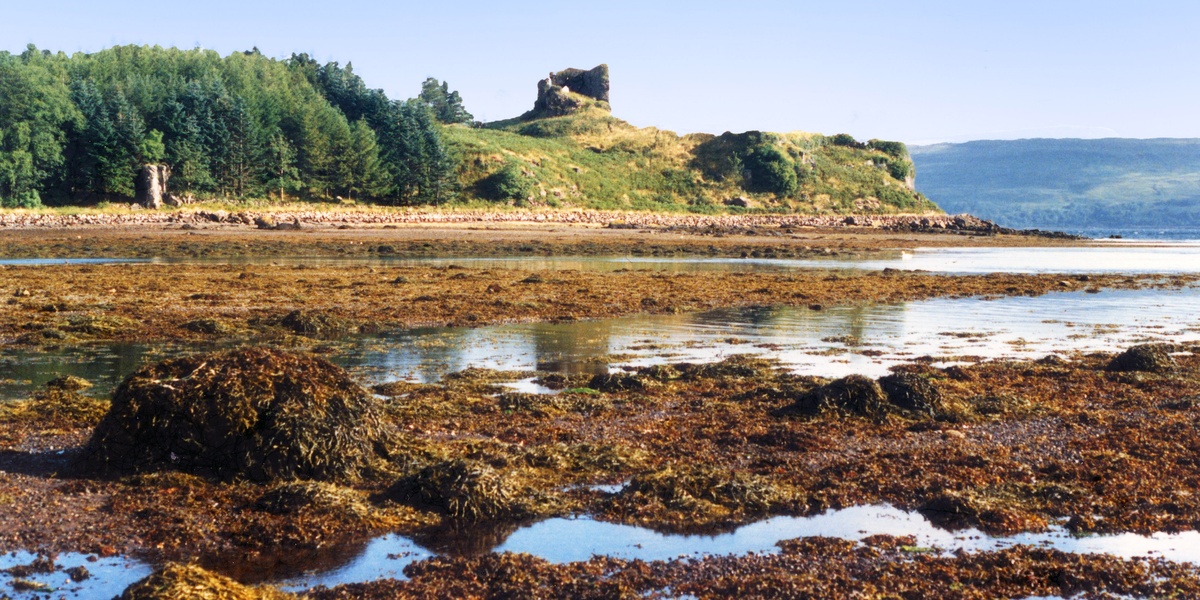
In the 19th century, coastal communities in East Asia began cultivating seaweeds like nori and kombu on purpose — an early example of marine farming that quietly shaped diets and economies. That long history helps explain why many people treat large marine algae and microscopic algal life as one and the same.
People often conflate seaweed and algae, which blurs scientific distinctions and practical consequences for regulation, farming, and product claims. This article lays out eight concrete differences across biology, ecology, and uses so you can tell macroalgae from other algal groups and understand why that matters.
Biological and Taxonomic Differences
Taxonomy matters for research, regulation, and harvest practices because the label “algae” covers hugely different organisms. Below are three taxonomic points that clarify where seaweed fits in the wider algal tree and why pigment and structure shape both ecology and commerce.
1. Definition and scale: Seaweed is macroalgae; algae is an umbrella term
“Seaweed” generally refers to larger, multicellular marine algae — the macroalgae you can see attached to rocks or hanging in forests — while “algae” spans everything from those macroalgae to microscopic phytoplankton and cyanobacteria. Taxonomists have described roughly 10,000 species of macroalgae (seaweeds) and many thousands more microalgal taxa including diatoms, dinoflagellates, and cyanobacteria.
That scale difference affects classification and labeling: products labeled as seaweed (Porphyra/nori, Saccharina/kombu) are treated differently than powders or extracts derived from microalgae like Spirulina (Arthrospira) or Chlorella. Accurate labels help regulators, consumers, and researchers know what was harvested and how it was produced.
2. Cellular complexity: Multicellular seaweeds versus single-celled and colonial algae
Many seaweeds are complex, multicellular organisms with differentiated parts — holdfasts that anchor to substrate, stipes (stems), and broad blades. Some kelps, such as Macrocystis pyrifera, form stipes and fronds that reach tens of meters and create three-dimensional thickets. By contrast, many algae are single-celled (diatoms, Chlorella) or form simple colonies or filaments (Spirulina/Arthrospira).
Structural complexity changes cultivation and ecological roles. Large seaweeds create habitat and can be harvested mechanically on ropes or longlines, whereas microalgae are typically grown in tanks, open ponds, or photobioreactors and harvested by filtration or centrifugation.
3. Pigments and color groups: Red, green, and brown seaweeds versus diverse algal pigments
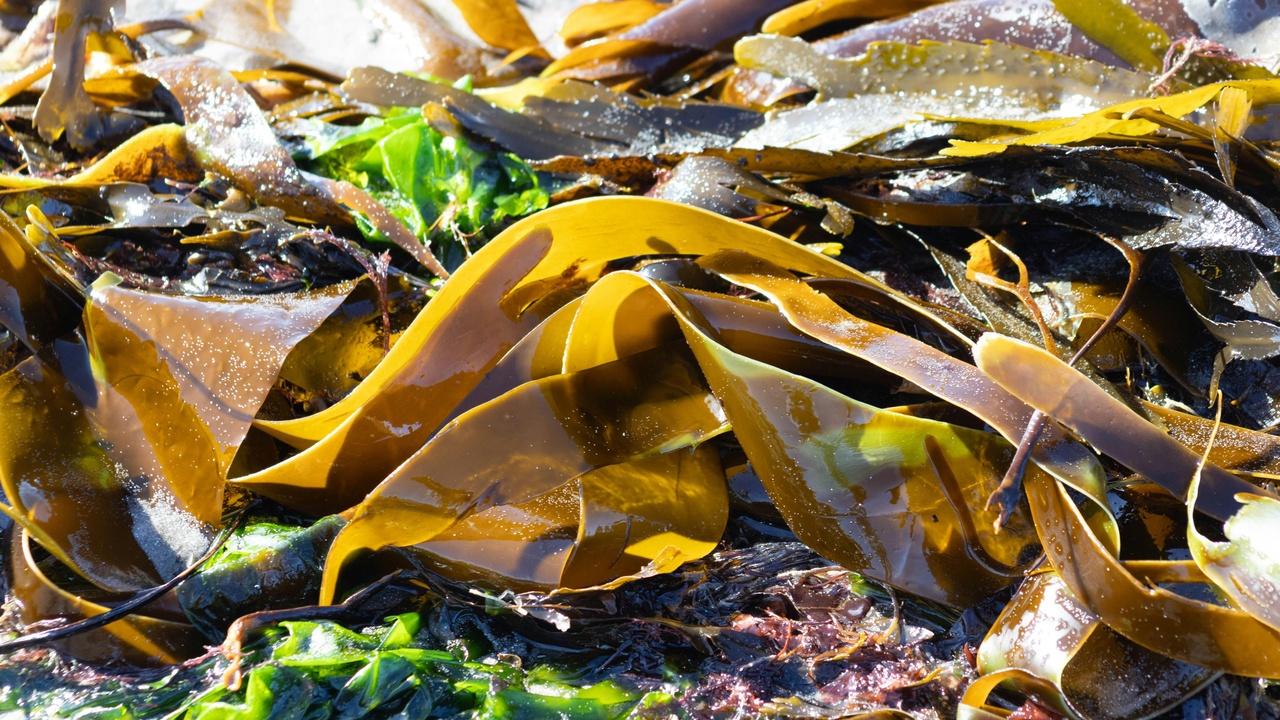
Seaweeds are commonly grouped by dominant pigment: Rhodophyta (red), Chlorophyta (green), and Phaeophyceae (brown). These pigments — chlorophylls, carotenoids, and phycobiliproteins — influence appearance and light capture. For example, red algae like Porphyra have phycobiliproteins that absorb blue-green light, allowing them to live deeper than many green seaweeds such as Ulva.
Pigment composition also ties to useful biochemicals: brown kelps (Saccharina, Macrocystis) contain alginates used as gelling agents, red seaweeds yield agar and carrageenan, and phycobiliproteins have applications as natural colorants and research reagents. That linkage between pigment and product affects how species are harvested and marketed.
Ecological and Habitat Differences
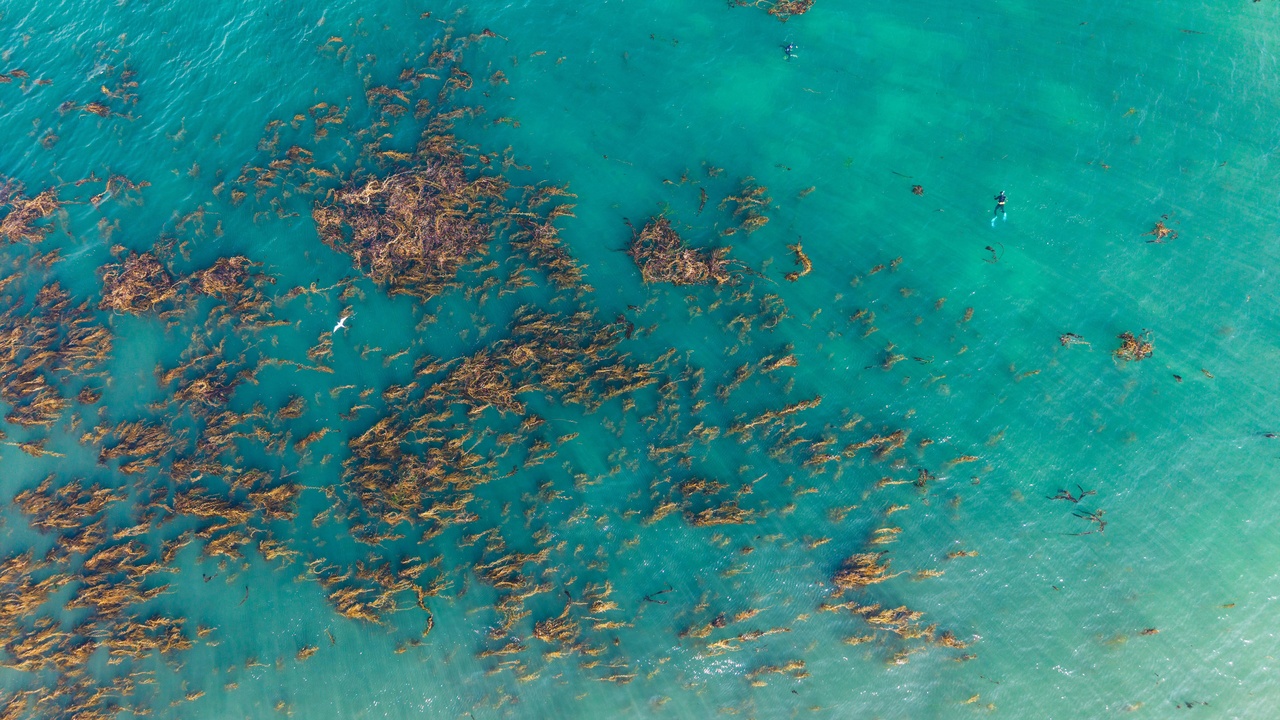
Seaweeds and other algae occupy different ecological niches: seaweeds are often attached, habitat-forming organisms in coastal zones, while many algal types are free-floating primary producers across oceans and freshwater. Their roles in ecosystems and global cycles vary accordingly.
4. Habitat and size range: Coastal macroalgae versus planktonic microalgae
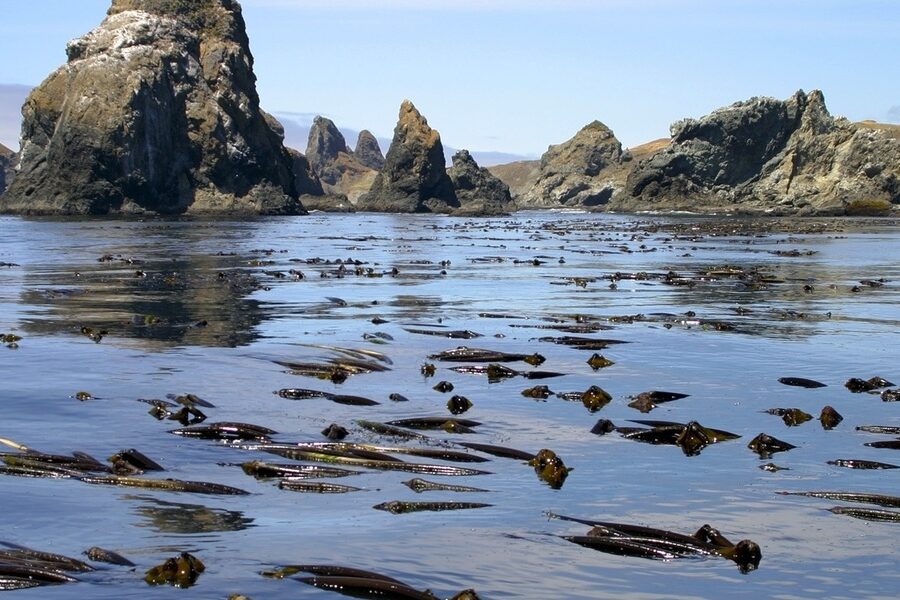
Seaweeds typically anchor to hard substrate in intertidal and subtidal zones and range from shallow rock pools to beds at tens of meters depth. Ulva forms dense rocky intertidal mats, while Macrocystis kelp forests extend through the subtidal zone. By contrast, phytoplankton and many microalgae live in the surface waters and can be dispersed across entire ocean basins; blooms are even visible from satellites.
The ecological consequences are large: phytoplankton account for roughly 50% of Earth’s oxygen production (a widely cited consensus), whereas local macroalgal beds can support hundreds of associated species and strongly influence shoreline productivity and fisheries.
5. Ecological roles: Habitat engineering versus foundational primary production and carbon cycling
Seaweeds act as ecological engineers, creating three-dimensional habitat — kelp forests provide nursery grounds for rockfish, crabs, and many invertebrates. That local complexity supports commercial and subsistence fisheries and biodiversity hotspots along coasts.
Many algae, notably phytoplankton, form the base of global food webs and drive the biological carbon pump. Their photosynthesis fuels fisheries and global carbon fluxes at scales seaweeds cannot match. Conservation approaches differ: NOAA and other agencies manage coastal habitat-forming seaweeds differently from open-ocean phytoplankton dynamics.
Uses, Cultivation, and Economic Differences
Human uses diverge sharply: seaweeds are farmed at large scale for food and industrial materials, while microalgae cultivation focuses on high-value compounds in controlled systems. Below are three practical contrasts in production, products, and environmental applications.
6. Farming and production methods: Coastal aquaculture versus photobioreactors and ponds
Seaweed is typically grown on ropes, longlines, or nearshore farms at large scale. FAO reports show global seaweed aquaculture produced over 30 million tonnes in 2019, concentrated in China, Indonesia, and the Philippines. Mechanical harvesting and low-cost labor make high-volume production possible.
Microalgae production is much smaller by tonnage but higher in price per kilogram. Producers use open ponds, raceways, or closed photobioreactors in more capital-intensive facilities (for example, Cyanotech for spirulina). That difference affects geography, investment needs, and the kinds of jobs created.
7. Commercial uses: Food, materials, and biochemicals versus supplements, biofuels, and pigments
Seaweed supplies bulk food (nori/Porphyra, kombu/Saccharina), hydrocolloids (agar, carrageenan), fertilizers, and emerging packaging materials. Industry estimates placed the global seaweed market in the low tens of billions of dollars around 2020, reflecting both food and industrial demand.
Microalgae yield nutritional supplements (spirulina, chlorella), algal omega‑3 oils used by infant‑formula and nutraceutical companies, and natural pigments. Because these products command higher unit prices, microalgal firms emphasize purity, consistent composition, and controlled production methods.
8. Environmental applications: Bioremediation, feed, and climate mitigation differ by approach
Both seaweeds and microalgae are used in environmental projects but in different settings. Integrated Multi-Trophic Aquaculture (IMTA) projects in Canada and Scandinavia grow seaweed near finfish farms to absorb nitrogen and phosphorus from effluents. Seaweeds can also be incorporated into animal feed or used as soil amendments.
Microalgae shine in controlled bioreactors for wastewater treatment and CO2 capture at point sources. Separately, feeding small amounts of the red seaweed Asparagopsis to ruminants has reduced enteric methane in trials by up to about 80% under controlled conditions, but scaling and supply challenges remain. Both approaches offer promise, yet each faces distinct research and policy hurdles.
Summary
- Seaweed is a subset of algae—the visible, multicellular macroalgae (Porphyra, Saccharina, Macrocystis)—while “algae” also includes microscopic groups like diatoms and cyanobacteria; that distinction matters for labeling and regulation.
- Structure and pigments drive function: macroalgae form habitats and are grouped as red, green, or brown, whereas microalgae power global primary production—phytoplankton generate roughly 50% of Earth’s oxygen.
- Production and markets differ in scale and value—FAO recorded >30 million tonnes of seaweed in 2019, while microalgae yield higher‑value products (spirulina, algal omega‑3) in smaller volumes.
- Environmental roles and solutions diverge: IMTA and coastal seaweed farming address nutrient flows and feed options, while microalgae and Asparagopsis trials offer targeted carbon and methane mitigation opportunities, though both need further scaling work.
- Pay attention to labels and sourcing: supporting sustainable seaweed farming and learning about algal biotech helps consumers and policymakers back practices that protect coastal habitats and advance responsible production.