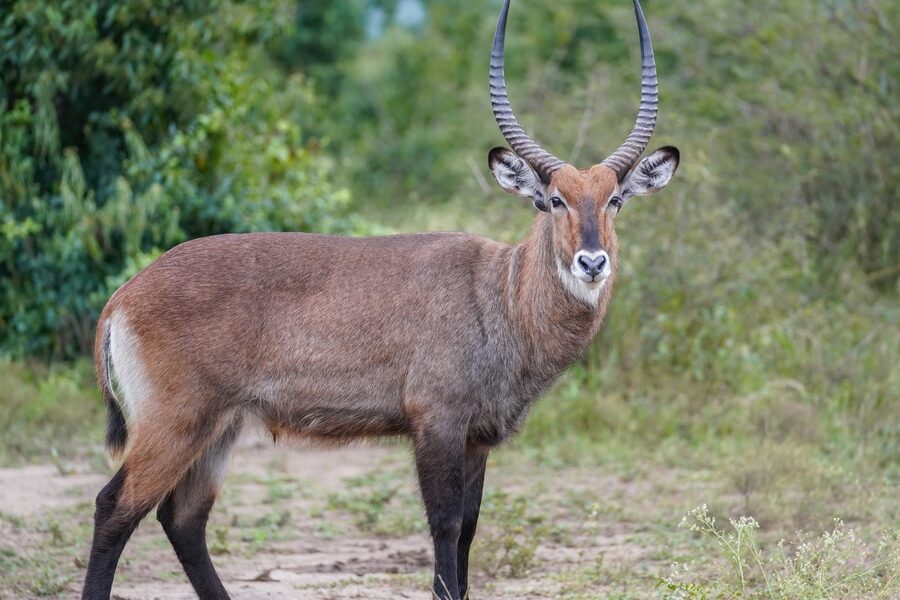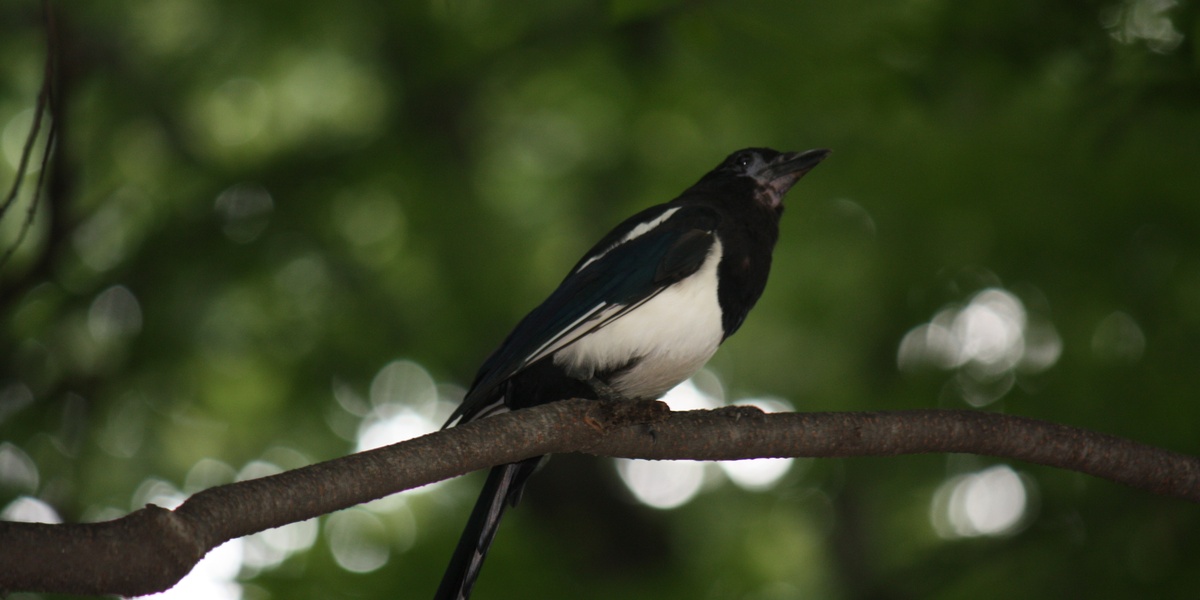
South Korea’s landscapes — from tidal flats and coastal islands to temperate mountain forests — support a surprising variety of wildlife. Many species live quietly at the edges of cities and farms, so a quick look at habitats reveals unexpected diversity across seasons.
There are 36 South Korea’s native animals, ranging from Amur rat snake to Wild boar. For each entry, the list below shows Scientific name,Where found,IUCN status so you can quickly check where animals occur and their conservation rank; you’ll find them below.
Which species on the list are most at risk in South Korea?
Check the IUCN status column for formal designations; those listed as Vulnerable, Endangered, or Critically Endangered are the most at risk. Habitat loss, pollution, and fragmentation are common pressures, so species tied to wetlands or old-growth forests often need the most attention.
What’s the best way to see these animals without disturbing them?
Visit protected areas with quiet observation (early morning or dusk can help), use binoculars or a spotting scope, keep to trails, and follow local rules about distances and photography. Guided walks and wildlife centers offer safer chances to learn while minimizing disturbance.
South Korea’s Native Animals
| Name | Scientific name | Where found | IUCN status |
|---|---|---|---|
| Korean water deer | Hydropotes inermis | Lowland wetlands, rice paddies, river valleys | Vulnerable |
| Siberian roe deer | Capreolus pygargus | Mountain forests and foothills across Korea | Least Concern |
| Korean goral | Naemorhedus caudatus | Steep rocky mountains, northeastern and Sobaek ranges | Vulnerable |
| Asian black bear | Ursus thibetanus | Remote mountain forests, historically across Korea | Vulnerable |
| Eurasian otter | Lutra lutra | Rivers, lakes, coastal estuaries nationwide | Near Threatened |
| Leopard cat | Prionailurus bengalensis | Forests, wetlands, rural areas | Least Concern |
| Wild boar | Sus scrofa | Forests, agricultural edges, low mountains | Least Concern |
| Red fox | Vulpes vulpes | Forests, agricultural land, urban edges | Least Concern |
| Siberian weasel | Mustela sibirica | Forests, farmland borders, river valleys | Least Concern |
| Eurasian badger | Meles meles | Woodland edges, farmland, low mountains | Least Concern |
| Black-faced spoonbill | Platalea minor | Coastal mudflats, tidal estuaries (West and southwest coasts) | Endangered |
| White-naped crane | Antigone vipio | Wetlands, rice fields, wintering sites (west coast) | Vulnerable |
| Whooper swan | Cygnus cygnus | Wetlands, estuaries, inland lakes in winter | Least Concern |
| Oriental stork | Ciconia boyciana | Wetlands and rice paddies, reintroduction sites | Endangered |
| Eurasian magpie | Pica pica | Urban parks, farms, woodlands nationwide | Least Concern |
| Mandarin duck | Aix galericulata | Woodland streams, ponds, river margins | Least Concern |
| Osprey | Pandion haliaetus | Coastal waters, estuaries, large rivers | Least Concern |
| Peregrine falcon | Falco peregrinus | Cliffs, city skyscrapers, coastal areas | Least Concern |
| Varied tit | Sittiparus varius | Deciduous forests, parks, gardens | Least Concern |
| Great tit | Parus major | Forests, parks, gardens nationwide | Least Concern |
| Black kite | Milvus migrans | Urban skies, coastal areas, inland fields | Least Concern |
| Eurasian eagle-owl | Bubo bubo | Mountain forests, rocky cliffs | Least Concern |
| Korean salamander | Hynobius leechii | Cool mountain streams, forest pools | Least Concern |
| Japanese tree frog | Dryophytes japonicus | Ponds, rice paddies, lowland forests | Least Concern |
| Amur rat snake | Elaphe schrenckii | Forests, rocky hillsides, farmland edges | Least Concern |
| Mamushi (Asian pit viper) | Gloydius blomhoffii | Grasslands, forest edges, low mountains | Least Concern |
| Korean keelback | Rhabdophis tigrinus | Wetlands, rice paddies, streams | Least Concern |
| Korean crested ibis (reintroduced) | Nipponia nippon | Reintroduction sites, rice paddies (limited) | Endangered |
| Korean rockfish | Sebastes schlegelii | Rocky reefs, coastal waters around Korea | Least Concern |
| Finless porpoise | Neophocaena asiaeorientalis | Shallow coastal waters, Yellow Sea, west coast | Vulnerable |
| Spotted (Largha) seal | Phoca largha | Northern and eastern coasts, rocky shores | Least Concern |
| Black porgy (sea bream) | Acanthopagrus schlegelii | Coastal reefs, estuaries, rocky bottoms | Least Concern |
| Pacific cod | Gadus macrocephalus | Cold temperate coastal waters, continental shelf | Least Concern |
| Korean swallowtail | Papilio xuthus | Forests, gardens, rural hedgerows | Not Evaluated |
| Asian giant hornet | Vespa mandarinia | Forests, rural woodlands, mountain fringes | Not Evaluated |
| Genji firefly | Luciola cruciata | Clean streams, rice-terrace waterways, wet meadows | Not Evaluated |
Images and Descriptions
Korean water deer
Small deer with tusk-like canines and no antlers; often seen at dusk in fields and along waterways. Vulnerable from habitat loss and hunting but still commonly spotted in rural lowlands and near streams across South Korea.
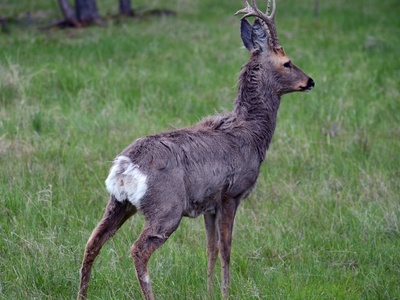
Siberian roe deer
Slender, agile deer found in wooded mountains and forest edges. Often active at dawn and dusk; look for them in national parks and higher ridges. Populations are stable though local hunting and development can reduce numbers.

Korean goral
Goat-like ungulate adapted to cliffs and crags; small herds cling to steep slopes. Vulnerable from habitat loss and hunting, best seen in protected mountain areas and rugged national parks during daylight hours.
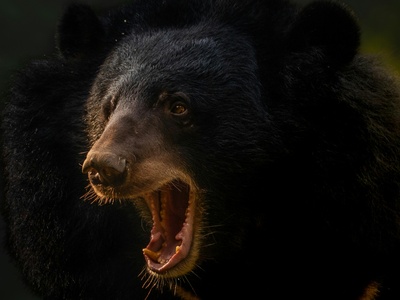
Asian black bear
Medium-sized bear with a characteristic chest patch, historically widespread in Korea’s mountains. Now rare in South Korea, mostly restricted to remote forests; sightings are uncommon and typically reported in protected highland areas.
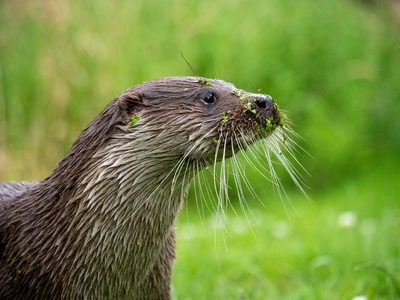
Eurasian otter
Playful, fish-eating mammal seen along clean rivers and coasts. Near threatened due to water pollution and habitat loss; best chance to see them at dawn or dusk on protected waterways and in less disturbed estuaries.
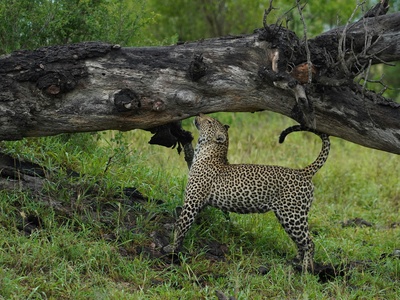
Leopard cat
Small wild cat with spotted coat and nocturnal habits, rare but native to Korea. Mostly active at night and secretive; occasionally seen crossing roads near woodlands or detected by camera traps in national parks.
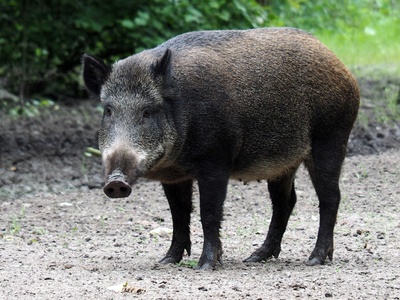
Wild boar
Sturdy omnivore that thrives in woods and farmlands; often active at night. Common across rural Korea; look (safely) for signs like rooting or tracks in forested areas and park perimeters.
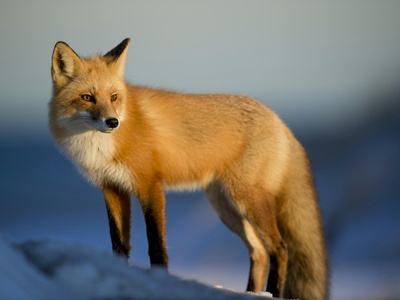
Red fox
Adaptable, reddish fox common in countryside and near towns; mostly nocturnal but sometimes seen at dawn. Opportunistic feeder living across varied habitats; sightings possible near rural settlements and forest edges.
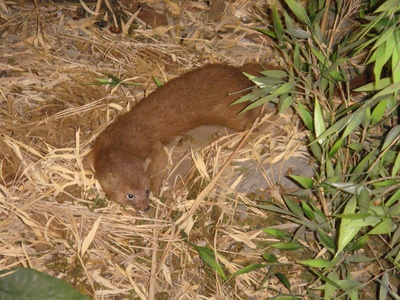
Siberian weasel
Slender, active predator with a long body and quick movements. Hunts rodents near streams and woodlands; occasionally seen during day in quieter rural areas or captured by motion cameras in forests.
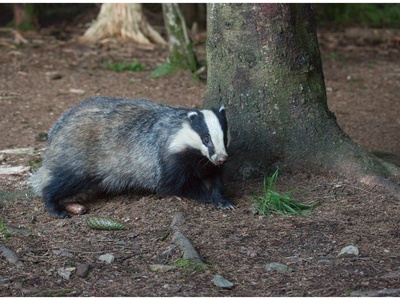
Eurasian badger
Stout, burrowing mammal that forages for roots, insects, and small animals. Nocturnal and shy, with setts on slopes and forest margins; easiest to detect by tracks or signs rather than direct sightings.
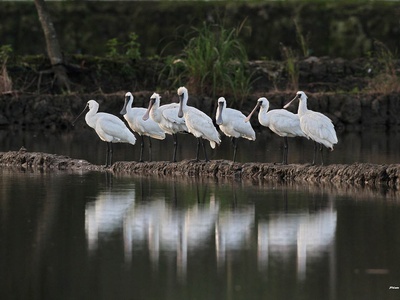
Black-faced spoonbill
Elegant white wading bird with a distinctive spoon-shaped bill; breeds on islands and feeds on tidal flats. Endangered and globally significant; best seen at protected estuaries and during migration along west coast wetlands.
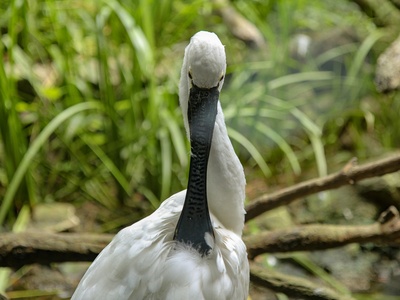
White-naped crane
Tall, graceful crane with a white nape; winters and stops over in Korean wetlands and flooded rice paddies. Vulnerable due to habitat loss, but protected wintering sites offer reliable viewing in colder months.
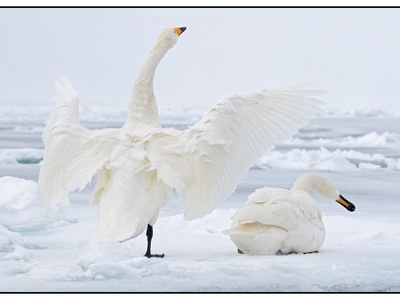
Whooper swan
Large white swan with a trumpet-like call that winters in Korean wetlands. Regular winter visitor; look for flocks on lakes, reservoirs, and coastal estuaries from late autumn through early spring.
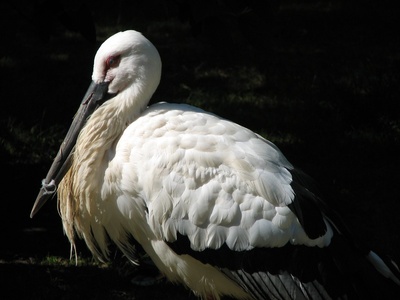
Oriental stork
Large white stork with long legs and a strong silhouette; nearly extirpated but subject to reintroduction and conservation. Rare but visible at protected wetlands and managed reintroduction areas during breeding and feeding seasons.
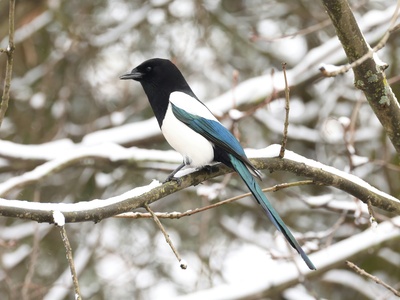
Eurasian magpie
Bold, black-and-white crow-sized bird often found near people; Korea’s familiar magpie appears in folklore and city parks. Common year-round and easy to spot in towns, gardens, and open countryside.
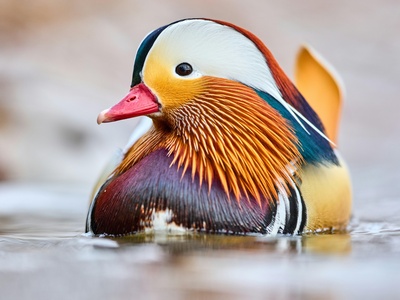
Mandarin duck
Colorful, ornate duck often seen on quiet streams and park ponds, especially during breeding season. Appreciated for its striking male plumage; look in wooded waterbodies and protected park lakes in spring and autumn.
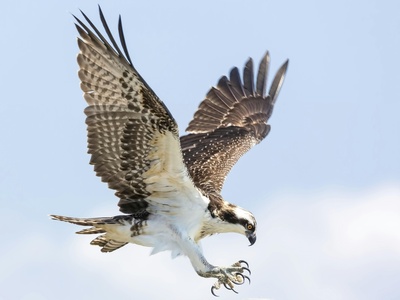
Osprey
Fish-hunting raptor that hovers and plunges for prey over coastal bays and rivers. Seasonal visitor and breeder in some areas; watch rocky coasts and tidal channels for dramatic fishing dives.
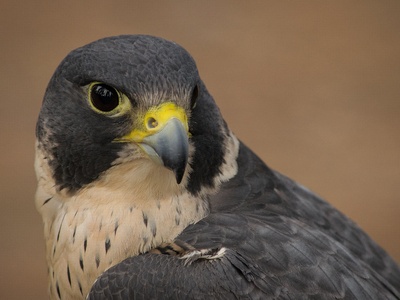
Peregrine falcon
Fast, powerful raptor known for high-speed stoops. Nests on cliffs and increasingly on tall urban structures; look for swift aerial hunting displays along coasts and in cities.
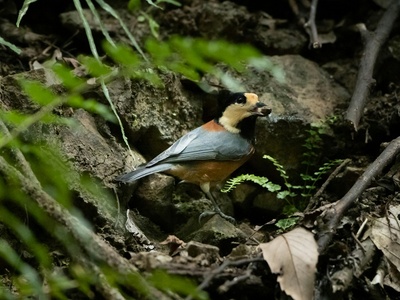
Varied tit
Small, friendly songbird with vibrant plumage and curious behavior. Common in wooded parks and suburban forests; listen for lively calls in spring and watch bird feeders in quieter gardens.
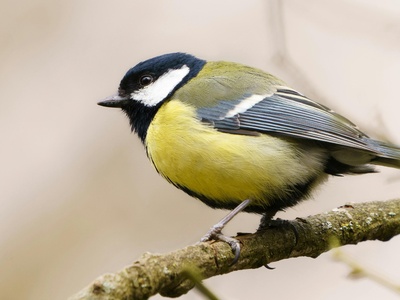
Great tit
Familiar, vocal songbird common in woodlands and urban green spaces. Bold and adaptable, often visits feeders and is easy to observe year-round in parks and forests across Korea.
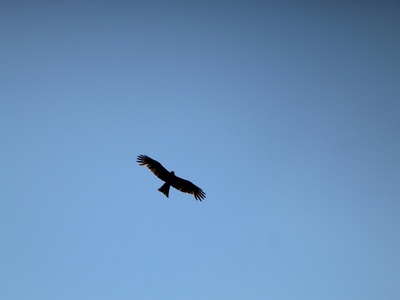
Black kite
Medium raptor often seen soaring over cities, coasts, and farmland searching for carrion. Widespread and conspicuous, especially near waterways and markets where they scavenge and ride thermal currents.
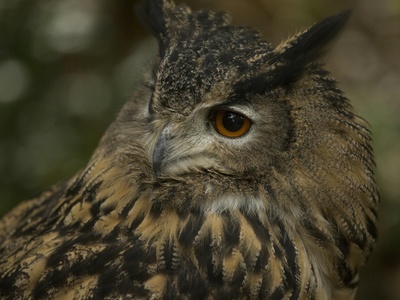
Eurasian eagle-owl
Large, powerful nocturnal owl with striking orange eyes and ear tufts. Prefers forested slopes and rocky cliffs; rare but can be heard calling at night and occasionally seen near remote mountain habitats.
Korean salamander
Small, terrestrial salamander seen near clear mountain streams and spring pools. Active in moist forests and breeding pools in spring; a native amphibian often found under logs and stones.
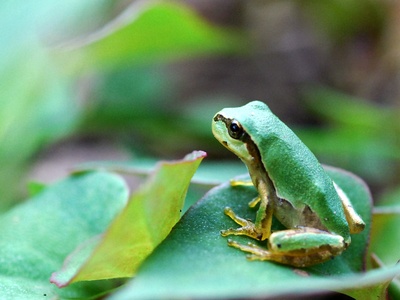
Japanese tree frog
Small green tree frog common in gardens, rice paddies, and woodlands. Vocal in spring and summer evenings; easily spotted near water and at breeding sites after rain.
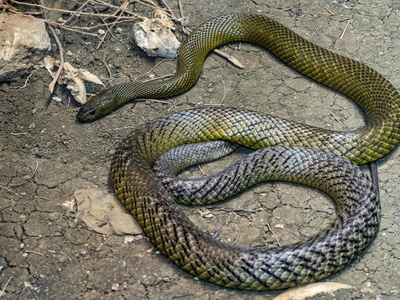
Amur rat snake
Nonvenomous, diurnal snake with attractive patterning, commonly found in wooded hills and agricultural edges. Active in daylight hunting small mammals and birds; sometimes seen crossing country roads in warm months.
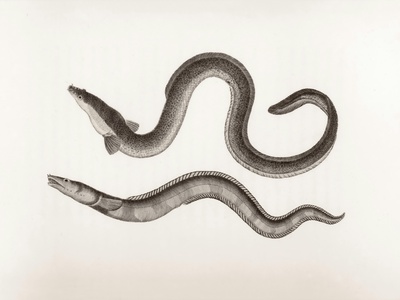
Mamushi (Asian pit viper)
Venomous pit viper found in grassy and rocky habitats; usually shy and active in warm months. Important to respect and give space; best appreciated from a safe distance while hiking.
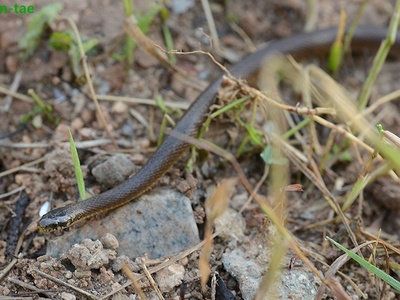
Korean keelback
Semi-aquatic snake often found near water, feeding on frogs and fish. Diurnal and secretive; can be observed along stream banks and rice-field ditches in warmer seasons.
Korean crested ibis (reintroduced)
Large white ibis with a distinctive bare red face; once extirpated in Korea, now subject to careful reintroduction and monitoring. Rarely seen outside protected habitats and breeding programs.
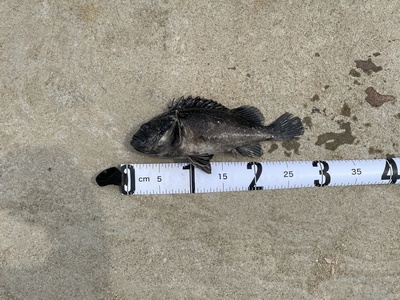
Korean rockfish
Stocky, reef-dwelling fish prized by anglers and divers. Common around rocky bottoms and kelp beds; an important part of coastal fisheries and easily observed by divers and in local fish markets.
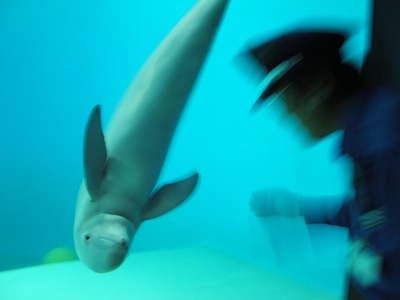
Finless porpoise
Small, toothed cetacean without a dorsal fin that inhabits shallow, muddy coastal waters. Vulnerable due to bycatch and habitat degradation; best seen on careful boat surveys and in quieter estuarine zones.
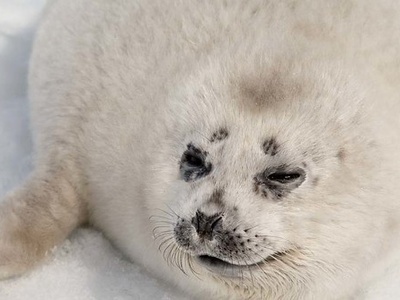
Spotted (Largha) seal
Medium-sized seal that hauls out on rocky shores and beaches, especially in colder months. Seen along the east coast and offshore islands; approachable from viewpoints but sensitive to disturbance.
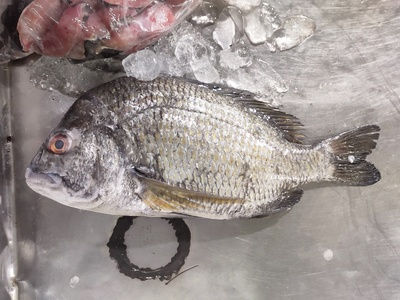
Black porgy (sea bream)
Popular coastal fish that frequents estuaries and rocky shores, important to recreational anglers and local markets. Common in shallow coastal waters and around artificial reefs where they feed on invertebrates.
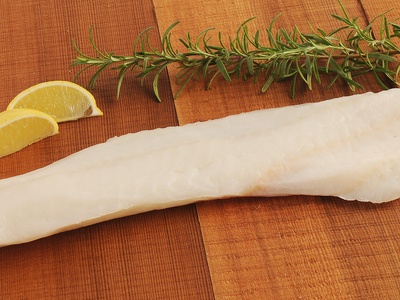
Pacific cod
Important commercial fish of northern coastal waters and continental shelf areas. Look for it in offshore fishing grounds; catches influence local fisheries and seasonal boat trips.
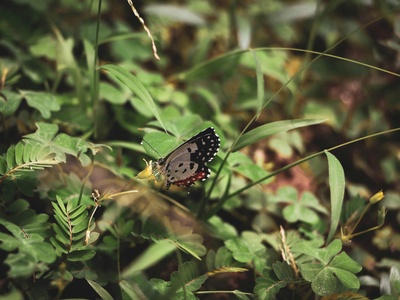
Korean swallowtail
Attractive, fast-flying butterfly with bold patterns; commonly visits flowers and citrus trees. Visible in gardens and woodland edges throughout warm months and a favorite of casual observers and photographers.
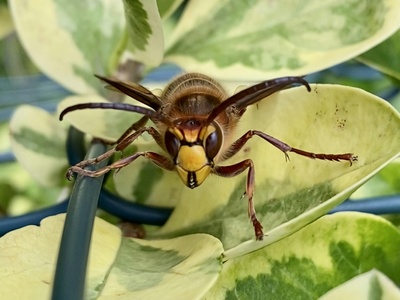
Asian giant hornet
Large, powerful hornet that nests in ground or tree cavities; noted for size and dramatic appearance. Native to Korean woodlands—observe from a distance and avoid nests, especially during late summer activity peaks.
Genji firefly
Famous luminous beetle of summer evenings, creating magical displays along clean rural streams and rice terraces. Seasonal and habitat-sensitive; best experienced at dusk in preserved countryside and nature reserves.