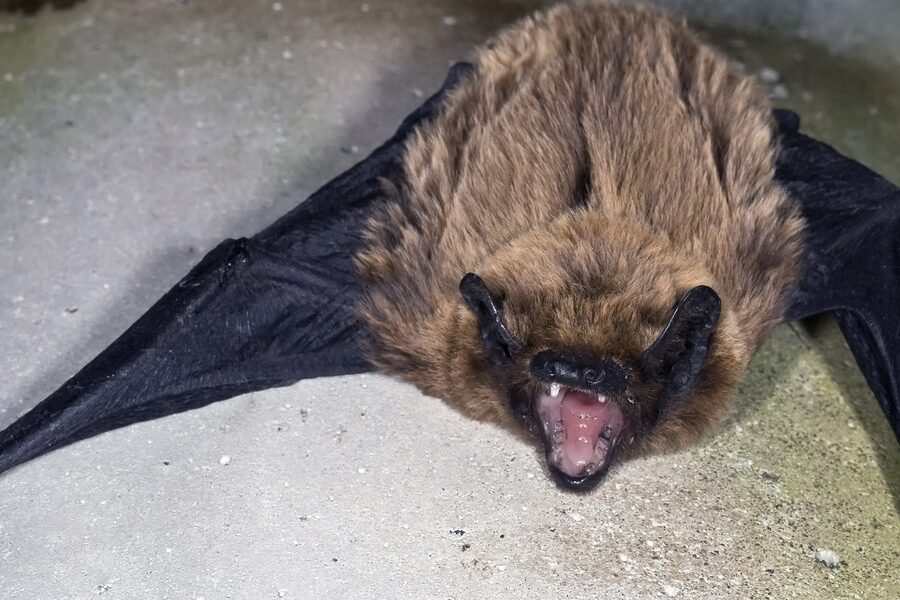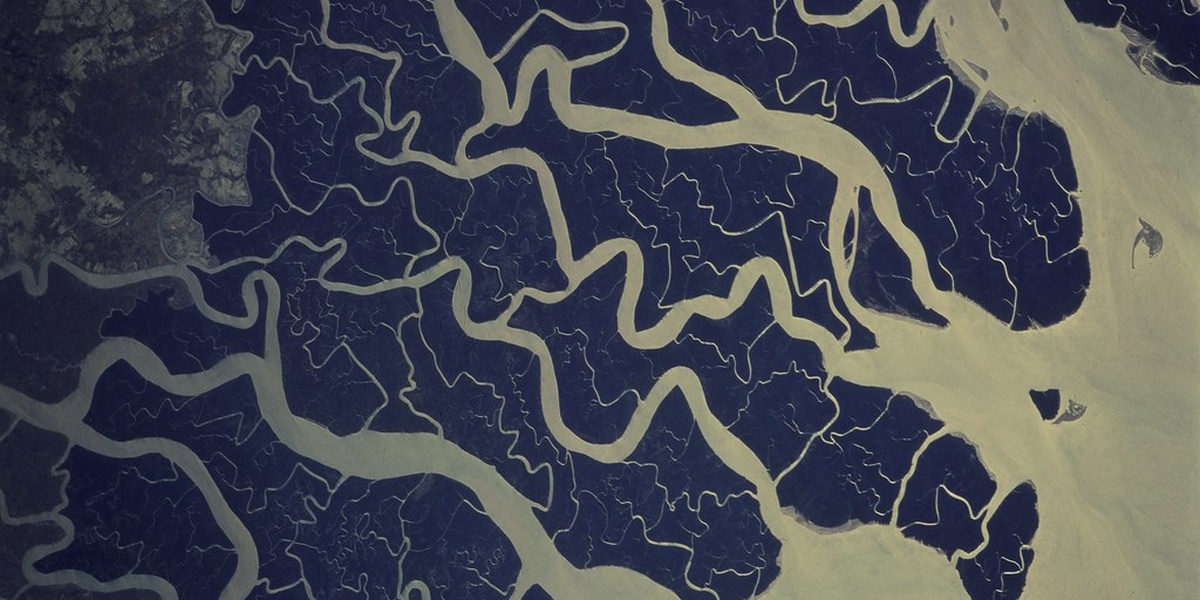
The Sundarbans’ tidal mangroves span India and Bangladesh and host a patchwork of creeks, mudflats and dense forests that support a wide range of wildlife adapted to salt, tide and monsoon cycles. Observing animals here means watching for tracks, calls and movement at water edges as much as looking into the canopy.
There are 63 Sundarbans Fauna, ranging from Asian common toad to Wild boar. Each entry lists Scientific name,IUCN status,Habitat/location so you can see taxonomy, conservation status and where each species is most likely found; you’ll find these details below.
Which species in the list are most at risk and how can I tell?
Check the IUCN status column — entries labeled Critically Endangered, Endangered or Vulnerable indicate higher risk. In the Sundarbans, habitat loss, salinity changes and human-wildlife conflict are common pressures, so cross-referencing status with Habitat/location helps identify local conservation concerns.
How should I use the list in the field or for research?
Use Scientific name for precise identification, filter by Habitat/location to focus on likely sightings, and consult the IUCN status for conservation context. Pair the list with regional field guides or photos for quicker ID and note seasonal shifts in visibility.
Sundarbans Fauna
| Name | Scientific name | IUCN status | Habitat/location |
|---|---|---|---|
| Bengal tiger | Panthera tigris tigris | Endangered | Mangrove forests and riverine islands; seen from boats |
| Fishing cat | Prionailurus viverrinus | Vulnerable | Tidal creeks, marshes and mangrove edges; nocturnal near water |
| Smooth-coated otter | Lutrogale perspicillata | Vulnerable | Estuaries, creeks and fish-rich pools; groups in mornings |
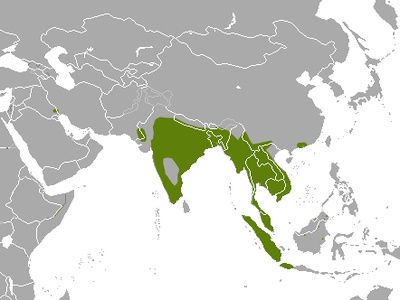
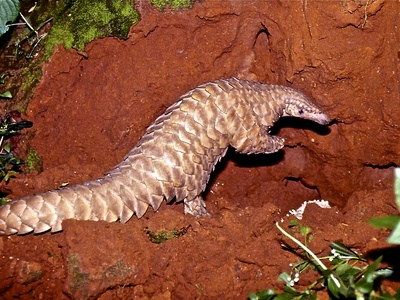
| Indian pangolin | Manis crassicaudata | Endangered | Drier island forest floors and sandy patches; nocturnal burrower |
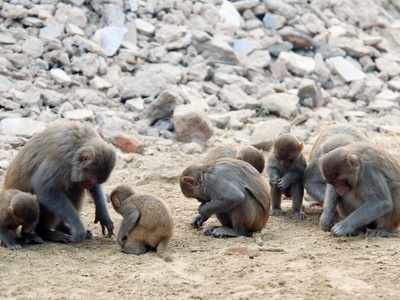
| Rhesus macaque | Macaca mulatta | Least Concern | Riverine islands and forest edges; troops on small islands |
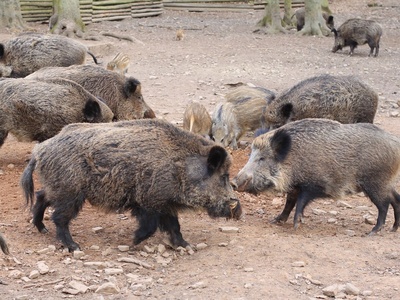
| Wild boar | Sus scrofa | Least Concern | Mangrove interiors and scrub islands; nocturnal forager |
| Spotted deer (Chital) | Axis axis | Least Concern | Drier inland islands and forest clearings; grazing herds |
| Barking deer (Muntjac) | Muntiacus muntjak | Least Concern | Dense undergrowth of mangrove islands; solitary and secretive |
| Leopard cat | Prionailurus bengalensis | Least Concern | Forest edges and smaller islands; nocturnal hunter |
| Irrawaddy dolphin | Orcaella brevirostris | Vulnerable | Brackish creeks, estuaries and river mouths; seen from boats |
| Indo‑Pacific bottlenose dolphin | Tursiops aduncus | Data Deficient | Coastal channels and estuary mouths; occasional pods |
| White‑bellied sea eagle | Haliaeetus leucogaster | Least Concern | Coastal waterways and mangrove perches; hunts over water |
| Brahminy kite | Haliastur indus | Least Concern | Over mangroves and rivers; easy to spot soaring |
| Osprey | Pandion haliaetus | Least Concern | Coastal channels and mudflats; nests on tall structures |
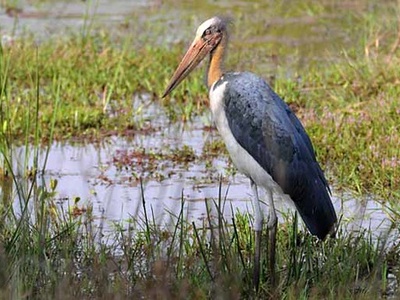
| Lesser adjutant | Leptoptilos javanicus | Near Threatened | Large trees near wetlands and open mudflats |
| Asian openbill | Anastomus oscitans | Least Concern | Shallow tidal flats and pools; feeds on snails |
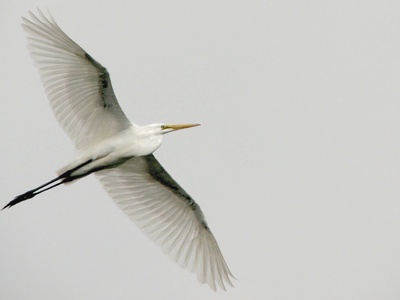
| Great egret | Ardea alba | Least Concern | Shallow creeks and mudflats; tall white heron |
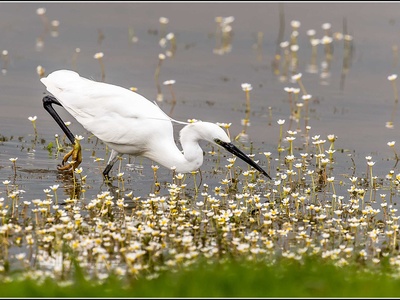
| Little egret | Egretta garzetta | Least Concern | Tidal creeks and mangrove edges; active fisherman |
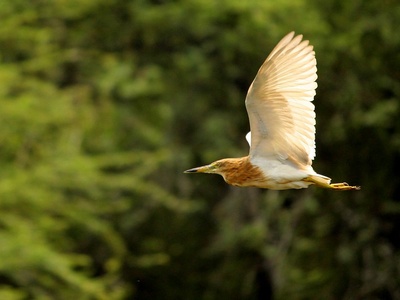
| Indian pond heron | Ardeola grayii | Least Concern | Mangrove edges and tidal pools; freezes to ambush fish |
| Black‑crowned night heron | Nycticorax nycticorax | Least Concern | Dense mangrove understory and roosts; nocturnal feeder |
| Little cormorant | Microcarbo niger | Least Concern | Perches on mangrove snags; dives in creeks for fish |
| Indian cormorant | Phalacrocorax fuscicollis | Least Concern | Shallow estuaries and tidal channels; small fishing flocks |
| Pied kingfisher | Ceryle rudis | Least Concern | Hovering over open channels and estuaries; black-and-white |
| White‑throated kingfisher | Halcyon smyrnensis | Least Concern | Perches near creek edges and clearings; bold and colorful |
| Stork‑billed kingfisher | Pelargopsis capensis | Least Concern | Wooded creeks and mangrove edges; loud booming call |
| Collared kingfisher | Todiramphus chloris | Least Concern | Common on muddy creeks; bright blue-green plumage |
| Common kingfisher | Alcedo atthis | Least Concern | Small creeks and pools; tiny bright blue hunter |
| Whimbrel | Numenius phaeopus | Least Concern | Seasonal on mudflats and sandbanks during migration |
| Common sandpiper | Actitis hypoleucos | Least Concern | Shorelines and creek edges; bobbing white-bellied wader |
| Black‑winged stilt | Himantopus himantopus | Least Concern | Shallow tidal pools and salt pans; long-legged wader |
| Saltwater crocodile | Crocodylus porosus | Least Concern | Tidal estuaries, creeks and sunning banks; basking shores |
| Water monitor | Varanus salvator | Least Concern | Mangrove trunks, mudflats and creek edges; semi-aquatic |
| Olive ridley turtle | Lepidochelys olivacea | Vulnerable | Open sea and nesting beaches; occasional nesters on islands |
| Green sea turtle | Chelonia mydas | Endangered | Foraging in coastal waters and nesting on beaches; rare visitor |
| Hawksbill turtle | Eretmochelys imbricata | Critically Endangered | Foraging reefs and seagrass areas; rare and threatened |
| Beaked sea snake | Hydrophis schistosus | Vulnerable | Coastal waters and estuarine channels; venomous sea snake |
| Indian rock python | Python molurus | Near Threatened | Dense island forests and creeks; ambush predator |
| Indian flapshell turtle | Lissemys punctata | Least Concern | Freshwater pools and tidal creeks on islands; basks on mud |
| Hilsa | Tenualosa ilisha | Data Deficient | Estuarine channels and tidal flats; seasonal migratory shoals |
| Barramundi (Asian sea bass) | Lates calcarifer | Least Concern | Estuaries and brackish creeks; popular game and food fish |
| Mudskipper | Periophthalmodon schlosseri | Least Concern | Intertidal mudflats and exposed roots; visible on mud |
| Bombay duck | Harpadon nehereus | Least Concern | Shallow coastal waters and estuaries; slender silver fish |
| Flathead mullet | Mugil cephalus | Least Concern | Tidal channels and estuaries; schooling detritivores |
| Mud crab | Scylla serrata | Data Deficient | Mangrove creeks and burrows; economically important crustacean |
| Tiger shrimp | Penaeus monodon | Least Concern | Estuarine and coastal waters; commercially important shrimp |
| Blue swimmer crab | Portunus pelagicus | Least Concern | Shallow channels and mudflats; fast swimming crab |
| Horseshoe crab | Tachypleus gigas | Vulnerable | Sandy beaches and tidal flats; ancient arthropod |
| Fiddler crab | Uca spp. | Least Concern | Intertidal mudflats and root zones; males display big claw |
| Mangrove oyster | Saccostrea cucullata | Least Concern | Attached to roots and rocks in mangrove creeks; filter-feeder |
| Mangrove periwinkle | Littoraria scabra | Least Concern | On mangrove trunks and roots; small scavenging snail |
| Indian bullfrog | Hoplobatrachus tigerinus | Least Concern | Seasonal pools and flooded areas on islands; loud calls |
| Asian common toad | Duttaphrynus melanostictus | Least Concern | Forest floor puddles and freshwater pockets; widespread toad |
| Common tree frog | Polypedates leucomystax | Least Concern | Shrubby island edges and forest; nocturnal caller |
| River tern | Sterna aurantia | Near Threatened | Sandbanks, river mouths and mudflats; fishing over water |
| Indian skimmer | Rynchops albicollis | Near Threatened | Sandy river mouths and mudflats; distinctive skim-feeding bill |
| Greater crested tern | Thalasseus bergii | Least Concern | Coastal waters and offshore islands; colonies on beaches |
| Goliath heron | Ardea goliath | Least Concern | Large shallow pools and mudflats; tallest heron species |
| Mangrove whipray | Himantura granulata | Data Deficient | Shallow estuarine bottoms and muddy flats; ray in brackish water |
| Giant mudskipper | Periophthalmodon schlosseri | Least Concern | Exposed mudflats and root zones; large amphibious fish |
| Mangrove tree crab (Grapsidae) | Grapsidae spp. | Least Concern | Roots and lower trunks of mangroves; small omnivorous crabs |
| Spotted fantail ray | Taeniurops meyeni | Near Threatened | Shallow coastal waters and estuaries; disc-shaped ray |
| Oriental darter | Anhinga melanogaster | Near Threatened | Perches on snags in creeks; snake-like necked diver |
| Mangrove monitor (juvenile note) | Varanus spp. juveniles | — | Mangrove roots and leaf litter; young monitors |
Images and Descriptions
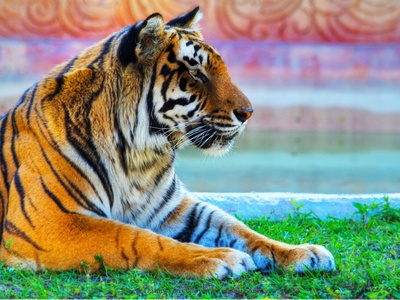
Bengal tiger
Iconic large predator of the Sundarbans; orange coat with black stripes. Ambush hunter adapted to tidal, brackish forest, swims between islands. Threatened by habitat loss and human conflict; main conservation focus of the region.
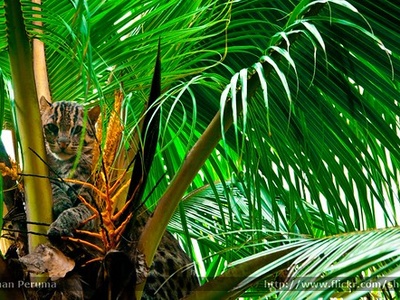
Fishing cat
Medium-sized wild cat specialized for wetlands, stocky with spotted coat. Good swimmer that hunts fish in shallow water; secretive and vulnerable from habitat loss and persecution.
Smooth-coated otter
Sociable, streamlined otter with sleek coat and long tail. Hunts fish in family groups, often seen sliding or diving in creeks. Faces threats from fishing conflict and water pollution.
Indian pangolin
Scaly, nocturnal mammal feeding on ants and termites using a long sticky tongue. Illegal hunting for scales and habitat loss have driven severe declines; very shy and rarely seen.
Rhesus macaque
Common adaptable monkey that forages in mangrove edges and human fringes. Diurnal and social, often seen in groups. An opportunistic feeder; sometimes interacts with local communities.
Wild boar
Sturdy omnivorous mammal rooting in mud and leaf litter. Active mostly at night, feeds on roots, invertebrates and small vertebrates. Important ecosystem engineer but sometimes conflicts with people.
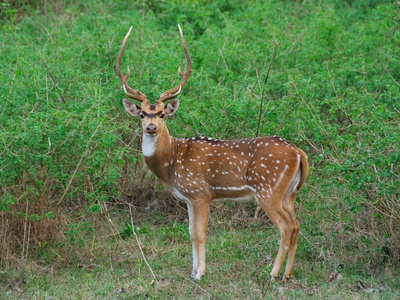
Spotted deer (Chital)
Medium-sized deer with reddish coat and white spots, often in small herds. Browses grasses and shrubs on elevated island patches; prey species for tigers and other predators.
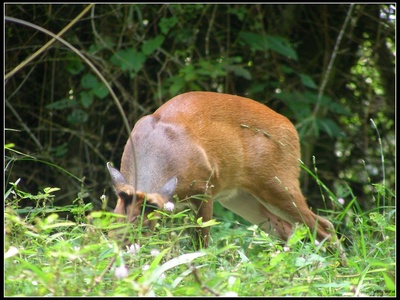
Barking deer (Muntjac)
Small deer with reddish-brown coat and short antlers. Often solitary and shy, emits barking alarm calls. Favors thick vegetation and is active at dawn and dusk.
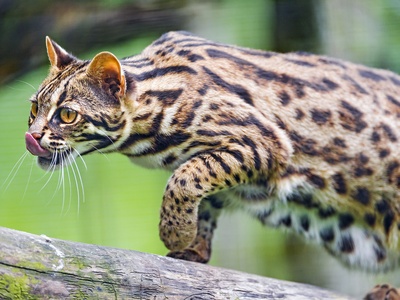
Leopard cat
Small spotted wild cat resembling a domestic cat with fine spotting. Agile arboreal and nocturnal predator feeding on rodents, birds and reptiles. Generally elusive in Sundarbans.
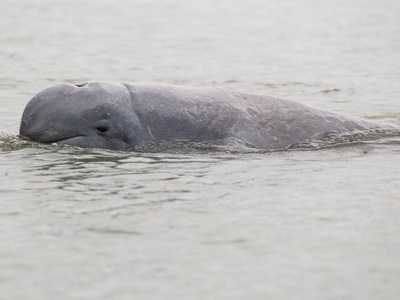
Irrawaddy dolphin
Stocky coastal dolphin with rounded forehead and blunt snout. Lives in estuarine waters, often in small groups. Vulnerable due to bycatch, vessel traffic, and habitat degradation.
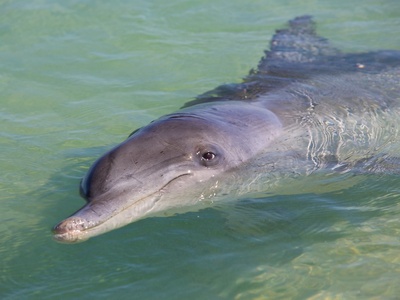
Indo‑Pacific bottlenose dolphin
Robust, coastal dolphin common in tropical waters; grey with curved dorsal fin. Seen near river mouths and offshore channels; socially gregarious and sometimes seen riding bow waves.
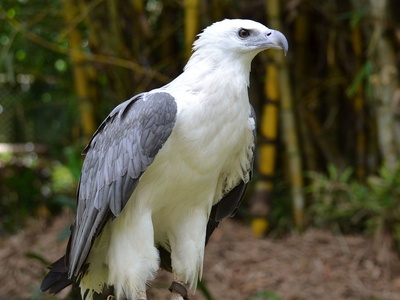
White‑bellied sea eagle
Large raptor with striking white underparts and powerful build. Soars over mangroves to snatch fish and small prey; nests in tall mangrove trees and is a spectacular sight.
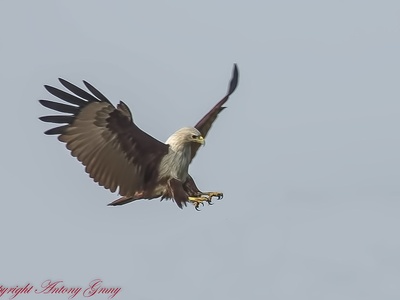
Brahminy kite
Medium-sized raptor with chestnut body and white head. Common scavenger and hunter along mangrove coasts, often seen perched or hovering above tidal channels.
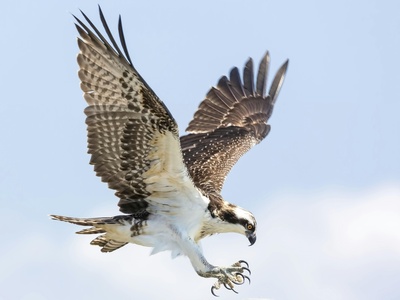
Osprey
Distinctive fish-eating raptor with white underparts and dark eye stripe. Hunts by plunge-diving into tidal waters; occasional migrant and coastal breeder in the region.
Lesser adjutant
Large stork with bare head and robust bill, forages on marshy islands for carrion, frogs and crustaceans. Scarcer than other waders and sensitive to habitat disturbance.

Asian openbill
Medium white stork with distinctive gap between bill tips, specialized to extract snails. Often seen wading in shallow waters and small inland pools.
Great egret
Tall, elegant white heron with long neck and yellow bill. Stands motionless stalking fish in tidal creeks and mudflats; a familiar sight across the Sundarbans.
Little egret
Smaller white heron with slender black bill and black legs. Agile hunter in shallow water, often seen probing mud for small fish and invertebrates.
Indian pond heron
Stocky heron with cryptic brown phase and white wings in flight. Often motionless at water’s edge waiting to snatch fish; common throughout mangrove wetlands.
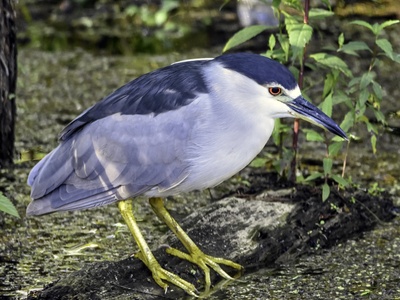
Black‑crowned night heron
Chunky, nocturnal heron with stocky build and black crown. Roosts in dense mangroves by day and feeds at night on fish, crustaceans and small vertebrates.
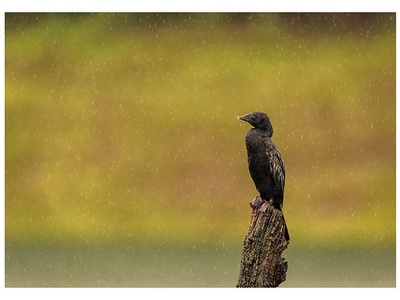
Little cormorant
Small dark cormorant that fishes in shallow waters, often seen drying wings on exposed branches. Quick underwater pursuer of small fish in tidal channels.
Indian cormorant
Slim, dark-feathered cormorant with hooked bill, often fishes in groups. Occupies estuarine waters and returns to perches to dry and preen.
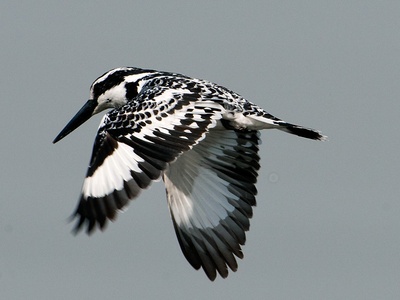
Pied kingfisher
Distinctive black-and-white kingfisher that hovers before diving to catch fish. Common over open water and estuaries, easy to identify by flight and call.
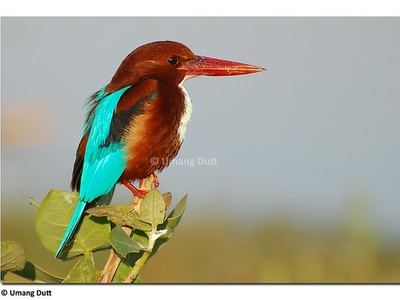
White‑throated kingfisher
Large, bright kingfisher with blue wings and reddish bill. Hunts fish, frogs and small animals from exposed perches along mangrove edges.
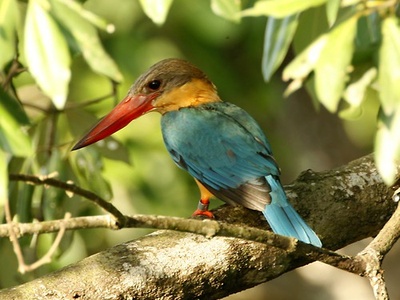
Stork‑billed kingfisher
Large kingfisher with massive red bill and brown head. Prefers wooded waterways and hunts fish, crabs and small vertebrates from low perches.
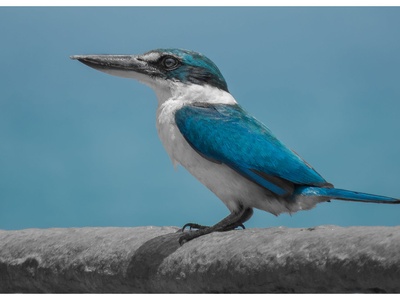
Collared kingfisher
Vivid blue-green kingfisher frequently seen on mangrove branches. Territorial, perches conspicuously and feeds on small fish and invertebrates in tidal pools.
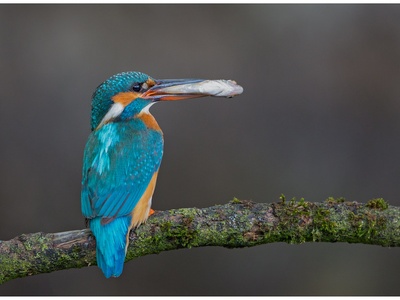
Common kingfisher
Tiny, brilliantly colored kingfisher that darts from perches to snatch fish. Often found where clear pools form at low tide; quick and skittish.
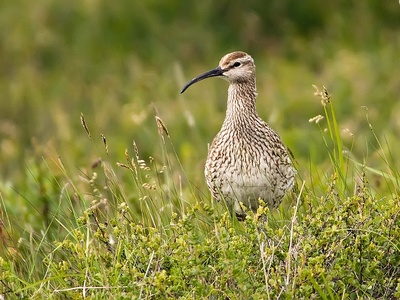
Whimbrel
Long‑billed migratory wader with curved bill used to probe mud for crabs and worms. Passes through Sundarbans’ mudflats during migration seasons in good numbers.
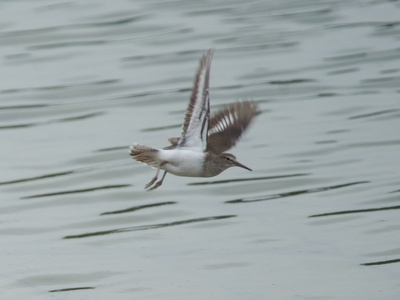
Common sandpiper
Small, energetic wader with a distinctive teetering motion. Forages along mud and sand margins, common migrant and winter visitor.
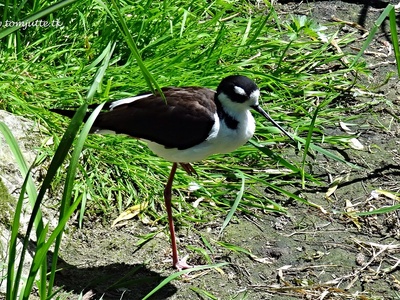
Black‑winged stilt
Extremely long-legged wader with pink legs and slender bill. Forages in shallow waters for insects and crustaceans; striking and conspicuous on mudflats.
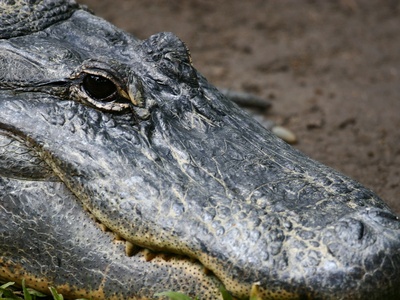
Saltwater crocodile
Largest living crocodile, powerful and opportunistic predator. Adults inhabit wide tidal creeks and estuaries, sometimes seen basking. Locally protected, conflicts with people are a conservation concern.
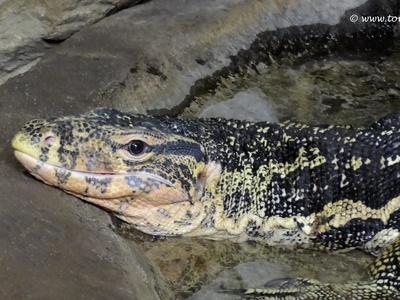
Water monitor
Large arboreal/semi-aquatic lizard that forages on carcasses, fish and crustaceans. Often seen climbing mangrove roots and sunning on banks; impressive but shy.
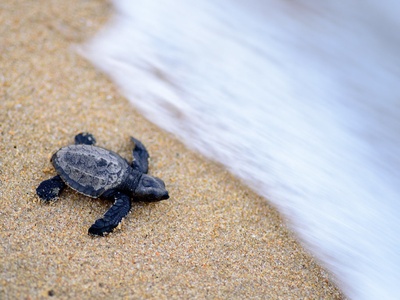
Olive ridley turtle
Small to medium sea turtle known for mass nesting elsewhere; in Sundarbans, occasional nesting and foraging. Vulnerable to fishing gear and coastal disturbance.
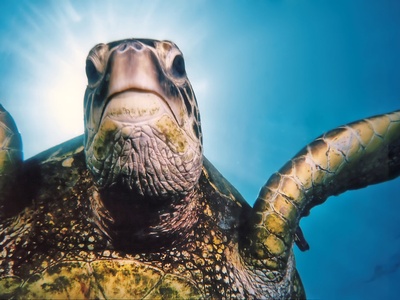
Green sea turtle
Large herbivorous sea turtle that feeds on seagrass and algae. Rare in the Sundarbans but an important conservation species when recorded near coasts and islands.
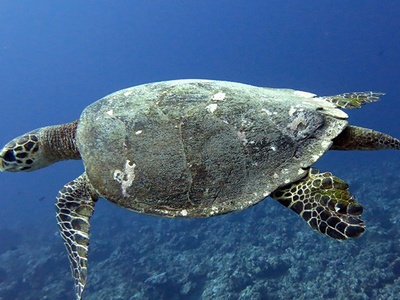
Hawksbill turtle
Colorful, ornate-shelled sea turtle that feeds on sponges and reef organisms. Critically endangered due to shell trade and bycatch; occasional rare visitor in Sundarbans waters.
Beaked sea snake
Common estuarine sea snake with potent venom, adapted to marine life. Often found in brackish waters where it hunts fish and eels; seldom seen by casual observers.
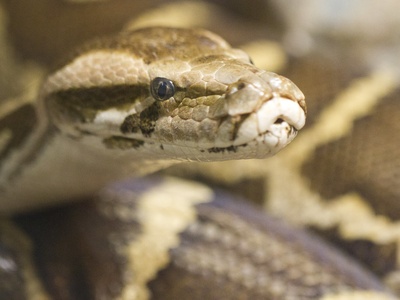
Indian rock python
Large constricting snake that inhabits thicker forest patches on islands. Feeds on mammals and birds, camouflaged among roots and leaf litter; rarely seen due to secretive habits.
Indian flapshell turtle
Common freshwater turtle that tolerates brackish conditions, shelters in mud and surfaces to bask. Omnivorous and widespread in temporary ponds and creeks.
Hilsa
Famous silvery food fish that migrates between sea and rivers to spawn. Economically vital and culturally important; large seasonal shoals pass through Sundarbans estuaries.
Barramundi (Asian sea bass)
Large predatory fish occupying mangrove channels and estuaries, moving between fresh and salt water. Highly valued by fisheries and commonly encountered in tidal creeks.
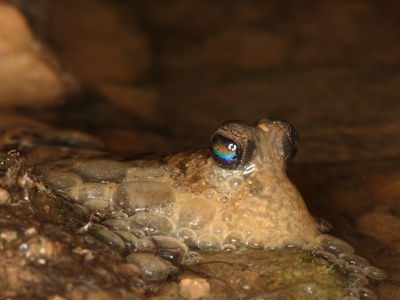
Mudskipper
Amphibious fish that darts across mud, uses pectoral fins to “walk” and breathes air. Very conspicuous on exposed flats and root systems, a mangrove icon.
Bombay duck
Soft-bodied, elongate fish abundant in coastal waters and estuaries. Important locally as food and widely fished; usually processed dried or fresh.
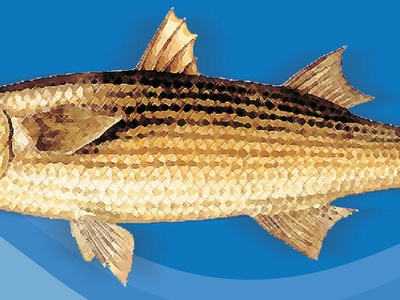
Flathead mullet
Common schooling fish that grazes on detritus and algae in brackish waters. Frequently seen in large numbers in shallow channels.
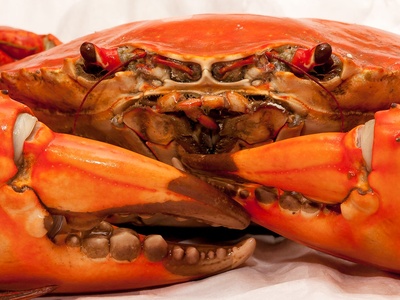
Mud crab
Large edible crab that lives in burrows along mangrove banks. Highly prized by fisheries; burrowing behavior and powerful claws make it distinctive among mangrove fauna.
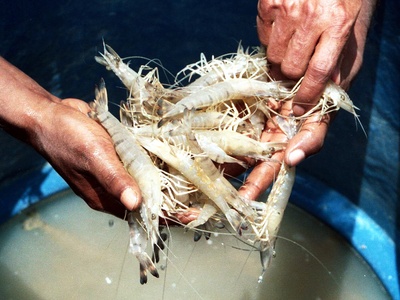
Tiger shrimp
Large penaeid shrimp common in brackish waters and estuaries. Economically valuable species harvested from Sundarbans-adjacent waters and mudflats.
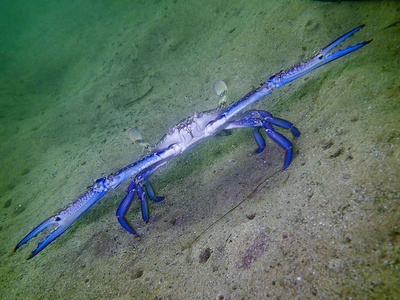
Blue swimmer crab
Active swimming crab with broad paddle-like hind legs. Common in shallow estuarine waters and important to local fisheries.
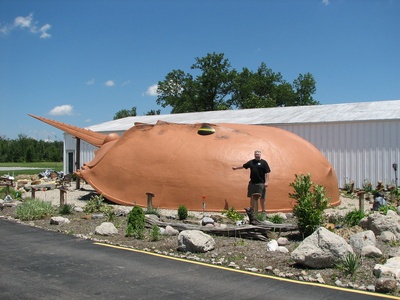
Horseshoe crab
Living fossil with a hard carapace and long tail spine, spawns on tidal flats. Eggs are an important food source for birds; vulnerable from overharvest and habitat loss.
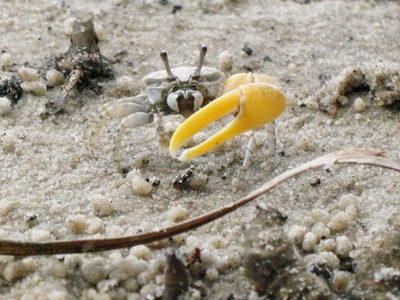
Fiddler crab
Small colourful crabs abundant on mudflats; males wave oversized claw during displays. Their burrows aerate mud and they are keystone detritivores in mangrove ecosystems.
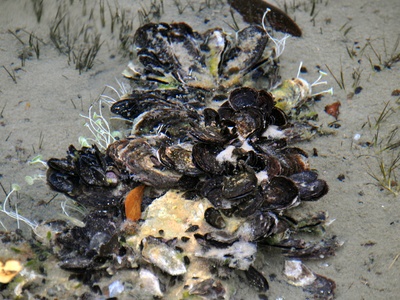
Mangrove oyster
Common bivalve on submerged roots and hard surfaces, filters plankton and detritus. Forms dense beds that support local diets and reef-like habitats.
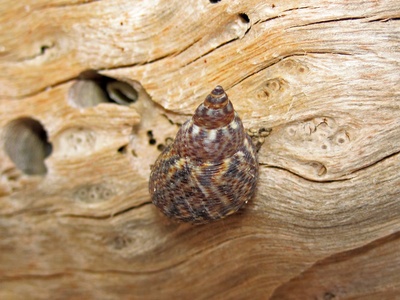
Mangrove periwinkle
Small snail that climbs roots and trunks of mangrove trees, grazing on algae and fungi. Very conspicuous at low tide and aids nutrient cycling.
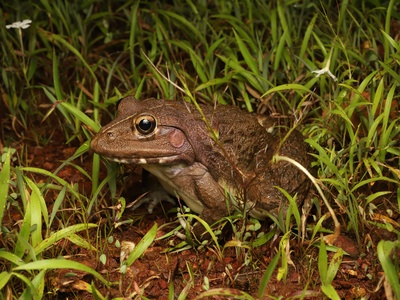
Indian bullfrog
Large frog found in temporary pools and marshy depressions, notable for booming mating calls. Active during monsoon and an important predator of insects.
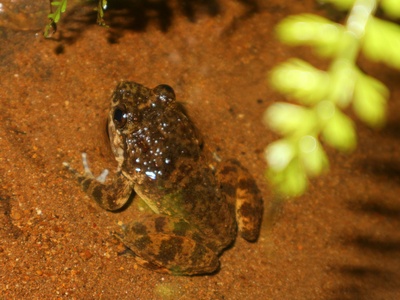
Asian common toad
Robust terrestrial toad common in puddles and damp ground. Produces toxic secretions, breeds in freshwater pools after rains and is resilient to disturbed habitats.
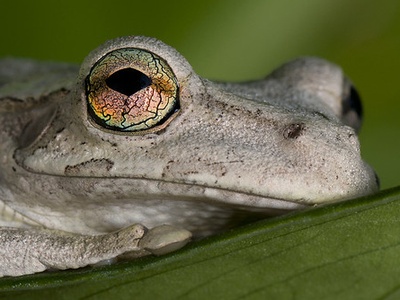
Common tree frog
Arboreal frog with adhesive toe pads found in vegetation and mangrove edges. Males call loudly during rains; breeds in temporary water bodies and tree holes.
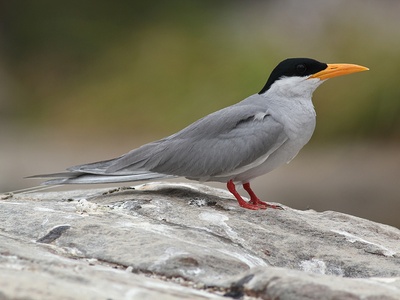
River tern
Slender tern that nests on sandbanks and mudflats, plunges to catch fish. Sensitive to disturbance and declining in parts of its range; occasional in Sundarbans.
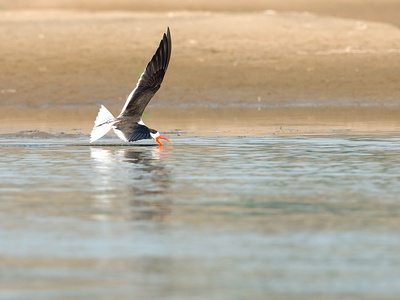
Indian skimmer
Unusual tern-like bird with lower bill longer than upper, skims water surface to catch fish. Rare and highly sensitive to disturbance; seen on open sandbars.
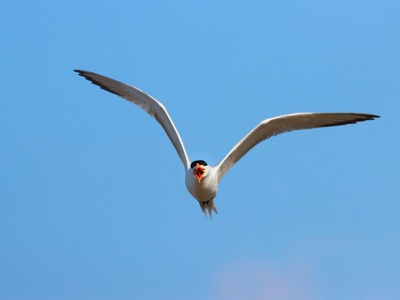
Greater crested tern
Large white tern with a shaggy black crest, breeds on offshore islands and feeds by plunge-diving for fish over open water near the Sundarbans.
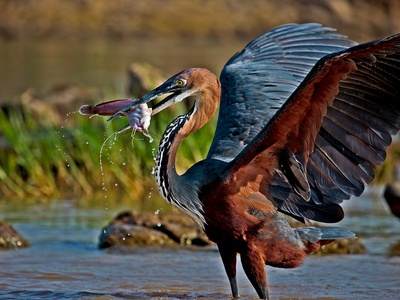
Goliath heron
Gigantic heron with slow, deliberate hunting style, preying on large fish and crustaceans. Rare but impressive when present in wide, shallow tidal pools.
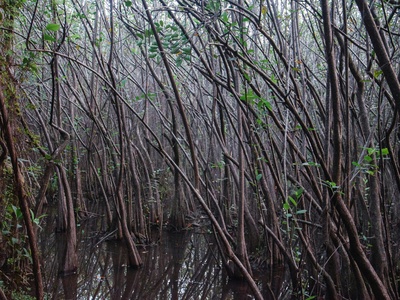
Mangrove whipray
Bottom-dwelling ray that inhabits muddy estuaries and tidal channels. Often partially buried; feeds on benthic invertebrates and small fish, vulnerable to bycatch.
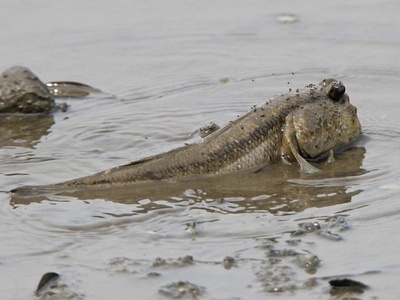
Giant mudskipper
One of the largest mudskippers, conspicuous on exposed mudflats, using pectoral fins to climb and hop, breathes air and feeds on small invertebrates.
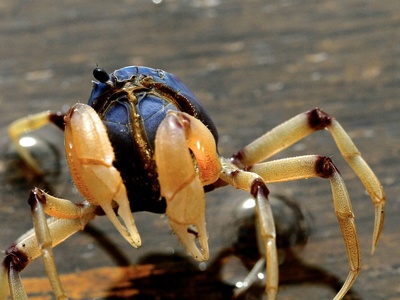
Mangrove tree crab (Grapsidae)
Family of small hard‑shelled crabs that climb mangrove roots and trunks; feed on detritus, algae and small animals, important in nutrient cycling.
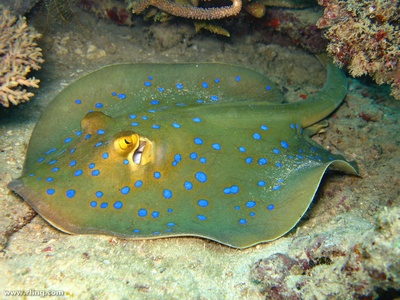
Spotted fantail ray
Large, disc-shaped ray that forages on sandy bottoms near mangrove mouths. Seen occasionally in Sundarbans’ adjoining coastal waters; vulnerable to fishing pressure.
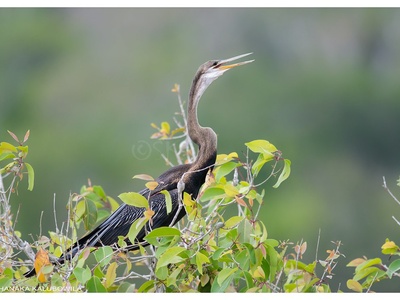
Oriental darter
Dark, slender waterbird that spears fish with a long neck and bill. Dries wings on mangrove perches; less common and locally declining due to disturbance.
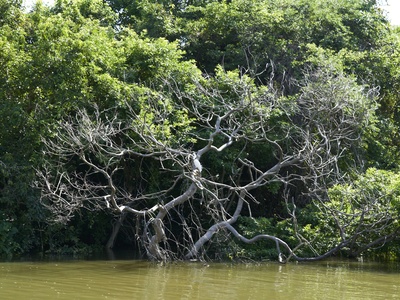
Mangrove monitor (juvenile note)
Juvenile monitors frequent root tangles and litter, feeding on invertebrates and small vertebrates. Not a separate species entry; young stage of water monitor common in mangrove habitat.