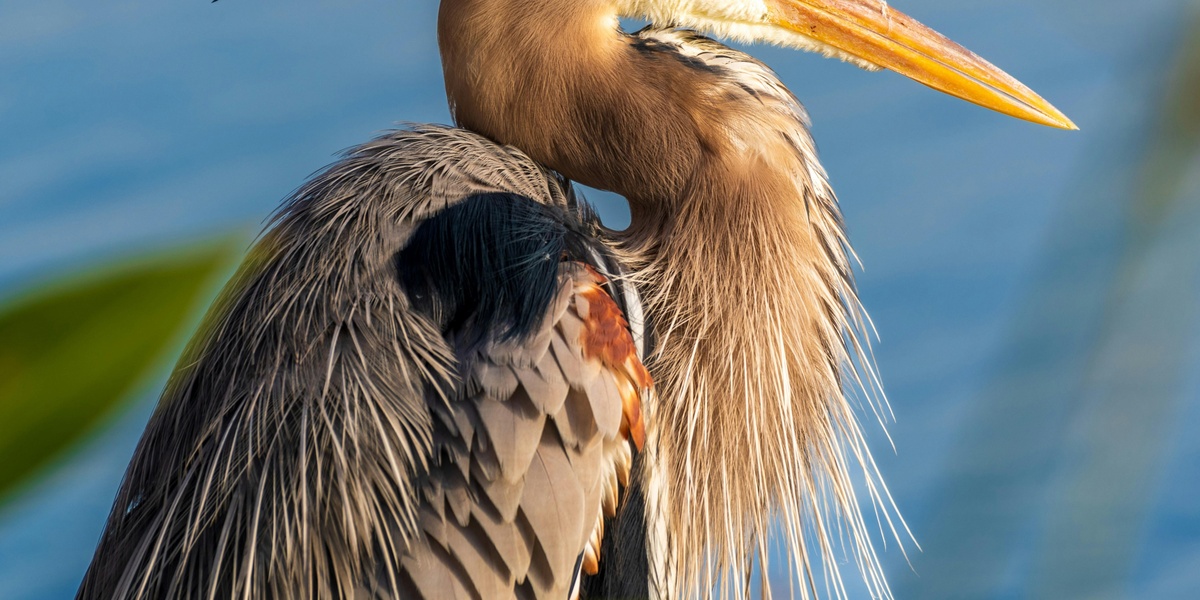
Swamps brim with tangled vegetation, standing water and a surprising variety of animal life; the mix of aquatic and terrestrial niches creates many feeding opportunities. Mid-level predators are especially important here, linking the plants and small prey species to larger carnivores and helping keep populations balanced.
There are 26 swamp secondary consumers, ranging from the American toad to the Virginia opossum. For each species you’ll find entries organized with Scientific name,Typical diet (example prey),Habitat & range to help you compare identity, prey preferences and distribution — see the full list you’ll find below.
How is a “secondary consumer” different from other swamp animals?
Secondary consumers are animals that eat primary consumers (herbivores and some omnivores), such as insects, snails or small fish; they’re not the top predators but they control prey populations and transfer energy up the food web. In swamps this includes frogs, mid-sized snakes, small mammals and wading birds that feed on invertebrates and small vertebrates.
What are easy ways to spot or identify common swamp secondary consumers?
Look for behavior and signs: evening calls and splashy movements hint at amphibians, tracks and night activity suggest mammals like opossums, and regurgitated pellets or snake sheds indicate predators; combine visual ID with habitat (muddy banks, cattail stands, fallen logs) to narrow species quickly.
Swamp Secondary Consumers
| Name | Scientific name | Typical diet (example prey) | Habitat & range |
|---|---|---|---|
| Prothonotary warbler | Protonotaria citrea | Aquatic insects, caterpillars, spiders | Flooded woodlands, eastern North America |
| Marsh wren | Cistothorus palustris | Aquatic insects, spiders, beetles | Freshwater marshes and swamps across North America |
| Swamp sparrow | Melospiza georgiana | Insects, spiders, seeds (seasonal insect diet) | Brackish and freshwater marshes, North America |
| Belted kingfisher | Megaceryle alcyon | Small fish, crayfish, aquatic insects | Rivers, swamps, wetlands across North America |
| Green heron | Butorides virescens | Small fish, crustaceans, aquatic insects | Freshwater and brackish swamps across Americas |
| Common gallinule | Gallinula galeata | Aquatic insects, snails, small fish | Marshes, ponds, freshwater swamps across Americas |
| Pied-billed grebe | Podilymbus podiceps | Aquatic insects, crustaceans, small fish | Freshwater marshes and swamps across North America |
| Sora | Porzana carolina | Aquatic insects, snails, crustaceans | Freshwater marshes and coastal swamps, North America |
| Spring peeper | Pseudacris crucifer | Ants, flies, beetles, spiders | Wooded swamps and vernal pools, eastern North America |
| Green frog | Lithobates clamitans | Insects, snails, small crustaceans | Ponds, marshes, swamps eastern North America |
| American toad | Anaxyrus americanus | Beetles, ants, caterpillars, spiders | Moist woodlands, swamp edges, North America |
| Eastern newt | Notophthalmus viridescens | Aquatic insect larvae, small crustaceans | Wooded ponds, swampy wetlands eastern North America |
| Common musk turtle | Sternotherus odoratus | Snails, insect larvae, crustaceans | Slow-moving streams, swamps eastern North America |
| Painted turtle | Chrysemys picta | Aquatic insects, snails, crustaceans (juveniles) | Ponds, marshes, swampy waters across North America |
| Northern water snake | Nerodia sipedon | Small fish, tadpoles, amphibians | Freshwater marshes, swamps across North America |
| Bluegill | Lepomis macrochirus | Insect larvae, snails, small crustaceans | Lakes, ponds, swamps across North America |
| Black crappie | Pomoxis nigromaculatus | Zooplankton, insect larvae, small fish | Slow rivers, ponds, swampy lakes North America |
| Mosquitofish | Gambusia affinis | Mosquito larvae, aquatic insects, small crustaceans | Warm ponds, marshes, swamps worldwide (introduced) |
| Eastern mudminnow | Umbra pygmaea | Insect larvae, small crustaceans, worms | Shallow marshes, acidic swamps northeastern North America |
| Redbreast sunfish | Lepomis auritus | Insect larvae, small crustaceans, snails | Creeks, swampy ponds southeastern North America |
| Dragonfly nymph (Common green darner) | Anax junius | Mosquito larvae, small aquatic insects | Ponds, marshes, swamp pools North America |
| Damselfly nymph (common bluet) | Enallagma annexum | Small aquatic invertebrates, mosquito larvae | Pond margins, marshy swamps North America |
| Red swamp crayfish | Procambarus clarkii | Aquatic insect larvae, snails, small mollusks | Freshwater swamps, marshes southern USA, introduced worldwide |
| Raccoon | Procyon lotor | Crayfish, snails, insects, small fish | Wooded swamps, riparian wetlands North America |
| Marsh rice rat | Oryzomys palustris | Aquatic insects, crustaceans, snails | Salt marshes, freshwater swamps southeastern USA |
| Virginia opossum | Didelphis virginiana | Insects, snails, small crustaceans | Wooded swamps and wetlands North America |
Images and Descriptions
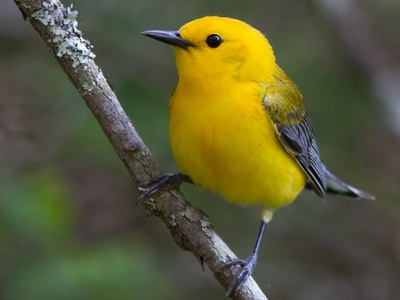
Prothonotary warbler
A brightly colored warbler that nests in tree cavities over swampy water. It forages for aquatic insects and spiders among roots and flooded vegetation, playing a key role controlling insect populations in freshwater swamps.
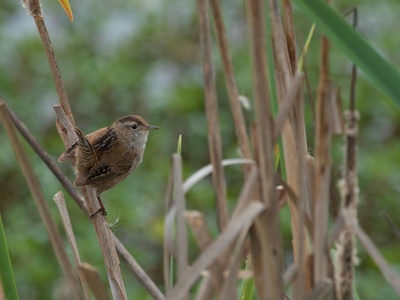
Marsh wren
A small, secretive songbird that darts through cattails and reeds hunting insects. Marsh wrens consume large numbers of herbivorous insects, helping regulate invertebrate prey and linking aquatic plants to higher trophic levels.
Swamp sparrow
A compact sparrow common in marsh edges and swampy thickets. During breeding it feeds heavily on insects and aquatic invertebrates, making it a frequent secondary consumer in wetland food webs.
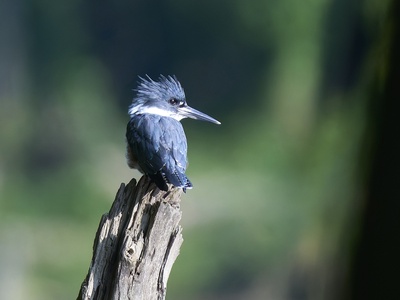
Belted kingfisher
A stocky, blue-gray bird that hovers then dives for small fish and crustaceans. Though a conspicuous fisher, many of its prey are primary consumers, so the kingfisher commonly functions as a mesopredator in swamp systems.
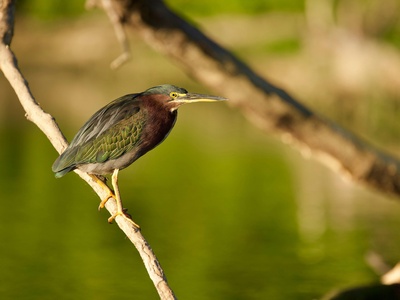
Green heron
A compact heron that hunts from low perches or the water’s edge, taking small fish and crustaceans. Its patient fishing helps control herbivorous fish and invertebrate populations in dense swamp vegetation.
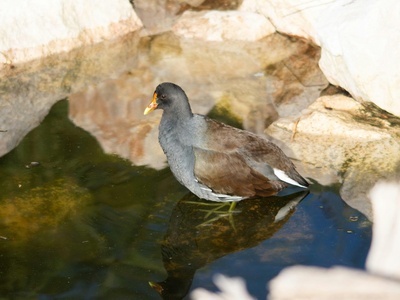
Common gallinule
A noisy rail-like bird that probes vegetation and shallow water for invertebrates and small fish. Common gallinules are regular consumers of herbivorous snails and insect larvae in swamp food webs.
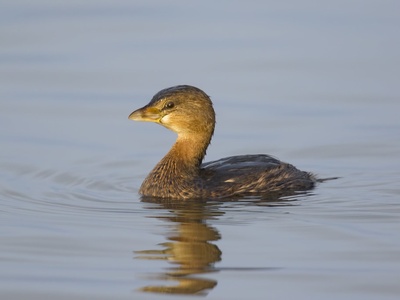
Pied-billed grebe
A diving waterbird that feeds on insect larvae, crustaceans and tadpoles. Pied-billed grebes forage underwater among vegetation, helping control aquatic invertebrate populations in shallow swamp basins.

Sora
A small, secretive rail that probes mud and shallow water for invertebrates. Soras commonly eat herbivorous aquatic bugs and snails, linking marsh detritus and plants to higher trophic levels.
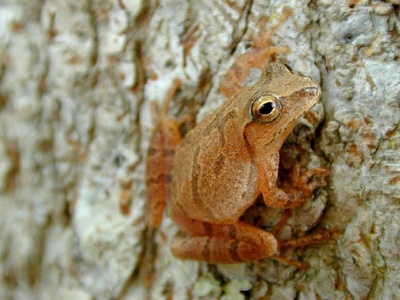
Spring peeper
A tiny chorus frog that breeds in swampy pools and forages on small insects. Spring peepers are abundant insect predators in wetlands, consuming many herbivorous arthropods during spring and summer.
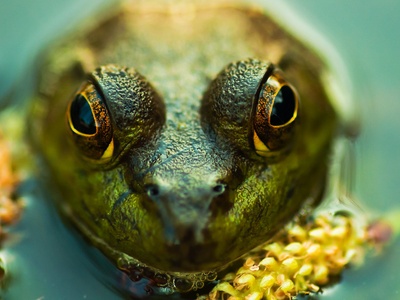
Green frog
A common pond and swamp frog that ambushes aquatic insects and small invertebrates. Green frogs help control herbivorous insect populations and provide prey for larger predators, occupying a middle trophic role.
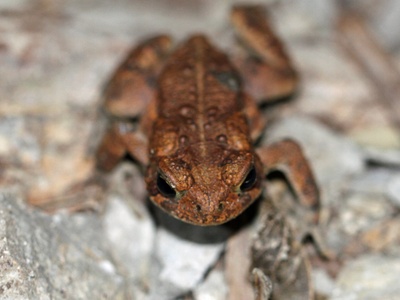
American toad
A terrestrial and semi-aquatic amphibian often found near swamp fringes. American toads consume large numbers of invertebrate herbivores and pest species, acting as important secondary consumers in wetland-adjacent habitats.
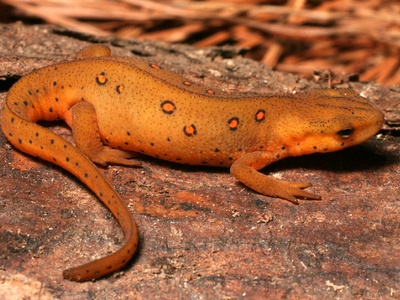
Eastern newt
This aquatic salamander has an aquatic larval stage that feeds on invertebrates in swamp pools. Eastern newts reduce populations of aquatic herbivores and invertebrates, and their juvenile and adult stages link aquatic and terrestrial food webs.
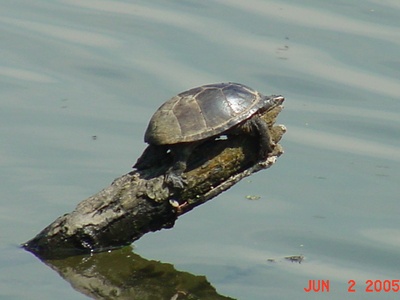
Common musk turtle
A small, hard-shelled turtle that forages on snails, insect larvae and small crustaceans. Musk turtles prey on herbivorous mollusks and insects, influencing invertebrate community structure in vegetated swamp waters.
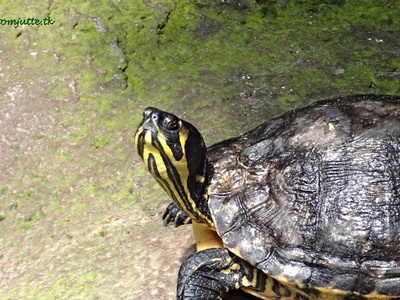
Painted turtle
A widespread freshwater turtle whose juveniles and subadults feed heavily on aquatic invertebrates. In swamp habitats painted turtles often consume herbivorous prey, functioning as common mid-level predators.
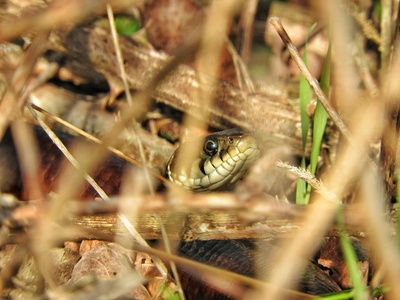
Northern water snake
A common nonvenomous snake that hunts fish and amphibians in swampy waters. Northern water snakes frequently feed on smaller, herbivorous or lower-trophic prey, acting as important mesopredators in wetland ecosystems.
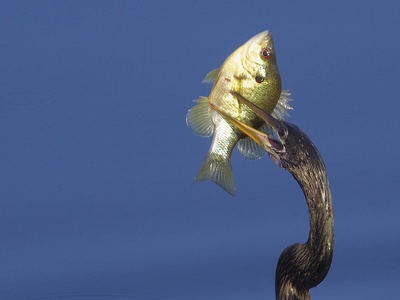
Bluegill
A familiar sunfish that forages on aquatic insect larvae, snails and small crustaceans. Bluegills are abundant secondary consumers in vegetated swamps, transferring energy from primary consumers up the food web.
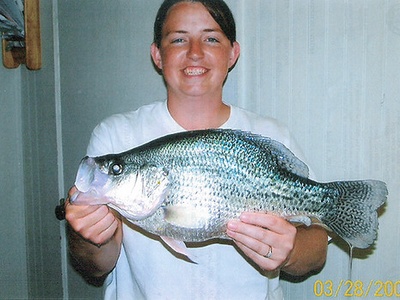
Black crappie
A laterally compressed fish that eats insect larvae, zooplankton and small fish. Black crappies commonly occupy vegetated swamp edges, feeding on herbivorous invertebrates and small primary consumers.
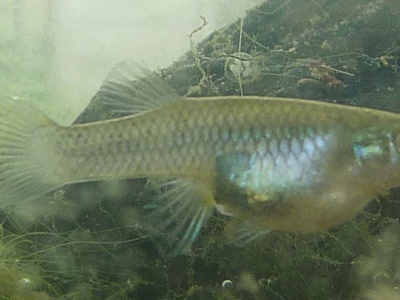
Mosquitofish
A tiny livebearing fish often found in shallow swampy water feeding heavily on mosquito larvae and other insect larvae. Mosquitofish are effective secondary consumers controlling herbivorous larval populations.
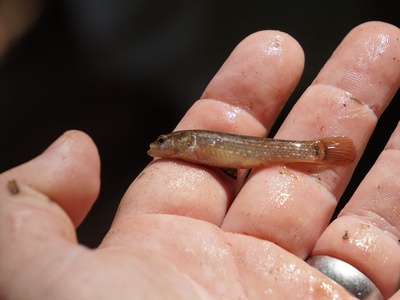
Eastern mudminnow
A small, hardy fish that inhabits heavily vegetated swamp pools and boggy water. Mudminnows feed on aquatic invertebrates and insect larvae, occupying a consistent secondary consumer role.
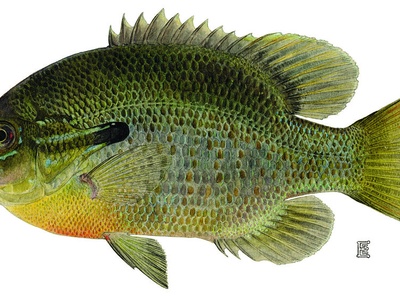
Redbreast sunfish
A colorful sunfish common in vegetated swamp waters that feeds on insect larvae, amphipods and snails. Redbreast sunfish help control herbivorous invertebrates and contribute to complex swamp food webs.
Dragonfly nymph (Common green darner)
The aquatic nymph stage is a voracious predator on mosquito larvae and other insect juveniles. Dragonfly nymphs are key secondary consumers in swamp ponds, reducing herbivorous insect populations before emerging as aerial predators.
Damselfly nymph (common bluet)
Damselfly nymphs live among submerged vegetation and feed on tiny aquatic invertebrates and larvae. They are common secondary consumers in swamp habitats, important for controlling herbivorous insect recruitment.
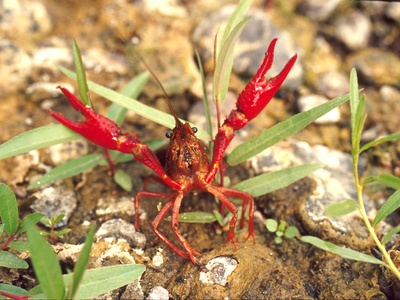
Red swamp crayfish
An adaptable crayfish that scavenges but regularly preys on insect larvae and snails. In southern swamps it serves as a frequent secondary consumer, altering invertebrate communities and nutrient dynamics.
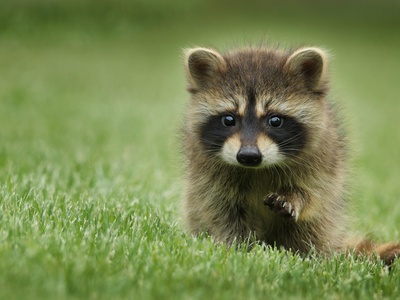
Raccoon
A nocturnal, omnivorous mammal that forages along swamp edges for crayfish, snails and insects. Raccoons often feed heavily on primary consumers in wetlands, acting as prominent mid-level predators and nutrient redistributors.
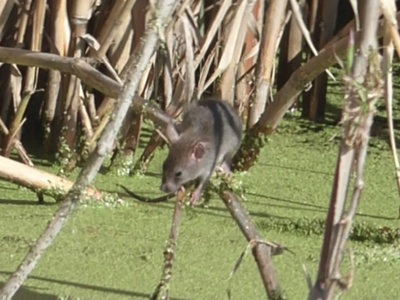
Marsh rice rat
A small rodent specialized for wetland habitats that eats aquatic insects, amphipods and snails. Marsh rice rats are frequent secondary consumers in coastal and freshwater swamps, linking invertebrate prey to terrestrial predators.
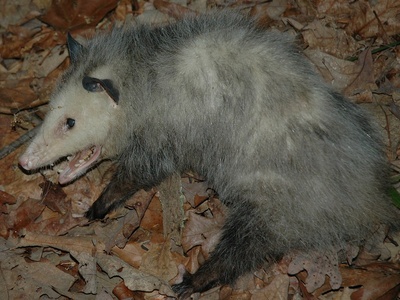
Virginia opossum
A generalist marsupial that forages in swampy areas for insects, snails and other invertebrates. Opossums commonly consume primary consumers in wetlands, helping control pest species and recycling nutrients.