Temperate woodlands change with the seasons, and so do the small creatures that live there. Walk a trail in spring or sift leaf litter in autumn and you’ll notice a surprising variety of shapes, sizes, and behaviors — from predators tucked on foliage to social wasps near a picnic spot.
There are 54 temperate forest insects, ranging from Ambush Bug to Yellowjacket. For each entry you’ll find below the data organized as: Scientific name,Size (mm),Where found, so you can quickly compare identification details and distribution as you explore the list you’ll find below.
How can I use this list to identify insects I find in a temperate forest?
Start by noting where you found the insect and estimating size, then match those details to the Scientific name,Size (mm),Where found columns in the list. Use photos or a field guide alongside the table, and take clear close-up shots (dorsal and side) to confirm features like wing venation, body shape, and markings.
Which entries pose a stinging or biting risk, and how should I protect myself?
Some species, such as Yellowjacket, can sting when disturbed; others may bite defensively. Avoid handling unknown insects, keep food and drinks covered, wear long sleeves and gloves when working in leaf litter, and move calmly away from nests. Seek medical attention for severe reactions or multiple stings.
Temperate Forest Insects
| Common name | Scientific name | Size (mm) | Where found |
|---|---|---|---|
| Monarch Butterfly | *Danaus plexippus* | 90-100 | North America; open forests, meadows, near milkweed plants |
| Seven-spotted Ladybug | *Coccinella septempunctata* | 7-8 | Europe, North America; on plants with aphids in forests and gardens |
| Luna Moth | *Actias luna* | 110-120 | Eastern North America; deciduous forests, near host trees like birch and hickory |
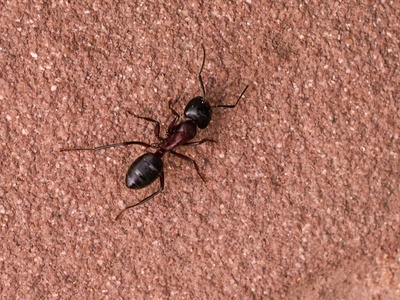
| Carpenter Ant | *Camponotus pennsylvanicus* | 6-13 | Eastern North America; inside dead or damp wood, logs, and tree stumps |
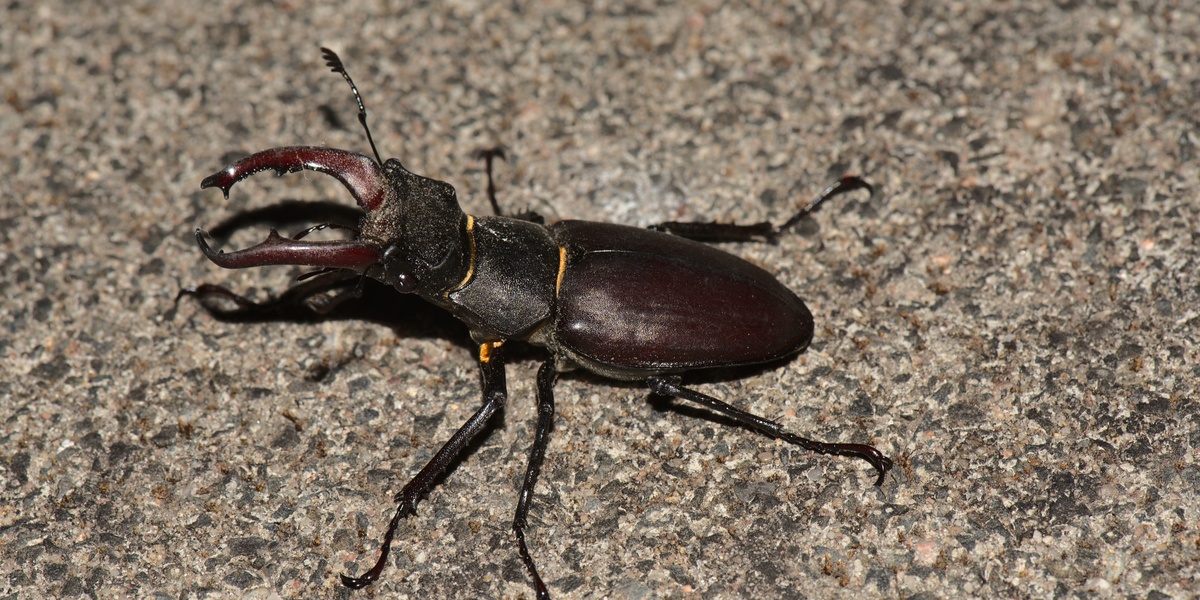
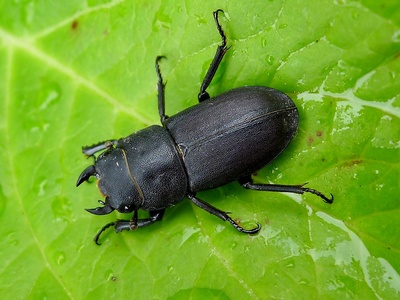
| Stag Beetle | *Lucanus cervus* | 30-75 | Europe, East Asia; decaying wood, especially in oak forests |
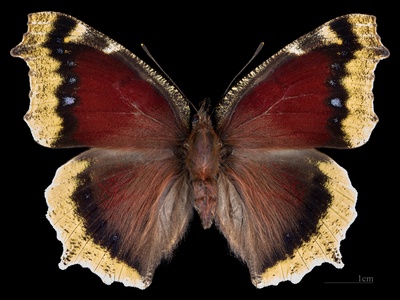
| Mourning Cloak | *Nymphalis antiopa* | 70-90 | North America, Eurasia; deciduous forests, woodlands, and parks |
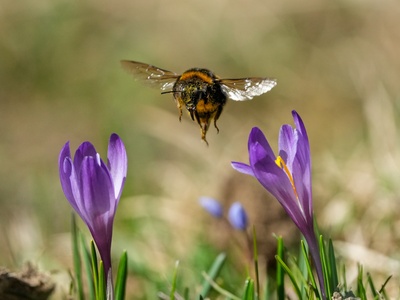
| Bumblebee | *Bombus spp.* | 10-25 | Widespread temperate regions; forest edges, meadows, and gardens with flowers |
| Periodical Cicada | *Magicicada spp.* | 25-40 | Eastern North America; deciduous forests, on trees and shrubs |
| Firefly | Family Lampyridae | 5-25 | Widespread temperate regions; moist woods, fields, and near water |
| Tiger Swallowtail | *Papilio glaucus* | 90-140 | Eastern North America; deciduous woodlands, forest edges, and parks |
| Ichneumon Wasp | Family Ichneumonidae | 3-40 | Widespread in forests; near logs, on foliage |
| Walking Stick | Order Phasmida | 30-100 | Widespread temperate regions; in trees and shrubs, perfectly camouflaged |
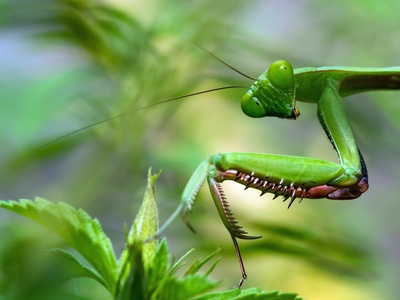
| Praying Mantis | *Mantis religiosa* | 50-80 | North America, Europe; forest edges, meadows, on tall plants |
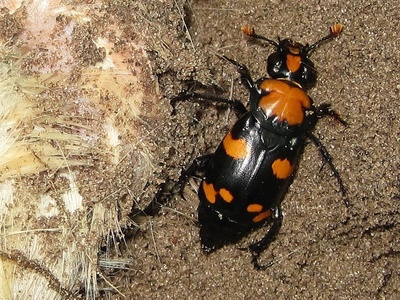
| Burying Beetle | *Nicrophorus spp.* | 15-35 | Widespread temperate regions; forest floor, near animal carcasses |
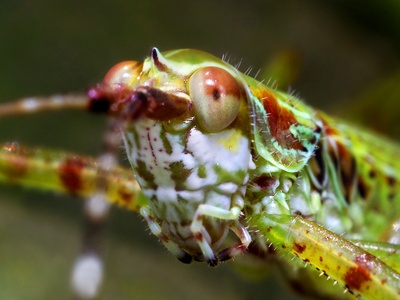
| Katydid | Family Tettigoniidae | 40-60 | Widespread temperate regions; in treetops, shrubs, and dense foliage |
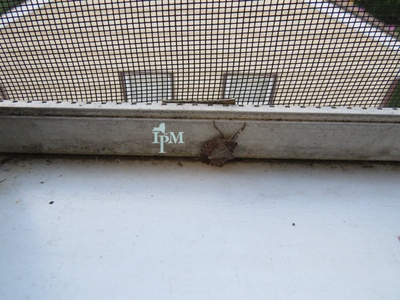
| Stink Bug | *Halyomorpha halys* | 14-17 | North America, Europe (invasive); forest edges, fields, and homes |
| Crane Fly | Family Tipulidae | 10-60 | Widespread temperate regions; damp forests, near streams and ponds |
| Emerald Ash Borer | *Agrilus planipennis* | 8-14 | North America (invasive), East Asia; exclusively on ash trees |
| Spongy Moth | *Lymantria dispar* | 40-60 | North America, Europe; deciduous forests, especially oak |
| Yellowjacket | *Vespula spp.* | 12-20 | Widespread temperate regions; forests, parks, nesting in ground or cavities |
| Boxelder Bug | *Boisea trivittata* | 11-14 | North America; near boxelder and maple trees |
| Asian Long-horned Beetle | *Anoplophora glabripennis* | 20-35 | North America, Europe (invasive); hardwood forests, especially maple trees |
| Field Cricket | *Gryllus spp.* | 15-25 | Widespread temperate regions; forest floor, under logs and rocks |
| Ebony Jewelwing | *Calopteryx maculata* | 35-50 | Eastern North America; slow-moving, shaded forest streams |
| Red Admiral | *Vanessa atalanta* | 45-50 | Widespread temperate regions; forest clearings and edges, gardens |
| Pine Sawyer Beetle | *Monochamus spp.* | 20-30 | Widespread temperate regions; coniferous forests, on dead or dying pines |
| Hoverfly | Family Syrphidae | 5-15 | Widespread temperate regions; forest edges, clearings, near flowers |
| Click Beetle | Family Elateridae | 10-25 | Widespread temperate regions; on foliage, under bark, in leaf litter |
| Fall Webworm | *Hyphantria cunea* | 30 | North America; deciduous forests, on various host trees |
| Termite | Order Isoptera | 4-6 | Widespread temperate regions; in rotting wood, logs, and soil |
| Paper Wasp | *Polistes spp.* | 15-25 | Widespread temperate regions; build nests under eaves, in trees |
| Woolly Bear Caterpillar | *Pyrrharctia isabella* | 50 | North America; forest floor, fields, crossing paths in fall |
| Cecropia Moth | *Hyalophora cecropia* | 130-180 | Eastern North America; deciduous forests and woodlands |
| Mayfly | Order Ephemeroptera | 5-30 | Widespread temperate regions; adults rest on vegetation near streams |
| Stonefly | Order Plecoptera | 10-35 | Widespread temperate regions; on rocks and vegetation near clean streams |
| Horse Fly | Family Tabanidae | 10-25 | Widespread temperate regions; sunny areas in forests, near water |
| Mosquito | Family Culicidae | 3-10 | Widespread temperate regions; damp, shady forests, near standing water |
| Giant Water Bug | Family Belostomatidae | 20-65 | Widespread temperate regions; ponds and slow streams at forest edges |
| Ambush Bug | Subfamily Phymatinae | 8-12 | Widespread temperate regions; on flowers in forest clearings |
| Japanese Beetle | *Popillia japonica* | 10-12 | North America, Europe (invasive); forest edges, gardens, on foliage |
| European Hornet | *Vespa crabro* | 25-35 | Europe, North America; forests, nesting in hollow trees |
| Bald-faced Hornet | *Dolichovespula maculata* | 15-20 | North America; forests, fields, building large paper nests in trees |
| Viceroy | *Limenitis archippus* | 65-80 | North America; moist areas like forest edges near willows |
| Cabbage White | *Pieris rapae* | 30-45 | Widespread temperate regions; forest edges, open areas, gardens |
| Tent Caterpillar | *Malacosoma spp.* | 40-50 | North America; deciduous forests, on cherry and apple trees |
| Earwig | Order Dermaptera | 5-25 | Widespread temperate regions; dark, moist places like under bark or logs |
| Spring Azure | *Celastrina ladon* | 20-30 | North America; deciduous forests, woodlands, especially in spring |
| Green Lacewing | Family Chrysopidae | 15-20 | Widespread temperate regions; forests, fields, on various plants |
| Antlion | Family Myrmeleontidae | 40 | Widespread temperate regions; sandy, dry soil in sheltered forest spots |
| Great Spangled Fritillary | *Speyeria cybele* | 65-90 | North America; open woodlands, meadows, forest edges |
| June Beetle | *Phyllophaga spp.* | 12-25 | North America; deciduous forests and adjacent fields |
| Oil Beetle | *Meloe spp.* | 10-30 | Widespread temperate regions; forest edges, grassy paths |
| Tiger Beetle | Subfamily Cicindelinae | 10-20 | Widespread temperate regions; sunny paths and clearings in forests |
| Winter Moth | *Operophtera brumata* | 25 | Europe, North America (invasive); deciduous forests |
Images and Descriptions
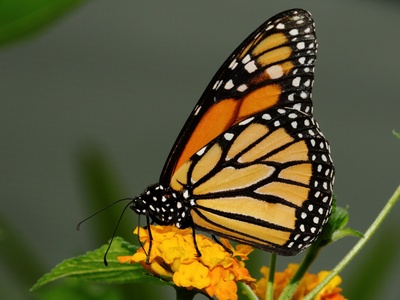
Monarch Butterfly
Famous for its incredible migration. Caterpillars feed exclusively on milkweed, making the adults toxic to predators. Its vibrant orange and black wings serve as a warning sign to would-be attackers, a strategy known as aposematism.
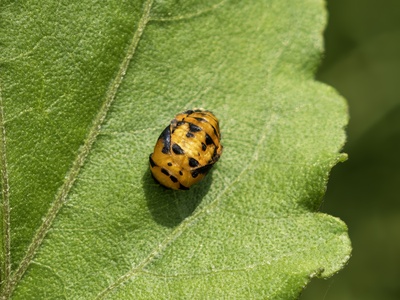
Seven-spotted Ladybug
A beloved beetle known for its bright red shell and black spots. It’s a voracious predator of aphids, making it a natural pest controller. This species was introduced to North America and is now widespread.
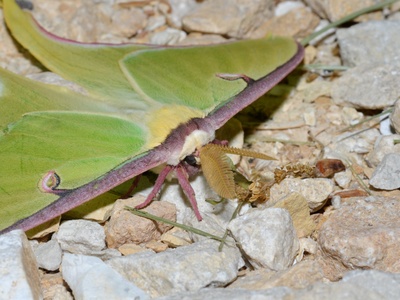
Luna Moth
An ethereal, large, pale green moth with long, curving tails on its hindwings. The adult moth lives for only about a week, as it has no mouthparts and its sole purpose is to reproduce.
Carpenter Ant
A large, black ant that excavates galleries in wood to create its nest, but doesn’t eat it. They are important decomposers in the forest. Unlike termites, their galleries are smooth and clean.
Stag Beetle
An impressive beetle where males sport huge mandibles resembling a stag’s antlers. These “antlers” are used for wrestling with other males over mates. Larvae spend years developing inside rotting wood.
Mourning Cloak
A striking butterfly with deep maroon wings bordered by a bright yellow edge. It’s one of the first butterflies seen in spring, as it overwinters as an adult, often hiding in tree cavities or log piles.
Bumblebee
A large, fuzzy, and social bee crucial for pollinating native plants. Unlike honey bees, bumblebees can “buzz pollinate” by vibrating their bodies, which is necessary for flowers like tomatoes and blueberries.
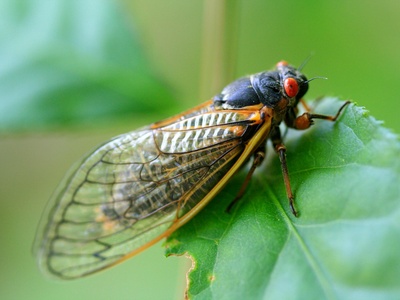
Periodical Cicada
Famous for its synchronized emergence in 13- or 17-year cycles. After years underground, they emerge en masse to mate, creating an overwhelming buzzing chorus. This is a survival strategy called predator satiation.
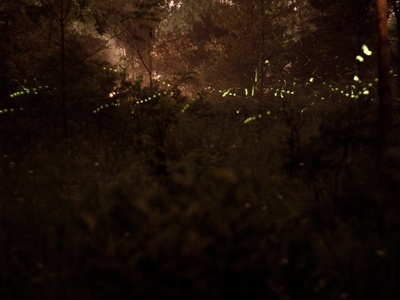
Firefly
A beetle that uses bioluminescence to create light flashes for attracting mates. Each species has a unique flash pattern. Their larvae, known as glow-worms, also glow and are predators of snails and slugs.
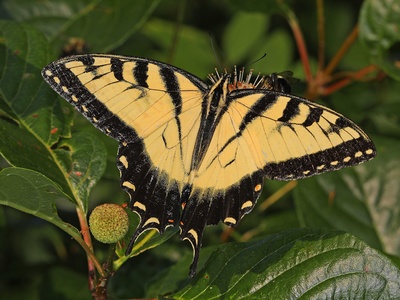
Tiger Swallowtail
A large, beautiful butterfly, typically yellow with black “tiger” stripes. Females can be a dark form that mimics the toxic Pipevine Swallowtail to avoid predators. Caterpillars look remarkably like bird droppings for camouflage.
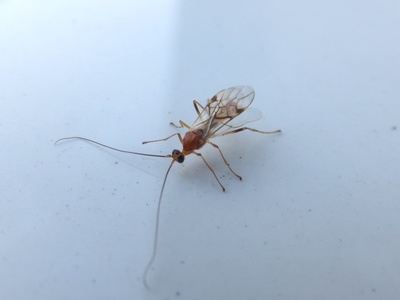
Ichneumon Wasp
A diverse family of parasitoid wasps. Females use their long ovipositor to lay eggs on or inside other insects, like caterpillars. They are crucial for naturally regulating other insect populations in the forest.

Walking Stick
The ultimate master of disguise, this insect perfectly mimics a twig. It moves slowly and sways to imitate a branch in the breeze. If threatened, it can drop to the ground and remain motionless for hours.
Praying Mantis
A formidable ambush predator with powerful raptorial forelegs. It can turn its triangular head almost 180 degrees to scan for prey. The name comes from the “praying” posture it holds while waiting for insects.
Burying Beetle
A fascinating insect that finds small dead animals and buries them. A pair will work together to inter the carcass, which they then use as a food source for their young. They are nature’s undertakers.
Katydid
A large, green, leaf-shaped insect known for the male’s loud, rasping song, often sounding like “Katy-did, Katy-didn’t.” They are primarily nocturnal and use their incredible camouflage to hide from predators during the day.
Stink Bug
A shield-shaped bug known for the pungent odor it releases when disturbed. Native to East Asia, it has become an invasive species in many regions, feeding on plant juices and seeking shelter in buildings during autumn.
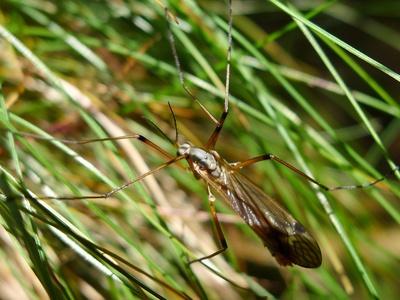
Crane Fly
Often mistaken for a giant mosquito, but it is completely harmless and does not bite. These long-legged, delicate flies are weak fliers. Many adult crane flies do not eat at all during their short lifespan.
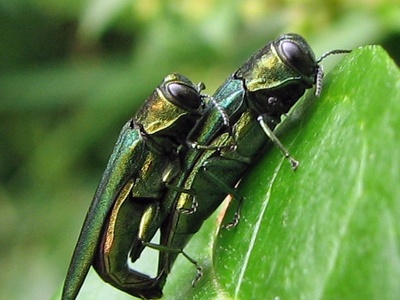
Emerald Ash Borer
A small, metallic green beetle responsible for the death of millions of ash trees in North America. The larvae tunnel under the bark, cutting off the tree’s nutrient flow, making it a highly destructive invasive pest.
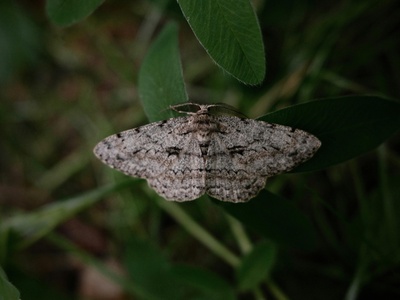
Spongy Moth
An invasive species whose voracious caterpillars can defoliate entire forests during outbreak years. The flightless females lay distinctive fuzzy, tan egg masses on tree bark. It was recently renamed from Gypsy Moth.
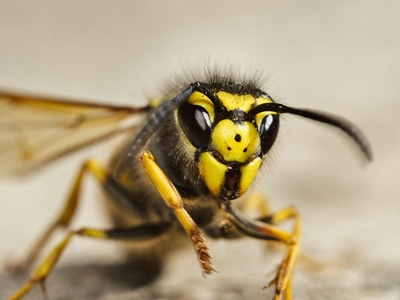
Yellowjacket
A social wasp known for its yellow and black pattern and aggressive defense of its nest. They are beneficial predators of pest insects but are also notorious scavengers at picnics, attracted to meats and sugars.
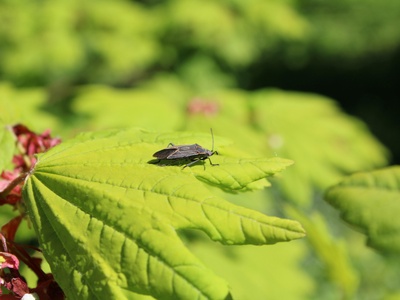
Boxelder Bug
A black bug with distinct red or orange markings that feeds on the seeds of boxelder trees. In autumn, they are famous for congregating in large numbers on sunny walls before seeking overwintering sites inside buildings.
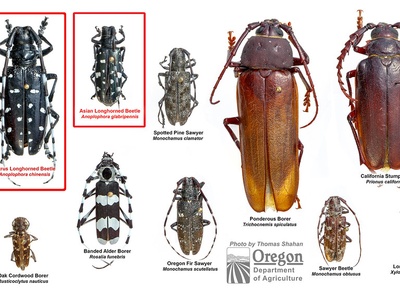
Asian Long-horned Beetle
A large, shiny black beetle with white spots and very long, banded antennae. It’s a highly destructive invasive pest from Asia. Its larvae bore deep into hardwood trees, eventually killing them from the inside out.
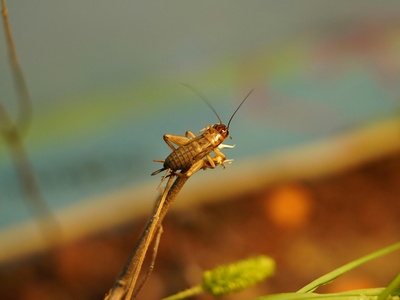
Field Cricket
Known for the male’s cheerful chirping song, produced by rubbing his wings together. They are omnivores, feeding on plants, fungi, and other insects. The chirp rate is famously linked to air temperature.
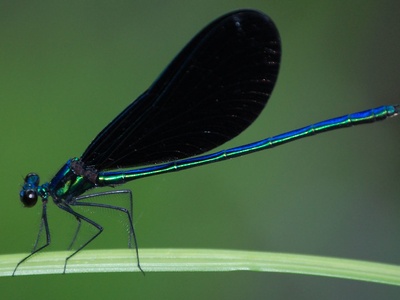
Ebony Jewelwing
A beautiful damselfly with a metallic green-blue body and solid black wings. Unlike dragonflies, they hold their wings together over their back at rest. Their fluttering flight through sun-dappled forest undergrowth is a memorable sight.
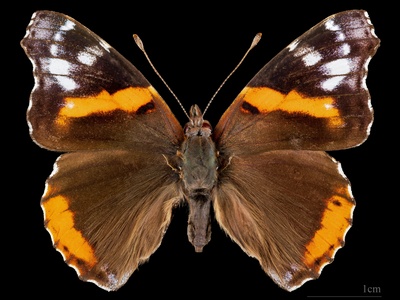
Red Admiral
A fast-flying butterfly with velvety black wings, crossed by striking red-orange bands. It is a migratory species, moving north in the spring and south in the fall. Caterpillars feed on nettles.
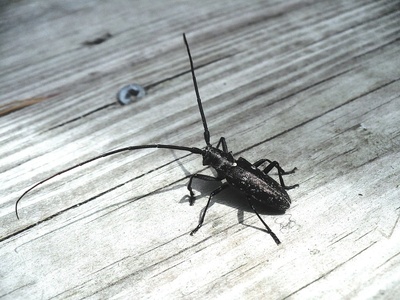
Pine Sawyer Beetle
A type of long-horned beetle with incredibly long antennae, often longer than its body. They are attracted to stressed or recently killed pine trees and play a key role in the decomposition of dead wood.
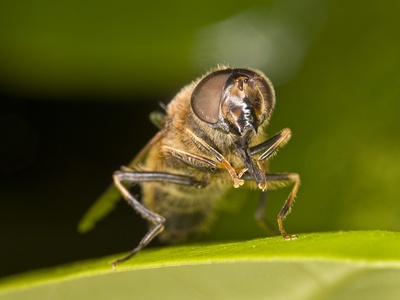
Hoverfly
A fly that expertly mimics the look of a bee or wasp, but is completely harmless and cannot sting. They are excellent pollinators and are named for their ability to hover perfectly in mid-air.
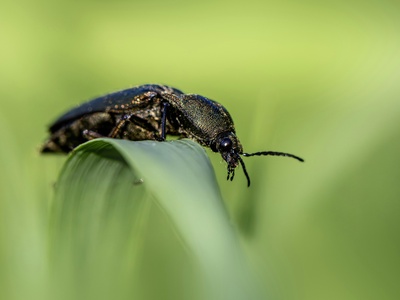
Click Beetle
Known for its unique defense mechanism. If flipped onto its back, it can snap a spine-and-groove mechanism on its thorax, launching itself into the air with an audible “click” to right itself and startle predators.
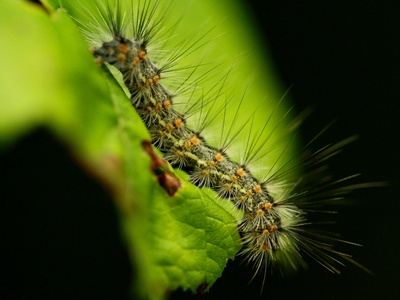
Fall Webworm
A moth whose caterpillars are famous for building large, messy silk tents over the ends of tree branches in late summer. Unlike other tent caterpillars, they feed inside their protective web. The damage is mostly cosmetic.
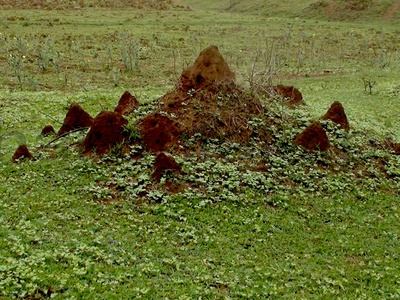
Termite
A social insect that lives in colonies and feeds on cellulose. In forests, they are essential decomposers, breaking down dead wood and returning nutrients to the soil. They are often mistaken for ants but have straight antennae.
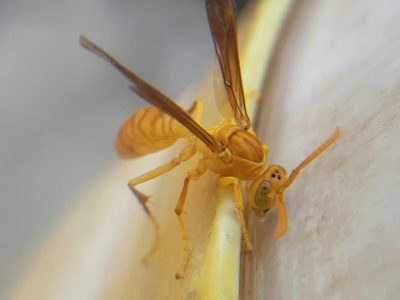
Paper Wasp
Builds distinctive open-comb paper nests that hang from a single stalk. They are less aggressive than yellowjackets but will defend their nest if threatened. They are beneficial predators, capturing caterpillars to feed their young.
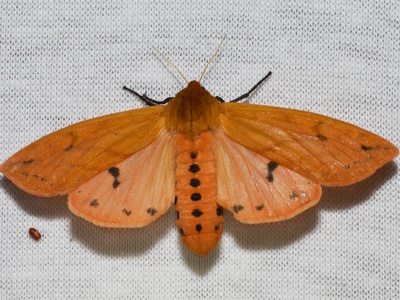
Woolly Bear Caterpillar
The fuzzy, banded caterpillar of the Isabella Tiger Moth. Folklore claims the width of its reddish-brown band predicts winter severity. They overwinter as caterpillars, freezing solid and thawing out in spring.
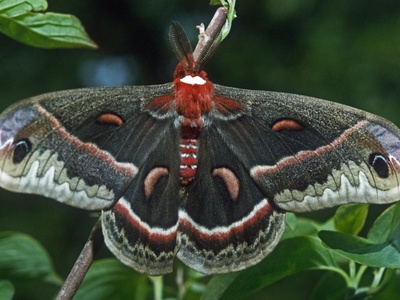
Cecropia Moth
North America’s largest native moth, a true giant with reddish-brown wings marked with white bands and large crescent spots. The adult has no functional mouthparts and lives only to reproduce during its brief, two-week lifespan.
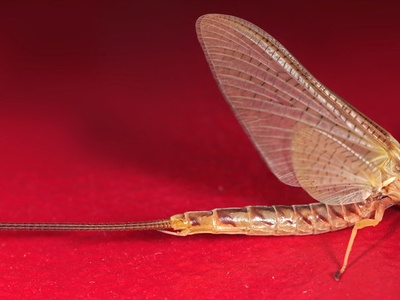
Mayfly
Famous for its incredibly short adult life, which can last from a few minutes to a day. Adults do not feed; they emerge from the water, mate, lay eggs, and die, providing a vital food source for fish and birds.
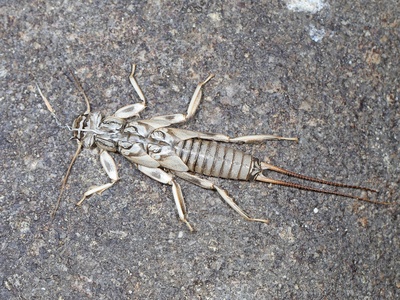
Stonefly
An indicator of good water quality, as its aquatic nymphs require clean, well-oxygenated streams. Adults are often found crawling on rocks near the water’s edge and are weak fliers with two distinctive tail filaments.
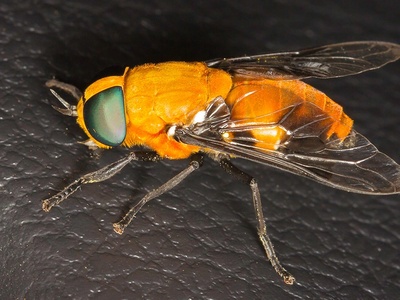
Horse Fly
A large, robust fly known for the female’s painful bite, as she requires a blood meal to produce eggs. They have large, often iridescent eyes and are incredibly fast, powerful fliers. Males are harmless nectar feeders.
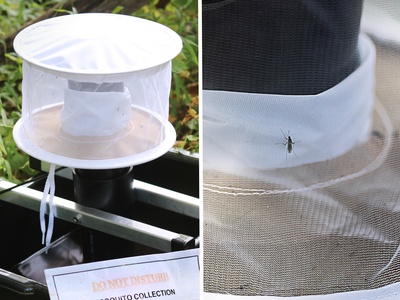
Mosquito
A notorious fly where females feed on blood to nourish their eggs, leaving itchy bites. Larvae develop in standing water, from puddles to tree holes. They are an important food source for birds, bats, and other insects.
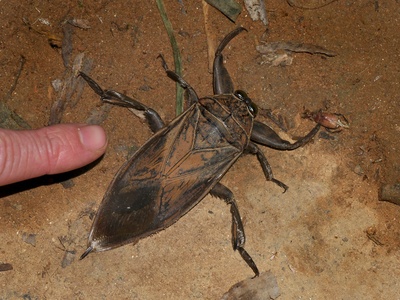
Giant Water Bug
A large, predatory aquatic bug with powerful front legs for grasping prey like tadpoles and small fish. They can fly and are attracted to lights at night, earning them the nickname “toe-biters” for their painful defensive bite.
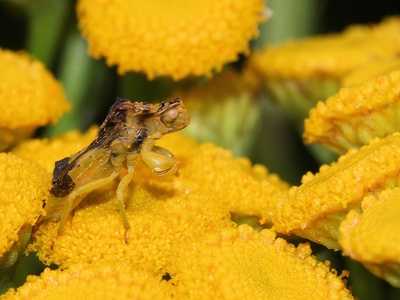
Ambush Bug
A small, cryptically colored predator that perfectly matches the flowers it hides on. It has thick, raptorial front legs for snatching visiting insects, often much larger than itself, like bees and butterflies.
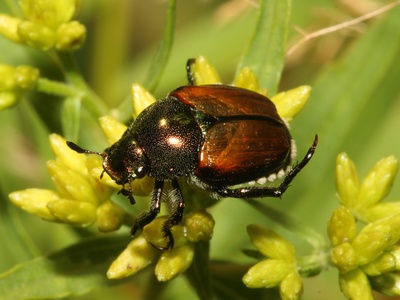
Japanese Beetle
An invasive pest from Japan known for its metallic green and copper coloring. Adults are voracious feeders, skeletonizing the leaves of over 300 plant species. They often feed in large groups, causing significant damage.
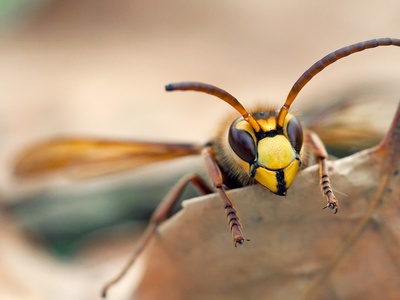
European Hornet
A very large, reddish-brown and yellow wasp. Unlike many wasps, it is active at night and can be attracted to lights. While intimidating, it is generally less aggressive than smaller yellowjackets unless its nest is threatened.
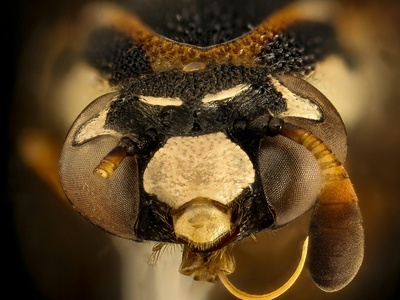
Bald-faced Hornet
Technically a type of yellowjacket, not a true hornet. It’s recognized by its black-and-white markings and the massive, gray, pear-shaped paper nests it builds. They are highly protective of their nest.
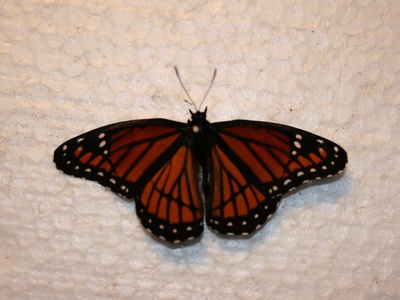
Viceroy
A stunning mimic of the toxic Monarch butterfly. It was once thought to be a harmless mimic, but scientists discovered the Viceroy is also toxic, making it a classic example of Müllerian mimicry.
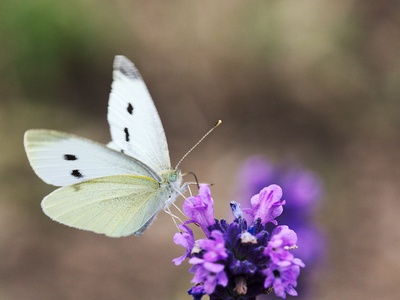
Cabbage White
One of the most common white butterflies, originally from Europe. Its caterpillars are well-known pests of cabbage and related plants. Its presence often indicates disturbed or edge habitats near forests.
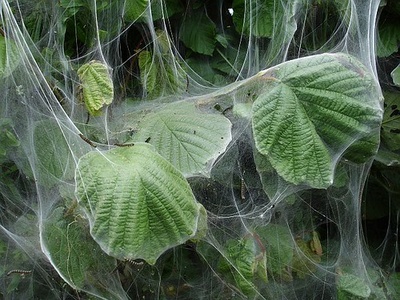
Tent Caterpillar
Social caterpillars that build communal silk tents in the forks of tree branches for shelter. They leave the tent to feed on leaves and can cause significant defoliation during outbreak years.
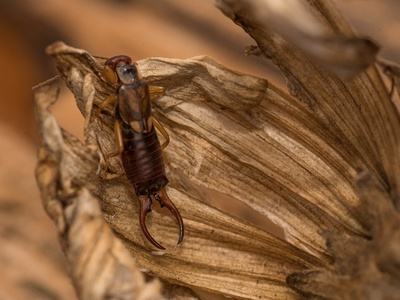
Earwig
A nocturnal insect easily identified by the prominent pincers (cerci) at the end of its abdomen. Despite the myth, they do not crawl into human ears. They are omnivores, feeding on decaying matter and other insects.
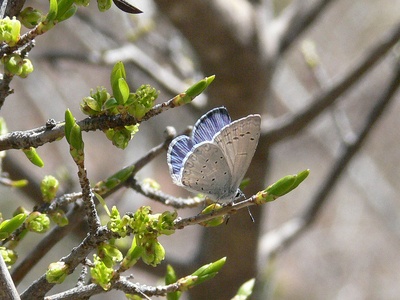
Spring Azure
A small, delicate butterfly that is one of the first signs of spring. Its wings are a pale, shimmering blue on top, often seen flitting through sunny patches in the woods. It’s a complex of several similar-looking species.
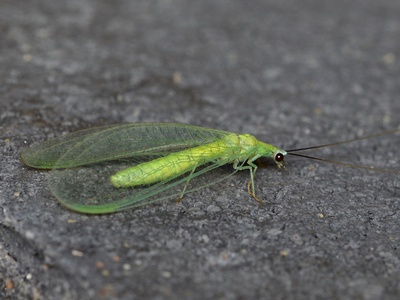
Green Lacewing
A delicate insect with slender green bodies, intricate lace-like wings, and golden eyes. Their larvae, called “aphid lions,” are incredibly voracious predators of aphids and other soft-bodied pests.
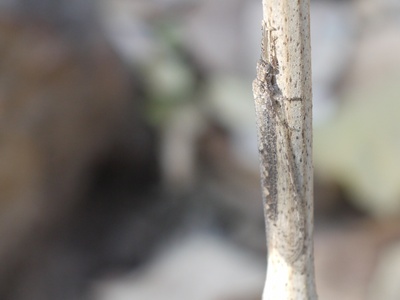
Antlion
The adult resembles a damselfly, but it’s the larva that’s famous. The larva, or “doodlebug,” digs a conical pit in sand and waits at the bottom for an ant or other insect to fall in.
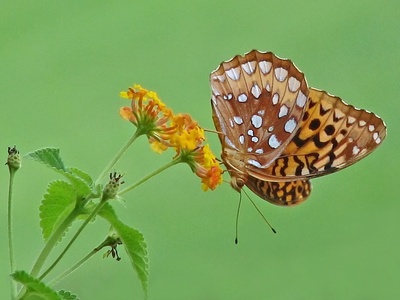
Great Spangled Fritillary
A large, powerful-flying butterfly with bright orange, black-spotted upper wings. The underside is marked with striking, large, silvery spots, which give the butterfly its name. Its caterpillars feed exclusively on violets.
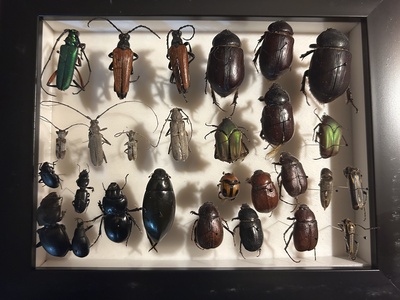
June Beetle
A stout, reddish-brown beetle commonly seen in late spring, often clumsily flying around porch lights at night. The adult beetles feed on tree leaves, while their larvae, known as white grubs, eat roots.
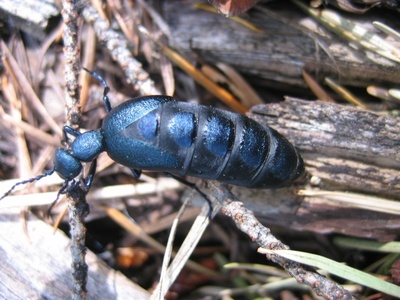
Oil Beetle
A soft-bodied, flightless beetle with short wing cases that don’t cover its swollen abdomen. When threatened, it secretes an oily, caustic substance from its joints. It has a very complex, parasitic life cycle involving bees.
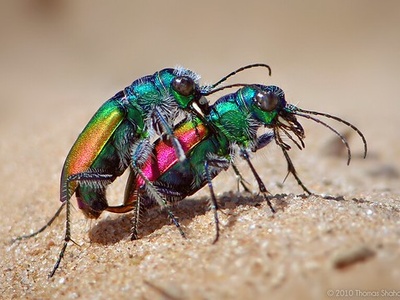
Tiger Beetle
A fearsome predator known for its incredible speed. They have large, bulging eyes and powerful, sickle-shaped jaws for catching other insects. Many species have beautiful, iridescent coloration that serves as camouflage.
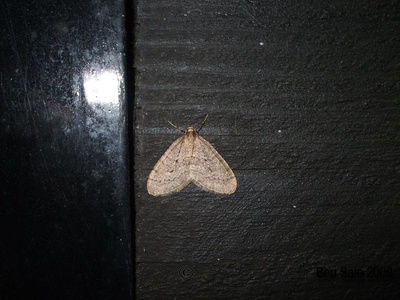
Winter Moth
Active in late autumn and early winter. The males fly at dusk, while the females are completely wingless and crawl up tree trunks to lay eggs. Their inchworm larvae can cause serious defoliation in spring.