Wooded walks, damp leaf litter and a cool understory are where many overlooked culinary ingredients grow. In temperate forests you’ll find herbs, seeds and aromatic roots that have been used for flavoring, teas and traditional remedies for generations — a small, seasonal pantry tied to local ecosystems.
There are 25 temperate forest spices, ranging from Angelica to Wood sorrel. Each entry below is organized with the fields Scientific name,Flavor profile,Seasonality (months) so you can quickly see identification, how it tastes and when to harvest — you’ll find those details below.
How can I safely identify and use these forest spices?
Start with clear photos and multiple field guides, and compare leaves, flowers and habitat rather than guessing from smell alone. Note poisonous look-alikes (learn the key differences), harvest sustainably, and start with small culinary amounts to test flavor and tolerance. When in doubt, consult a local foraging group or botanist.
When is the best time to harvest these spices for peak flavor?
Timing varies by species — many spring herbs peak early (March–May), while roots and seeds mature later (summer–autumn); see the Seasonality (months) column for specifics. Harvest young leaves for delicate flavors and mature seeds/roots when aromatics concentrate, then dry or preserve to extend use.
Temperate Forest Spices
| Name | Scientific name | Flavor profile | Seasonality (months) |
|---|---|---|---|
| Juniper | Juniperus communis | Resinous, piney, slightly citrusy | Aug-Sep |
| Spruce tips | Picea spp. | Bright, citrusy, resinous | Apr-May |
| Fir tips | Abies balsamea (and others) | Citrusy, resinous, balsamic | Apr-May |
| Pine needles | Pinus spp. | Resinous, bright, lemony | Mar-May |
| Douglas-fir tips | Pseudotsuga menziesii | Sweet, citrusy, resinous | Apr-May |
| Sweet gale (bog myrtle) | Myrica gale | Bitter, resinous, bay-like | May-Jun |
| Wintergreen | Gaultheria procumbens | Minty, sweet, wintergreen | Jun-Sep |
| Sassafras (filé) | Sassafras albidum | Warm, slightly root-beer-like | Aug-Oct |
| Ramps (wild leek) | Allium tricoccum | Strong garlic-onion | Apr-May |
| Garlic mustard | Alliaria petiolata | Mustardy, garlicky, sharp | Apr-Jun |
| Wild ginger | Asarum canadense | Warm, spicy, slightly sweet | Mar-May |
| Sumac (staghorn) | Rhus typhina | Tangy, lemony, tangy sour | Aug-Sep |
| Birch sap/syrup | Betula spp. | Clean, sweet, slightly wintergreen | Mar-Apr |
| Maple sap/syrup | Acer saccharum (and spp.) | Sweet, caramel, woody | Feb-Apr |
| Elderflower / Elderberry | Sambucus nigra / S.canadensis | Floral, honeyed (flowers); tart (berries) | May-Jun (flowers); Aug-Sep (berries) |
| Rose hips | Rosa spp. | Tart, fruity, floral | Aug-Oct |
| Rowan (mountain ash) | Sorbus aucuparia | Tart, apple-like, astringent | Aug-Oct |
| Porcini (king bolete) | Boletus edulis | Deep, meaty, umami | Jul-Oct |
| Chanterelle | Cantharellus cibarius and spp. | Fruity, apricot-like, peppery | Jun-Sep |
| Morel | Morchella spp. | Earthy, nutty, meaty | Apr-Jun |
| Truffle | Tuber spp. | Pungent, musky, garlicky | Fall-Winter (varies by species) |
| Chaga | Inonotus obliquus | Bitter, earthy, woody | Year-round (harvest sclerotium) but best Aug-Oct |
| Sweet cicely | Myrrhis odorata | Anise-like, sweet, herbaceous | May-Aug |
| Angelica | Angelica archangelica | Warm, aromatic, citrusy | Jun-Aug |
| Wood sorrel | Oxalis acetosella | Sharp, lemony, sour | Apr-Sep |
Images and Descriptions
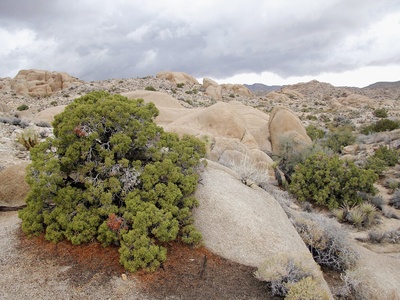
Juniper
Wild juniper berries grow on shrubby conifers in temperate woods; used whole or ground for game, sauerkraut, and gin-like flavor. Harvest ripe blue berries sparingly, avoid lookalikes, and dry or freeze for long storage.
Spruce tips
Young spruce tips appear in spring on forest canopies and edges; used fresh for syrups, beers, marinades, and pickles. Forage only tender new tips, leave some for trees, and avoid polluted roadside trees.
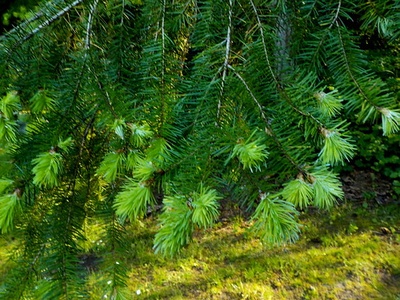
Fir tips
Balsam fir and other fir tips are fragrant in spring and used in syrups, compound butters, and confections. Harvest small amounts from healthy trees, avoid treated trees, and blanch or candy to preserve flavor.
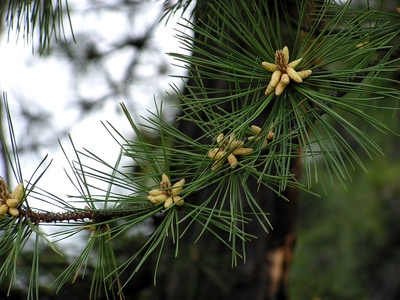
Pine needles
Young pine needles from many temperate pines make teas, infuse syrups, or flavor salts. Identify species carefully (some are too resinous), pick new growth, and limit intake due to resin content.

Douglas-fir tips
Douglas-fir spring tips are aromatic and used in syrups, cocktails, and smoked dishes. Forage sustainably from wild trees away from roads; flavor is strongest in soft new growth.
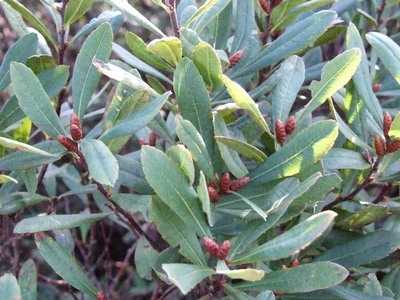
Sweet gale (bog myrtle)
Sweet gale grows in moist woodland and bog edges; leaves and berries historically flavored beer and game. Distinct aroma; use sparingly and avoid areas with pesticide drift.
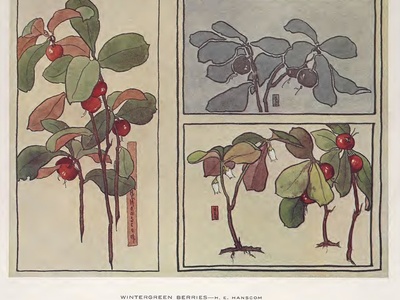
Wintergreen
Low-growing wintergreen leaves and berries in northern woods provide wintergreen flavor for teas, candies, and syrups. Collect leaves sparingly; they contain methyl salicylate so use small amounts and avoid overconsumption.
Sassafras (filé)
Sassafras leaves dried into filé powder thicken and flavor gumbo and stews. Leaves are milder than root bark; harvest leaves sustainably and avoid excessive use of root bark due to safrole concerns.
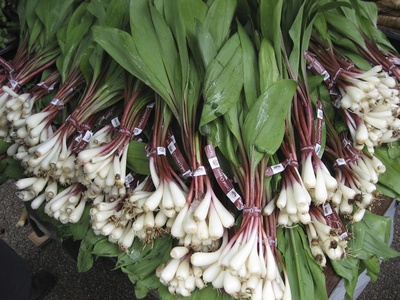
Ramps (wild leek)
Ramps are spring woodland bulbs with pungent leaves and bulbs used like garlic or onion in sauces, pesto, or pickles. Harvest responsibly—take a few leaves per colony or buy sustainably to avoid depleting wild patches.
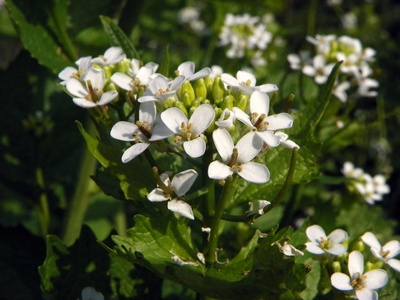
Garlic mustard
Invasive garlic mustard grows in shaded woods; young leaves and flowers season salads, pestos, and sauces. Because it’s invasive, harvest freely but confirm ID to avoid lookalikes; cook to mellow sharpness.
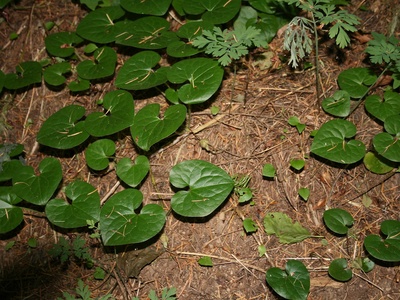
Wild ginger
Wild ginger root has a warm, aromatic flavor used sparingly in candies and sauces. It grows in shady deciduous woods; harvest very cautiously, in small amounts, because some related species have irritants and populations are slow to recover.
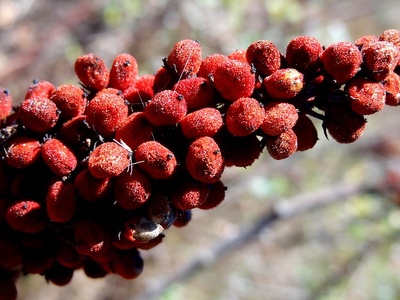
Sumac (staghorn)
Staghorn sumac drupes form red clusters in open woods and forest edges; ground into a tart spice for dressings and rubs. Avoid poison sumac; cook or dry berries and test a small amount if new to you.
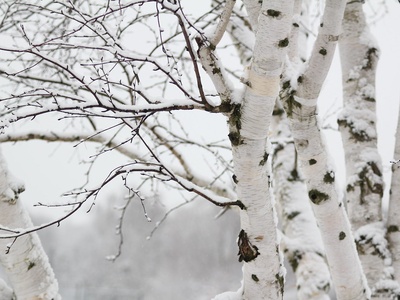
Birch sap/syrup
Birch sap tapped from temperate birch trees yields a subtle syrup used like maple for glazing and baking. Tap in early spring, leave plenty for the tree, and concentrate sap slowly for best flavor.
Maple sap/syrup
Sugar maple sap is collected from forest trees in late winter/early spring and boiled into syrup or reduced for glazes. Tap responsibly with proper equipment and local permissions; wild-sourced syrup has forest depth.
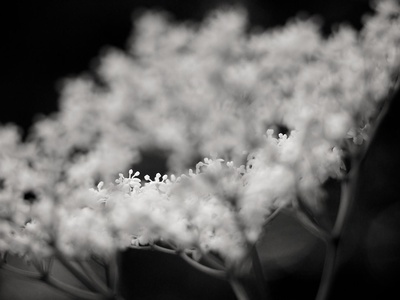
Elderflower / Elderberry
Elderflowers and cooked elderberries occur in woodland edges; flowers make cordials and syrups, berries into jams and sauces. Only use ripe berries cooked and avoid raw stems or unripe fruit.
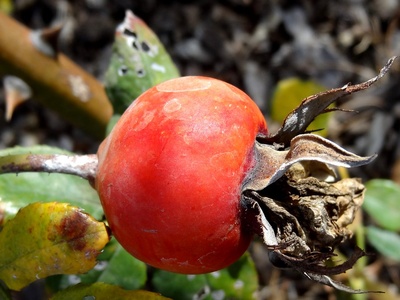
Rose hips
Rose hips from wild roses in forest clearings provide vitamin-rich, tangy flavor for syrups, teas, and jellies. Harvest after frost if possible, remove seeds/hairs, and dry or cook to preserve.
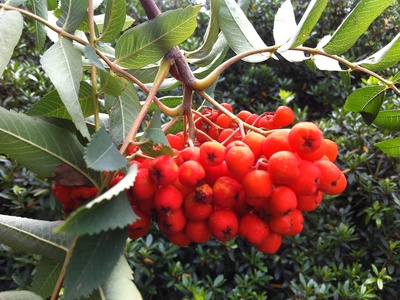
Rowan (mountain ash)
Rowan berries grow in temperate woodlands and are used cooked in jellies, sauces, and spirits. Raw berries are bitter; cook or freeze to soften tannins and always confirm species.
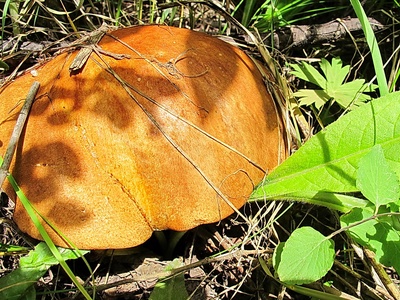
Porcini (king bolete)
Porcini are prized understory mushrooms in temperate forests; dried and powdered they act as an umami seasoning. Learn solid ID rules, harvest mature specimens, and dry quickly to preserve flavor.
Chanterelle
Chanterelles grow on forest floors and add bright, fruity, savory notes to dishes. They can be sautéed, dried, or powdered. ID carefully to avoid toxic lookalikes and keep specimens dry when storing.
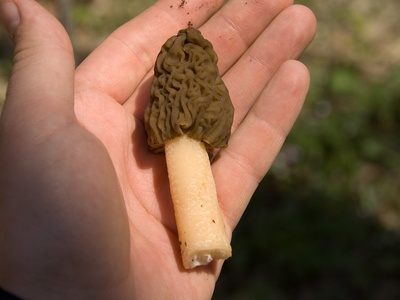
Morel
Morels appear in spring in deciduous woods and are intensely flavorful when dry or cooked into broths and sauces. Always cook thoroughly; avoid false morels and collect from unpolluted sites.
Truffle
Truffles are subterranean fungi found near temperate forest trees; shaved sparingly they perfume dishes. Forage with trained dogs or pigs in permitted areas and buy from trusted suppliers to ensure legality and sustainability.
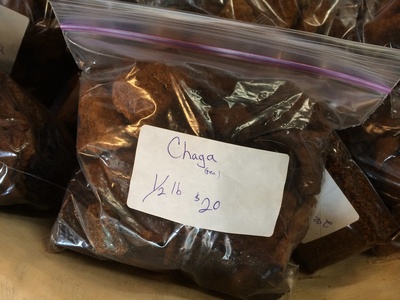
Chaga
Chaga grows on birch in cool forests; powdered and brewed as a tea or added for smoky bitterness. Harvest from dead or mature trees, avoid contaminated sites, and dry promptly.
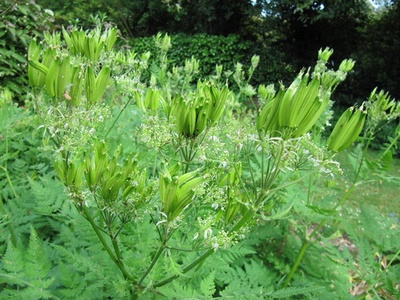
Sweet cicely
Sweet cicely grows in shady hedgerows and woodlands; leaves, seeds, and roots sweeten jams, stews, and desserts. Identify accurately (avoid toxic lookalikes) and use leaves fresh or seeds as spice in small amounts.
Angelica
Angelica prefers damp woodland edges in temperate regions; stems, seeds, and roots flavor liqueurs, candies, and stews. Use cautiously—roots and seeds are potent; harvest mature plants and dry seeds for storage.

Wood sorrel
Wood sorrel carpets shaded forest floors; its sour leaves brighten salads, soups, and sauces. Use small amounts to avoid high oxalate intake, and avoid confusing with similar-looking toxic plants.