Russia’s forests and river valleys host a surprising variety of temperate and boreal trees, from coastal stands to mountain woodlands. Knowing which species grow where helps with identification, conservation, and planning trips across Russia’s vast landscapes.
There are 50 Trees of Russia, ranging from Amur lime to Wild cherry. For each entry you’ll find below the Scientific name, Typical height (m), and Native range (Russian regions) to make comparisons and field checks straightforward — you’ll find below.
How should I read the Scientific name, Typical height (m), and Native range columns?
The Scientific name gives the universal Latin name for clear identification, Typical height (m) provides an average mature height to help recognise size in the field, and Native range lists the Russian regions where the species is naturally found so you can match observations to likely locations.
Are these species native to all parts of Russia or limited to certain regions?
Most species on the list are region-specific—some are widespread across European Russia and Siberia, while others like the Amur lime are concentrated in the Far East; check the Native range column to see which regions each tree occupies.
Trees of Russia
| Common name | Scientific name | Typical height (m) | Native range (Russian regions) |
|---|---|---|---|
| Scots pine | Pinus sylvestris | 25 | European Russia, Urals, W and central Siberia |
| Siberian pine | Pinus sibirica | 30 | Altai, S Siberia, Baikal region, Far East |
| Norway spruce | Picea abies | 35 | European Russia, NW, Caucasus |
| Siberian spruce | Picea obovata | 30 | W and central Siberia, Urals |
| Siberian larch | Larix sibirica | 25 | W and central Siberia, Urals |
| Dahurian larch | Larix gmelinii | 20 | Eastern Siberia, Yakutia, Far East |
| Siberian fir | Abies sibirica | 30 | Western and central Siberia, Urals |
| Manchurian fir | Abies nephrolepis | 25 | Primorsky Krai, Amur region |
| Sakhalin spruce | Picea glehnii | 20 | Sakhalin, Kurils, Primorye |
| Korean pine | Pinus koraiensis | 35 | Primorsky Krai, Khabarovsk, Amur |
| Siberian juniper | Juniperus sibirica | 8 | Altai, S Siberia, mountains |
| Japanese yew | Taxus cuspidata | 12 | Primorye, Sikhote-Alin |
| Silver birch | Betula pendula | 20 | European Russia, Urals, W Siberia |
| Downy birch | Betula pubescens | 15 | Northern and central Russia, taiga |
| Asian white birch | Betula platyphylla | 20 | Siberia, Far East, Baikal |
| Erman’s birch | Betula ermanii | 12 | Sakhalin, Kurils, Priamurye |
| European aspen | Populus tremula | 20 | European Russia, W Siberia, Urals |
| Balsam poplar | Populus balsamifera | 25 | W and central Siberia, river valleys |
| White poplar | Populus alba | 25 | Southern and central Russia, river plains |
| Black poplar | Populus nigra | 30 | Southern European Russia, Volga region, Caucasus |
| European oak | Quercus robur | 30 | European Russia, Central Black Earth, Caucasus fringes |
| Sessile oak | Quercus petraea | 25 | Southern and western Russia, Caucasus |
| Mongolian oak | Quercus mongolica | 20 | Primorsky Krai, Amur, Kurils |
| Oriental beech | Fagus orientalis | 30 | Caucasus, Black Sea region |
| European hornbeam | Carpinus betulus | 20 | European Russia, forest-steppe, Caucasus |
| Caucasian hornbeam | Carpinus caucasica | 18 | Caucasus mountains and foothills |
| Small-leaved lime | Tilia cordata | 25 | European Russia, western forests |
| Amur lime | Tilia amurensis | 20 | Primorsky Krai, Amur region |
| Norway maple | Acer platanoides | 20 | European Russia, forest-steppe |
| Amur maple | Acer ginnala | 8 | Primorsky Krai, Amur, southern Siberia |
| Tatarian maple | Acer tataricum | 12 | Southern and central Russia, steppes, Caucasus |
| Box elder | Acer negundo | 20 | Widespread naturalized in European Russia |
| Common ash | Fraxinus excelsior | 30 | European Russia, forest-steppe |
| Manchurian ash | Fraxinus mandshurica | 20 | Primorsky Krai, Amur region |
| Black alder | Alnus glutinosa | 20 | European Russia, riverbanks, wetlands |
| Grey alder | Alnus incana | 15 | Northern and central Russia, taiga rivers |
| Manchurian alder | Alnus hirsuta | 18 | Amur, Primorsky Krai, Far East |
| Black cherry | Prunus serotina | 20 | Naturalized in parts of European Russia |
| Wild cherry | Prunus avium | 20 | European Russia, mixed forests |
| Bird cherry | Prunus padus | 15 | Widespread across Russia, mixed forests |
| Walnut | Juglans regia | 25 | Caucasus, southern Russia, river valleys |
| Manchurian walnut | Juglans mandshurica | 20 | Amur region, Primorsky Krai |
| Turkish hazel | Corylus colurna | 15 | Caucasus, southern Russia |
| Siberian crabapple | Malus baccata | 6 | Siberia, Far East, Yakutia |
| Ussuri pear | Pyrus ussuriensis | 8 | Primorsky Krai, Amur region |
| Oriental plane | Platanus orientalis | 25 | Caucasus, Black Sea coast, Crimea |
| White willow | Salix alba | 20 | Riverbanks across Russia, floodplains |
| Crack willow | Salix fragilis | 15 | Southern and central river valleys |
| Goat willow | Salix caprea | 10 | Widespread in forests and edges |
| Russian olive | Elaeagnus angustifolia | 8 | Southern steppes, Volga, Lower Don |
Images and Descriptions
Scots pine
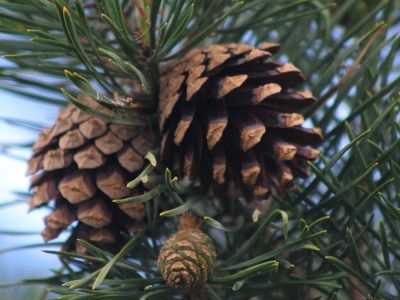
A tall evergreen conifer with orange-brown flaky bark and paired needles. Common on sandy soils and in mixed and boreal forests; dominates vast tracts in European Russia and western Siberia. Notable for durable timber and wide climatic tolerance.

Siberian pine
A large five-needle pine with stout cones and thick nuts (pine-kernels). Forms mixed montane forests in Altai and Baikal regions; important for oil-rich edible seeds and cold-hardiness. Bark fissured and crown broad.
Norway spruce
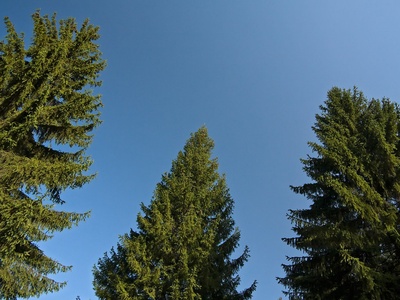
A tall evergreen with pendulous branchlets and long cones. Prefers moist, cool mixed and montane forests in European Russia and the Caucasus. Valued for timber, Christmas trees and as a distinctive dark-needled canopy species.
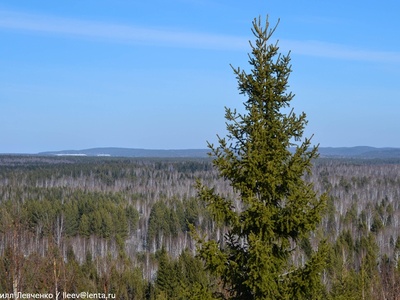
Siberian spruce
Medium to tall spruce with short stiff needles and slender cones. Dominant across Siberian taiga on cold continental sites; hybridizes with Norway spruce in western fringes. Notable for extreme cold tolerance and resinous wood.
Siberian larch
A deciduous conifer with soft short needles that turn golden then fall each autumn. Forms extensive pure stands on continental soils, tolerates permafrost edges. Wood is rot-resistant and used widely for construction and railway sleepers.
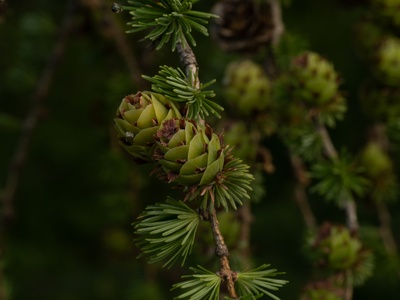
Dahurian larch
A hardy deciduous conifer of the coldest taiga with short dense needles and shallow roots on permafrost. Dominant in eastern Siberia and Yakutia; notable for surviving extreme continental climates and forming low stunted forests in tundra fringes.
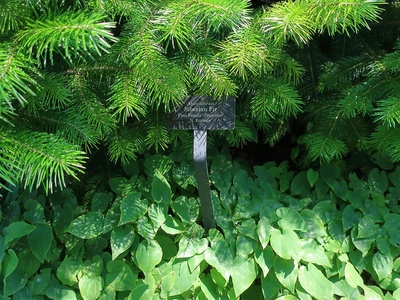
Siberian fir
An upright true fir with flattened needles and smooth bark; thrives in cool humid taiga and mountain forests. Often forms dense stands; needles have white undersides and timber is fragrant and light.
Manchurian fir
A medium fir native to the Russian Far East with dark needles and compact conical crown. Grows in mixed mountain and coastal forests of Primorsky Krai and Amur; important for local timber and habitat, tolerant of humid maritime climates.
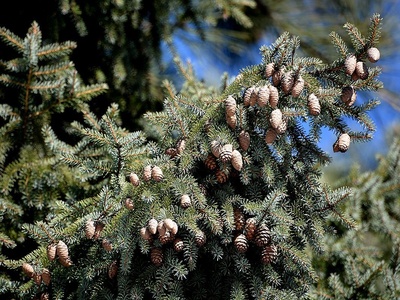
Sakhalin spruce
A small to medium spruce with short glossy needles and slender cones. Occurs on Sakhalin, Kuril Islands and coastal Far East; adapted to oceanic climates and often forms mixed stands with fir and birch.
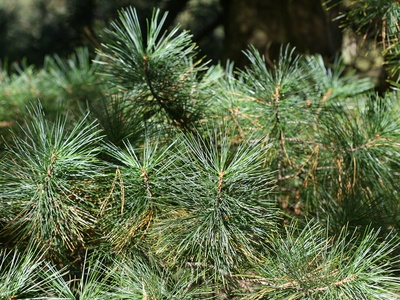
Korean pine
A large five-needle pine with heavy cones and edible seeds. Dominant in mixed broadleaf-conifer forests of the Far East; valued for timber and nutritious pine nuts and important in old-growth stands.
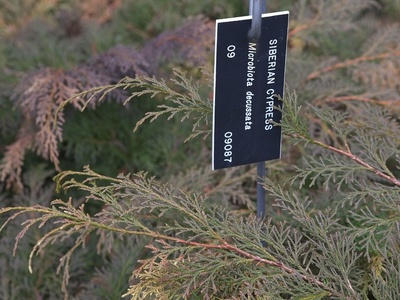
Siberian juniper
An evergreen conifer that can form small trees to eight metres with columnar habit and scale-like leaves. Grows on rocky slopes and mountain steppe edges; aromatic wood used for fuel and traditional crafts.
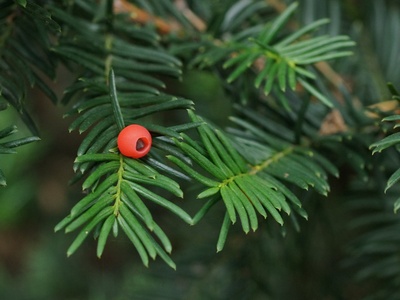
Japanese yew
A slow-growing evergreen with dark glossy needles and red arils. Prefers shaded, moist understory in Far East forests; nearly all tissues are toxic but wood and compounds have been used medicinally and economically.
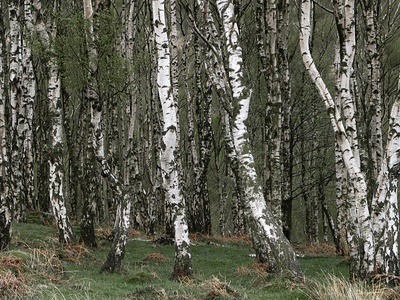
Silver birch
A graceful white-barked birch with triangular leaves and dangling catkins. Common in mixed and secondary forests across European Russia and western Siberia; pioneer species that colonizes open ground after disturbance.
Downy birch
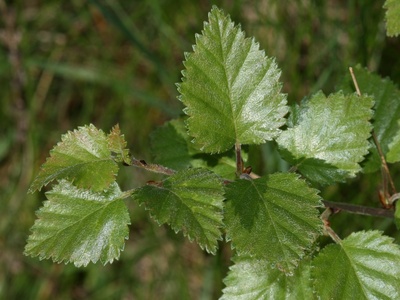
A pale-barked birch with rounder leaves and hairy twigs, favoring moist soils and peatlands. Widespread across the taiga zone; important for early forest succession and supports a rich insect fauna.
Asian white birch
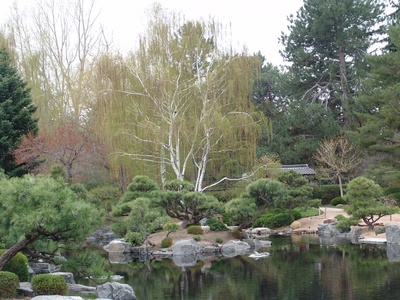
A tall white-barked birch with broad leaves found in eastern Siberia and the Far East. Grows in mixed forests and river valleys; timber used locally and bark traditionally harvested for crafts.
Erman’s birch
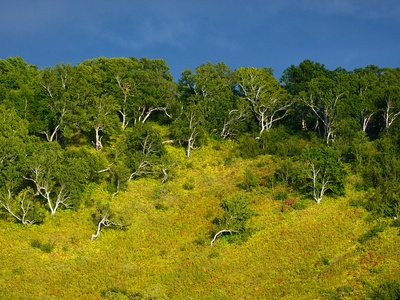
A small birch with peeling bark and rounded crown in coastal mountain forests. Tolerant of acid soils and wind; common in Sakhalin and Kurils and often forms dense subalpine thickets.
European aspen
A medium deciduous tree with fluttering rounded leaves and smooth grey bark. Widespread in mixed forests and disturbed ground; notable for vegetative suckering that forms large clonal stands and rapid colonization.
Balsam poplar
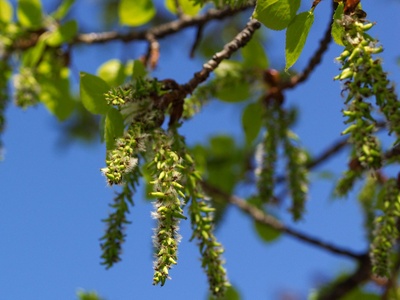
A tall poplar with resinous buds and fragrant leaves on warm riverbanks and floodplains. Forms riparian forests across western Siberia; buds produce aromatic balm historically used in folk remedies.
White poplar
A fast-growing poplar with white-downy leaf undersides and deeply lobed upper leaves. Common along rivers and steppes; tolerant of drought and used widely for windbreaks and erosion control.
Black poplar
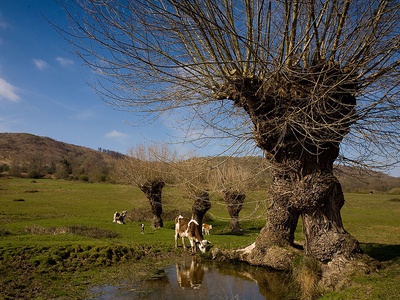
A large riparian tree with rough dark bark and triangular leaves. Grows along rivers in southern Russia; valued historically for timber and one ancestor of many cultivated poplars.
European oak
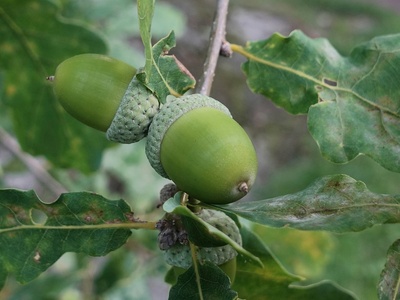
A broad-crowned deciduous tree with lobed leaves and long-acorn stalks. Forms mature broadleaf forests in western Russia and southern steppes; renowned for long-lived, hard timber and cultural importance.
Sessile oak
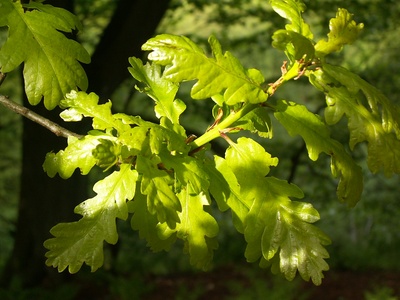
Similar to pedunculate oak but with stalkless acorns, preferring drier upland sites and mixed forests. Occurs in southern and western Russia and the Caucasus; valued for quality timber and wildlife mast.
Mongolian oak
A hardy oak of the Russian Far East with leathery leaves and thick bark. Grows in mixed monsoon forests and mountain slopes; important for local biodiversity and timber in the Amur basin.
Oriental beech
A large shade-tolerant deciduous tree with smooth grey bark and drooping leaf veins. Forms dense, humid montane forests in the Caucasus and Black Sea coast; notable for rich, stable stands and high-quality timber.
European hornbeam
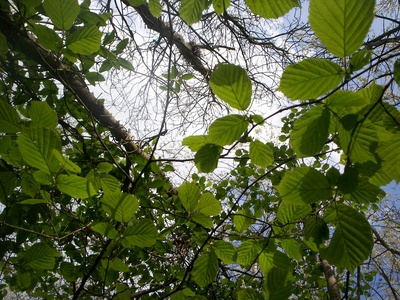
A small to medium deciduous tree with fluted bark and serrated leaves. Common in mixed forests and hedgerows in western Russia; wood is hard and valued for tool handles and charcoal.
Caucasian hornbeam
A compact deciduous tree of mountain forests with dense crown and tough wood. Frequent in Caucasian mixed woodlands and submontane slopes; important for local forest structure and erosion control.
Small-leaved lime
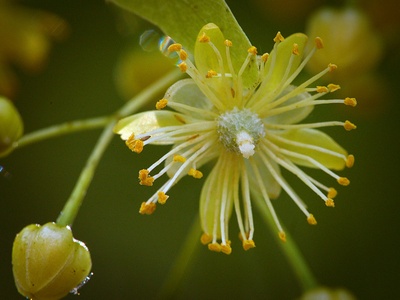
A broad-crowned deciduous tree with heart-shaped leaves and fragrant summer flowers. Common in mixed and deciduous forests of European Russia; flowers attract pollinators and wood is soft and workable.
Amur lime
A hardy lime species of the Russian Far East with small heart-shaped leaves and compact crown. Grows in mixed riparian and mountain forests; tolerant of cold and used in shelterbelts locally.
Norway maple
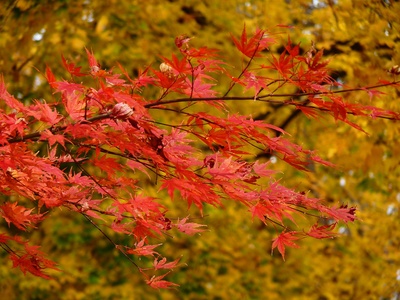
A medium deciduous tree with palmately lobed leaves and opposite branching. Widespread in western Russia’s mixed forests and urban plantings; tolerant of shade and soil variation, with milky sap in leaf stalks.
Amur maple
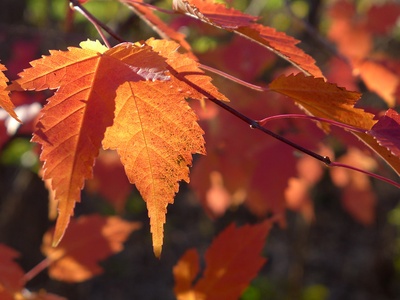
A small multi-stemmed tree with glossy leaves often turning bright red in autumn. Native to the Far East and typical of river valleys and secondary forests; fruits feed birds and aid winter survival.
Tatarian maple
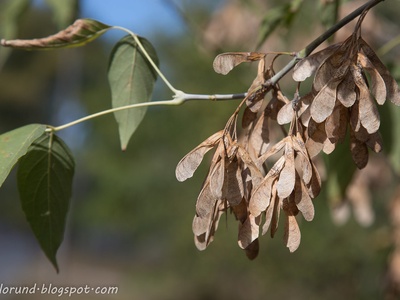
A small to medium tree of open woodlands and steppes with simple lobed leaves and red samaras. Drought-tolerant and common in southern forest-steppe; valued for wildlife food and shelterbelts.
Box elder
A fast-growing North American maple naturalized in many Russian towns and river valleys. Pinnate leaves and flexible branches distinguish it; tolerates disturbed soils and floods and is sometimes invasive.
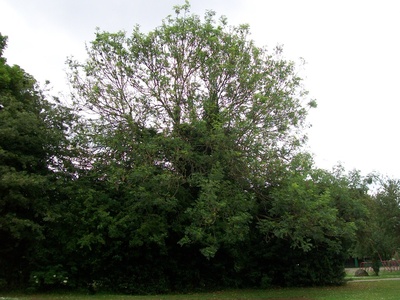
Common ash
A tall deciduous tree with pinnate leaves and opposite branches, preferring rich moist soils. Occurs in mixed forests of western Russia and river valleys; timber valued for strength and flexibility in tool and furniture making.
Manchurian ash
A medium tree of the Far East with pinnate leaves and winged seeds. Found in mixed broadleaf-conifer forests; important locally for timber and as food for wildlife in the Amur basin ecosystems.
Black alder
A medium tree with dark bark and sticky buds, thriving on wet soils and river margins. Fixes nitrogen with root symbionts, improving poor soils; common in lowland and riparian habitats across western Russia.
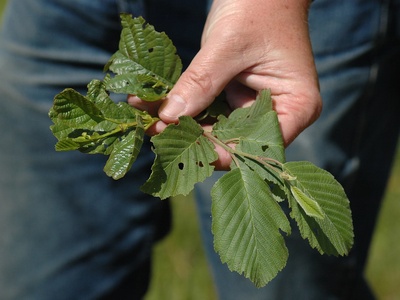
Grey alder
A small to medium tree preferring moist, cold soils and riverbanks across northern and central Russia. Rapid colonizer of disturbed wet sites; bark pale grey and catkins visible in early spring.
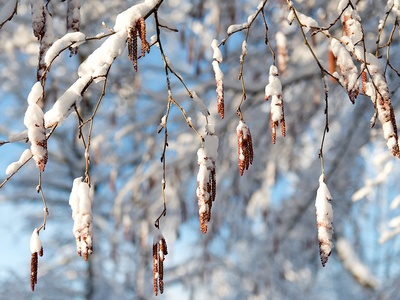
Manchurian alder
A tall alder of the Far East with hairy shoots and catkins. Found along streams and in mixed forests; nitrogen-fixing roots aid soil fertility and the species supports riparian restoration.
Black cherry
A North American tree naturalized in disturbed woodlands and roadsides with glossy leaves and clusters of dark cherries. Rapid-growing and shade-tolerant; considered invasive in some Russian regions due to aggressive spread.
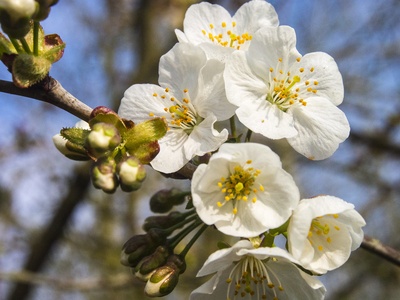
Wild cherry
A medium tree with glossy leaves and sweet red fruits when wild. Occurs in western Russian mixed forests and hedgerows; flowers early in spring and fruits feed birds and mammals.
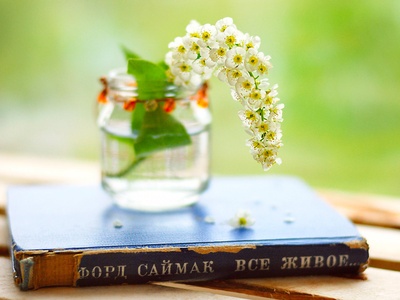
Bird cherry
A small to medium tree with fragrant spring racemes of white flowers and dark astringent fruit. Common in mixed and riparian forests across Russia; valued for early nectar and traditional uses.
Walnut
A large deciduous tree producing edible nuts and pinnate leaves. Native to the Caucasus and southern Russian regions; cultivated and wild stands provide valuable timber and nutritious nuts.
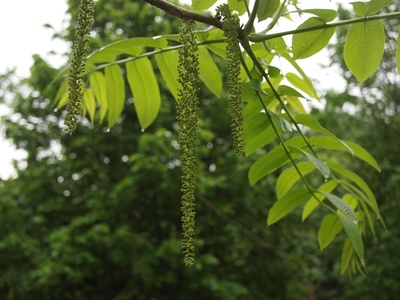
Manchurian walnut
A small to medium walnut native to the Far East with thick-shelled nuts and rough bark. Grows in mixed broadleaf forests; seeds eaten by wildlife and wood used locally.
Turkish hazel
A large tree-form hazel with rounded crown and edible nuts in hard shells. Found in Caucasian and southern Russian woodlands; valued as an ornamental and for durable timber and nuts.
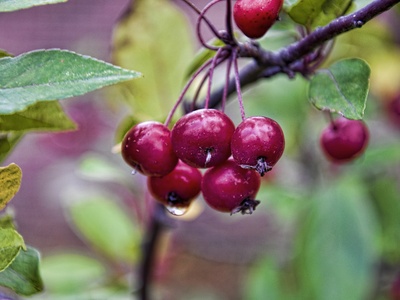
Siberian crabapple
A small tree with white-pink spring flowers and tart edible fruit. Native to Siberia and the Far East; very cold-hardy and a common wild apple used as rootstock and for traditional preserves.
Ussuri pear
A small tree with glossy leaves and hard, sour fruit adapted to cold Far Eastern climates. Occurs in mixed riparian forests; fruit eaten by wildlife and used in local fruiting cultivars.
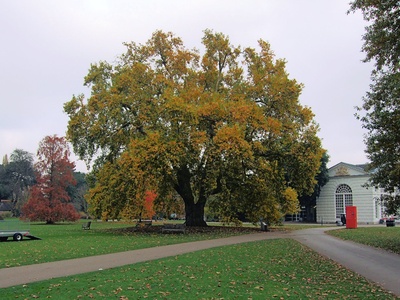
Oriental plane
A large deciduous tree with exfoliating bark and broad lobed leaves, characteristic of warm southern Russian valleys. Forms urban avenues and riverine stands; notable for drought tolerance and dramatic trunk patterns.
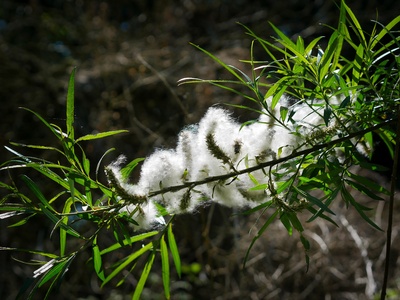
White willow
A fast-growing tree with long lance-shaped leaves and pale undersides, preferring riverbanks and wet floodplains. Common across Russia’s waterways; used for basketry, erosion control and rapid reforestation of riparian sites.
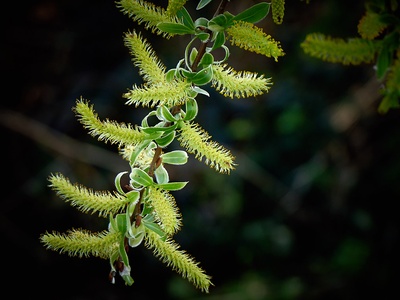
Crack willow
A brittle-wood willow that roots easily from broken branches, forming dense riparian stands. Leaves narrow with serration; common along rivers and lakeshores and important for stabilizing banks.
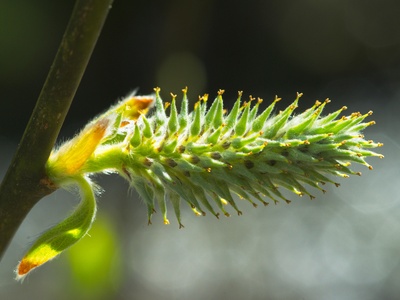
Goat willow
A small tree or large shrub with round leaves and furry catkins in spring. Common across Russia’s forests and clearings; early pollen source for insects and frequent colonizer of disturbed soils.
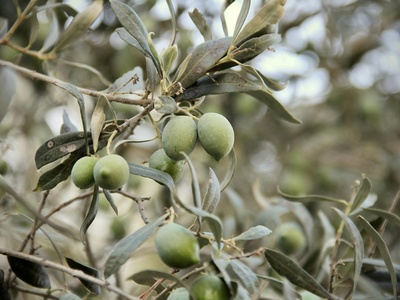
Russian olive
A thorny small tree with silvery leaves and fragrant yellow blooms, naturalized across southern Russia. Tolerant of dry saline soils; used historically as shelterbelts and for soil stabilization though considered invasive in some areas.