The Philippines spans humid coasts, limestone karst, and misty highlands, so its tree life reflects many climates and human uses across the islands. Whether you’re a casual nature walker or a student of botany, a compact list makes it easier to spot patterns and track names.
There are 31 Trees of the Philippines, ranging from Acacia mangium to Ylang-ylang. For each entry you’ll find below the Scientific name, Family, and Range to help you compare where a species grows and how it’s classified as you browse the list you’ll find below.
How can I use the Scientific name, Family, and Range columns to identify a tree in the field?
Use the Range column to narrow possibilities by location, the Family to recognize shared traits (leaf pattern, flower type), and the Scientific name to look up precise images and descriptions; take clear photos of leaves, flowers, and bark, then match them to the entries you’ll find below.
Does this list include native species, introduced species, or both?
The list can include both native and introduced trees; check the Range entry for each species to see whether it’s local, widespread, or reported from elsewhere, and consult local field guides or forestry resources for status and protection details you’ll find below.
Trees of the Philippines
| Name | Scientific name | Family | Range |
|---|---|---|---|
| Narra | Pterocarpus indicus | Fabaceae | Luzon, Visayas, Mindanao,widespread |
| Molave | Vitex parviflora | Lamiaceae | Luzon, Visayas, Mindanao,hills and lowland |
| Kamagong | Diospyros blancoi | Ebenaceae | Luzon,Visayas,Mindanao,lowland forests |
| Yakal | Shorea astylosa | Dipterocarpaceae | Luzon,Visayas,Mindanao,lowland dipterocarp forests |
| Tanguile | Shorea polysperma | Dipterocarpaceae | Luzon,Visayas,Mindanao,lowland forests |
| Almon | Shorea almon | Dipterocarpaceae | Luzon,Visayas,Mindanao,lowland to hill |
| Apitong | Dipterocarpus grandiflorus | Dipterocarpaceae | Luzon,Visayas,Mindanao,primary lowland forest remnants |
| Guijo | Shorea guiso | Dipterocarpaceae | Luzon,Visayas,Mindanao,lowland forests |
| Red lauan | Shorea negrosensis | Dipterocarpaceae | Visayas,Luzon,selected islands |
| Almaciga | Agathis philippinensis | Araucariaceae | Luzon (Sierra Madre),Mindoro,Mindanao |
| Mango | Mangifera indica | Anacardiaceae | Widespread cultivated: Luzon,Visayas,Mindanao |
| Jackfruit | Artocarpus heterophyllus | Moraceae | Widespread cultivated: lowlands and farms |
| Breadfruit | Artocarpus altilis | Moraceae | Cultivated widespread,coastal lowlands |
| Santol | Sandoricum koetjape | Meliaceae | Luzon,Visayas,Mindanao,lowland orchards |
| Lanzones | Lansium domesticum | Meliaceae | Luzon,Visayas,Mindanao,orchards |
| Durian | Durio zibethinus | Malvaceae (formerly Bombacaceae) | Mindanao,commercial orchards |
| Mangosteen | Garcinia mangostana | Clusiaceae | Cultivated Luzon,Visayas,Mindanao |
| Rambutan | Nephelium lappaceum | Sapindaceae | Cultivated Luzon,Visayas,Mindanao |
| Tamarind | Tamarindus indica | Fabaceae | Widespread cultivated: lowlands and upland gardens |
| Tropical almond | Terminalia catappa | Combretaceae | Coastal Luzon,Visayas,Mindanao,widespread |
| Yellow flame | Peltophorum pterocarpum | Fabaceae | Planted widespread: urban and roadside |
| Rain tree | Samanea saman | Fabaceae | Planted widespread: lowlands and towns |
| Mahogany | Swietenia macrophylla | Meliaceae | Cultivated planted widely,naturalized pockets |
| Ipil-ipil | Leucaena leucocephala | Fabaceae | Widespread naturalized: lowlands and disturbed sites |
| Gmelina | Gmelina arborea | Lamiaceae | Planted: Luzon,Visayas,Mindanao,commercial plantations |
| Mindanao gum | Eucalyptus deglupta | Myrtaceae | Mindanao,northern Mindanao plantations and reforestation |
| Ylang-ylang | Cananga odorata | Annonaceae | Cultivated Luzon,Visayas,Mindanao,coastal gardens |
| Beach calophyllum | Calophyllum inophyllum | Calophyllaceae | Coastal Luzon,Visayas,Mindanao |
| Kapok | Ceiba pentandra | Malvaceae (Bombacoideae) | Lowland Luzon,Visayas,Mindanao,planted |
| Lanzones (fruit) | Lansium domesticum | Meliaceae | Luzon,Visayas,Mindanao,orchards |
| Acacia mangium | Acacia mangium | Fabaceae | Plantations Luzon,Visayas,Mindanao,commercial |
Images and Descriptions

Narra
The Philippine national tree, large canopy up to 30 m, pinnate leaves, yellow flowers and winged seed pods. Common in secondary forests, parks and rural homesteads. Valued for durable timber, furniture and cultural significance; vulnerable in the wild from logging.
Molave
Hard, dense hardwood reaching 20–30 m with thick dark bark and aromatic leaves. Prefers dry, limestone and open forest. Widely used for posts, furniture and boats; very durable and historically overharvested, now of conservation concern in some areas.
Kamagong
Small to medium evergreen tree 10–20 m, producing extremely hard, dark heartwood used for carving, traditional weapons and fine furniture. Glossy leaves and small white flowers; fruit attractive to wildlife. Locally harvested, now often protected in some provinces.
Yakal
Tall emergent dipterocarp to 40 m with straight trunk and buttresses; pale to reddish timber used for heavy construction. Found in primary lowland forests and valued commercially; many populations reduced by logging, protected in reserves.
Tanguile
A medium-to-large dipterocarp tree up to 40–45 m with smooth bark and winged seeds. Commonly called tanguile or lungta, used for plywood and furniture. Grows in lowland evergreen forests; important timber species facing habitat loss.
Almon
Large dipterocarp reaching 30–50 m, recognized by elliptical leaves and winged fruits. Timber used locally; occurs in primary lowland and lower montane forests. Important component of native forest ecosystems and logged historically.
Apitong
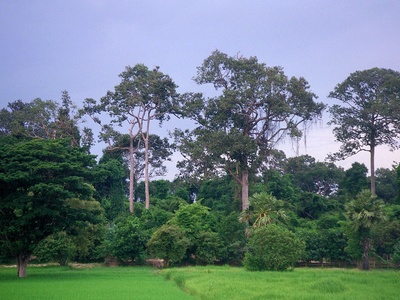
Very tall emergent to 50 m with resinous timber, pale wood used in construction and plywood. Prefers primary lowland forests, often with buttressed trunks. Resin and timber prized; many stands fragmented by logging.
Guijo
Medium-to-large dipterocarp up to 40 m with straight bole and pale-brown timber known as guijo. Grows in lowland evergreen forests; historically logged for construction and furniture. Still encountered in forest reserves and older secondary growth.
Red lauan
A lauan species reaching 30–40 m with reddish timber used for plywood and general carpentry. Found in lowland forests across parts of the Visayas and Luzon; valuable commercially and reduced by extensive logging.
Almaciga
Large coniferous-looking tree to 50 m with straight trunk and resinous sap (“almaciga”). Grows on mountainous slopes in primary forests; resin historically tapped for varnish and trade, species now sensitive to habitat loss.
Mango
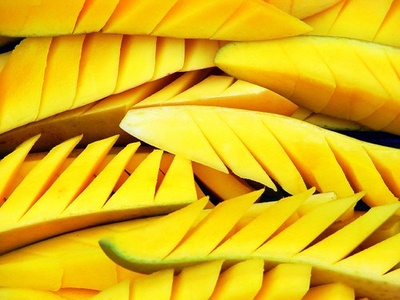
Beloved fruit tree up to 10–20 m with evergreen leaves, fragrant flowers and mango fruits. Found in backyards, farms and roadside plantings across the Philippines. Cultivated origin from South Asia but naturalized and culturally important.
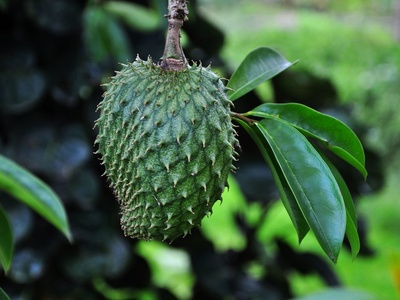
Jackfruit
Large fruit tree up to 20 m with crude textured bark and massive fruits; produces heavy edible jackfruit used fresh, cooked or in preserves. Common in homesteads and agroforestry systems across the islands.
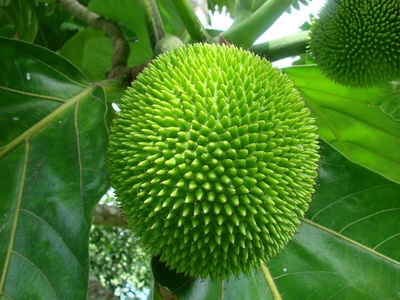
Breadfruit
Medium-to-large tree with lobed leaves and starchy fruits used as staple food. Common in coastal villages and traditional gardens; important in subsistence farming, durable wood and shade tree.
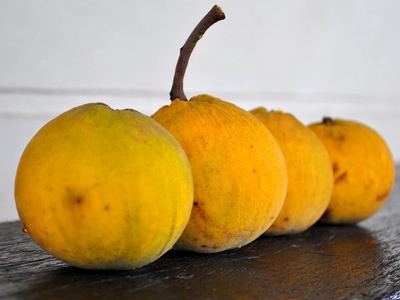
Santol
Fruit tree 10–25 m with glossy leaves and round, tangy-sweet fruits. Grows in home gardens and lowland orchards; timber is light but fruit prized fresh or preserved. Native to region and commonly cultivated.
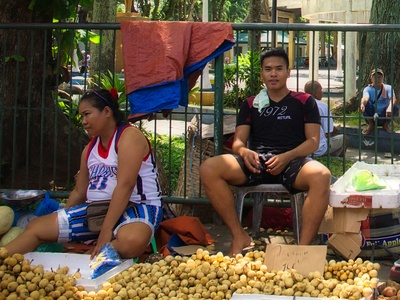
Lanzones
Medium tree to 12–20 m bearing clustered sweet lanzones fruits; compound leaves and fragrant flowers. Widely cultivated in the Visayas and southern Luzon, especially Mindanao regions. Economically important fruit tree with local festivals.
Durian
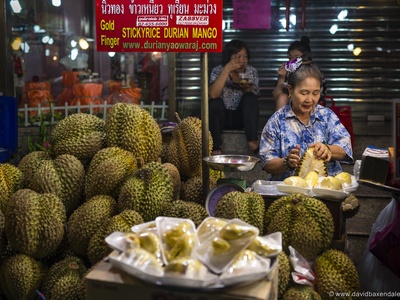
Large spiny fruit tree up to 30 m, famous for strong-smelling, creamy fruits. Grows in humid lowland and foothill orchards, especially in Mindanao. High-value crop with distinct aroma, requires warm wet conditions.
Mangosteen
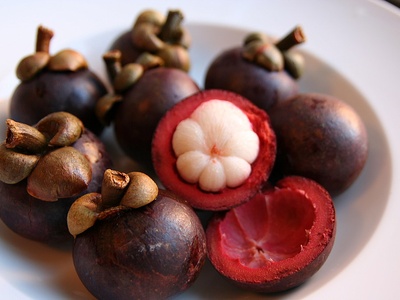
Small to medium evergreen fruit tree 6–15 m with glossy leaves and purple fruits prized for sweet-tart arils. Grows in moist tropical gardens and orchards; prefers sheltered sites and is a popular commercial fruit crop.
Rambutan
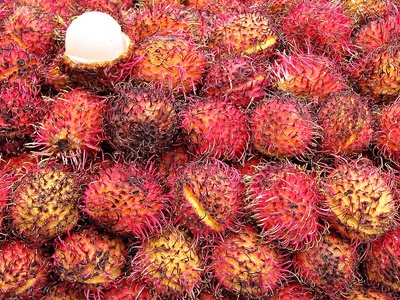
Medium tree 10–20 m with pinnate leaves and hairy red fruits (rambutan). Common in orchards and home gardens; introduced from Southeast Asia but long-established and economically important for fresh fruit markets.
Tamarind
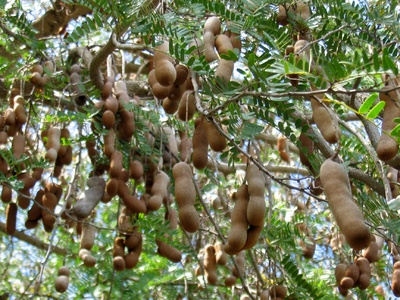
Deciduous to semi-evergreen tree up to 25 m with feathery leaves and long sour pods used in cooking and traditional medicine. Often roadside, in farms and communal spaces; introduced but naturalized and culturally significant.
Tropical almond
Common seaside tree to 25 m with tiered branches and edible almond-like seeds. Tolerates salt and wind, often lining beaches and boulevards. Distinctive large leaves turn red in dry season; used for shade and timber.
Yellow flame
Showy ornamental tree 10–20 m with bright yellow flower clusters in the dry season. Fast-growing, used for shade along streets and parks. Not native but widely planted for its floriferous display and shade.
Rain tree
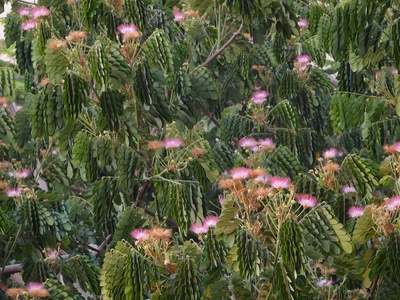
Large spreading canopy often 15–25 m with umbrella-like crown and bipinnate leaves. Produces pinkish flowers and flat pods; common in parks, campuses and pastures. Shade tree of Neotropical origin now naturalized.
Mahogany
Large introduced hardwood up to 35–40 m with pinnate leaves and reddish timber prized for furniture. Widely planted in plantations and estates; valuable timber species originally from the Americas but common in forestry.
Ipil-ipil
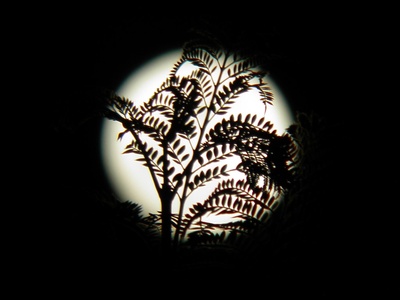
Fast-growing small tree 3–15 m with feathery leaves and white flower clusters. Used for fodder, firewood, shade and soil improvement. Tolerant pioneer species often appearing in secondary growth and roadside areas.
Gmelina
Medium-to-large fast-growing timber tree reaching 20–30 m with pale wood used for furniture and pulp. Common in reforestation and agroforestry. Origin in Asia, widely planted for quick-growing timber yield.
Mindanao gum
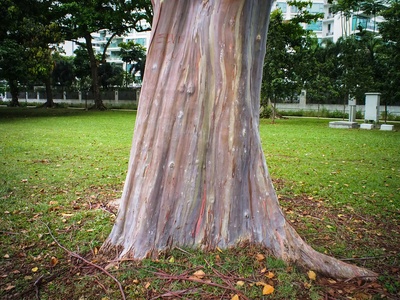
Tall eucalyptus up to 60 m with distinctive multicolored bark and lanceolate leaves. Grows in wetter montane and lowland sites; used in plantations for pulp and timber and stands out in planted landscapes.
Ylang-ylang
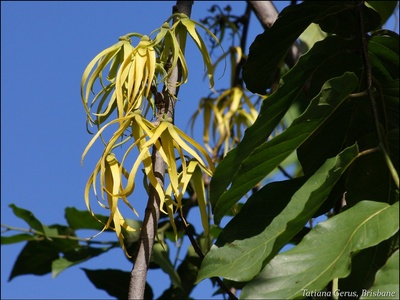
Fragrant evergreen tree 6–12 m with drooping aromatic flowers used for perfume and essential oils. Common in home gardens and plantations; glossy leaves and strong floral scent make it notable in traditional and commercial uses.
Beach calophyllum
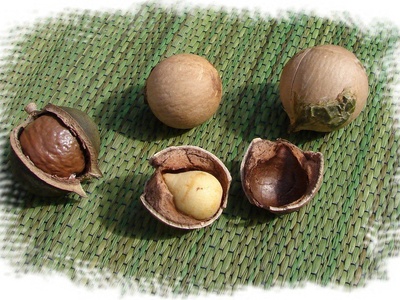
Coastal evergreen tree 8–20 m with glossy opposite leaves and round fruits; often on beaches and shores. Oil-rich seeds used traditionally, wood for small craft. Salt-tolerant and important in coastal protection planting.
Kapok
Tall tropical tree to 60 m with showy whitish flowers and fluffy kapok fibers from seed pods. Often in open areas and old villages; lightweight wood and fiber used historically for stuffing and local crafts.
Lanzones (fruit)
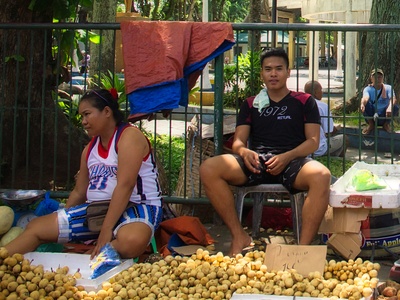
Medium-sized fruit tree to 12–20 m producing clustered sweet lanzones fruits. Commonly cultivated in backyard orchards and small farms, especially in the Visayas. Leaves compound, fruit a regional cash crop with seasonal harvest.
Acacia mangium
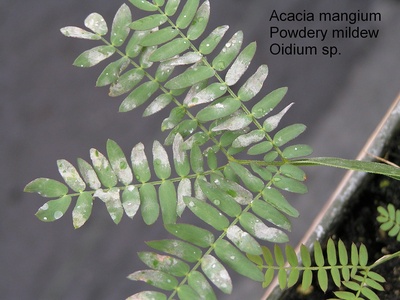
Fast-growing plantation tree reaching 20–30 m with pinnate leaves, used for pulpwood, poles and soil rehabilitation. Introduced from Australia-New Guinea, widely planted in commercial forestry and reclamation projects across the Philippines.