After the 1980 eruption of Mount St. Helens, scientists expected decades of barren ground. Instead they found mosses and lupine sprouting within months and visible plant communities returning within a few years, a vivid lesson in ecological come-backs.
Understanding these ways nature heals itself matters for conservation, disaster planning and policy: recovering ecosystems buffer floods, store carbon and rebuild fisheries and wildlife that people rely on.
This article groups ten concrete recovery processes into three readable categories—ecosystem recovery and succession, restorative biological mechanisms, and landscape-scale or human-assisted healing—and gives examples plus dated facts so you can see timelines and outcomes.
Here are 10 ways nature gets the job done.
Ecosystem recovery and natural succession
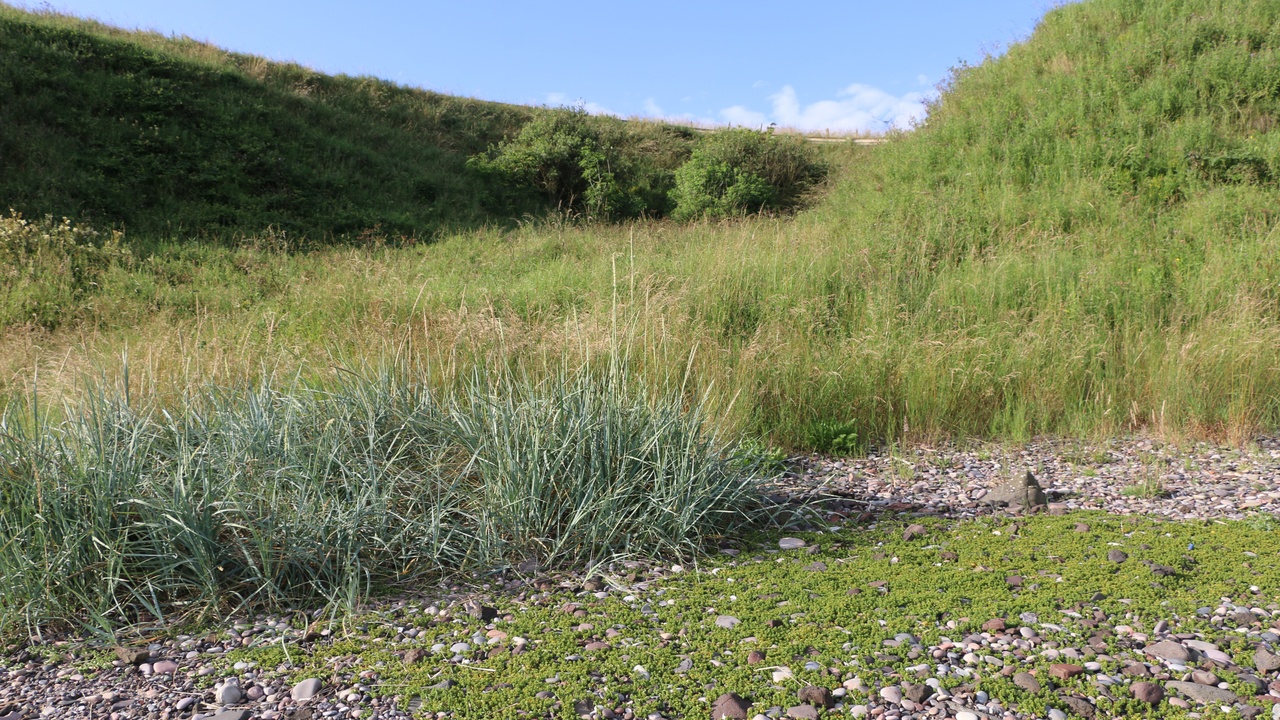
Succession describes how plant and animal communities rebuild after disturbance, from bare rock to functioning ecosystems. Primary succession begins on newly exposed surfaces; secondary succession rebuilds where soil remains.
Soils, microbes and nutrient cycles re-establish gradually, and dispersal brings the propagules that recolonize disturbed patches. Timescales vary widely—months to decades for pioneer vegetation, decades to centuries for mature forests.
Below are four key processes that drive ecosystem-level recovery, each with examples and time markers you can use in restoration planning.
1. Primary succession: life on brand-new ground
Primary succession occurs when life begins on newly exposed surfaces such as lava, glacial till or volcanic ash. Lichens and mosses colonize first, chemically and physically breaking down rock and trapping dust and organic matter to form the first thin soils.
Classic studies at Glacier Bay—tracked since the late 1800s—show gradual changes from bare moraine to shrubland and then to forest over decades to a century, while Mount St. Helens (1980) offered a faster, well-documented example of mosses and lupine establishing within months and denser plant communities forming in 5–20 years.
Recognizing which pioneers will arrive first helps restoration practitioners use nurse species or soil amendments to speed soil formation and shorten the timeline to later successional stages.
2. Secondary succession: rapid comeback after disturbance
Secondary succession kicks in where soil, roots or seed banks survive disturbances such as fires, storms or clearcuts. Because the substrate remains, recovery can be much quicker than primary succession.
In many fire-adapted systems—Mediterranean-type shrublands and western U.S. forests—vegetation and canopy cover often begin to return substantially within 5–30 years after a moderate burn, depending on severity and post-fire management.
Management choices—leaving seed sources nearby, limiting soil compaction and controlling invasives—can steer secondary succession toward native communities rather than degraded states.
3. Soil rebuilding and nutrient cycling driven by microbes
Microscopic and soil fauna do much of the heavy lifting: nitrogen-fixing plants, mycorrhizal fungi and bacteria accelerate nutrient availability while worms and insects improve soil structure and drainage.
Restoration trials often document measurable gains in soil organic matter within 5–10 years after active planting and microbial inoculation, and mycorrhizal networks can expand plant nutrient access and drought resilience within the first few vegetation seasons.
Practitioners sometimes use soil inocula or nurse plants to jump-start these processes, relying on microbial ecology to rebuild fertility rather than repeated fertilization.
4. Seed dispersal and recolonization: nature’s relocation service
Animals, wind and water move seeds, spores and larvae across landscapes and seascapes. Birds and mammals can carry tree seeds tens to hundreds of meters—or much farther during migration—repopulating abandoned fields and disturbed slopes.
Marine systems rely on larval dispersal: kelp and coral recruits often arrive from nearby source populations within months to years after local declines, enabling patchy but rapid recovery when conditions allow.
Maintaining corridors and stepping-stone habitats speeds recolonization, while fragmentation and hard barriers slow or block natural recovery.
Restorative biological mechanisms and species interactions
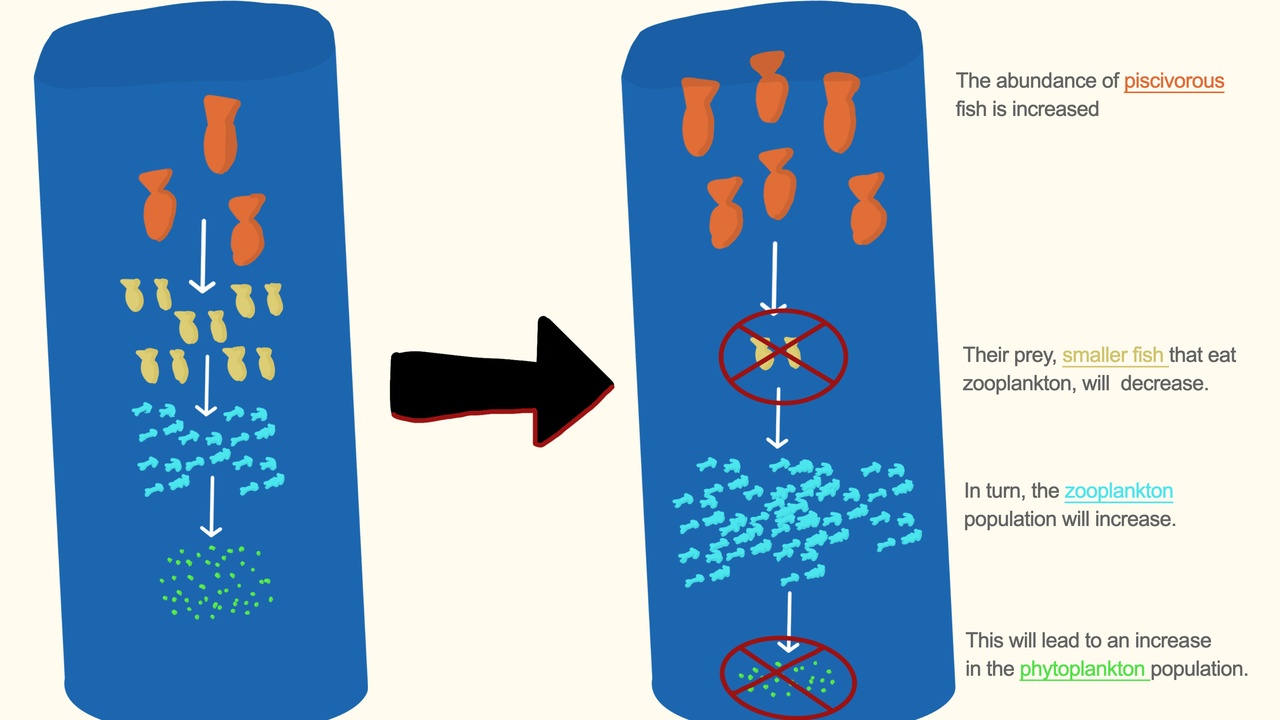
Species interactions—predation, pollination, mutualisms—rebuild ecological function. When keystone or foundation species recover, their effects cascade through food webs and habitats.
The next three points show how restoring key species and leveraging biological resilience can restore whole systems, with dated examples and measurable outcomes.
5. Predator-prey balance and trophic cascades restore ecosystems
Reintroducing or protecting top predators can reshape landscapes by changing herbivore numbers and behavior, allowing vegetation and geomorphology to recover.
Yellowstone’s wolf reintroduction in 1995 offers a well-known case: wolves altered elk behavior and distribution, which contributed to increased willow and aspen recruitment and encouraged beaver activity in some valleys within a decade, producing tangible changes to riparian zones and channel stability.
Marine examples include sea otter recoveries after 20th-century declines, which led to dramatic drops in urchin density and kelp forest resurgence across decades in places where otters persisted.
Targeted reintroductions can accelerate healing, but outcomes depend on context, prey dynamics and human tolerance for restored predators.
6. Coral reef resilience and self-repair mechanisms
Corals can recover after partial bleaching through regrowth of surviving colonies and new larval recruitment, provided local stressors such as poor water quality or grazing imbalances are controlled.
Major global bleaching years—1998 and 2016—left many reefs degraded, yet studies show that where herbivorous fish and urchin populations remain healthy and water quality improves, reef patches can rebuild structural complexity over years to decades.
Assisted approaches like coral gardening and larval seeding complement natural recovery; restored fragments in several projects have shown 60–80% survival after one year, increasing local recruitment and reef cover.
7. Genetic adaptation and rapid evolutionary responses
Populations can evolve trait changes over surprisingly short timescales—often decades—when selection is strong and genetic diversity remains. Examples include pesticide resistance in insects and urban-adapted traits in some plants and birds observed over the past 10–50 years.
Recent studies have also identified heat-tolerant coral genotypes, prompting research into assisted gene flow to boost reef resilience. Genetic diversity is the raw material for such adaptation, so conserving population size matters for recovery potential.
Evolutionary responses can aid recovery, but they’re not a substitute for reducing large-scale threats like climate change and habitat loss.
Landscape-scale and human-assisted healing
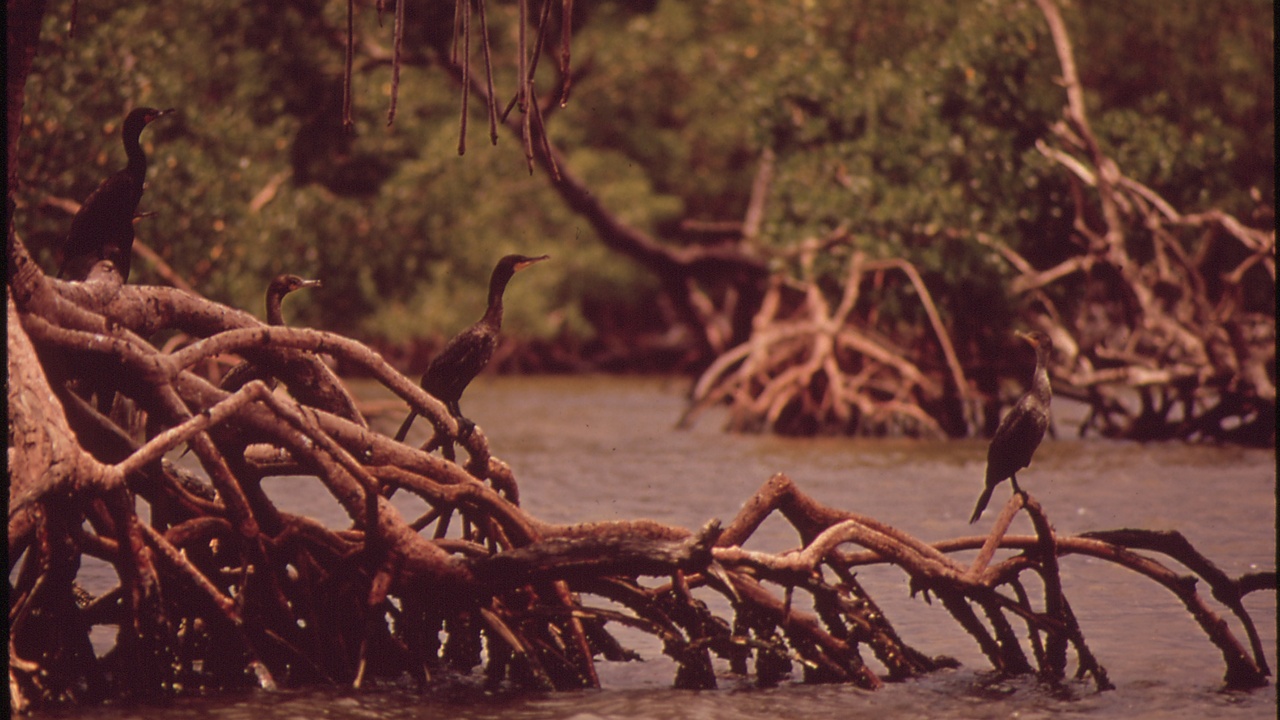
Large-scale processes and deliberate human action can amplify natural healing, delivering immediate ecosystem services like flood reduction and carbon storage while setting the stage for long-term recovery.
The three sections below show how coastal restoration, rewilding, and urban nature projects scale up ecological gains and provide measurable benefits.
8. Wetland and mangrove restoration: shorelines that heal and protect
Restored wetlands and mangroves buffer wave energy, reduce coastal erosion, sequester carbon and support fisheries and livelihoods. They deliver both ecological and social returns.
Field studies indicate mangrove belts can attenuate wave energy by roughly 13–66% across varying widths and densities, and coastal projects in Southeast Asia—many community-led—have replanted tens of thousands of hectares since the 1990s.
Organizations such as the United Nations Environment Programme (UNEP) highlight that sequestering carbon and reducing storm damage are among the most immediate benefits of large-scale coastal restoration, with shoreline protection services rebuilding over years to decades.
9. Rewilding and species reintroductions at landscape scale
Rewilding aims to restore ecological processes—trophic structure, connectivity and natural disturbance regimes—often via reintroductions and protection of large, connected habitats.
Examples include Yellowstone wolves (reintroduced in 1995) and continental reintroductions of European bison that began in earnest in the 20th and 21st centuries; both efforts produced measurable ecosystem shifts and increased biodiversity in managed areas within decades.
Rewilding works best when it complements natural recovery—letting natural dispersal, succession and species interactions do the rest—and when social license and stakeholder engagement are strong.
10. Urban nature and green infrastructure healing cities
Green infrastructure—street trees, green roofs and permeable pavements—lets nature solve urban problems like stormwater runoff, heat and biodiversity loss while improving human health.
Research shows urban canopy cover can lower local air and surface temperatures by several degrees Celsius (commonly 2–8°C), and green stormwater systems have reduced runoff volumes and peak flows in municipal pilots such as New York City’s green infrastructure program.
Small, distributed interventions—tree planting, pocket wetlands and bioswales—add up, and cities that invest in nature see benefits within years rather than decades.
Summary
- Nature uses many complementary processes—succession, microbial soil rebuilding, dispersal, species interactions and evolution—to repair damaged ecosystems.
- Timelines vary widely: pioneers can appear within months, functional communities often arise in years to decades, and mature forests or fully reassembled reefs may take decades to centuries.
- Human actions can accelerate or enable recovery—through restoration, rewilding and green infrastructure—but they must preserve connectivity and genetic diversity to be effective.
- Support local restoration groups, volunteer for tree-planting or shoreline projects, and back policies that fund ecological restoration and protect corridors; organizations such as UNEP, USGS and national conservation NGOs are good places to start.