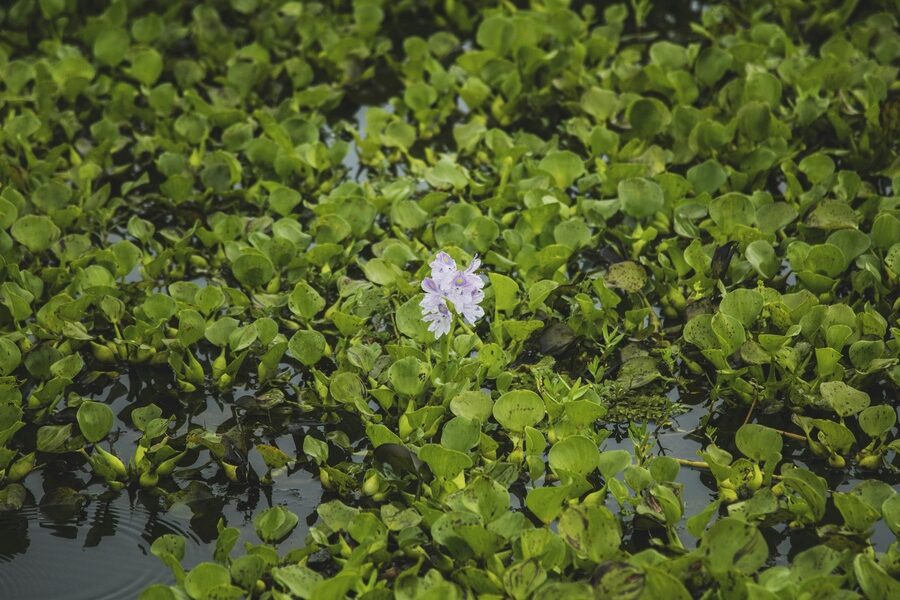
Wetlands are dynamic places where water, plants and wildlife meet — from marsh edges and floodplains to mangrove fringes. These areas host animals that depend on shallow water for feeding, breeding and shelter, so a simple walk can reveal a surprising variety of mammals adapted to wet conditions.
There are 29 wetland mammals, ranging from African clawless otter to Water shrew (Eurasian). For each species you’ll find below the columns: Scientific name,Range,Wetland type so you can quickly compare where each occurs and which habitats they prefer; entries cover coastal estuaries to inland marshes. You’ll find the full list and details below.
How can I recognize common wetland mammals when I’m out in the field?
Look for behavior and habitat first: otters and water shrews are active at the water’s edge, muskrats build lodges, and beavers leave distinctive gnawed trees and dams; tracks, scat and feeding signs are often the clearest clues. Bring binoculars, note size and tail shape, and check the Scientific name and Range columns below to confirm likely species for your region.
Which wetland types usually support the most mammal species?
Marshes and riparian wetlands typically host the highest variety because of abundant food and structural diversity, while mangroves and peatlands support more specialized communities; consult the Range and Wetland type columns below to see regional differences.
Wetland Mammals
| Common name | Scientific name | Range | Wetland type |
|---|---|---|---|
| American beaver | Castor canadensis | North America (Canada, USA, parts of Mexico) | Rivers, streams, ponds, floodplain forests |
| Eurasian beaver | Castor fiber | Europe, western Asia | Rivers, streams, lakes, floodplain forests |
| Muskrat | Ondatra zibethicus | North America; introduced Europe, Asia | Marshes, ponds, slow rivers, wetlands |
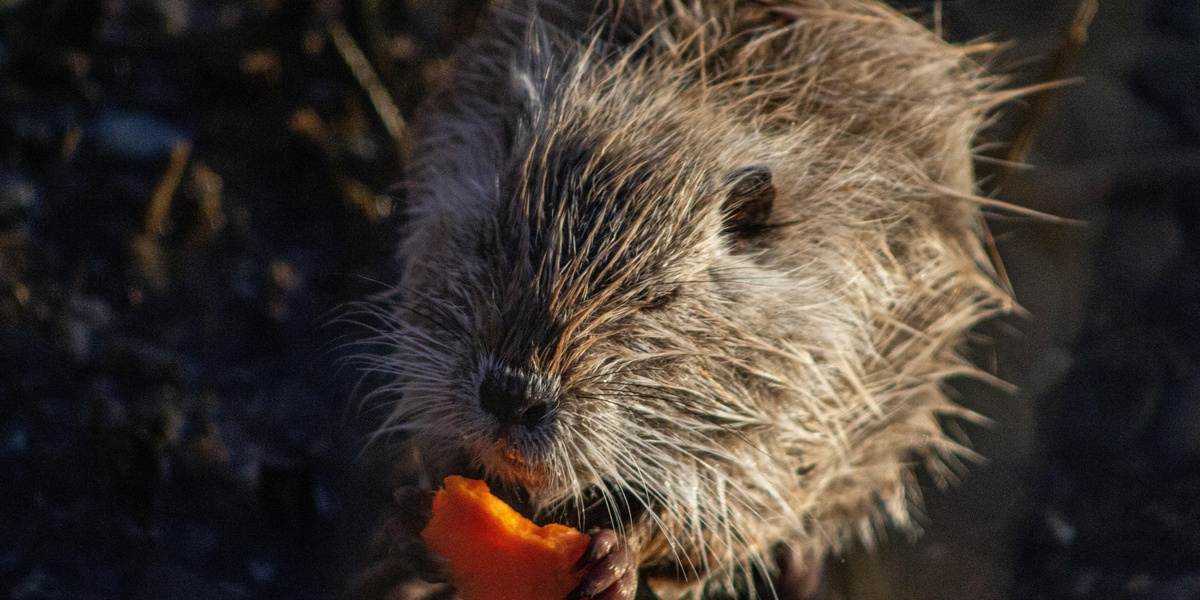
| Nutria | Myocastor coypus | Native South America; introduced worldwide | Marshes, riverbanks, estuaries, freshwater wetlands |
| North American river otter | Lontra canadensis | North America | Rivers, lakes, marshes, coastal estuaries |
| Eurasian otter | Lutra lutra | Europe, Asia, parts of Africa | Rivers, lakes, marshes, coastal estuaries |
| Giant otter | Pteronura brasiliensis | Amazon Basin, South America | Rivers, oxbow lakes, flooded forests |
| Southern river otter | Lontra provocax | Southern Chile and Argentina | Temperate rivers, lakes, estuaries, coastal lagoons |
| African clawless otter | Aonyx capensis | Sub-Saharan Africa | Rivers, swamps, estuaries, floodplains |
| Platypus | Ornithorhynchus anatinus | Eastern Australia, Tasmania | Freshwater streams, rivers, billabongs, wetlands |
| Water opossum (yapok) | Chironectes minimus | Central and South America | Rivers, swamps, flooded forests, stream banks |
| Capybara | Hydrochoerus hydrochaeris | South America (Amazon, Pantanal) | Marshes, floodplains, riverbanks, wetlands |
| Hippopotamus | Hippopotamus amphibius | Sub-Saharan Africa | Rivers, floodplains, marshes, lagoons |
| Pygmy hippopotamus | Choeropsis liberiensis | West Africa | Swampy forests, river edges, riparian wetlands |
| European water vole | Arvicola amphibius | Europe, western Asia | Riverbanks, marshes, ditches, wetlands |
| Water shrew (Eurasian) | Neomys fodiens | Europe, western Asia | Streams, marshes, wet meadows |
| American water shrew | Sorex palustris | North America | Streams, marshes, riparian zones |
| Russian desman | Desmana moschata | Russia, Eastern Europe, Kazakhstan | Slow rivers, oxbows, marshes |
| Pyrenean desman | Galemys pyrenaicus | Iberian Peninsula, Pyrenees | Mountain streams and rivers with vegetation |
| Star-nosed mole | Condylura cristata | Eastern North America | Freshwater marshes, wet meadows, stream banks |
| Marsh rice rat | Oryzomys palustris | Southeastern USA, Gulf Coast | Salt marshes, freshwater marshes, tidal creeks |
| Scaly-footed water rat | Nectomys squamipes | Atlantic Forest, eastern South America | Streams, marshes, riverbanks |
| Rakali (Australian water rat) | Hydromys chrysogaster | Australia, New Guinea | Rivers, lakes, estuaries, marshes |
| Marsh deer | Blastocerus dichotomus | South America (Pantanal, wetlands) | Marshes, floodplains, swamps |
| Sitatunga | Tragelaphus spekii | Central and East Africa | Swamps, papyrus wetlands, floodplains |
| Lechwe | Kobus leche | Southern Africa (floodplains) | Floodplains, marshes, seasonally inundated grasslands |
| Marsh rabbit | Sylvilagus palustris | Southeastern USA | Salt marshes, coastal marshes, wet grasslands |
| Water deer | Hydropotes inermis | East Asia (China, Korea) | Reedbeds, marshes, river floodplains |
| Neotropical river otter | Lontra longicaudis | Central and South America | Rivers, lakes, wetlands, mangrove estuaries |
Images and Descriptions
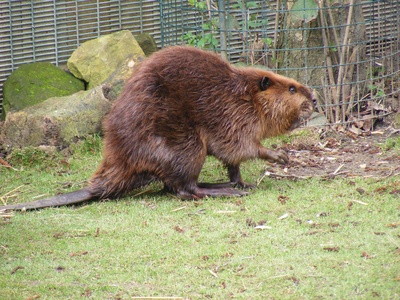
American beaver
Large semi-aquatic rodent that builds lodges and dams to create ponds, shaping wetland hydrology. Strong teeth and webbed hind feet suit swimming and gnawing; considered ecosystem engineers that increase habitat complexity and biodiversity, sometimes conflicting with human land use.
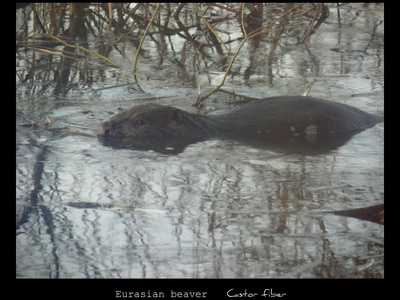
Eurasian beaver
Recolonizing semi-aquatic rodent that builds dams and lodges to create ponds and wetland pool habitats. Powerful incisors and webbed hind feet aid engineering and swimming; reintroductions and river restoration have helped recover populations in parts of Europe and Asia.
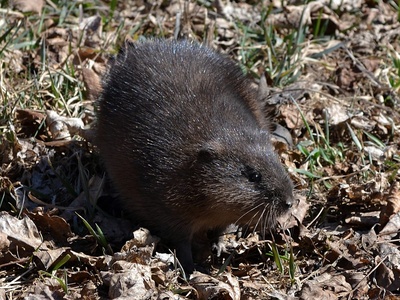
Muskrat
Medium-sized semi-aquatic rodent that builds lodges and bank dens, feeds on aquatic plants and small animals. Strong swimmer with laterally flattened tail; influences vegetation structure but can damage levees and native plants where introduced.
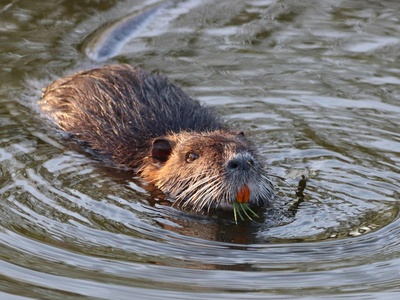
Nutria
Large semi-aquatic rodent often found in marshes and river margins; burrows and feeds heavily on roots and stems, causing erosion and vegetation loss in introduced ranges. Valued historically for fur, now invasive in many wetlands.
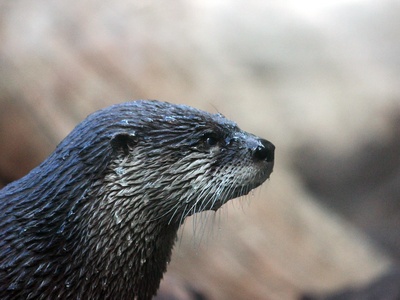
North American river otter
Agile semi-aquatic carnivore that hunts fish, crustaceans and amphibians; streamlined body, webbed feet, and dense fur adapt it to cold water. Uses diverse freshwater and coastal wetlands for foraging and denning, sensitive to pollution and habitat loss.
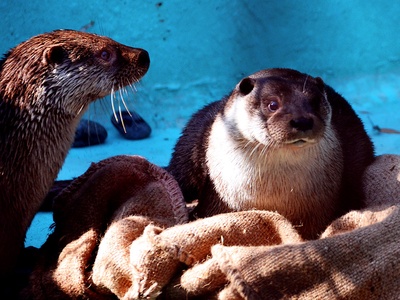
Eurasian otter
Fish-specialist carnivore with dense waterproof fur and sensitive whiskers for detecting prey. Requires clean, well-connected waterways and riparian cover; conservation status improved in some regions following water quality and habitat restoration.
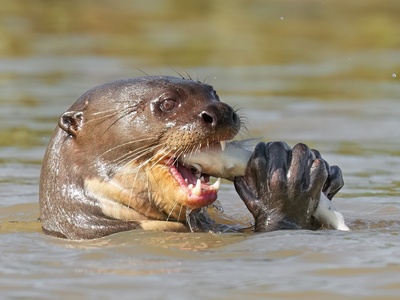
Giant otter
Large social otter living in family groups that defend river territories; specializes on fish in Amazonian rivers and flooded forests. Vulnerable to habitat loss, pollution and hunting, serving as a flagship species for freshwater conservation.
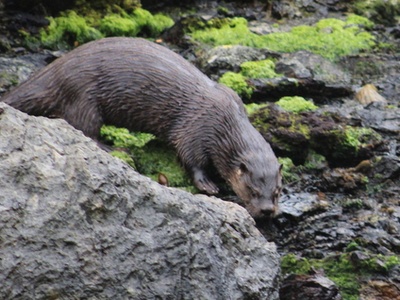
Southern river otter
Secretive otter inhabiting temperate rivers and coastal waterways; feeds mainly on fish and crustaceans. Fragmented populations are threatened by habitat degradation, water pollution and human disturbance. Conservation focuses on habitat protection, river restoration and pollution control to recover populations.
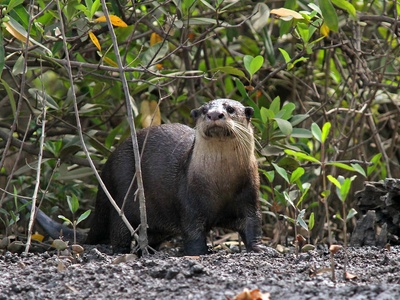
African clawless otter
Large, versatile otter with dexterous forepaws adapted for foraging in shallow water; eats fish, crustaceans, mollusks. Uses riverine and swamp habitats across Africa and is vulnerable to overfishing, pollution and habitat change.
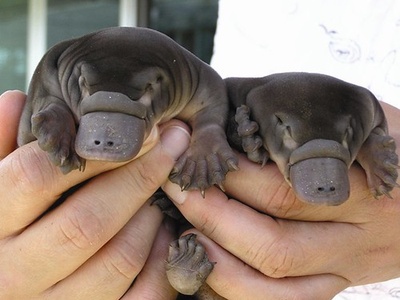
Platypus
Egg-laying monotreme that forages by detecting electrical signals from prey on riverbeds. Builds burrows in banks and relies on healthy freshwater systems; threatened by water pollution, altered flows and habitat destruction.
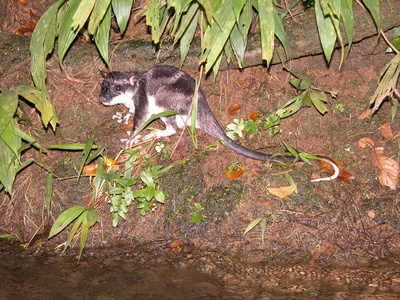
Water opossum (yapok)
Semi-aquatic marsupial that paddles with webbed hind feet and carries young in a waterproof pouch. Nocturnal feeding on fish, crustaceans and insects in streams and wetlands; sensitive to deforestation and water pollution.
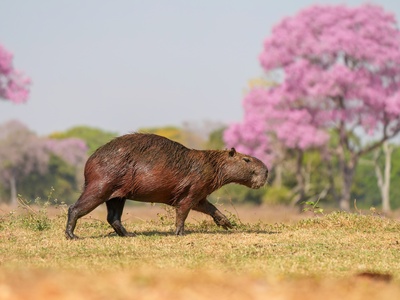
Capybara
World’s largest rodent; highly social and semi-aquatic, grazing on grasses and aquatic plants. Spends much time in water to thermoregulate and avoid predators; important prey and ecosystem engineer in South American wetlands.
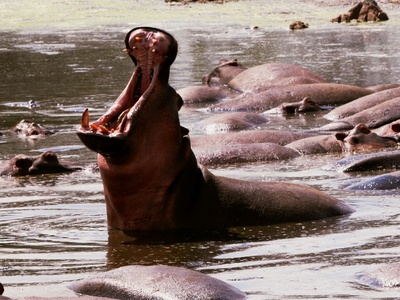
Hippopotamus
Large semi-aquatic herbivore that spends daylight submerged in rivers and pools, grazing on floodplain grasses at night. Creates channels and wallows affecting hydrology; vulnerable to hunting and habitat loss. Plays key role in shaping wetland landscapes.
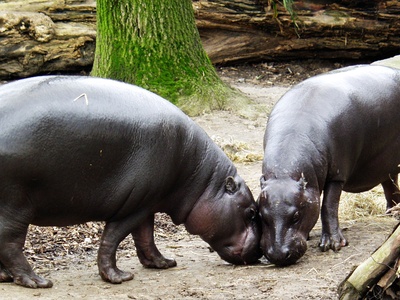
Pygmy hippopotamus
Smaller, solitary hippo dwelling in swampy forests and river edges; more secretive than common hippo and relies on dense riparian vegetation for cover. Threatened by logging, hunting and wetland drainage.
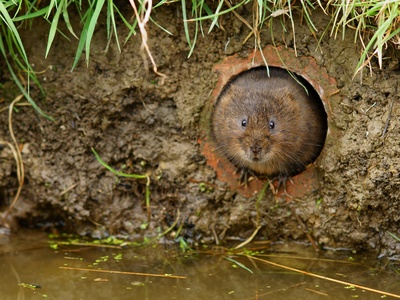
European water vole
Stocky rodent that digs burrows in bank sides and feeds on aquatic plants and grasses. Important prey for predators; populations have declined in parts of Europe due to habitat loss and mink predation.
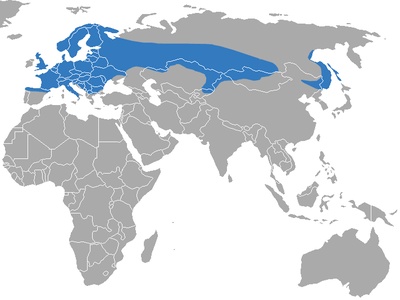
Water shrew (Eurasian)
Small insectivorous shrew that swims and dives to catch aquatic invertebrates and small fish. Dense waterproof fur and fringed hairs on feet aid swimming; sensitive to pollution and drainage of wetlands.
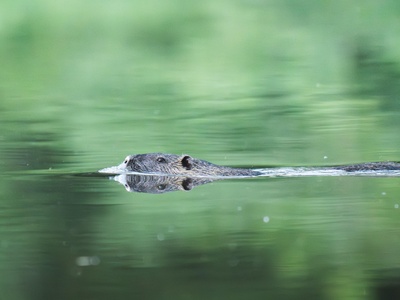
American water shrew
Vigorous little swimmer using air trapped in fur and rapid paddling to forage underwater for insects and small fish. Requires clean, oxygen-rich streams and complex bank habitats. Populations decline with pollution and habitat simplification.
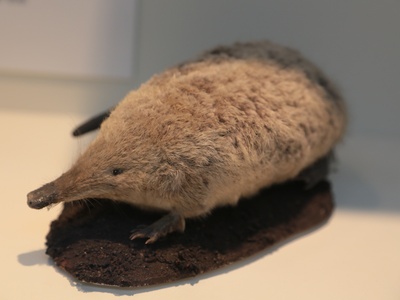
Russian desman
Aquatic insectivore with a flexible snout and webbed feet, specialized for underwater foraging. Highly aquatic and dependent on slow, vegetated waterways; populations have fallen from drainage, pollution and river regulation.
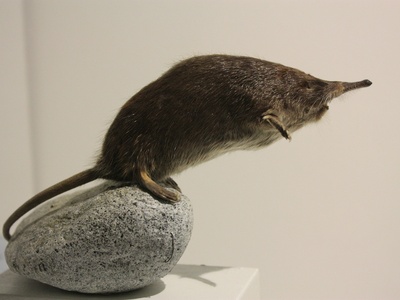
Pyrenean desman
Small semi-aquatic mammal with electroreceptive snout used to detect benthic prey. Restricted to clean, well-oxygenated mountain streams; highly sensitive to water pollution, fragmentation and invasive species. Conservation attention focuses on habitat protection and water quality.
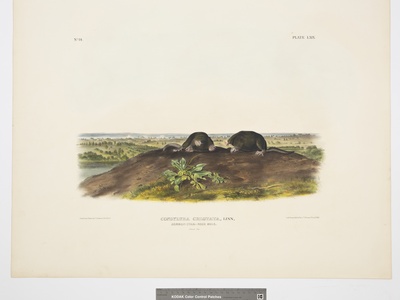
Star-nosed mole
Unique mole with a 22-fingered star-shaped nose highly sensitive to touch for detecting prey in wet soil and shallow water. Forages in marshes and wet meadows and is well-adapted to saturated soils.
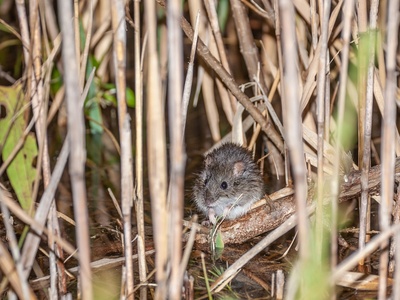
Marsh rice rat
Small semiaquatic rodent of marsh edges that swims and climbs in vegetation to feed on plants, crustaceans and insects. Plays important role in salt marsh food webs and is vulnerable to habitat alteration.
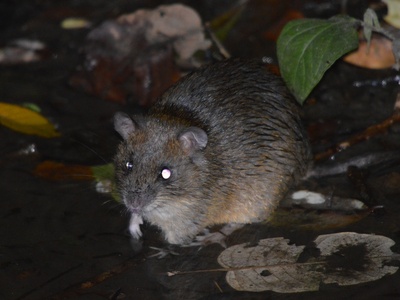
Scaly-footed water rat
Nocturnal semi-aquatic rodent that forages on invertebrates and plant material along stream banks, swimming well and constructing nests in bank cavities. Dependent on riparian vegetation and water quality. Threatened by deforestation and pollution.
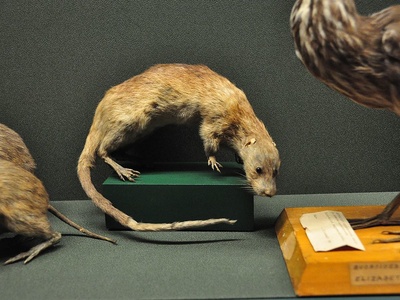
Rakali (Australian water rat)
Also called rakali, this adaptable semi-aquatic rodent dives for fish, crustaceans and frogs. Webbed hind feet and water-repellent fur aid swimming; reliant on healthy freshwater and estuarine habitats. Faces threats from pollution, habitat loss and introduced predators.
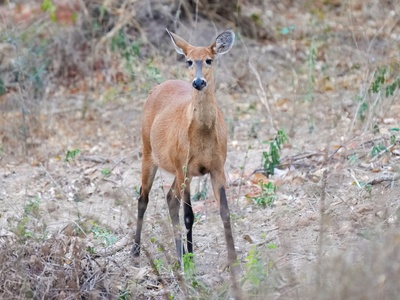
Marsh deer
Large deer specialized for seasonally flooded grasslands and marshes; long legs and hooves adapted to soft, wet ground. Populations reduced by wetland drainage, hunting and habitat conversion. Conservation measures focus on protecting floodplain ecosystems.
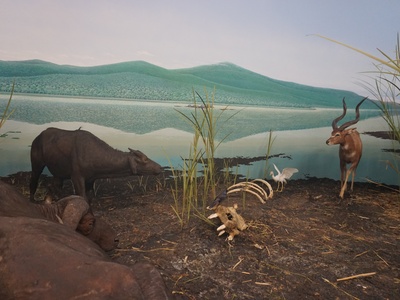
Sitatunga
Aquatic-adapted antelope with elongated hooves and splayed toes enabling movement through soft, swampy ground and dense vegetation. Secretive and tied closely to large wetland complexes; threatened by wetland drainage and hunting.

Lechwe
Antelope specialized for shallow floodplains with partially webbed hooves allowing fast swimming and maneuvering through water. Forms large herds on seasonal wetlands; vulnerable to habitat loss, livestock competition and hunting.
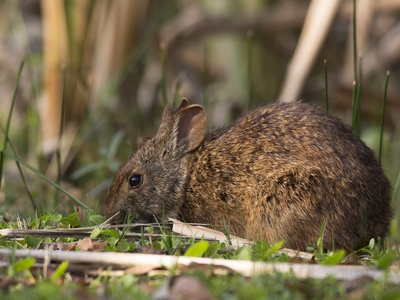
Marsh rabbit
Small cottontail adapted to tidal marshes that swims well and uses dense marsh vegetation for cover. Populations impacted by habitat loss, sea-level rise and development of coastal areas. Conservation includes marsh protection and restoration.
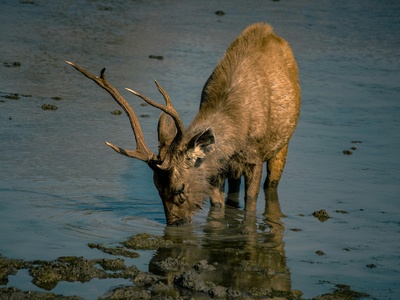
Water deer
Small deer that prefers reedbeds, marshes and river floodplains, using dense wetland vegetation for cover and foraging on grasses and shrubs. Populations are fragmented from habitat conversion and development; conservation focuses on wetland protection.
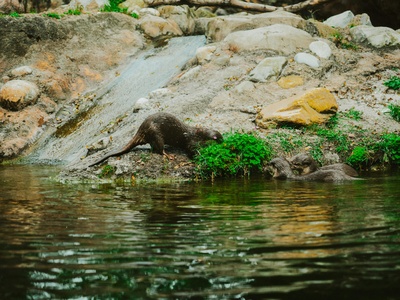
Neotropical river otter
Flexible predator of fresh and brackish waterways that eats fish, crabs and small vertebrates; uses rivers, lakes and mangrove estuaries. Populations decline locally from habitat degradation and water contamination. Conservation requires better water management.