TL;DR
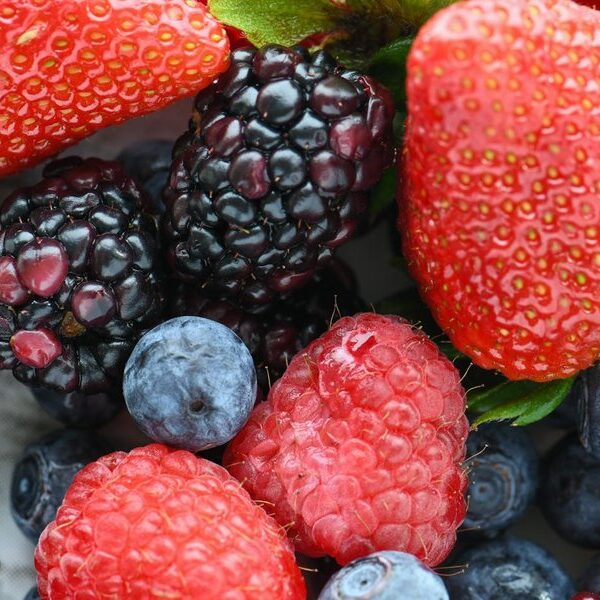
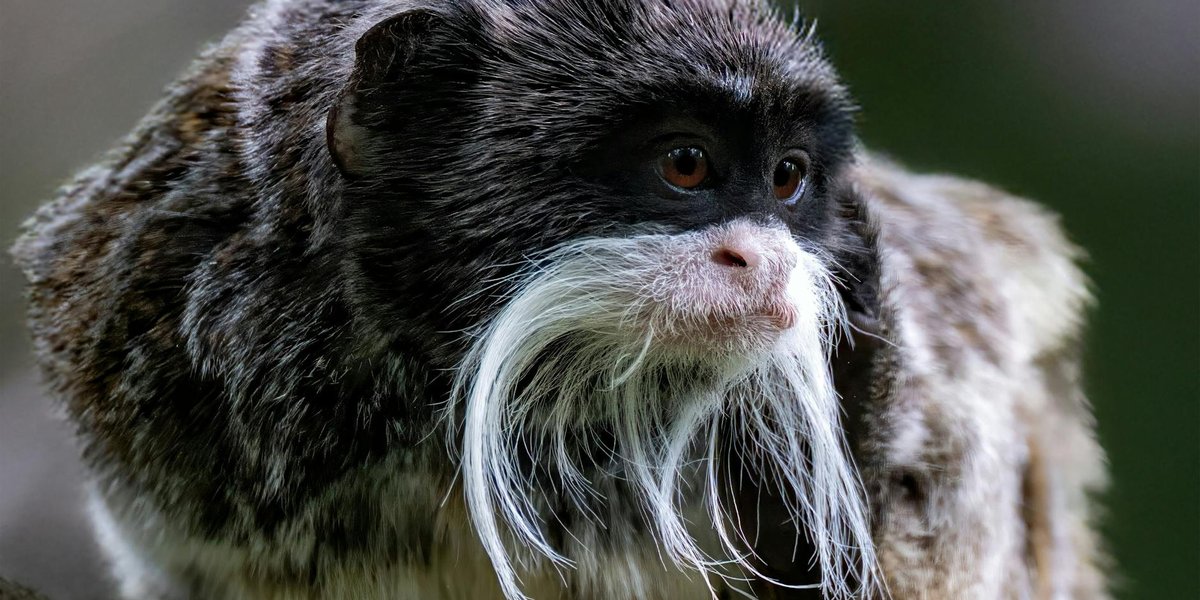
Moustached tamarins are mostly fruit-eating, insect-catching, gum-sipping little primates with a flexible diet. In the wild, they rely on fruit, arthropods like insects and spiders, tree gums and sap, and sometimes nectar and small vertebrates. In captivity, their diet is usually controlled with fruit, vegetables, insects, and specialized primate chow.
Table of contents
- What do moustached tamarins eat?
- Moustached tamarin diet in the wild
- What do moustached tamarins eat in captivity?
- Diet by food type
- How their diet shapes behavior
- Moustached tamarin diet compared with other tamarins
- Summary
What do moustached tamarins eat?
Moustached tamarins eat a mixed diet that leans heavily on fruit, insects, and tree gums. They’re not picky in the way a leaf specialist or seed specialist might be. Instead, they act like opportunists with a strong preference for sugary, energy-rich foods and protein-rich insects.
Their diet changes with the season and what’s available in the forest canopy. When fruit is abundant, they’ll eat a lot of it. When fruit gets scarce, they lean harder on gum, nectar, and small animal prey.
For a general primate reference on diet flexibility and feeding behavior, the Animal Diversity Web is a solid starting point, and primate field studies often describe tamarins as classic exudate feeders — meaning they use tree gums as a major food source.
Moustached tamarin diet in the wild
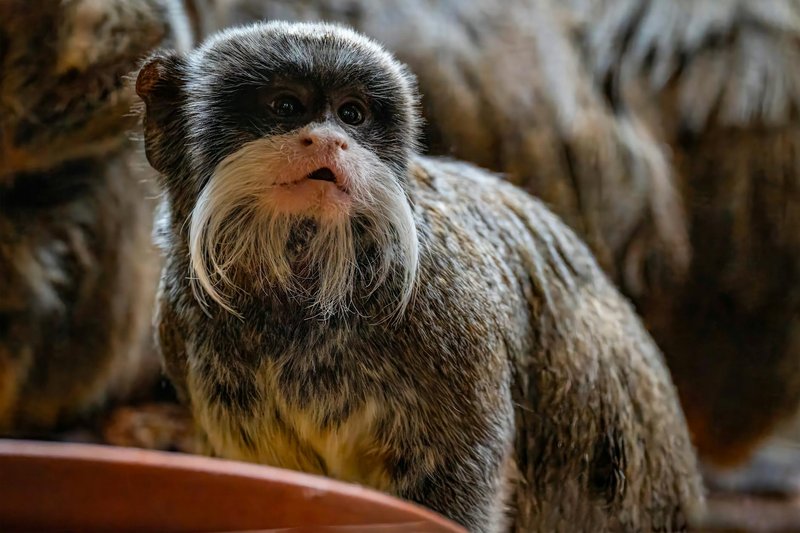
In the wild, moustached tamarins forage in the lower and middle parts of the forest canopy. That matters, because it shapes what they can reach and how they feed. They move quickly through tangled branches, scanning for fruiting trees, insect clusters, and bark wounds that ooze gum.
Fruit
Fruit is a major part of the diet. Tamarins eat soft, ripe fruit whenever they can find it. Fruit gives them quick energy, which is useful for a small animal that spends a lot of the day moving and searching.
Insects and other arthropods
They also eat insects, spiders, and other small arthropods. This is the protein side of the menu. Tamarins often hunt by picking prey off leaves, branches, and trunks, then snatching it up fast.
Tree gum and sap
Tree gum is a big deal for moustached tamarins. They have sharp lower incisors and specialized teeth for gouging bark so they can access gum and sap. That feeding style is especially important during lean fruit seasons, when gum can keep them going.
According to research summarized in primate ecology sources such as NCBI-hosted studies on tamarin feeding ecology, gums and exudates are a key fallback resource for many tamarin species.
Nectar and flowers
Nectar and flower parts can also show up in the diet, especially when blossoms are available. These foods are not usually the main course, but they’re a handy source of sugar.
Small vertebrates and eggs
Moustached tamarins may occasionally eat very small vertebrates, bird eggs, or other animal matter if the opportunity appears. This is not the bulk of the diet, but it fits their omnivorous pattern.
What do moustached tamarins eat in captivity?
In captivity, the moustached tamarin diet is more controlled and predictable than in the wild. Zoos and wildlife facilities usually feed them a mix of:
- fresh fruit
- vegetables
- insects such as crickets or mealworms
- commercial primate biscuits or chow
- occasional gum or gum-based supplements
Captive diets try to mimic the balance of nutrients they’d get in nature without loading them up on too much sugar. Too much fruit and not enough protein or fiber is a common problem in captive primate care, so keepers aim for variety.
Diet planning for small primates often follows husbandry standards from accredited zoo associations and veterinary references such as the Merck Veterinary Manual, which discusses nutrition concerns in nonhuman primates.
Diet by food type
| Food type | Importance | Why it matters |
|---|---|---|
| Fruit | High | Main energy source, especially when available |
| Insects and arthropods | High | Protein and fat, important for growth and maintenance |
| Tree gum / sap | High | Critical fallback food and a major tamarin adaptation |
| Nectar / flowers | Moderate | Seasonal sugar source |
| Small vertebrates / eggs | Low | Occasional opportunistic food |
| Leaves / plant matter | Low | Usually minor compared with fruit and gum |
This is a practical way to think about the moustached tamarin diet: fruit fuels, insects build, and gum bridges the gaps.
How their diet shapes behavior
Moustached tamarins don’t just eat like tiny forest raccoons. Their diet shapes where they live, how they move, and how they spend the day.
Because fruit and insects are patchy resources, they travel constantly through the canopy. Because gum is reliable but locked behind bark, they need the teeth and dexterity to harvest it. That means their feeding behavior is tied to forest structure. A healthy forest with lots of fruiting trees and gum-producing species gives them far more options than a simplified habitat.
Their diet also explains some of their social behavior. Small primates that feed on scattered resources often have to stay alert, move together, and defend feeding areas from competitors.
Moustached tamarin diet compared with other tamarins
Compared with many other tamarins, moustached tamarins sit right in the classic tamarin food niche: frugivorous, insectivorous, and exudativorous. That’s a fancy way of saying they eat fruit, insects, and tree gum in roughly that order depending on season and habitat.
Cotton-top tamarins, saddleback tamarins, and emperor tamarins share a similar pattern, though each species weights the menu differently. Some rely even more heavily on gum, while others lean harder into insects or fruit. The shared theme is flexibility. Tamarins survive by taking what the forest offers and making a living out of it.
Summary
Moustached tamarins eat a varied diet built around fruit, insects, and tree gum, with nectar and occasional small animal prey filling in the edges. In the wild, they depend on seasonal forest foods and gum-producing trees. In captivity, they’re fed a balanced mix of fruit, vegetables, insects, and primate chow to keep their nutrition on track.
If you remember one thing about the moustached tamarin diet, make it this: they’re not specialists. They’re adaptable little foragers built for a forest that never serves the same thing twice.