In 1935, the creation of wildlife refuges in Georgia helped protect species that were once vanishing from the state—setting a precedent for modern conservation across the Southeast. That early step matters today because healthy animal populations sustain clean water, pollination, seed dispersal, flood mitigation, and the outdoor recreation and tourism that many Georgians rely on.
From hikers spotting bears in the North Georgia mountains to volunteers monitoring nests on barrier islands, people connect to regional identity through animals and the places they inhabit. This piece profiles ten remarkable species across four habitat groups—mammals, birds, reptiles/amphibians, and coastal/aquatic life—and explains where to see them, why they matter ecologically and economically, and which conservation actions are changing outcomes.
The wildlife of georgia highlighted here includes iconic, keystone, and threatened species, with data-driven examples and practical places to observe each one.
Iconic Mammals of Georgia
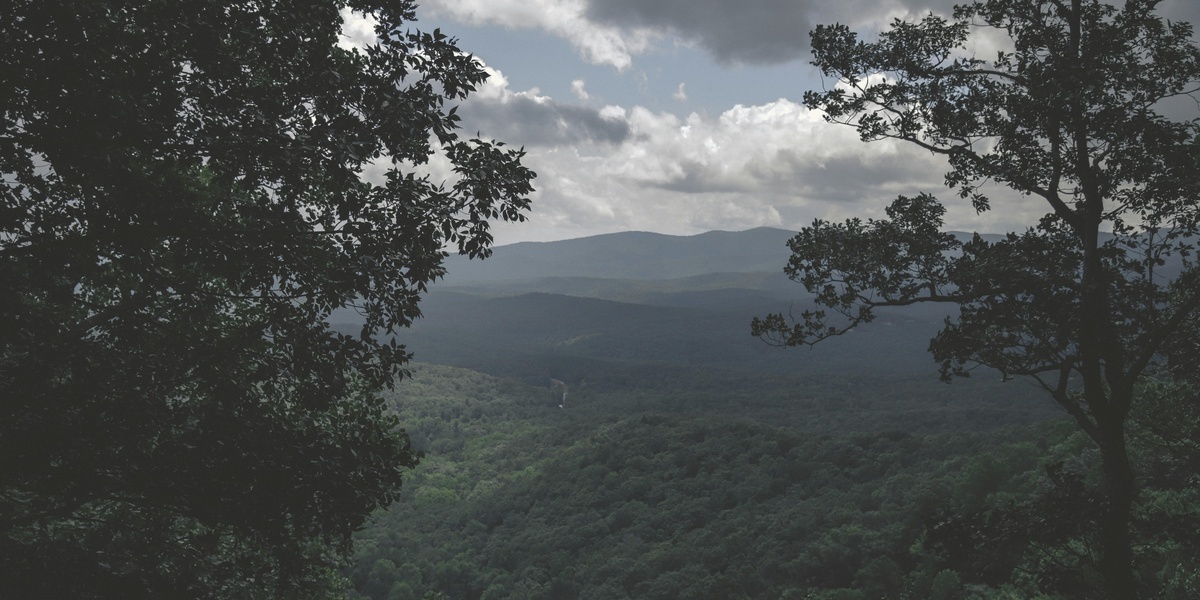
Northern Georgia’s uplands—the Blue Ridge and Ridge-and-Valley provinces—together with the Piedmont and mixed hardwood-pine forests, support the state’s largest mammals. The Chattahoochee-Oconee National Forest alone covers roughly 866,000 acres, providing contiguous blocks of habitat that benefit wide-ranging species and connect protected areas across county lines (USFS).
These mammals matter culturally and economically: they underpin hunting traditions, draw wildlife-watchers, and perform ecosystem services like seed dispersal and trophic regulation. State wildlife managers (for example, the Georgia Department of Natural Resources) monitor populations and run programs to reduce conflicts, maintain recreation access, and preserve habitat connectivity.
Common public viewing locations include the Chattahoochee National Forest, the Cohutta Wilderness, and transition zones near the Okefenokee’s fringes—places where careful recreation and sound management let people enjoy large mammals while keeping both animals and visitors safe.
1. American Black Bear
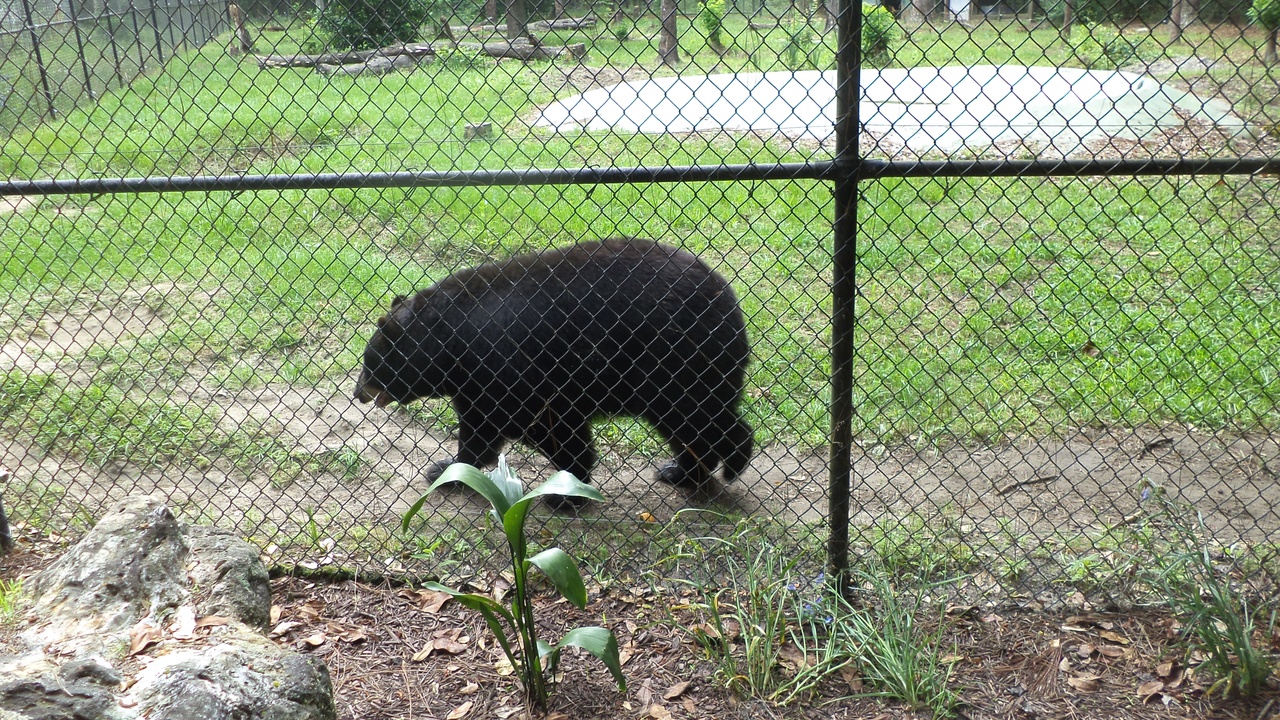
The American black bear is Georgia’s most iconic large mammal. Its primary range is in the state’s northern mountains and forested piedmont, where mixed hardwoods and pine stands supply mast, soft mast, and cover.
Georgia wildlife authorities report a stable to increasing trend in northern populations as habitat protections and management improve (Georgia DNR). Bears play key ecological roles as omnivores that disperse seeds and move nutrients across forest floors.
Visitors most often see bears in the Cohutta Wilderness and Chattahoochee National Forest. Managers reduce human-bear conflicts through education, seasonal campsite rules, and bear-resistant storage at trailheads—simple measures that greatly lower risky encounters.
Practical note: black bears typically den in late fall and emerge in spring; many state resources list annual timing and safety guidance for campers and homeowners (Georgia DNR bear info).
2. White-tailed Deer
White-tailed deer occur across nearly every ecoregion in Georgia—from coastal plains to mountain hollows—and are central to local outdoor traditions. They support hunting economies, draw wildlife observers, and influence forest regeneration through browse pressure.
State harvest reports show that deer hunting contributes substantial seasonal economic activity and is a core tool for population management (Georgia DNR harvest reports). High deer densities can alter understory composition, which prompts habitat and harvest regulation adjustments.
Where to see them: Georgia Wildlife Management Areas (WMAs) and public forests offer reliable viewing and regulated hunting opportunities. Managers balance harvest levels, habitat restoration, and monitoring to keep deer numbers aligned with local carrying capacity.
3. Bobcat
Shy and adaptable, the bobcat is a mid-sized predator found statewide. It uses forest edges, scrub, and mixed stands, preying on rabbits, rodents, and birds and helping control small mammal populations.
Bobcats are indicators of connected habitat and relatively intact predator communities. They sometimes appear near suburban parks and greenways, prompting educational outreach about coexistence and the importance of wildlife corridors.
Research in the Southeast reports typical bobcat home ranges that vary by sex and habitat but commonly fall within a few to several tens of square kilometers; breeding seasons and territorial behavior are well documented by state and university studies (Georgia DNR).
Notable Birds that Shape Georgia’s Skies
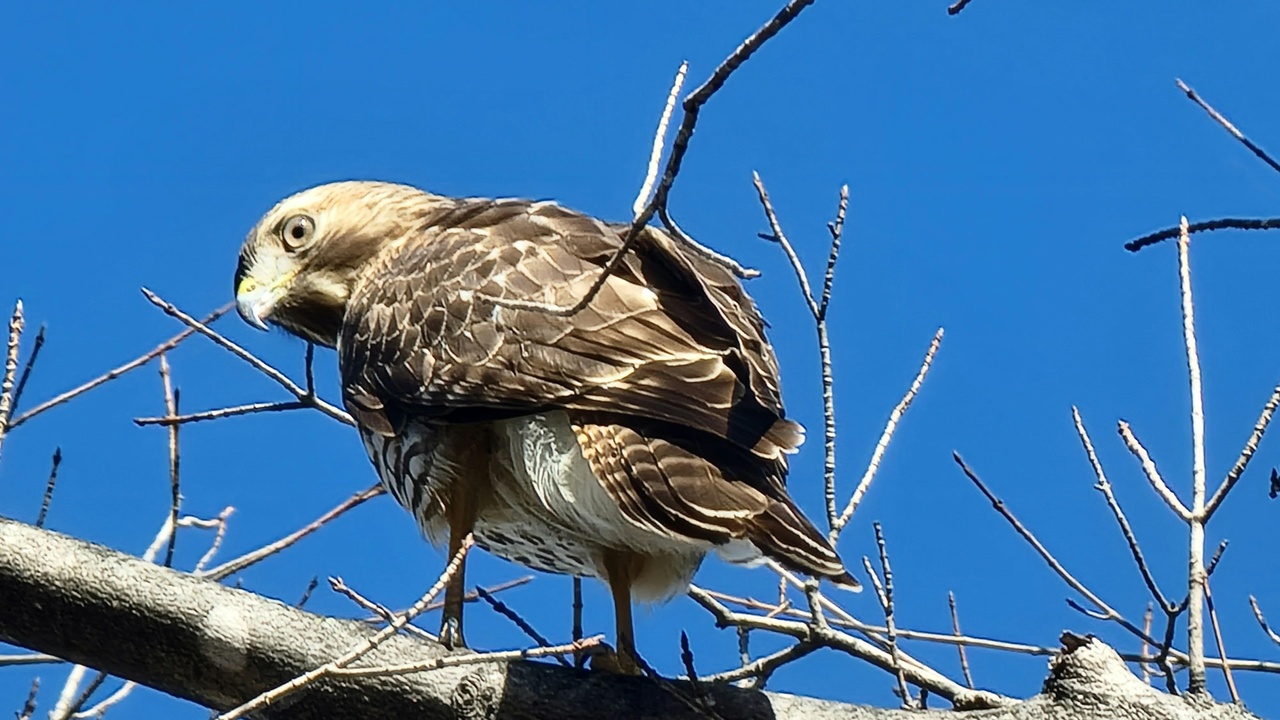
Georgia’s avian diversity ranges from tidal-marsh specialists to forest-dependent species like the red-cockaded woodpecker. Coastal islands, river corridors, and restored longleaf pine savannas host distinctive communities that serve as wetland indicators and support recreational birdwatching.
Some species have rebounded through targeted conservation, while others remain in need of continued action. Recent milestones—such as federal and state recovery efforts—show what focused management can accomplish for riverine raptors and forest specialists (USFWS, Georgia DNR).
Top birding hotspots include coastal islands, the Okefenokee Swamp, and preserves in the Piedmont where restoration and monitoring programs invite volunteers and naturalists.
4. Bald Eagle
Once rare, the bald eagle now nests along Georgia’s major rivers and coastal estuaries. Recovery efforts culminated in federal delisting in 2007, though the species remains protected under other laws (USFWS).
Population increases mirror water-quality improvements and healthy fish stocks. Eagles attract wildlife viewers and photographers to places like the Savannah River, Lake Seminole, and estuarine barrier island systems.
Conservation relevance is practical: nesting buffers, seasonal restrictions, and community eagle-watch events help sustain nesting success and engage residents in river stewardship.
5. Red-cockaded Woodpecker
The red-cockaded woodpecker depends on mature longleaf pine and is a flagship for pine-savanna restoration. Listed as endangered, it needs large trees of specific age and resin flow for cavity excavation.
Longleaf restoration projects—on military lands like Fort Stewart, in state preserves, and with partners such as The Longleaf Alliance and The Nature Conservancy—create habitat that benefits many associated species (Longleaf Alliance).
Recovery work tracks nesting clusters and restored acres; focused management of pine stands supports both the woodpecker and broader savanna biodiversity.
6. Wood Stork
Wood storks are large waders that signal the health of Georgia’s coastal marshes. They forage in shallow tidal creeks and nest in colonies on islands and in maritime forests.
Colony sizes vary by year and food availability, often ranging from tens to several hundred nests. Sites such as the Altamaha Delta and Harris Neck National Wildlife Refuge are regular locations for observers and surveys (Audubon).
Because wood storks respond to changes in water levels and prey abundance, they serve as practical indicators for estuarine productivity and guide coastal wetland management.
Reptiles and Amphibians: Georgia’s Hidden Biodiversity
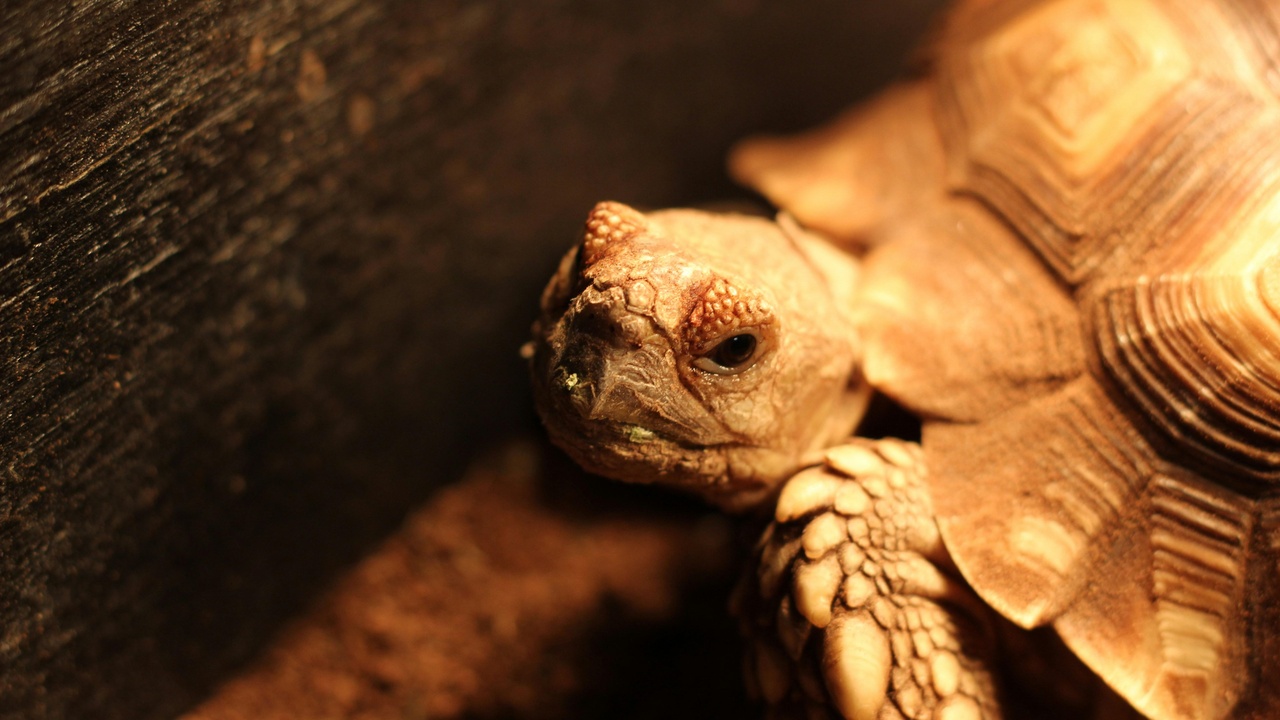
Georgia’s range of climates—from coastal flatlands to mountain streams—supports a rich herpetofauna. The state is home to numerous reptile and amphibian species, some of which play outsized ecological roles or present important public-safety and education needs.
Keystone species like the gopher tortoise create habitat for many other animals, while species such as rattlesnakes demand outreach to reduce risky encounters. University labs and the state natural heritage program track diversity, road mortality, and range shifts tied to development.
Conservation challenges include habitat loss, fragmentation, and vehicle collisions—areas where targeted education and planning can reduce impacts.
7. Gopher Tortoise
The gopher tortoise is a keystone on the coastal plain. Its deep, long burrows provide refuge for an astonishing number of other species; ecological studies document that burrows can host 300+ associated species, including invertebrates, snakes, and small mammals (see university herpetology research).
Because burrows are so valuable, tortoise protection factors heavily into land-use and development decisions. Military installations like Fort Stewart and conservation easements have become important for sustaining populations while longleaf restoration improves landscape connectivity (The Nature Conservancy).
Typical conservation details—burrow lengths often exceed 15 feet, and clutches average a few eggs per year—inform relocation, protection, and monitoring strategies implemented by state agencies.
8. Eastern Diamondback Rattlesnake
The eastern diamondback is North America’s largest rattlesnake and a striking member of Georgia’s coastal plain fauna. Adults commonly range from about 4 to 6 feet in length and favor longleaf pine uplands, palmetto thickets, and coastal hammocks.
As a top predator of rodents, the snake helps control pests, yet habitat loss and human persecution have reduced sightings in parts of its historic range. Public-safety education and habitat conservation are practical responses that reduce conflict and conserve this species.
Field guides and state herpetology resources offer safe-handling advice and data on typical adult size and seasonal activity patterns; outreach programs focus on identification, avoidance, and reporting.
Coastal and Aquatic Species: From Tides to Estuaries
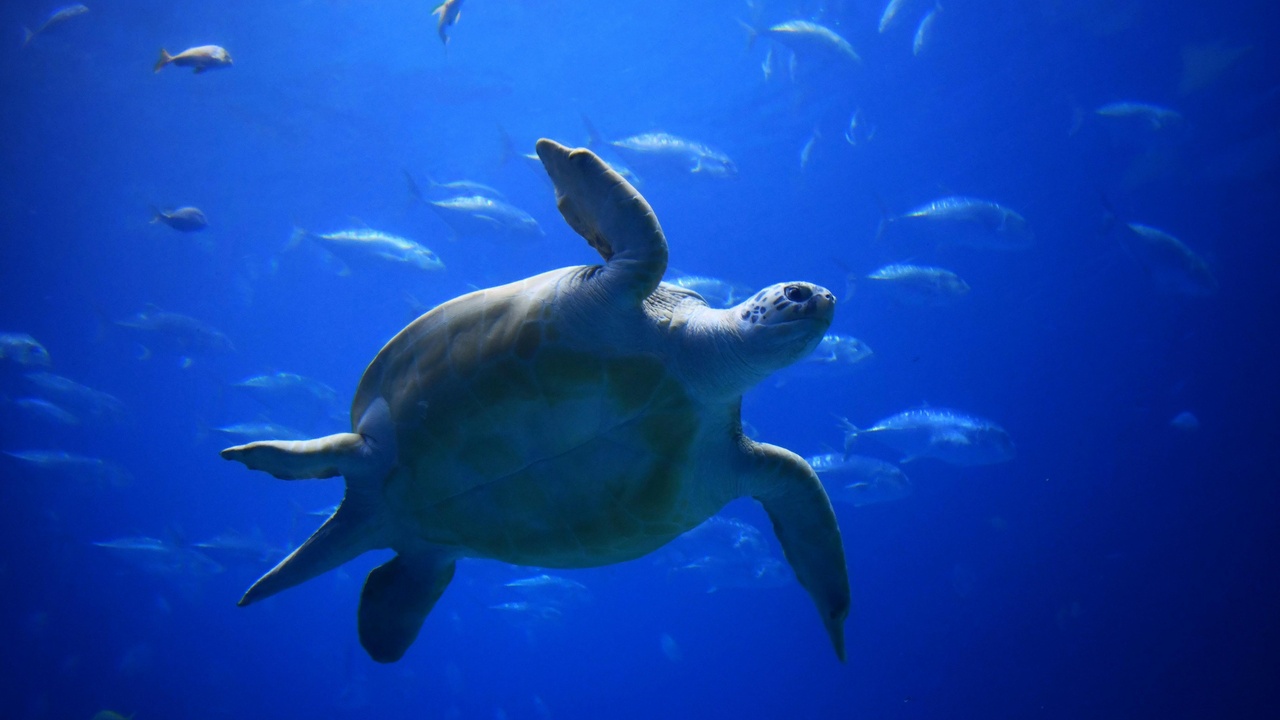
Georgia’s thin chain of barrier islands, broad estuaries, and productive marshes create specialized niches for marine and coastal wildlife. These systems support fisheries, buffer storms, and attract millions in tourism dollars each year.
Conservation here is highly practical: beach protection for nesting turtles, bycatch reduction in fisheries, and estuary restoration all improve ecological resilience while supporting local economies.
Volunteer programs and agency monitoring—led by organizations such as NOAA, Georgia DNR, and the Sea Turtle Conservancy—invite public participation and supply the seasonal data managers use to set protections.
9. Loggerhead Sea Turtle
Loggerhead sea turtles nest on Georgia’s barrier islands each summer, drawing volunteers and researchers. The nesting season typically runs from May through August, with monitoring programs tracking nests and hatchling success (Sea Turtle Conservancy, Georgia DNR).
Beach management—lighting restrictions, seasonal protections, and volunteer nest monitoring—improves hatchling orientation and survival. Islands like Jekyll and St. Catherines are regular nesting beaches and sites for citizen science involvement.
Data from NOAA and state partners guide local policies and help balance recreation with species protection during peak nesting months.
10. Bottlenose Dolphin
Bottlenose dolphins are common in Georgia’s estuaries and nearshore waters and are favorites among boaters and birders. They form social pods—often a few to several dozen individuals—and frequent the Altamaha and Savannah estuaries where prey density is high.
Dolphins are indicators of estuarine health: water quality, prey abundance, and fisheries interactions affect their distribution. Dolphin-watching supports coastal tourism, and NOAA and local surveys track sightings and strandings to inform management.
Responsible boating practices, pollution reduction, and fisheries regulations help reduce negative interactions and preserve opportunities for people to see dolphins in natural settings.
Summary
- Georgia’s wildlife spans mountains to coast, combining iconic mammals, raptors and wetland specialists, a rich herpetofauna, and coastal species that sustain fisheries and tourism.
- Conservation has produced clear wins—such as bald eagle recovery and targeted longleaf restoration—while habitat loss, fragmentation, and human-wildlife conflicts remain pressing threats.
- Practical ways to help include supporting refuges and restoration projects, volunteering for sea turtle nest monitoring and bird counts, and following local guidelines for safe, responsible recreation.
- For reliable information and opportunities to get involved, consult organizations such as Georgia DNR, The Nature Conservancy, and the Sea Turtle Conservancy.
- Keep exploring: seeing these species in the field—whether a bear in Cohutta or a nesting loggerhead on Jekyll Island—connects people to place and motivates the next round of conservation action.