Egypt’s mix of Nile plains, desert wadis, coastal dunes and mountain slopes supports a surprising variety of plant life, from hardy shrubs to seasonal wildflowers. Walking different regions reveals distinct floral communities tied to soil, elevation and rainfall rather than just latitude.
There are 29 Flowers of Egypt, ranging from Babul (Yellow acacia) to Wild tulip. For each species you’ll find below Scientific name, Habitat/Range, Bloom time so you can quickly see where and when each one appears.
How can I tell which species are native and which were introduced?
Look at habitat and distribution: plants confined to undisturbed deserts, mountains or coastal scrub are more likely native, while species common around settlements, irrigation ditches or agricultural areas are often introduced; use the Scientific name and Habitat/Range fields below and cross-check regional floras or herbarium records for confirmation.
When is the best time to see these flowers in the wild?
Bloom times vary, but many species flower after winter rains, peaking in late winter to spring (roughly February–April); consult the Bloom time entries below and plan visits after seasonal rains or during local flowering windows in places like the Nile Delta, Sinai highlands or Mediterranean coast.
Flowers of Egypt
| Name | Scientific name | Habitat/Range | Bloom time |
|---|---|---|---|
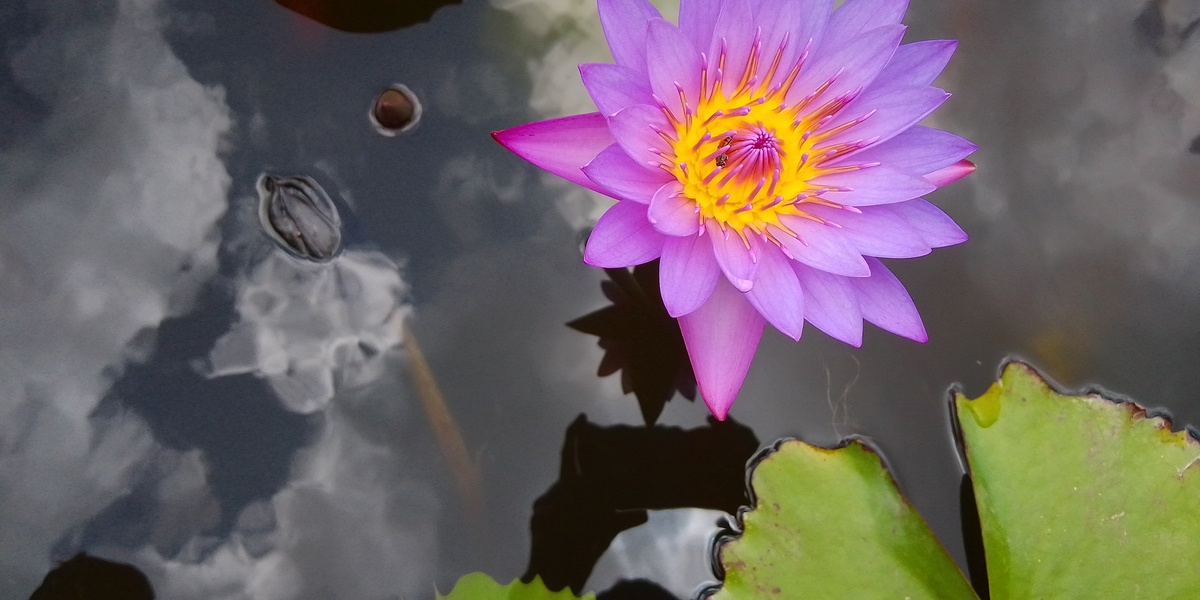
| Blue lotus | Nymphaea caerulea | Nile banks, ponds, canals | Mar–Aug |
| White water lily | Nymphaea lotus | Nile, irrigation pools, Delta wetlands | Mar–Aug |
| Oleander | Nerium oleander | Nile banks, canals, Mediterranean coast, irrigation channels | Apr–Oct |
| White broom | Retama raetam | Sinai, Eastern and Western deserts, coastal dunes | Feb–Apr |
| Umbrella thorn acacia | Vachellia tortilis | Sinai, deserts, some Nile fringes | Mar–Jun |
| Babul (Yellow acacia) | Vachellia nilotica | Nile banks, Delta, riparian groves | Mar–May |
| Poppy anemone | Anemone coronaria | Mediterranean coast, Sinai hills, disturbed ground | Feb–Apr |
| Corn poppy | Papaver rhoeas | Nile Delta, agricultural fields, roadsides | Mar–May |
| Persian buttercup | Ranunculus asiaticus | Delta, coastal farms, cultivated/wild escapes | Feb–Apr |
| Paperwhite narcissus | Narcissus tazetta | Mediterranean coast, Sinai, gardens and wild escapes | Jan–Mar |
| Bladder hibiscus | Hibiscus trionum | Fields, roadsides, disturbed ground, Nile banks | Apr–Jun |
| Common mallow | Malva sylvestris | Fields, gardens, roadsides, Delta | Mar–Jun |
| Bermuda buttercup (Oxalis) | Oxalis pes-caprae | Mediterranean coast, Nile Delta, gardens | Nov–Mar |
| Field marigold | Calendula arvensis | Fields, roadsides, Mediterranean fringe, Delta | Nov–Apr |
| Caper bush | Capparis spinosa | Mediterranean coast, Sinai cliffs, rocky slopes | Apr–Jun |
| Rockrose (Cistus) | Cistus creticus | Mediterranean coast, coastal dunes, Sinai | Feb–Apr |
| Wild tulip | Tulipa agenensis | Northern Sinai, Mediterranean foothills | Feb–Apr |
| Bishop’s weed | Ammi majus | Nile Delta, fields, ditches, disturbed ground | Mar–May |
| Jimsonweed | Datura stramonium | Roadsides, disturbed ground, fields | Jun–Sep |
| Beach morning-glory | Ipomoea pes-caprae | Red Sea and Mediterranean beaches, coastal dunes | Jun–Sep |
| Gazania | Gazania rigens | Mediterranean coast, gardens, roadsides, dunes | Mar–Jun |
| Bougainvillea | Bougainvillea glabra | Urban areas, Mediterranean coast, roadside plantings | Year-round with spring peak |
| Papyrus | Cyperus papyrus | Nile Delta reedy marshes, canals, wetlands | Jun–Sep |
| Stork’s-bill | Erodium cicutarium | Fields, roadsides, desert wadis | Feb–May |
| Lavender (rock) | Lavandula stoechas | Sinai hills, Mediterranean coastal scrub | Mar–May |
| Scarlet pimpernel | Anagallis arvensis | Fields, roadsides, disturbed ground | Feb–May |
| Chicory | Cichorium intybus | Roadsides, Delta, fields | Mar–Jun |
| Lantana | Lantana camara | Urban fringes, disturbed sites, Red Sea coast | Year-round with spring–autumn peaks |
| Greek sage | Salvia fruticosa | Sinai, Mediterranean cliffs and garrigue | Mar–May |
Images and Descriptions
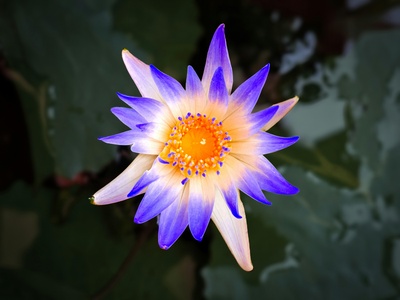
Blue lotus
Iconic ancient Egyptian “blue lotus” with sky-blue fragrant cup-shaped flowers. Look for floating pads on calm Nile canals and temple ponds. ID tip: bright blue petals with yellow center. Used in art, ritual and mild traditional infusions; common in Upper Egypt.
White water lily
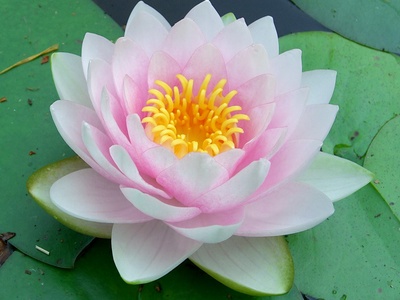
Large white water lily with rounded petals and floating leaves; a frequent sight on Nile pools and slow canals. ID tip: white blooms with yellow stamen cluster. Important in wetlands and visible near Luxor and Delta reedy areas.
Oleander
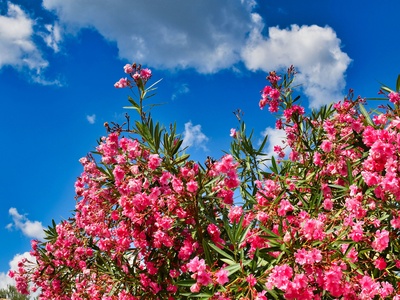
Tough evergreen shrub with clusters of pink, white or red funnel-shaped flowers. ID tip: long glossy leaves in pairs or whorls. Widely planted and self-seeding along waterways and roadsides; toxic but used as an ornamental hedge.
White broom
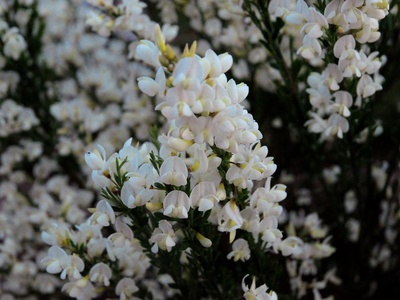
Shrubby desert broom with masses of fragrant white pea-like flowers on broomy green stems. ID tip: leafless green twigs and pea-flower clusters. Makes bright displays after winter rains across Sinai and desert wadis.

Umbrella thorn acacia
Iconic acacia with flat, umbrella-shaped crown and creamy ball-shaped flower clusters. ID tip: small compound leaves and thorny branches. Provides shade in wadis and desert plains; flowers attract pollinators and livestock browse.
Babul (Yellow acacia)
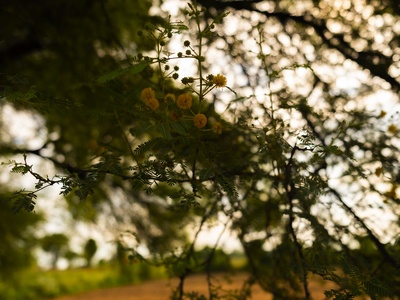
Thorny tree with dense spherical yellow flower heads that scent the air in spring. ID tip: clustered yellow pompom flowers on long stalks. Important for fodder, tannin and as a riverside shade tree near the Delta.
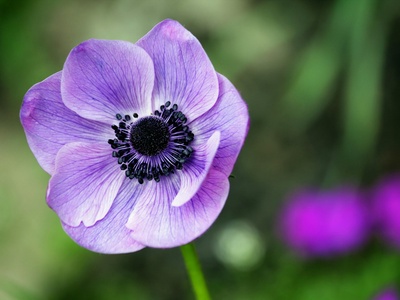
Poppy anemone
Striking bowl-shaped flowers in red, purple, blue and white with dark centers. ID tip: solitary petaled blooms on slender stems. Seen carpeting hillsides and cultivated fields in spring; popular in photos and wildflower walks.
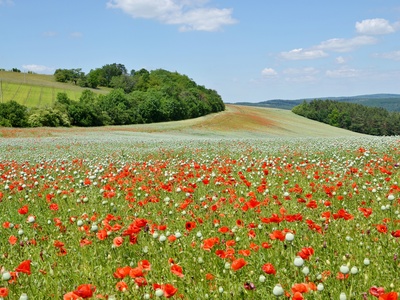
Corn poppy
Bright red single flowers with black centers that punctuate spring fields. ID tip: papery petals and upright seed capsules. A familiar spring weed in cultivated land and ditches across northern Egypt.
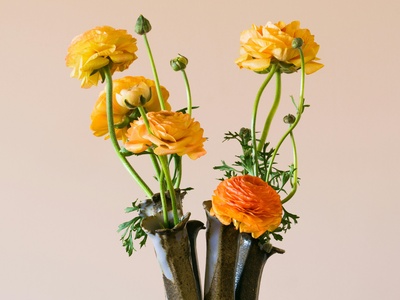
Persian buttercup
Showy layered blooms in red, pink and white; prized in cut-flower trade and found in wet winter fields. ID tip: many-petalled, glossy flowers on tall stems. Best seen in coastal cultivated areas after winter rains.
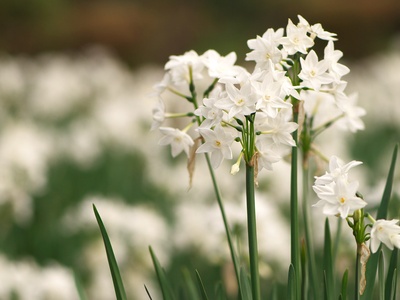
Paperwhite narcissus
Fragrant clusters of small white trumpets with yellow cups. ID tip: clumped bulbs and sweet scent. Grows wild and escaped from gardens on coastal dunes and rocky slopes; used in perfumes and as spring bulbs.
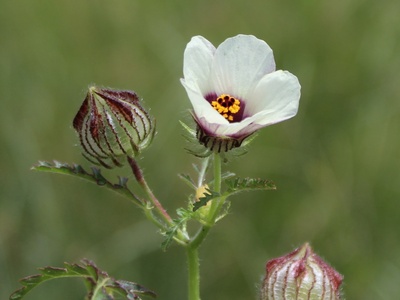
Bladder hibiscus
Pale yellow or cream hibiscus with dark eye and inflated seed capsule behind the bloom. ID tip: saucer-shaped petals with contrasting center. Common weed in summer crops and open ground; admired for unusual seed pods.
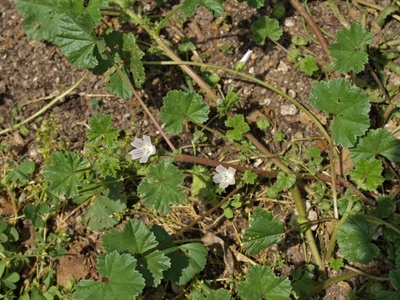
Common mallow
Lavender-pink to purple petals with dark veins and a prominent central column of stamens. ID tip: rounded palmate leaves and hibiscus-like flowers. Used traditionally for soothing remedies; frequent in disturbed soils and hedgerows.
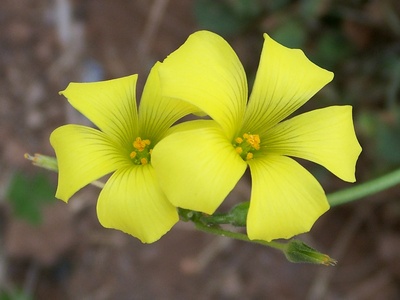
Bermuda buttercup (Oxalis)
Low-growing bulbous plant with bright yellow five-petalled flowers in winter. ID tip: trifoliate clover-like leaves and a nodding habit. An invasive winter carpet on lawns, dunes and fallow fields along the coast.
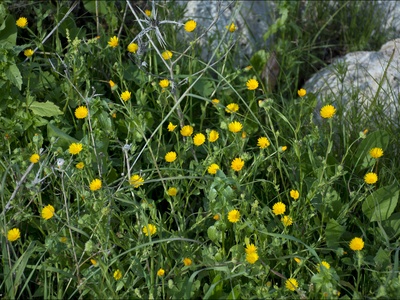
Field marigold
Smaller wild marigold with orange-yellow daisy-like heads. ID tip: single row of rays and sticky stems. Seen in winter-spring fields and wasteland; petals used historically for dye and folk remedies.
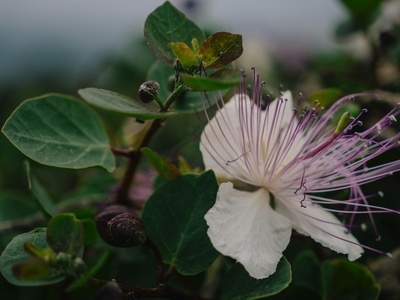
Caper bush
Scrambling shrub with large white flowers and long purple-tipped stamens; produces edible caper buds. ID tip: stout succulent stems and showy night-opening blooms. Look on coastal cliffs and stone walls around Sinai.
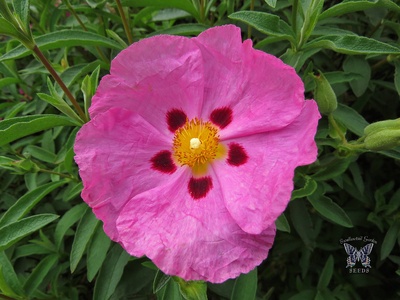
Rockrose (Cistus)
Shrubby plant with crinkled white to pink flowers and sticky aromatic leaves. ID tip: papery petals that may have dark spots at the base. Forms scrubby thickets on dry coastal soils and hillsides.
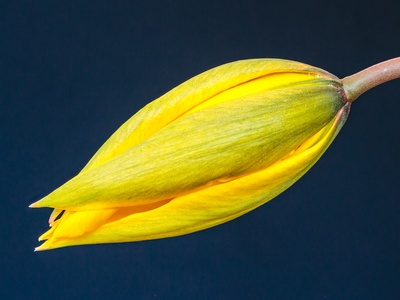
Wild tulip
Elegant cup-shaped red or yellow tulips with darker markings. ID tip: smooth ovoid bulb leaves and single showy cup. Appears after winter rains on rocky slopes and open fields in northern Sinai.
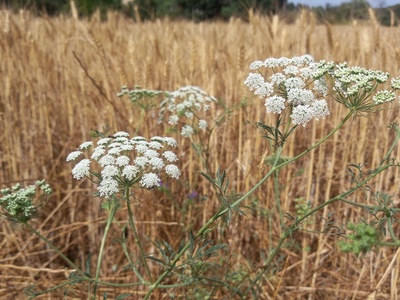
Bishop’s weed
Umbellifer with lacy white umbels that brighten marshy fields and canals. ID tip: dense white umbrella inflorescences atop hollow stems. Often seen in wet lowlands and ditch margins; historically used in traditional medicine.
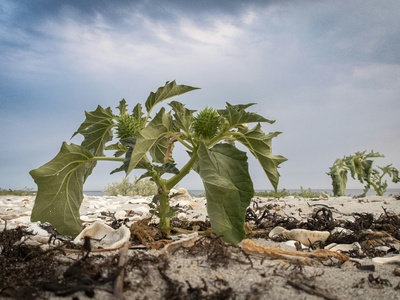
Jimsonweed
Large white to purple trumpet flowers opening at night and spiky seed pods. ID tip: big funnel flowers and poisonous alkaloids. A common roadside weed; historically used in rituals but highly toxic.
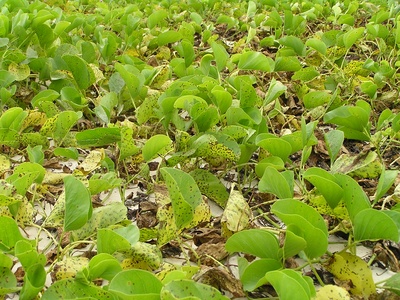
Beach morning-glory
Creeping vine with large mauve-pink funnel flowers hugging the sand. ID tip: succulent stems and heart-shaped leaves. Stabilizes dunes and common on Egypt’s Red Sea and Mediterranean shores.
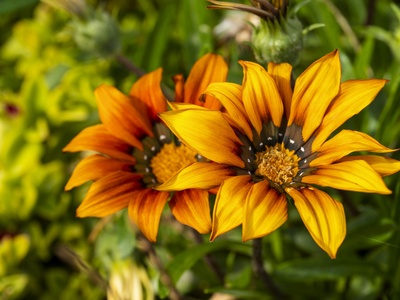
Gazania
Low daisy-like flowers in bold orange, yellow and red with dark centers. ID tip: basal silvery leaves and daisy rays that close in shade. Popular in coastal gardens and escapes onto sandy roadside verges.
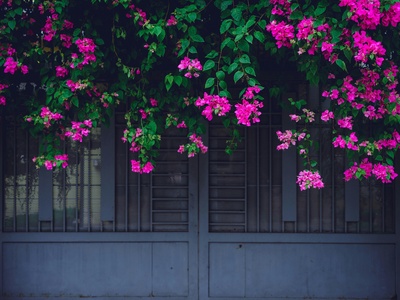
Bougainvillea
Vivid magenta, orange or white papery bracts surround tiny true flowers. ID tip: thorny vines with paper-like bracts. Widely planted and self-seeding in warm urban and coastal spots; a familiar city landscape plant.

Papyrus
Tall sedge with dramatic tufted umbrella-like inflorescences atop hollow stems. ID tip: dense tuft of thin stems and brownish flower clusters. Iconic in ancient Egypt, still seen in reedy Delta marshes and riverine stands.
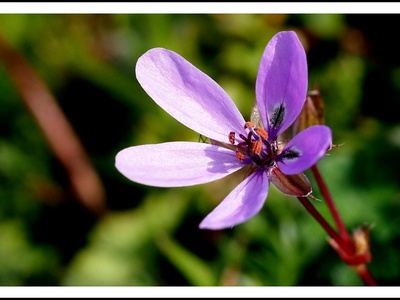
Stork’s-bill
Low rosette with pink to purple five-petalled flowers and long beaked seed pods. ID tip: fern-like pinnate leaves and distinctive beaked fruit. Common early-spring wildflower across disturbed soils and semi-desert.
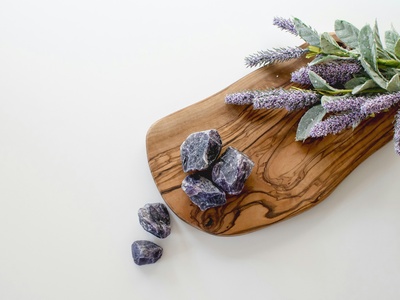
Lavender (rock)
Shrubby aromatic plant with dense purple flower spikes topped by showy bracts. ID tip: fragrant foliage and tufted flower heads. Found on rocky slopes and scrub; used locally for scent and traditional remedies.
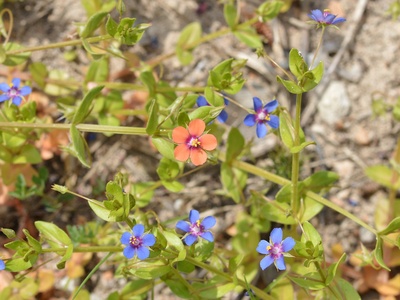
Scarlet pimpernel
Small but bright orange-red or blue star-shaped flowers close on cloudy days. ID tip: prostrate habit and opposite leaves. Common in spring on cultivated fields and waste ground; easy to spot in carpets after rains.
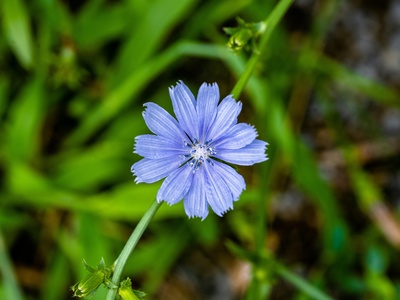
Chicory
Tall plant with bright sky-blue daisy-like flowers that open in daylight. ID tip: toothed leaves and deep blue petals. Grows wild along roads and field margins; young leaves used as a bitter salad green.
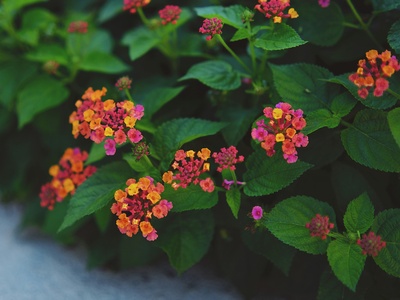
Lantana
Shrubby invasive with dense clusters of orange, red or yellow tubular flowers. ID tip: rough textured leaves and color-changing flower heads. Escapes gardens into scrub and coastal slopes; nectar-rich for butterflies.
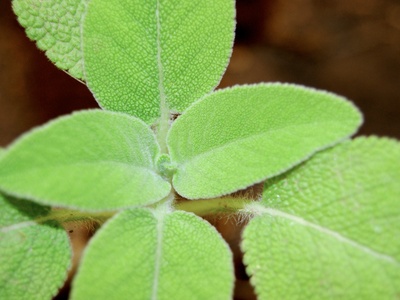
Greek sage
Woody aromatic sage with spikes of blue to violet tubular flowers. ID tip: wrinkled aromatic leaves and vertical flower spikes. Found on rocky hillsides of Sinai and coastal scrub; used in herbal teas and cooking.