Latvia’s varied landscapes — Baltic coast, peat bogs, mixed forests and agricultural lowlands — support a diverse mammal fauna. A concise checklist helps both casual walkers and field naturalists know what to expect and where to look.
There are 55 Mammals of Latvia, ranging from American mink (introduced) to Yellow-necked mouse. For each species, the list gives Scientific name, Typical size (weight kg; length cm), and Main habitat & occurrence — you’ll find below.
Which species on the list are introduced or invasive?
Introduced species are noted in the list (for example, American mink is marked as introduced); check the Main habitat & occurrence column for status notes. Where introductions exist, local conservation or hunting reports can give more detail on impacts and current abundance.
How can I use this list to plan mammal watching in Latvia?
Use the Typical size and Main habitat & occurrence columns to target likely locations and detection methods (daytime for deer and hares, dawn/dusk or spotlighting for many carnivores and small mammals). Seasonal activity and local guides or nature reserves will improve chances of sightings.
Mammals of Latvia
| Name | Scientific name | Typical size (weight kg; length cm) | Main habitat & occurrence |
|---|---|---|---|
| Eurasian beaver | Castor fiber | 11–30 kg; 80–120 cm | Rivers, lakes, wetlands; common nationwide |
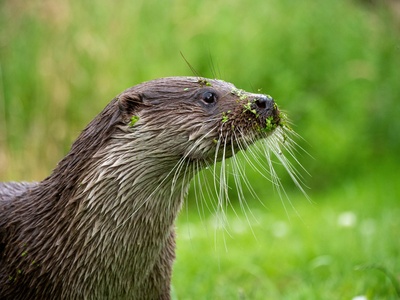
| European otter | Lutra lutra | 6–12 kg; 60–100 cm | Rivers, lakes, coastal bays; scattered but regular |
| Muskrat (introduced) | Ondatra zibethicus | 0.7–2.0 kg; 30–45 cm | Marshes, rivers, reedbeds; widespread since introduction |
| Red squirrel | Sciurus vulgaris | 0.2–0.4 kg; 18–25 cm | Conifer and mixed forests; common across Latvia |
| Moose | Alces alces | 200–600 kg; 180–250 cm | Wet forests, mires, river valleys; common in eastern Latvia |
| Roe deer | Capreolus capreolus | 15–35 kg; 90–140 cm | Forests, agricultural edges; widespread and common |
| Red deer | Cervus elaphus | 100–250 kg; 160–240 cm | Woodlands, meadows; common in larger forested areas |
| Fallow deer (introduced) | Dama dama | 60–100 kg; 110–160 cm | Parks, woodlands; local populations, often managed |
| Wild boar | Sus scrofa | 50–150 kg; 90–180 cm | Forests, wetlands, agricultural edges; common and expanding |
| Brown bear | Ursus arctos | 80–250 kg; 140–250 cm | Remote forests, eastern regions; low numbers, rare sightings |
| Grey wolf | Canis lupus | 25–45 kg; 100–140 cm | Forests, remote areas; distributed but at low density |
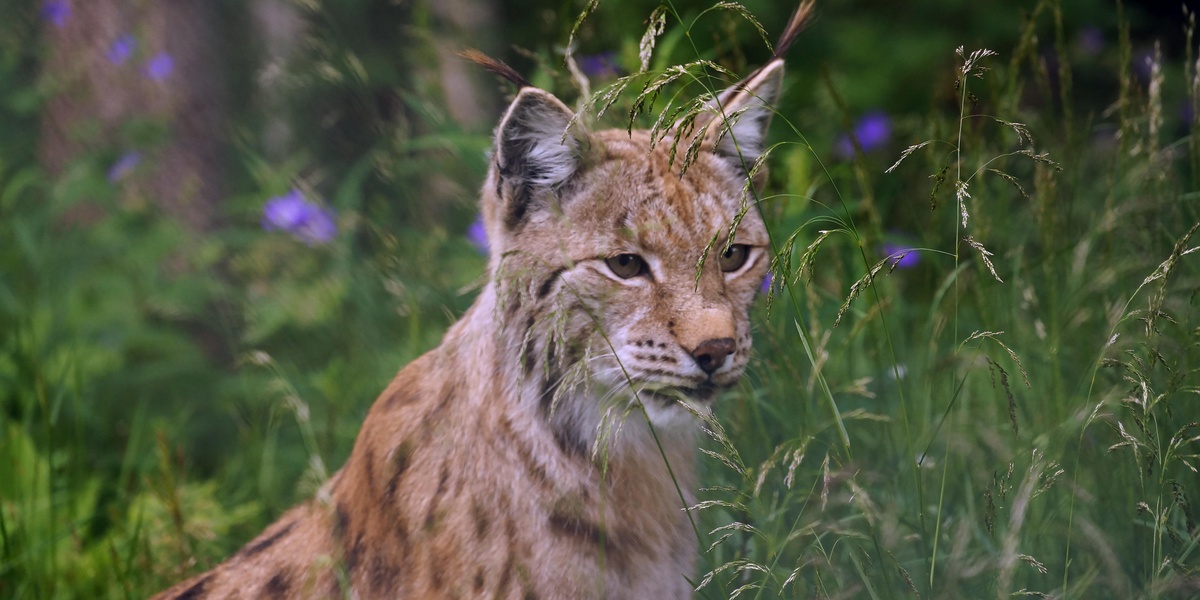
| Eurasian lynx | Lynx lynx | 18–35 kg; 80–130 cm | Mature forests, low human density areas; scattered |
| Red fox | Vulpes vulpes | 5–10 kg; 60–90 cm | Mixed habitats, farmland, urban outskirts; very common |
| Raccoon dog (introduced) | Nyctereutes procyonoides | 5–10 kg; 50–70 cm | Wetlands, forests, agricultural areas; widespread introduced species |
| European wildcat | Felis silvestris | 3–8 kg; 50–80 cm | Old deciduous forests, remote areas; rare and elusive |
| European badger | Meles meles | 8–13 kg; 60–90 cm | Woodlands, hedgerows; widespread but nocturnal |
| European pine marten | Martes martes | 0.8–2.0 kg; 35–55 cm | Mature forests; widespread but secretive |
| Stone/Becher marten | Martes foina | 0.7–1.8 kg; 35–60 cm | Villages, buildings, open woodlands; common near humans |
| European polecat | Mustela putorius | 0.7–1.5 kg; 30–45 cm | Farmland, wetlands, woodland edges; widespread |
| American mink (introduced) | Neovison vison | 0.5–1.5 kg; 30–45 cm | Rivers, lakes, wetlands; common and widespread |
| Stoat / Ermine | Mustela erminea | 0.06–0.3 kg; 17–33 cm | Woodlands, farmlands, grasslands; widespread |
| Least weasel | Mustela nivalis | 0.02–0.1 kg; 11–20 cm | Fields, hedgerows, open habitats; widespread but tiny |
| European hare | Lepus europaeus | 3–6 kg; 50–75 cm | Fields, meadows, woodland edges; common |
| Mountain hare | Lepus timidus | 2.5–4.5 kg; 45–60 cm | Northern bogs and taiga-like zones; local and scarce |
| European mole | Talpa europaea | 0.06–0.12 kg; 10–18 cm | Meadows, gardens, woodlands; widespread subterranean |
| Common pipistrelle | Pipistrellus pipistrellus | 0.004–0.009 kg; 3–5 cm | Woodlands, towns; widespread in summer, roosts in buildings |
| Nathusius’ pipistrelle | Pipistrellus nathusii | 0.005–0.01 kg; 3–5 cm | Forests, wetlands, migratory routes; common migrant |
| Soprano pipistrelle | Pipistrellus pygmaeus | 0.004–0.01 kg; 3–5 cm | Riparian woodland, parks; locally common |
| Noctule | Nyctalus noctula | 0.02–0.05 kg; 5–8 cm | Open woodland, parks; widespread summer resident |
| Leisler’s bat | Nyctalus leisleri | 0.02–0.04 kg; 5–7 cm | Woodland edges, towns; common migrant and summer resident |
| Daubenton’s bat | Myotis daubentonii | 0.005–0.015 kg; 4–6 cm | Over water, rivers and lakes; common near wetlands |
| Northern bat | Eptesicus nilssonii | 0.015–0.03 kg; 5–8 cm | Forests and clearings; common in north and inland |
| Serotine | Eptesicus serotinus | 0.02–0.04 kg; 5–8 cm | Woodland edges, buildings; local and detectable |
| Brown long-eared bat | Plecotus auritus | 0.006–0.01 kg; 4–6 cm | Woodlands, buildings; widespread in summer |
| Pond bat | Myotis dasycneme | 0.015–0.035 kg; 5–8 cm | Wetlands, river valleys; local but breeds in Latvia |
| Natterer’s bat | Myotis nattereri | 0.006–0.015 kg; 4–6 cm | Woodlands, buildings; scattered but regular |
| Brandt’s bat | Myotis brandtii | 0.004–0.012 kg; 3–5 cm | Mature forests; secretive but present |
| Whiskered bat | Myotis mystacinus | 0.004–0.01 kg; 3–5 cm | Woodland edges, old buildings; widespread but cryptic |
| Common shrew | Sorex araneus | 0.005–0.02 kg; 6–10 cm | Woodland floor, grasslands, hedgerows; very common |
| Pygmy shrew | Sorex minutus | 0.002–0.006 kg; 4–6 cm | Grasslands, wetlands, open woodland; widespread but tiny |
| Water shrew | Neomys fodiens | 0.01–0.03 kg; 8–12 cm | Streams, wetlands; associated with clean water |
| European water vole | Arvicola amphibius | 0.1–0.6 kg; 15–30 cm | Riverbanks, reedbeds, marshes; local but present |
| Bank vole | Myodes glareolus | 0.02–0.05 kg; 8–12 cm | Woodlands, hedgerows; very common |
| Field vole | Microtus agrestis | 0.02–0.06 kg; 8–12 cm | Grasslands, meadows, marsh edges; common |
| Common vole | Microtus arvalis | 0.02–0.06 kg; 8–14 cm | Farmland, meadows; widespread in open habitats |
| Root vole | Microtus oeconomus | 0.02–0.07 kg; 8–13 cm | Wet meadows, marshes, northern peatlands; common in wetlands |
| Harvest mouse | Micromys minutus | 0.004–0.01 kg; 5–9 cm | Reedbeds, tall grasses; local in wetlands and field margins |
| Yellow-necked mouse | Apodemus flavicollis | 0.02–0.05 kg; 8–12 cm | Forests, hedgerows; common in woodlands |
| Wood mouse | Apodemus sylvaticus | 0.02–0.05 kg; 7–12 cm | Woodlands, farmland, gardens; widespread |
| House mouse | Mus musculus | 0.015–0.03 kg; 6–10 cm | Buildings, farms, urban areas; widespread commensal |
| Brown rat | Rattus norvegicus | 0.2–0.5 kg; 20–40 cm | Urban areas, farms, waterways; widespread commensal |
| Grey seal | Halichoerus grypus | 150–350 kg; 200–300 cm | Coastal waters, islands, Gulf of Riga; regular coastal visitor |
| Harbour porpoise | Phocoena phocoena | 40–70 kg; 140–180 cm | Offshore Baltic waters; occasional but regular visitor |
| West European hedgehog | Erinaceus europaeus | 0.6–1.2 kg; 20–30 cm | Gardens, parks, woodlands; common in settled areas |
| Vesper bat (general) | Vespertilionidae spp. | 0.004–0.05 kg; 3–8 cm | Varied: forests, wetlands, buildings; many species present |
Images and Descriptions
Eurasian beaver
Large, flat-tailed rodent that builds dams and lodges. Dark brown, unmistakable chew marks on trees. Active at dawn and night; widespread in Latvian waterways and a conservation success story, often visible from riverside hides.
European otter
Sleek, fish-eating semi-aquatic mammal with dense fur and long tail. Elusive but signs (spraints, slides) common along rivers and the Gulf of Riga; best seen at dusk or by quiet watersides.
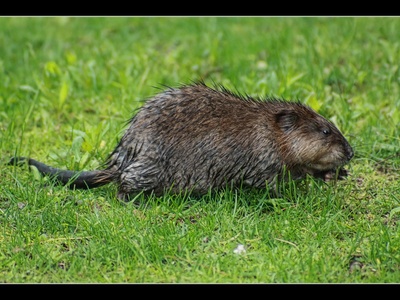
Muskrat (introduced)
Large water-rodent with flattened tail and dense fur. Builds bank burrows and feeding platforms in reeds. Common in Latvian wetlands and often mistaken for small beavers or large rats.
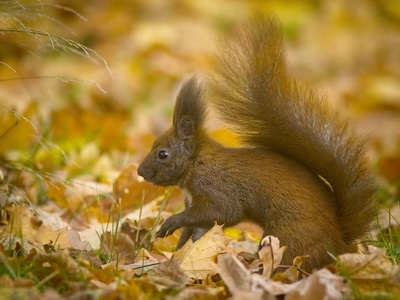
Red squirrel
Small tree-dwelling rodent with bushy tail and ear tufts in winter. Agile and vocal; easily seen in woodlands and gardens, especially where feeder stations are present.
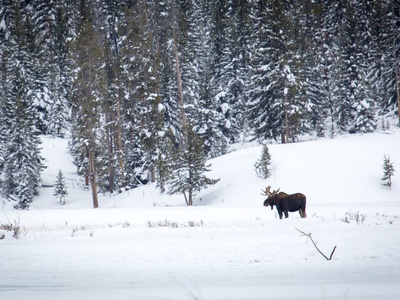
Moose
Europe’s largest deer with long legs, humped shoulders, and palmate antlers on males. Solitary or small groups; visible along forest roads and bog edges, especially at dawn and dusk.
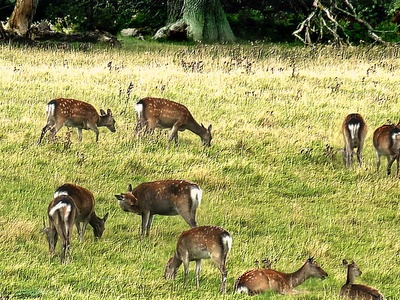
Roe deer
Small, graceful deer with short antlers on males and a reddish summer coat. Often seen at woodland margins, fields and near villages; active at dawn and dusk.
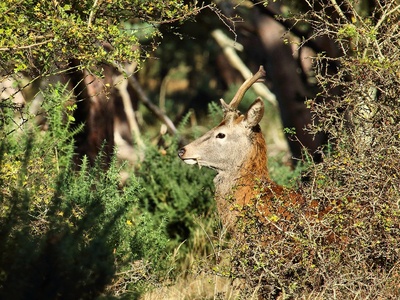
Red deer
Large deer with impressive branching antlers on stags. Gregarious in herds; rutting season in autumn is notable. Found in Latvia’s larger forest complexes and open meadows.
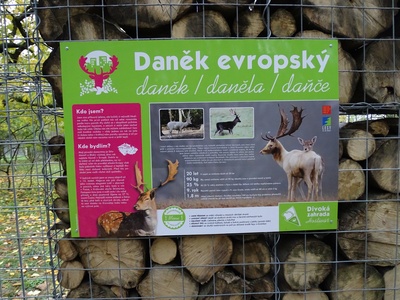
Fallow deer (introduced)
Medium-sized deer with palmate antlers and spotted coat in summer. Introduced and managed in estates and forests; fairly visible where populations are maintained.
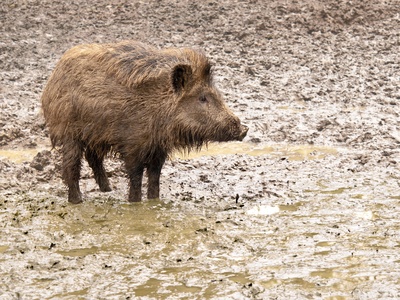
Wild boar
Omnivorous, hardy mammals with bristly coat and short tusks. Nocturnal but often seen at dawn/dusk; cause crop damage and are widespread across Latvian countryside.
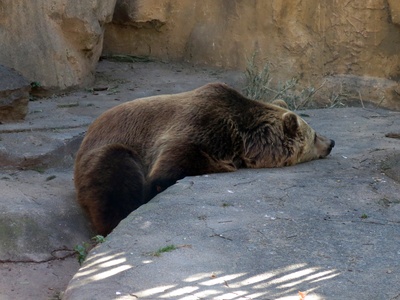
Brown bear
Massive omnivore with thick fur and a distinctive shoulder hump. Typically shy; mainly in eastern and central deep forests. Sightings are uncommon but possible in remote areas.
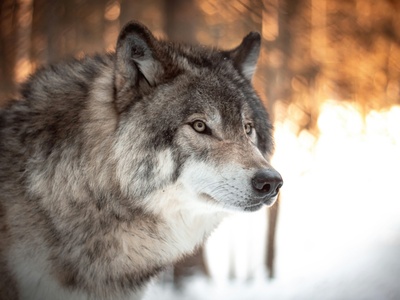
Grey wolf
Pack-living predator with powerful build and long legs. Elusive but widespread across Latvia’s forests; howling heard at night; occasionally near settlements.
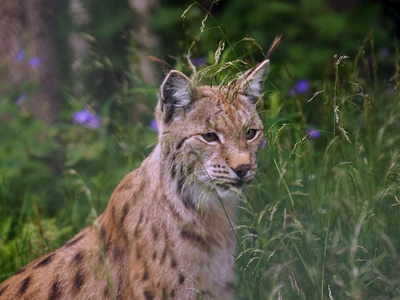
Eurasian lynx
Solitary spotted cat with tufted ears and a short tail. Expert ambush predator; rare but resident in larger forest tracts — best chance in remote eastern woods.
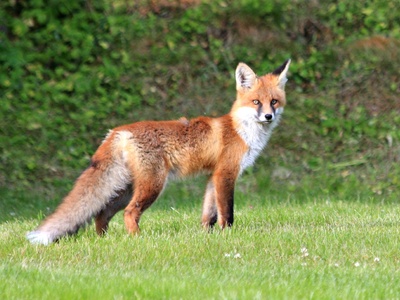
Red fox
Adaptable, red-coated canid with bushy tail. Opportunistic feeder, active at night and dawn. Frequently seen along roads, fields and even town edges throughout Latvia.

Raccoon dog (introduced)
East Asian introduced canid with raccoon-like face. Nocturnal and omnivorous; now common in Latvia’s countryside, especially near wetlands and reedbeds.
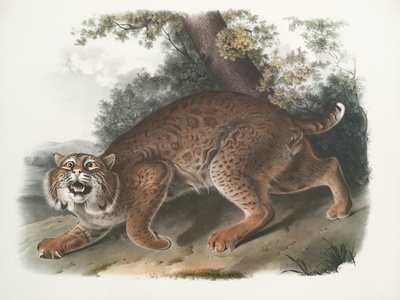
European wildcat
Sturdy tabby-like cat with bushy ringed tail and no domestic cat markings. Very shy; small remnant populations occur in undisturbed forests — rarely seen.
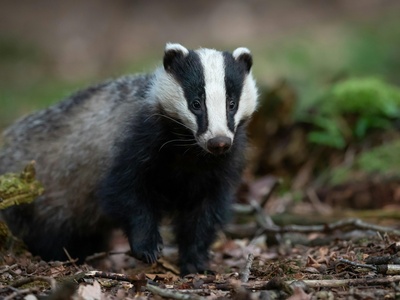
European badger
Stocky mammal with black-and-white face stripes and burrowing habits. Lives in setts and forages at night; common but often unseen, signs found near forests and fields.
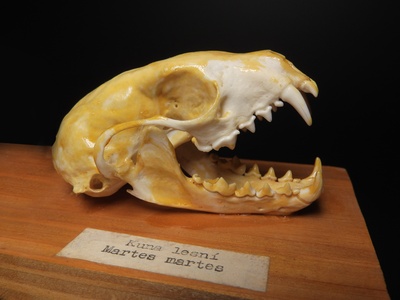
European pine marten
Arboreal carnivore with slender body and creamy throat patch. Excellent climber; feeds on small mammals, birds and fruit. Occasionally visits farm outbuildings; sightings are infrequent.

Stone/Becher marten
Adaptable marten with grizzled fur and pale throat patch. Often nests in attics and sheds; more tolerant of human areas than pine marten.
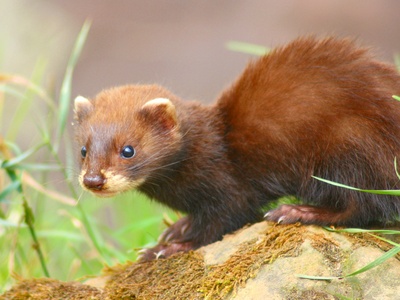
European polecat
Dark, weasel-like carnivore with mask-like face. Nocturnal predator of rodents and birds; secretive but common in rural and marshy habitats.

American mink (introduced)
Semi-aquatic mustelid introduced for fur farming; dark brown and sleek. Competes with native species; often seen near water at dusk or dawn.
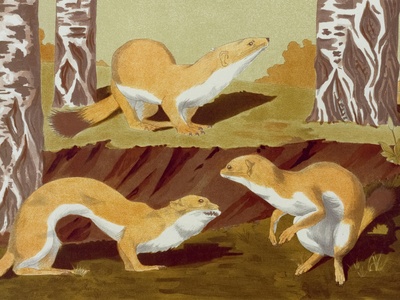
Stoat / Ermine
Small, agile predator with long body and seasonal white winter coat (ermine). Hunts rodents; common but rarely seen during the day.
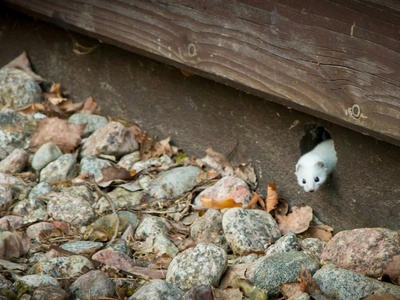
Least weasel
Smallest carnivore with elongated body. Fierce predator of small rodents; often hidden, but signs of predation reveal its presence in farmland and grassland.
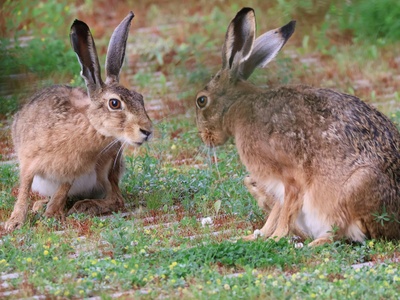
European hare
Large long-eared lagomorph with long hindlegs and fast running. Active at dawn and dusk; commonly seen in agricultural landscapes across Latvia.

Mountain hare
Smaller, paler hare that molts white in winter in northern populations. Occurs in northern or high bog habitats in Latvia but is relatively rare and localized.
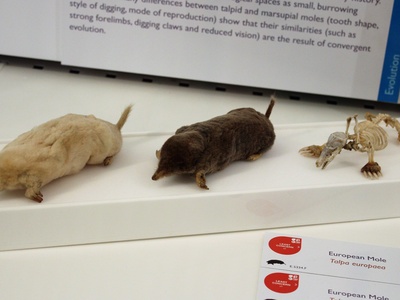
European mole
Fossorial insectivore with paddle-like forelimbs and velvety fur. Creates molehills and tunnels across lawns and fields; common but mostly unseen above ground.
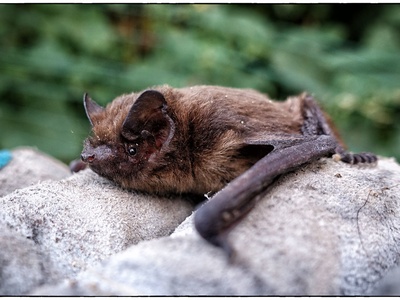
Common pipistrelle
Small, common bat with rapid flight. Roosts in buildings and trees; active around streetlights hunting insects. One of Latvia’s most frequently encountered bats.
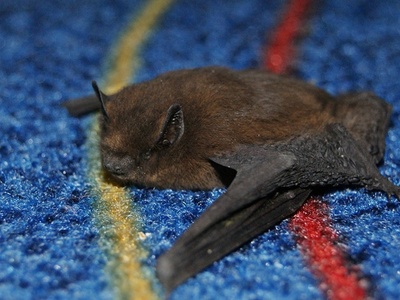
Nathusius’ pipistrelle
Long-distance migrating pipistrelle with slender wings. Passes through Latvia in large numbers during migration and breeds locally in wooded wetlands.
Soprano pipistrelle
Similar to common pipistrelle but favours waterways and wetlands. Roosts in tree cavities and buildings; active at dusk along rivers and reedbeds.
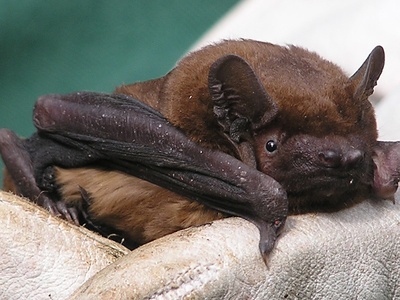
Noctule
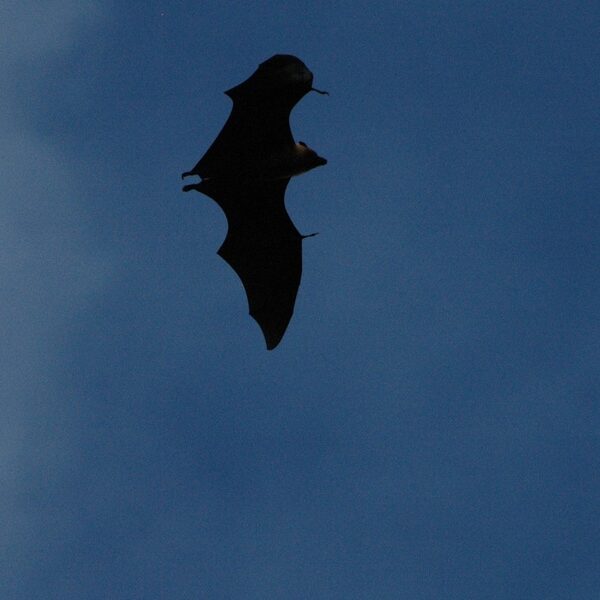
Large, fast-flying bat that forages high above canopy. Often seen at dusk in open skies; migratory tendencies mean seasonal abundance in Latvia.
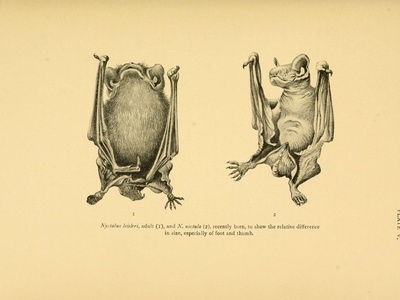
Leisler’s bat
Medium-sized bat with slender wings and reddish fur. Often forages above tree canopy and around streetlights; appears in summer and on migration.
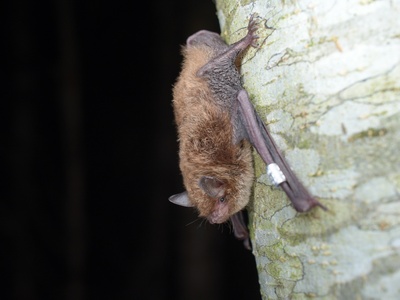
Daubenton’s bat
Water-hunting bat skimming insects from water surface. Pale belly and fluttering flight make it distinctive; frequently seen over Latvian lakes and rivers at dusk.
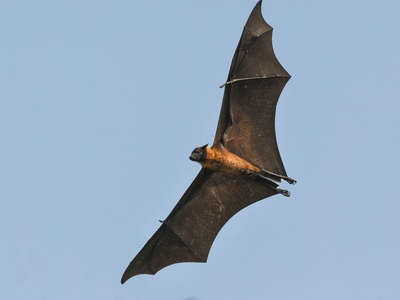
Northern bat
Robust bat with dark fur and slow flight. Roosts in buildings and hollow trees; active in forested areas across Latvia, especially inland.
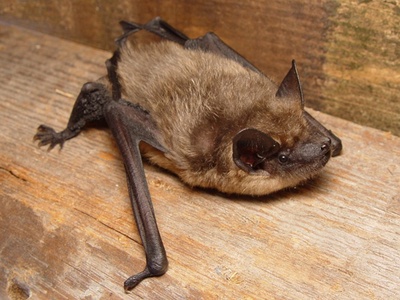
Serotine
Larger vesper bat with broad wings and late activity. Roosts in buildings and bat boxes; less common but present in suitable habitats.
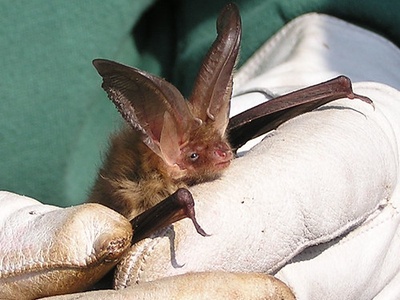
Brown long-eared bat
Distinctive for very large ears and slow, manoeuvrable flight. Often gleaning moths from vegetation; roosts in attics and tree cavities, regularly seen near forests.

Pond bat
Medium-sized Myotis preferring wetlands and large water bodies. Forages low over water; locally distributed in suitable marsh and lake habitats.
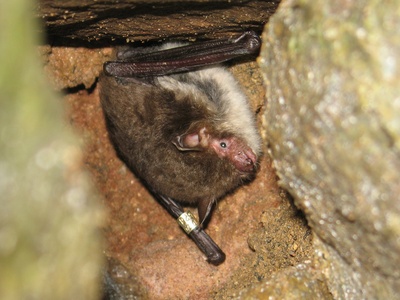
Natterer’s bat
Gently rounded ears and agile flight for hunting in cluttered woodland. Roosts in tree crevices and buildings; present across Latvia in suitable forested areas.
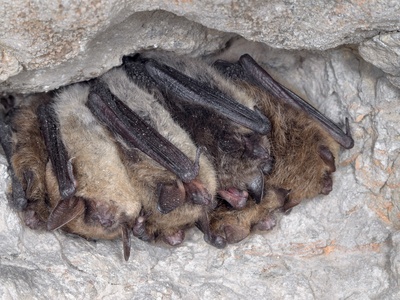
Brandt’s bat
Small Myotis often roosting in tree holes and buildings. Difficult to distinguish without echolocation calls; regular in forested parts of Latvia.
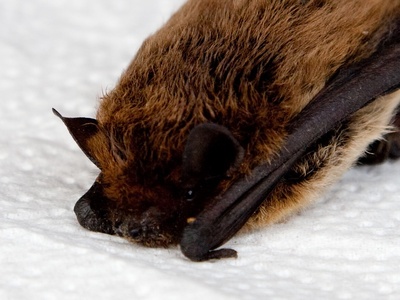
Whiskered bat
Tiny Myotis species foraging close to vegetation. Often overlaps with Brandt’s bat; seen in forest edges and near water in summer.
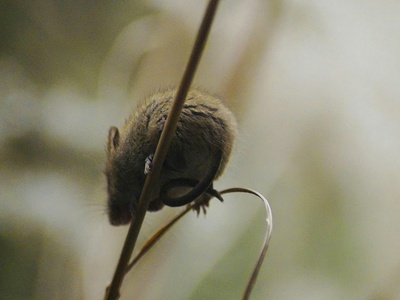
Common shrew
Small insectivorous mammal with dense fur and long snout. High metabolism and active day and night; frequently found under leaf litter and garden debris.
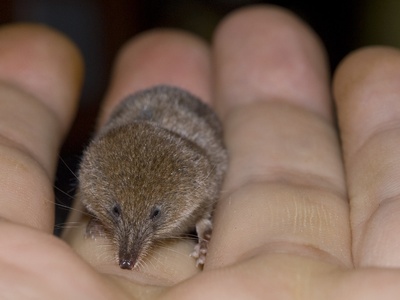
Pygmy shrew
One of Europe’s smallest mammals with rapid movements. Prefers moist grassy habitats; easy to miss but common where suitable microhabitats exist.
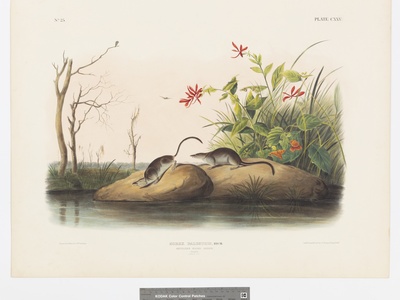
Water shrew
Semi-aquatic shrew with water-repellent fur and fringed feet. Hunts aquatic invertebrates and small fish; presence indicated by activity near streams and ponds.
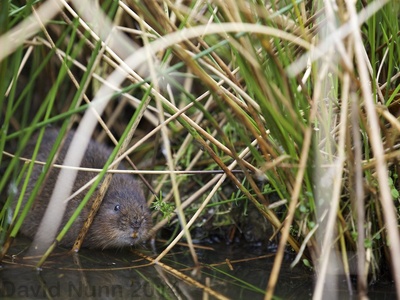
European water vole
Chunky semi-aquatic rodent with blunt nose. Builds burrows and feeding platforms; populations fluctuate but present in Latvia’s wetlands.
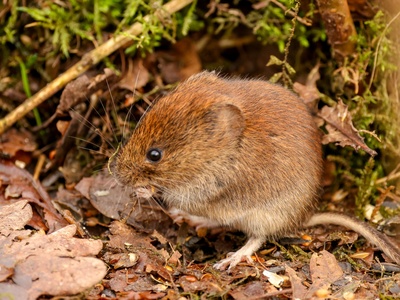
Bank vole
Reddish-brown vole common in forests and gardens. Important prey item for many predators; often found under logs and dense ground vegetation.
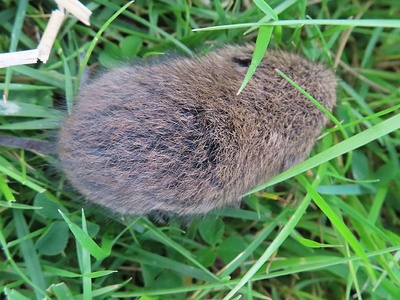
Field vole
Short-tailed vole preferring grassy habitats. Populations rise and fall cyclically; abundant food source for raptors and carnivores in open countryside.
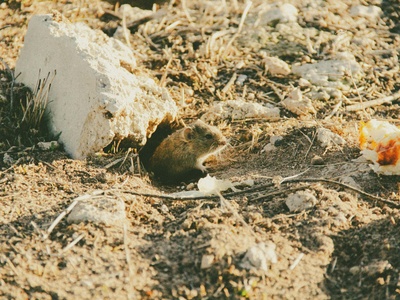
Common vole
Adaptable vole of agricultural landscapes. Forms runways through grass and can reach high densities in favourable years, often noticed by farmers.

Root vole
Vole of wetlands and tundra-like habitats. Prefers damp sedge and marsh vegetation; common in Latvia’s boggy northern and eastern areas.

Harvest mouse
Tiny, golden-brown mouse that nests above ground in grass stems. Agile climber with prehensile tail; a delight to find in reedbeds and tall grass.

Yellow-necked mouse
Large wood mouse with distinctive pale collar. Nocturnal omnivore, often enters buildings; common in Latvian broadleaved and mixed forests.
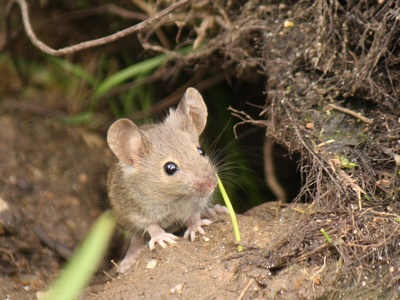
Wood mouse
Common forest-edge and field mouse with long tail. Active at night, sometimes seen in gardens and barns; important seed disperser.
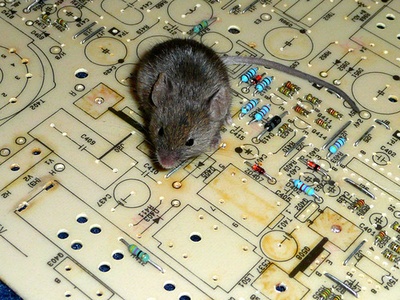
House mouse
Small rodent closely associated with humans. Brown-grey with long tail. Lives in houses, barns and stores across Latvia; easily overlooked but ubiquitous.

Brown rat
Large adaptable rodent commonly found near human settlements and waterways. Nocturnal and omnivorous; signs frequently seen around docks, sewers and farms.
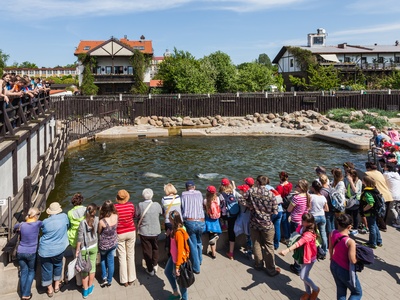
Grey seal
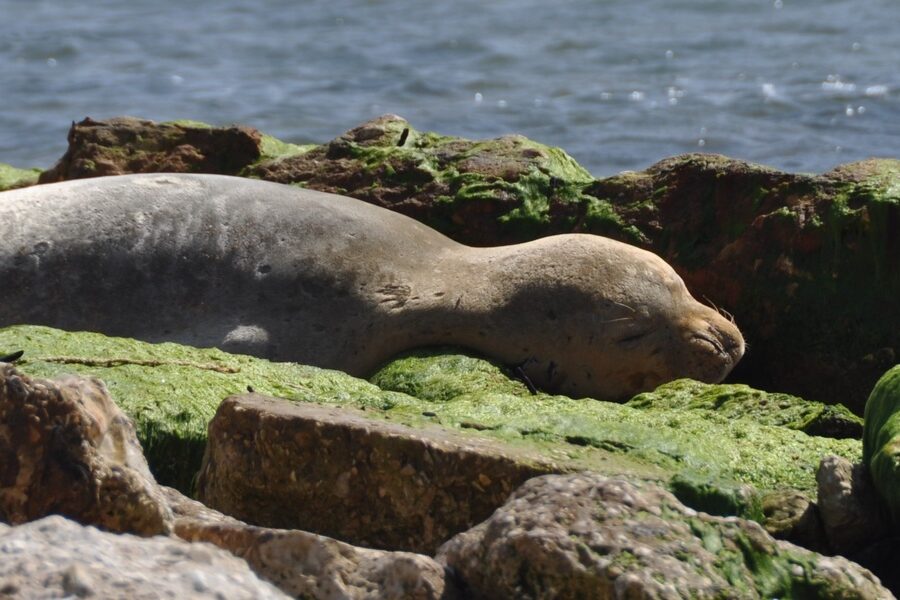
Large marine mammal often hauled out on shores and islets. Grey-brown with bulky body; increasingly seen in Latvian coastal waters and islands.
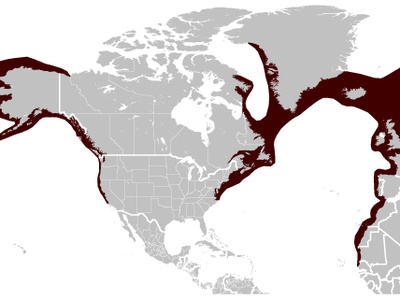
Harbour porpoise
Small toothed cetacean with blunt snout and triangular dorsal fin. Now uncommon but still recorded in Latvian Baltic waters, especially in quieter coastal zones.
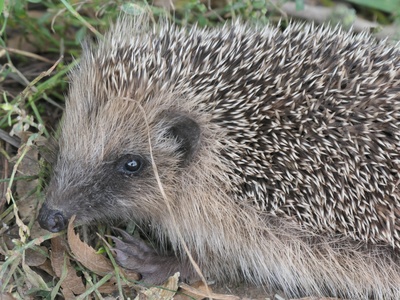
West European hedgehog
Spiny insectivore that rolls into a ball when threatened. Nocturnal and often seen in gardens and parks feeding on invertebrates; familiar to many Latvians.
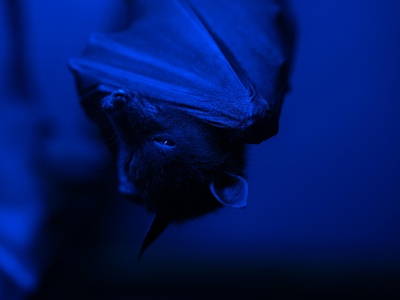
Vesper bat (general)
Latvia hosts many small insectivorous bats of the Vespertilionidae family. Most are nocturnal, roost in buildings or trees, and are best found at dusk near water and woodlands.