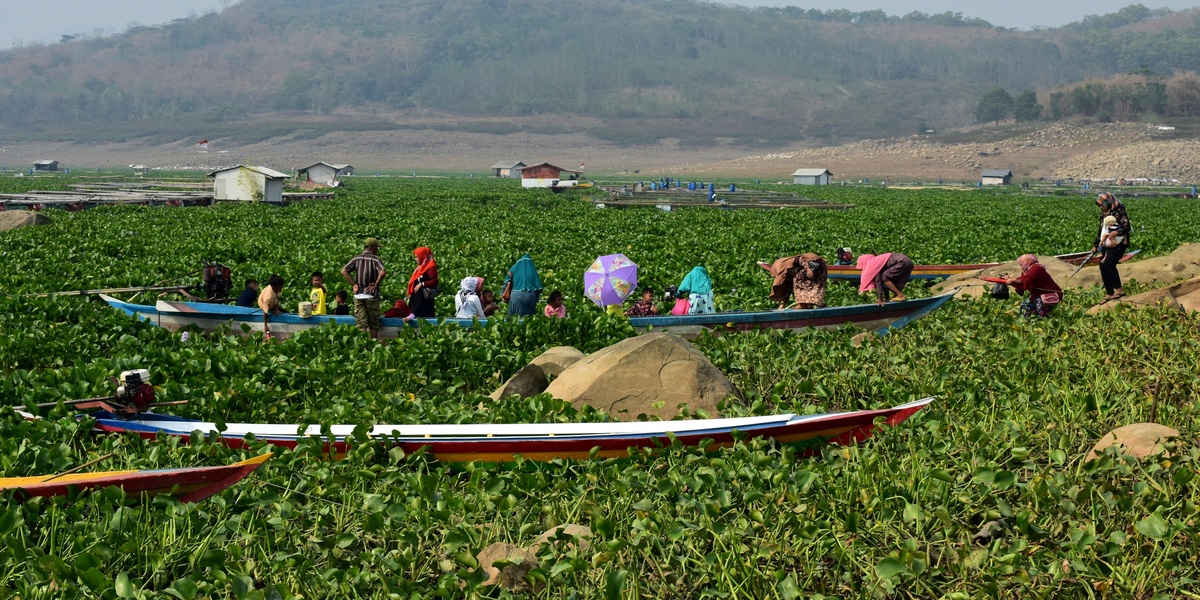
Togo’s coastal lagoons, agricultural plains and busy ports face ongoing pressure from non-native plants and animals that change habitats and affect livelihoods. Small islands of habitat and intensive trade routes make the country vulnerable to species arriving accidentally or being introduced for food, ornament or transport.
There are Invasive Species in Togo, exactly 7 in this list, ranging from Black rat to Water hyacinth. For each species you’ll find below the Scientific name,Status in Togo,Impact (max 15 words) so you can quickly see identity, current status and concise effects — you’ll find below.
How do invasive species typically arrive and spread in Togo?
They usually arrive via trade and transport (ships, cargo, plant trade), accidental stowaways (rats, insects), or deliberate introductions (aquaculture, ornamentals); once established they spread along waterways, roads and disturbed land, so monitoring ports and markets is key.
What practical steps can communities and farmers take to limit damage?
Early detection and rapid removal, cleaning equipment and boats, avoiding planting known invasives, reporting sightings to local authorities, and using community outreach and extension services are effective, low-cost measures to reduce establishment and spread.
Invasive Species in Togo
| Name | Scientific name | Status in Togo | Impact (max 15 words) |
|---|---|---|---|
| Siam weed | Chromolaena odorata | Established; widely reported in Togo | Outcompetes native vegetation, reduces pasture and crop yields |
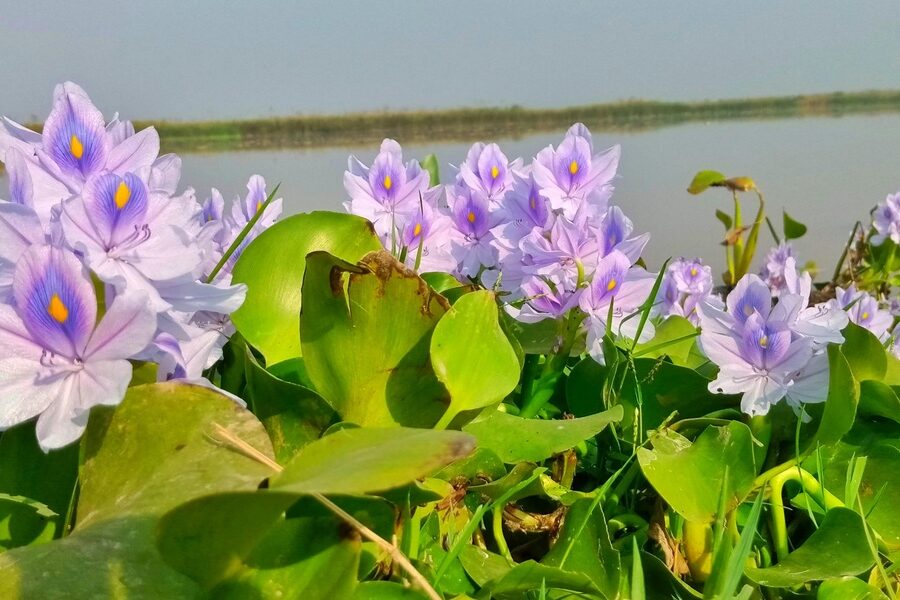
| Water hyacinth | Eichhornia crassipes | Established; invades lakes, lagoons and slow-flowing rivers | Clogs waterways, reduces fisheries, increases disease vector habitat |
| Lantana | Lantana camara | Established; widespread in disturbed and agricultural areas | Displaces native plants, toxic to livestock, hinders regeneration |
| Fall armyworm | Spodoptera frugiperda | Established; first reported in Togo 2016 | Severe maize and cereal crop losses |
| Giant African snail | Achatina fulica | Established; recorded in Togo (introduced) | Crop damage, garden pest, public‑health parasite risk |
| Black rat | Rattus rattus | Established; long‑established commensal species | Crop and stored‑product losses, disease reservoir |
| House mouse | Mus musculus | Established; widespread in human settlements | Damage to stored food, disease transmission |
Images and Descriptions
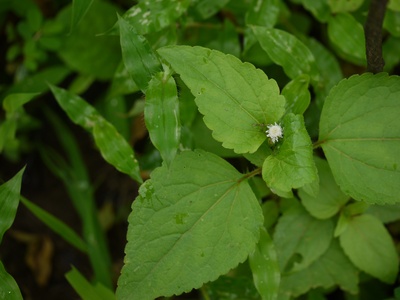
Siam weed
Fast‑growing shrub native to the Americas that aggressively invades disturbed forest edges, roadsides and fallow land in Togo. It reduces biodiversity, slows forest regeneration and raises control costs for farmers and land managers.
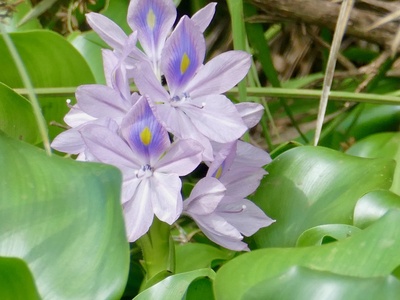
Water hyacinth
Free‑floating aquatic plant from the Amazon that forms dense mats in Togo’s lagoons and slow rivers (e.g., Lake Togo/Mono basin). It obstructs navigation, lowers fish catches and increases mosquito and snail habitat, harming livelihoods.
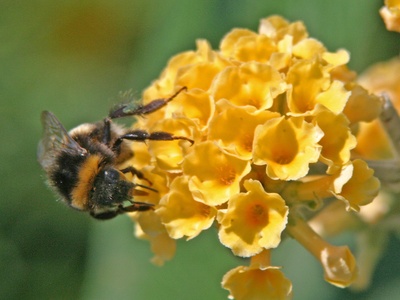
Lantana
Ornamental shrub from the Americas that has naturalized across Togo. It forms dense thickets that suppress native seedlings, is poisonous to some livestock, and complicates grazing and restoration efforts.
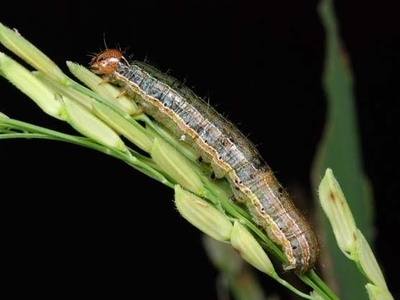
Fall armyworm
Native to the Americas, this moth arrived in Africa in 2016 and spread quickly to Togo. Larvae feed on maize and other cereals, causing significant yield losses and triggering emergency pest management responses.
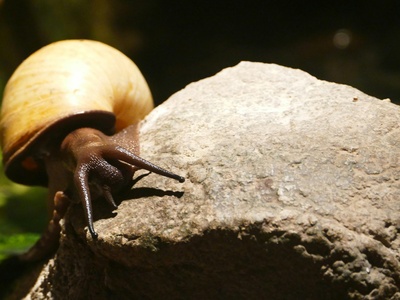
Giant African snail
Large terrestrial snail native to East Africa that has spread widely as an agricultural pest. In Togo it damages vegetables and ornamentals and can carry parasites of human and animal health concern.
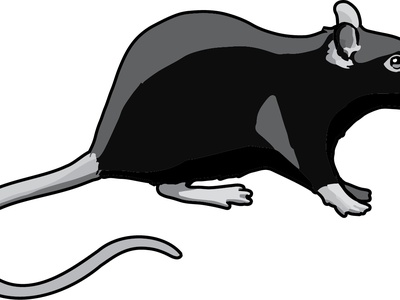
Black rat
Ship‑borne rodent originating outside West Africa, now common in Togo’s towns and farms. It damages stored food, preys on poultry, spreads pathogens and undermines sanitation and food security.
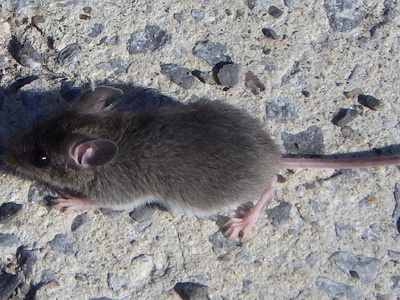
House mouse
Commensal rodent associated with human habitation that colonized Togo via trade. It contaminates and eats stored grains, spreads zoonotic agents and complicates household and market hygiene.